Is Snake Plant Safe for Cats? Complete Guide
The snake plant (Sansevieria trifasciata), also known as Mother-in-Law's Tongue or Sansevieria, is a popular houseplant beloved for its striking architectural form and low-maintenance nature. However, for cat owners, a crucial question arises: Is snake plant safe for cats? The short answer is no, snake plants are not considered safe for cats. According to the ASPCA (American Society for the Prevention of Cruelty to Animals), snake plants are listed as toxic to cats (and dogs). While typically not fatal, ingestion can cause unpleasant gastrointestinal upset and other symptoms. Understanding the risks and knowing what to do if your cat nibbles on this common houseplant is essential for every pet parent.
What Makes Snake Plant Toxic to Cats?
Snake plants contain saponins, a natural chemical compound produced by many plants. Saponins are a type of glycoside that, when ingested, can cause irritation to the gastrointestinal tract. While these compounds might offer some protective benefits to the plant in nature (deterring pests), they are harmful to pets. Cats, being naturally curious and prone to chewing on plants, are particularly susceptible to the effects of saponins if they decide to sample a snake plant. The level of toxicity is generally considered mild to moderate, meaning it's unlikely to be life-threatening but can certainly make your cat feel unwell.
🌱 Get Personalized Plant Picks
Answer a few quick questions and we’ll match plants to your exact yard conditions.
Find My Plants →What Are the Symptoms of Snake Plant Poisoning in Cats?
If your cat has ingested part of a snake plant, you might observe a range of symptoms, primarily affecting their digestive system. The severity of these symptoms can depend on the amount of plant material consumed and your cat's individual sensitivity.
Common symptoms include:
- Nausea: Your cat may appear restless or uncomfortable.
- Vomiting: This is a common response as the body tries to expel the irritant.
- Diarrhea: Loose stools can occur due to gastrointestinal upset.
- Oral irritation: Your cat might paw at their mouth, drool excessively, or show signs of discomfort in their mouth and throat.
- Lack of appetite: They may refuse food or treats.
- Lethargy: A general decrease in energy or activity.
If you observe any of these symptoms or suspect your cat has ingested snake plant, it's important to act quickly.
Quick Reference: Snake Plant Toxicity for Cats | Feature | Detail The snake plant (Sansevieria trifasciata), also known as Mother-in-Law's Tongue or Sansevieria, is a popular houseplant beloved for its striking architectural form and low-maintenance nature. However, for cat owners, a crucial question arises: Is snake plant safe for cats? The short answer is no, snake plants are not considered safe for cats. According to the ASPCA (American Society for the Prevention of Cruelty to Animals), snake plants are listed as toxic to cats (and dogs). While typically not fatal, ingestion can cause unpleasant gastrointestinal upset and other symptoms. Understanding the risks and knowing what to do if your cat nibbles on this common houseplant is essential for every pet parent.
What Makes Snake Plant Toxic to Cats?
Snake plants contain saponins, a natural chemical compound produced by many plants. Saponins are a type of glycoside that, when ingested, can cause irritation to the gastrointestinal tract. While these compounds might offer some protective benefits to the plant in nature (deterring pests), they are harmful to pets. Cats, being naturally curious and prone to chewing on plants, are particularly susceptible to the effects of saponins if they decide to sample a snake plant. The level of toxicity is generally considered mild to moderate, meaning it's unlikely to be life-threatening but can certainly make your cat feel unwell.
What Are the Symptoms of Snake Plant Poisoning in Cats?
If your cat has ingested part of a snake plant, you might observe a range of symptoms, primarily affecting their digestive system. The severity of these symptoms can depend on the amount of plant material consumed and your cat's individual sensitivity.
Common symptoms include:
- Nausea: Your cat may appear restless or uncomfortable.
- Vomiting: This is a common response as the body tries to expel the irritant.
- Diarrhea: Loose stools can occur due to gastrointestinal upset.
- Oral irritation: Your cat might paw at their mouth, drool excessively, or show signs of discomfort in their mouth and throat.
- Lack of appetite: They may refuse food or treats.
- Lethargy: A general decrease in energy or activity.
If you observe any of these symptoms or suspect your cat has ingested snake plant, it's important to act quickly.
Quick Reference: Snake Plant Toxicity for Cats
| Feature | Detail |
|---|---|
| Toxicity Level | Mild to moderate |
| Toxic Compounds | Saponins |
| Common Symptoms | Vomiting, diarrhea, nausea, oral irritation, lethargy |
| Emergency Action | Contact vet or ASPCA Animal Poison Control immediately |
What Should I Do If My Cat Eats Snake Plant?
If you catch your cat chewing on a snake plant or notice any of the symptoms listed above, it's crucial to take immediate action.
- Remove the Plant: First, remove any remaining plant material from your cat's mouth and move the plant out of reach.
- Contact a Professional: Call your veterinarian or the ASPCA Animal Poison Control Center immediately. Provide them with as much information as possible: what plant your cat ate, how much you think they ingested, and any symptoms you've observed. If you suspect your pet has ingested a toxic plant, call the ASPCA Animal Poison Control Center immediately at (888) 426-4435.
- Follow Advice: Do not try to induce vomiting unless specifically instructed to do so by a veterinary professional. They will provide guidance based on your cat's specific situation.
- Monitor Your Cat: Keep a close eye on your cat for any changes in behavior or worsening symptoms.
Early intervention can prevent more severe discomfort for your feline friend.
How Can I Keep My Cat Away From Toxic Plants?
Even if you choose to keep a snake plant, there are strategies to minimize the risk of your cat getting into it. However, the most foolproof method is to simply remove toxic plants from your home.
- Elevate Plants: Place snake plants on high shelves, in hanging baskets, or in rooms that are inaccessible to your cat. Remember that cats are excellent climbers, so "out of reach" needs to be truly out of reach.
- Physical Barriers: Use plant stands with protective cages or place plants inside terrariums if suitable for the plant.
- Deterrents: Some cat owners use pet-safe deterrents like citrus sprays (cats generally dislike citrus scents) or sprinkle cayenne pepper around the base of the plant. Always research and ensure any deterrents are safe for your pet.
- Provide Alternatives: Offer your cat plenty of their own safe plants to chew on, such as cat grass (oat, wheat, or barley grass) or catnip. This can redirect their chewing instincts to appropriate targets.
- Enrichment: Ensure your cat has plenty of toys, scratching posts, and mental stimulation to keep them entertained and less likely to seek out houseplants for amusement.
What Are Some Cat-Friendly Plant Alternatives?
If you're looking to green up your home without any worry for your curious cat, there are many beautiful and not listed as toxic alternatives to the snake plant. These plants can add beauty to your home without posing a risk to your feline companions.
Here are a few popular choices:
- Cast Iron Plant (Aspidistra elatior): Known for its hardiness and tolerance to low light, similar to the snake plant. It has broad, dark green leaves.
- Prayer Plant (Maranta leuconeura): Features stunning patterned leaves that fold up at night, resembling hands in prayer. It's a vibrant and interesting choice.
- Christmas Cactus (Schlumbergera bridgesii): A beautiful flowering succulent that blooms in winter, adding a splash of color.
- Areca Palm (Dypsis lutescens): A lush, feathery palm that can grow quite large, providing a tropical feel.
- Boston Fern (Nephrolepis exaltata 'Bostoniensis'): A classic, elegant fern that thrives in humidity.
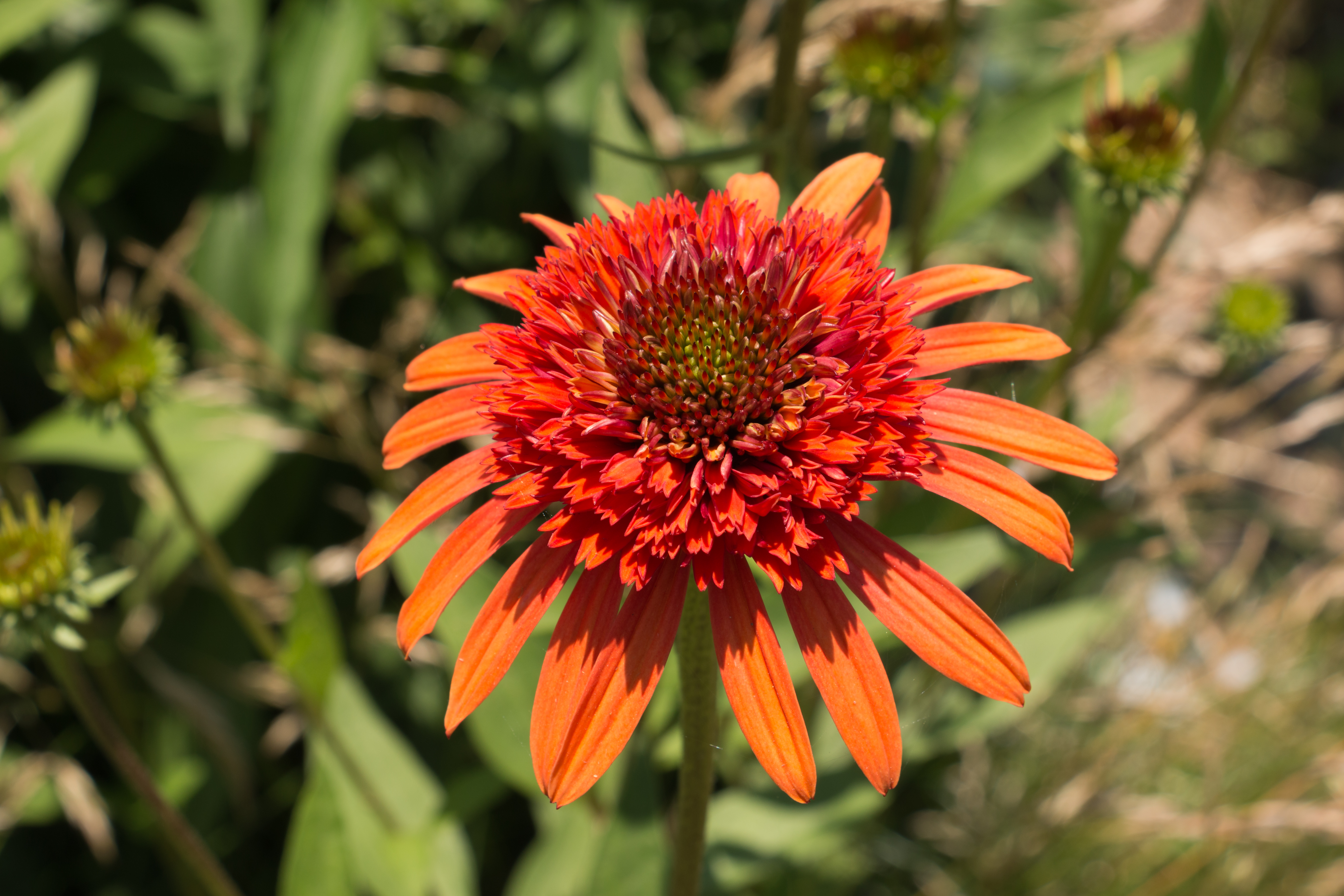
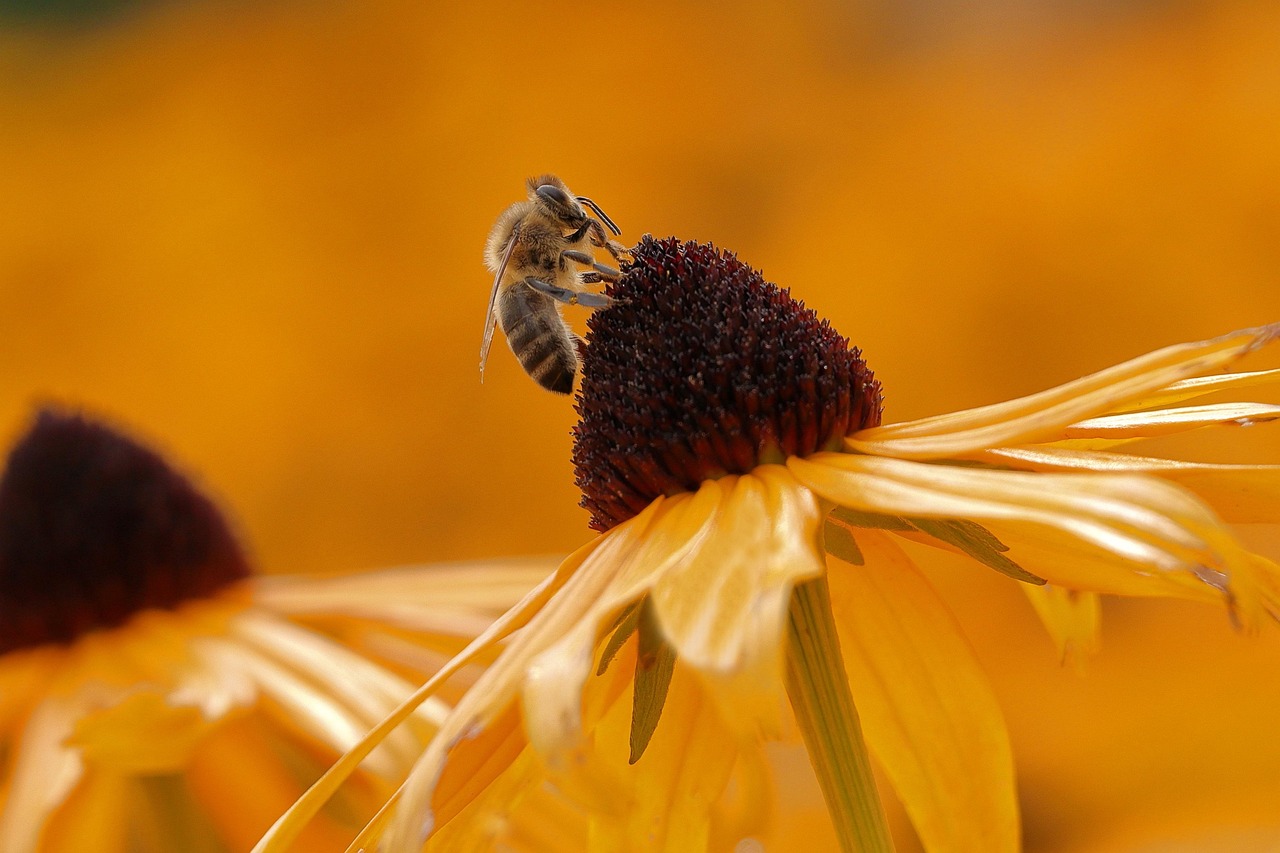
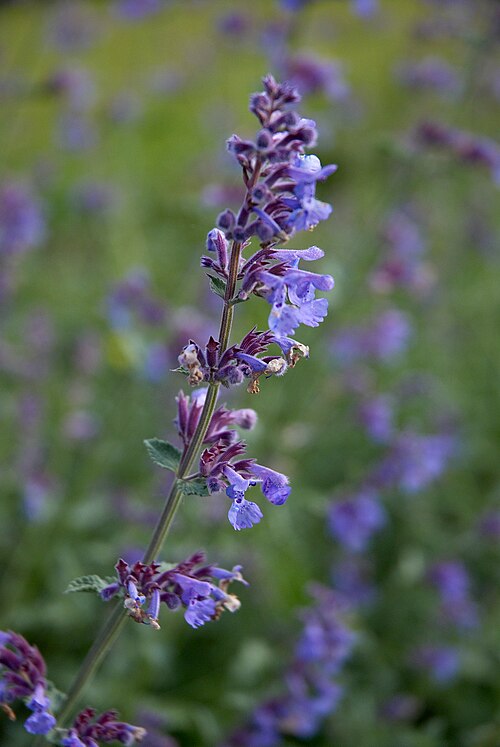
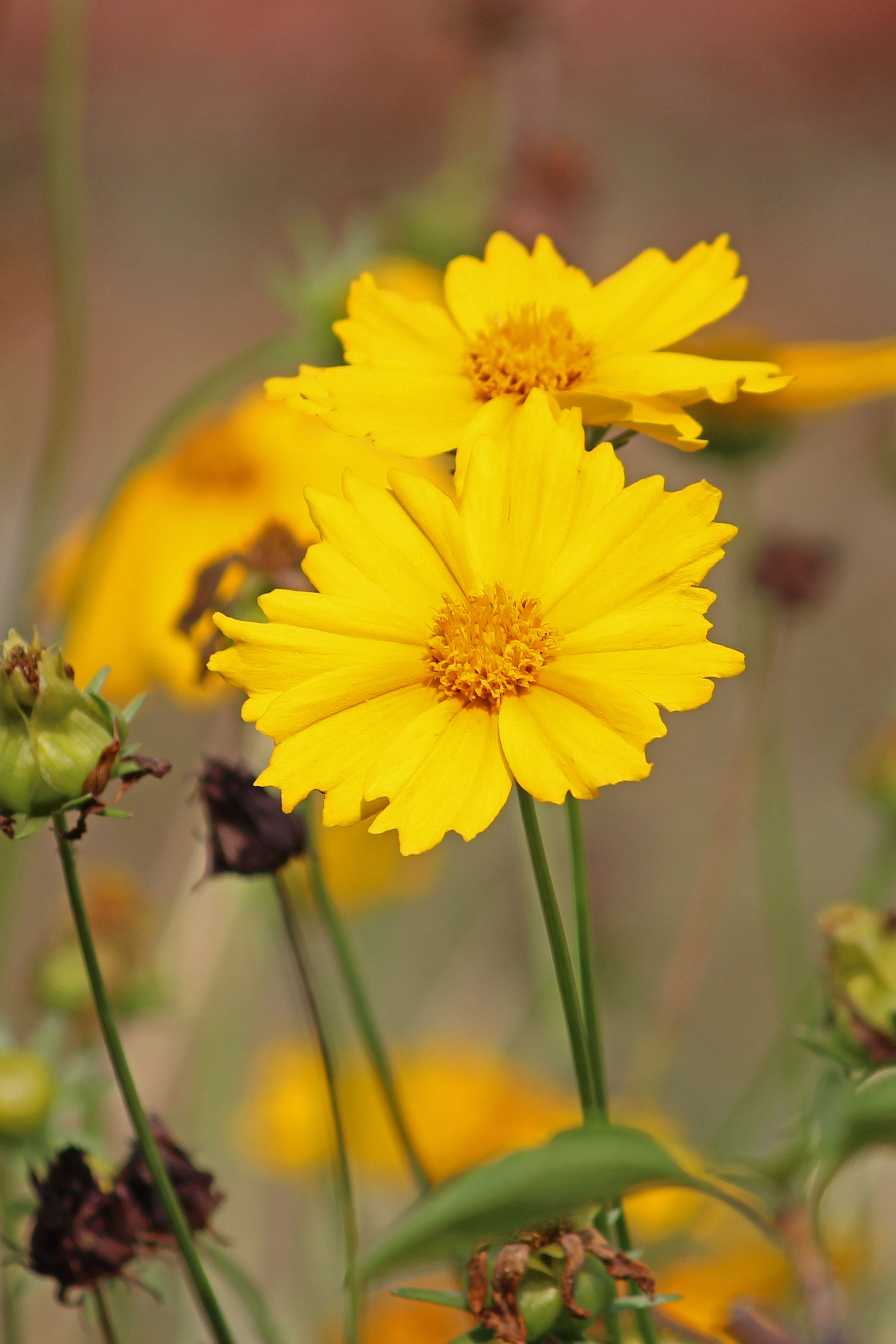
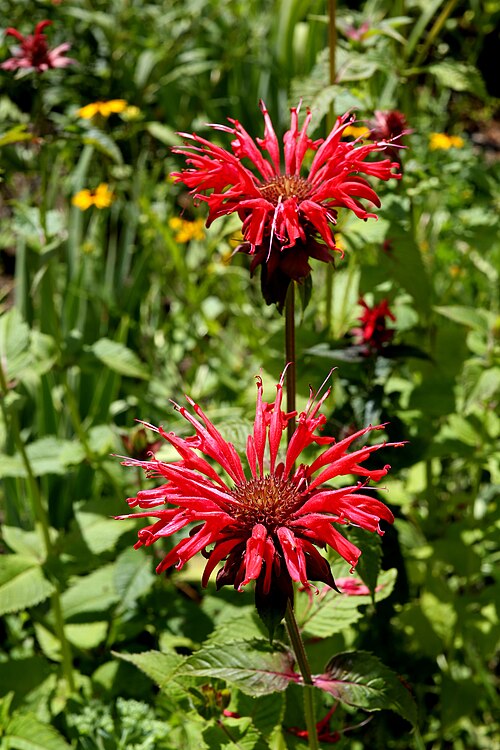
Catmint Bee Balm Coneflower Black-eyed Susan Coreopsis
While snake plants are a popular choice for their resilience and striking appearance, their toxicity to cats means they might not be the best fit for every pet-loving home. By understanding the risks, knowing what to do in an emergency, and exploring safe alternatives, you can create a beautiful indoor garden that is both aesthetically pleasing and safe for your beloved feline friends.
Ready to find the perfect plants for your yard? Try the PlantWise Plant Finder →