FTC Disclosure: This post contains affiliate links. As an Amazon Associate, we may earn from qualifying purchases.
Kids Destroyed My Lawn — Best Grass for Play Areas
If your kids have turned your beautiful lawn into a patchy mess, you’re not alone. The best grass for play areas is one that can withstand heavy foot traffic, recover quickly from damage, and stay lush throughout the growing season. Choosing the right grass variety can help you create a durable, kid-friendly lawn that handles running, jumping, and playing without turning into a muddy or bare patch. In this post, we’ll explore the top grasses for high-traffic family yards, tips for lawn recovery, and how to maintain a healthy, vibrant play area.
🌱 Get Personalized Plant Picks
Answer a few quick questions and we’ll match plants to your exact yard conditions.
Find My Plants →Why Do Kids Destroy Lawns?
Children playing outdoors often bring joy but can be tough on grass. Frequent running, jumping, ball games, and even digging can damage turf by compacting soil, tearing up blades, and creating bare spots. Over time, this results in a worn-out lawn that looks unsightly and can be prone to weeds and erosion. Kids destroy lawns primarily due to:
- High foot traffic that compacts soil and damages grass roots
- Uneven wear from repetitive play in specific areas
- Lack of recovery time for grass to regrow
- Poor soil conditions that don’t support healthy turf
To prevent this damage, you need grass varieties with strong resilience, rapid regrowth, and tolerance to compacted soil and wear.
Best Grass for Play Areas: Top Varieties
When choosing grass for a family lawn with active kids, consider these factors:
- Durability under foot traffic
- Fast recovery rate
- Adaptability to your climate zone
- Disease and pest resistance
- Maintenance requirements
Here are some of the best grasses for play areas based on these criteria:
1. Kentucky Bluegrass (Poa pratensis)
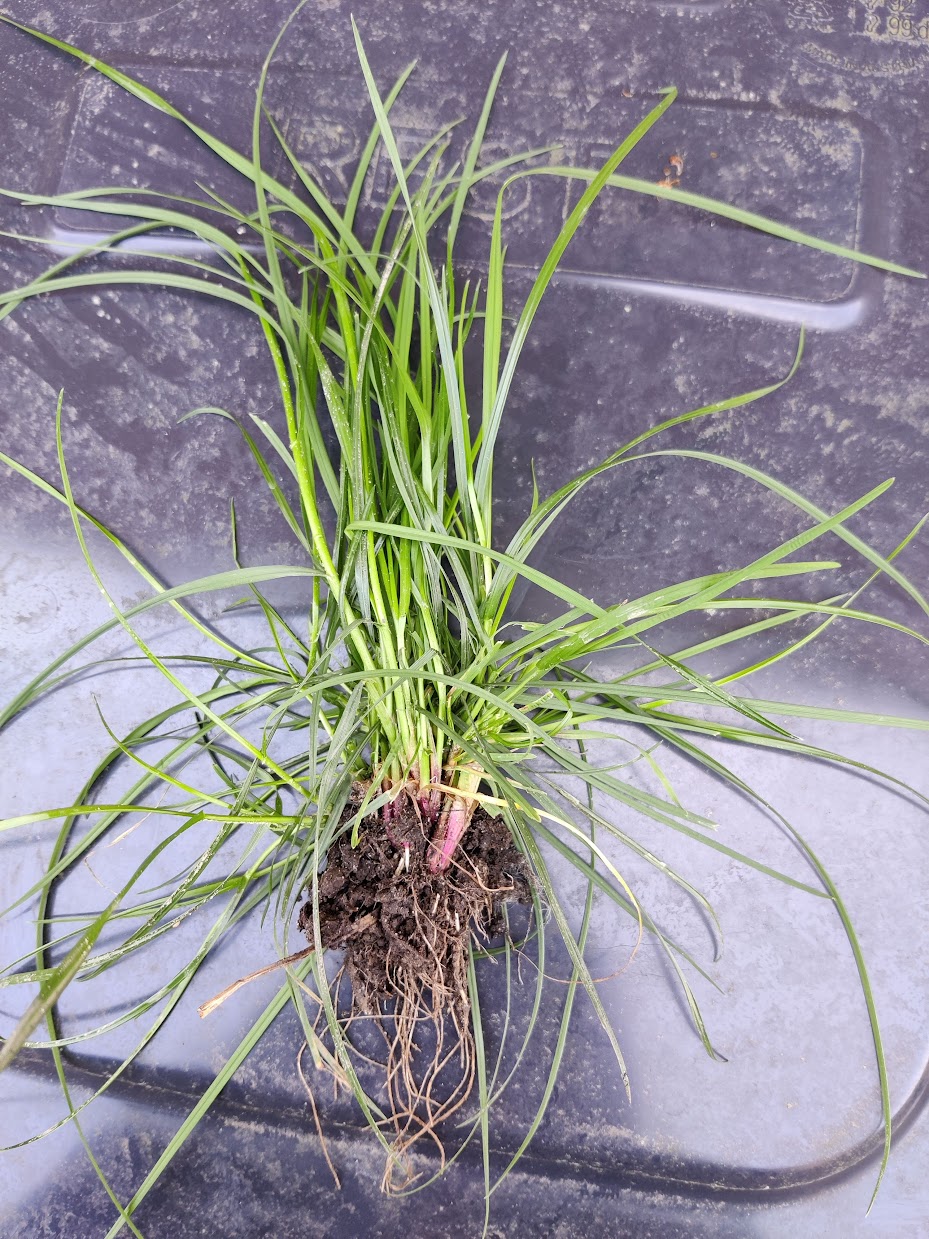
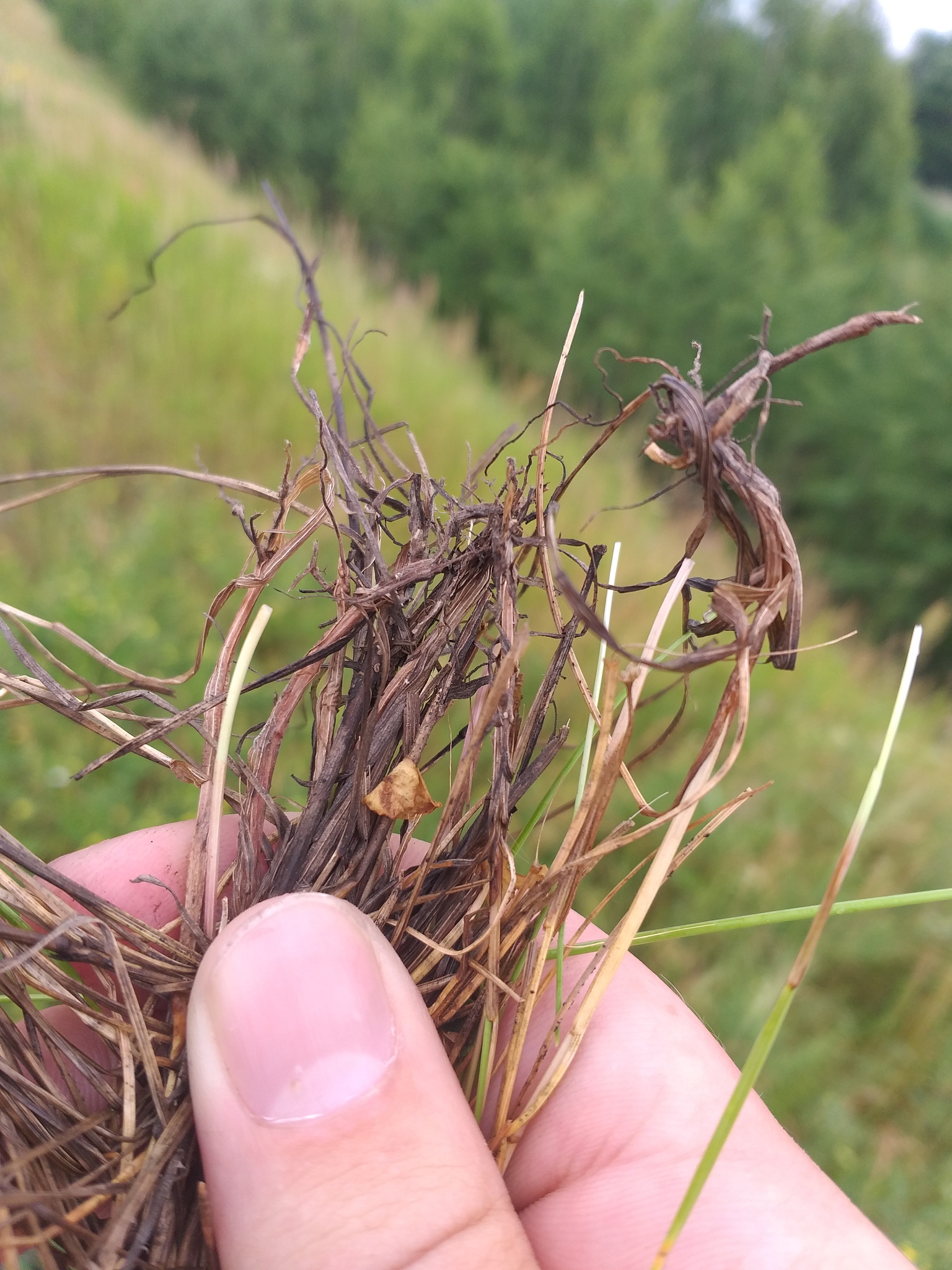
Kentucky Bluegrass is one of the most popular cool-season grasses in the U.S. It forms a dense, lush lawn with fine blades and excellent color. What makes it great for play areas is its ability to spread via rhizomes, which helps it recover quickly from damage. It tolerates moderate to heavy foot traffic and thrives in full sun to partial shade.
Kentucky Bluegrass prefers well-drained soils and cooler climates (USDA zones 3-7). It requires regular watering and fertilization to maintain its vigor.
2. Perennial Ryegrass (Lolium perenne)
Perennial Ryegrass germinates quickly and establishes a thick, wear-tolerant lawn fast—perfect for repairing damaged areas. It has excellent disease resistance and tolerates heavy traffic well. While it doesn’t spread through rhizomes like Kentucky Bluegrass, its quick germination helps fill in bare spots.
This grass prefers cooler climates and full sun but can tolerate some shade. It’s often mixed with Kentucky Bluegrass to combine durability and quick establishment.
3. Tall Fescue (Festuca arundinacea)
Tall Fescue is a tough, drought-tolerant grass with deep roots and good wear tolerance. Unlike fine fescues, tall fescue has broader blades and stays green longer in summer heat. It recovers well from traffic and is a good choice for lawns in warmer zones (zones 5-9).
Its deep rooting system makes it more drought-resistant and less prone to compaction damage. Tall Fescue requires less water than Kentucky Bluegrass and ryegrass, making it lower maintenance.
4. Bermuda Grass (Cynodon dactylon)
For warm-season lawns in southern climates (zones 7-10), Bermuda Grass is a top choice for play areas. It grows aggressively, spreads quickly via stolons and rhizomes, and tolerates heat, drought, and heavy foot traffic exceptionally well.
Bermuda Grass has a coarse texture and thrives in full sun but struggles in shade. It does require regular mowing and fertilizing to keep it healthy.
5. Zoysia Grass (Zoysia japonica)
Zoysia Grass is another excellent warm-season turfgrass known for its dense growth habit and wear tolerance. It spreads slowly but creates a thick carpet that can withstand heavy play. Zoysia is drought-tolerant and requires less fertilizer and water than Bermuda Grass.
It thrives in full sun to light shade and performs well in zones 6-9.
How to Repair a Lawn Destroyed by Kids
If your lawn is already damaged, follow these steps to restore it:
1. Remove Debris and Thatched Layers
Clear away toys, stones, and dead grass. Rake to remove thatch buildup, which can block water and nutrients.
2. Aerate the Soil
Compacted soil restricts root growth. Use a core aerator or spike aerator to loosen the soil and improve oxygen and water penetration.
3. Amend the Soil
Add compost or topsoil to improve soil quality. Test soil pH and nutrients and amend as needed to create optimal growing conditions.
4. Overseed with Suitable Grass
Choose a seed mix that fits your climate and combines quick germination with durability (e.g., Kentucky Bluegrass + Perennial Ryegrass). Spread seed evenly and lightly rake to ensure good soil contact.
5. Water and Fertilize Properly
Keep the soil consistently moist until seeds germinate and seedlings establish. Avoid overwatering which can encourage disease. Apply balanced fertilizer 4-6 weeks after germination to promote healthy growth.
6. Limit Foot Traffic Temporarily
Give your lawn time to recover by setting up play zones, using temporary fencing, or encouraging kids to use different areas.
Tips to Maintain a Kid-Friendly Lawn
- Mow at the right height: Keep grass heights appropriate to encourage deep roots and reduce stress. For most grasses, 2.5–3.5 inches is ideal.
- Regularly aerate: Compacted soil is the enemy of turfgrass health. Aerate annually or twice a year in high-traffic areas.
- Rotate play areas: Change where kids play to avoid excessive wear on one spot.
- Use mulch or play mats: In heavily used zones like under swings, consider mulch or rubber mats to protect grass.
- Fertilize seasonally: Feed your lawn with appropriate fertilizers to strengthen grass and improve recovery.
- Water deeply and infrequently: Encourage deep root growth by watering less often but thoroughly.
Are These Grasses Safe for Pets?
All grasses listed above are generally not listed as toxic to pets, but it’s always best to keep an eye on your furry friends when they play outside. For concerns about pet safety, contact the ASPCA Animal Poison Control Center at 888-426-4435.
Wildlife Resistance Disclaimer
No grass is completely resistant to deer, rabbits, groundhogs, or other wildlife. Use physical barriers or repellents if wildlife damage is a concern.
Creating a resilient lawn that stands up to kids’ active play takes the right grass choice and proper lawn care. Whether you opt for Kentucky Bluegrass, Tall Fescue, Bermuda Grass, or another tough turf, these varieties will help you reclaim your lawn and keep your kids happily playing outdoors.
Ready to find the perfect grass for your yard? Try our Plant Finder wizard to get personalized recommendations: /wizard
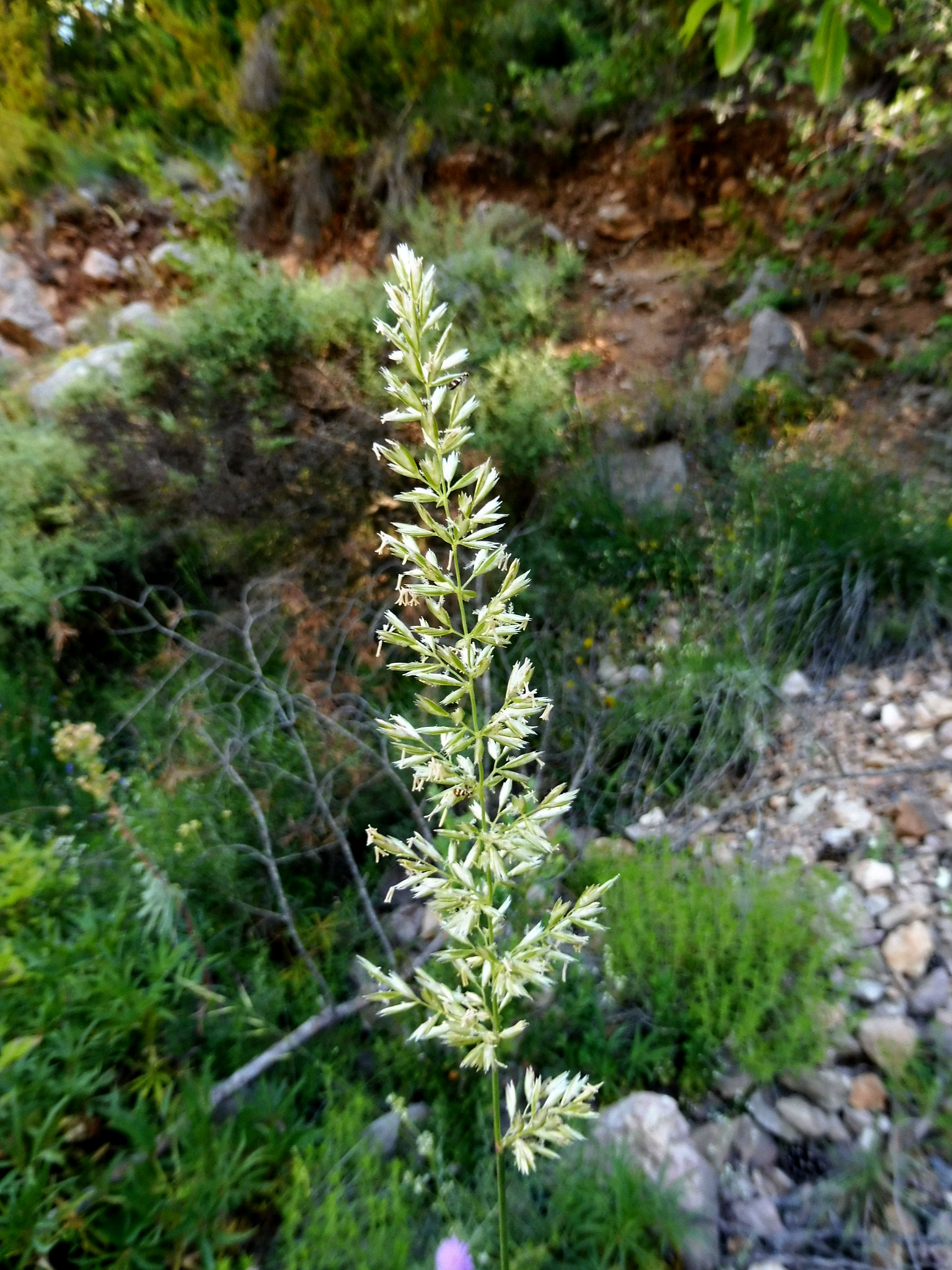
Kentucky Bluegrass
Perennial Ryegrass
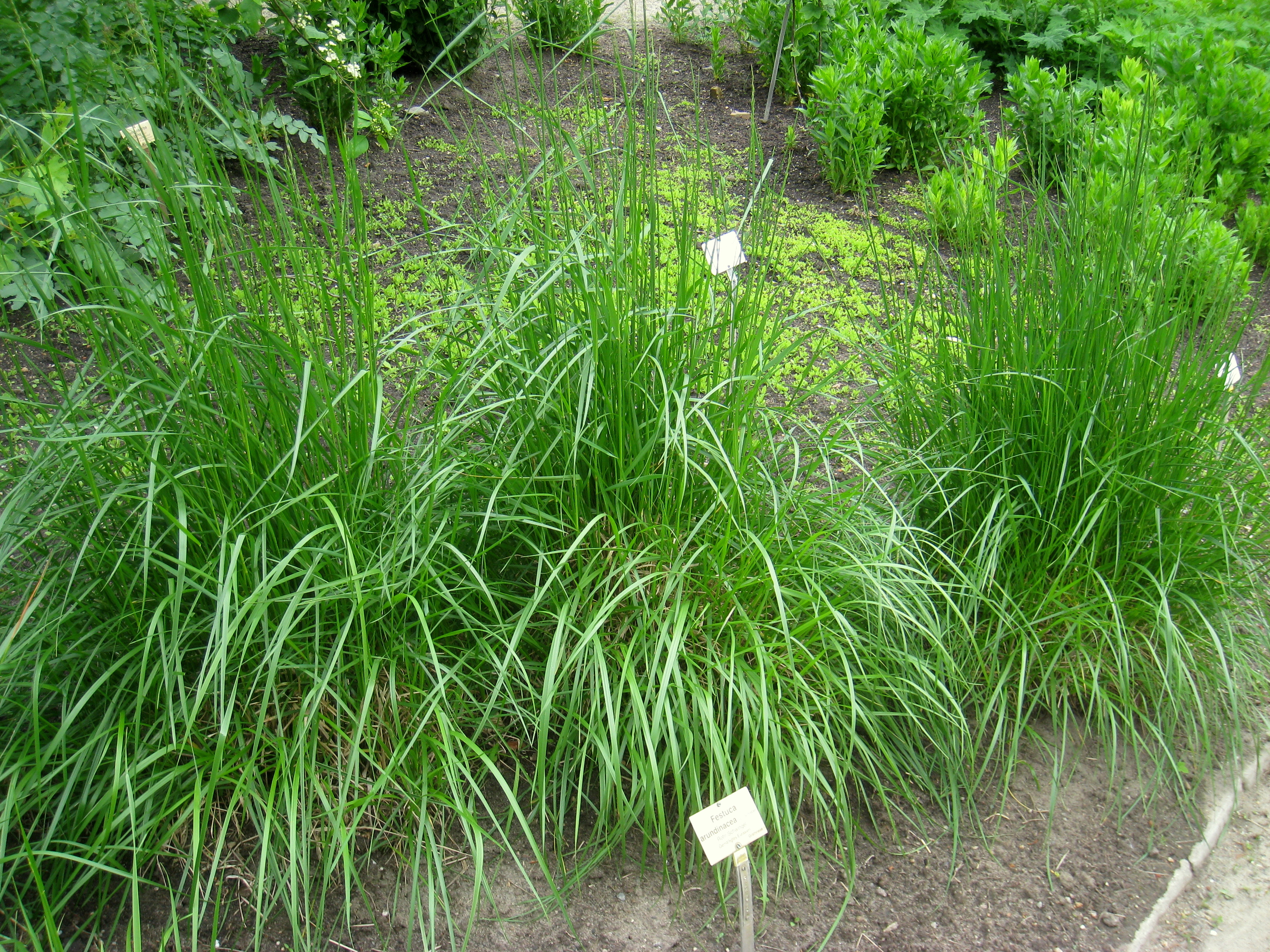
Tall Fescue
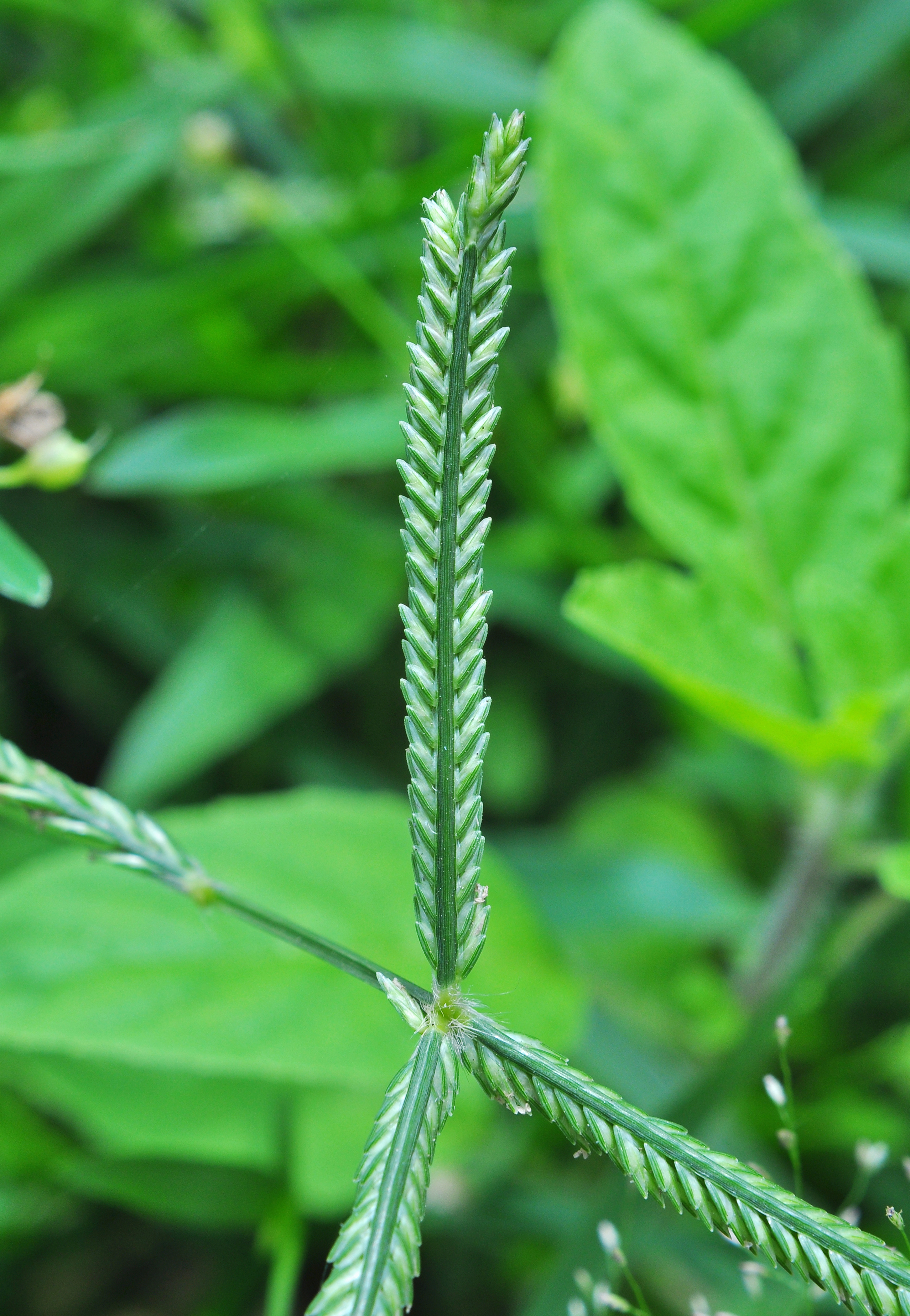
Bermuda Grass
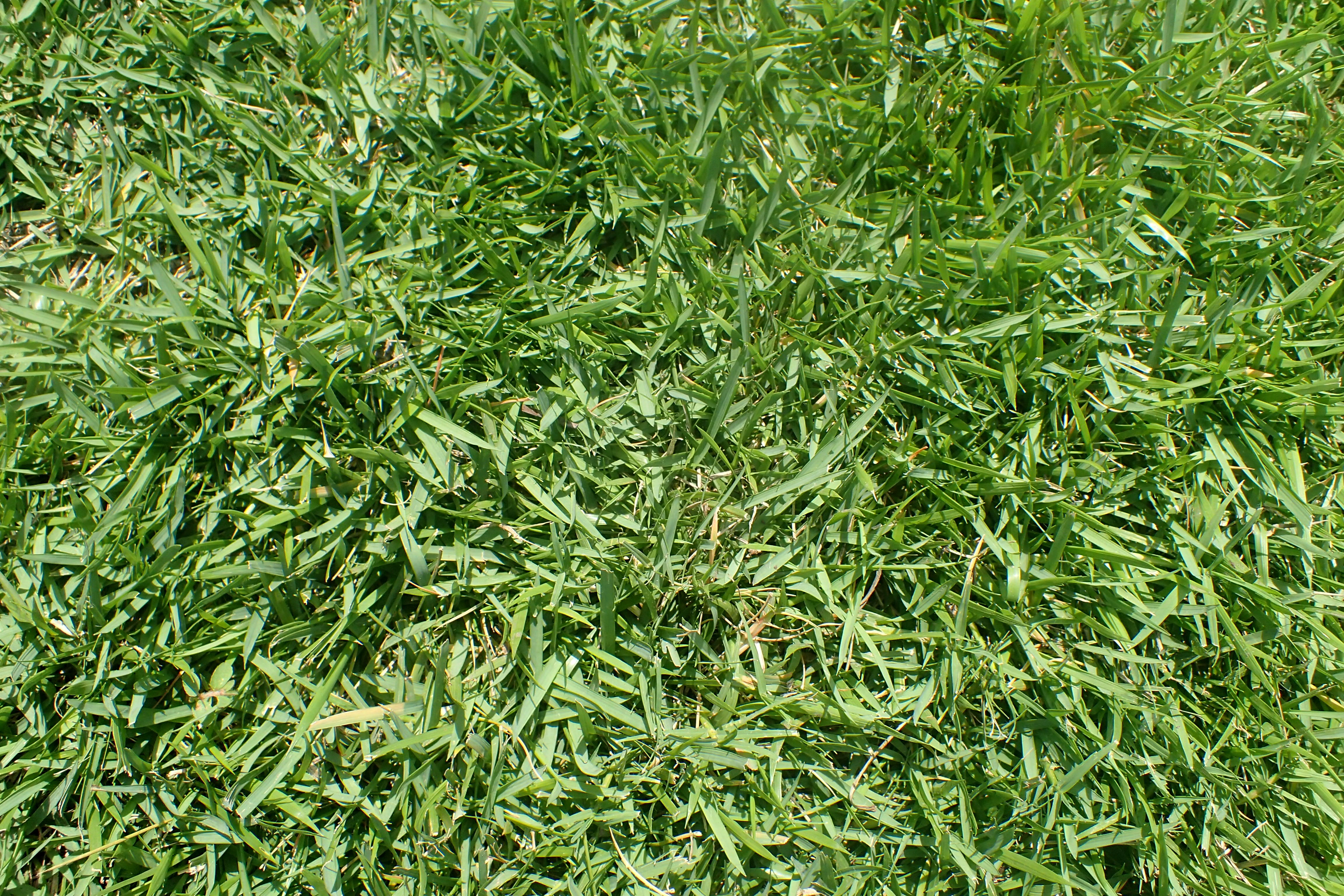
Zoysia Grass