Organic lawn care is a holistic approach to maintaining a healthy, vibrant lawn without relying on synthetic chemicals. Instead, it focuses on building robust soil health and fostering a balanced ecosystem, creating a lawn that is naturally more resilient to pests, diseases, and weeds. This method is safer for kids, pets, and the environment, as it avoids harmful pesticides and chemical fertilizers that can runoff into waterways or linger in your yard. By nurturing the soil and using natural inputs, organic lawn care promotes stronger root growth, better water retention, and a more self-sustaining turf.
Why Choose Organic Lawn Care?
The decision to switch to organic lawn care is often driven by a desire for a healthier outdoor space. One of the primary benefits is the enhanced safety for children and pets. Traditional lawn care products often contain synthetic chemicals, herbicides, and insecticides that can be harmful if ingested or through prolonged exposure. With organic methods, you eliminate these concerns, allowing your family and furry friends to enjoy the lawn without worry.
Beyond safety, organic lawn care significantly improves soil health. Organic fertilizers, compost, and other natural amendments feed the beneficial microorganisms in the soil, which in turn break down organic matter and make nutrients available to your grass. This leads to a more crumbly, porous soil structure that retains moisture better and supports deeper, stronger root systems. A healthy, resilient lawn is better equipped to withstand environmental stressors like drought and heat, and naturally crowds out weeds. Furthermore, organic practices support local ecosystems by protecting pollinators and other beneficial insects, which are often harmed by broad-spectrum pesticides.
🌱 Get Personalized Plant Picks
Answer a few quick questions and we’ll match plants to your exact yard conditions.
Find My Plants →How Do I Start My Organic Lawn Transformation?
Transitioning to an organic lawn is a journey that focuses on building a strong foundation rather than quick fixes. The best time to begin this process is often in the fall, allowing the soil to build biological life before the next growing season.
The first and most crucial step is to understand your soil.
Soil Testing: The Foundation of Organic Lawn Care
A soil test provides a comprehensive snapshot of your soil's current nutrient levels, pH, and organic matter content. This information is invaluable for determining what amendments your lawn truly needs, preventing unnecessary applications, and ensuring optimal plant health.
How to Test Your Soil:
- Collect Samples: Take 10-15 random soil samples from various spots across your lawn. For established lawns, sample to a depth of 2-4 inches. Avoid areas that have been recently fertilized or amended.
- Prepare Samples: Remove any thatch, roots, or other organic debris from the soil. Mix all the collected samples thoroughly in a clean plastic bucket to create a representative sample. If the soil is wet, allow it to air dry before sending.
- Submit to a Lab: While DIY kits are available, sending your samples to a local university extension or private lab provides the most accurate and detailed results, often including specific recommendations for amendments.
The results will guide your fertilization strategy and help you adjust your soil's pH if necessary. Lawn grasses generally thrive in slightly acidic to neutral soil with a pH range of 6.2 to 7.0.
What Are the Key Practices for Organic Lawn Maintenance?
Once you understand your soil, a few core practices will help you maintain a thriving organic lawn.
Mowing Matters
Proper mowing is one of the simplest yet most impactful practices for organic lawn care.
- Mow High: Set your mower to its highest setting, typically between 2.5 to 3.5 inches for most cool-season grasses. Taller grass blades promote deeper root growth, shade out weeds by blocking sunlight, and help the soil retain moisture.
- The One-Third Rule: Never remove more than one-third of the grass blade length in a single mowing. Cutting too much at once stresses the grass, hindering root growth and inviting weeds and disease.
- Leave Clippings: Allow grass clippings to remain on the lawn. They act as a natural mulch, returning valuable nitrogen, phosphorus, potassium, and micronutrients to the soil as they decompose. This can provide up to a third of your lawn's nitrogen needs.
- Sharp Blades: Ensure your mower blades are sharp. Dull blades tear the grass, leaving jagged edges that are more susceptible to disease and dehydration.
Watering Wisely
Deep and infrequent watering encourages a robust, drought-tolerant lawn.
- Water Deeply: Aim to apply 1 to 1.5 inches of water per week, enough to wet the soil 6-8 inches deep. This encourages roots to grow deeper, making the grass more resilient.
- Water Infrequently: Instead of daily sprinkles, water once every 3-7 days, or only when the top 2 inches of soil are dry. Frequent, shallow watering leads to weak, shallow roots and can promote fungal problems.
- Timing is Key: Water in the early morning. This allows the grass blades to dry during the day, reducing the risk of fungal diseases.
Nourishing the Soil
Organic fertilization focuses on feeding the soil, which in turn feeds the grass.
- Compost: Top-dressing your lawn with a thin layer of compost (1/4" to 1/2" thick) in spring and fall provides a stable source of nutrients, beneficial microorganisms, and organic matter.
- Organic Fertilizers: Use slow-release, organic fertilizers derived from natural sources like plant or animal wastes. These fertilizers release nutrients gradually, preventing "burn" and supporting microbial activity. Apply in late spring (around May/June) and early fall (September/October) for best results.
- Aeration: Periodically aerating your lawn (every 1-2 years, especially for compacted soil) helps air, water, and nutrients penetrate to the roots, reducing compaction.
How Can I Manage Weeds and Pests Organically?
A healthy, dense organic lawn is naturally more resistant to weeds and pests. However, some issues may still arise.
Organic Weed Control
- Hand-Pulling: For individual weeds, hand-pulling is highly effective, especially after rain when the soil is soft. Ensure you remove the entire root to prevent regrowth.
- Corn Gluten Meal: This natural pre-emergent herbicide inhibits weed seeds from germinating and also provides nitrogen to the grass. Apply it in early spring before weed seeds sprout.
- Mulching: For garden beds adjacent to your lawn, mulching with organic materials like wood chips or straw suppresses weed growth and improves soil quality.
- Natural Sprays: For spot treatments, vinegar solutions (mixed with dish soap) can effectively kill young weeds on contact. Boiling water can also be used for weeds in cracks or pathways. Some organic herbicides containing Fehedta or Hedta are available for broadleaf weeds.
Organic Pest Control
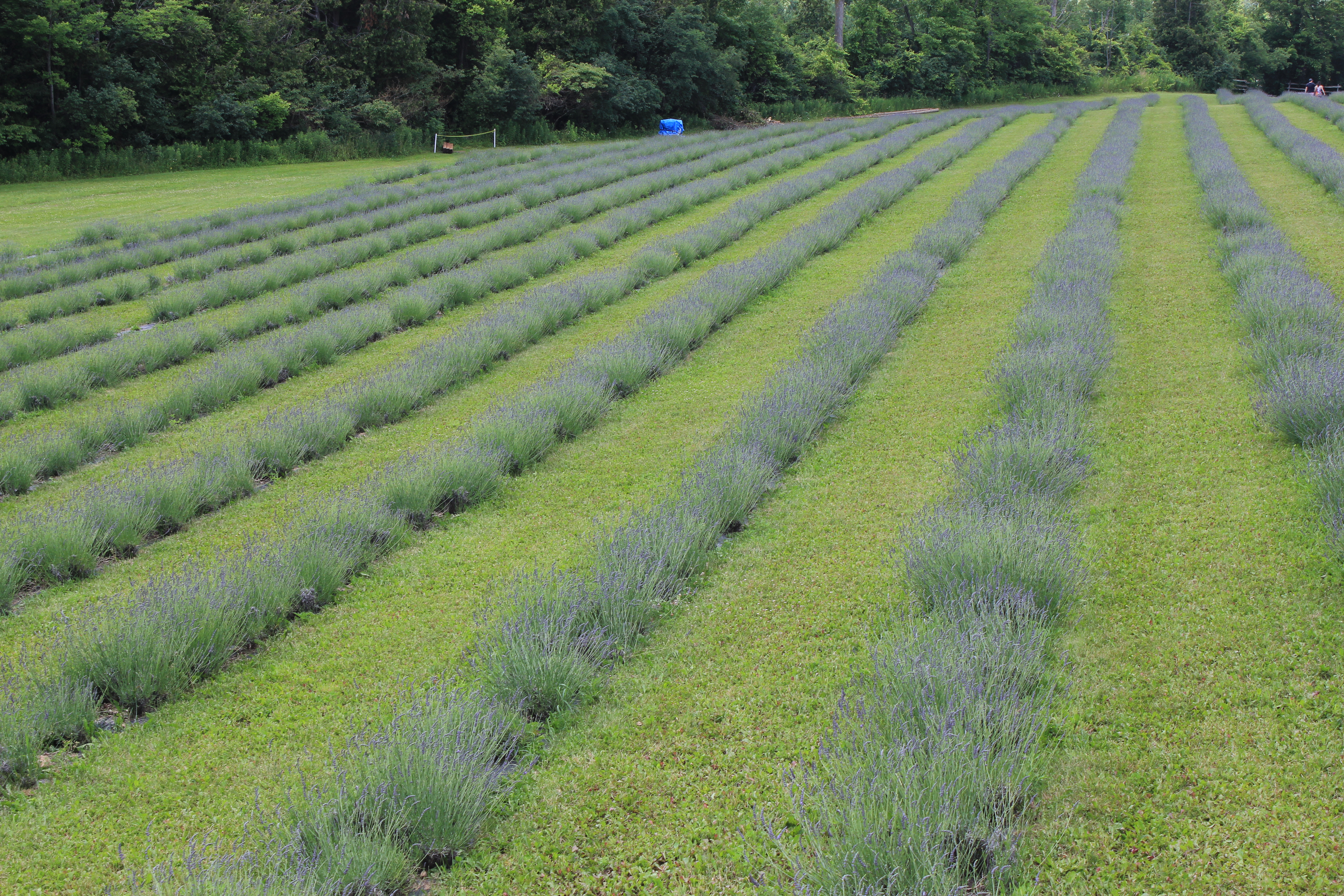
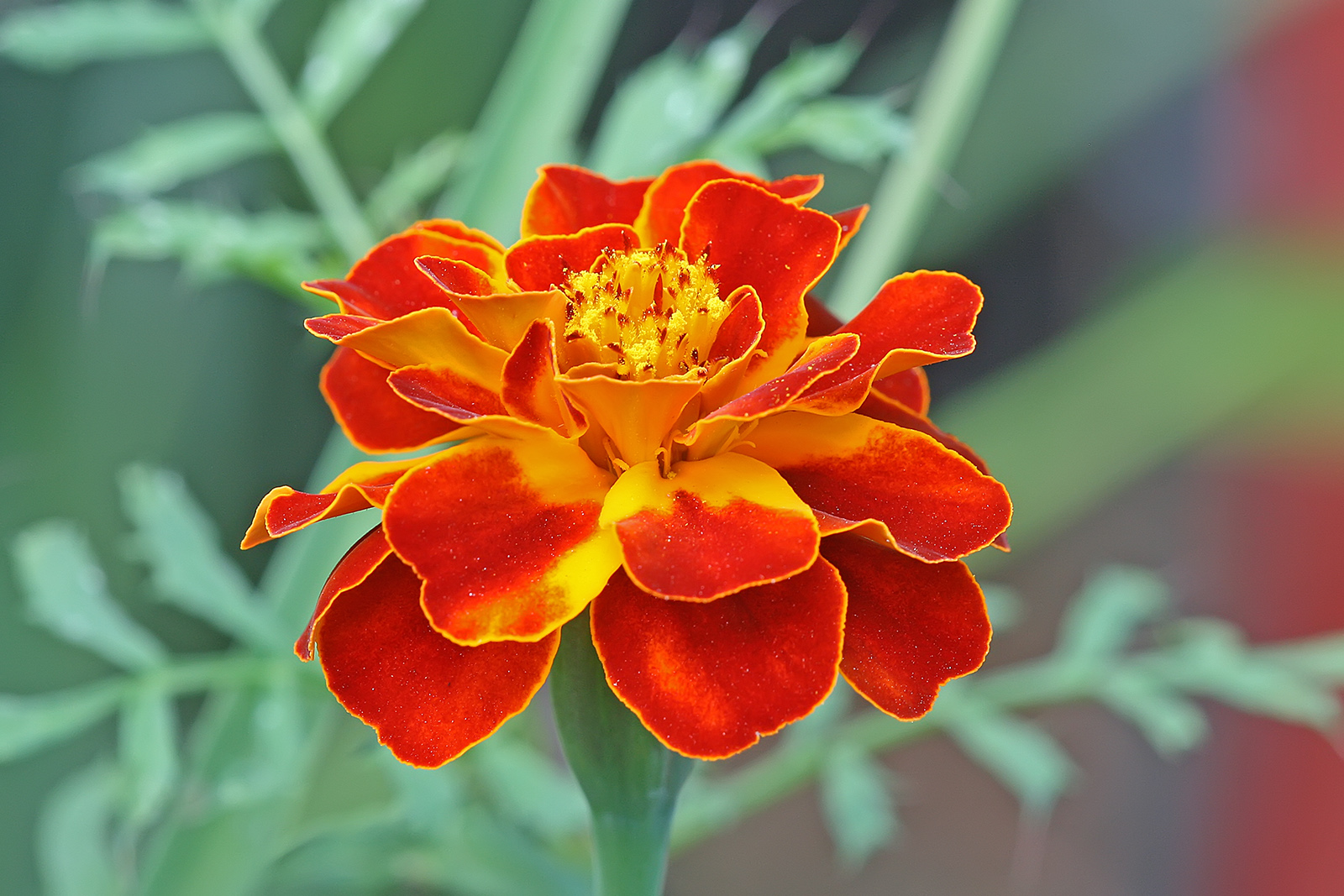
- Healthy Soil & Diverse Planting: A vibrant soil ecosystem with beneficial microorganisms and a diverse plant palette (including pest-repellent herbs like lavender or marigolds) can naturally deter pests and attract beneficial insects that prey on harmful ones.
- Beneficial Insects: Encourage natural predators like ladybugs and predatory wasps by planting nectar and pollen-rich flowers.
- Biological Treatments: Nematodes (tiny soil-dwelling worms) can be effective against common lawn pests like grubs.
- Natural Pesticides: For more persistent issues, consider organic options like neem oil, diatomaceous earth, spinosad, or Bacillus thuringiensis (Bt). Neem oil also acts as a natural fungicide.
Organic Disease Management
Many lawn diseases are a symptom of underlying issues like poor soil health or improper watering.
- Cultural Practices: Proper mowing, deep watering, and aeration are crucial preventive measures.
- Compost Tea: Applying compost tea can boost your lawn's immunity and introduce beneficial microbes that combat fungi.
- Natural Fungicides: For small affected areas, neem oil, baking soda solutions (mixed with water and a drop of dish soap), or cornmeal can be effective.
Quick Reference: Organic Lawn Care Calendar
| Season | Key Activities Organic lawn care is a holistic approach to maintaining a healthy, vibrant lawn without relying on synthetic chemicals. Instead, it focuses on building robust soil health and fostering a balanced ecosystem, creating a lawn that is naturally more resilient to pests, diseases, and weeds. This method is safer for kids, pets, and the environment, as it avoids harmful pesticides and chemical fertilizers that can runoff into waterways or linger in your yard. By nurturing the soil and using natural inputs, organic lawn care promotes stronger root growth, better water retention, and a more self-sustaining turf.
Why Choose Organic Lawn Care?
The decision to switch to organic lawn care is often driven by a desire for a healthier outdoor space. One of the primary benefits is the enhanced safety for children and pets. Traditional lawn care products often contain synthetic chemicals, herbicides, and insecticides that can be harmful if ingested or through prolonged exposure. With organic methods, you eliminate these concerns, allowing your family and furry friends to enjoy the lawn without worry.
Beyond safety, organic lawn care significantly improves soil health. Organic fertilizers, compost, and other natural amendments feed the beneficial microorganisms in the soil, which in turn break down organic matter and make nutrients available to your grass. This leads to a more crumbly, porous soil structure that retains moisture better and supports deeper, stronger root systems. A healthy, resilient lawn is better equipped to withstand environmental stressors like drought and heat, and naturally crowds out weeds. Furthermore, organic practices support local ecosystems by protecting pollinators and other beneficial insects, which are often harmed by broad-spectrum pesticides.
How Do I Start My Organic Lawn Transformation?
Transitioning to an organic lawn is a journey that focuses on building a strong foundation rather than quick fixes. The best time to begin this process is often in the fall, allowing the soil to build biological life before the next growing season.
The first and most crucial step is to understand your soil.
Soil Testing: The Foundation of Organic Lawn Care
A soil test provides a comprehensive snapshot of your soil's current nutrient levels, pH, and organic matter content. This information is invaluable for determining what amendments your lawn truly needs, preventing unnecessary applications, and ensuring optimal plant health.
How to Test Your Soil:
- Collect Samples: Take 10-15 random soil samples from various spots across your lawn. For established lawns, sample to a depth of 2-4 inches. Avoid areas that have been recently fertilized or amended.
- Prepare Samples: Remove any thatch, roots, or other organic debris from the soil. Mix all the collected samples thoroughly in a clean plastic bucket to create a representative sample. If the soil is wet, allow it to air dry before sending.
- Submit to a Lab: While DIY kits are available, sending your samples to a local university extension or private lab provides the most accurate and detailed results, often including specific recommendations for amendments.
The results will guide your fertilization strategy and help you adjust your soil's pH if necessary. Lawn grasses generally thrive in slightly acidic to neutral soil with a pH range of 6.2 to 7.0.
What Are the Key Practices for Organic Lawn Maintenance?
Once you understand your soil, a few core practices will help you maintain a thriving organic lawn.
Mowing Matters
Proper mowing is one of the simplest yet most impactful practices for organic lawn care.
- Mow High: Set your mower to its highest setting, typically between 2.5 to 3.5 inches for most cool-season grasses. Taller grass blades promote deeper root growth, shade out weeds by blocking sunlight, and help the soil retain moisture.
- The One-Third Rule: Never remove more than one-third of the grass blade length in a single mowing. Cutting too much at once stresses the grass, hindering root growth and inviting weeds and disease.
- Leave Clippings: Allow grass clippings to remain on the lawn. They act as a natural mulch, returning valuable nitrogen, phosphorus, potassium, and micronutrients to the soil as they decompose. This can provide up to a third of your lawn's nitrogen needs.
- Sharp Blades: Ensure your mower blades are sharp. Dull blades tear the grass, leaving jagged edges that are more susceptible to disease and dehydration.
Watering Wisely
Deep and infrequent watering encourages a robust, drought-tolerant lawn.
- Water Deeply: Aim to apply 1 to 1.5 inches of water per week, enough to wet the soil 6-8 inches deep. This encourages roots to grow deeper, making the grass more resilient.
- Water Infrequently: Instead of daily sprinkles, water once every 3-7 days, or only when the top 2 inches of soil are dry. Frequent, shallow watering leads to weak, shallow roots and can promote fungal problems.
- Timing is Key: Water in the early morning. This allows the grass blades to dry during the day, reducing the risk of fungal diseases.
Nourishing the Soil
Organic fertilization focuses on feeding the soil, which in turn feeds the grass.
- Compost: Top-dressing your lawn with a thin layer of compost (1/4" to 1/2" thick) in spring and fall provides a stable source of nutrients, beneficial microorganisms, and organic matter.
- Organic Fertilizers: Use slow-release, organic fertilizers derived from natural sources like plant or animal wastes. These fertilizers release nutrients gradually, preventing "burn" and supporting microbial activity. Apply in late spring (around May/June) and early fall (September/October) for best results.
- Aeration: Periodically aerating your lawn (every 1-2 years, especially for compacted soil) helps air, water, and nutrients penetrate to the roots, reducing compaction.
How Can I Manage Weeds and Pests Organically?
A healthy, dense organic lawn is naturally more resistant to weeds and pests. However, some issues may still arise.
Organic Weed Control
- Hand-Pulling: For individual weeds, hand-pulling is highly effective, especially after rain when the soil is soft. Ensure you remove the entire root to prevent regrowth.
- Corn Gluten Meal: This natural pre-emergent herbicide inhibits weed seeds from germinating and also provides nitrogen to the grass. Apply it in early spring before weed seeds sprout.
- Mulching: For garden beds adjacent to your lawn, mulching with organic materials like wood chips or straw suppresses weed growth and improves soil quality.
- Natural Sprays: For spot treatments, vinegar solutions (mixed with dish soap) can effectively kill young weeds on contact. Boiling water can also be used for weeds in cracks or pathways. Some organic herbicides containing Fehedta or Hedta are available for broadleaf weeds.
Organic Pest Control
- Healthy Soil & Diverse Planting: A vibrant soil ecosystem with beneficial microorganisms and a diverse plant palette (including pest-repellent herbs like lavender or marigolds) can naturally deter pests and attract beneficial insects that prey on harmful ones.
- Beneficial Insects: Encourage natural predators like ladybugs and predatory wasps by planting nectar and pollen-rich flowers.
- Biological Treatments: Nematodes (tiny soil-dwelling worms) can be effective against common lawn pests like grubs.
- Natural Pesticides: For more persistent issues, consider organic options like neem oil, diatomaceous earth, spinosad, or Bacillus thuringiensis (Bt). Neem oil also acts as a natural fungicide.
Organic Disease Management
Many lawn diseases are a symptom of underlying issues like poor soil health or improper watering.
- Cultural Practices: Proper mowing, deep watering, and aeration are crucial preventive measures.
- Compost Tea: Applying compost tea can boost your lawn's immunity and introduce beneficial microbes that combat fungi.
- Natural Fungicides: For small affected areas, neem oil, baking soda solutions (mixed with water and a drop of dish soap), or cornmeal can be effective.
Quick Reference: Organic Lawn Care Calendar
| Season | Key Activities organic lawn care guide