Best Lawn Grasses for High Traffic Areas
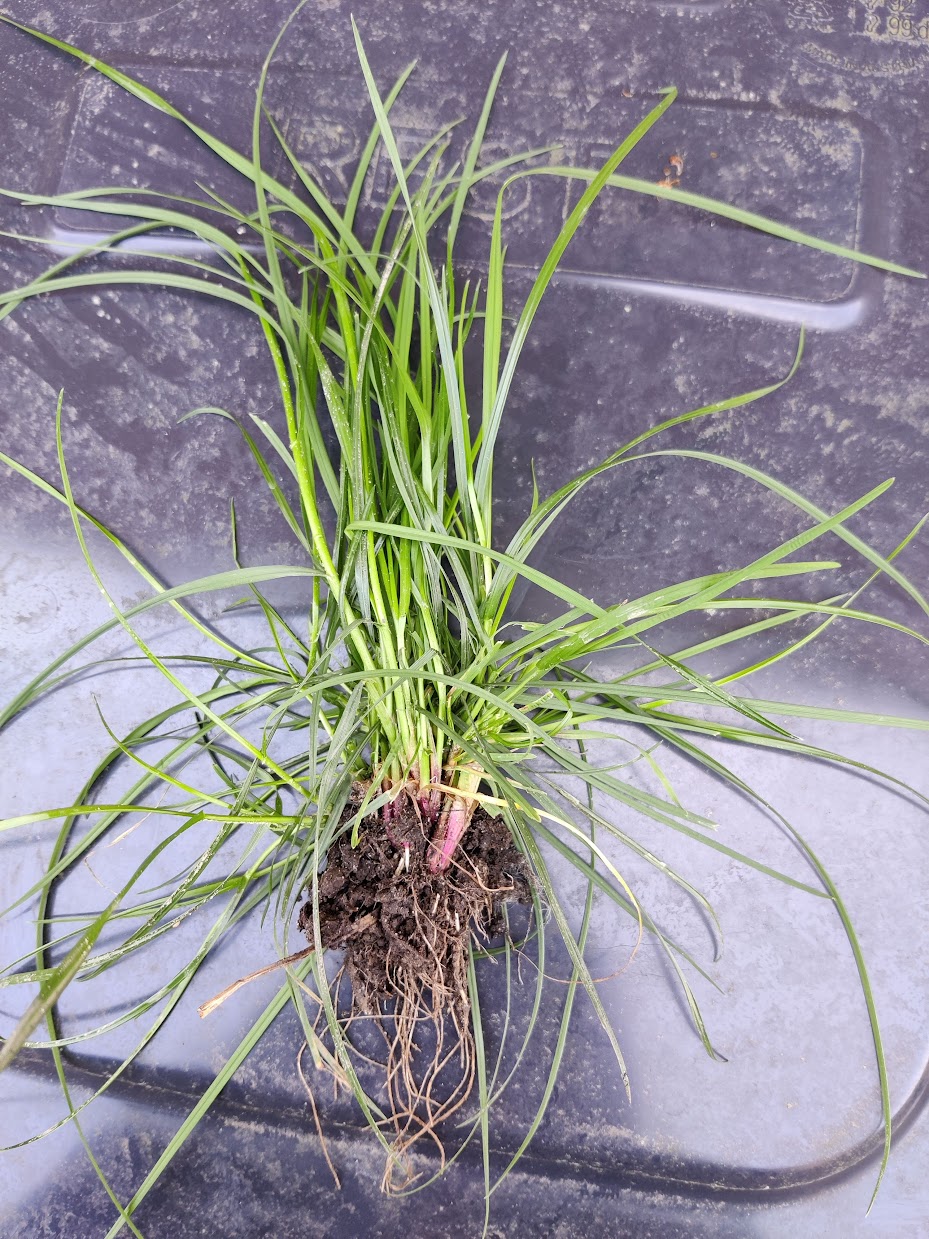
When your lawn sees a lot of action from kids, pets, and outdoor entertaining, choosing the right grass is crucial for maintaining a lush, green appearance. The best lawn grasses for high traffic areas are those with strong rhizomatous or stoloniferous growth habits, allowing them to recover quickly from wear and tear. Key options include Kentucky Bluegrass, Perennial Ryegrass, Tall Fescue, and Zoysia Grass, all offering varying levels of durability and recovery.
Why Does High Traffic Matter for Your Lawn?
Foot traffic, whether from playful pets, energetic children, or frequent gatherings, puts significant stress on your lawn. Repeated pressure compacts the soil, making it harder for grass roots to access water, nutrients, and oxygen. It also physically damages grass blades and crowns, leading to thinning, bare spots, and an overall unhealthy appearance. A resilient grass type can withstand this abuse, quickly repairing itself and maintaining its vigor. Understanding the growth habits of different grasses is key to selecting one that can stand up to the challenge.
🌱 Get Personalized Plant Picks
Answer a few quick questions and we’ll match plants to your exact yard conditions.
Find My Plants →What Makes a Grass Good for High Traffic?
The secret to a high-traffic tolerant lawn lies in the grass's growth habit and recuperative potential. Grasses that spread via rhizomes (underground stems) or stolons (above-ground stems) are generally more resilient. These lateral growth mechanisms allow the grass to fill in damaged areas quickly, preventing bare spots. Additionally, grasses with strong, deep root systems can better withstand soil compaction and drought stress often associated with heavy use. Blade density and texture also play a role; finer-bladed, dense grasses often show wear more quickly than coarser, more robust varieties.
What Are the Best Grasses for High Traffic?
Here’s a breakdown of the top contenders for high-traffic lawns, considering both cool-season and warm-season climates:
Cool-Season Grasses
Cool-season grasses thrive in regions with cold winters and hot summers, typically northern states.
- Kentucky Bluegrass (Poa pratensis):
- Pros: Known for its beautiful, dense turf and excellent recuperative ability due to its strong rhizomatous growth. It can repair itself from damage remarkably well.
- Cons: Slower to establish from seed, requires more water and fertilizer than some other types, and can go dormant in extreme heat without irrigation.
- Best For: Lawns needing a premium look that also withstands heavy use, especially in cooler climates.
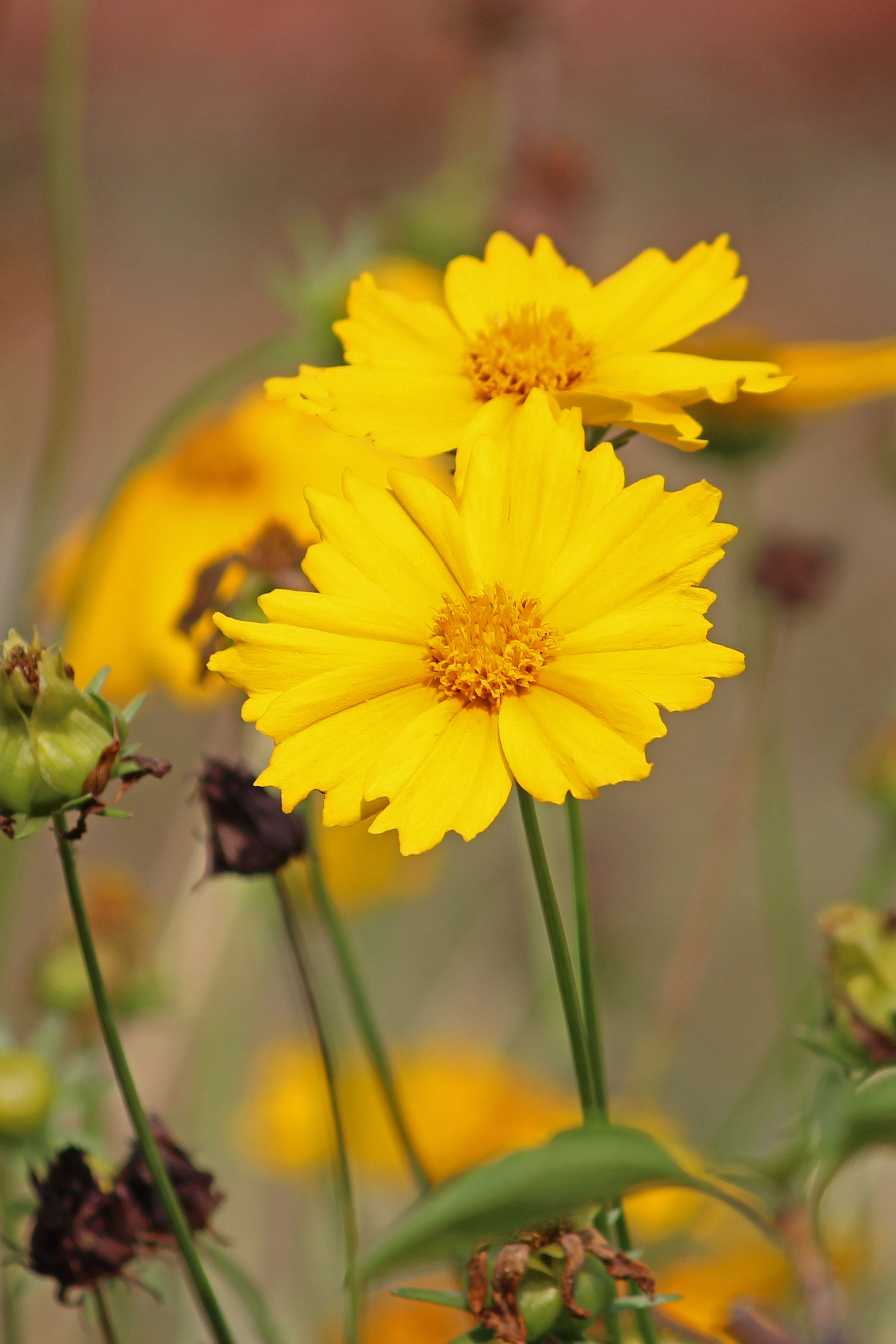
- Coreopsis
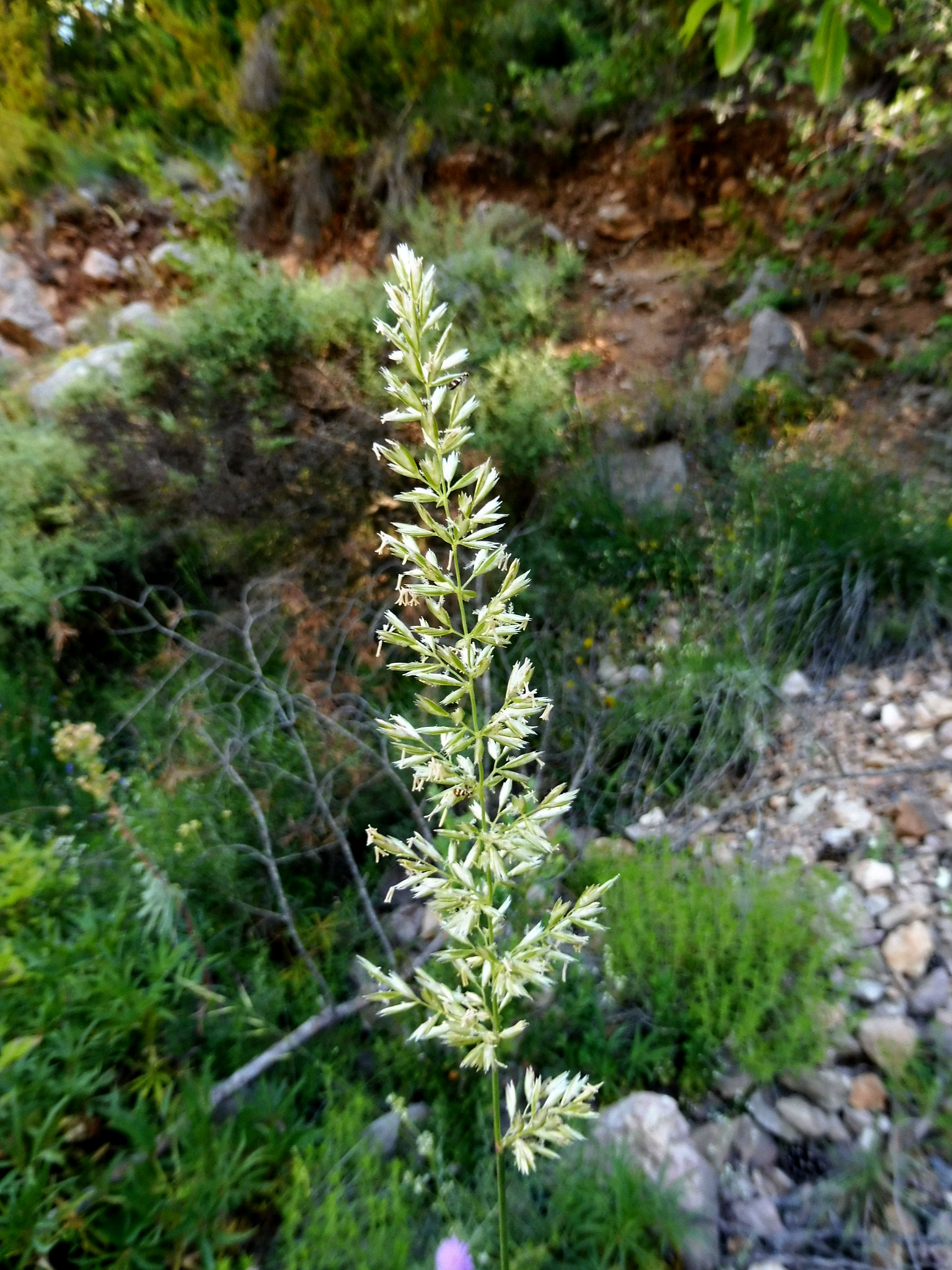
- Perennial Ryegrass (Lolium perenne):
- Pros: Germinates very quickly, providing fast cover and erosion control. It has good wear tolerance and a fine texture. Often used in mixes with Kentucky Bluegrass.
- Cons: Does not have rhizomes or stolons, so its ability to self-repair is limited. Can be susceptible to some diseases.
- Best For: Overseeding existing lawns for quick repair, or as a component in high-traffic mixes where rapid establishment is desired.
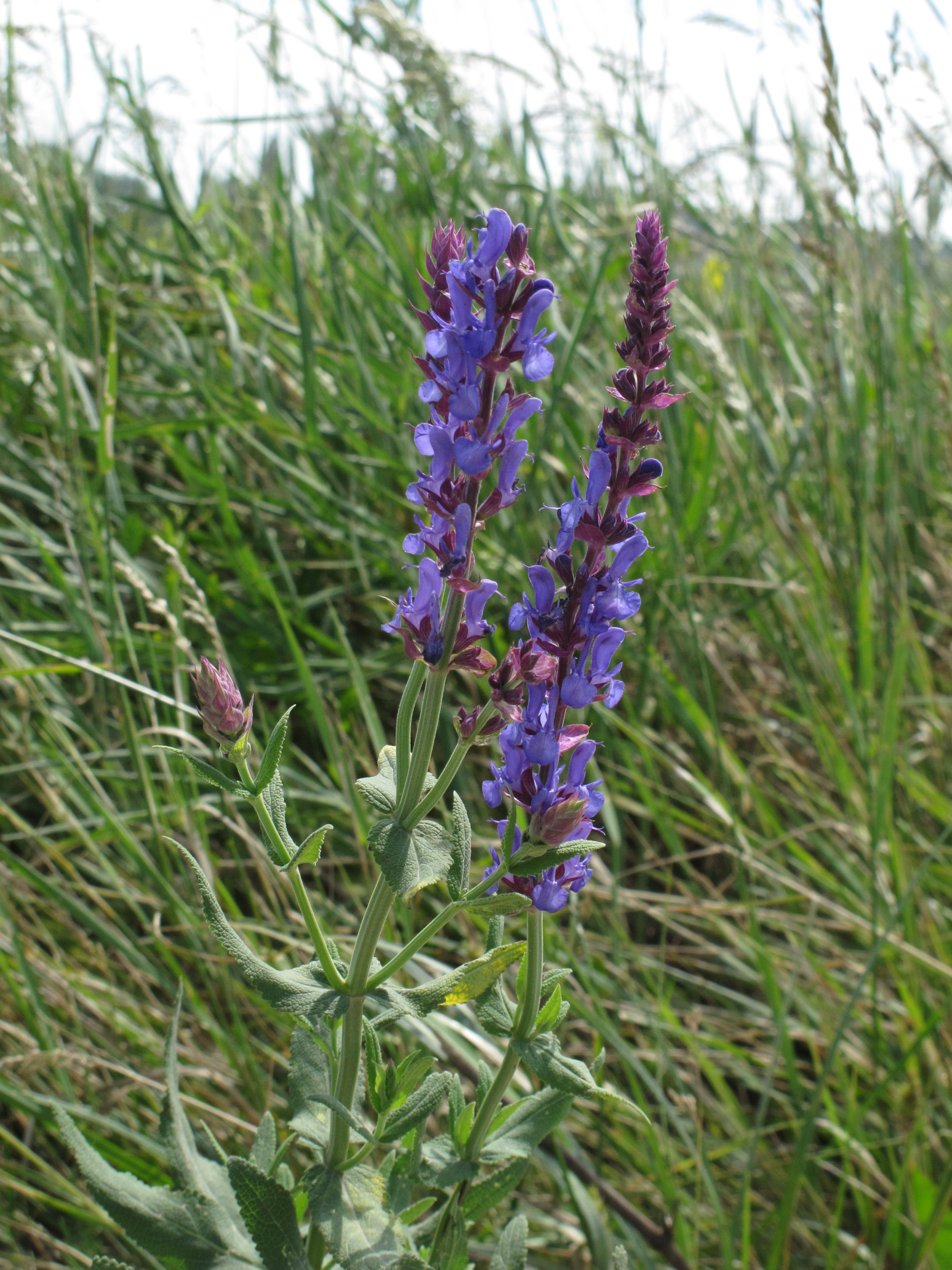
- Salvia
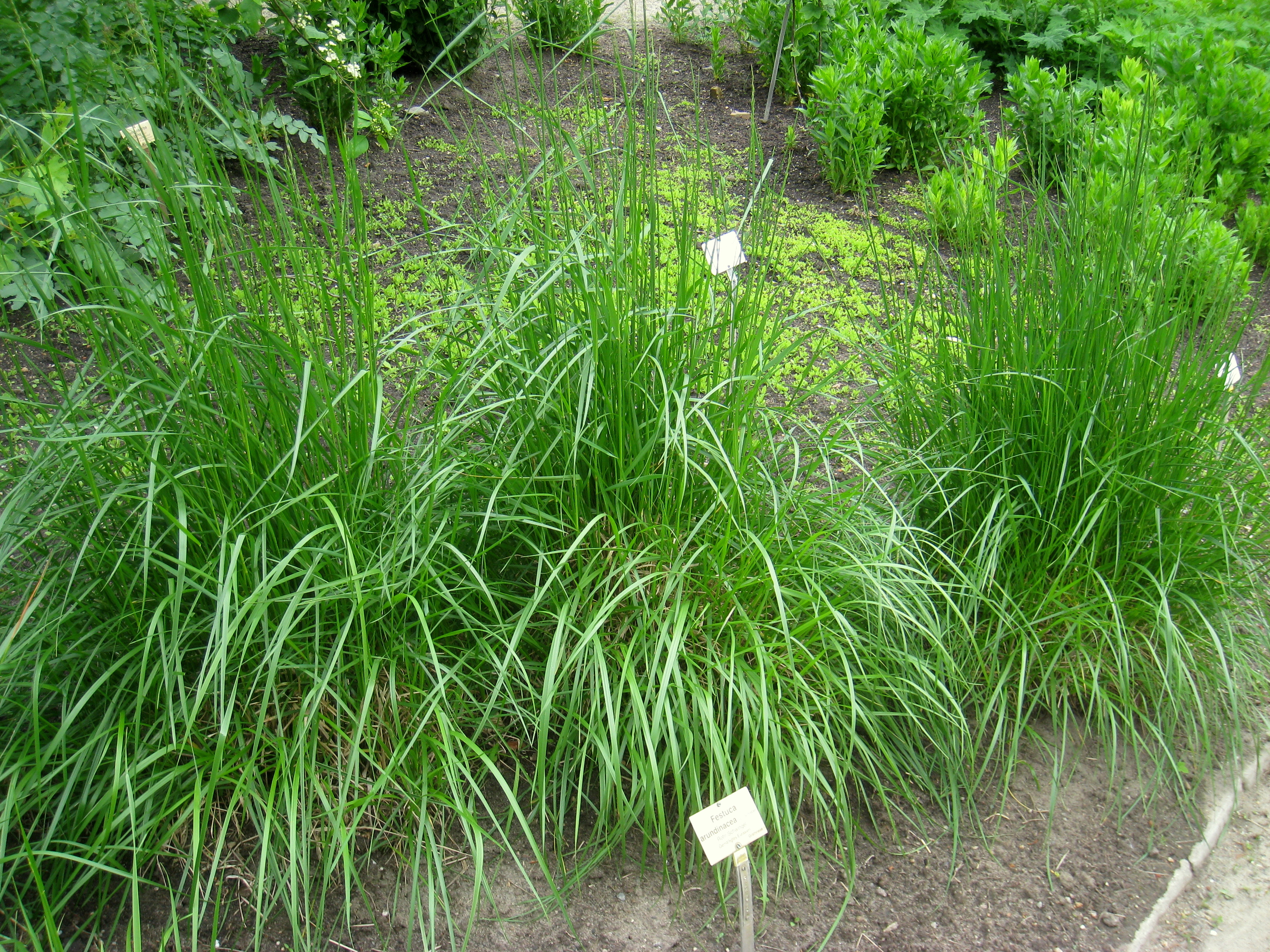
- Tall Fescue (Festuca arundinacea):
- Pros: Excellent wear tolerance and deep root system, making it very drought-tolerant and resilient to compaction. It maintains good color in heat and moderate shade.
- Cons: Can have a coarser texture than Kentucky Bluegrass or Perennial Ryegrass, and doesn't spread as aggressively to fill in bare spots.
- Best For: Areas with moderate to heavy traffic, especially where drought tolerance and lower maintenance are desired.
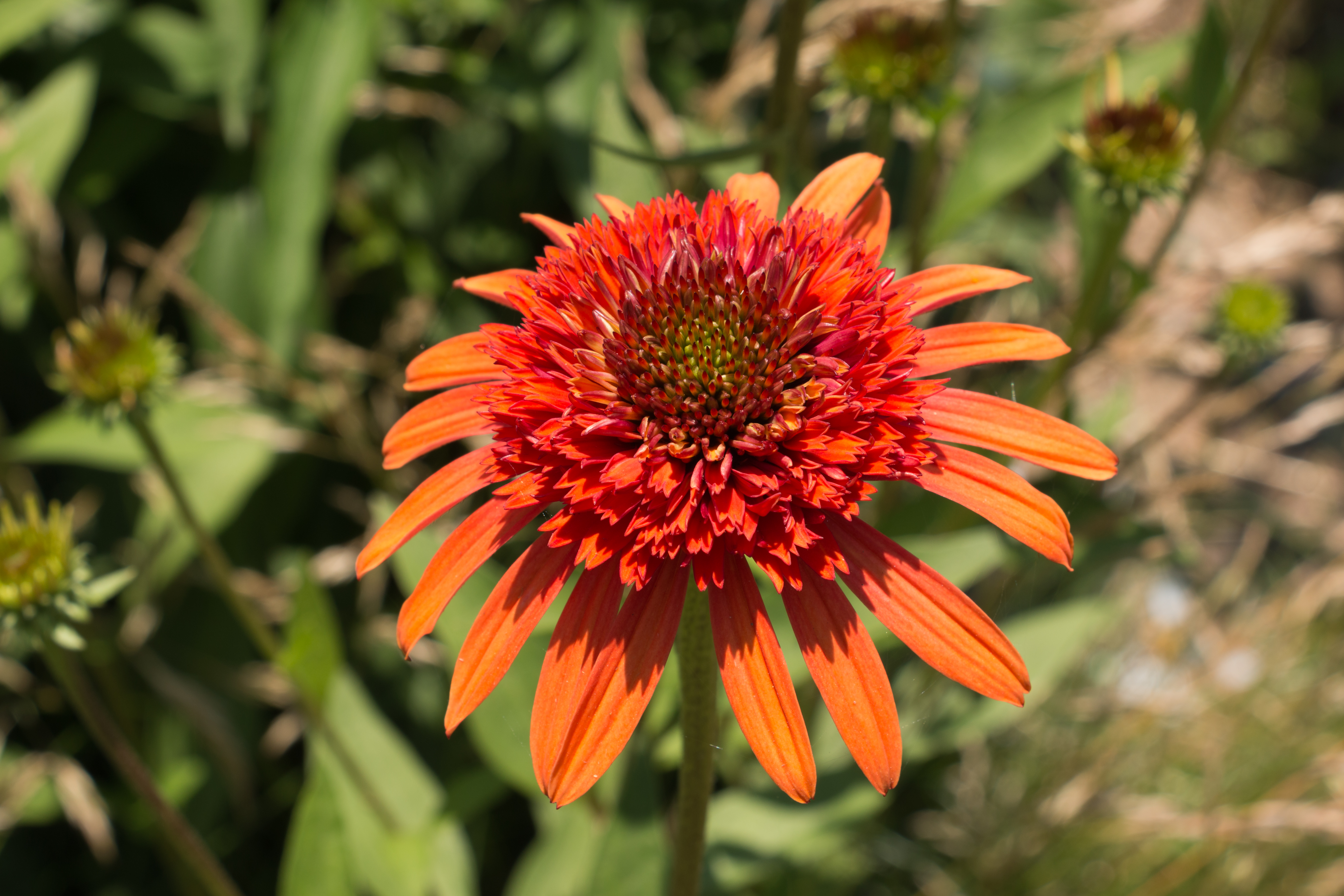
- Coneflower
Warm-Season Grasses
Warm-season grasses flourish in hot climates, typically southern states.
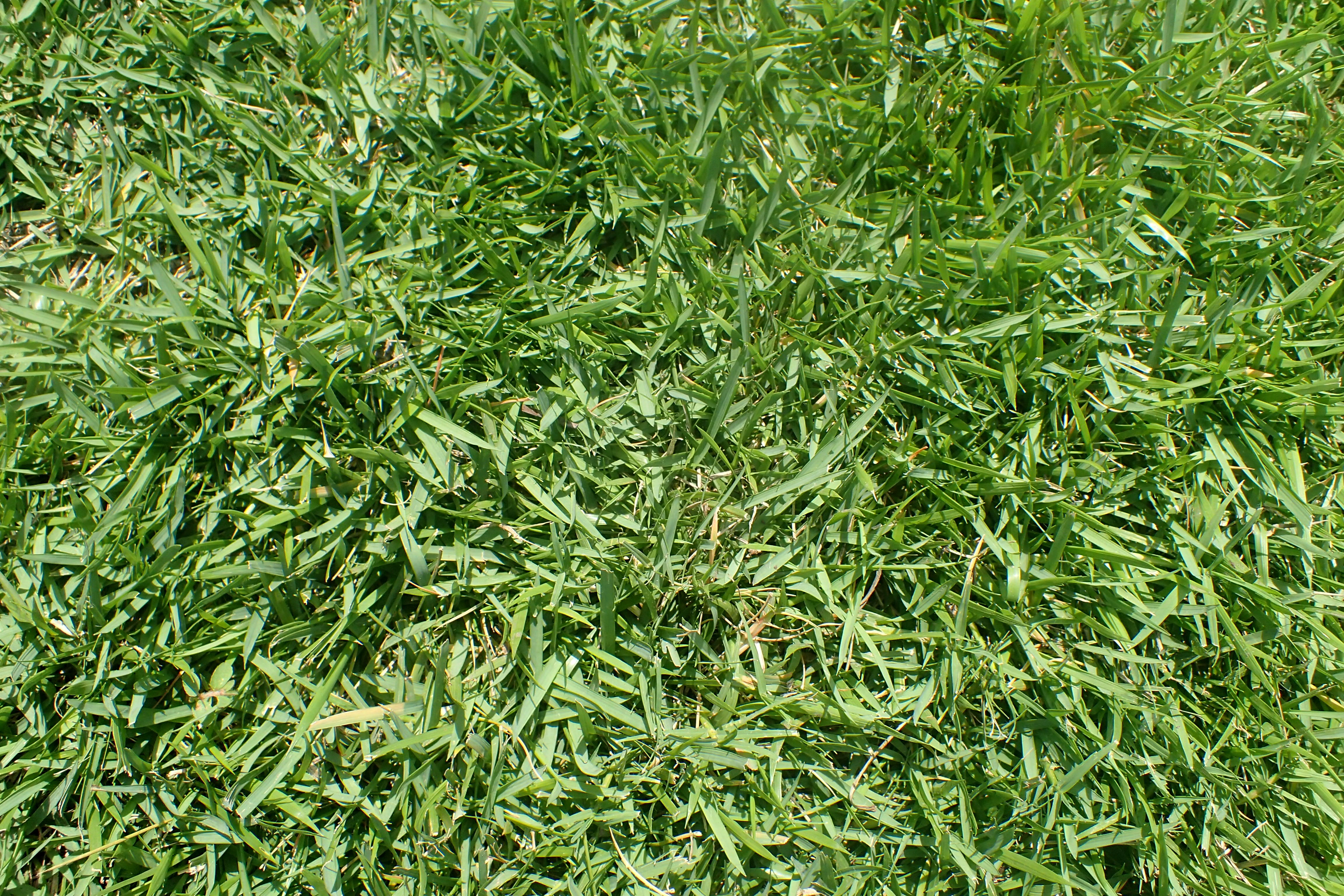
- Zoysia Grass (Zoysia japonica):
- Pros: Extremely dense and durable, forming a thick, carpet-like turf that stands up exceptionally well to heavy traffic. It's also very drought-tolerant once established. Spreads aggressively via stolons and rhizomes.
- Cons: Slower to establish from seed or plugs, can be expensive, and turns brown during dormancy in winter.
- Best For: Lawns in warm climates that experience very heavy foot traffic and require a tough, low-maintenance turf.
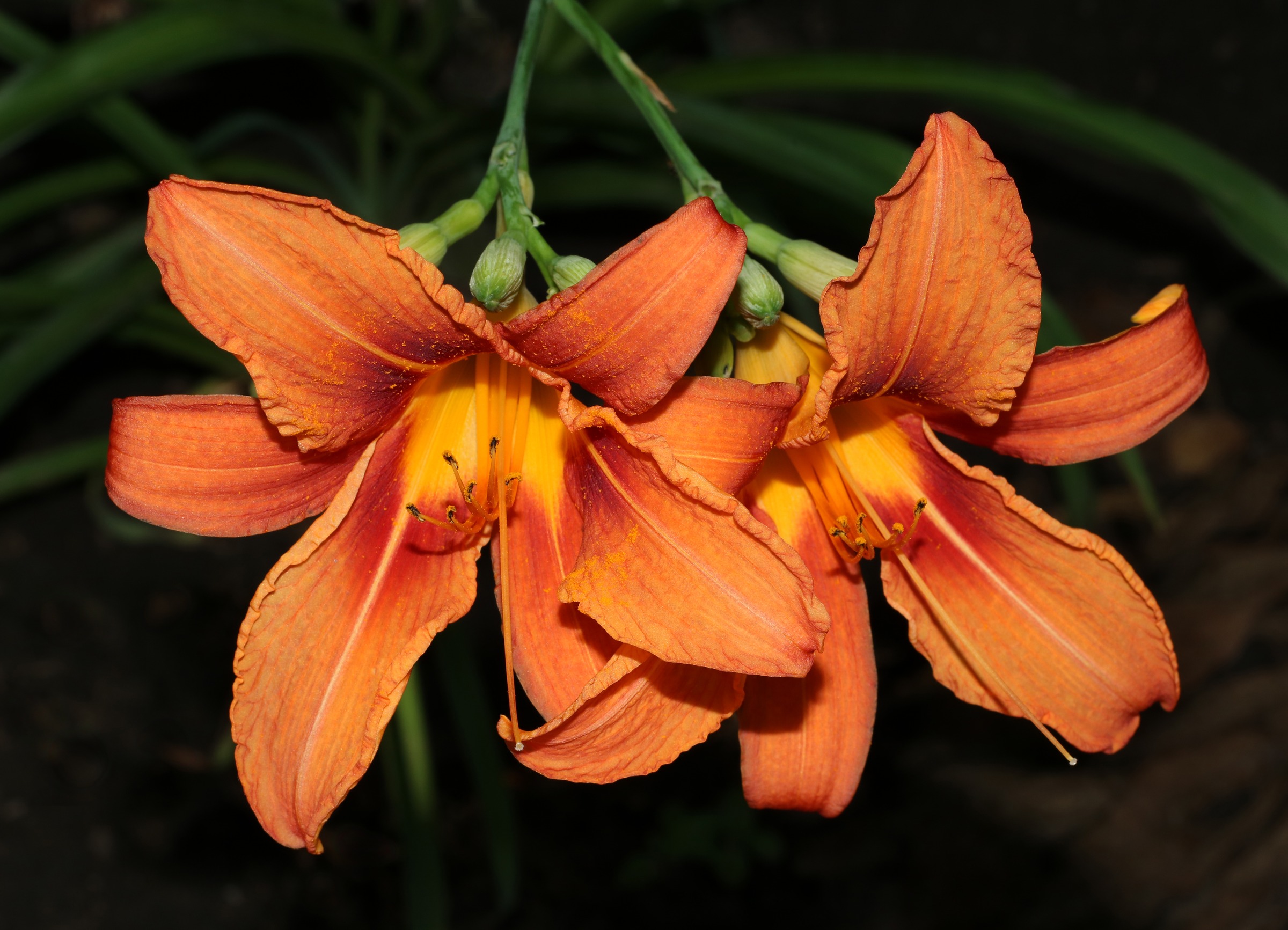
- Daylily
- Bermudagrass (Cynodon dactylon):
- Pros: Unparalleled wear tolerance and rapid recovery due to aggressive stoloniferous and rhizomatous growth. Thrives in full sun and heat.
- Cons: Requires frequent mowing, can be invasive, and turns brown in winter.
- Best For: Sports fields and very high-traffic areas in warm, sunny climates where rapid recovery is paramount.
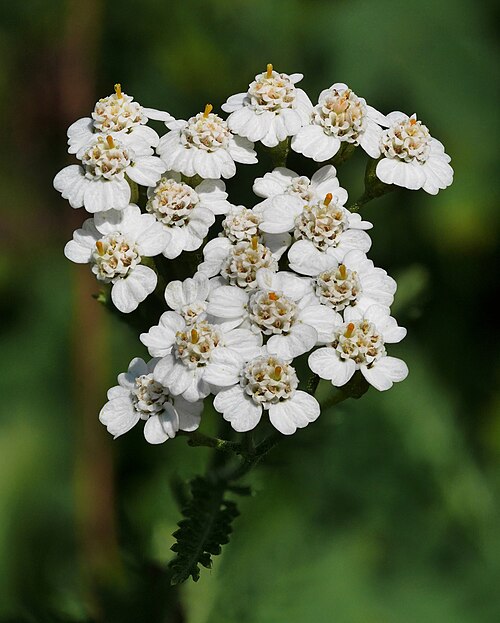
- Yarrow
Quick Reference: High-Traffic Grasses
| Grass Type | Climate Zone | Traffic Tolerance | Recovery Ability | Establishment Speed | Maintenance Needs |
|---|---|---|---|---|---|
| Kentucky Bluegrass | Cool-Season | High | Excellent | Slow | Moderate-High |
| Perennial Ryegrass | Cool-Season | High | Moderate | Fast | Moderate |
| Tall Fescue | Cool-Season | High | Good | Moderate | Moderate-Low |
| Zoysia Grass | Warm-Season | Very High | Excellent | Slow | Low-Moderate |
| Bermudagrass | Warm-Season | Very High | Excellent | Fast | High |
How Can You Further Protect Your High-Traffic Lawn?
Even with the most durable grass, proper care and some strategic planning can significantly extend your lawn's life and appearance.
- Improve Soil Health: Aerate compacted areas annually to improve air, water, and nutrient penetration. Top-dressing with compost can also enhance soil structure.
- Mow at the Right Height: Taller grass blades (2.5-3 inches for most varieties) encourage deeper roots and provide more surface area for photosynthesis, making the grass more resilient.
- Water Deeply and Infrequently: Encourage deep root growth by watering thoroughly when the grass shows signs of stress, rather than frequent shallow watering.
- Fertilize Appropriately: A balanced fertilization program provides the nutrients needed for strong growth and recovery. Avoid over-fertilizing, which can lead to excessive top growth at the expense of root development.
- Rotate Traffic Patterns: If possible, encourage family members and pets to vary their paths across the lawn to distribute wear more evenly.
- Consider Hardscaping: For extremely heavy traffic areas, such as pathways to a shed or frequently used play areas, consider incorporating stepping stones, pavers, or mulch to reduce direct pressure on the grass.
- Overseed Regularly: For grasses that don't self-repair as aggressively (like Perennial Ryegrass or Tall Fescue), annual overseeding can help fill in thinning areas before they become bare spots.
Which Grass is Right for Your Specific Needs?
Choosing the "best" grass ultimately depends on your climate, the intensity of traffic, your aesthetic preferences, and your willingness to maintain the lawn. If you're in a cool-season region and want a lush, self-repairing lawn, Kentucky Bluegrass or a blend including it is often ideal. For a tough, drought-tolerant cool-season option, Tall Fescue is an excellent choice. In warm climates, Zoysia grass offers incredible durability with lower maintenance once established, while Bermudagrass provides unmatched resilience for extremely active yards. Consider your local conditions and lifestyle to make the most informed decision.
Ready to find the perfect plants for your yard? Try the PlantWise Plant Finder →