Establishing a new lawn after construction can seem like a daunting task, but with careful planning and execution, you can transform your disturbed soil into a lush, green carpet. The process involves several key steps: site preparation, soil amendment, grading, choosing the right grass, planting, and consistent aftercare. By addressing the unique challenges posed by construction-compacted and nutrient-depleted soil, you can lay the foundation for a healthy, thriving lawn that enhances your new home. This guide will walk you through each stage, ensuring your efforts lead to a beautiful and sustainable landscape.
Why is Establishing a New Lawn After Construction Different?
New construction often leaves behind a landscape dramatically altered from its natural state. The heavy machinery used during building compacts the soil, reducing aeration and drainage, which are vital for healthy root growth. Furthermore, valuable topsoil, rich in organic matter and nutrients, is frequently removed or buried, leaving behind subsoil that is often infertile and lacks the structure needed to support a robust lawn. Debris like rocks, concrete fragments, and even chemical residues can also be present, further complicating the process. Understanding these challenges is the first step in successfully establishing a new lawn, as it dictates the necessary preparation to overcome them.
🌱 Get Personalized Plant Picks
Answer a few quick questions and we’ll match plants to your exact yard conditions.
Find My Plants →What Are the Essential Steps for Site Preparation?
Effective site preparation is the cornerstone of a successful new lawn. This phase addresses the compaction, poor soil quality, and debris left by construction.
Debris Removal and Rough Grading
Begin by thoroughly clearing the area of all construction debris. This includes wood scraps, rocks, concrete pieces, and any other foreign materials that could impede grass growth or damage future lawn equipment. Once cleared, perform a rough grade to establish the general contours of your lawn. Ensure proper drainage away from your home's foundation and other structures. Aim for a gentle slope of 1-2% away from buildings to prevent water accumulation.
Soil Loosening and Amendment
This is perhaps the most critical step. Construction compaction can make it nearly impossible for grass roots to penetrate the soil. First, use a rototiller or a broadfork to loosen the existing subsoil to a depth of at least 6-8 inches. For heavily compacted areas, you might need to go deeper or make multiple passes. Next, it's crucial to amend the soil. Since topsoil is often depleted or removed, you'll need to bring in new, high-quality topsoil or significantly improve the existing soil. Incorporate 4-6 inches of good quality topsoil, ideally a sandy loam, into the loosened subsoil. Additionally, amend the soil with organic matter such as compost, peat moss, or aged manure. Organic matter improves soil structure, enhances drainage in heavy soils, and increases water retention in sandy soils. It also provides essential nutrients for long-term lawn health. Aim for organic matter to comprise 5-10% of your soil volume.
Soil Testing
Before adding any fertilizers, it's highly recommended to perform a soil test. A soil test will reveal your soil's pH level and nutrient deficiencies. Most grasses prefer a soil pH between 6.0 and 7.0. If your soil is too acidic, you might need to add lime; if it's too alkaline, sulfur can help lower the pH. The test results will also guide you on which specific nutrients (nitrogen, phosphorus, potassium) your soil needs, preventing unnecessary fertilization and promoting healthier growth.
How Do I Choose the Right Grass for My New Lawn?
Selecting the appropriate grass type is vital for a resilient and low-maintenance lawn. Consider your climate, sun exposure, and intended use for the lawn.
Climate Considerations
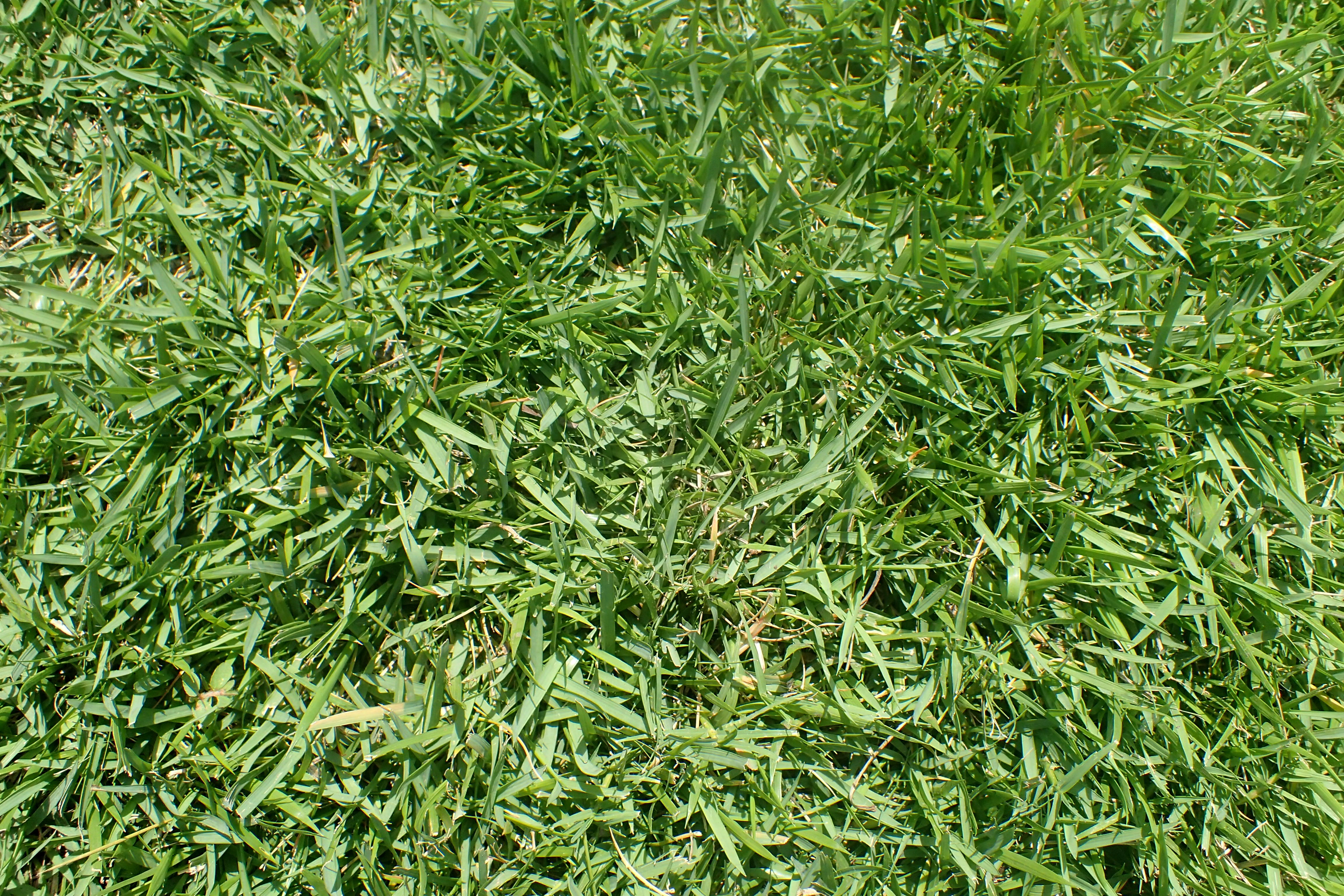
- Cool-Season Grasses: Thrive in regions with cold winters and hot summers. They grow best in spring and fall. Examples include Kentucky Bluegrass, Perennial Ryegrass, and Fescues (Tall, Fine).
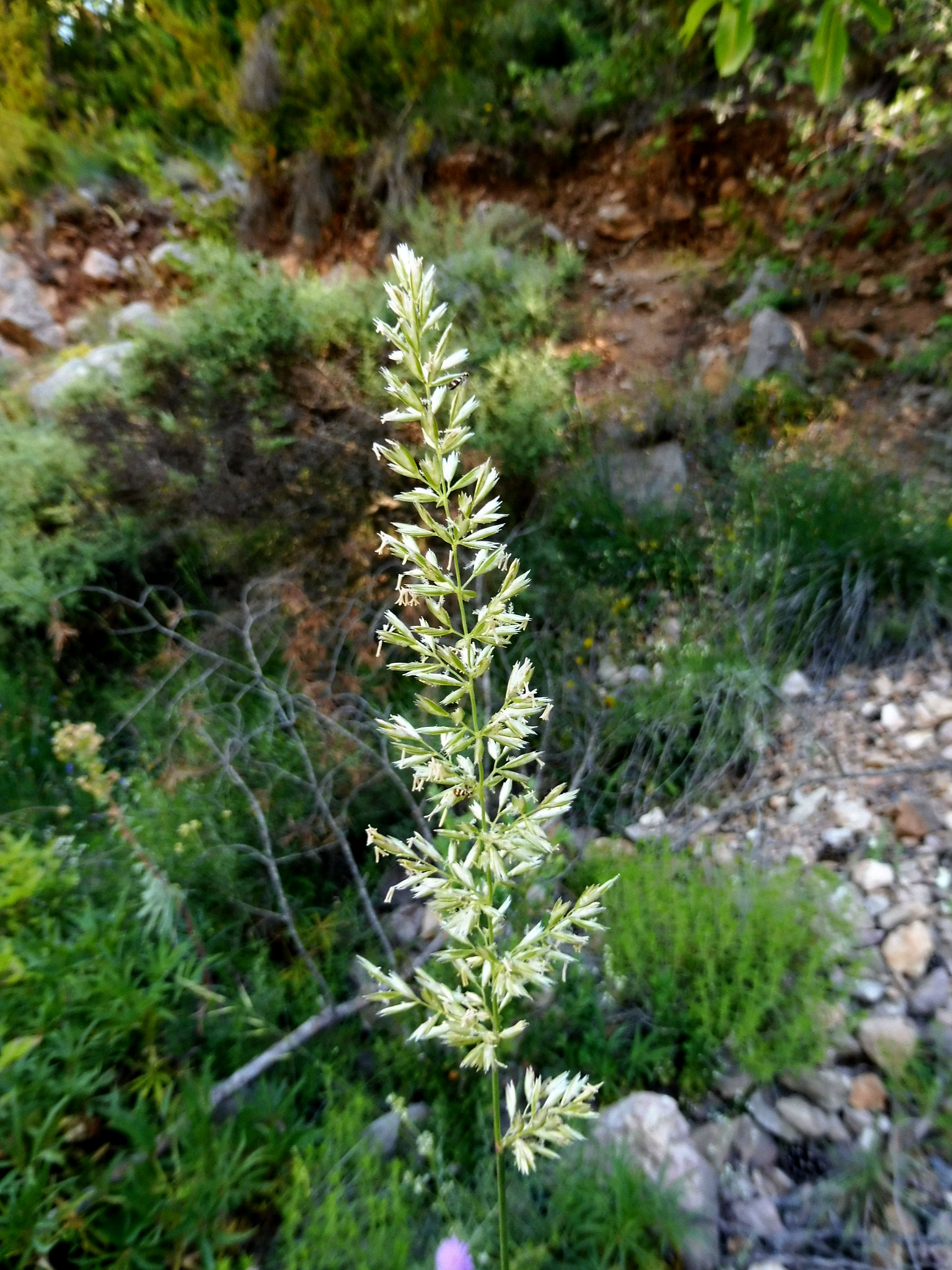
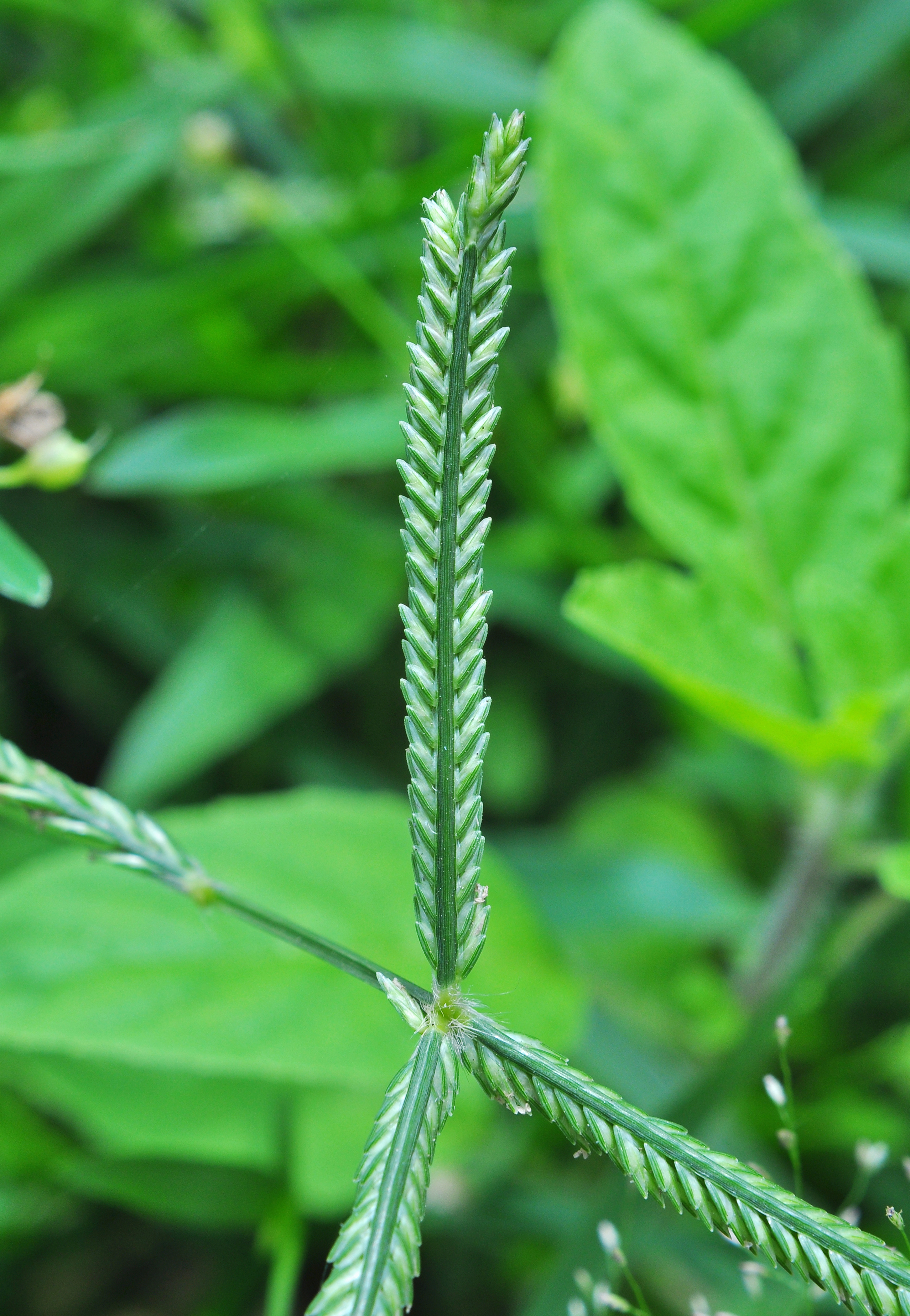
- Warm-Season Grasses: Prefer hot climates and go dormant in cooler temperatures. They grow best in late spring and summer. Examples include Bermuda Grass, Zoysia Grass, St. Augustine Grass, and Centipede Grass.
Sun Exposure
- Full Sun: Most grass types prefer full sun (6+ hours daily).
- Partial Shade: Some fescues and St. Augustine grass can tolerate partial shade (4-6 hours daily).
- Heavy Shade: No grass truly thrives in heavy shade (less than 4 hours daily). In these areas, consider groundcovers, shade-loving plants, or hardscaping.
Planting Method
- Seed: More economical, offers a wider variety of grass types, but requires more patience and consistent watering.
- Sod: Provides an instant lawn, establishes quickly, and helps with erosion control. It's more expensive and requires careful installation.
- Hydroseeding: A mixture of seed, mulch, fertilizer, and water sprayed onto the soil. It's faster than seeding and can be good for sloped areas.
Quick Reference: Grass Type Selection
| Factor | Cool-Season Grasses | Warm-Season Grasses |
|---|---|---|
| Climate | Cold winters, hot summers (best in spring/fall) | Hot climates (best in late spring/summer) |
| Examples | Kentucky Bluegrass, Perennial Ryegrass, Fescues | Bermuda, Zoysia, St. Augustine, Centipede |
| Sun Exposure | Full sun to partial shade (some fescues) | Full sun to partial shade (St. Augustine) |
| Pros | Good cold tolerance, recovers well from traffic | Excellent heat/drought tolerance, low water needs |
| Cons | Can struggle in extreme heat, higher water needs | Dormant in winter, less cold tolerant |
What is the Best Way to Plant and Care for My New Lawn?
Once your soil is perfectly prepped and you've chosen your grass, it's time for planting and diligent aftercare.
Final Grading and Rolling
After adding topsoil and amendments, perform a final, fine grade. Use a rake to create a smooth, level surface, ensuring there are no low spots where water can collect. Lightly roll the area with a lawn roller (partially filled with water) to settle the soil and remove any air pockets. This also creates a firm seedbed.
Seeding or Sodding
- For Seeding: Spread grass seed evenly using a broadcast spreader according to the manufacturer's recommendations. For best coverage, apply half the seed in one direction and the other half perpendicular to the first. Lightly rake the seed into the top 1/4 inch of soil. You can then apply a thin layer of straw or a seed-starting mulch to help retain moisture and deter birds.
- For Sodding: Lay sod strips tightly together, staggering the seams like bricks. Press each piece firmly against the soil to ensure good contact. Avoid leaving gaps. Water immediately after laying to prevent drying out.
Watering
This is the most critical factor for success with a new lawn.
- For Seeded Lawns: Keep the top 1-2 inches of soil consistently moist until germination. This might mean watering lightly several times a day, especially in warm or windy weather. Once seedlings emerge, gradually reduce the frequency but increase the duration of watering to encourage deeper root growth.
- For Sodded Lawns: Water deeply immediately after installation and continue to water daily for the first 2-3 weeks, ensuring the sod and the soil beneath are thoroughly soaked. As the sod roots into the soil, you can gradually reduce watering frequency.
Fertilization
Wait until your new grass is established before applying a general lawn fertilizer. For seeded lawns, this is typically after 4-6 weeks or after the first few mowings. For sod, wait 3-4 weeks. Use a starter fertilizer if your soil test indicated a need for phosphorus, or a balanced slow-release fertilizer.
Mowing
Begin mowing when the grass reaches about 3-4 inches tall. Never remove more than one-third of the blade height at a time. A sharp mower blade is essential to prevent tearing the grass.
What Are Some Good Companion Plants for a New Lawn?
While your lawn establishes, consider areas for companion plants that can add beauty and support local pollinators. These can be planted in garden beds adjacent to your new lawn, providing visual interest and biodiversity.
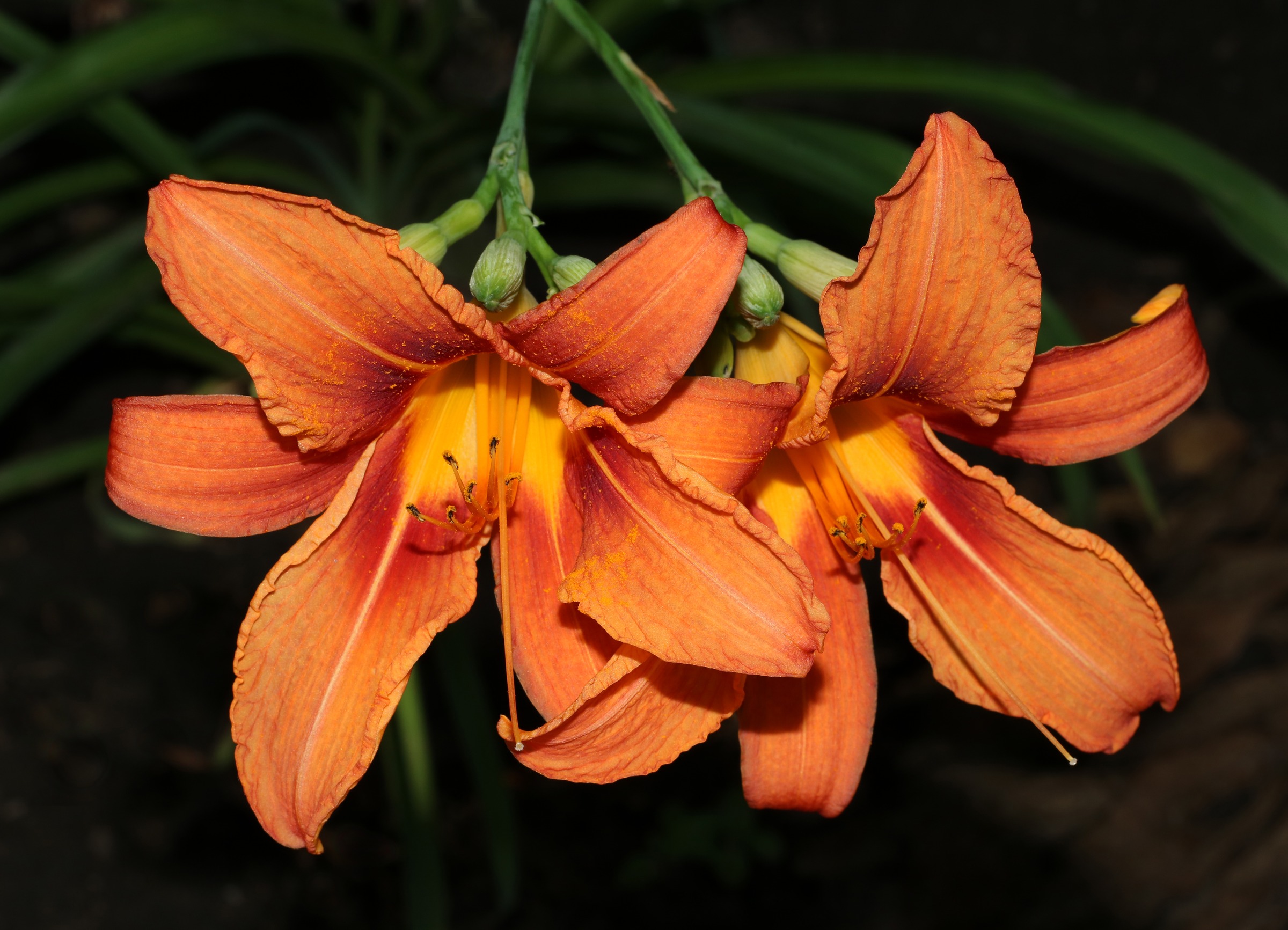
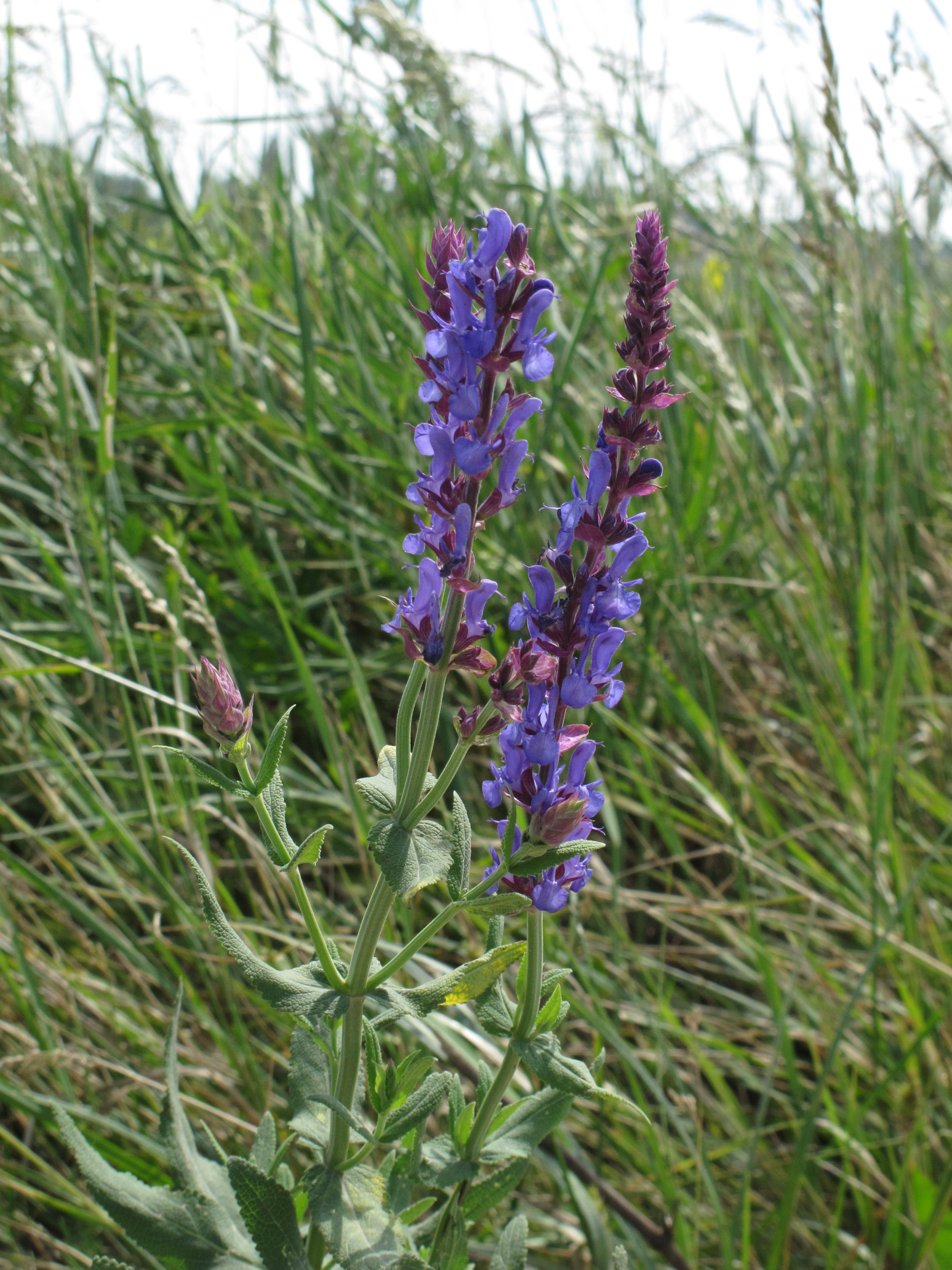
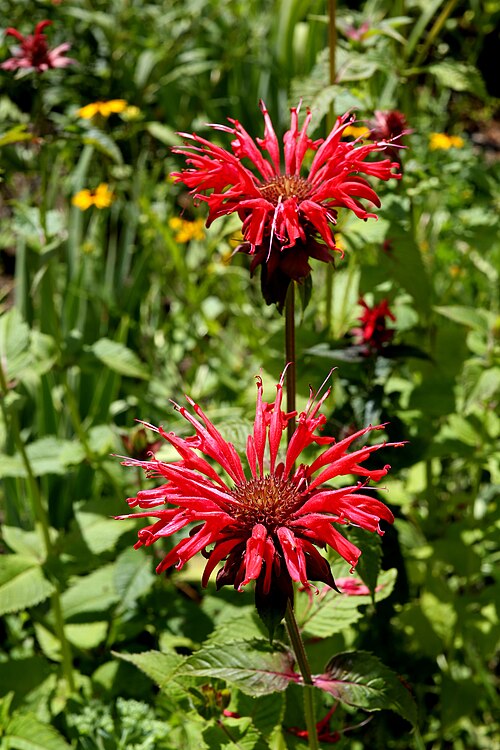
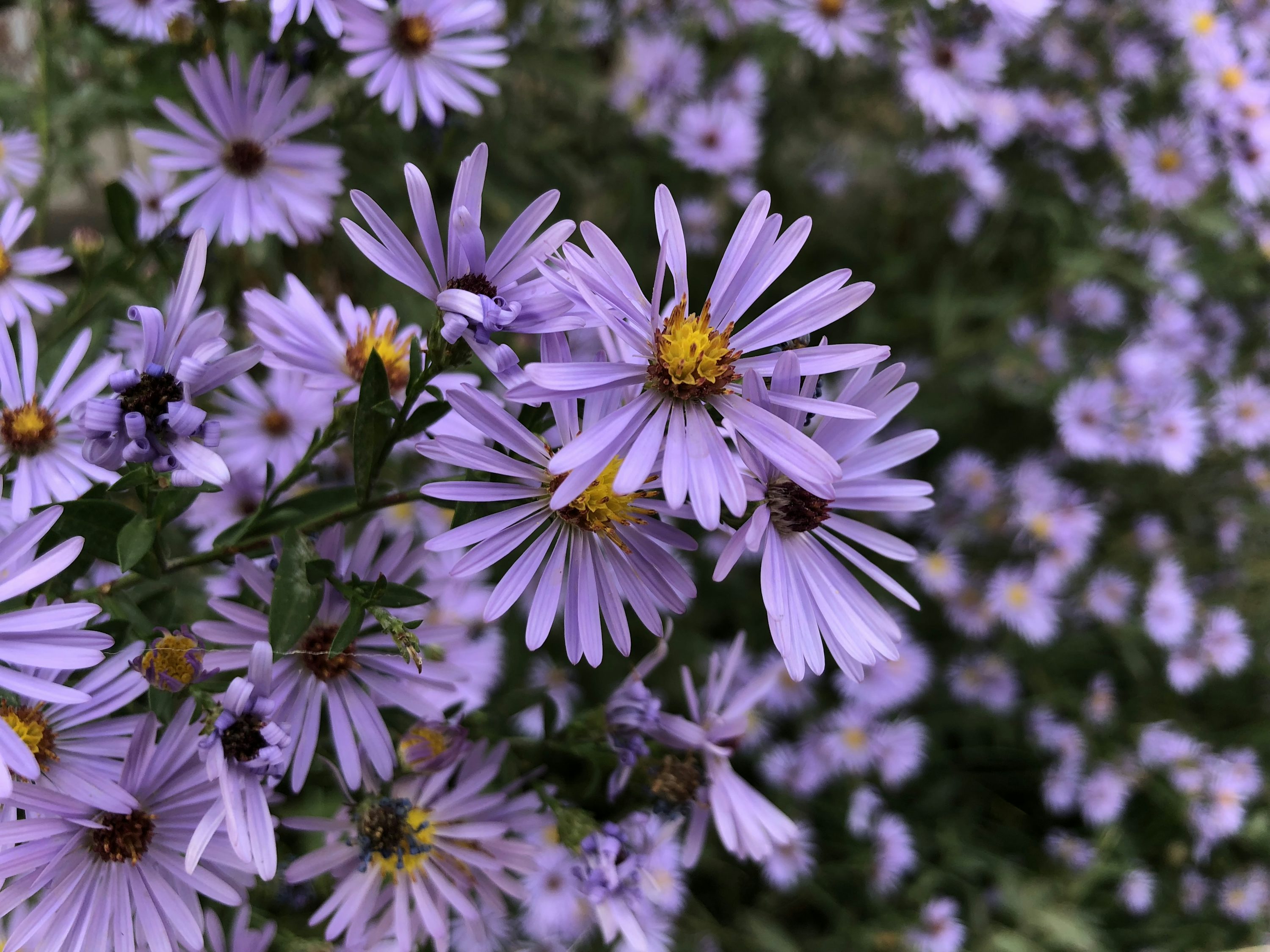
Coneflower Black-eyed Susan Salvia Bee Balm Daylily
Ready to find the perfect plants for your yard? Try the PlantWise Plant Finder →