Shade is often considered the bane of a beautiful lawn, but it doesn't have to be! While most lawn grasses thrive in full sun, certain varieties are much more tolerant of low light conditions. The best grasses for shady lawns generally include fine fescues (such as creeping red, chewings, hard, and sheep fescue), certain varieties of tall fescue, and some shade-tolerant cultivars of perennial ryegrass and Kentucky bluegrass, especially when mixed with fescues. Understanding your specific shade conditions and choosing the right grass seed mix is key to achieving a lush, green lawn even in dappled light or partial shade.
Why is Shade a Challenge for Lawn Grasses?
Most turfgrasses are sun-loving plants, evolved to perform photosynthesis efficiently with ample sunlight. When light is limited, their ability to produce energy diminishes. This leads to several problems for lawns in shady areas:
- Reduced Photosynthesis: Less light means less energy production, resulting in weaker, thinner grass blades.
- Increased Disease Susceptibility: Weakened grass is more vulnerable to fungal diseases, which are also often exacerbated by the higher humidity and slower drying times typical of shady spots.
- Competition from Trees: Trees and large shrubs not only block sunlight but also compete aggressively for water and nutrients, further stressing the grass below.
- Thinner Growth: Grass in shade tends to grow taller and thinner, reaching for light, which makes it less resilient to foot traffic and more prone to wear and tear.
Despite these challenges, with the right grass selection and proper care, you can maintain an attractive lawn in shady conditions.
🌱 Get Personalized Plant Picks
Answer a few quick questions and we’ll match plants to your exact yard conditions.
Find My Plants →What Are the Best Grasses for Shady Lawns?
When selecting grass for shady areas, you'll want to prioritize species known for their shade tolerance. Here are the top contenders:
Fine Fescues
Fine fescues are hands down the champions of shade tolerance among cool-season grasses. This group includes several species, often blended together for optimal performance:
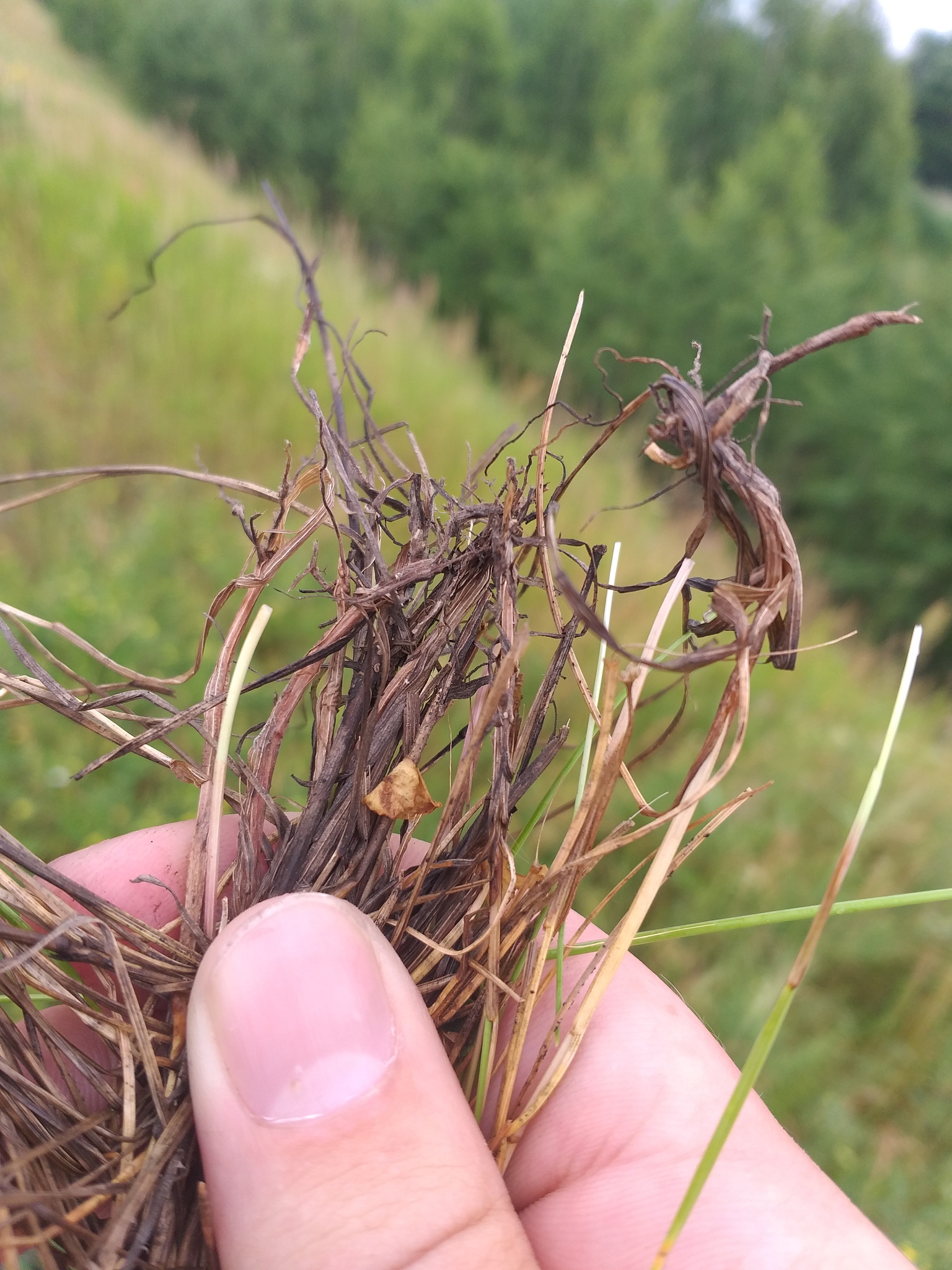
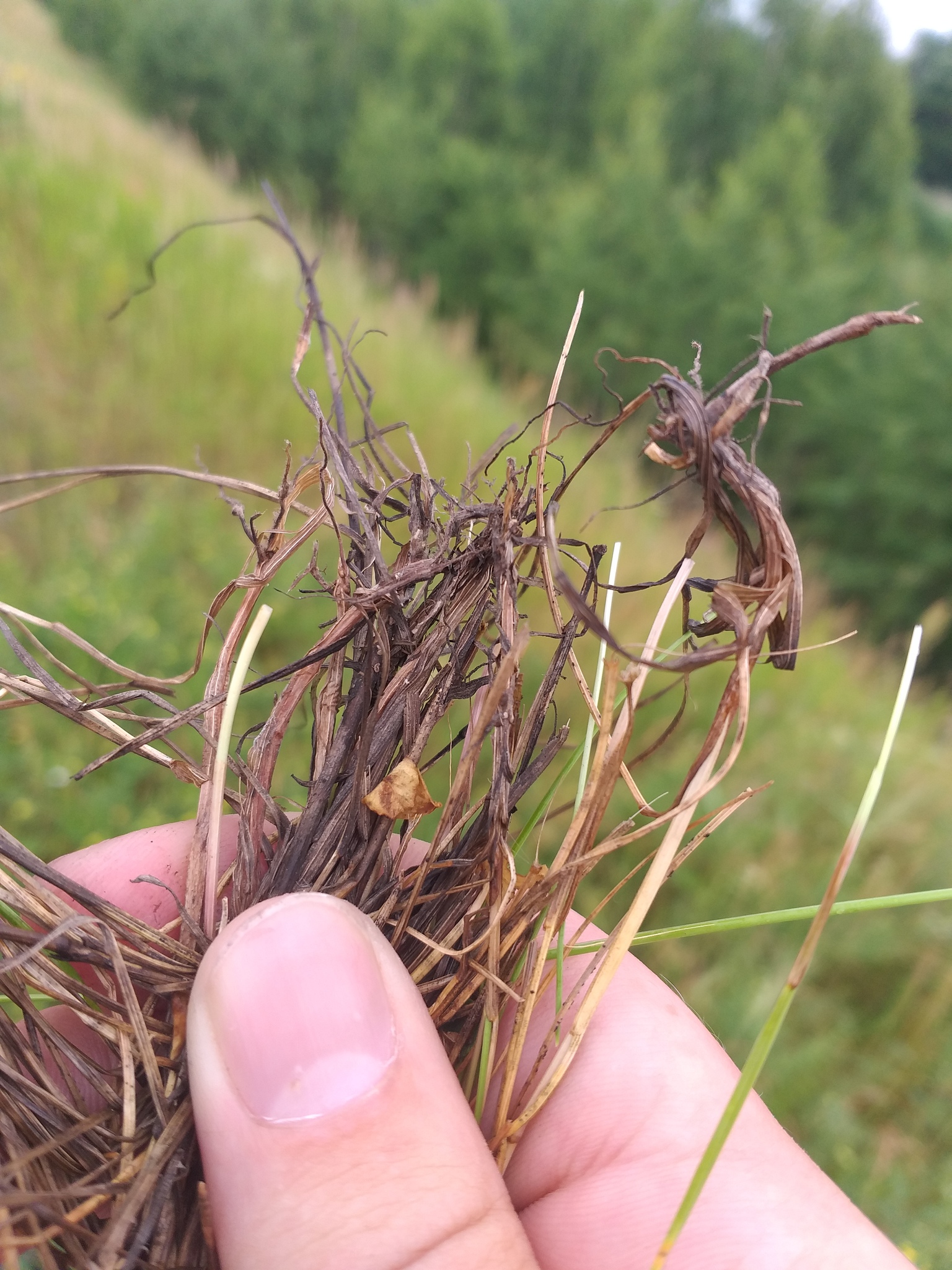
- Creeping Red Fescue (Festuca rubra): Known for its fine texture and ability to spread via rhizomes, helping it fill in sparse areas. It's very shade tolerant and requires less water and fertilizer than many other grasses.
- Chewings Fescue (Festuca rubra commutata): A bunch-type grass similar to creeping red fescue but without the spreading rhizomes. It's also highly shade tolerant and forms a dense, fine-textured turf.
- Hard Fescue (Festuca trachyphylla): A low-maintenance, bunch-type fescue that tolerates dry shade, poor soils, and requires less mowing.
- Sheep Fescue (Festuca ovina): Similar to hard fescue, it's very drought-tolerant and can handle dry, infertile soils in shady conditions.
Fine fescues are often included in "shade mix" seed blends because of their excellent performance in low light. They generally require less water and fertilizer than other turfgrasses, making them a good choice for sustainable lawn care.
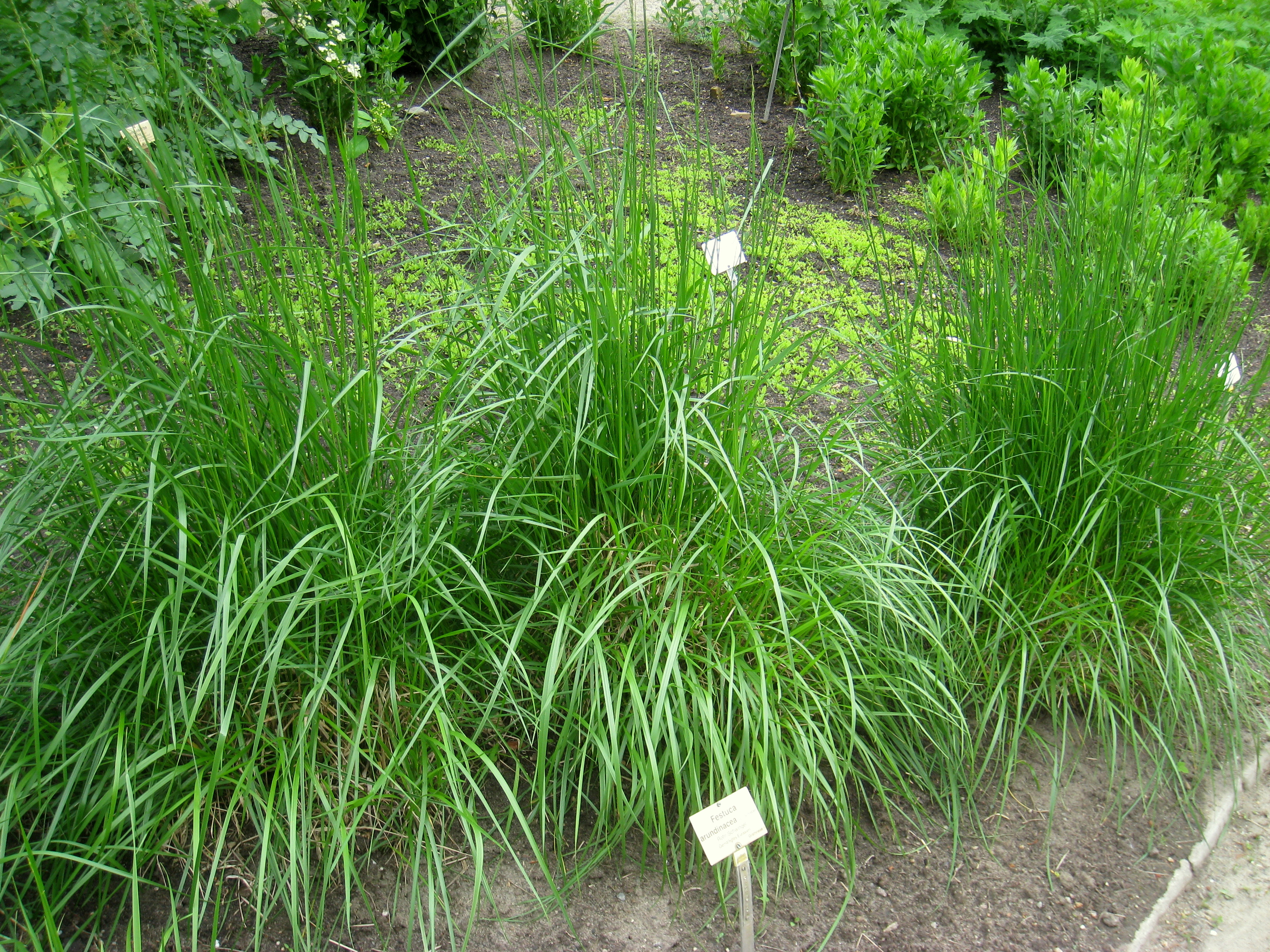
Tall Fescue (Festuca arundinacea)
While not as shade-tolerant as fine fescues, some newer cultivars of tall fescue offer good shade performance, especially in partial shade rather than deep shade. Tall fescue is a coarser-bladed grass but is very durable, drought-tolerant, and handles foot traffic well. It's a good option if you need a tougher grass for areas that receive a few hours of direct sun but are otherwise shaded.
Perennial Ryegrass (Lolium perenne)
Perennial ryegrass is generally not highly shade-tolerant, but some newer varieties have improved shade performance. It's often included in seed mixes for its quick germination and establishment, providing a fast green cover while slower-germinating grasses like fescues take hold. It's best used in areas with light shade or dappled sunlight.
Kentucky Bluegrass (Poa pratensis)
Kentucky bluegrass is the least shade-tolerant of the popular cool-season grasses, preferring full sun. However, some specific cultivars have been bred for improved shade tolerance. If you have areas with only light shade and want the characteristic rich color and density of Kentucky bluegrass, look for these specialized cultivars, often found in high-quality shade mixes alongside fine fescues.
Warm-Season Grasses for Shade
For those in warmer climates (USDA Zones 7 and above), warm-season grasses are the primary choice. Their shade tolerance is generally lower than cool-season fescues, but some options exist:
- St. Augustinegrass (Stenotaphrum secundatum): This is generally considered the most shade-tolerant warm-season grass, especially cultivars like 'Palmetto' or 'Seville'. It forms a coarse, dense turf.
- Zoysiagrass (Zoysia spp.): Some zoysia varieties offer moderate shade tolerance. It's a dense, slow-growing grass that forms a beautiful, thick lawn.
- Centipedegrass (Eremochloa ophiuroides): Has decent shade tolerance, particularly in areas with filtered light. It's a low-maintenance, light-green grass.
Quick Reference: Shade Tolerance by Grass Type
| Grass Type | Shade Tolerance | Best For Fine Fescues | Excellent | Ideal for dry, shady, low-traffic areas. Can tolerate poor soil. | Tall Fescue | Good | Best for partial shade to full sun. Durable and drought tolerant. | Perennial Ryegrass | Moderate to Good | Good for quick establishment; best in light shade. | Kentucky Bluegrass | Poor to Moderate | Prefers full sun; select shade-tolerant cultivars for light shade. | St. Augustinegrass | Good (Warm-Season) | Most shade-tolerant warm-season grass. Coarse texture. | Zoysiagrass | Moderate (Warm-Season) | Dense, slow-growing, good for moderate shade. | Centipedegrass | Moderate (Warm-Season) | Low-maintenance, light green, tolerates filtered light.
How Can I Prepare a Shady Area for Grass?
Preparing your site properly is just as important as choosing the right grass.
- Assess the Shade: Observe your lawn throughout the day and across seasons. Is it deep shade, partial shade (2-4 hours of direct sun), or dappled shade (filtered light)? The amount and type of shade will influence your grass choice.
- Improve Soil Drainage: Shady areas often stay wetter longer, leading to compaction and disease. Improve drainage by amending heavy clay soils with organic matter like compost.
- Address Tree Competition:
- Pruning: Trim lower branches of trees to allow more light to penetrate. Thinning the canopy can also increase light.
- Root Competition: Tree roots are fierce competitors for water and nutrients. Consider installing a root barrier or creating a larger mulch ring around the tree to reduce competition with the grass.
- Clear Debris: Remove fallen leaves, twigs, and other debris that can smother young grass and block light.
- Test Your Soil: A soil test will reveal nutrient deficiencies and pH imbalances. Adjust pH and add necessary nutrients as recommended by the test results. Grass in shade often benefits from slightly less nitrogen than sun-exposed lawns.
What Special Care Do Shady Lawns Require?
Maintaining a healthy lawn in the shade requires a slightly different approach than caring for a sunny lawn.
- Mowing Height: Always mow shady lawns at a higher setting (at least 3 inches, preferably 3.5-4 inches). Taller blades have more surface area for photosynthesis, which is crucial when light is limited.
- Watering: Shady areas dry out slower. Water deeply but less frequently than sunny areas. Overwatering can lead to fungal diseases. Check soil moisture before watering.
- Fertilization: Grass in shade needs less fertilizer, especially nitrogen. Apply a balanced, slow-release fertilizer at a reduced rate compared to sunny areas. Too much nitrogen can encourage lush, weak growth that is prone to disease.
- Aeration: Annual aeration can help alleviate soil compaction, improve water penetration, and allow air and nutrients to reach the grass roots, which is particularly beneficial in high-traffic or poorly draining shady spots.
- Overseeding: Shady lawns tend to thin out over time. Regular overseeding with a shade-tolerant grass mix will help maintain density. Do this in early fall or early spring.
- Disease Monitoring: Be vigilant for signs of fungal diseases like dollar spot, red thread, or brown patch, which are more common in moist, shady conditions. Address issues promptly with appropriate cultural practices or fungicides if necessary.
When Should I Consider Alternatives to Grass in Shade?
Sometimes, the shade is simply too dense for any grass to thrive, or the competition from tree roots is too severe. If you've tried shade-tolerant grasses and proper care without success, it might be time to consider alternatives.
- Groundcovers: Many beautiful groundcovers flourish in shade and offer a low-maintenance, attractive solution. Options include:
- Mulch Beds: Creating mulched beds around trees and in deeply shaded areas can look tidy, suppress weeds, and help retain soil moisture.
- Shade Gardens: Embrace the shade by planting a dedicated shade garden with shade-loving perennials, ferns, and shrubs.
- Hardscaping: Patios, walkways, or stepping stones can be excellent solutions for areas where grass simply won't grow.
Even in the most challenging shady spots, you have options to create a beautiful and functional outdoor space. By understanding the specific challenges of shade, selecting the right grass or alternative plants, and implementing tailored care practices, you can transform a once-troublesome area into a thriving part of your landscape.
Ready to find the perfect plants for your yard? Try the PlantWise Plant Finder →