Drought-Tolerant Lawn Grasses: Complete Guide
Water restrictions and drought stress are increasingly common challenges for homeowners who want to maintain a healthy, green lawn. Fortunately, a variety of lawn grasses are naturally more resilient to dry conditions, offering excellent drought tolerance and helping you conserve water. The best drought-tolerant grass options vary by climate zone, but generally include warm-season grasses like Bermudagrass, Zoysiagrass, and Buffalograss, and cool-season grasses such as Tall Fescue and Fine Fescue. Choosing the right grass for your region can significantly reduce your lawn's water needs, allowing it to thrive even during extended dry spells.
Why Choose Drought-Tolerant Grasses?
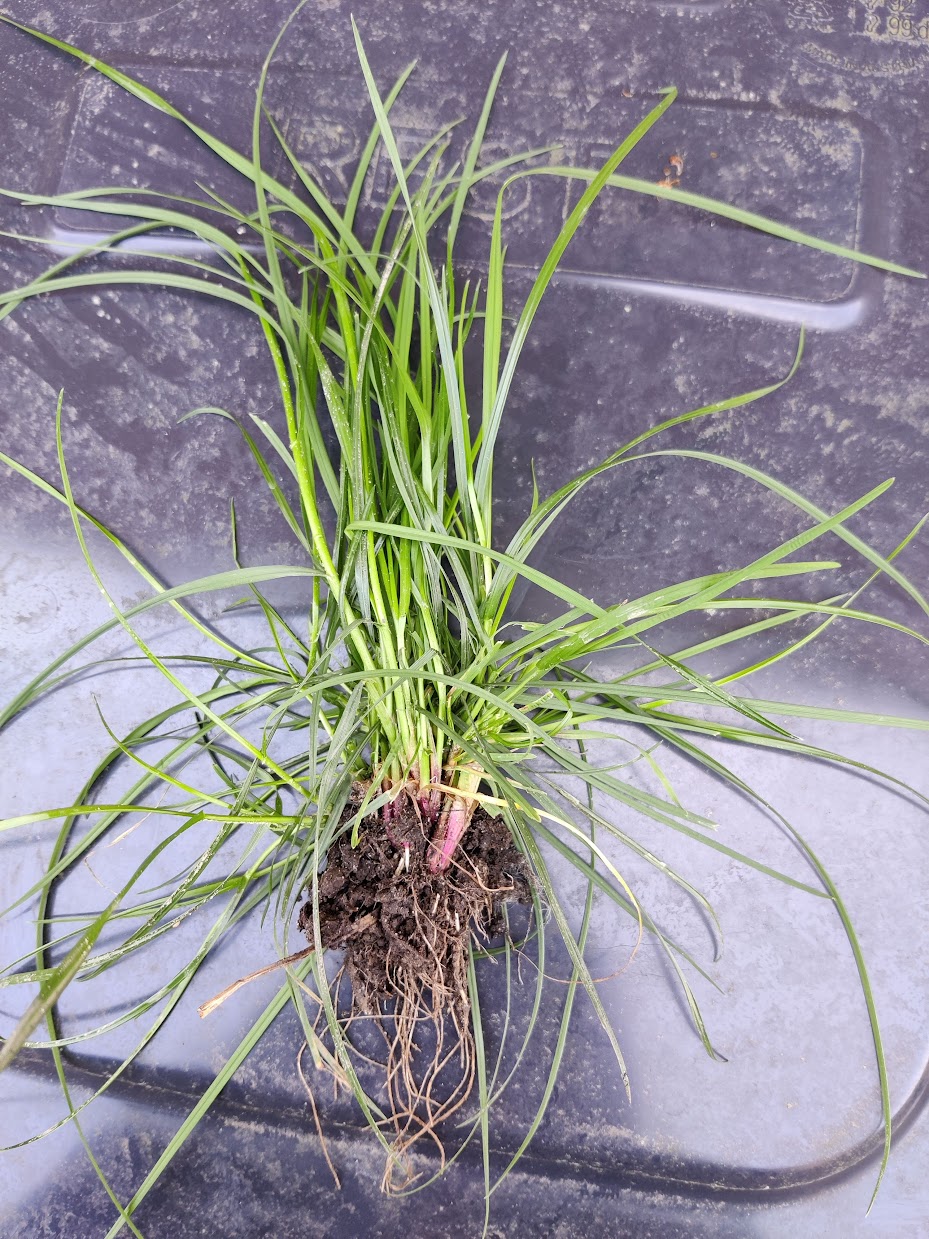
Opting for drought-tolerant grasses is a smart choice for several reasons, especially with changing climate patterns and increasing environmental awareness. Beyond the obvious benefit of saving water, these grasses often require less overall maintenance. They tend to have deeper root systems, which allow them to access water deeper in the soil, reducing the need for frequent irrigation. This deeper root system also helps them stay greener longer during dry periods and recover more quickly once moisture returns.
Furthermore, drought-tolerant lawns can be more resilient to other stressors. A lawn that isn't constantly struggling for water is generally healthier and better equipped to fend off pests and diseases. This translates to fewer chemical treatments and a more sustainable approach to lawn care. By selecting the right grass, you contribute to local water conservation efforts and enjoy a beautiful, robust lawn with less effort.
🌱 Get Personalized Plant Picks
Answer a few quick questions and we’ll match plants to your exact yard conditions.
Find My Plants →Which Warm-Season Grasses Are Best for Drought Tolerance?
Warm-season grasses thrive in hot climates and are generally excellent at handling drought conditions. They go dormant in cooler temperatures but bounce back vigorously when the heat returns.
Bermudagrass (Cynodon dactylon) Bermudagrass is a champion of drought tolerance, known for its aggressive growth and ability to withstand extreme heat and dry spells. It establishes quickly and forms a dense, durable turf that can handle heavy traffic. While it can go dormant and turn brown during prolonged drought, it recovers rapidly with irrigation or rainfall. It's best suited for USDA Zones 7-10. Bermudagrass requires full sun and can be quite invasive, so consider its growth habits when planting near garden beds.
Zoysiagrass (Zoysia spp.) Zoysiagrass is another excellent warm-season choice, prized for its dense, carpet-like appearance and remarkable drought resistance. It grows more slowly than Bermudagrass but forms a very tough, wear-resistant lawn once established. Zoysia has a deep root system that allows it to conserve water effectively. It also tolerates some shade, making it more versatile than Bermudagrass in certain landscapes. Zoysiagrass is suitable for USDA Zones 6-9. It can also turn brown during severe drought but greens up quickly after watering.
Buffalograss (Bouteloua dactyloides) Native to the North American prairies, Buffalograss is a true low-water superstar. It's an excellent choice for those seeking a truly sustainable, low-maintenance lawn. Buffalograss requires significantly less water than traditional turfgrasses and thrives in full sun. It has a finer texture and a softer, more natural appearance, often growing to only 4-8 inches tall if left unmowed. It's best for USDA Zones 4-8 and is particularly well-suited for arid and semi-arid regions. While it tolerates drought exceptionally well, it may not create the lush, golf-course-like lawn some homeowners desire.
St. Augustinegrass (Stenotaphrum secundatum) While not as drought-tolerant as Bermudagrass or Zoysia, St. Augustinegrass is a popular warm-season option in tropical and subtropical regions (USDA Zones 8-10) due to its excellent shade tolerance. It has a coarse texture and forms a dense, attractive lawn. It can withstand short periods of drought but will show signs of stress (wilting, bluish-gray color) sooner than other warm-season grasses. Supplemental irrigation is often needed during extended dry periods.
What Cool-Season Grasses Can Withstand Dry Spells?
Cool-season grasses are best suited for regions with cold winters and hot summers, where they remain green during cooler months and may go dormant in extreme summer heat. While generally more water-intensive than warm-season varieties, some cool-season grasses offer good drought tolerance.
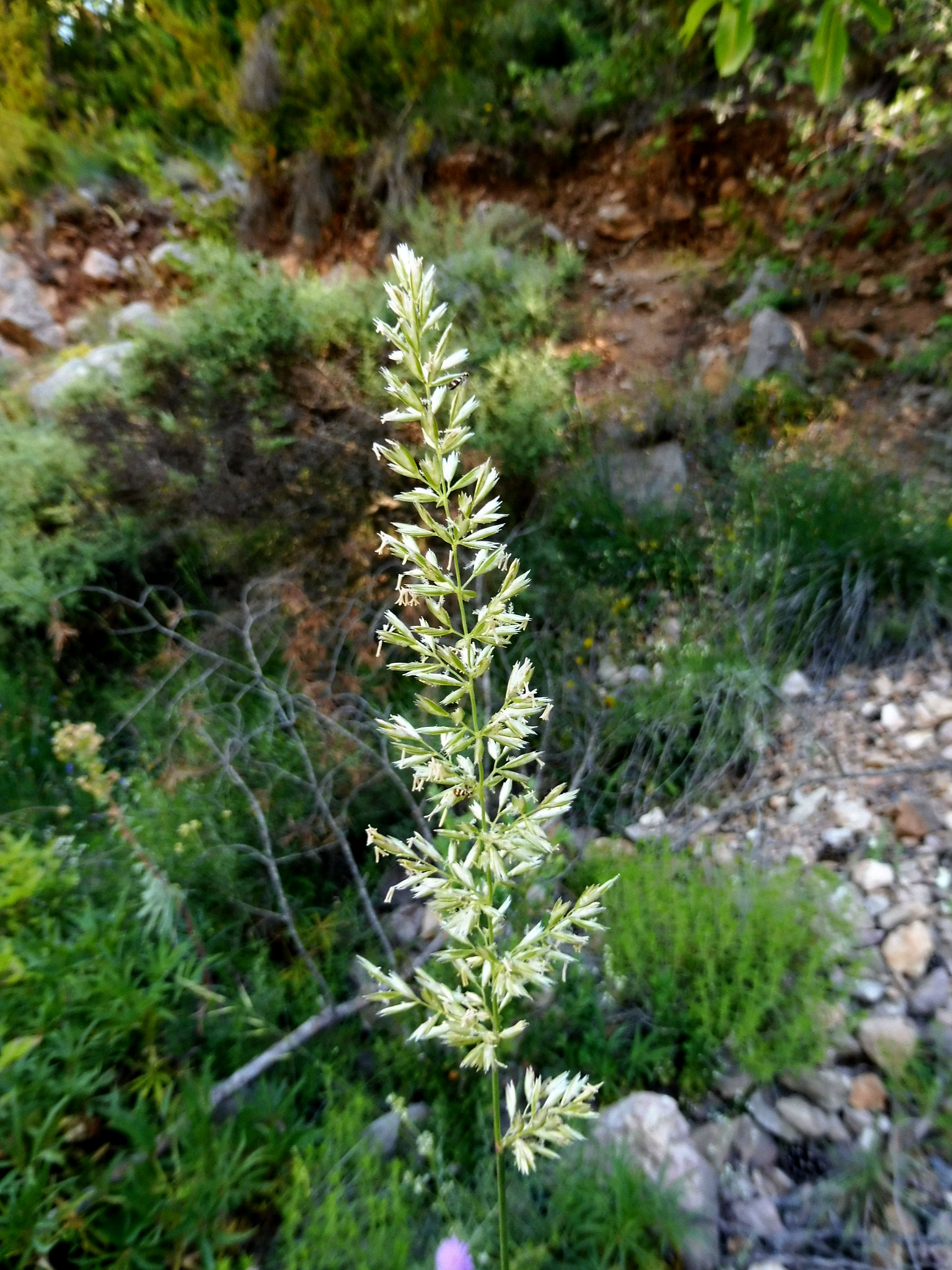
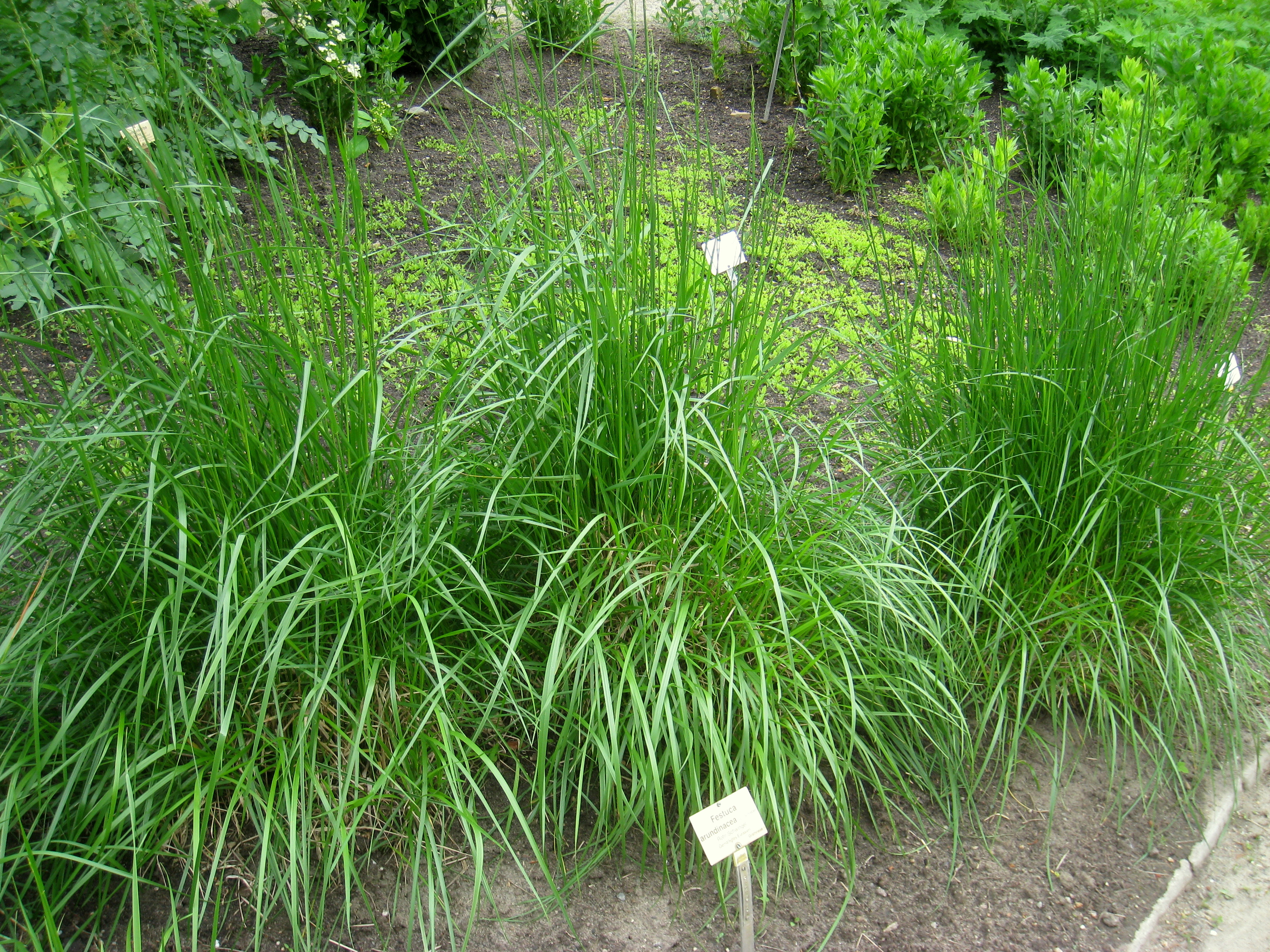
Tall Fescue (Festuca arundinacea) Tall Fescue is arguably the most drought-tolerant cool-season grass. Its deep root system allows it to access moisture deeper in the soil, making it more resilient to dry conditions than Kentucky Bluegrass or Perennial Ryegrass. It maintains its color well into summer and tolerates a wide range of soil conditions. Tall Fescue is suitable for USDA Zones 3-7 and is often used in transition zones where both warm and cool-season grasses struggle. It forms a coarse, durable turf and can tolerate moderate shade.
Fine Fescues (Festuca spp.) This group includes several species like Creeping Red Fescue, Chewings Fescue, Hard Fescue, and Sheep Fescue. Fine Fescues are known for their fine texture, shade tolerance, and moderate drought resistance, especially compared to other cool-season grasses. They require less fertilizer and water than Kentucky Bluegrass and can perform well in poor soils. While they can go dormant and turn brown during severe drought, they recover quickly. Fine Fescues are best for USDA Zones 3-7, particularly in areas with some shade.
How Can I Prepare My Lawn for Drought?
Even with drought-tolerant grasses, proper lawn care practices are crucial for maximizing their resilience and minimizing water use.
- Deep and Infrequent Watering: When you do water, water deeply to encourage roots to grow further down into the soil. Aim for 1 inch of water per week, applied in one or two sessions, rather than frequent, shallow watering. This trains the grass to seek water from deeper reserves.
- Mow High: Set your mower blades higher, typically 2.5 to 3 inches or even higher for some varieties. Taller grass blades shade the soil, reducing evaporation and keeping the soil cooler. This also promotes deeper root growth.
- Aerate Your Soil: Core aeration, performed annually or biennially, helps alleviate soil compaction, allowing water, nutrients, and air to penetrate more easily to the root zone. This improves the grass's ability to absorb water.
- Fertilize Judiciously: Avoid over-fertilizing, especially with high-nitrogen fertilizers, as this can stimulate excessive top growth that requires more water. A slow-release fertilizer applied at the right time for your grass type can promote root health without excessive top growth.
- Leave Clippings: Return grass clippings to the lawn. They act as a natural mulch, adding organic matter to the soil, retaining moisture, and providing nutrients.
- Consider Alternatives: For areas that are consistently difficult to maintain with turf, consider incorporating drought-tolerant groundcovers or garden beds with water-wise plants.
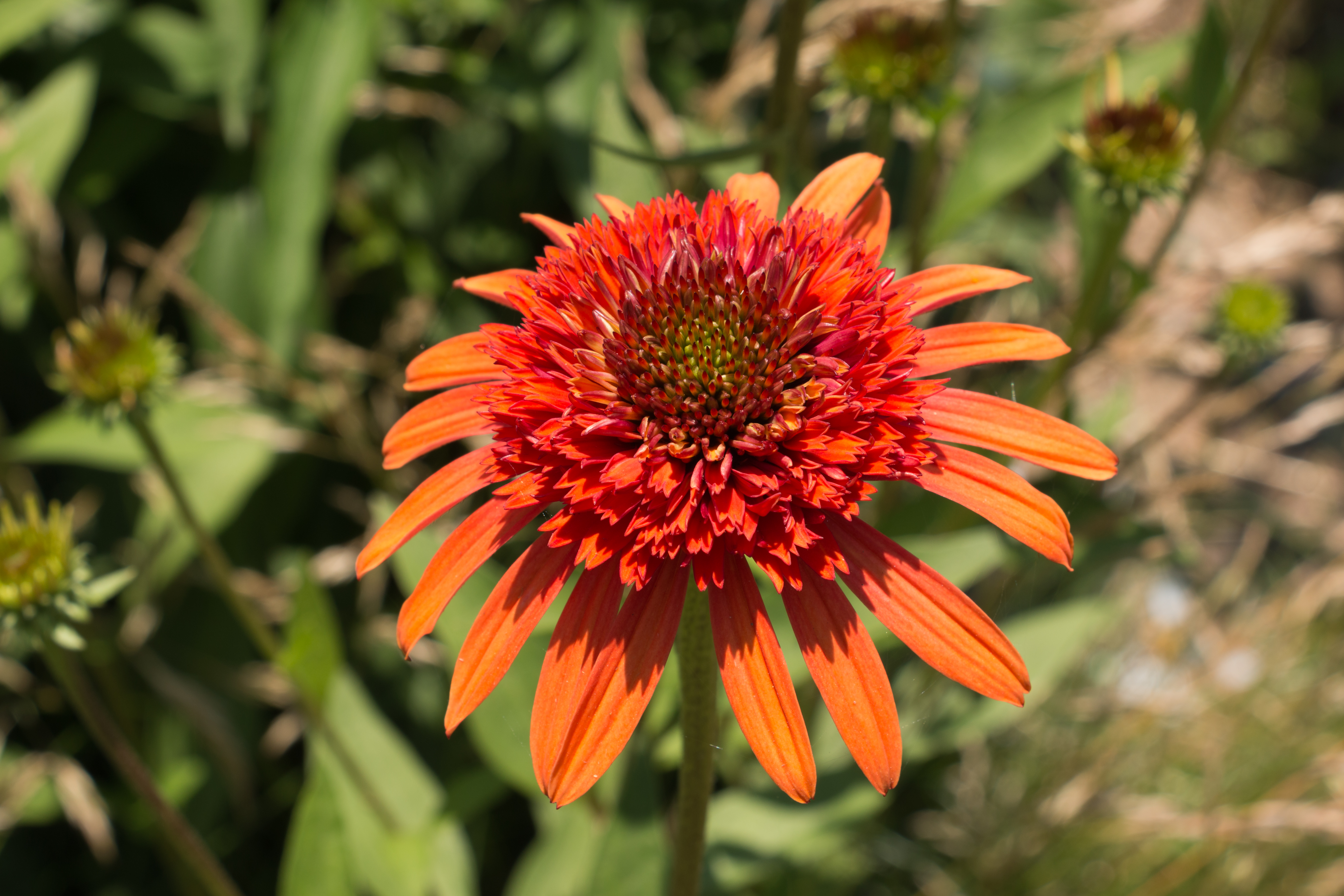
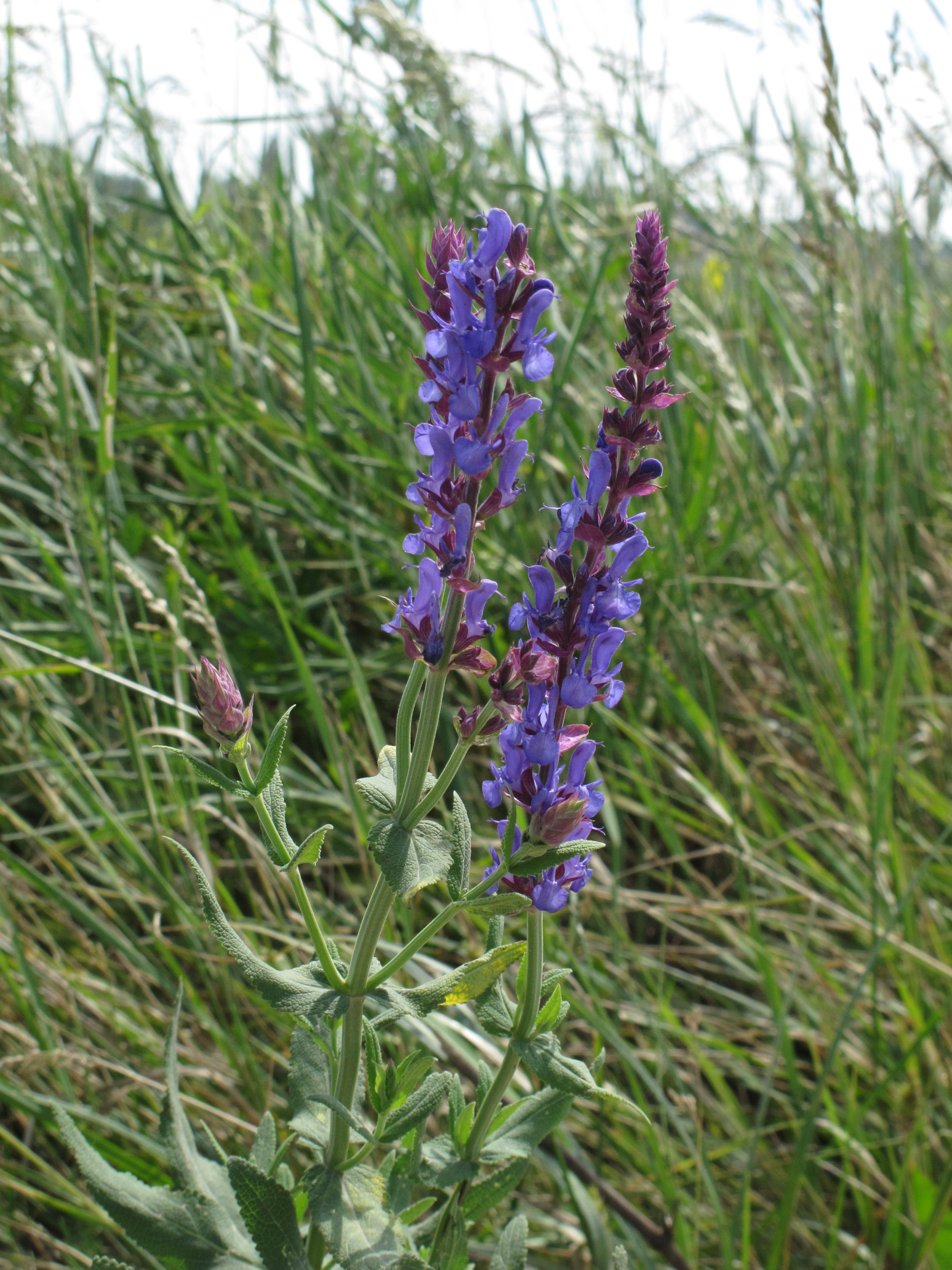
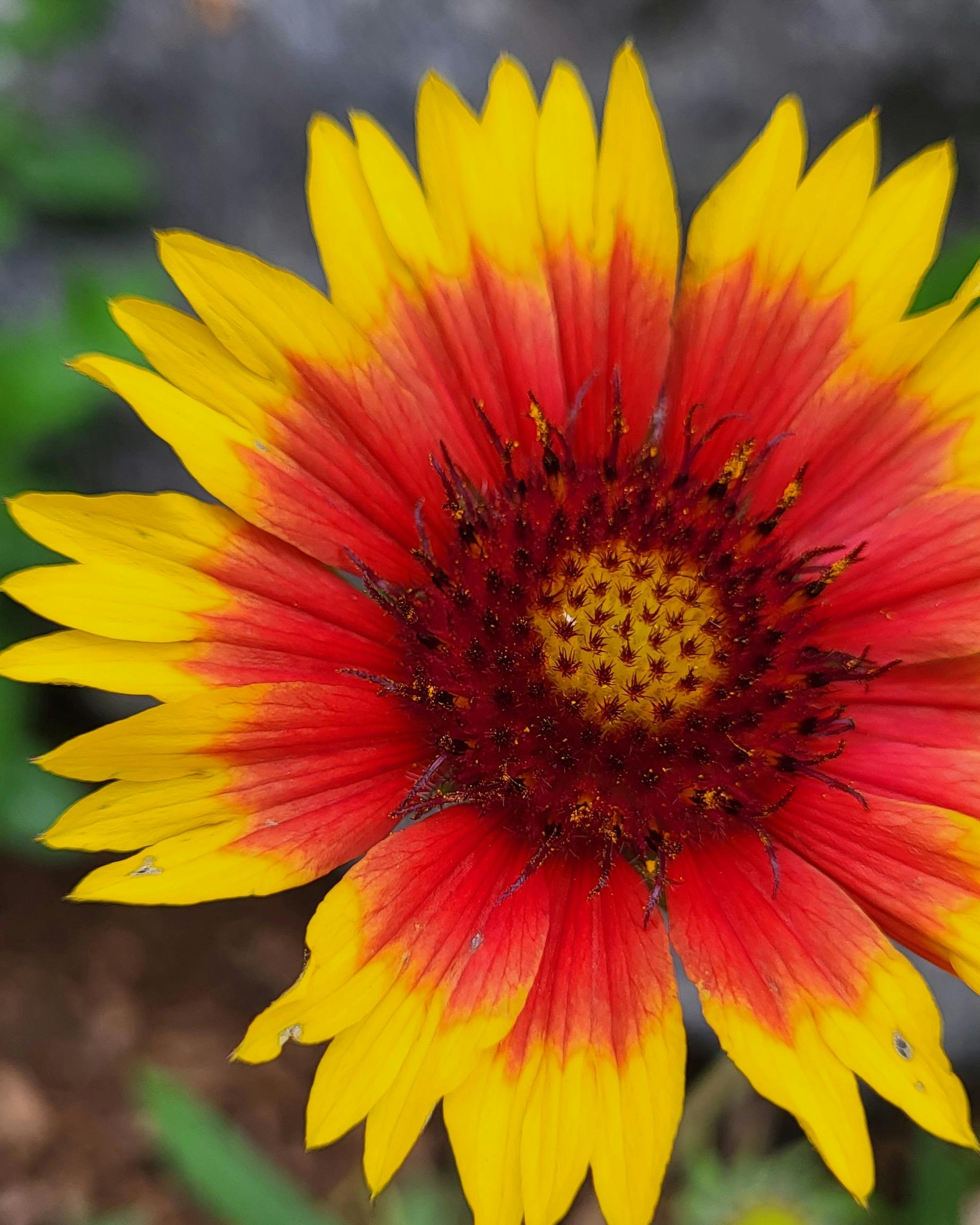
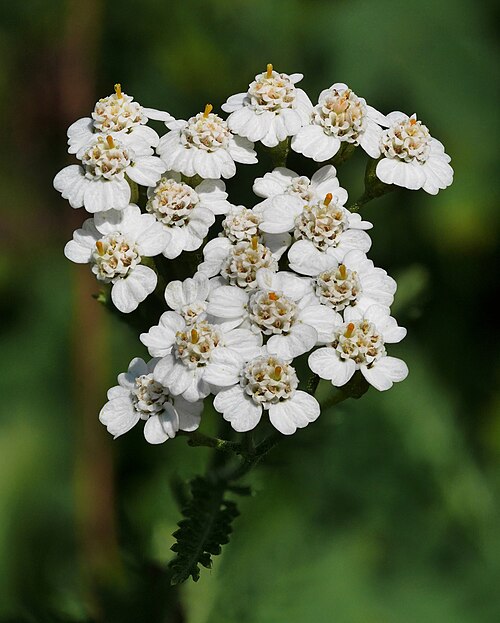
Coneflower Salvia Yarrow Blanket Flower
Quick Reference: Drought Tolerance by Grass Type
| Grass Type | Type | USDA Zones | Drought Tolerance | Key Characteristics |
|---|---|---|---|---|
| Bermudagrass | Warm-Season | 7-10 | Excellent | Very aggressive, dense, durable, fast recovery from dormancy. Requires full sun. |
| Zoysiagrass | Warm-Season | 6-9 | Excellent | Dense, carpet-like, slow-growing, wear-resistant. Tolerates some shade. |
| Buffalograss | Warm-Season | 4-8 | Exceptional | Low-maintenance, fine texture, very low water needs. Natural appearance. |
| St. Augustinegrass | Warm-Season | 8-10 | Good | Coarse texture, good shade tolerance. Popular in tropical/subtropical areas. Needs more water than others on this list during drought. |
| Tall Fescue | Cool-Season | 3-7 | Good | Deep roots, maintains color well in summer, durable. Tolerates some shade. |
| Fine Fescues | Cool-Season | 3-7 | Good | Fine texture, shade tolerant, low water and fertilizer needs. Can go dormant in severe drought. |
Ready to find the perfect plants for your yard? Try the PlantWise Plant Finder →