Gardening with Pets: What You Need to Know
For the 67% of American households with pets, garden plant safety is a real concern. Dogs dig, cats nibble, and both species are naturally curious about new plants. While most garden plants cause only mild stomach upset if ingested, some common landscaping favorites can cause serious illness or even death.
Important: The information below is for educational purposes. "Not listed as toxic" does not mean "guaranteed safe." Individual animals may react differently. If you suspect your pet has ingested a toxic plant, contact the ASPCA Animal Poison Control Center at (888) 426-4435 immediately.
🌱 Get Personalized Plant Picks
Answer a few quick questions and we’ll match plants to your exact yard conditions.
Find My Plants →Plants Not Listed as Toxic to Dogs or Cats
The following plants are not listed as toxic on the ASPCA's database. They're excellent choices for households with curious pets:
Perennials
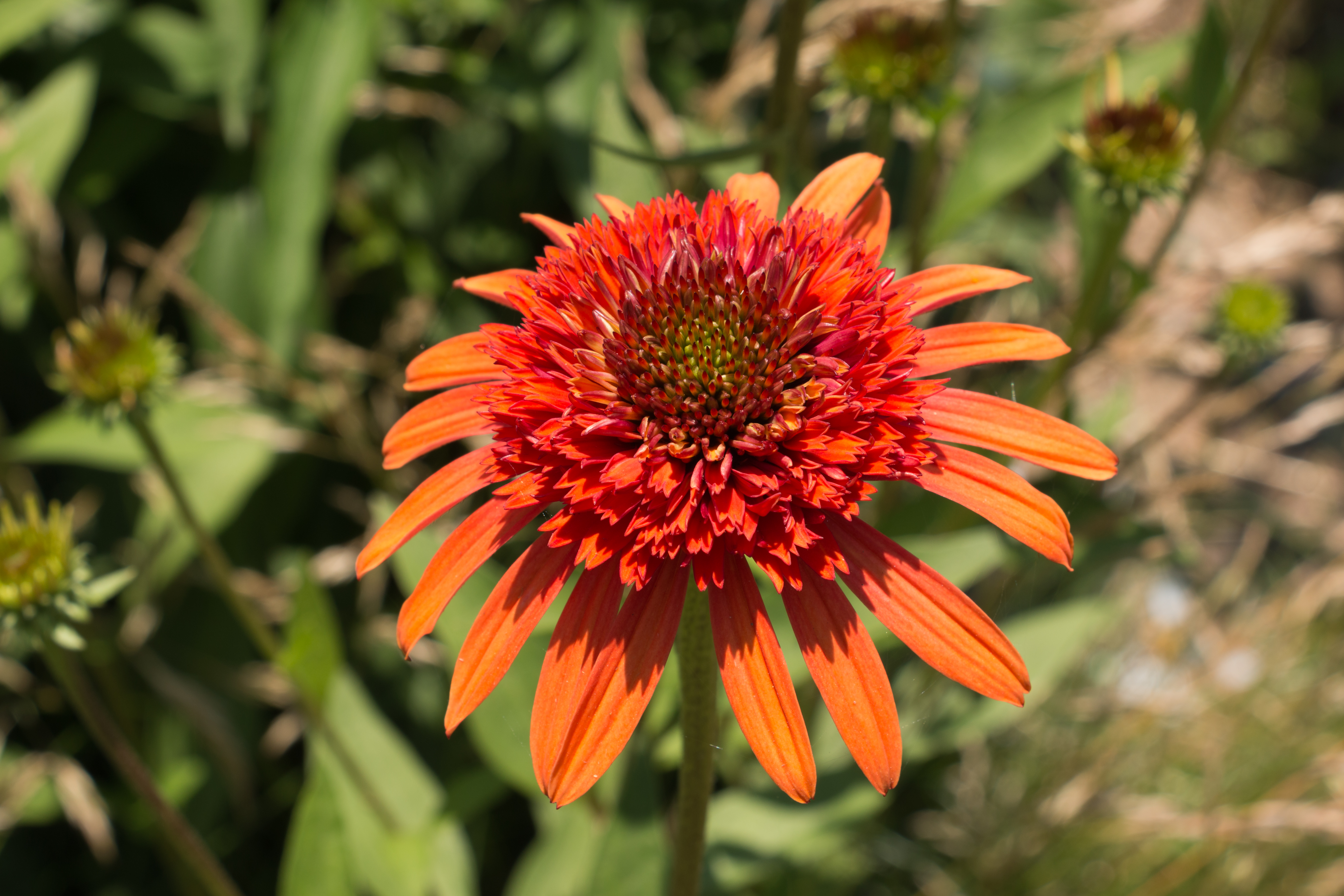
Coneflower (Echinacea purpurea) - Zones 3-8 A native wildflower that's not listed as toxic to dogs or cats. Hardy, drought-tolerant, and beloved by pollinators. The perfect pet-safe garden anchor.
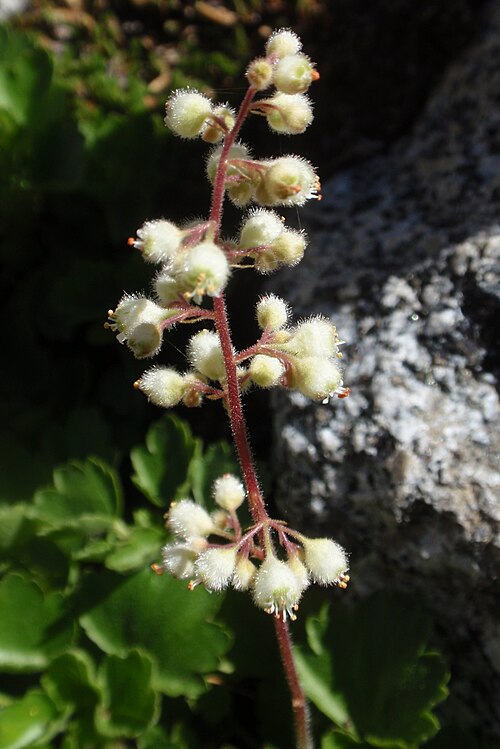
Coral Bells (Heuchera spp.) - Zones 4-9 Stunning foliage in colors from lime green to deep purple. Not listed as toxic and thrives in partial shade-ideal for areas where pets rest.
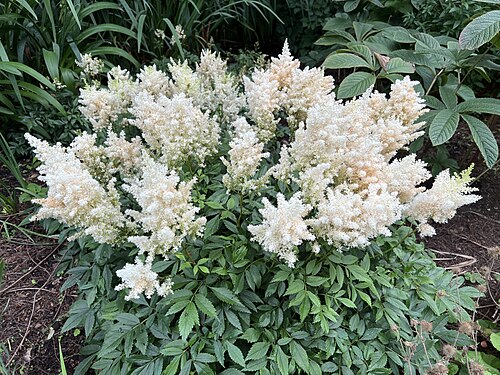
Astilbe (Astilbe spp.) - Zones 3-8 Feathery plumes in pink, red, white, and purple. Not listed as toxic and perfect for shady, moist areas of the garden.
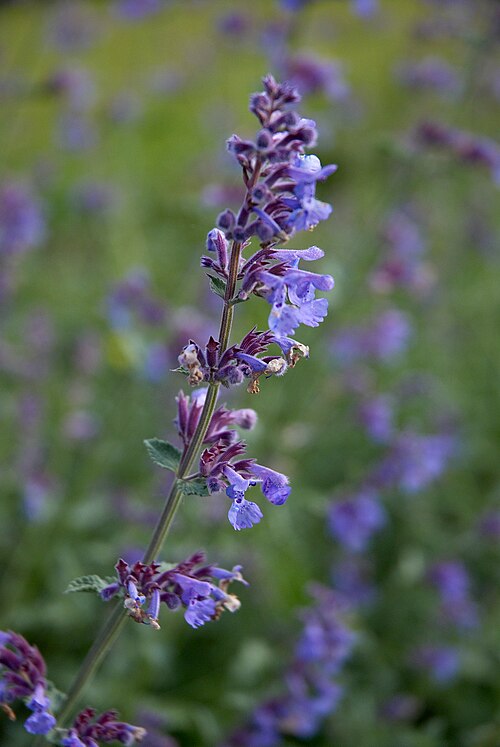
Catmint (Nepeta × faassenii) - Zones 3-8 Despite the name, catmint is not listed as toxic to cats (though they may roll in it!). It's also deer-resistant and drought-tolerant.
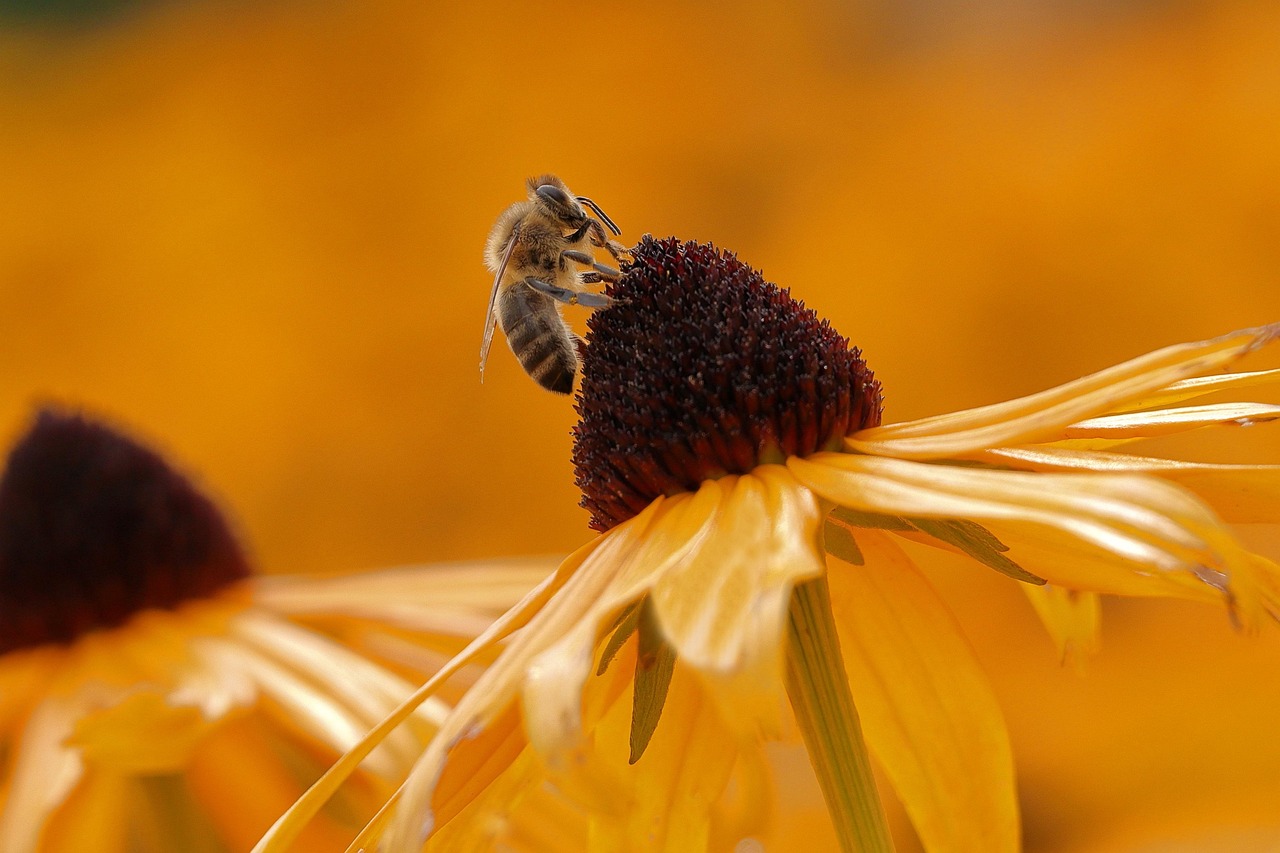
Black-eyed Susan (Rudbeckia fulgida) - Zones 3-9 A cheerful native wildflower not listed as toxic to pets. Tough, reliable, and provides food for birds in winter.
Shrubs
Rose (Rosa spp.) - Zones 2-11 Roses are not listed as toxic to dogs or cats. The thorns provide a natural deterrent against curious nibblers. Just watch for chemical treatments.
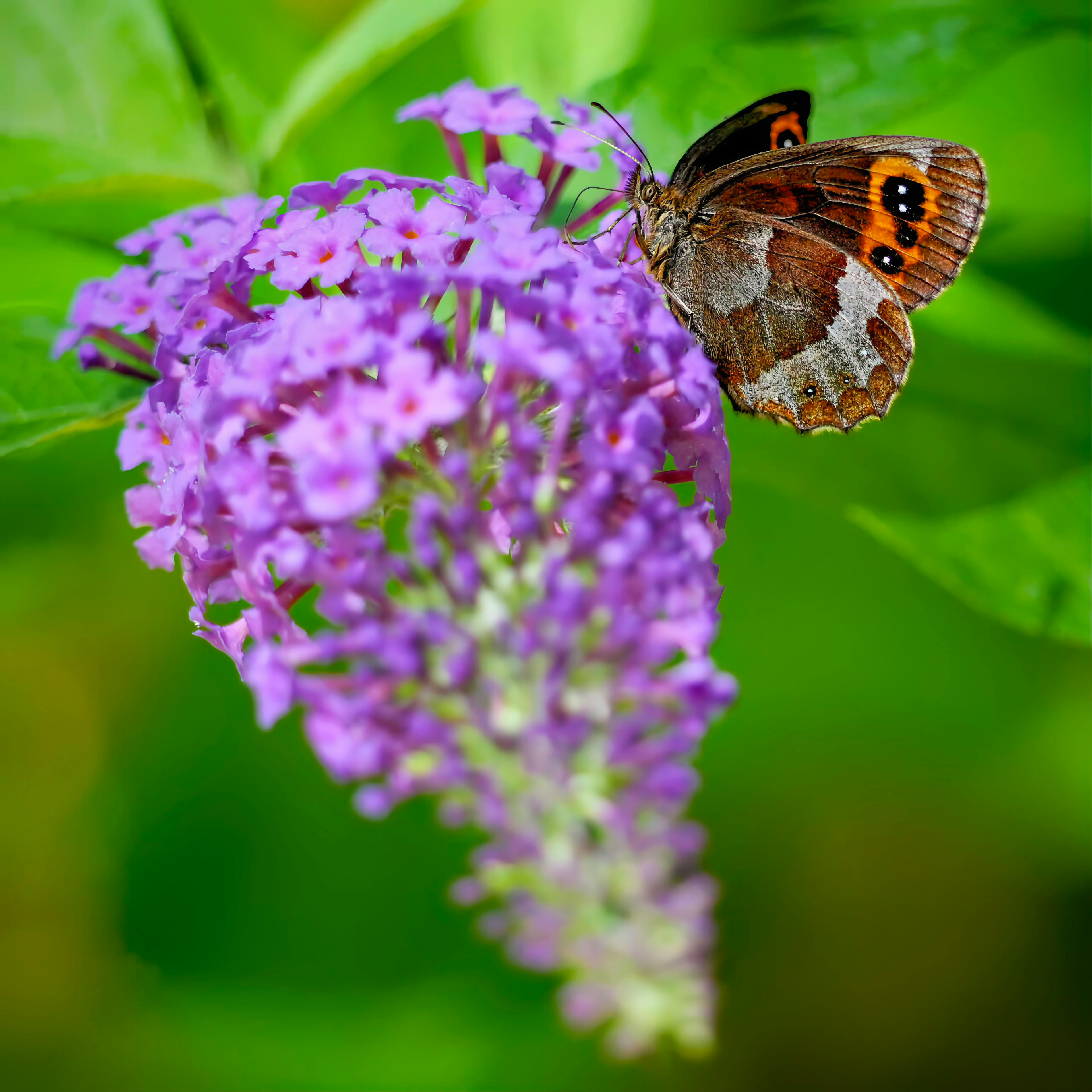
Butterfly Bush (Buddleja davidii) - Zones 5-9 Not listed as toxic and a magnet for butterflies and hummingbirds. A win for both pet safety and pollinator support.
Blueberry (Vaccinium spp.) - Zones 3-8 Not only not toxic-blueberries are actually healthy for dogs! Beautiful spring flowers, summer fruit, and fall color.
Groundcovers
Creeping Thyme (Thymus serpyllum) - Zones 4-9 Not listed as toxic and can handle light foot traffic. Aromatic, drought-tolerant, and produces tiny purple flowers that bees love.
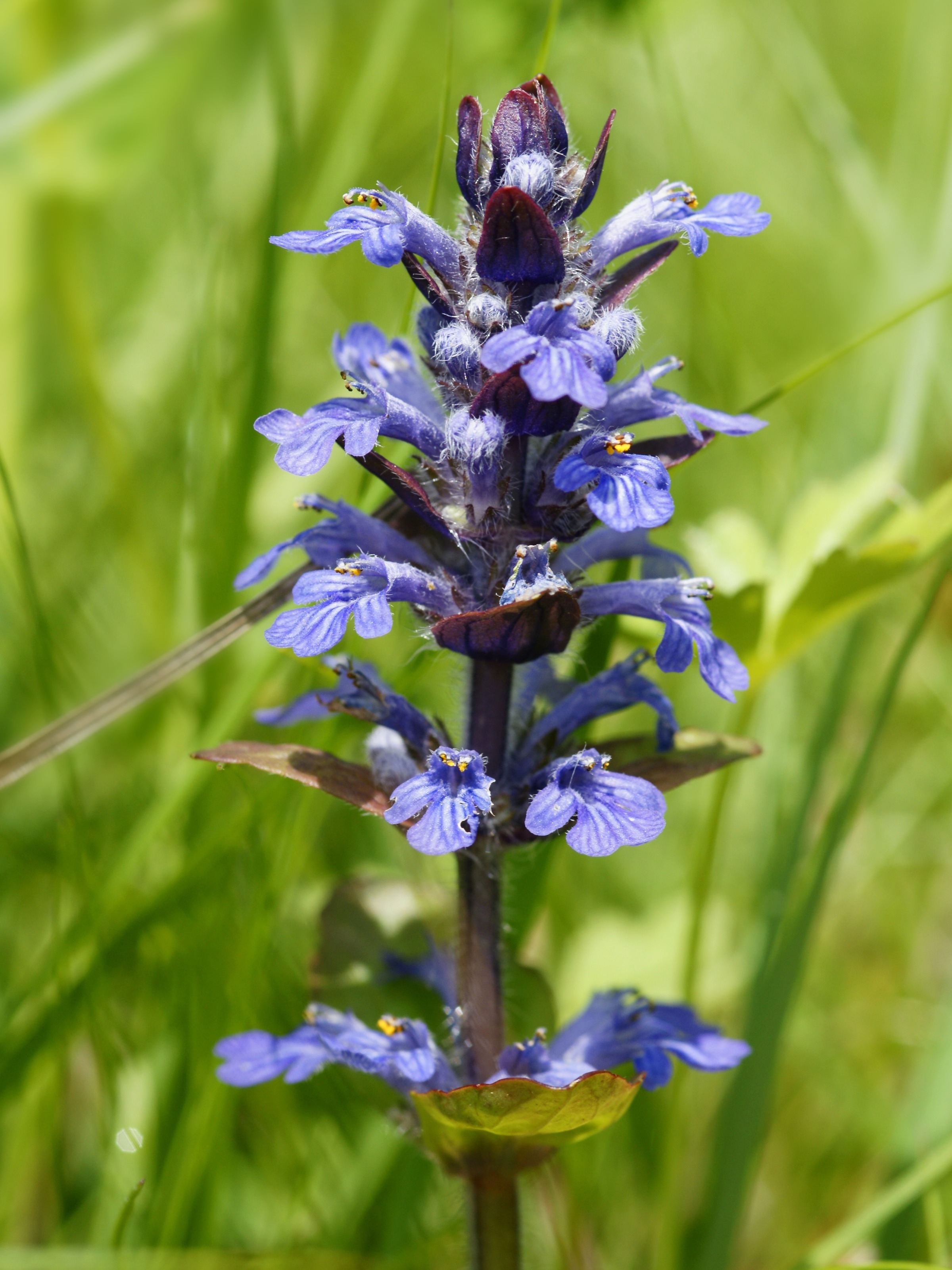
Ajuga (Ajuga reptans) - Zones 3-9 Not listed as toxic to pets. Spreads quickly in shade, producing blue flower spikes in spring.
Common Garden Plants That ARE Toxic to Pets
Avoid these popular plants if you have dogs or cats:
| Plant | Toxic To | Severity |
|---|---|---|
| Lily (Lilium spp.) | Cats (extremely) | Can cause kidney failure |
| Sago Palm | Dogs & Cats | Can be fatal |
| Azalea/Rhododendron | Dogs & Cats | Cardiovascular effects |
| Oleander | Dogs & Cats | Can be fatal |
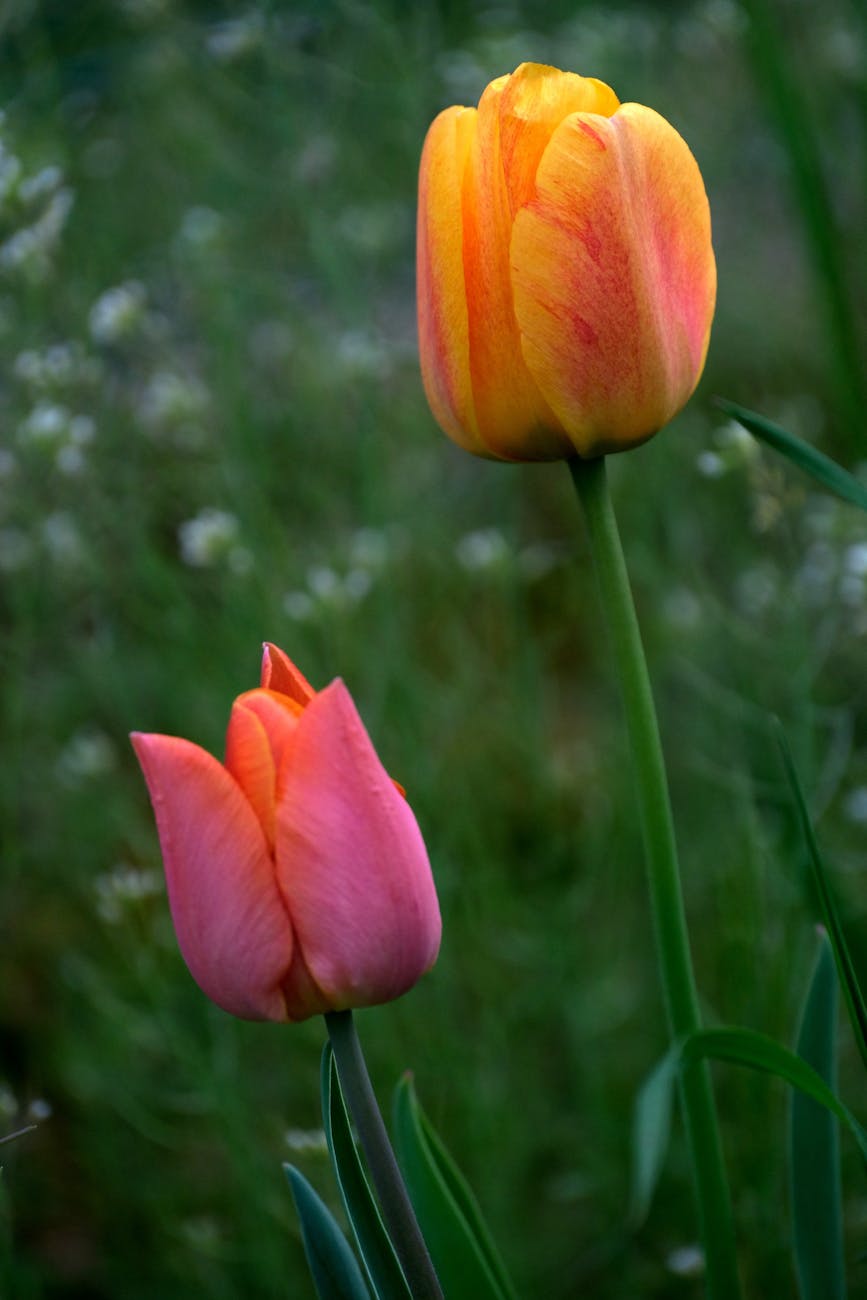
| Tulip (bulbs) | Dogs & Cats | GI upset, cardiac issues |
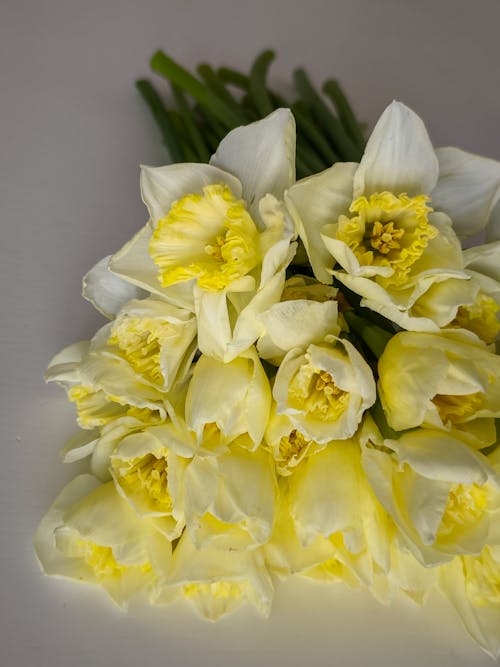
| Daffodil (bulbs) | Dogs & Cats | GI upset, cardiac issues |
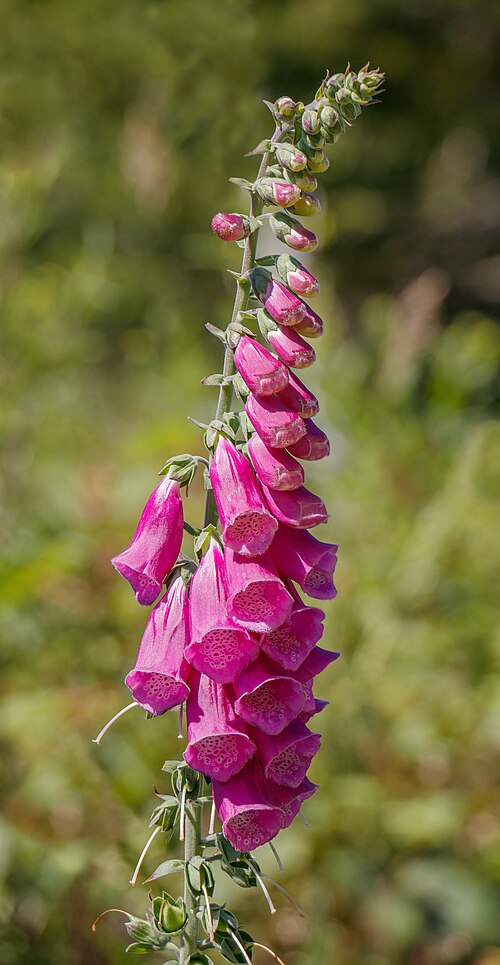
| Foxglove | Dogs & Cats | Cardiac glycosides |
| Lily of the Valley | Dogs & Cats | Cardiac glycosides |
| Autumn Crocus | Dogs & Cats | Multi-organ failure |
Pet-Safe Garden Design Strategies
Create barriers. Use raised beds or decorative fencing to keep pets away from any plants you're unsure about.
Designate a pet zone. Give your pets their own area with pet-safe groundcovers like creeping thyme or clover.
Skip the mulch concerns. Cocoa mulch is toxic to dogs (it contains theobromine). Use cedar, pine, or rubber mulch instead.
Avoid chemical treatments. Pesticides and herbicides are often more dangerous than the plants themselves. Choose organic methods.
Watch for mushrooms. Wild mushrooms that pop up in gardens can be highly toxic. Remove them promptly.
Emergency Resources
- ASPCA Animal Poison Control: (888) 426-4435 ($95 consultation fee may apply)
- Pet Poison Helpline: (855) 764-7661 ($85 per incident fee)
- Your local emergency veterinary clinic - know the address before you need it
Find Pet-Safe Plants for Your Garden
Use the PlantWise Recommendation Wizard and select your pets in the "Pet Safety" section. We'll only recommend plants not listed as toxic to your specific animals, matched to your zone and growing conditions.
†Not listed as toxic by ASPCA does not guarantee safety for all animals. Individual reactions may vary. Always consult your veterinarian with concerns about specific plants and your pets.