Pet-Safe Plants for Dogs in Zone 6
Creating a beautiful garden that you and your furry best friend can enjoy together is a wonderful goal. For dog owners in USDA Hardiness Zone 6, finding plants that thrive in your climate while also not being listed as toxic to dogs by the ASPCA is key. This guide will help you discover a variety of lovely and resilient plants that can bring color and life to your garden without posing a concern for your canine companion. We'll focus on perennials that come back year after year, offering lasting beauty and peace of mind.
Shop dog-friendly perennial seed on Amazon
Echinacea purpurea and flowering nemorosa sage packs commonly used in Zone 6 pet gardens. We may earn a commission at no extra cost to you.
Amazon · Echinacea purpurea seed packs Amazon · Flowering nemorosa sage seed
* Confirm ASPCA non-toxic status for the exact cultivar. Prefer flowering sage packs over culinary-only seed. Seed packets are common vs live plugs.
🌱 Get Personalized Plant Picks
Answer a few quick questions and we’ll match plants to your exact yard conditions.
Find My Plants →Why is Knowing Your Hardiness Zone Important for Pet Safety?
Understanding your USDA Hardiness Zone is fundamental to successful gardening, especially when considering pet safety. Zone 6, characterized by average annual extreme minimum temperatures between -10°F and 0°F (-23.3°C to -17.8°C), means certain plants will thrive while others won't survive the winter. When we talk about "pet-safe" plants, we're not just looking for species that won't harm your dog; we're also looking for plants that will actually grow well in your specific climate. There's no point in planting something "safe" if it won't survive your winter or flourish in your summer. By selecting plants suited for Zone 6, you ensure they'll be healthy and robust, providing the best possible environment for both your garden and your pet.
What are Some Great Perennials Not Listed as Toxic to Dogs for Zone 6?
Building a dog-friendly garden in Zone 6 means choosing plants that are both beautiful and resilient. Fortunately, there are many excellent perennial options that are not listed as toxic to dogs by the ASPCA and will happily return year after year in your climate. These plants offer a range of colors, textures, and bloom times, allowing you to create a vibrant and engaging landscape.
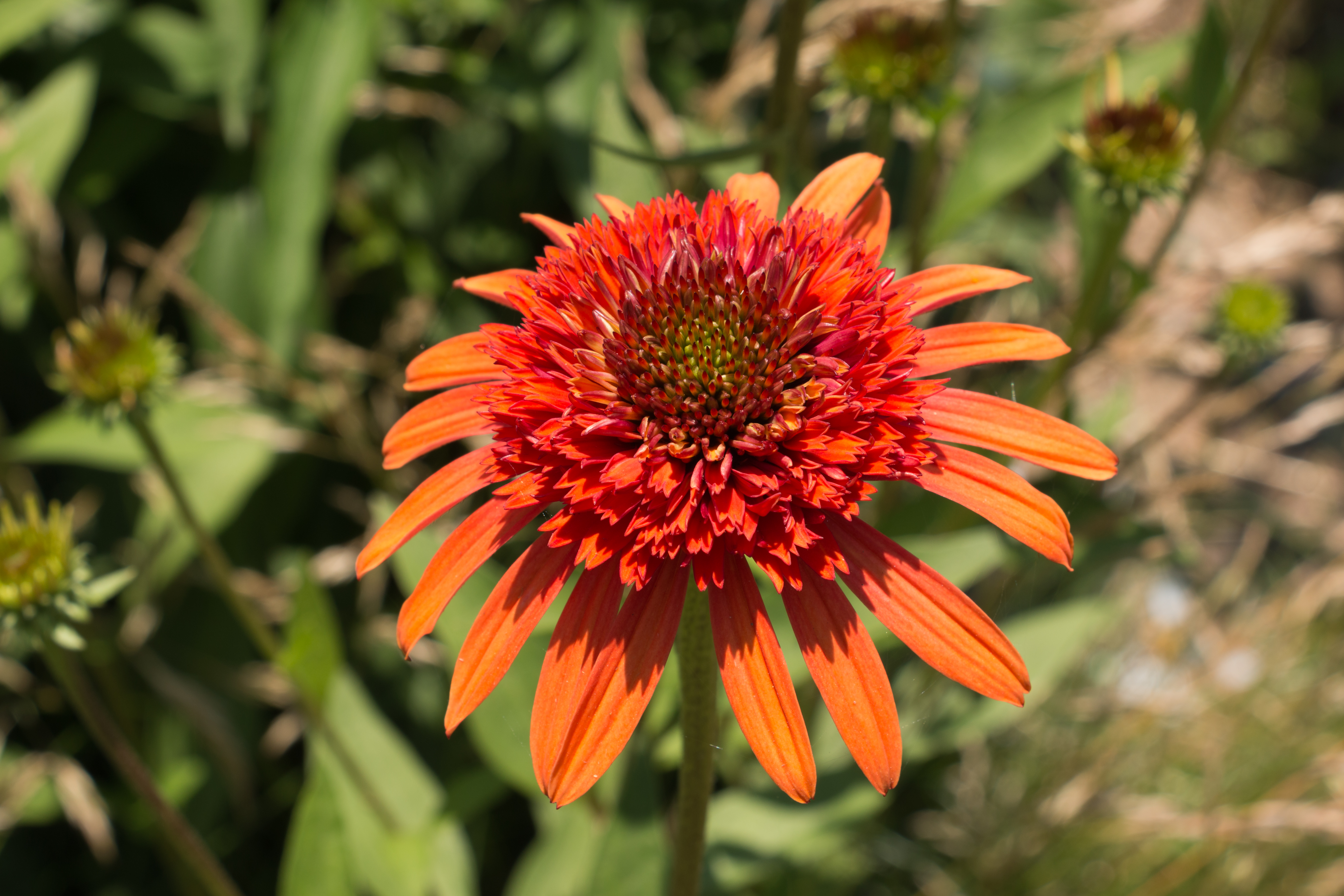
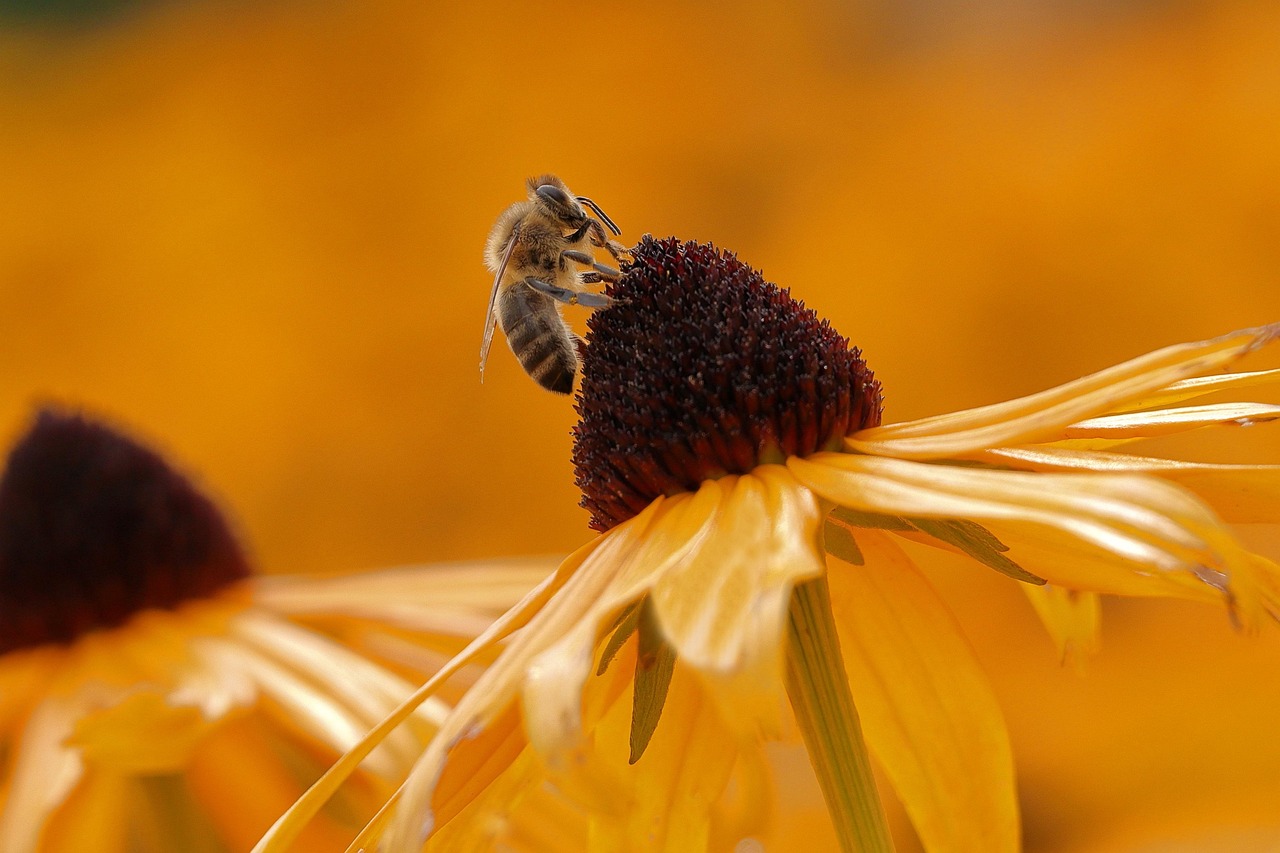
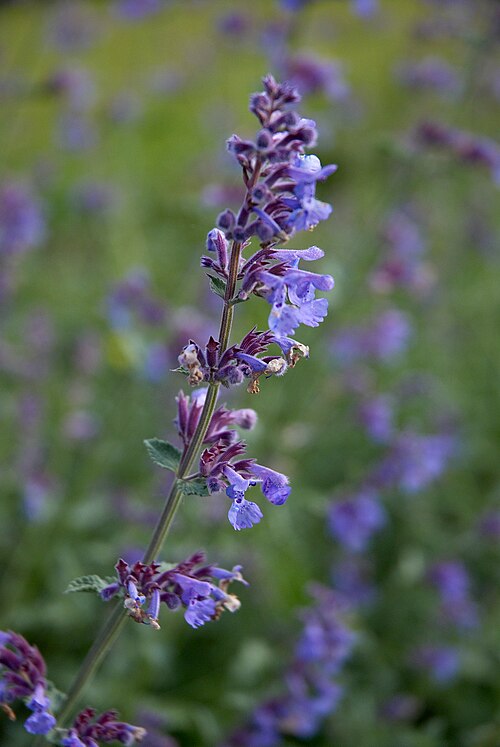
Consider planting a variety of sun-loving options like Coneflower (Echinacea), known for its cheerful daisy-like blooms and ability to attract pollinators. Coneflower Black-eyed Susan (Rudbeckia hirta) is another fantastic choice, offering bright yellow petals with dark centers that add a sunny disposition to any garden bed. Black-eyed Susan For a softer, more ethereal look, Catmint (Nepeta) provides lovely lavender-blue spires and a pleasant fragrance, often enjoyed by cats but not listed as toxic to dogs. Catmint
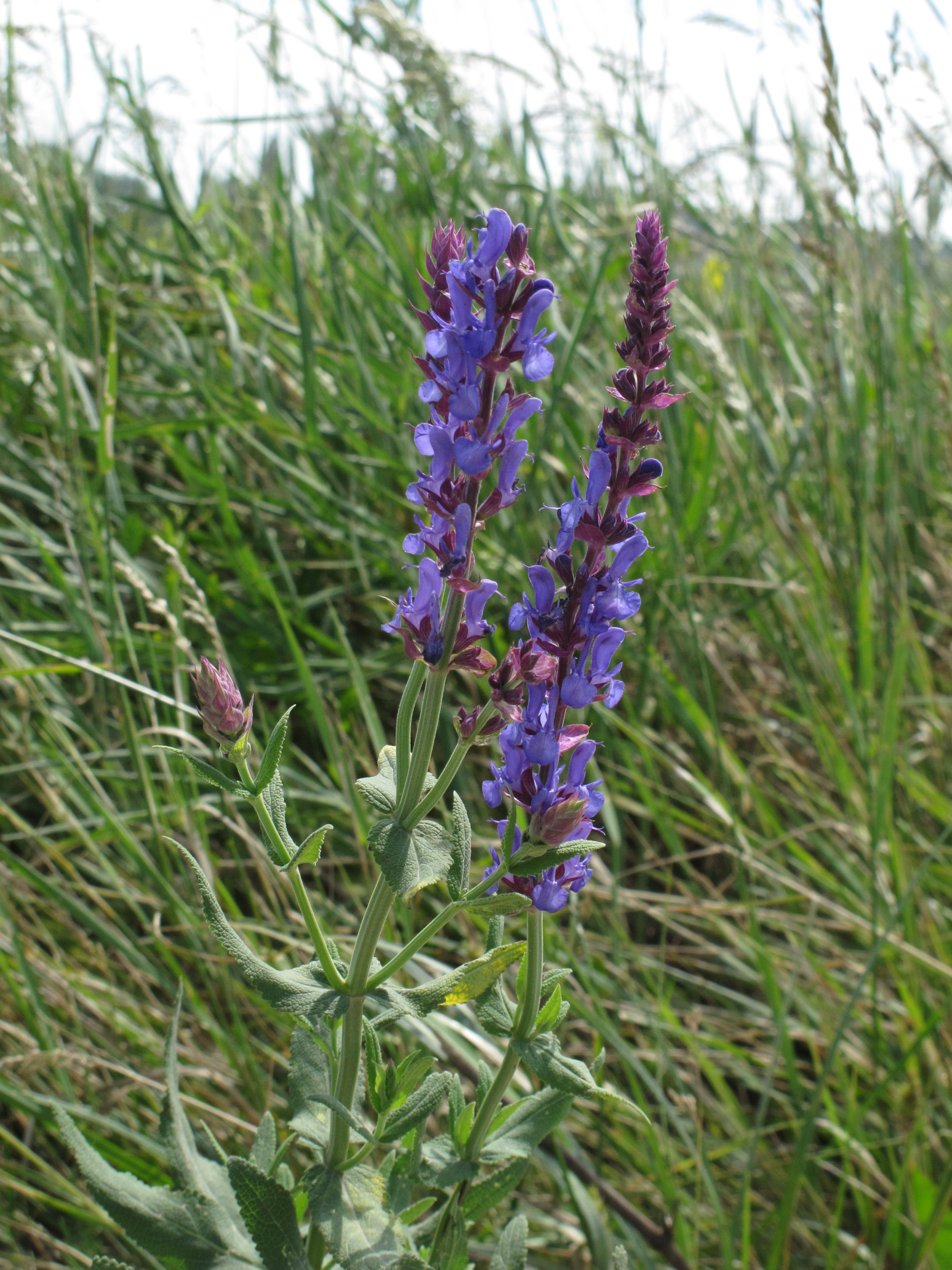
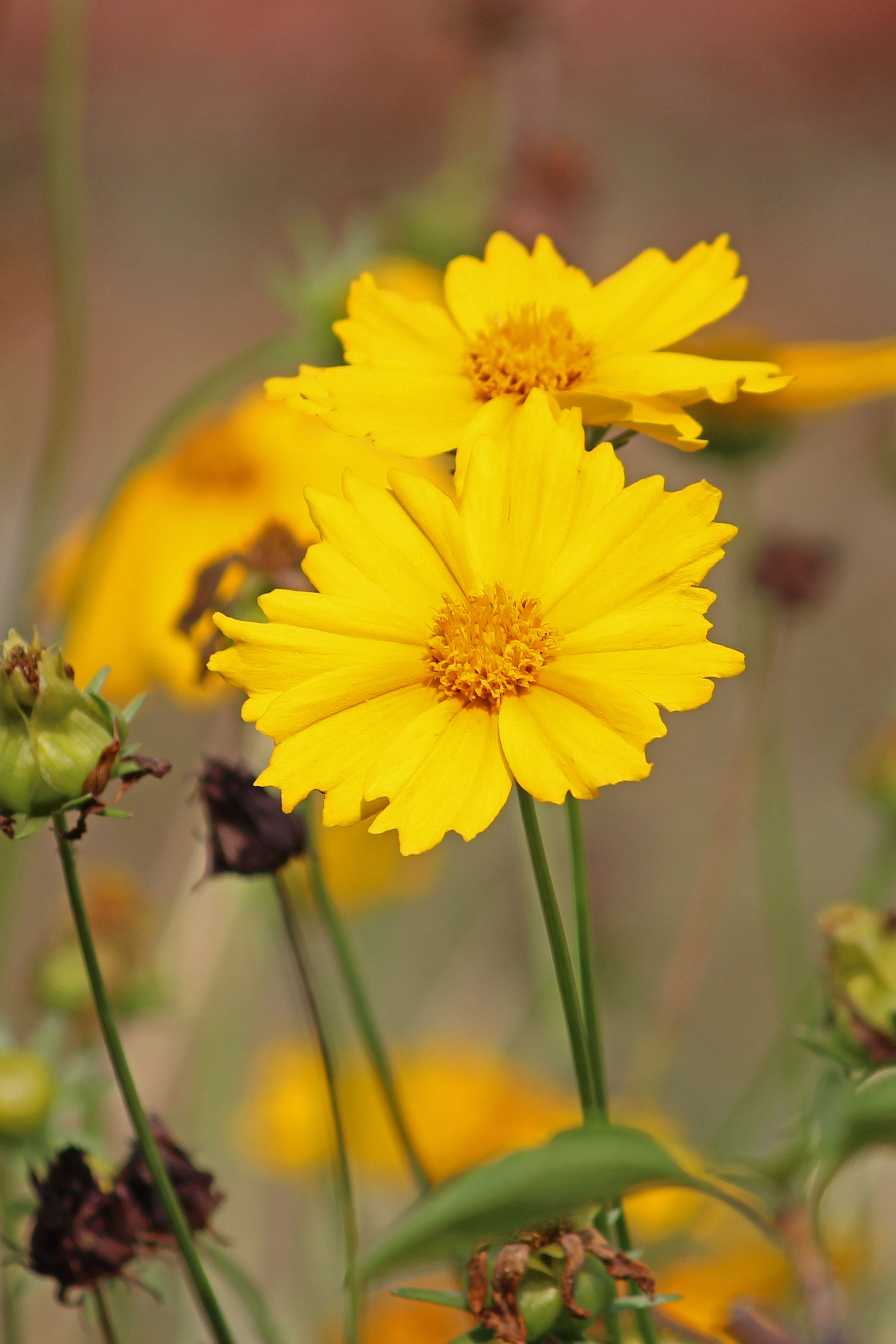
If you're looking for plants that can handle a little more sun and heat, Coreopsis (Tickseed) offers a profusion of bright yellow, orange, or pink flowers, blooming for extended periods. Coreopsis Salvia (Sage), particularly perennial varieties like 'May Night' or 'Caradonna', provides striking blue or purple flower spikes that are both beautiful and drought-tolerant once established. Salvia These plants not only add aesthetic appeal but also contribute to a healthy ecosystem by attracting beneficial insects.
Quick Reference: Zone 6 Dog-Friendly Perennials
| Plant Name | Sun | Height | Notes
| Garden Salvia 'May Night' | Full Sun | 18-24 inches | Deep purple flower spikes, long blooming, attracts hummingbirds. |
| Coneflower (Echinacea) | Full Sun | 2-4 feet | Classic daisy-like blooms, drought tolerant, attracts butterflies. |
| Black-eyed Susan (Rudbeckia) | Full Sun | 2-3 feet | Cheerful yellow petals with dark centers, long bloom time. |
| Catmint (Nepeta) | Full Sun to Partial Shade | 1-3 feet | Fragrant, lavender-blue flowers, drought tolerant, deer resistant. |
| Coreopsis (Tickseed) | Full Sun | 1-2 feet | Abundant yellow, orange, or pink flowers, long bloom period. |
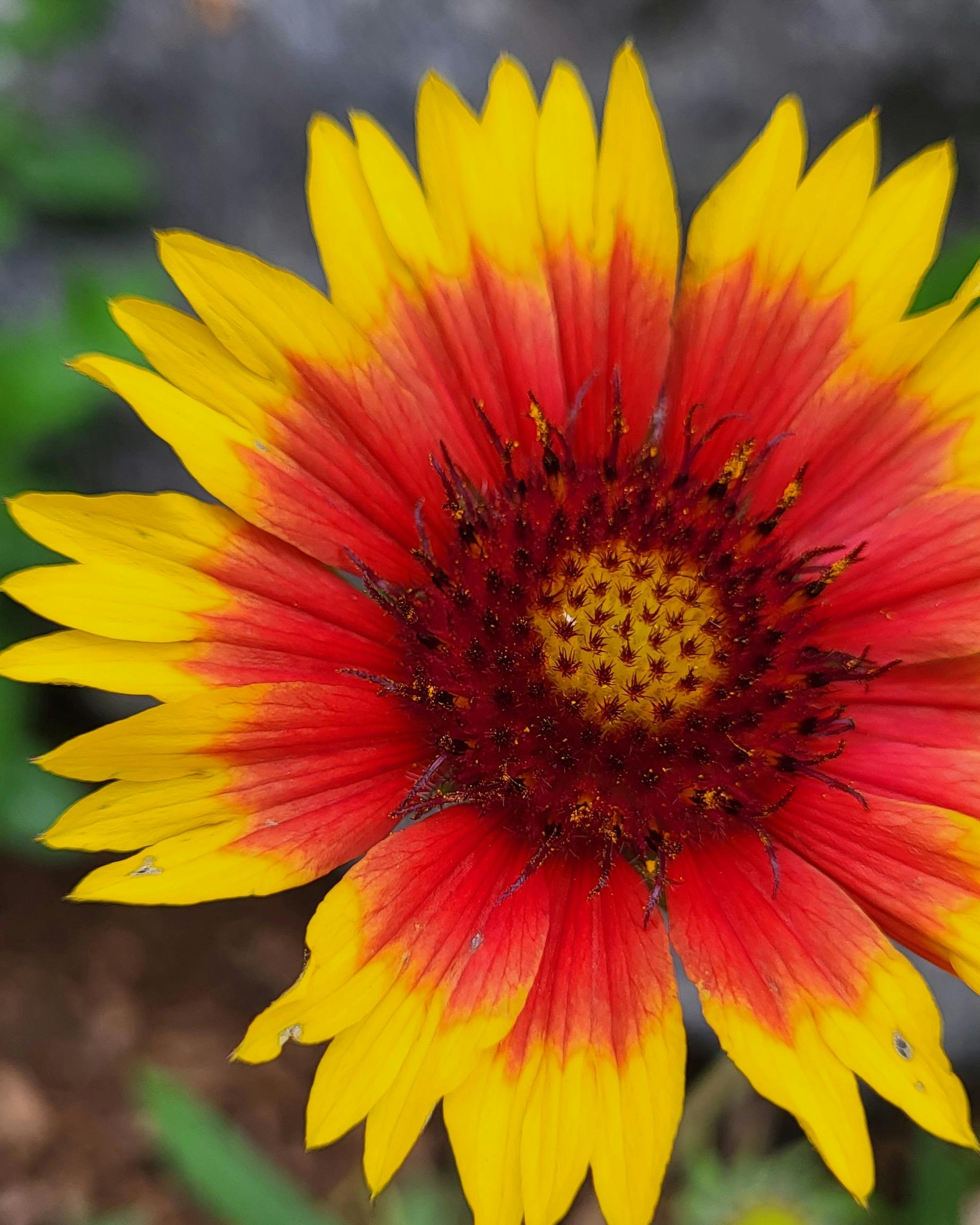
| Blanket Flower (Gaillardia) | Full Sun | 1-2.5 feet | Daisy-like flowers in reds, oranges, and yellows, drought tolerant. |
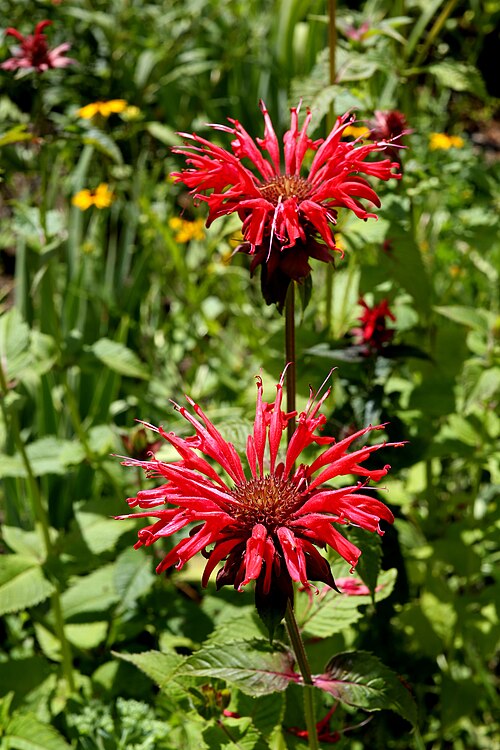
| Bee Balm (Monarda) | Full Sun to Partial Shade | 2-4 feet | Unique tubular flowers, attracts hummingbirds and butterflies. |
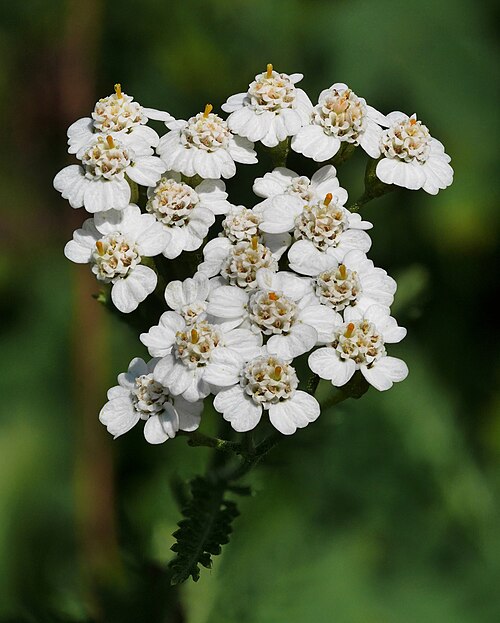
| Yarrow (Achillea) | Full Sun | 1-3 feet | Flat-topped flower clusters, drought tolerant, good for cutting. |
How Can I Create a Dog-Friendly Garden Layout?
Designing a garden with your dog in mind goes beyond just choosing not-listed-as-toxic plants; it also involves thoughtful layout and landscaping. Here are some practical tips for creating a harmonious space for both you and your canine companion:
- Designate Dog Zones: Consider creating specific areas for your dog to play, relieve themselves, or simply relax. A designated potty area, perhaps with a patch of mulch or pea gravel, can help preserve your lawn and garden beds. A shady spot under a tree or a raised platform can serve as a comfortable resting place.
- Create Clear Pathways: Dogs, especially those with energy to burn, will often create their own paths through your garden. Instead of fighting it, embrace it! Install durable, wide pathways using materials like flagstone, pavers, or compacted gravel. This protects your plants and gives your dog a clear route to follow.
- Protect Delicate Plants: If you have plants that are particularly vulnerable to being trampled, consider placing them behind a low fence, within raised beds, or in sturdy containers. This creates a physical barrier without completely isolating them.
- Use Sturdy Edging: Edging around garden beds can help define boundaries and deter dogs from digging or running through planted areas. Choose materials that are robust and won't easily be dislodged.
- Provide Water Access: Especially during warmer months, ensure your dog has easy access to fresh water. A strategically placed water bowl or a pet-friendly water feature can be a welcome addition.
- Avoid Toxic Mulches: While not a plant, be mindful of the mulch you use. Cocoa bean mulch, for example, contains theobromine, which is toxic to dogs. Opt for cedar, cypress, or pine bark mulches instead.
What Should I Do if I Suspect My Dog Ate a Potentially Toxic Plant?
Even with the best intentions and careful plant selection, accidents can happen. Dogs are curious creatures and may occasionally nibble on something they shouldn't. It's crucial to know what steps to take if you ever suspect your pet has ingested a plant that could be harmful.
If you suspect your pet has ingested a toxic plant, call the ASPCA Animal Poison Control Center immediately at (888) 426-4435.
Here are some additional actions you can take while waiting for professional advice:
- Identify the Plant: If possible, try to identify the plant your dog ingested. Take a photo of the plant and bring a sample (leaves, flowers, berries) with you if you need to visit a vet. This information is vital for accurate diagnosis and treatment.
- Observe Your Dog: Pay close attention to any symptoms your dog is exhibiting, such as vomiting, diarrhea, lethargy, drooling, difficulty breathing, tremors, or seizures. Note the time of ingestion and the onset of symptoms.
- Do NOT Induce Vomiting: Unless specifically instructed by a veterinarian or poison control expert, do not try to make your dog vomit. Some toxins can cause more harm coming back up, and some breeds or health conditions make inducing vomiting dangerous.
- Keep Calm: Your dog can sense your stress. Try to remain calm and follow the instructions given by the poison control center or your vet.
Prevention is always the best approach. Regularly inspect your garden for any new volunteer plants or weeds that might not be on your "not listed as toxic" list. Educate yourself on common toxic plants in your area, even those outside your garden, as your dog might encounter them on walks.
By carefully selecting plants not listed as toxic, designing a thoughtful layout, and knowing what to do in an emergency, you can create a beautiful and safe outdoor haven for your entire family, including your beloved canine companion, right here in Zone 6.
Related plants: Coral Bells, Zinnia, Marigold, Snapdragon, Sunflower
Ready to find the perfect plants for your yard? Try the PlantWise Plant Finder →