FTC Disclosure: This post contains affiliate links. We may earn a small commission at no extra cost to you if you make a purchase through these links.
If you're gardening in Zone 6 and have pets, choosing plants that are safe for your furry friends is essential to create a beautiful yet hazard-free outdoor space. The good news is there are plenty of pet safe plants zone 6 gardeners can rely on that the ASPCA has reviewed and not listed as toxic to cats or dogs. In this post, we’ll explore 10 of the best pet-safe plants suitable for the climate and conditions of USDA Zone 6, helping you design a vibrant garden that keeps your pets protected.
What Makes a Plant Pet Safe in Zone 6?
Pet safe plants are those that, when ingested or contacted, do not cause significant harm to dogs, cats, or other common household pets. The ASPCA maintains a database of plants and their toxicity status for various animals, which is an excellent resource to check before planting. Zone 6 refers to regions with average minimum winter temperatures between -10°F and 0°F (-23.3°C to -17.8°C), so plants must also be cold-hardy enough to survive these conditions.
🌱 Get Personalized Plant Picks
Answer a few quick questions and we’ll match plants to your exact yard conditions.
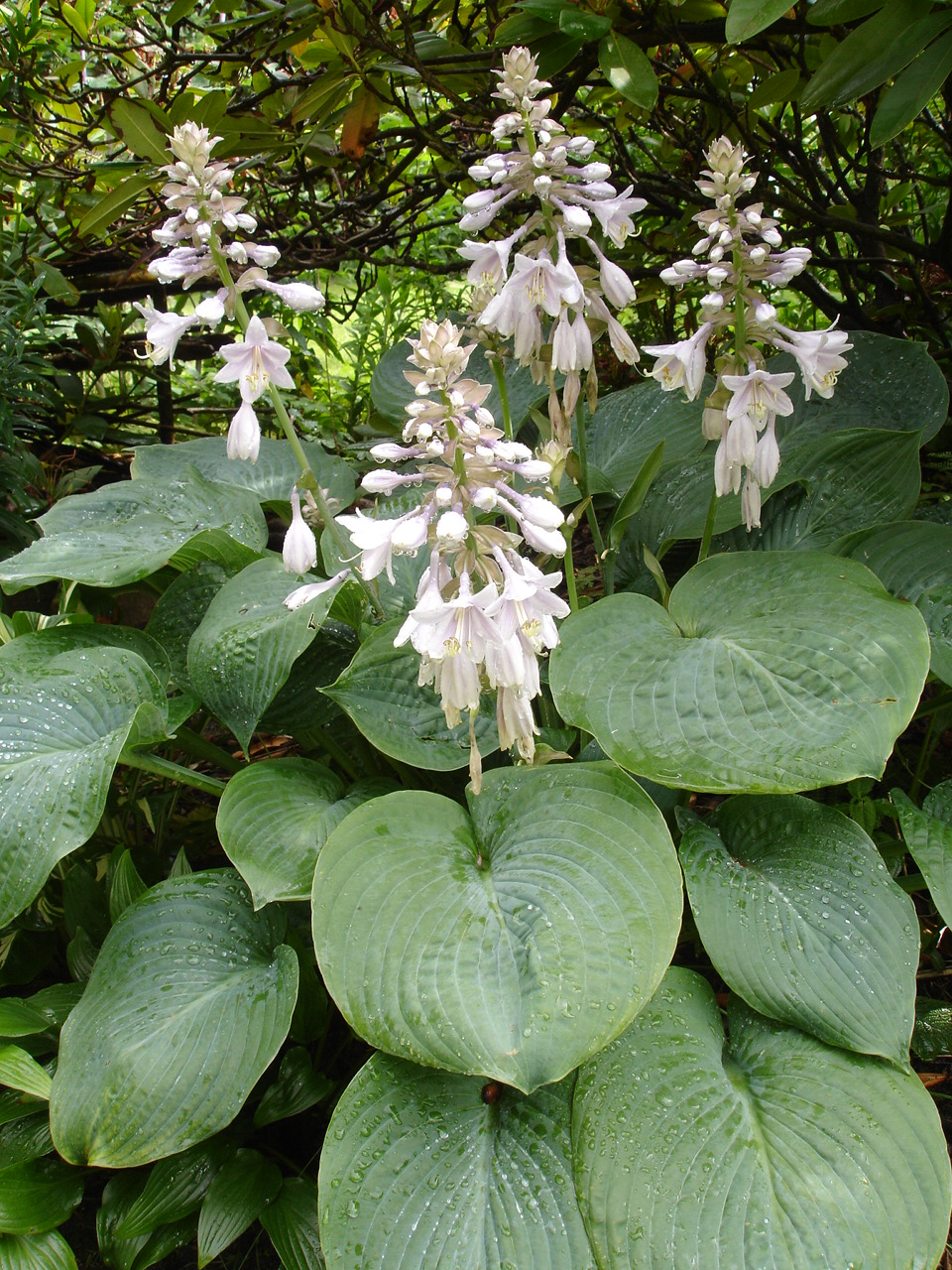
Find My Plants →1. Hosta (Hosta spp.)
Hostas are perennial favorites in Zone 6 gardens due to their lush foliage and shade tolerance. They are not listed as toxic by the ASPCA, making them safe choices for pets. Be mindful that while non-toxic, large amounts of hosta consumption can cause mild gastrointestinal upset in pets, so supervision is still recommended.
2. Spider Plant (Chlorophytum comosum)
Spider Plant
Spider plants are adaptable, easy to grow, and thrive indoors or outdoors in Zone 6 climates during warmer months. They are considered not listed as toxic to dogs and cats by the ASPCA. Additionally, their arching leaves add an interesting texture to gardens or containers.
3. Calendula (Calendula officinalis)
Calendula
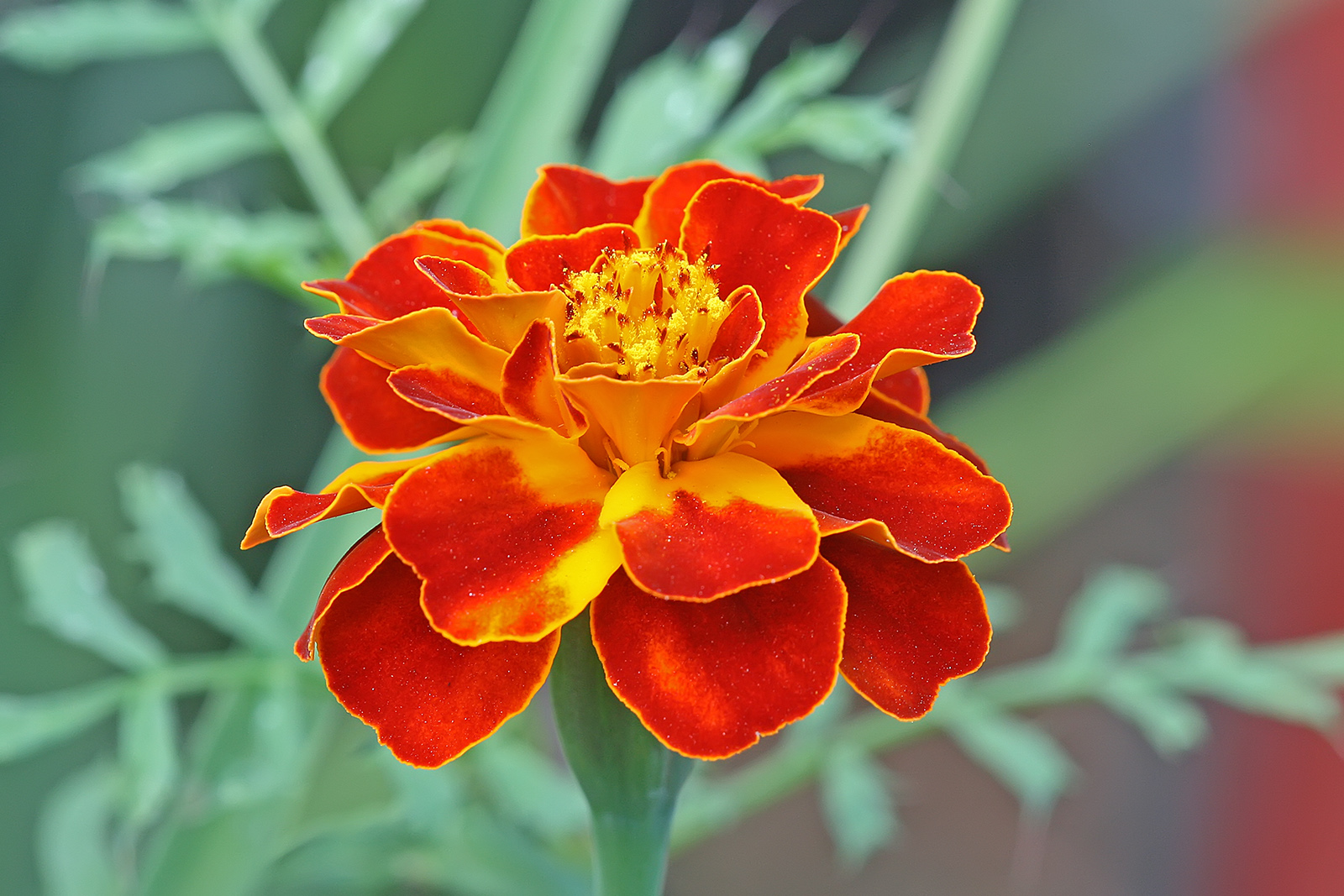
Also known as pot marigold, calendula is a cheerful, bright flower that blooms well in Zone 6 gardens. The plant is not listed as toxic to pets and offers the added benefit of attracting pollinators like bees and butterflies. Calendula prefers full sun and well-drained soil.
4. Basil (Ocimum basilicum)
Basil
Beyond culinary uses, basil is a fragrant herb that grows well in Zone 6 gardens and is not listed as toxic to dogs or cats. Its leaves can be a safe addition to your garden beds or containers, and having fresh basil on hand is a bonus for your kitchen too.
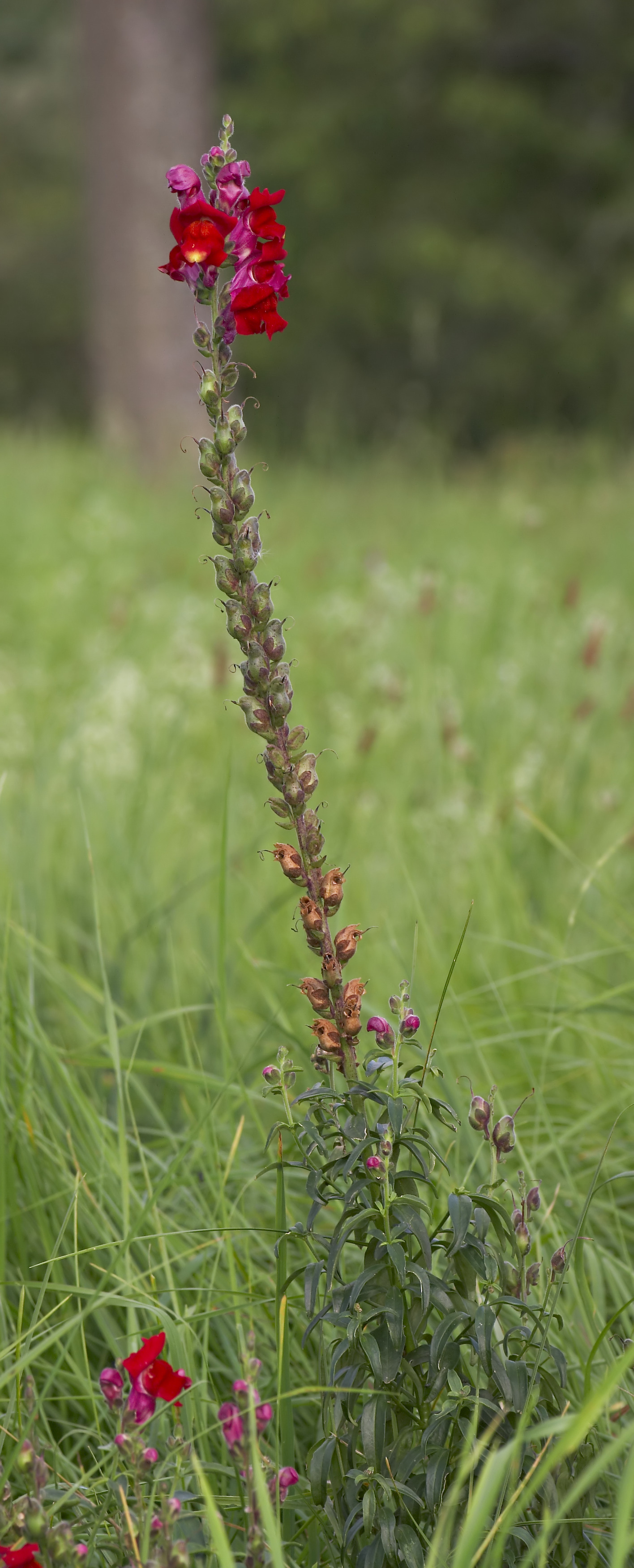
5. Snapdragons (Antirrhinum majus)
Snapdragons bring color and vertical interest to your garden with their unique flowers. They are not listed as toxic to pets and grow well in Zone 6, thriving in full sun with moderate water. Incorporating snapdragons can brighten shady or sunny spots safely.
6. Thyme (Thymus vulgaris)
Thyme is a hardy, low-growing herb that withstands Zone 6 winters and is not listed as toxic to pets. It’s great for ground cover, borders, or container gardens. Thyme also attracts pollinators and has culinary uses, making it a versatile addition.
7. Bluebells (Hyacinthoides non-scripta)
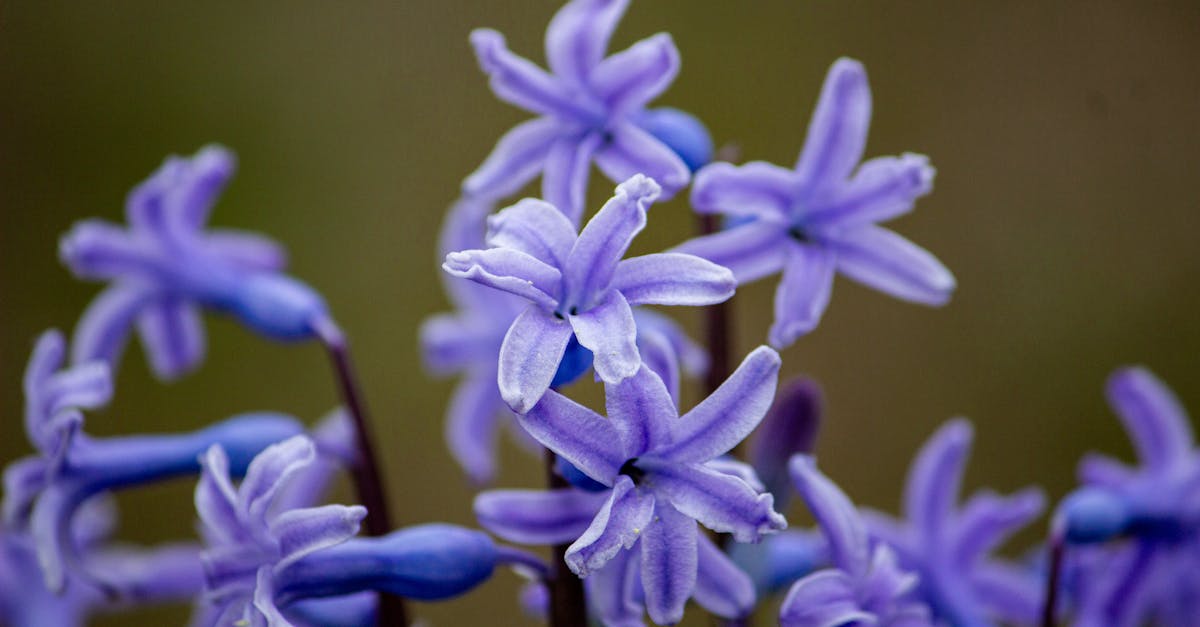
While some bluebell species can be toxic, the English bluebell (Hyacinthoides non-scripta) is generally considered not listed as toxic for dogs and cats by the ASPCA. Be sure to verify the exact species before planting. Bluebells provide beautiful early spring color in Zone 6 gardens.
8. Partridge Berry (Mitchella repens)
Partridge Berry is a hardy groundcover native to eastern North America. It is not listed as toxic to pets and thrives in shady, woodland-like conditions common in Zone 6. Its small white flowers and red berries add seasonal interest.
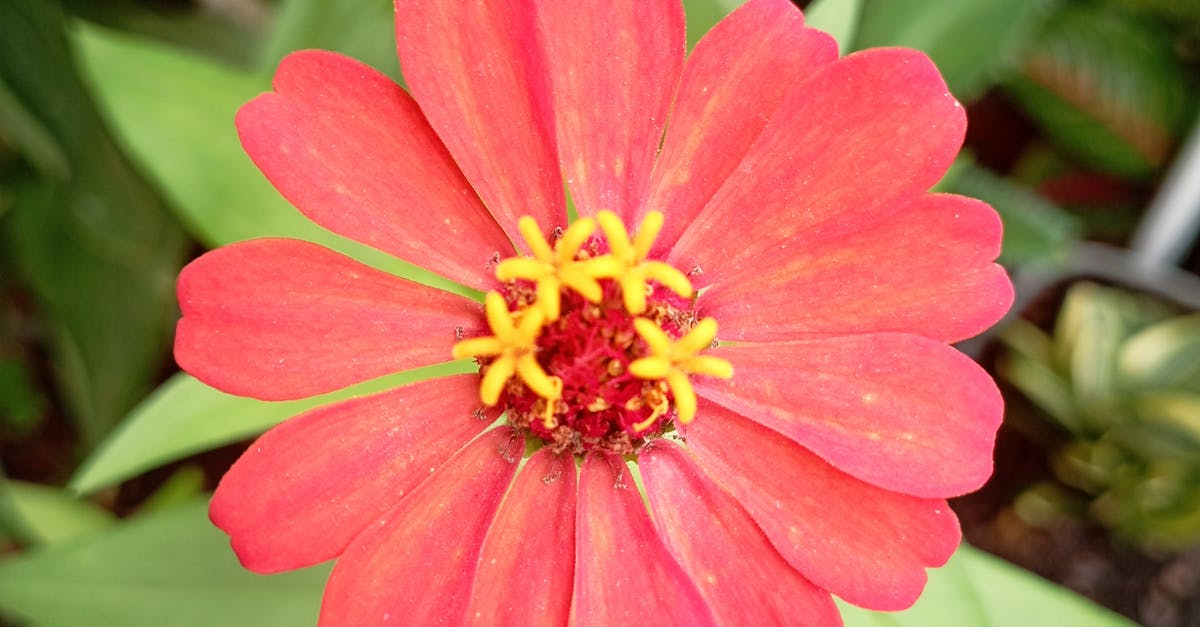
9. Zinnia (Zinnia elegans)
Zinnias are bright, easy-to-grow annuals that flourish in Zone 6 summers. They are not listed as toxic to pets and attract butterflies, adding liveliness to your garden. Their cheerful blooms last well into fall with deadheading.
10. Blue Star Fern (Phlebodium aureum)
The Blue Star Fern is a beautiful, pet-safe fern suitable for shaded areas. It is not listed as toxic to dogs or cats, making it a safe choice for indoor or outdoor Zone 6 spaces. Its unique blue-green fronds provide textural contrast.
Tips for Keeping Your Garden Safe for Pets
- Even with pet safe plants, discourage your pets from chewing on foliage or flowers to avoid any digestive upset.
- Avoid using chemical pesticides and fertilizers that may be harmful to pets.
- Provide plenty of fresh water and shade so pets are less likely to nibble on plants out of curiosity or thirst.
- Use fencing or garden barriers to protect delicate plants or those that could cause mild irritation if ingested.
Wildlife Resistance Disclaimer
While these plants are pet safe, their resistance to wildlife such as deer, rabbits, or groundhogs can vary. It's important to monitor your garden and take additional protective measures if local wildlife pose a threat to your plants.
Pet Safety Resources
If you suspect your pet has ingested a toxic plant, contact the ASPCA Animal Poison Control Center immediately at 888-426-4435.
Conclusion
Gardening in Zone 6 with pets doesn’t mean you have to compromise on beauty or plant variety. By selecting pet safe plants zone 6 gardeners can enjoy vibrant, thriving outdoor spaces that keep their dogs, cats, and other pets protected from harmful toxins. From the shade-loving hosta to the bright snapdragon, these 10 plants are excellent starting points for a pet-friendly garden.
Ready to find the perfect plants for your Zone 6 garden and pet safety needs? Use the Plant Finder wizard at /wizard to explore more options tailored to your preferences.
Happy gardening and stay paw-sitive!
Hosta
Spider Plant
Calendula
Basil
Snapdragon