Pet-Safe Yard Guide: Creating a Beautiful Garden for Dogs and Cats
Creating a beautiful garden that is completely safe for your beloved dogs and cats is absolutely achievable with a little planning and knowledge. By understanding which plants pose a risk and choosing pet-friendly alternatives, you can design an outdoor space where both your furry friends and your flora can thrive in harmony. This pet-safe yard guide will walk you through identifying common garden dangers, selecting safe and stunning plants, and implementing practical strategies to ensure your pets can explore and relax without worry.
Understanding Common Pet Dangers in the Garden
Before we dive into plant recommendations, it's crucial to understand the potential hazards lurking in a typical garden. Pets, especially curious puppies and kittens, often explore with their mouths, making plant ingestion a primary concern. Beyond plants, other garden elements can also pose risks.
🌱 Get Personalized Plant Picks
Answer a few quick questions and we’ll match plants to your exact yard conditions.
Find My Plants →Toxic Plants: The Primary Concern
Many common and beautiful garden plants contain compounds that can be harmful, or even fatal, if ingested by pets. Symptoms can range from mild gastrointestinal upset (vomiting, diarrhea) to more severe issues like organ damage, cardiac problems, or neurological effects. It's not always about a plant being "deadly"; even a plant causing severe vomiting can lead to dehydration and require veterinary intervention.
Other Garden Hazards
- Pesticides and Herbicides: Chemical treatments for weeds, pests, and diseases can be highly toxic. Always read labels carefully and consider organic, pet-safe alternatives.
- Fertilizers: Many fertilizers contain ingredients like bone meal, blood meal, or iron, which can be appealing but harmful if consumed in large quantities.
- Mulch: Cocoa bean mulch, in particular, contains theobromine, the same toxic compound found in chocolate, making it dangerous for dogs. Opt for cedar, cypress, or pine bark mulches instead.
- Compost Piles: Decomposing food and yard waste can harbor mold and bacteria that produce mycotoxins, which are highly toxic to pets. Keep compost bins securely covered.
- Garden Tools: Rakes, hoes, and pruning shears can cause injuries if left lying around.
- Standing Water: Bird baths, ponds, or even buckets of water can become breeding grounds for mosquitoes or pose drowning risks for smaller pets.
Identifying and Removing Toxic Plants
The first step in creating a pet-safe yard is to identify any existing plants that could be harmful. Walk through your garden with a critical eye, and if you're unsure about a plant, err on the side of caution.
Common Highly Toxic Plants to Watch Out For:
- Lilies (true lilies, Lilium species, and Daylilies Hemerocallis species): Extremely toxic to cats, even small ingestions can cause kidney failure.
- Sago Palm: All parts are highly toxic, especially the seeds, causing liver failure.
- Azaleas/Rhododendrons: Can cause vomiting, diarrhea, cardiovascular problems, and central nervous system depression.
- Tulips/Hyacinths (bulbs): The bulbs are the most toxic part, causing severe gastrointestinal upset.
- Oleander: All parts are extremely toxic, affecting the heart.
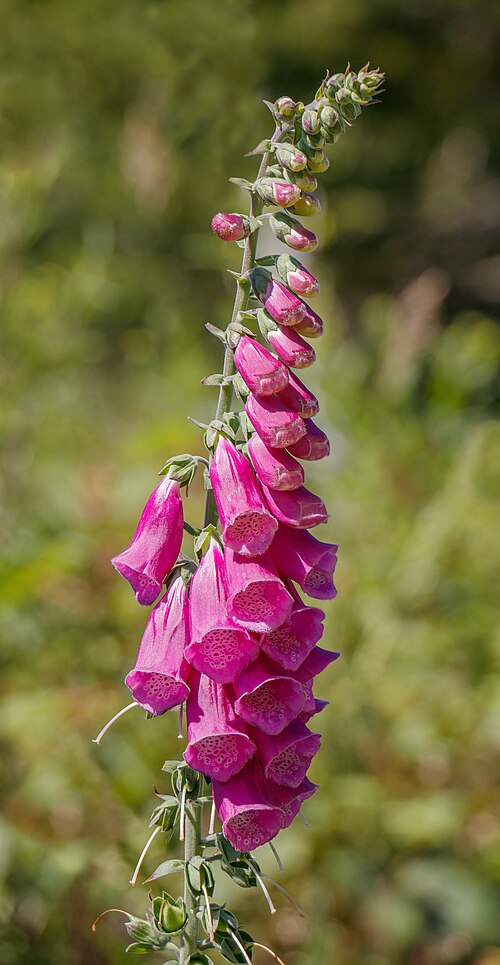
- Foxglove: Contains cardiac glycosides that can be fatal.
- Castor Bean: Contains ricin, one of the most potent toxins known.
- Daffodils: Bulbs are toxic, causing vomiting, diarrhea, and abdominal pain.
- Rhubarb (leaves): The leaves contain oxalates that can cause kidney failure.
This is not an exhaustive list. If you have any doubt about a plant in your garden, consult the ASPCA's toxic and non-toxic plant lists, or contact your veterinarian.
If you suspect your pet has ingested a toxic plant, call the ASPCA Animal Poison Control Center immediately at (888) 426-4435.
Choosing Pet-Friendly Plants for Your Garden
Once you've cleared out the dangers, it's time for the fun part: selecting beautiful, pet-friendly plants! Many gorgeous and easy-to-grow options are not listed as toxic to dogs and cats.
Flowers for Color and Pollinators
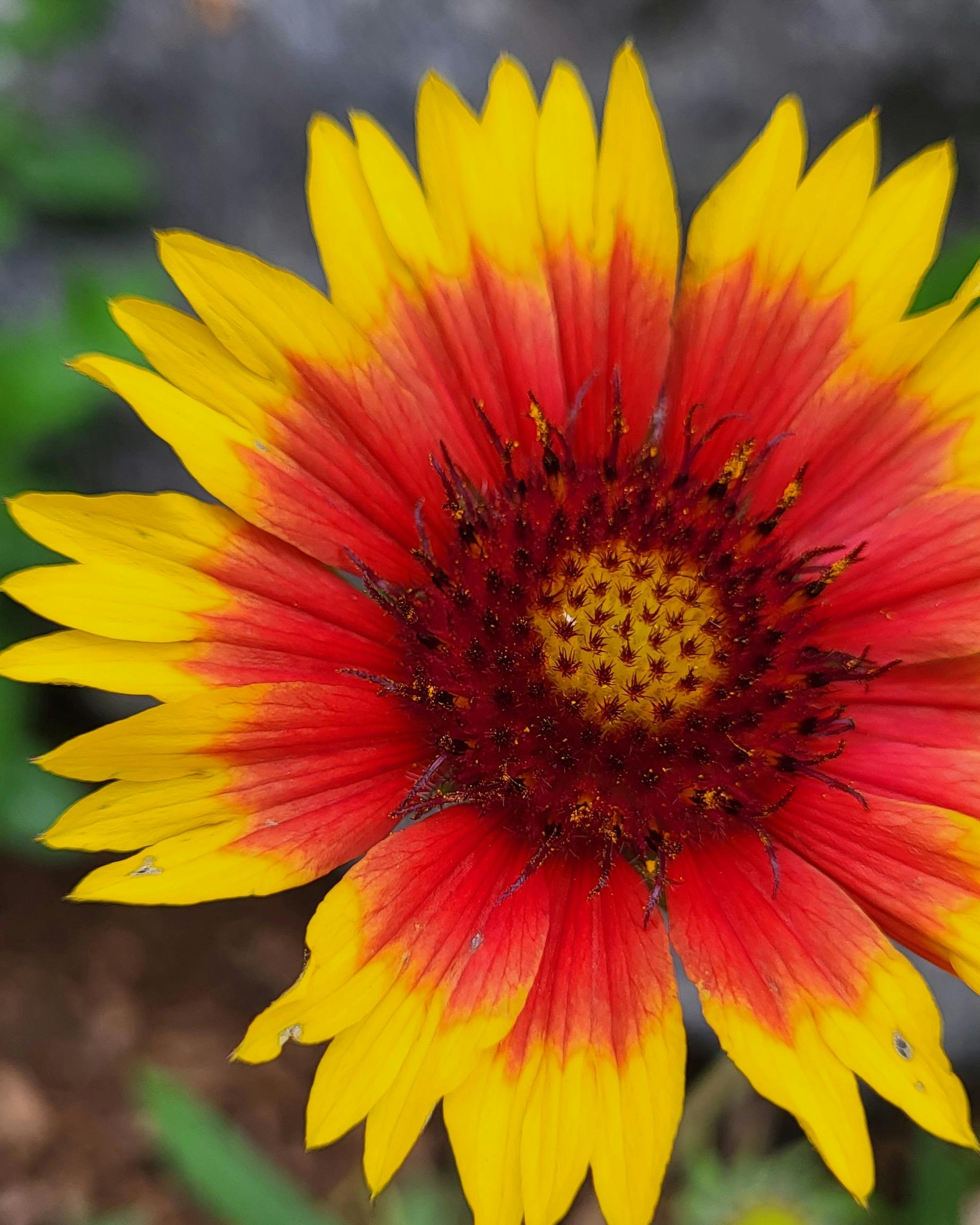
- Blanket Flower (Gaillardia): These cheerful, daisy-like flowers are drought-tolerant and attract butterflies. Blanket Flower
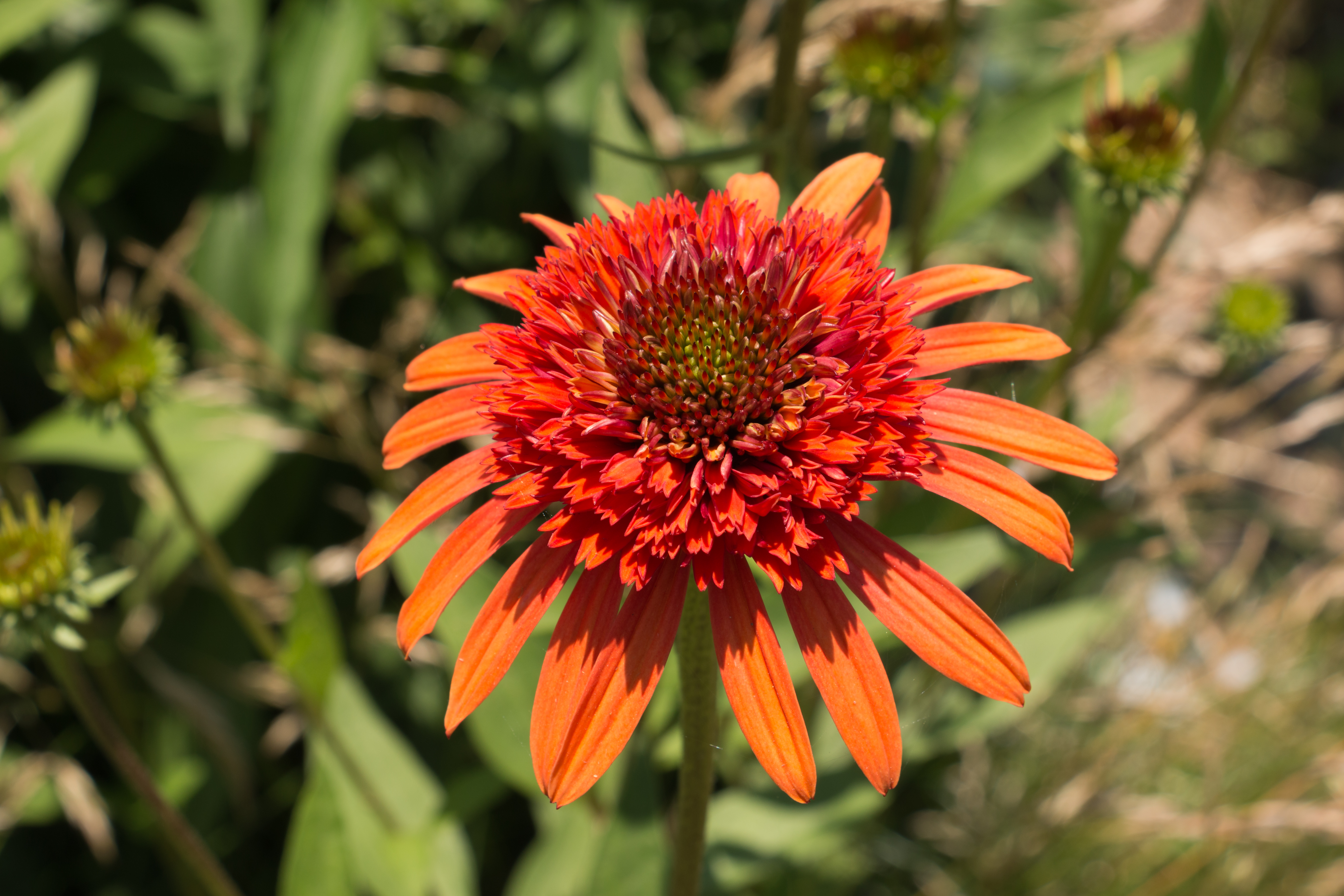
- Coneflower (Echinacea): A classic perennial, coneflowers are hardy, beautiful, and a favorite of pollinators. Coneflower
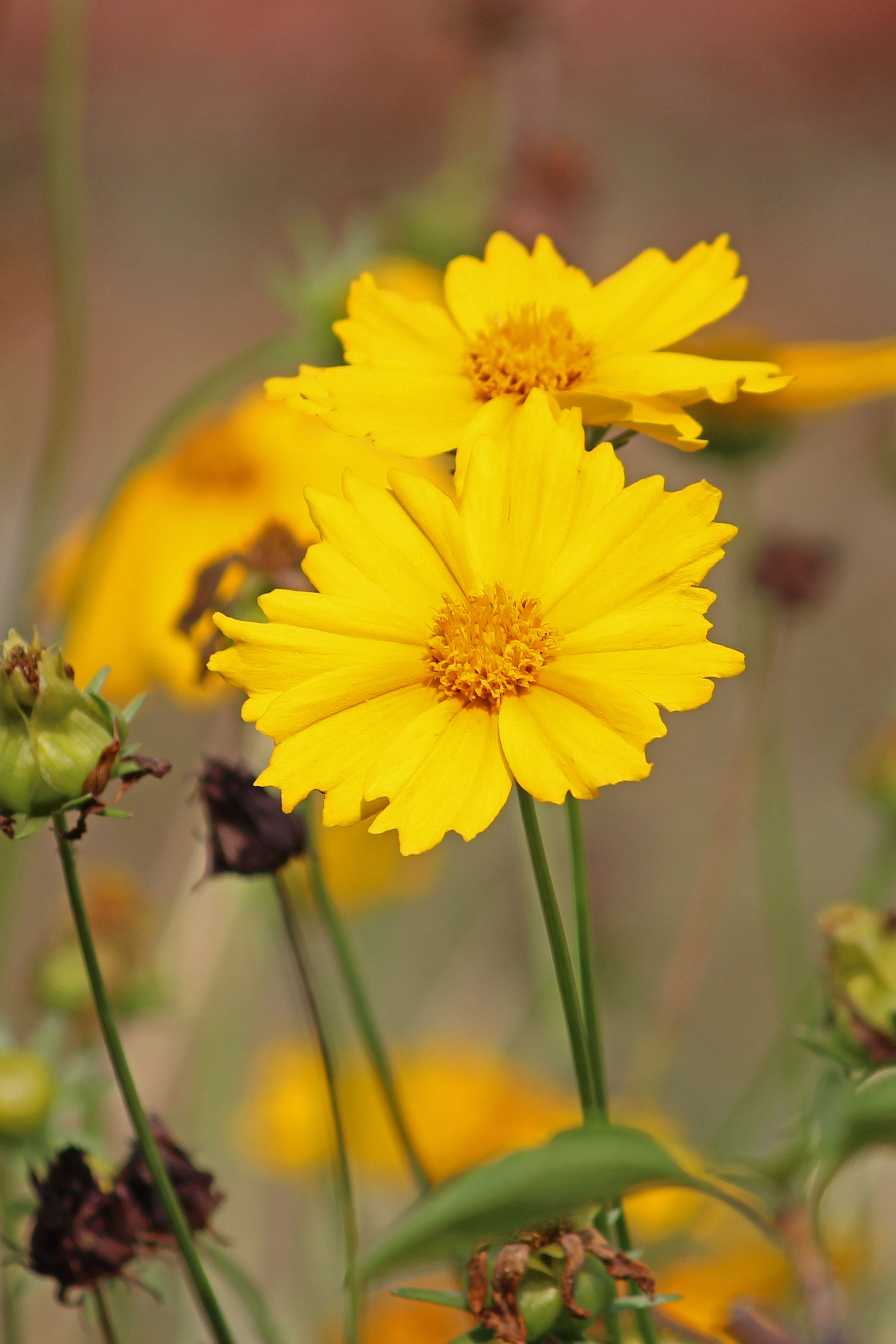
- Coreopsis (Tickseed): Bright and sunny, coreopsis varieties offer continuous blooms and are very low maintenance. Coreopsis
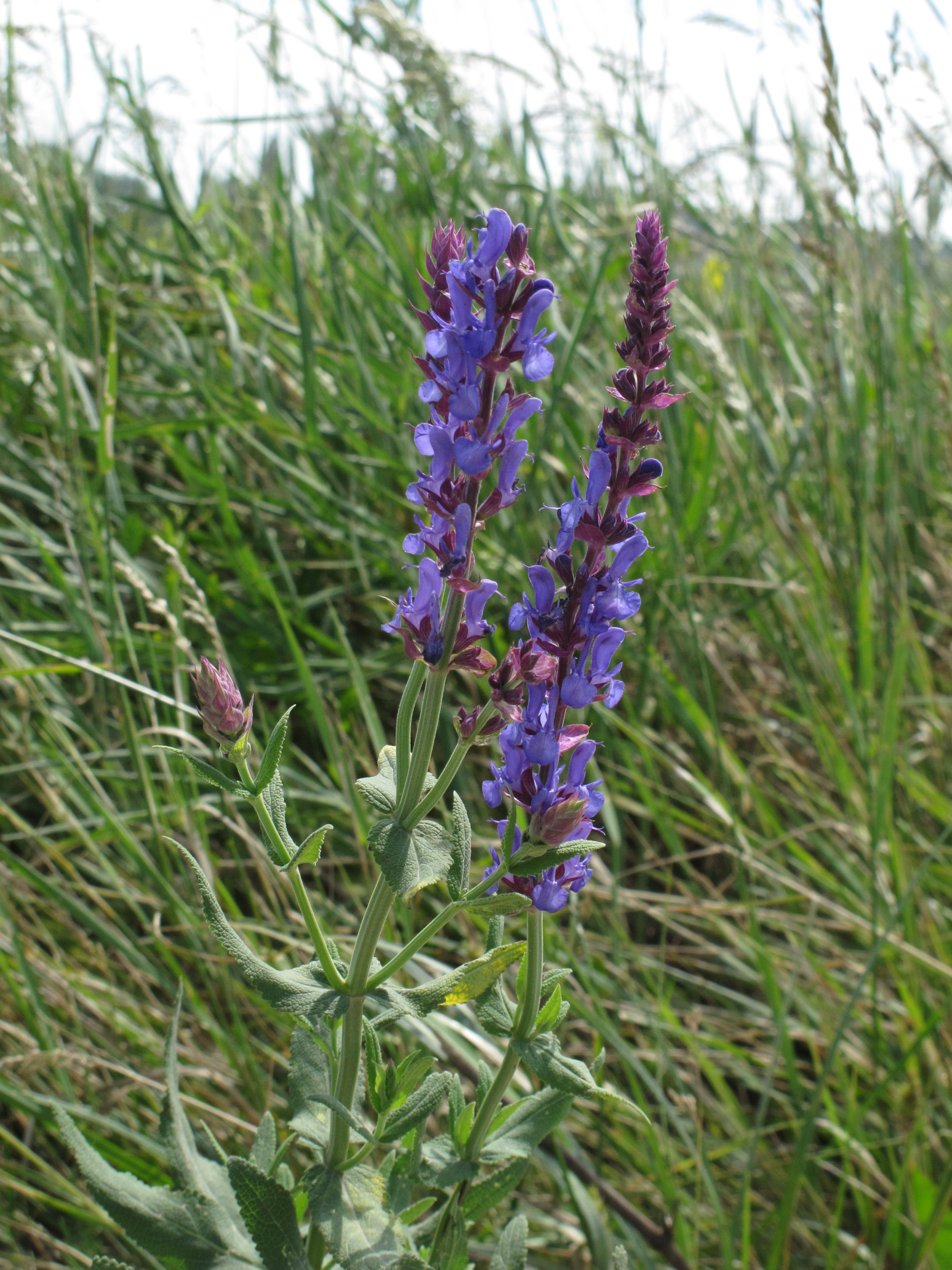
- Salvia: Many varieties of salvia offer stunning spikes of purple, blue, or red flowers, attracting hummingbirds and butterflies. Salvia
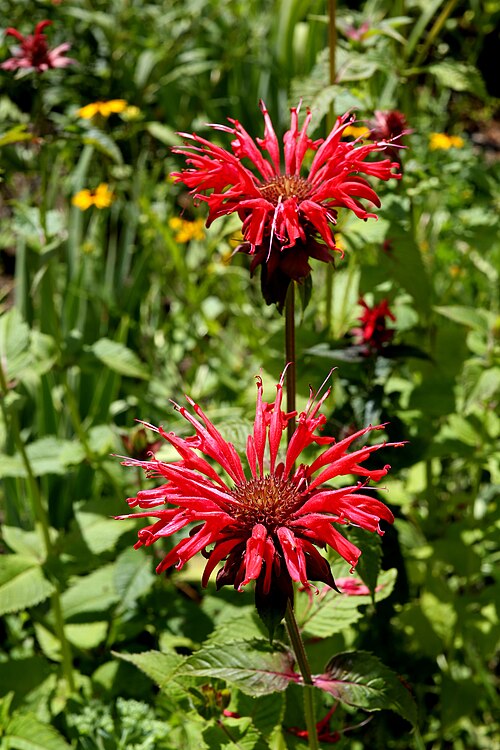
- Bee Balm (Monarda): A vibrant and aromatic plant that's a magnet for bees and hummingbirds. Bee Balm
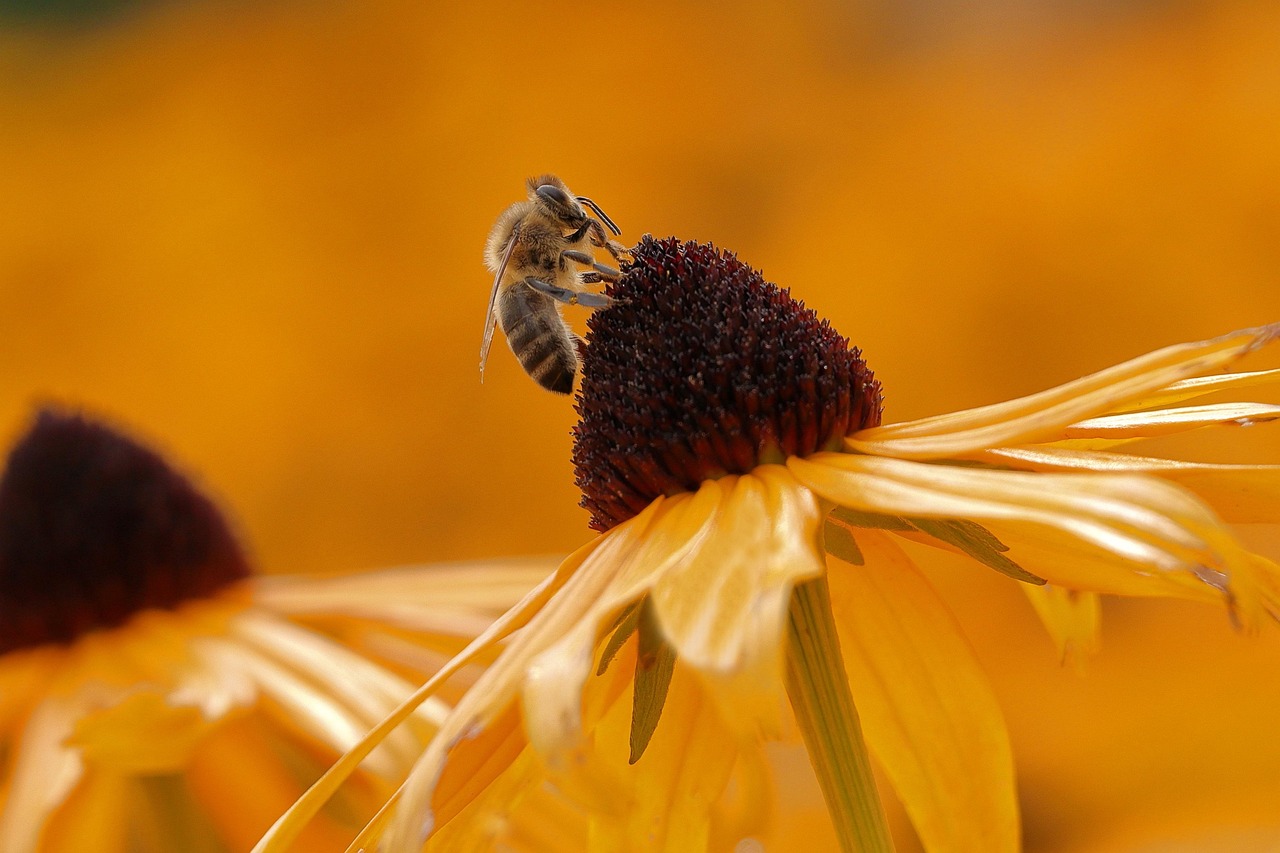
- Black-eyed Susan (Rudbeckia hirta): Another classic, these sunny yellow flowers add a cheerful touch to any garden.
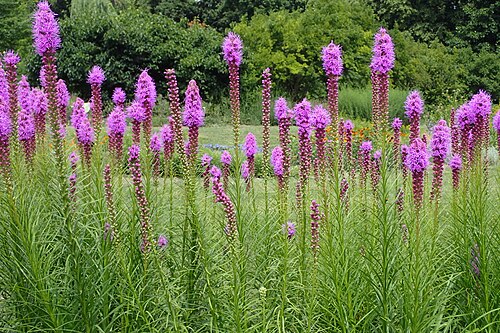
- Blazing Star (Liatris): Tall, striking purple flower spikes that are excellent for vertical interest and attracting pollinators.
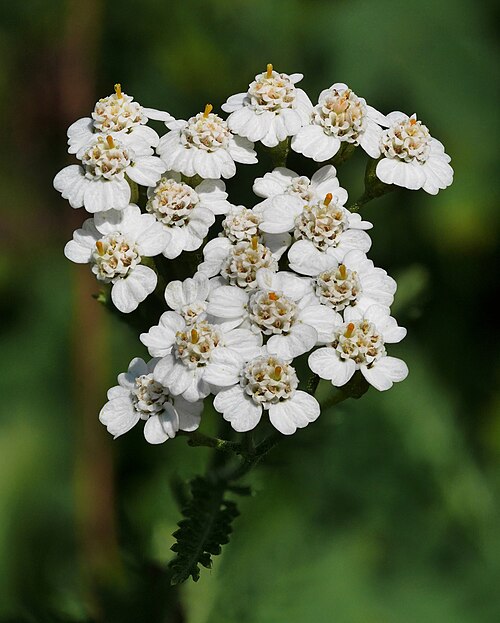
- Yarrow (Achillea): Drought-tolerant and available in many colors, yarrow adds a feathery texture.
Herbs and Edibles (with caution)
While many herbs are not listed as toxic, some can cause mild upset in large quantities. Offer them in moderation, or plant them in areas less accessible to pets.
- Basil
- Rosemary
- Thyme
- Mint (some varieties can be invasive, but not listed as toxic)
- Parsley (curly leaf)
- Strawberries (fruit is fine, leaves in large quantities can cause mild upset)
Groundcovers and Grasses
- Creeping Thyme: A fragrant, low-growing groundcover that can tolerate some foot traffic.
- Ornamental Grasses (e.g., Fountain Grass, Blue Fescue): Provide texture and movement.
- Pet-Friendly Grass Seed: If reseeding your lawn, look for pet-safe varieties.
Shrubs and Trees
- Roses (Rosa species): While the thorns can be a hazard, the plant itself is not listed as toxic.
- Magnolia: Beautiful flowering trees and shrubs.
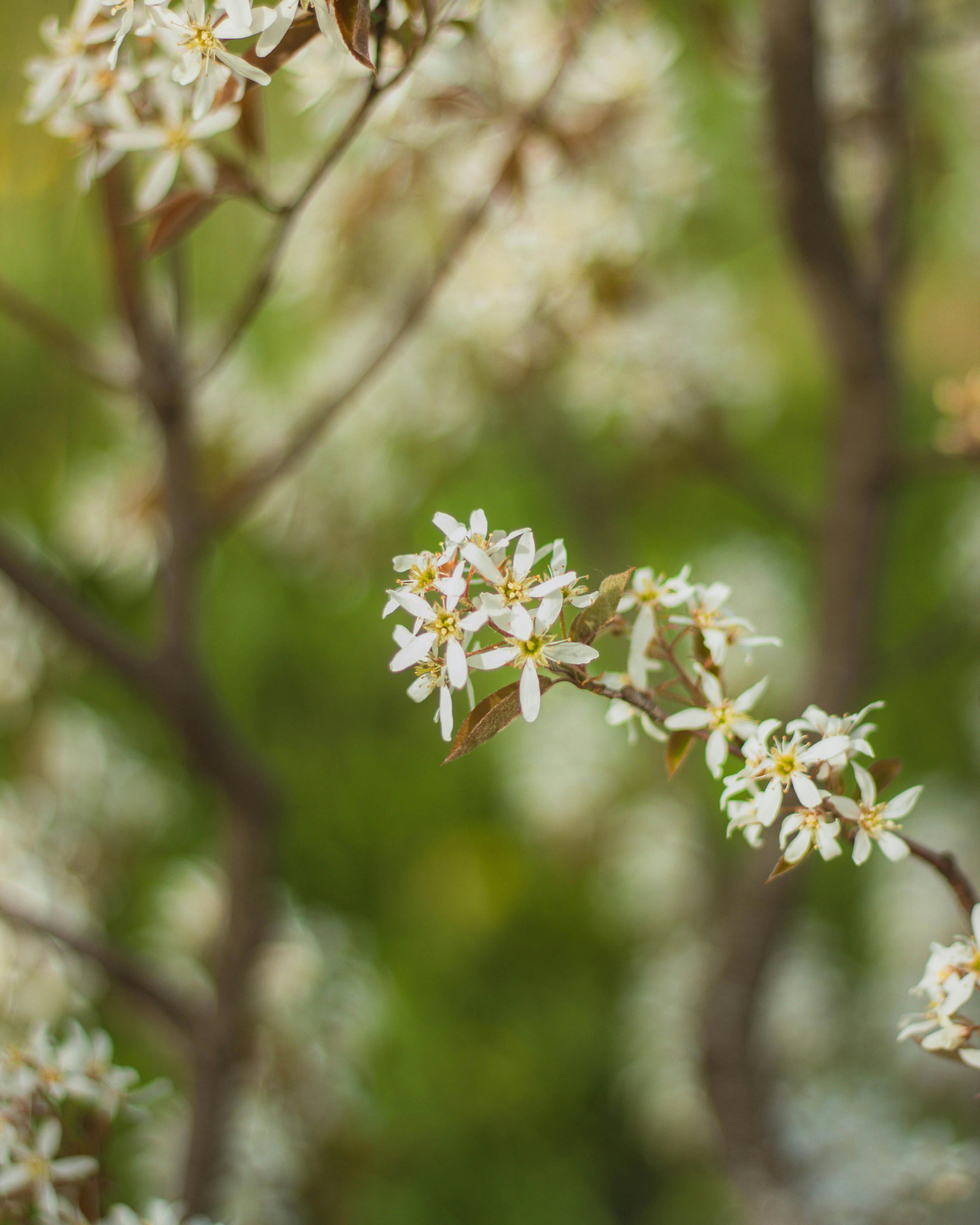
- Serviceberry (Amelanchier): Offers spring blooms, edible berries, and fall color.
- Dogwood (Cornus species): Known for their distinctive flowers and berries.
Important Note: Even "pet-friendly" plants can cause mild stomach upset if consumed in large quantities. Monitor your pets, especially if they are prone to eating plants.
Designing Your Pet-Safe Garden Layout
Beyond plant selection, thoughtful garden design can further enhance pet safety and enjoyment.
Create Designated Pet Zones
Consider dedicating a specific area of the yard for your pets. This might include:
- A "Potty Patch": Train dogs to use a specific area covered with gravel or a pet-friendly turf. This saves your lawn and makes cleanup easier.
- Digging Zones: If your dog loves to dig, provide a sandbox or a designated digging area filled with loose soil. Bury toys or treats to encourage them to use it.
- Shade and Shelter: Ensure there are always shaded spots for pets to cool down, especially during warmer months. A dog house, an umbrella, or dense shrubbery can provide this.
Barriers and Fencing
- Physical Fences: A secure fence is the best way to keep pets safely contained within your yard and prevent them from accessing off-limits areas or toxic plants outside your property.
- Invisible Fences: These can be effective for containment but don't prevent other animals from entering your yard or protect your pets from external dangers.
- Plant Barriers: Use dense, thorny shrubs (like roses, with caution for thorns) or tall, sturdy perennials to create natural barriers around delicate plants or areas you want to protect from curious paws.
Hardscaping and Pathways
- Smooth Pathways: Use smooth pavers, flagstones, or finely crushed gravel for pathways to protect paws from rough surfaces or hot asphalt.
- Avoid Slippery Surfaces: Ensure any decking or patio materials provide good traction, especially when wet.
Water Features
- Safe Ponds: If you have a pond, ensure it has gently sloping sides or exit ramps so pets can easily get out if they fall in.
- Fresh Water Access: Always provide a bowl of fresh, clean water in the garden, especially on hot days.
Maintenance for a Pet-Friendly Environment
Ongoing maintenance is key to keeping your garden safe for pets.
- Weed Control: Hand-pull weeds or use pet-safe, organic weed killers. Avoid chemical herbicides.
- Pest Management: Opt for integrated pest management (IPM) strategies, such as introducing beneficial insects, using physical barriers, or applying organic, pet-safe pest control products like neem oil (always follow instructions).
- Fertilizing: Use organic, pet-safe fertilizers. If using conventional fertilizers, ensure pets are kept off the treated area until it's completely dry and safe according to product instructions.
- Pruning: Promptly remove and dispose of any fallen leaves, berries, or plant parts from toxic plants if they are present in neighboring yards or your own.
- Tool Storage: Always put away garden tools immediately after use.
- Supervision: While a pet-safe garden reduces risks, supervision is always the best defense, especially with new plants or young, curious pets.
Creating a pet-safe garden is a rewarding endeavor that allows you to enjoy the beauty of nature alongside your beloved companions. By making informed choices about plants and garden design, you can cultivate a vibrant, healthy, and worry-free outdoor sanctuary for everyone.
Ready to find the perfect plants for your yard? Try the PlantWise Plant Finder →