Gardening in the shade can feel like a challenge, but for gardeners in USDA Zone 7, it's an incredible opportunity to create a lush, tranquil oasis. The best shade garden plants for Zone 7 thrive in lower light conditions, offering a diverse palette of textures, foliage, and blooms to transform those often-overlooked areas of your yard. From vibrant hostas and delicate ferns to colorful astilbes and elegant hellebores, there's a wealth of options to bring beauty and life to shady spots.
What Defines a Shade Garden in Zone 7?
Understanding what constitutes "shade" is the first step to success. Full shade means less than 3 hours of direct sunlight per day, often with dappled light or indirect light for the rest of the day. Partial shade (or part sun) typically receives 3-6 hours of direct sun, often in the morning or late afternoon. Zone 7, characterized by average minimum winter temperatures between 0°F and 10°F (-17.8°C to -12.2°C), offers a mild climate that many shade-loving plants adore. The key to a thriving shade garden here is selecting plants that can handle both the specific light conditions and the winter temperatures.
Beyond light, soil quality is paramount. Shade gardens often have soil that is rich in organic matter, moist, and well-draining. Deciduous trees, which are often the source of shade, drop leaves that decompose and enrich the soil. However, these trees also compete for water and nutrients, so amending your soil with compost and ensuring adequate moisture is crucial for your shade plants to flourish.
🌱 Get Personalized Plant Picks
Answer a few quick questions and we’ll match plants to your exact yard conditions.
Find My Plants →Which Plants Thrive in Zone 7 Shade?
A wide array of plants can turn your shady spots into garden highlights. Here are some top performers for Zone 7 shade gardens, offering a mix of foliage and floral interest:
Foliage Stars:
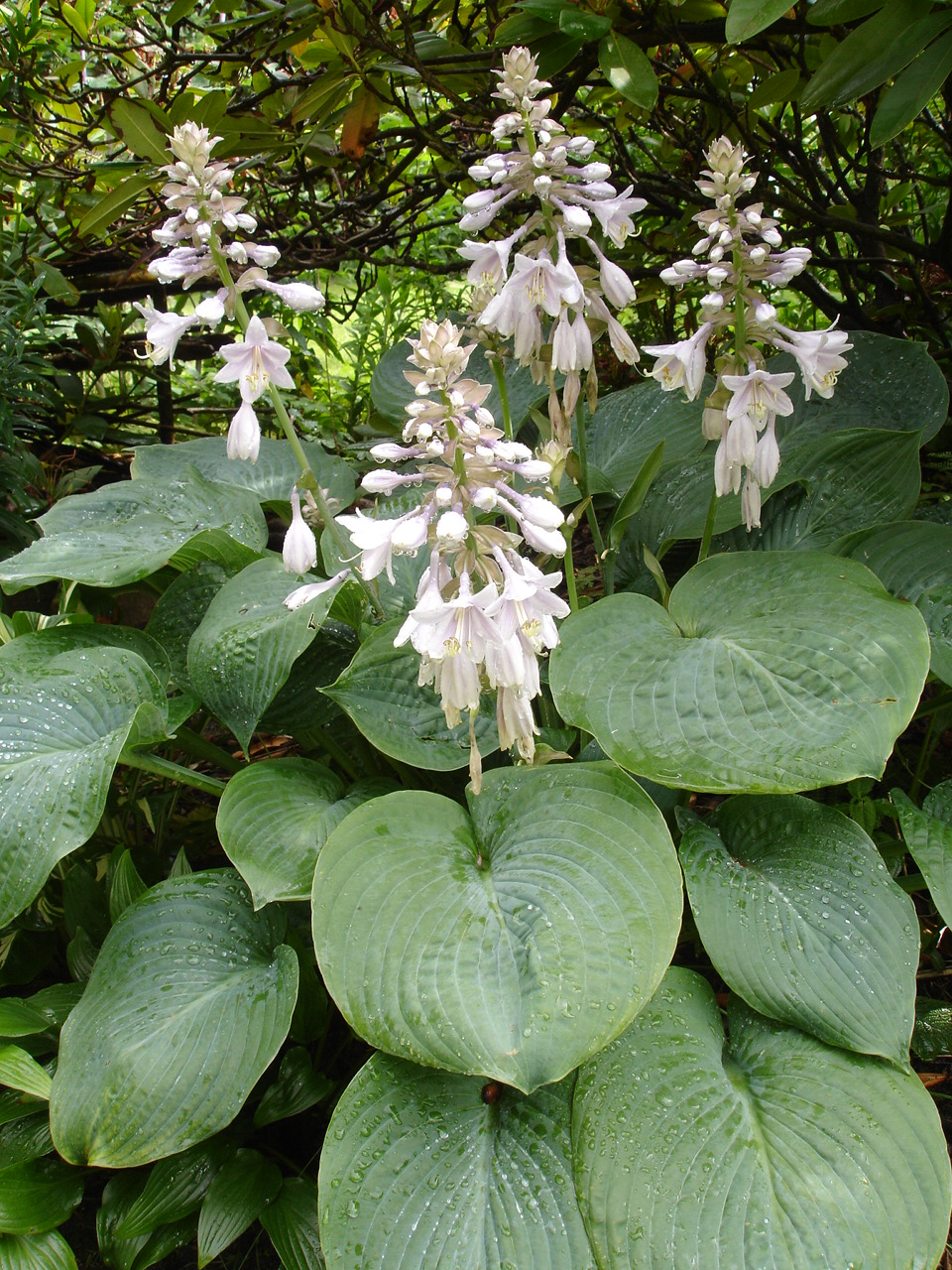
- Hostas: Perhaps the quintessential shade plant, hostas come in an astonishing variety of sizes, shapes, and leaf colors, from deep blues and vibrant greens to variegated patterns. Their architectural leaves create a strong foundation for any shade garden.
- Ferns: From the delicate fronds of Japanese Painted Ferns to the bold texture of Ostrich Ferns, ferns add an ancient, serene beauty. Many are evergreen in Zone 7, providing year-round interest.
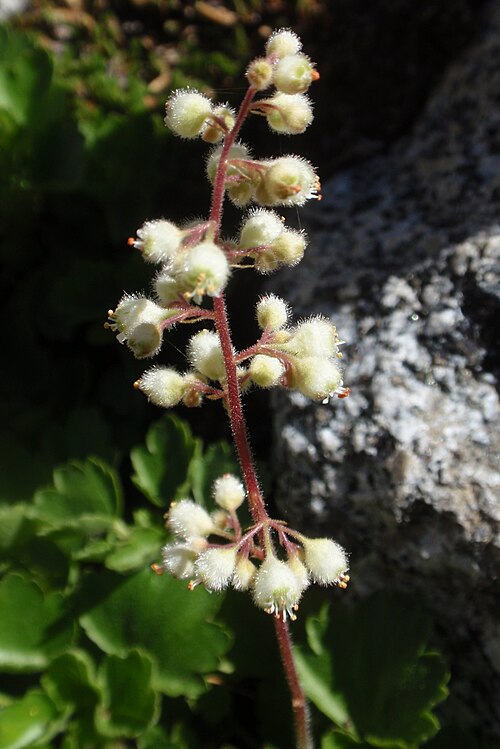
- Heuchera (Coral Bells): While they do bloom, heucheras are primarily grown for their incredible foliage, which ranges from lime green and amber to deep purple and nearly black. They form neat mounds and are excellent for edging or mass planting.
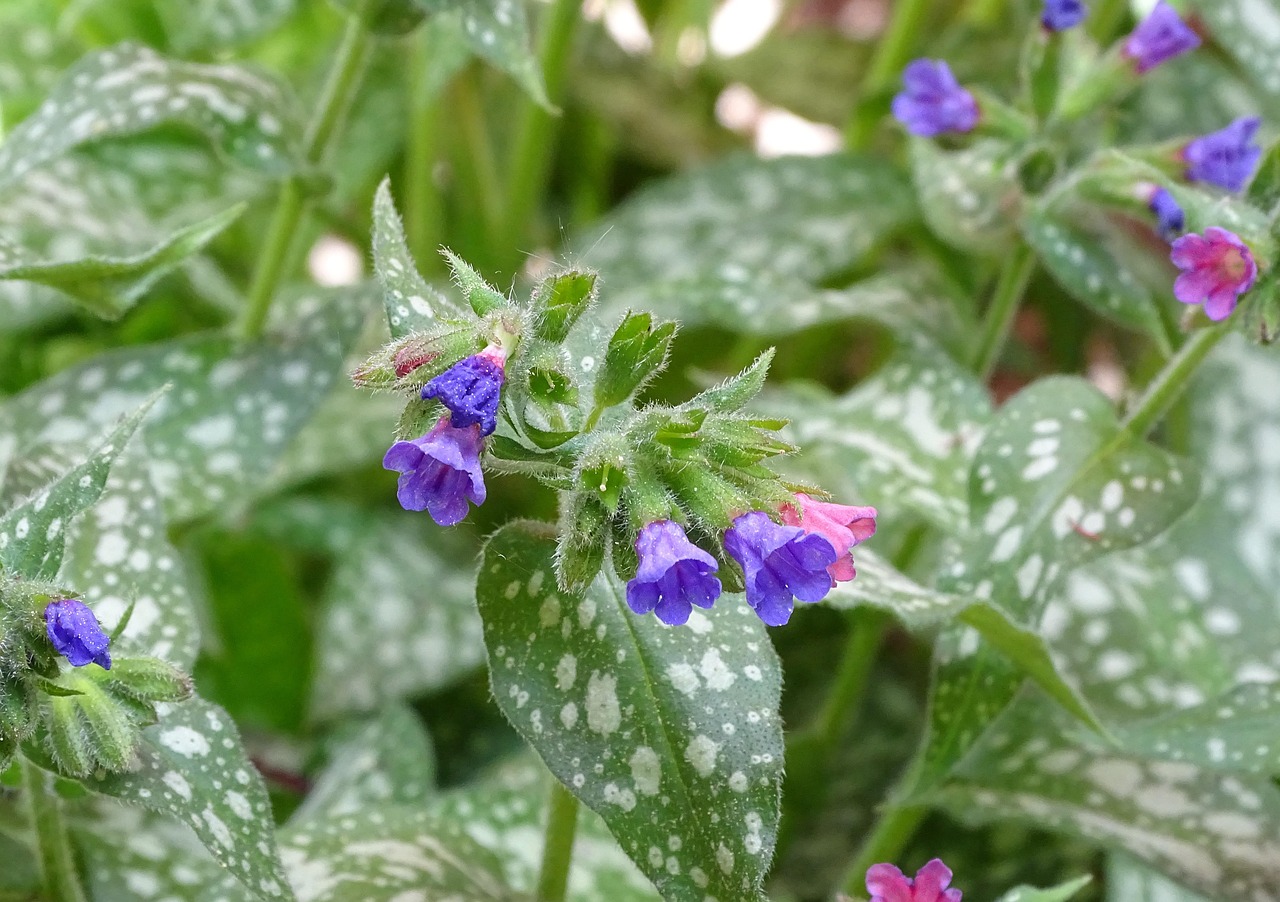
- Pulmonaria (Lungwort): Known for their striking silver-spotted or solid silver leaves, pulmonarias also offer charming early spring blooms. They are particularly effective at brightening dark corners.
Flowering Beauties:
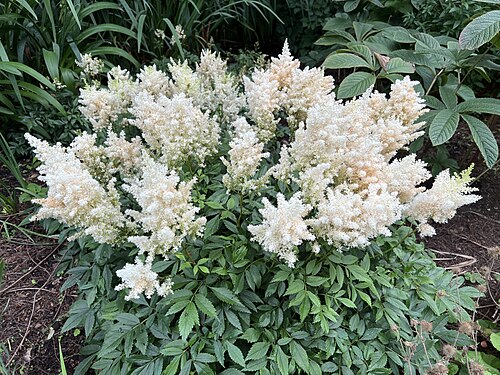
- Astilbe: With their feathery plumes of pink, red, purple, or white flowers, astilbes bring a burst of color to mid-summer shade. They prefer consistently moist soil.
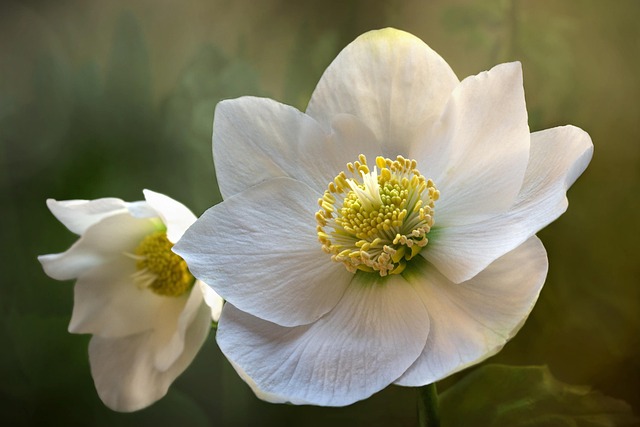
- Hellebore (Lenten Rose): These early bloomers defy winter, often flowering from late winter into early spring. Their nodding, cup-shaped flowers come in a range of colors and are incredibly long-lasting. Many are evergreen, too.
- Hydrangea (Bigleaf and Oakleaf): While some hydrangeas prefer more sun, many bigleaf ( Hydrangea macrophylla) and oakleaf ( Hydrangea quercifolia) varieties thrive in partial shade, especially in Zone 7 where afternoon sun can be intense. They offer spectacular blooms and, in the case of oakleaf hydrangeas, fantastic fall foliage.
- Impatiens (New Guinea and busy Lizzie): For vibrant, continuous color in annual form, impatiens are hard to beat. New Guinea impatiens tolerate a bit more sun than the traditional busy Lizzie, but both are shade garden staples for their prolific blooms.
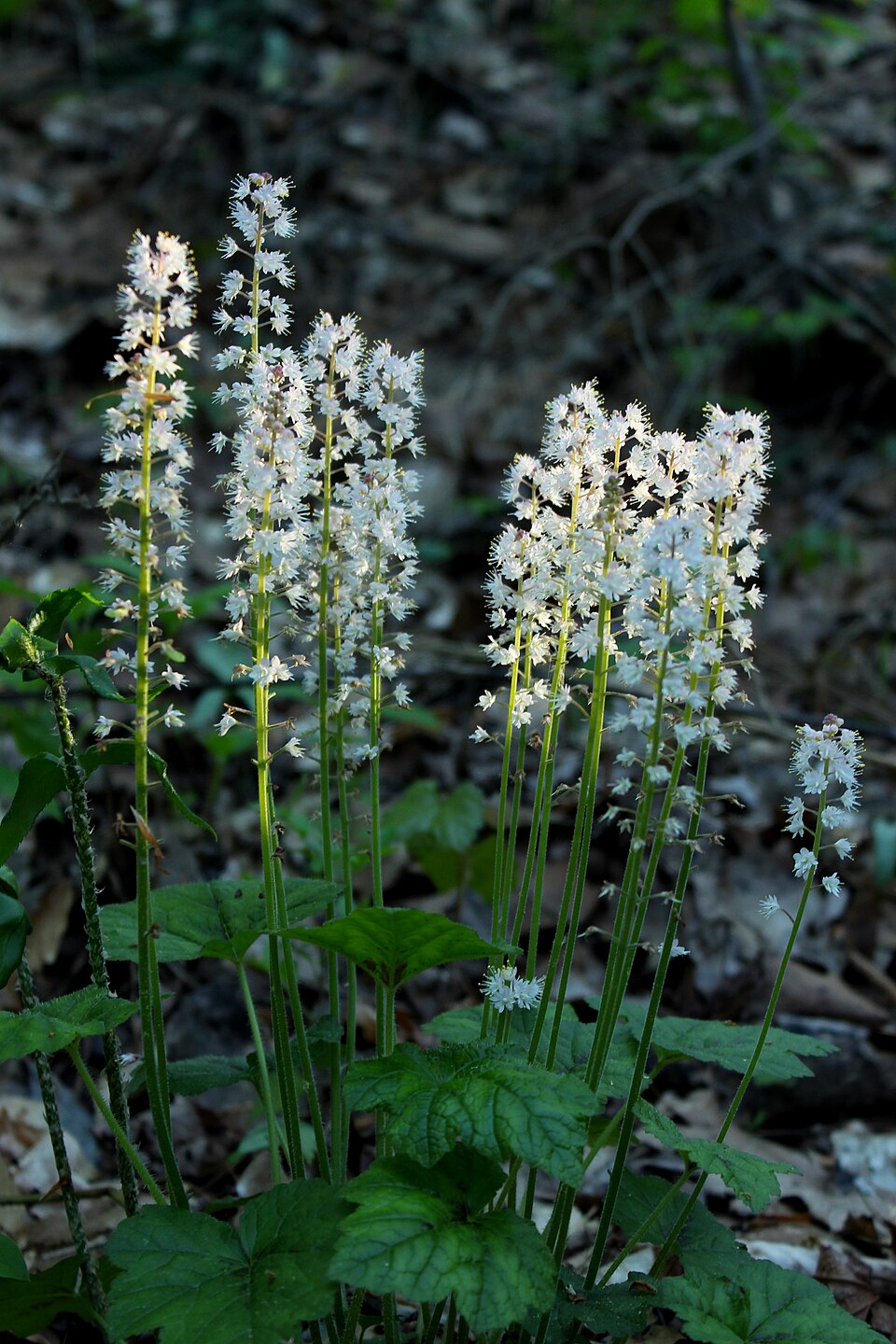
- Foamflower (Tiarella cordifolia): Native to North America, foamflowers produce delicate, airy white or pinkish flower spikes in spring. Their attractive foliage often has interesting markings and can be semi-evergreen.
How Do I Prepare My Shade Garden Soil?
Good soil is the foundation of a healthy garden, especially in shady areas where plants might be competing with established trees for resources.
- Assess Your Soil: Start by observing your existing soil. Is it heavy clay, sandy, or something in between? Does water drain well, or does it pool?
- Amend with Organic Matter: This is the single most important step. Incorporate a generous amount of organic matter like compost, well-rotted leaf mold, or aged manure into your soil. This improves drainage in clay soils, enhances water retention in sandy soils, and provides essential nutrients. Aim for a layer 2-4 inches thick worked into the top 6-12 inches of soil.
- Consider pH: Most shade-loving plants prefer slightly acidic to neutral soil (pH 6.0-7.0). If you suspect your soil is too alkaline or acidic, a soil test can provide precise recommendations for amendments.
- Mulch: After planting, apply a 2-3 inch layer of organic mulch, such as shredded bark or pine needles. Mulch helps retain soil moisture, suppresses weeds, and moderates soil temperature. Keep mulch a few inches away from plant stems to prevent rot.
What Are Some Design Tips for Shade Gardens?
Designing a shade garden allows for creativity and a focus on texture and form.
- Embrace Foliage: With fewer vibrant blooms, foliage becomes the star. Mix plants with different leaf shapes, sizes, and colors. Think broad hosta leaves next to delicate fern fronds, or the bold texture of an oakleaf hydrangea against the fine texture of a sedge.
- Vary Heights: Create interest by incorporating plants of varying heights. Use taller shrubs or small trees as a backdrop, mid-height perennials for the main body, and low-growing groundcovers for the front.
- Use Light Colors: White, cream, and light-colored flowers or variegated foliage can brighten dark corners and make the garden feel more expansive.
- Consider Hardscaping: Paths, benches, and decorative elements like birdbaths or statuary can enhance the tranquil atmosphere of a shade garden and provide focal points.
- Layer Plants: Mimic natural woodland settings by layering plants. Place taller plants at the back, medium-sized plants in the middle, and groundcovers or low-growing plants at the front.
Quick Reference: Zone 7 Shade Plants
| Plant Name | Light Preference | Flower Color | Foliage Interest | Notes |
|---|---|---|---|---|
| Hosta | Full to Part | Lavender, White | High | Countless varieties, excellent texture. |
| Ferns | Full to Part | N/A | High | Diverse shapes, many evergreen. |
| Heuchera | Full to Part | Pink, White | High | Colorful foliage, mounding habit. |
| Astilbe | Part Shade | Pink, Red, White | Medium | Feathery plumes, needs moist soil. |
| Hellebore | Part to Full | Various | Medium | Early bloomer, often evergreen. |
| Hydrangea | Part Shade | Various | Medium | Large blooms, some with fall color. |
| Pulmonaria | Part to Full | Blue, Pink | High | Spotted foliage, early spring blooms. |
| Tiarella | Part to Full | White, Pink | High | Delicate flowers, attractive foliage. |
What About Watering and Maintenance?
Shade gardens, especially those under large trees, often require more consistent watering than sunnier beds. The canopy of trees can block rainfall, and tree roots are highly efficient at absorbing moisture.
- Water Deeply and Regularly: Check the soil moisture frequently, especially during dry spells. Water deeply to encourage roots to grow downwards, rather than staying near the surface.
- Monitor for Pests and Diseases: While shade plants can be robust, keep an eye out for common issues like slugs and snails (which love hostas), powdery mildew (in humid conditions), or fungal spots. Good air circulation and proper spacing can help prevent many problems.
- Fertilize Sparingly: Most shade plants benefit from a light application of a balanced, slow-release fertilizer in spring. Over-fertilizing can lead to lush foliage but fewer blooms.
- Pruning: Prune dead or damaged foliage as needed. For flowering shrubs like hydrangeas, understand their specific pruning requirements (e.g., whether they bloom on old or new wood).
Creating a beautiful shade garden in Zone 7 is a rewarding endeavor. By choosing the right plants, preparing your soil, and providing consistent care, you can transform those dim corners into vibrant, inviting spaces.
Ready to find the perfect plants for your yard? Try the PlantWise Plant Finder →