Best Shade Garden Plants for Zone 5
Creating a thriving shade garden in Zone 5 is entirely possible with the right plant selections. Many beautiful and resilient plants flourish in cooler climates and low-light conditions, offering a diverse palette of textures, colors, and forms. Some of the best shade garden plants for Zone 5 include hostas, astilbes, ferns, bleeding hearts, and coral bells, all of which provide stunning foliage and often delicate blooms, transforming dim areas into vibrant havens.
What Defines a Shade Garden in Zone 5?
Understanding what "shade" truly means for your garden is the first step to success. Not all shade is created equal!
- Full Shade: Receives less than 3 hours of direct sunlight per day, often indirect or dappled light for the rest of the day. This is common under dense tree canopies or on the north side of buildings.
- Partial Shade/Part Sun: Receives 3-6 hours of direct sunlight, typically in the morning or late afternoon. This is a versatile category, as many plants that prefer partial shade can also tolerate partial sun.
- Dappled Shade: Sunlight filters through leaves, creating a shifting pattern of light and shadow throughout the day. This is often the ideal condition for many "shade-loving" plants.
Zone 5, according to the USDA Plant Hardiness Zone Map, experiences average annual extreme minimum temperatures between -20°F and -10°F (-29°C to -23°C). This means selecting plants that can withstand these cold winters is crucial, even if they are shade tolerant. Combining the right light conditions with cold hardiness ensures your shade garden will return year after year.
🌱 Get Personalized Plant Picks
Answer a few quick questions and we’ll match plants to your exact yard conditions.
Find My Plants →Which Perennials Thrive in Zone 5 Shade?
Zone 5 offers a fantastic range of perennials that not only tolerate but actually prefer shady spots. These plants are celebrated for their beautiful foliage, unique textures, and often charming flowers that brighten up darker corners of the garden.
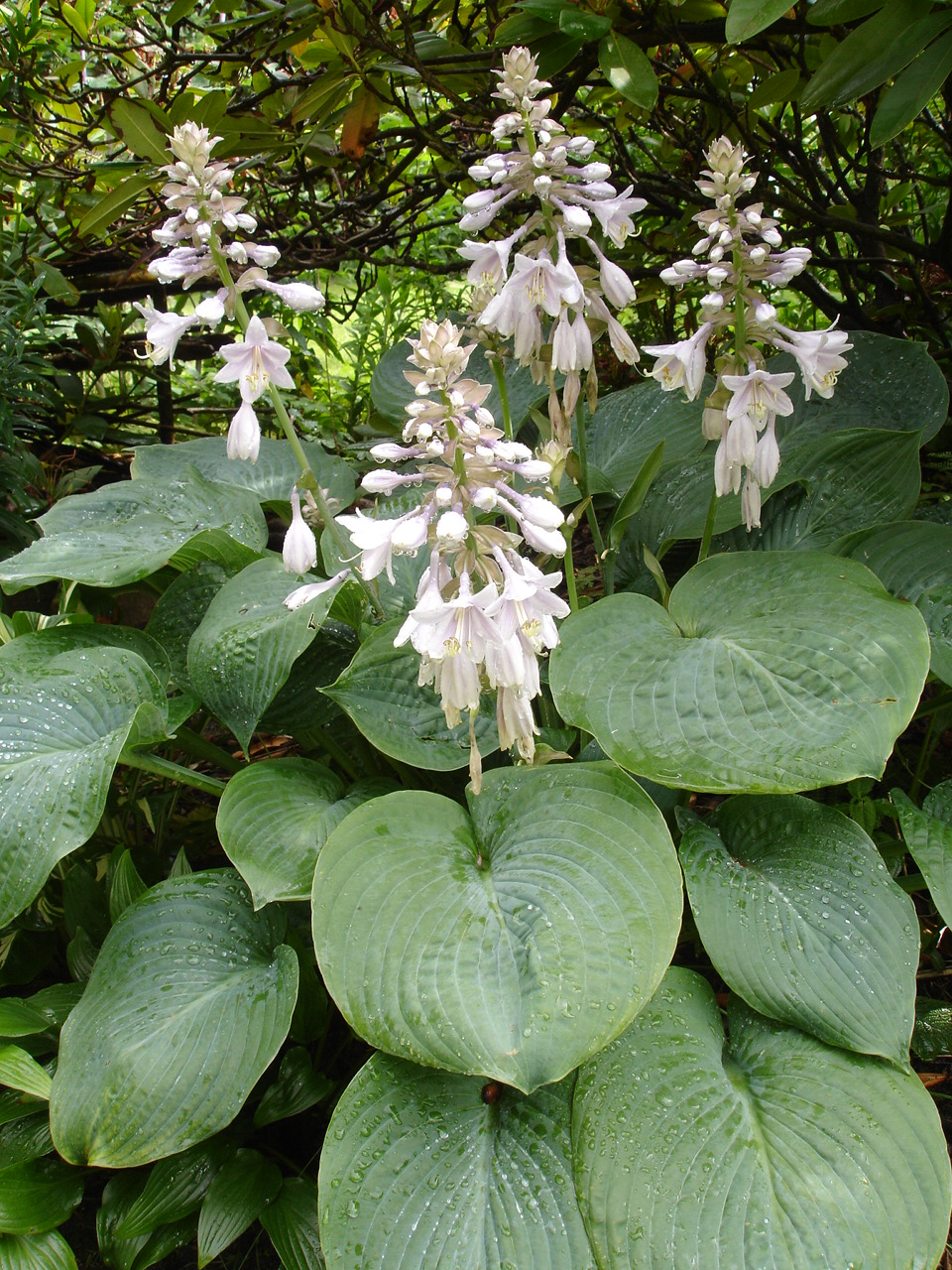
- Hostas (Hosta spp.): The quintessential shade plant, hostas come in an incredible array of sizes, shapes, and leaf colors, from deep blues and greens to vibrant golds and variegated patterns. Their architectural leaves provide structure and texture, and many varieties produce delicate lavender or white flowers on tall scapes in summer. They are incredibly low-maintenance and long-lived.
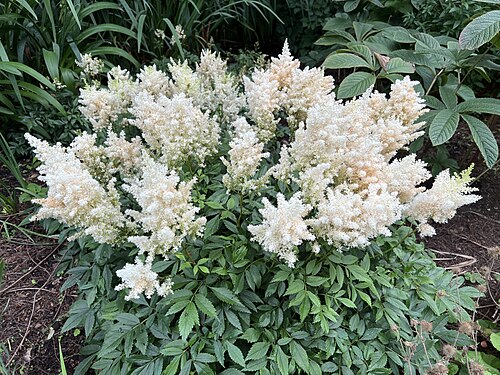
- Astilbe (Astilbe spp.): Known for their feathery, plume-like flowers in shades of pink, red, purple, and white, astilbes bring a burst of color to the shade garden. Their fern-like foliage is also attractive, and they thrive in consistently moist, well-drained soil. They are particularly effective when planted in groups.
- Ferns (various species): From the delicate fronds of Japanese Painted Ferns to the stately Ostrich Ferns, ferns offer unparalleled texture and an ancient, serene beauty to shady areas. Most ferns prefer consistently moist soil and dappled light. They are excellent for creating a lush, woodland feel.
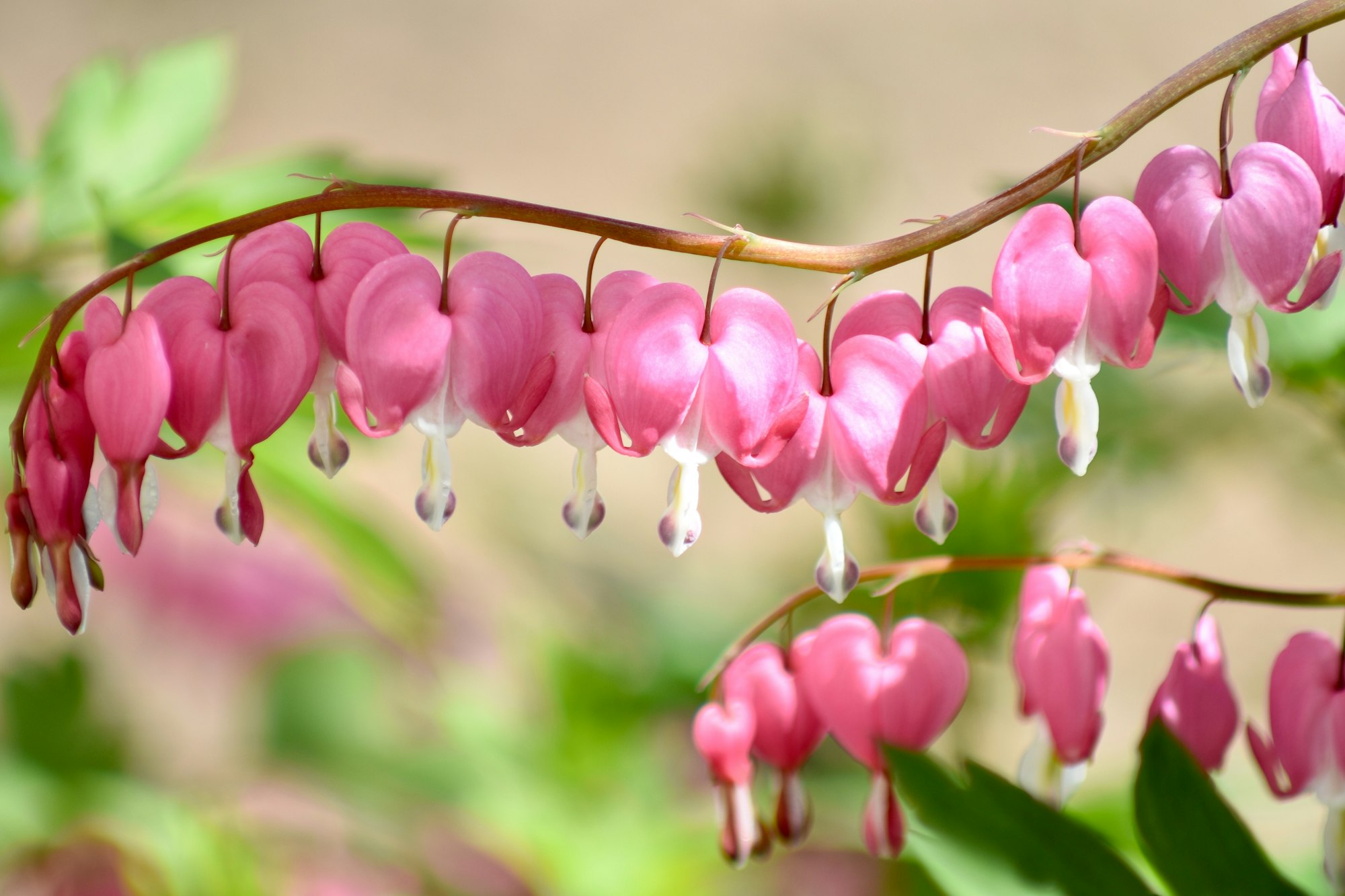
- Bleeding Heart (Dicentra spectabilis): With its charming heart-shaped flowers dangling from arching stems in spring, the classic bleeding heart is a true showstopper. It prefers moist, rich soil and partial to full shade. While the foliage of some varieties may go dormant in summer, others, like Dicentra eximia (Fringed Bleeding Heart), offer extended bloom time and more persistent foliage.
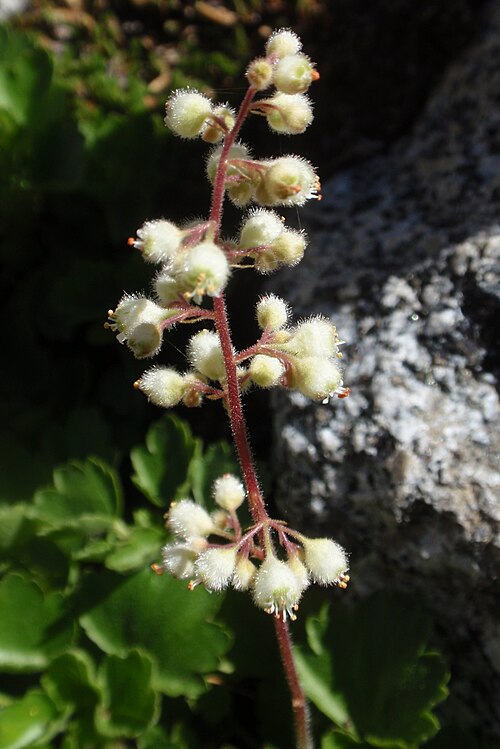
- Coral Bells (Heuchera spp.): Valued primarily for their stunning foliage, coral bells come in an astonishing range of colors, including lime green, deep purple, bronze, silver, and variegated patterns. They form neat mounds and send up delicate flower spikes in late spring or early summer. They are versatile and can tolerate a range of light conditions from partial shade to even some sun, provided they have adequate moisture.
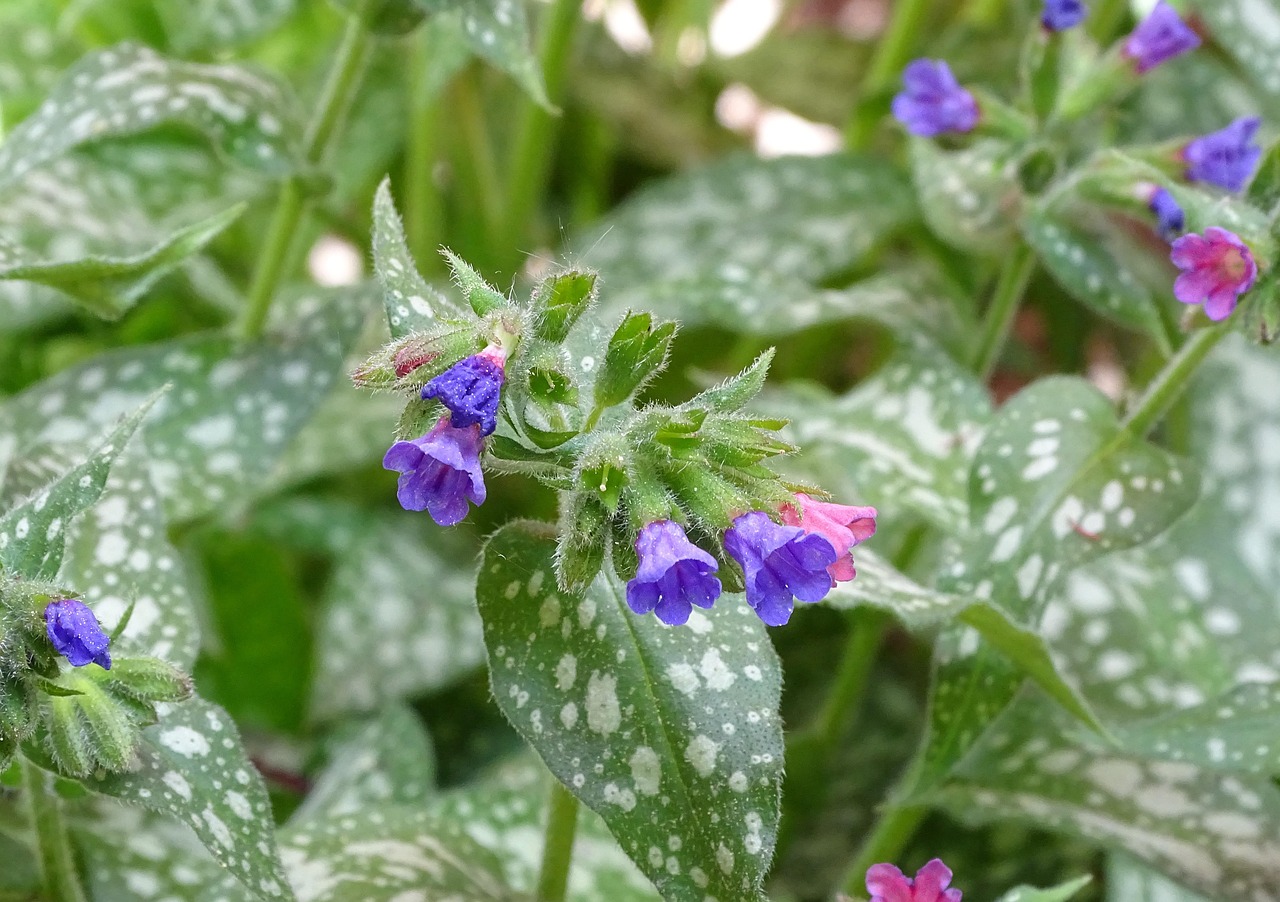
- Lungwort (Pulmonaria spp.): These early bloomers offer unique speckled or silver-splashed foliage and clusters of bell-shaped flowers that often change color as they mature, from pink to blue. They are excellent groundcovers for moist, shady spots.
- Foamflower (Tiarella cordifolia): Native to North America, foamflower produces delicate, foamy white flower spikes in spring above attractive, often lobed or heart-shaped foliage. It spreads gently to form a lovely groundcover in woodland settings.
How Do I Prepare a Shade Garden Bed?
Even in the shade, good soil preparation is key to plant success. Shade garden plants often thrive in rich, organic matter that mimics their natural woodland environments.
- Assess Your Soil: Dig a small hole and observe your soil. Is it heavy clay, sandy, or somewhere in between? Shade often means less evaporation, so drainage is crucial to prevent root rot.
- Improve Drainage and Fertility: Incorporate plenty of organic matter. This is the single most important step. Add 2-4 inches of compost, well-rotted leaf mold, or aged manure to the top 6-12 inches of your existing soil. This will improve drainage in heavy soils and increase water retention in sandy soils, while also providing essential nutrients.
- Check pH: Most shade-loving perennials prefer slightly acidic to neutral soil (pH 6.0-7.0). A soil test can confirm your pH and recommend amendments if needed.
- Clear Weeds: Remove any existing weeds, especially perennial ones, before planting.
- Consider Tree Roots: If planting under mature trees, be mindful of their root systems. Avoid digging too deeply and damaging large roots. Instead, build up the bed slightly with good soil and organic matter.
What Are the Best Practices for Watering and Fertilizing Shade Plants?
Watering and fertilizing in a shade garden differ slightly from a sun-drenched bed.
- Watering: Shade gardens generally require less frequent watering than sunny gardens because of reduced evaporation. However, consistent moisture is often more critical for shade plants.
- New Plants: Water new plantings regularly until they are established, which can take a full growing season.
- Established Plants: Check the soil moisture regularly. Stick your finger an inch or two into the soil. If it feels dry, it's time to water. Deep, infrequent watering is better than shallow, frequent watering, as it encourages deeper root growth.
- Under Trees: Plants under large trees may need more frequent watering, as tree roots are highly efficient at absorbing moisture from the soil.
- Fertilizing: Shade plants typically don't need as much fertilizer as their sun-loving counterparts. Too much fertilizer can lead to lush, weak growth that is more susceptible to pests and diseases.
- Organic Approach: The best approach is often to enrich the soil with organic matter annually. A topdressing of compost or leaf mold in spring provides a slow release of nutrients throughout the growing season.
- Balanced Fertilizer: If your plants appear to be struggling or your soil is poor, a balanced, slow-release granular fertilizer applied in early spring at half strength can be beneficial. Avoid high-nitrogen fertilizers, which promote leafy growth at the expense of flowers.
Quick Reference: Zone 5 Shade Perennials
| Plant Name | Light Needs | Soil Needs | Key Features |
|---|---|---|---|
| Hosta | Partial to Full Shade | Moist, well-drained, rich | Incredible foliage variety, low maintenance |
| Astilbe | Partial to Full Shade | Consistently moist, rich, well-drained | Feathery plumes of color, fern-like foliage |
| Ferns (various) | Partial to Full Shade | Moist, rich, well-drained | Diverse textures, lush green fronds |
| Bleeding Heart | Partial to Full Shade | Moist, rich, well-drained | Heart-shaped spring flowers, unique form |
| Coral Bells (Heuchera) | Partial Shade to Sun | Well-drained, moist, rich | Stunning foliage colors, delicate flower spikes |
| Lungwort (Pulmonaria) | Partial to Full Shade | Moist, rich, well-drained | Spotted foliage, early spring flowers |
| Foamflower (Tiarella) | Partial to Full Shade | Moist, rich, well-drained, organic | Foamy white spring flowers, attractive groundcover |
Designing a shade garden in Zone 5 is an opportunity to explore a different palette of plants and create a serene, cool retreat. By understanding your specific shade conditions and choosing plants hardy to your zone, you can cultivate a beautiful and low-maintenance landscape that thrives where the sun doesn't always shine.
Ready to find the perfect plants for your yard? Try the PlantWise Plant Finder →