Best Shade Garden Plants for Zone 6
Creating a vibrant garden in shaded areas can be a delightful challenge, especially when you know which plants thrive in your specific climate. For gardeners in USDA Hardiness Zone 6, a wealth of beautiful and resilient plants are perfectly suited to bring life and color to those shadier spots. Some of the best shade garden plants for Zone 6 include classic choices like Hostas, Ferns, Astilbes, and Bleeding Hearts, alongside many others that offer diverse textures and blooms. These plants are not only tolerant of lower light conditions but are also hardy enough to withstand the typical winter temperatures of Zone 6, which range from -10°F to 0°F (-23°C to -18°C).
What Defines a Shade Garden in Zone 6?
Understanding what "shade" truly means for your garden is the first step to success. Not all shade is created equal! Different plants prefer different levels of shade, and knowing the nuances will help you select the best options.
- Full Shade: Areas that receive less than 3 hours of direct sunlight per day, often with indirect light for the rest of the day. This is common under dense tree canopies or on the north side of buildings.
- Partial Shade/Part Sun: These terms are often used interchangeably, referring to areas that get 3-6 hours of direct sunlight daily, typically in the morning or late afternoon. The key difference is that "part shade" usually implies protection from intense afternoon sun, while "part sun" suggests the plant can handle more direct sun.
- Dappled Shade: This is the ideal shade condition for many plants, where sunlight filters through tree leaves, creating a shifting pattern of light and shadow throughout the day. It's like being under a light canopy.
For Zone 6, selecting plants that can handle both the shade conditions and the winter chill is crucial. The goal is to choose plants that will not only survive but truly flourish, providing beauty year after year without constant intervention.
🌱 Get Personalized Plant Picks
Answer a few quick questions and we’ll match plants to your exact yard conditions.
Find My Plants →Which Perennials Thrive in Zone 6 Shade?
Perennials are the backbone of any shade garden, returning year after year to provide consistent beauty with minimal effort. For Zone 6, there's an excellent selection of shade-loving perennials that offer a variety of foliage, flowers, and textures.
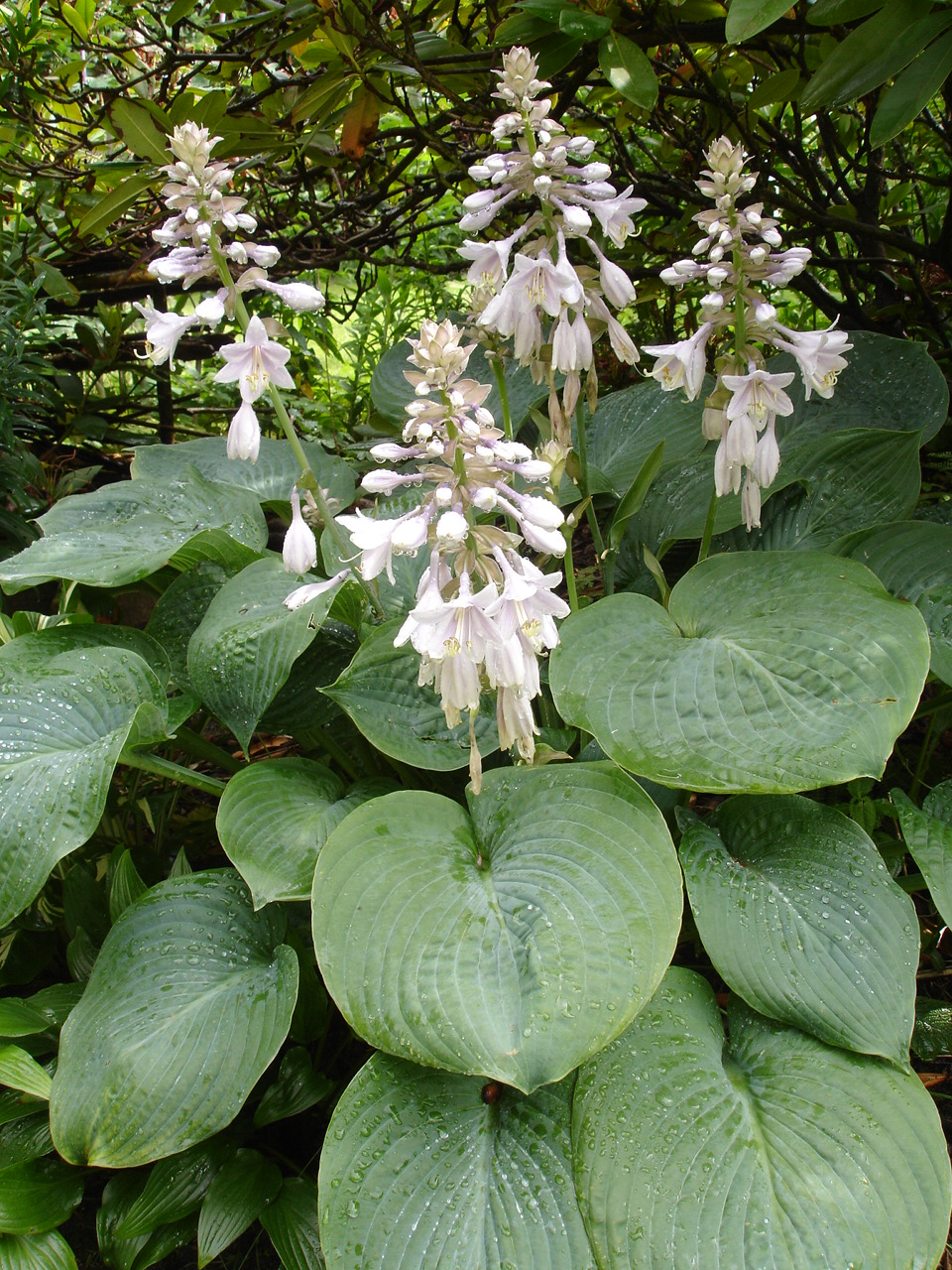
Hostas (Hosta spp.) are arguably the kings of the shade garden, celebrated for their incredible diversity in leaf color, shape, and size. From tiny miniatures to massive specimens, and with foliage ranging from deep blue-green to vibrant chartreuse, often variegated, Hostas can create stunning displays. They are incredibly hardy in Zone 6 and require little more than consistent moisture and protection from slugs.
Ferns offer unparalleled texture and elegance. Varieties like the Japanese Painted Fern (Athyrium niponicum 'Pictum') provide striking silver and burgundy hues, while the Ostrich Fern (Matteteuccia struthiopteris) can grow quite tall, creating a lush, architectural statement. Other excellent choices include the Lady Fern (Athyrium filix-femina) and the Christmas Fern (Polystichum acrostichoides), all of which are reliably hardy in Zone 6.
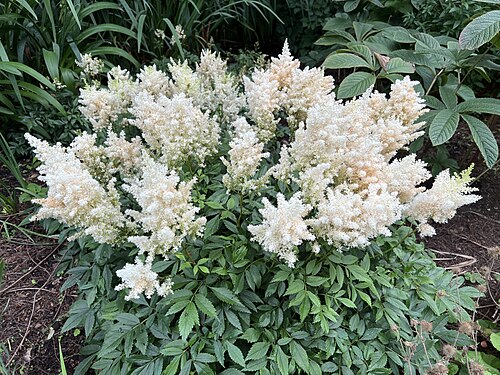
Astilbe (Astilbe spp.) brings a splash of vibrant color to the shade garden with its feathery plumes of flowers in shades of pink, red, purple, and white. Their fern-like foliage adds fine texture even when not in bloom. Astilbes prefer consistently moist, rich soil and dappled shade, making them perfect for woodland gardens.
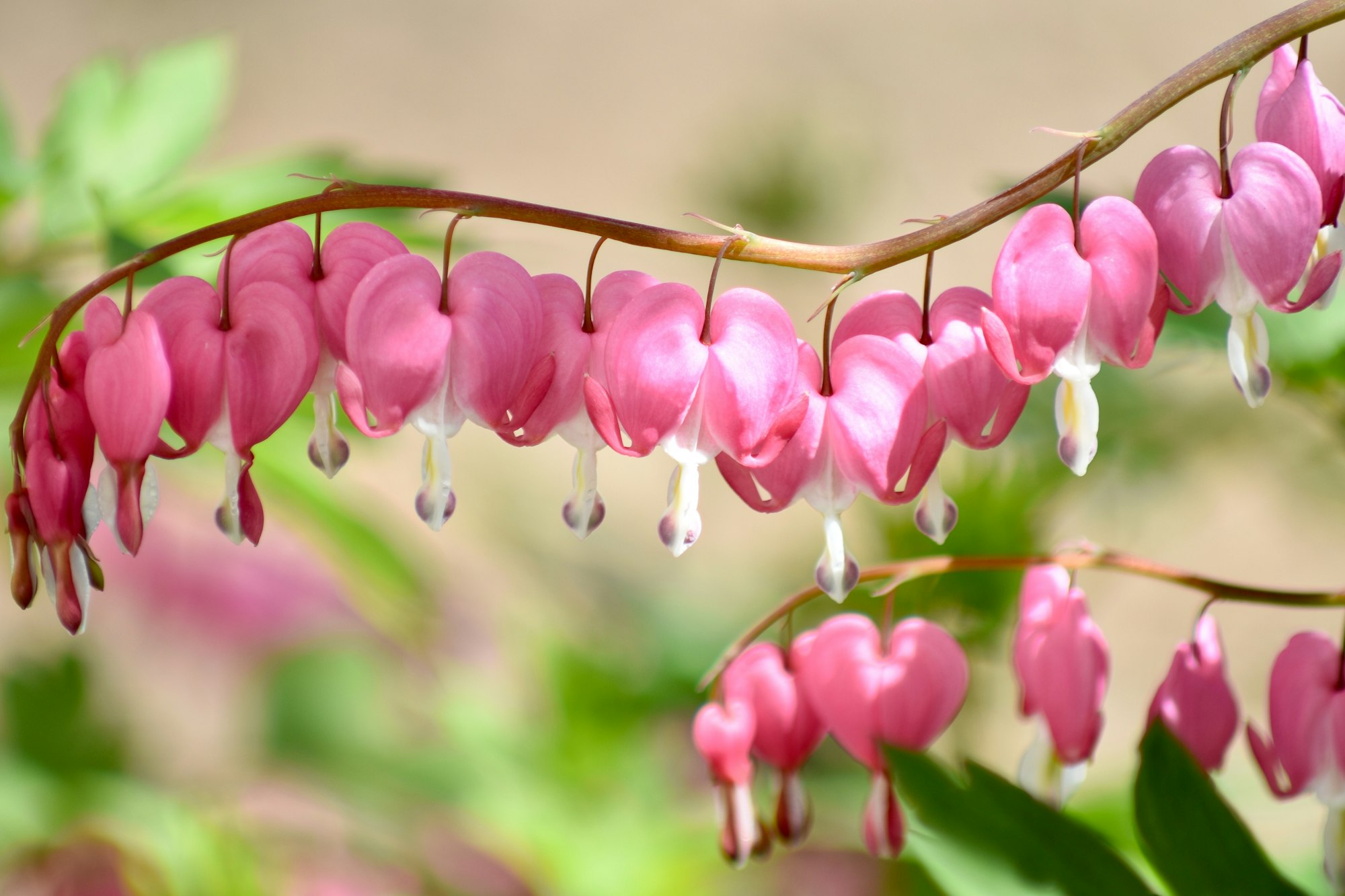
Bleeding Heart (Dicentra spectabilis) is a classic spring bloomer, known for its charming heart-shaped flowers that dangle from arching stems. The traditional pink and white varieties are stunning, and newer cultivars offer white flowers or golden foliage. They typically go dormant in summer, so plan to plant them among later-emerging perennials.
Coral Bells (Heuchera spp.) are prized for their incredible foliage, which comes in an astonishing array of colors-from lime green and amber to deep purple and nearly black, often with intricate veining. While they do produce delicate flower spikes, their leaves are the main attraction, providing year-round interest in milder Zone 6 winters.
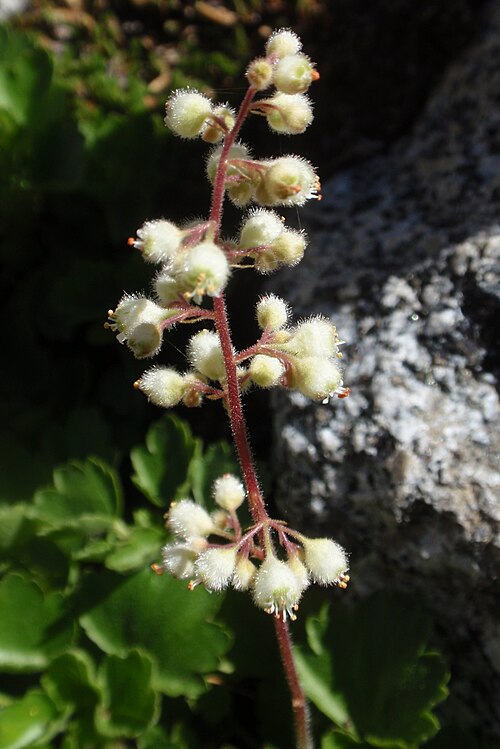
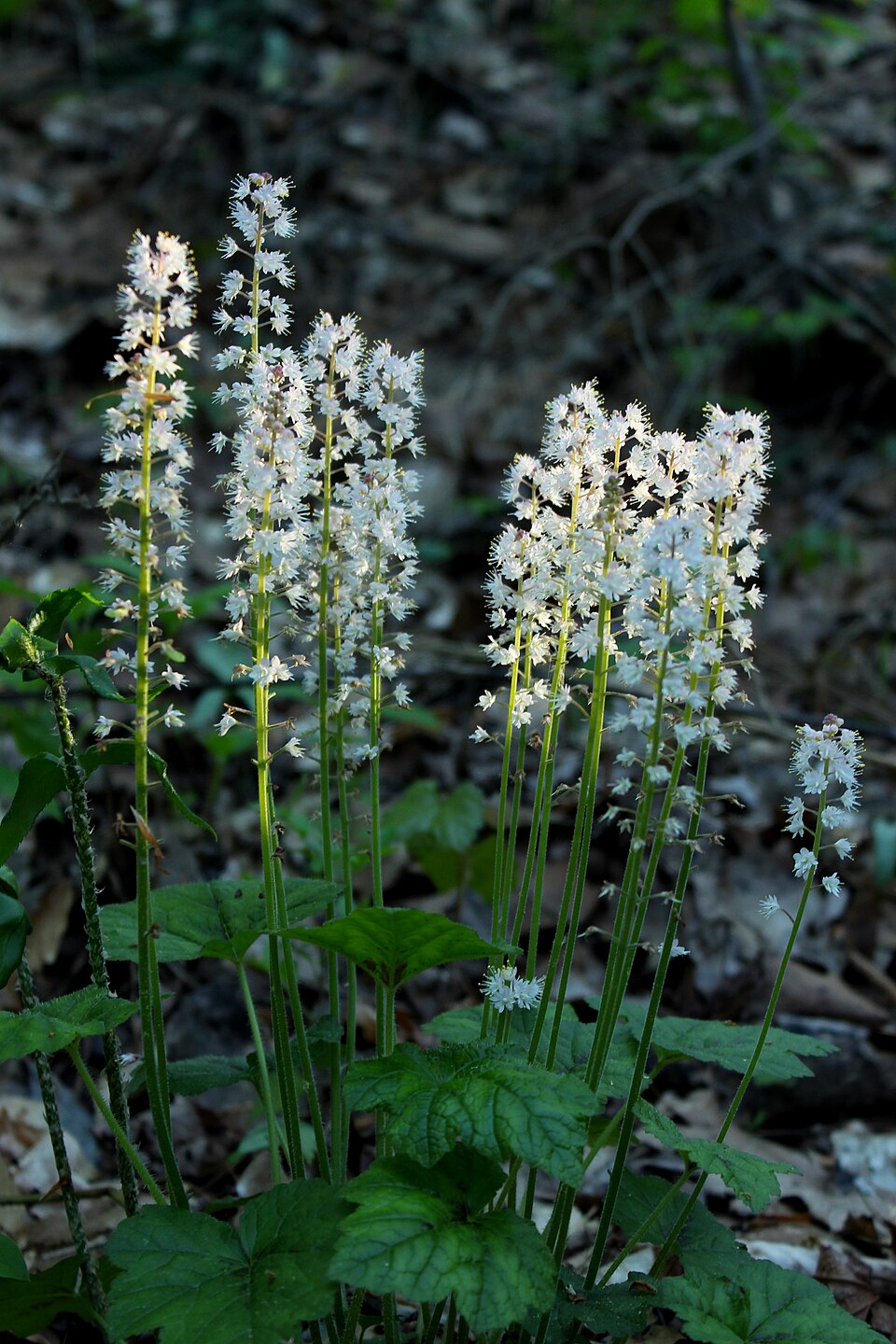
Foamflower (Tiarella cordifolia) is a delightful native perennial that forms attractive clumps of lobed leaves, often with dark markings. In spring, it sends up airy spires of foamy white flowers, living up to its name. It's an excellent groundcover for shaded areas, spreading gently to form a beautiful carpet.
How Do I Prepare a Shade Garden Bed in Zone 6?
Proper bed preparation is crucial for the success of your shade garden, especially in Zone 6 where plants need to be robust enough to handle both summer heat and winter cold.
- Assess Your Shade: Spend a day observing your garden area. Note how many hours of direct sun different spots receive and at what time of day. This will help you match plants to the right conditions.
- Improve the Soil: Shade garden plants often thrive in rich, well-draining soil with plenty of organic matter. If your soil is heavy clay or very sandy, amend it generously with compost, well-rotted leaf mold, or other organic materials. This improves drainage, aeration, and nutrient retention.
- Address Tree Roots: If your shade is provided by mature trees, you'll likely encounter a network of tree roots. Avoid digging too deeply around large tree roots, as this can damage the tree. Instead, consider planting in slightly raised beds or choosing plants that are tolerant of root competition.
- Ensure Proper Drainage: While many shade plants like consistent moisture, very few tolerate "wet feet" (soggy soil) for extended periods. Good drainage is essential to prevent root rot.
- Consider Water Access: Shaded areas, especially under trees, can sometimes be drier than sunny spots because tree roots absorb a lot of moisture. Plan for how you will water your shade garden, especially during dry spells.
Quick Reference: Top Shade Plants for Zone 6
Here's a quick overview of some excellent choices for your Zone 6 shade garden:
| Plant Name | Light Preference | Key Features |
|---|---|---|
| Hosta | Partial to Full Shade | Diverse foliage, low maintenance |
| Japanese Painted Fern | Partial to Full Shade | Striking silver/burgundy foliage |
| Ostrich Fern | Partial to Full Shade | Tall, architectural fronds, spreads |
| Astilbe | Partial Shade | Feathery flower plumes, fern-like foliage |
| Bleeding Heart | Partial Shade | Heart-shaped spring flowers, unique form |
| Coral Bells (Heuchera) | Partial Shade | Colorful foliage, delicate flower spikes |
| Foamflower (Tiarella) | Partial to Full Shade | Native groundcover, airy white flowers |
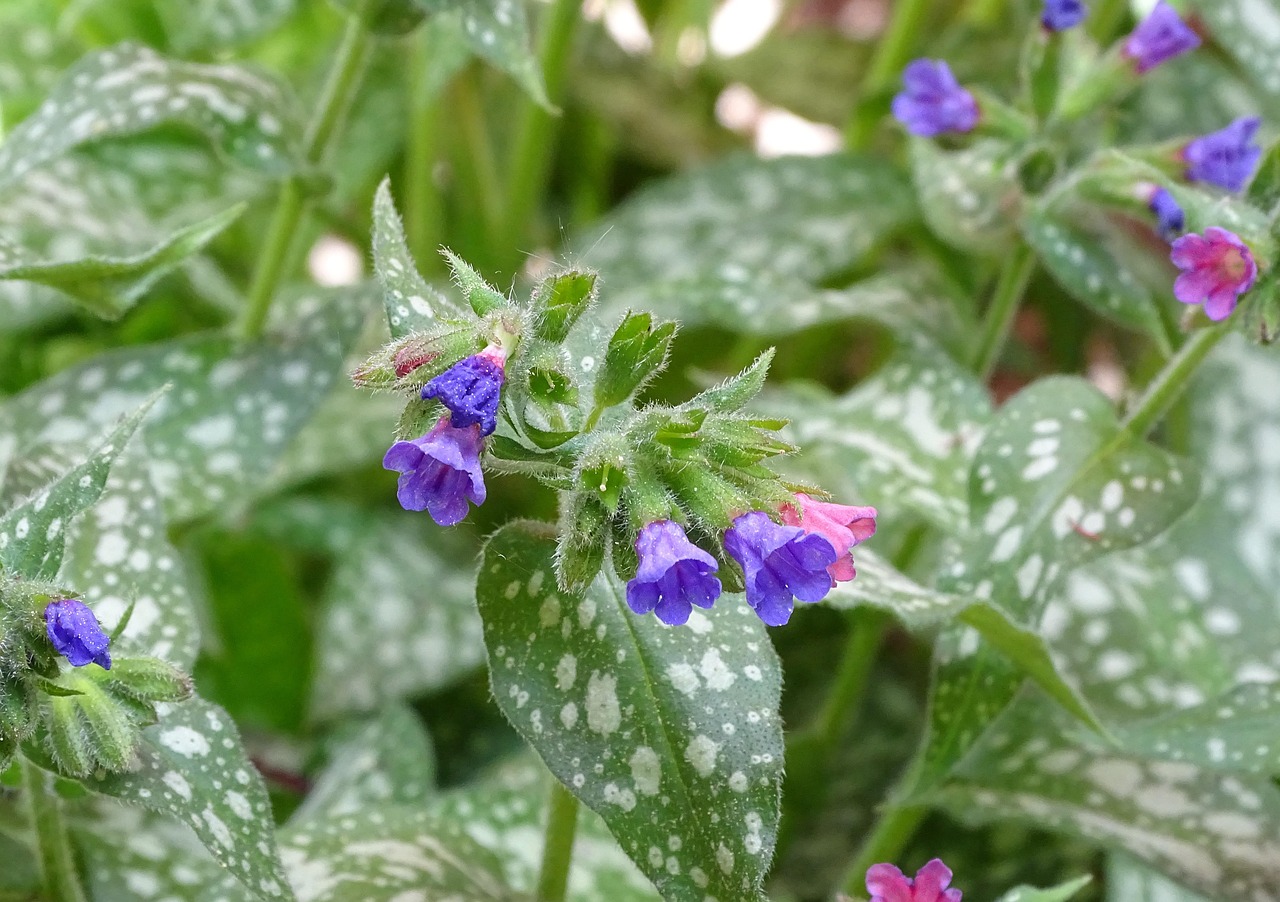
| Lungwort (Pulmonaria) | Partial to Full Shade | Spotted foliage, early spring blooms |
| Lenten Rose (Hellebore) | Partial to Full Shade | Early winter/spring blooms, evergreen foliage |
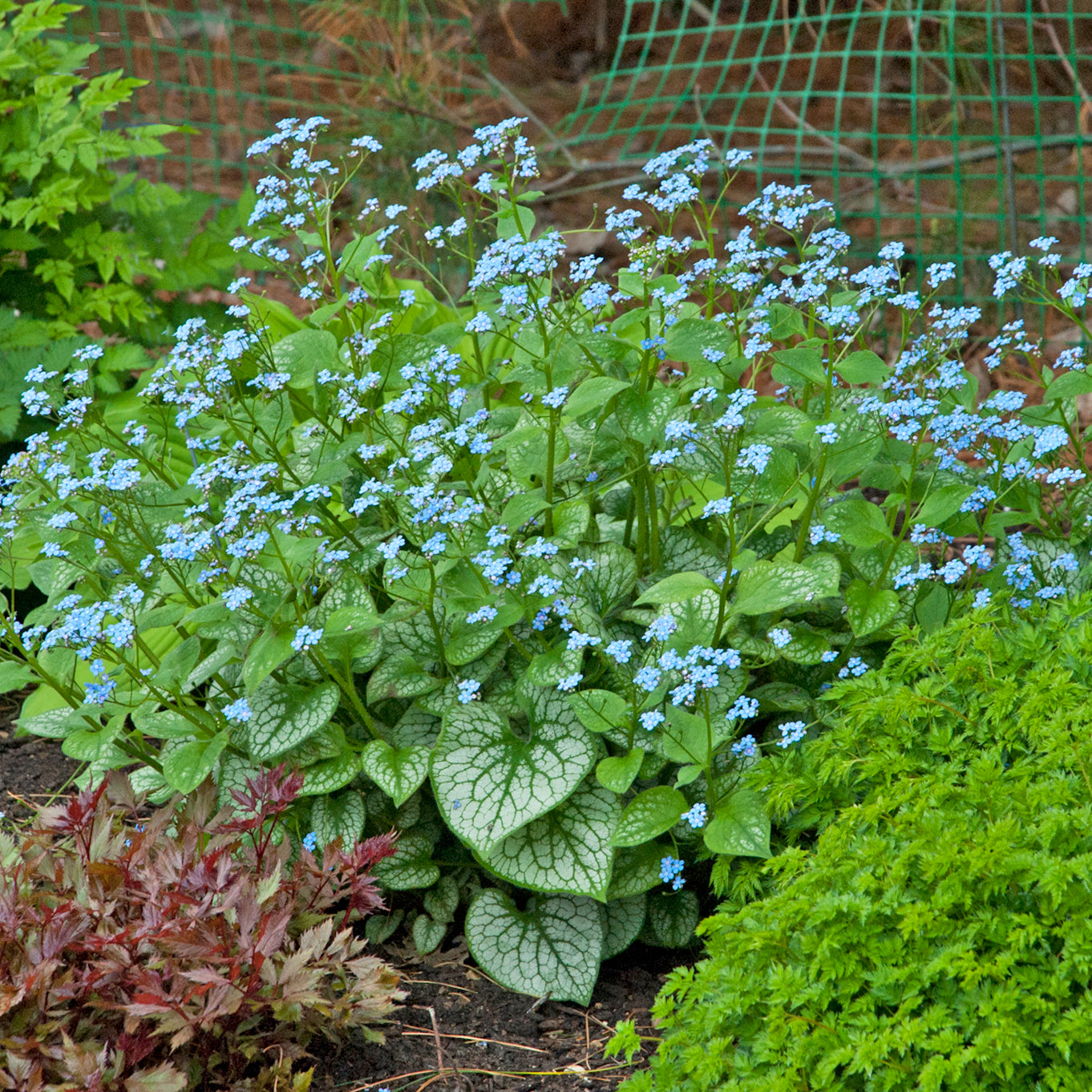
| Brunnera | Partial Shade | Heart-shaped leaves, blue spring flowers |
What Maintenance Do Shade Gardens Require in Zone 6?
While often lower-maintenance than sunnier beds, shade gardens in Zone 6 still benefit from a few key care practices to keep them looking their best.
- Watering: Even though they receive less direct sun, shade plants still need adequate moisture. Monitor soil moisture regularly, especially during dry periods, and water deeply when the top inch or two of soil feels dry. Plants under trees may need more frequent watering due to root competition.
- Fertilizing: A light application of a balanced, slow-release granular fertilizer in spring is usually sufficient. Alternatively, top-dressing with compost annually provides a steady supply of nutrients and improves soil structure.
- Pest and Disease Control: Hostas are notorious for attracting slugs and snails. Keep an eye out for these pests and use organic controls like diatomaceous earth or iron phosphate baits if necessary. Good air circulation can help prevent fungal diseases, especially in humid conditions.
- Pruning and Deadheading: Most shade perennials don't require extensive pruning. Deadhead spent flowers on plants like Astilbe and Hellebore to encourage more blooms or maintain a tidy appearance. Remove any yellowing or damaged foliage as needed.
- Winter Protection: For Zone 6, most of the plants listed are reliably hardy and won't need special winter protection. However, a layer of mulch (2-3 inches) applied in late fall can help insulate roots, conserve moisture, and suppress weeds.
By choosing the right plants and providing them with suitable conditions, your Zone 6 shade garden can become a serene and stunning retreat, offering beauty throughout the seasons.
Ready to find the perfect plants for your yard? Try the PlantWise Plant Finder →