Best Shade Garden Plants for Zone 8
Creating a vibrant garden in the shade can be a delightful challenge, especially in USDA Hardiness Zone 8, which experiences mild winters and warm to hot summers. The best shade garden plants for Zone 8 are those that thrive in lower light conditions while also tolerating the region's temperature fluctuations. Excellent choices include hostas, ferns, astilbe, hellebores, and impatiens, offering a diverse array of foliage textures, colors, and seasonal blooms to brighten up any dim corner of your yard. These plants provide beauty and interest without needing constant sun, making them perfect for those tricky shaded areas.
What Defines a Shade Garden in Zone 8?
Understanding what constitutes a shade garden, particularly in Zone 8, is the first step to success. "Shade" isn't a one-size-fits-all term; it encompasses various light conditions, from dappled shade to full shade. Dappled shade, often found under deciduous trees, receives filtered sunlight throughout the day. Partial shade or partial sun means 3-6 hours of direct sun, usually in the morning or late afternoon. Full shade areas receive less than 3 hours of direct sunlight, often none at all, relying instead on ambient light. In Zone 8, where summer temperatures can be intense, shade provides a crucial respite for many plants, protecting them from scorching sun and helping to conserve moisture. The key is to observe your garden throughout the day and across seasons to accurately assess your light conditions.
🌱 Get Personalized Plant Picks
Answer a few quick questions and we’ll match plants to your exact yard conditions.
Find My Plants →Which Plants Thrive in Zone 8 Shade?
Zone 8 offers a fantastic climate for a wide variety of shade-loving plants, allowing gardeners to create lush, inviting spaces. When selecting plants, consider their mature size, water needs, and bloom time to ensure a cohesive and continuously interesting display.
Foliage Stars:
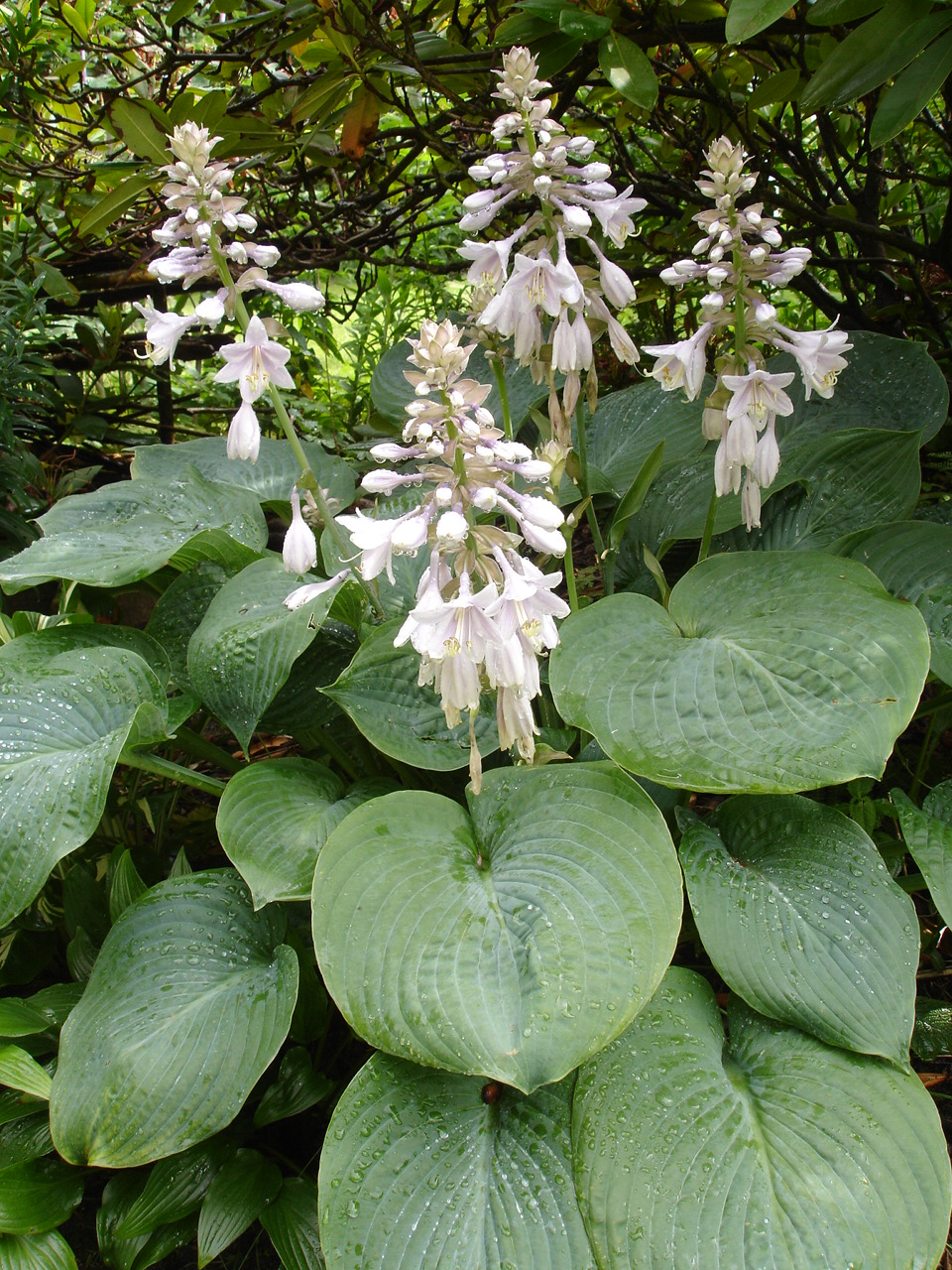
- Hostas: These are perhaps the quintessential shade plant, beloved for their incredible diversity in leaf size, shape, color, and texture. From tiny miniatures to massive specimens, and with foliage ranging from deep green to blue-green, chartreuse, and variegated patterns, hostas offer year-round interest. They also produce delicate lavender or white flowers on tall scapes in summer.
- Ferns: Many fern varieties flourish in Zone 8 shade, adding an elegant, primeval touch with their intricate fronds. Options like Japanese Painted Fern (Athyrium niponicum 'Pictum') provide striking silver and burgundy hues, while Autumn Fern (Dryopteris erythrosora) offers coppery new growth. Lady Fern (Athyrium filix-femina) and Ostrich Fern (Matteuccia struthiopteris) are also excellent choices for their graceful forms.
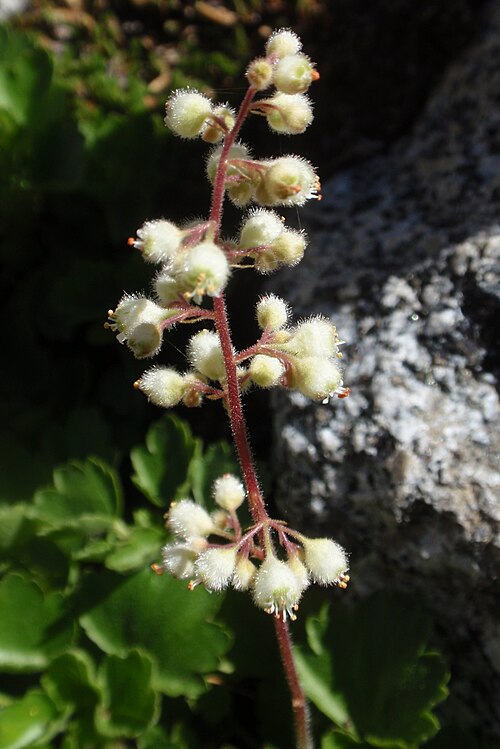
- Heuchera (Coral Bells): While they can tolerate some sun, many Heuchera varieties truly shine in partial to full shade, where their vibrant foliage colors are protected from fading. Available in an astonishing array of colors-lime green, deep purple, amber, peach, and variegated-they also send up delicate flower spikes in spring and summer.
Flowering Beauties:
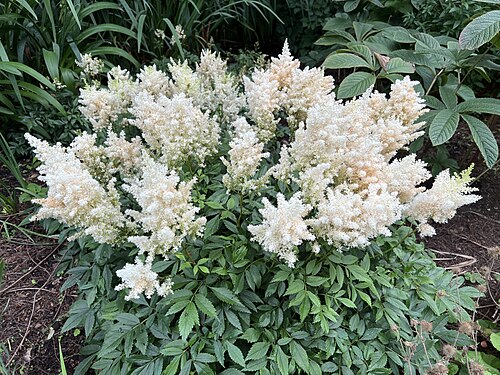
- Astilbe: Known for their feathery plumes in shades of pink, red, purple, and white, Astilbes bring a burst of color to shady spots in late spring and summer. They prefer consistently moist soil, mimicking their woodland origins.
- Hellebores (Lenten Rose): These early bloomers are a true gift to the shade garden, often flowering in late winter or early spring when little else is in bloom. Their nodding, cup-shaped flowers come in white, pink, purple, and even speckled varieties, and their leathery, evergreen foliage provides interest year-round.
- Impatiens (New Guinea and regular): For annual color, impatiens are hard to beat. New Guinea Impatiens tolerate more sun than traditional impatiens and are resistant to downy mildew, offering continuous blooms in a rainbow of colors throughout the warmer months. Traditional impatiens are perfect for deep shade.
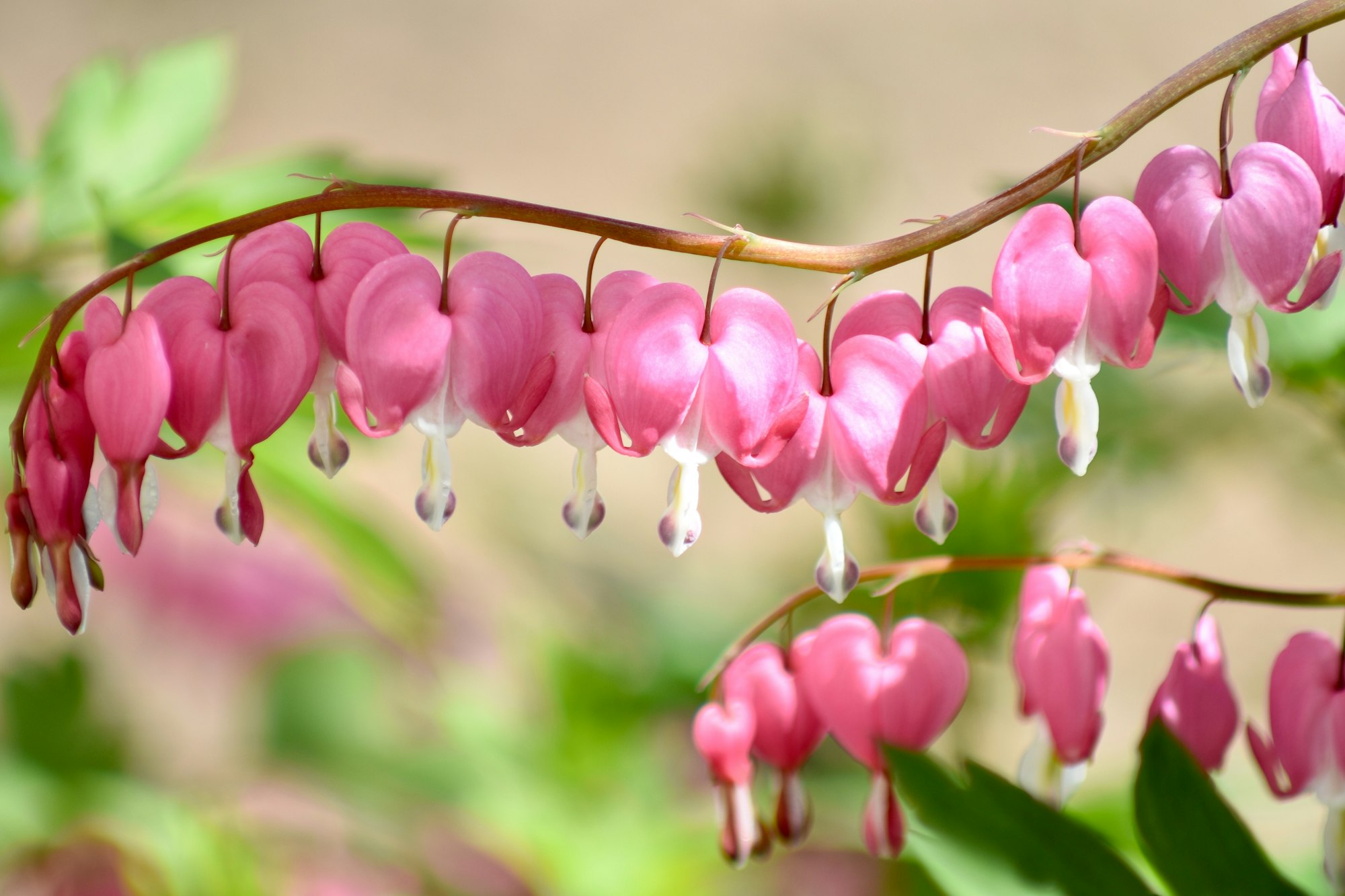
- Bleeding Heart (Dicentra spectabilis): With their distinctive heart-shaped flowers dangling from arching stems, Bleeding Hearts are a classic shade garden favorite. They bloom in spring, often going dormant in summer, especially in warmer climates like Zone 8.
How Do I Prepare a Shade Garden Bed?
Preparing your garden bed correctly is crucial for the success of your shade-loving plants. Shade gardens often exist under trees, which means competition for water and nutrients can be high.
- Assess Soil: Begin by testing your soil. Shade garden plants generally prefer rich, well-draining soil with a slightly acidic to neutral pH. If your soil is heavy clay or very sandy, amend it generously.
- Improve Drainage and Fertility: Incorporate a significant amount of organic matter, such as compost, leaf mold, or aged manure. This improves soil structure, enhances drainage, and provides a slow release of nutrients. For areas under trees, be mindful of tree roots; try not to disturb them too much. Instead of digging deeply, consider building up the soil level slightly with amendments.
- Watering: Shade doesn't necessarily mean less water. While evaporation is slower in the shade, plants still need consistent moisture, especially during dry spells in Zone 8's warm summers. Ensure your irrigation system reaches these areas, or plan for regular hand watering.
- Mulching: Apply a 2-4 inch layer of organic mulch, such as shredded bark or pine needles. Mulch helps retain soil moisture, suppresses weeds, and moderates soil temperature, all of which are highly beneficial in a shade garden.
Quick Reference: Top Shade Plants for Zone 8
| Plant Name | Light Preference | Foliage/Flower Color | Key Features |
|---|---|---|---|
| Hosta | Partial to Full Shade | Green, blue, yellow, variegated | Diverse foliage, summer flowers |
| Ferns | Partial to Full Shade | Green, silver, coppery | Elegant fronds, various textures |
| Heuchera | Partial to Full Shade | Green, purple, amber, peach | Colorful evergreen foliage, spring/summer flowers |
| Astilbe | Partial to Full Shade | Pink, red, white, purple | Feathery plumes, needs moist soil |
| Hellebore | Partial to Full Shade | White, pink, purple, speckled | Early bloomer, evergreen foliage |
| Impatiens | Partial to Full Shade | Various bright colors | Continuous annual blooms |
| Bleeding Heart | Partial to Full Shade | Pink, white | Unique heart-shaped flowers, spring bloomer |
What Are Common Challenges in Zone 8 Shade Gardens?
Gardening in the shade in Zone 8 comes with its own set of challenges, but understanding them can help you overcome them.
- Dry Shade: This is perhaps the most common issue, especially under large trees. Tree roots are highly efficient at absorbing water, leaving little for understory plants. To combat this, select drought-tolerant shade plants, amend the soil with plenty of organic matter to improve water retention, and consider installing drip irrigation.
- Pest and Disease Pressure: Shady, damp conditions can sometimes lead to increased issues with slugs, snails, and fungal diseases. Ensure good air circulation around plants, avoid overhead watering late in the day, and use organic slug baits if necessary.
- Lack of Winter Interest: While many shade plants are deciduous, some, like hellebores and certain ferns, offer evergreen foliage. Incorporating these, along with interesting hardscaping or statuary, can provide year-round appeal.
- Root Competition: As mentioned, tree roots can be aggressive. When planting, dig wider rather than deeper holes, and if you encounter large roots, plant slightly higher or choose plants that can tolerate root competition.
By carefully selecting plants suited to your specific light conditions and soil, and by addressing potential challenges proactively, you can transform even the deepest shade into a captivating and thriving garden space in Zone 8.
Ready to find the perfect plants for your yard? Try the PlantWise Plant Finder →