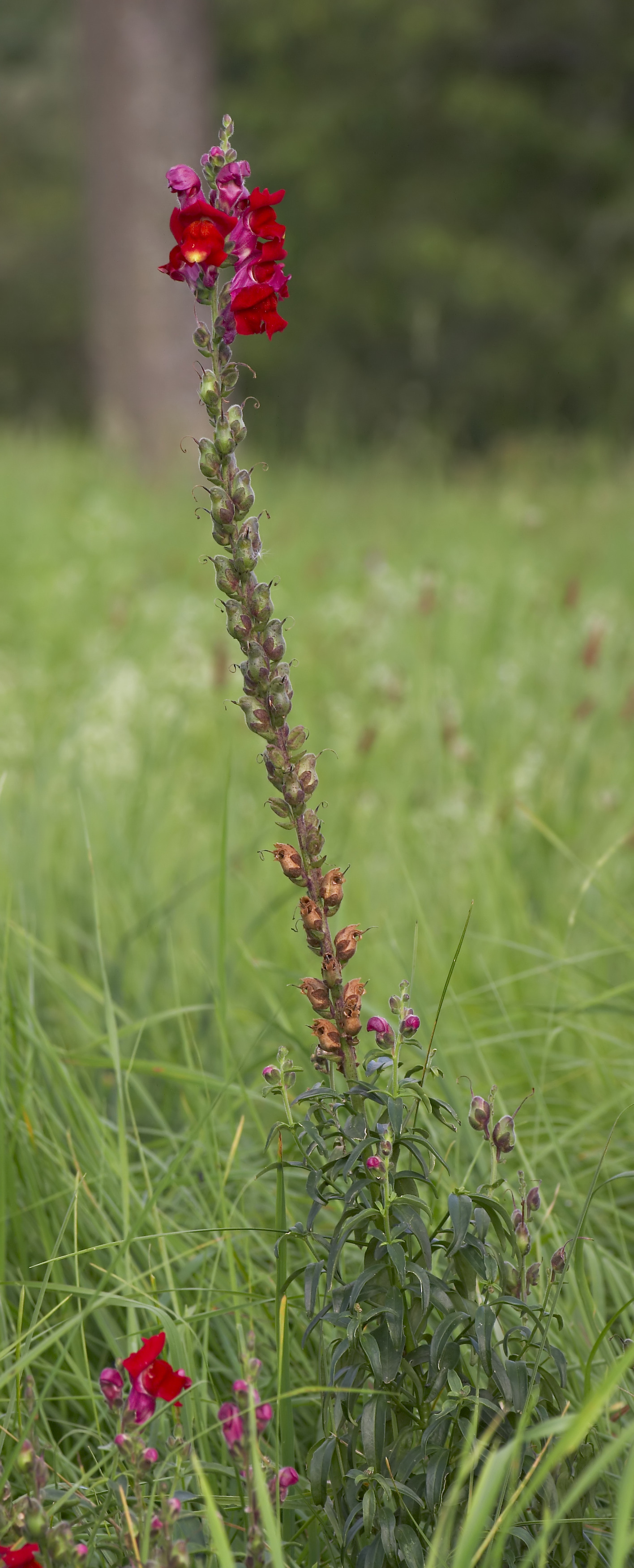
In a mild Southern climate, the cool months are a planting season. Plant greens such as collards, kale, mustard, turnip greens, Swiss chard, arugula, and lettuce, root crops such as turnips, hardy herbs, and cool-season flowers such as pansies, snapdragons, alyssum, and calendulas, and cover the tender ones when the temperature drops. Clemson Extension says that gardening in the cool months is somewhat challenging but doable, that many greens, some root vegetables, and herbs can be planted in the fall and will grow through the winter, and that "greens are better after a frost."
This page is a climate-and-task guide for the mild South. It is not a list for one city. Your last and first frost dates, your soil, and your local extension office decide the exact timing, so use this as a job list and check local dates.
What the cool months are good for
While much of the country is frozen, a mild-winter yard can keep producing. Clemson Extension notes that cool soil means plants do not need as much water as the summer garden, that growing greens early and in succession gives an earlier and longer harvest, and that you get a head start before insect pests, heat, and disease show up in warmer weather. For flowers, Clemson says greens look good grown in beds alongside winter flowers like pansies, snapdragons, alyssum, and calendulas.
🌱 Get Personalized Plant Picks
Answer a few quick questions and we’ll match plants to your exact yard conditions.
Find My Plants →What to plant
| Group | Examples (Clemson Extension) | Notes |
|---|---|---|
| Hardy greens | Turnip greens, collards, Swiss chard, mustard | Need lots of organic matter in the soil; better after a frost |
| Tender greens | Lettuce, spinach | Do not like to be frozen; cover when it goes below about 45 F |
| Quick greens | Arugula, kale, mesclun | Arugula is easy from seed; cut and come again |
| Root crops | Turnips and rutabagas | See Clemson's guide for each |
| Herbs | Rosemary, cilantro, chives, oregano | Hold up under the cold |
| Cool-season flowers | Pansies, snapdragons, alyssum, calendulas | Pair with greens in beds |
Clemson's guide also says lettuce and spinach should be grown in cold frames or covered with cloth or hay when it goes below about 45 degrees, and shows a gardener using old windows to cover young lettuce.
Plant in succession
Clemson Extension says to plant cool-season vegetables as early as possible and in succession. In practice, sow a short row every couple of weeks instead of one big planting, so you are not picking everything at once. Seed wide beds of lettuce and harvest whole plants to thin or cut leaves for salads, as Clemson shows.
Shop cool-season seed on Amazon
Greens, roots, and herbs that handle the cool months. We may earn a commission at no extra cost to you.
Amazon · Cool-season seed Amazon · Greens seed Amazon · Salad seed Amazon · Herb seed kit
Protect plants when the cold comes
Even in a mild climate, a hard frost can reach the yard. Light cloth over a row, or a cold frame over a bed, is the usual tool. Our guides to frost cloth and row cover in zones 8 and 9 and zones 10 and 11 explain how to use it. For lettuce and spinach, see cold frame sowing timing for spinach and lettuce.
Water and mulch
Clemson Extension says soil needs to be evenly moist and should be checked often to see if it needs irrigation. Cold can cause desiccation, or drying out, so check seedlings regularly. Mulch helps keep soil temperature moderate and may help the soil warm up sooner. Clemson shows hay used as mulch to keep soil from splashing onto winter greens. Do not pile mulch against stems.
Test the soil
Clemson Extension suggests testing soil pH early before adding lime, and notes that nutrients may be less available when soil is too acidic or alkaline. A soil test gives that information, and your county extension office can tell you how to send a sample.
Bulbs for mild winters
Many spring bulbs need a chill that mild-winter areas do not provide on their own. Our guides to pre-chilled bulbs for mild winter zones, spring bulbs to plant in fall in zone 8, and zone 9 explain what works.
Lawn jobs
Lawn care in the cool months depends on your grass type. Our winter lawn care guide by zone covers the jobs by region. Do not fertilize or seed without checking the timing for your grass.
Pets
We make no safe or toxic claim for any plant on this page. Look up each plant before you grow it where a pet digs or chews, using the ASPCA toxic and non-toxic plant lists, and ask your veterinarian. If a pet eats plant material, call your veterinarian or the ASPCA Animal Poison Control Center at (888) 426-4435. Keep fertilizer, lime, and mulch out of reach.
Shop row cover and cold frames on Amazon
Cover tender crops when the temperature drops. We may earn a commission at no extra cost to you.
Amazon · Row cover Amazon · Cold frame Amazon · Frost cloth Amazon · Garden gloves
Can I garden in the cool months in the South?
Yes. Clemson Extension says many greens, some root vegetables, and herbs planted in fall will grow through the winter.
Do I need to cover lettuce and spinach?
Clemson Extension says they do not like to be frozen and should be covered with cloth or hay, or grown in a cold frame, when it goes below about 45 F.
What flowers go with winter greens?
Clemson Extension names pansies, snapdragons, alyssum, and calendulas.
When should I plant?
As early as possible and in succession, per Clemson Extension. Check your local frost dates with your county extension office.
Sources
- Clemson Cooperative Extension, Home and Garden Information Center, Fall and Winter Vegetables.
- ASPCA Animal Poison Control Center, (888) 426-4435.
Related reading
- Frost cloth and row cover for zones 8 and 9
- Frost cloth and row cover for zones 10 and 11
- Cold frame sowing for spinach and lettuce
- Pre-chilled bulbs for mild winter zones
- Winter lawn care by zone
Ready to match plants to your location? Try the PlantWise Plant Finder →