FTC Disclosure: This post contains affiliate links. If you make a purchase through these links, we may earn a commission at no extra cost to you.
If you’re a homeowner in USDA Zone 6 wondering whether to plant tall fescue or Kentucky bluegrass, the choice largely depends on your lawn’s sun exposure, traffic levels, and maintenance preferences. Both grasses are cool-season varieties suited for Zone 6’s climate, but tall fescue generally offers better drought tolerance and traffic resistance, while Kentucky bluegrass provides a lush, dense lawn with excellent recovery from wear. Understanding the strengths and limitations of each will help you decide which grass is best for your yard.
Understanding Zone 6 Climate for Cool-Season Grasses
USDA Zone 6 typically experiences cold winters with average minimum temperatures between -10°F and 0°F, and warm summers with moderate humidity. These conditions favor cool-season grasses that thrive in spring and fall, slow down in summer heat, and go dormant in winter.
Tall fescue and Kentucky bluegrass are two of the most popular cool-season turfgrasses for Zone 6 lawns. Each has unique characteristics that affect how well it performs under your specific environmental conditions and lawn usage patterns.
🌱 Get Personalized Plant Picks
Answer a few quick questions and we’ll match plants to your exact yard conditions.
Find My Plants →Tall Fescue: Tough, Drought-Tolerant, and Low Maintenance
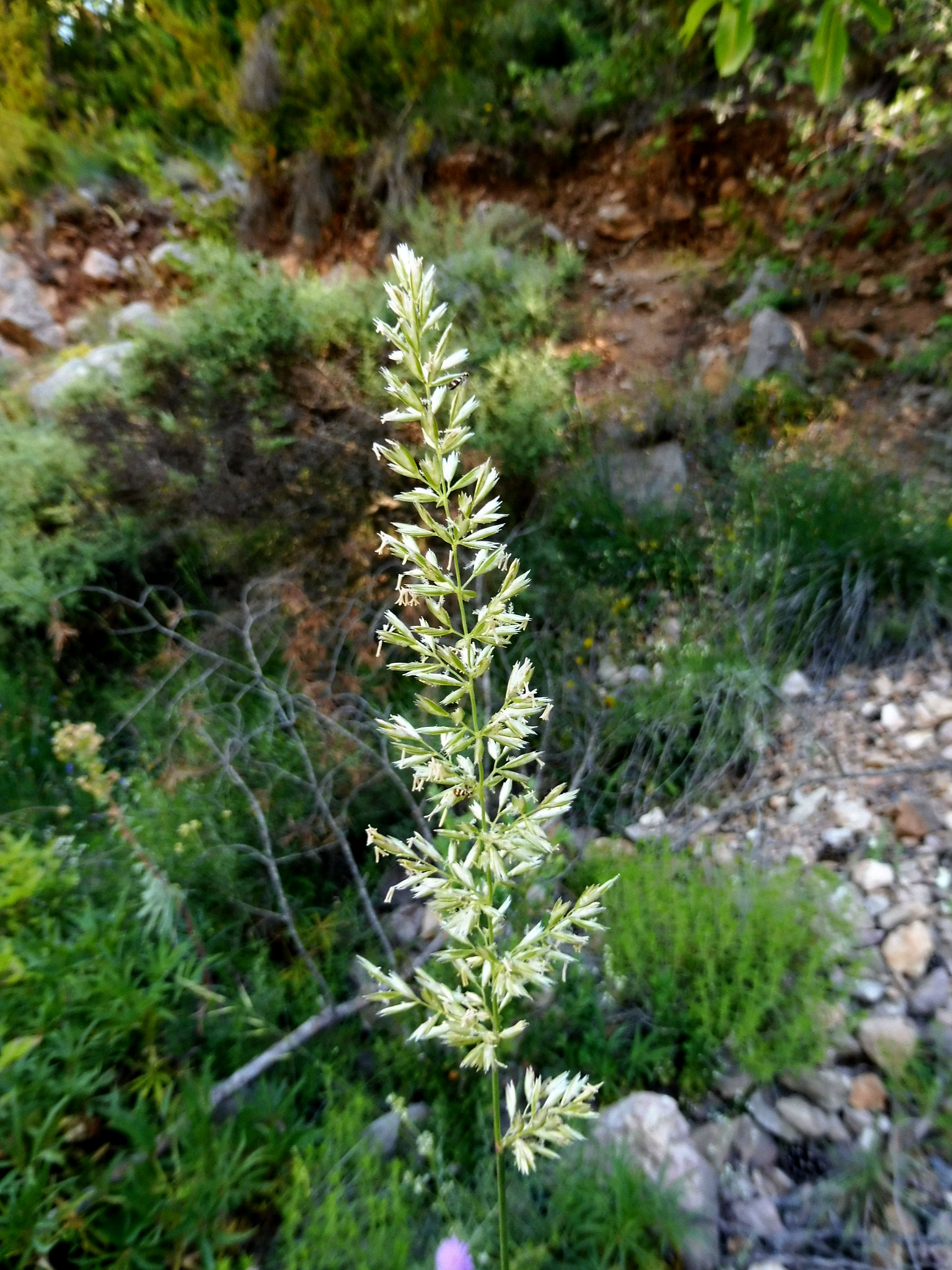
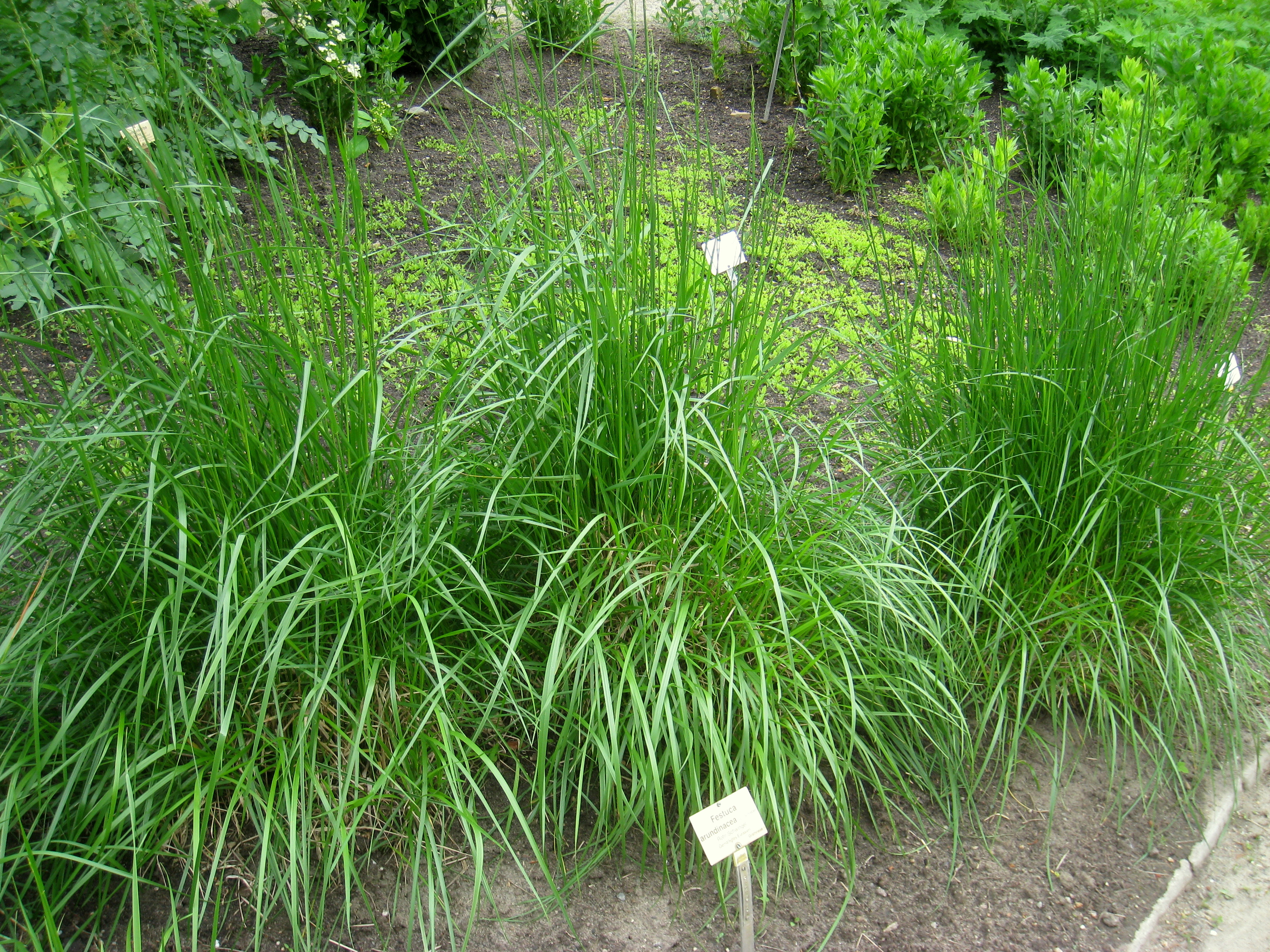
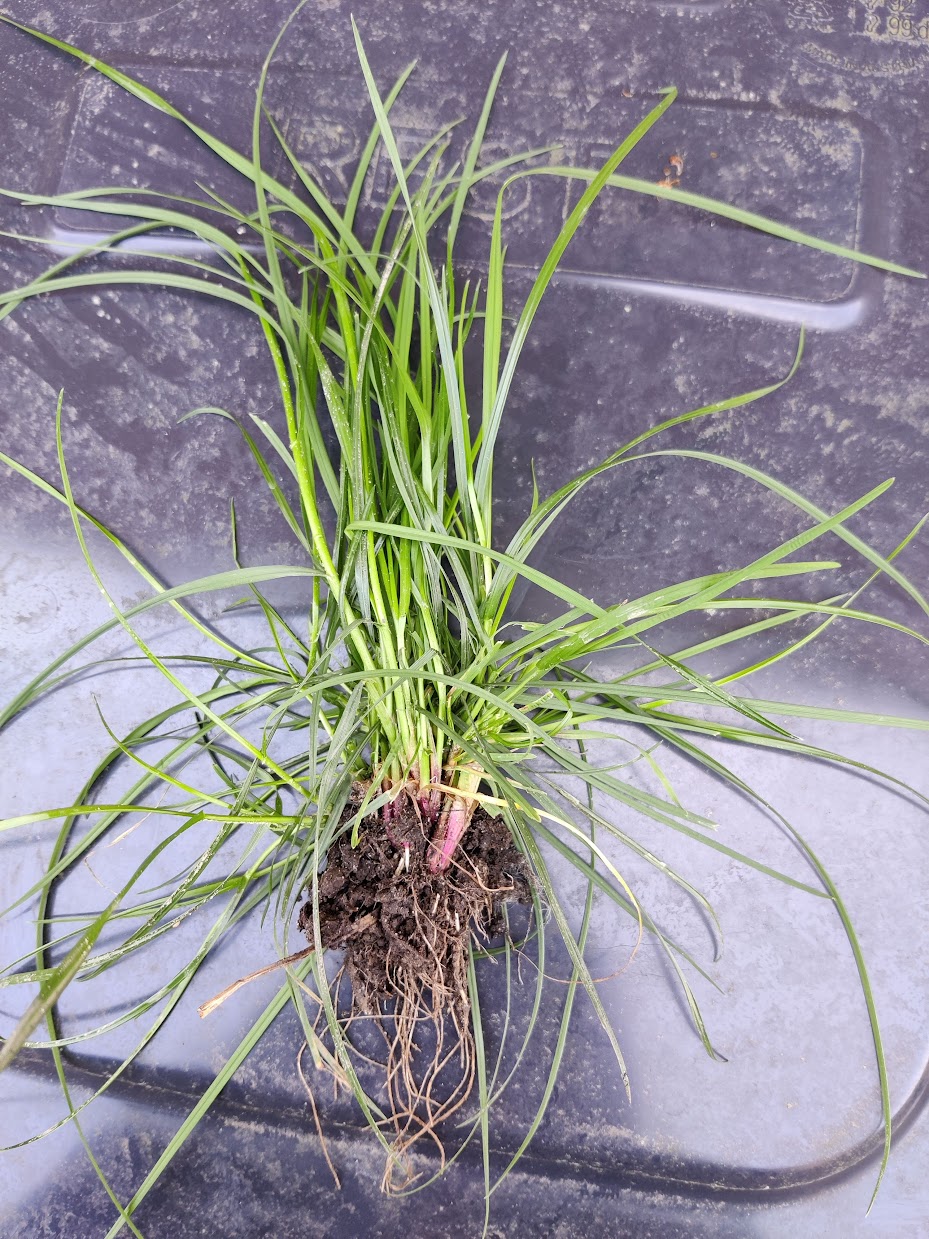
Tall fescue is a bunch-type grass with deep roots that make it more drought tolerant than many other cool-season grasses. It handles heat and dry spells better, which is a big plus for Zone 6 homeowners facing occasional summer stress.
Advantages of Tall Fescue
- Drought Tolerance: Its deep root system allows it to access moisture deeper in the soil, making it resilient during dry periods.
- Traffic Resistance: Tall fescue has coarse blades and a dense growth habit, which helps it withstand heavy foot traffic and recover quickly.
- Shade Tolerance: While not as shade tolerant as some grasses, it performs reasonably well in partial shade.
- Low Maintenance: Requires less frequent watering and fertilizing compared to Kentucky bluegrass.
Drawbacks of Tall Fescue
- Coarser Texture: Its blades are thicker and coarser, which some homeowners may find less appealing than the finer texture of Kentucky bluegrass.
- Less Uniform Appearance: It grows in clumps rather than spreading via rhizomes, so it may not produce as uniformly dense a lawn.
Kentucky Bluegrass: Classic, Lush, and Self-Repairing
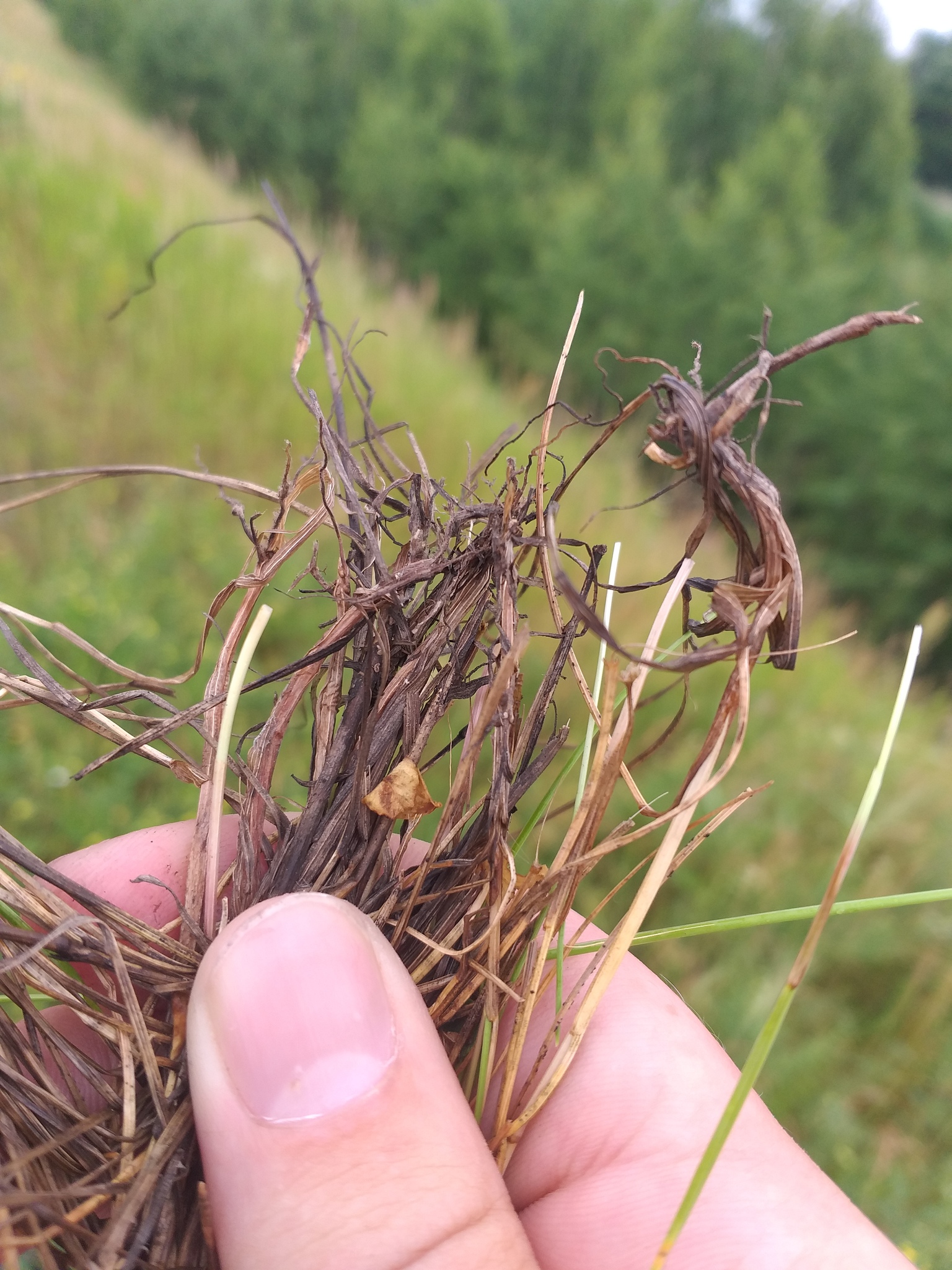
Kentucky bluegrass is prized for its fine leaf texture, deep green color, and ability to spread through underground rhizomes, which helps fill in bare spots and create a uniform carpet.
Advantages of Kentucky Bluegrass
- Attractive Appearance: Its fine blades and dense growth produce a lush, soft lawn that many homeowners love.
- Self-Repair: Rhizomes enable the grass to spread and repair damage from wear or pests more easily.
- Cold Hardiness: Excellent winter survival and green-up in early spring.
- Good for Full Sun: Thrives best with 6+ hours of direct sunlight daily.
Drawbacks of Kentucky Bluegrass
- Higher Water Needs: It requires more frequent watering, especially during summer heat.
- Less Heat and Drought Tolerant: More susceptible to stress in hot, dry conditions common in Zone 6 summers.
- More Maintenance: Needs regular fertilization and mowing to maintain its lush appearance.
Tall Fescue vs Kentucky Bluegrass in Zone 6: How to Choose
The decision often comes down to your lawn’s specific conditions and how you use it.
Consider Your Sun Exposure
- If your lawn receives full sun most of the day, Kentucky bluegrass can thrive and offer a beautiful, dense turf.
- For lawns with partial shade or fluctuating sun exposure, tall fescue’s adaptability makes it a better choice.
Evaluate Traffic and Usage
- For families with kids, pets, or frequent outdoor activities, tall fescue’s wear tolerance and quick recovery make it ideal.
- Kentucky bluegrass can handle moderate traffic but may need more repair after heavy use.
Maintenance Commitment
- If you prefer a lower-maintenance lawn that requires less watering and fertilizing, tall fescue is advantageous.
- For those willing to invest time and resources into lawn care, Kentucky bluegrass rewards with superior aesthetics.
Pet Safety Note
Neither tall fescue nor Kentucky bluegrass is listed as toxic to pets. However, always monitor pets to prevent excessive ingestion of any grass and contact the ASPCA Animal Poison Control Center at 888-426-4435 if you suspect poisoning.
Recommended Varieties for Zone 6
- Tall Fescue: Look for improved turf-type tall fescues with finer blades and better density, such as ‘Kentucky 31’ or ‘Titan RX’.
- Kentucky Bluegrass: Varieties like ‘Midnight’, ‘Moonlight’, or ‘Bristol’ are cold hardy and adapted for Zone 6.
Wildlife Resistance Disclaimer
While tall fescue and Kentucky bluegrass are generally durable, no grass is completely resistant to deer, rabbits, or groundhogs. Wildlife pressure varies by location and season.
Combining Tall Fescue and Kentucky Bluegrass
Many Zone 6 lawns benefit from a mix of tall fescue and Kentucky bluegrass, combining the drought tolerance and durability of fescue with the lush density and self-repair of bluegrass. Blends or overseeding with both species can create resilient, attractive lawns suited for changing conditions.
Additional Lawn Care Tips for Zone 6
- Mowing: Keep tall fescue around 3 inches tall to encourage deep roots, and Kentucky bluegrass slightly shorter at 2.5 inches.
- Watering: Deep, infrequent watering encourages strong roots. Avoid shallow daily watering.
- Fertilization: Apply fertilizer in early spring and fall for best growth and color.
- Aeration: Annual aeration helps relieve soil compaction and promotes healthy root systems.
Related Plants to Consider
For enhancing your lawn and garden with complementary plants, consider these options from the PlantWise database:
Tall Fescue
Kentucky Bluegrass
Creeping Red Fescue
Perennial Ryegrass
Buffalograss
Conclusion: Which Grass Should You Choose?
For Zone 6 homeowners, tall fescue generally excels with its drought tolerance, durability, and lower maintenance needs, making it an excellent choice for busy families and areas with variable sun and traffic. Kentucky bluegrass offers superior beauty and self-repair in lawns that receive ample sun and where maintenance is a priority. Consider blending the two grasses for a balanced lawn that leverages the best traits of both.
Ready to find your perfect grass match? Try our Plant Finder wizard to get personalized lawn and turfgrass recommendations tailored for your Zone 6 yard at /wizard.