About This Collection
Cats are curious creatures who love to nibble on plants — and unlike dogs, they're particularly drawn to grassy textures and dangling leaves. Unfortunately, some of the most common garden plants are extremely dangerous to cats. Lilies (all true lilies) can cause fatal kidney failure from even a small nibble, and many popular landscaping choices like azaleas, tulips, and chrysanthemums are toxic.
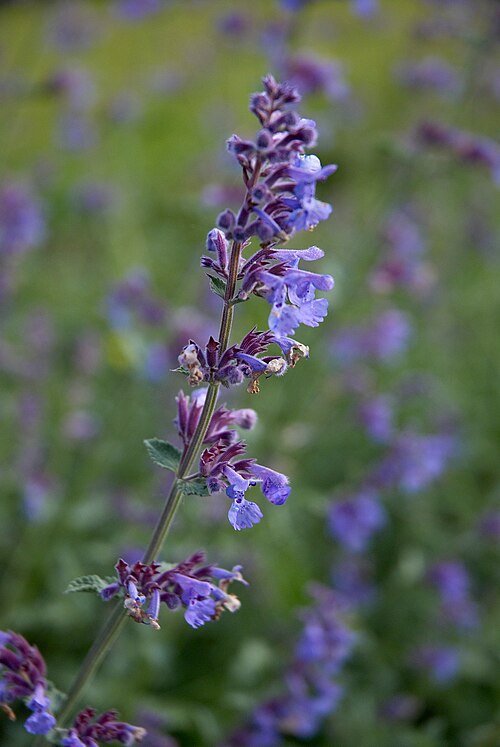
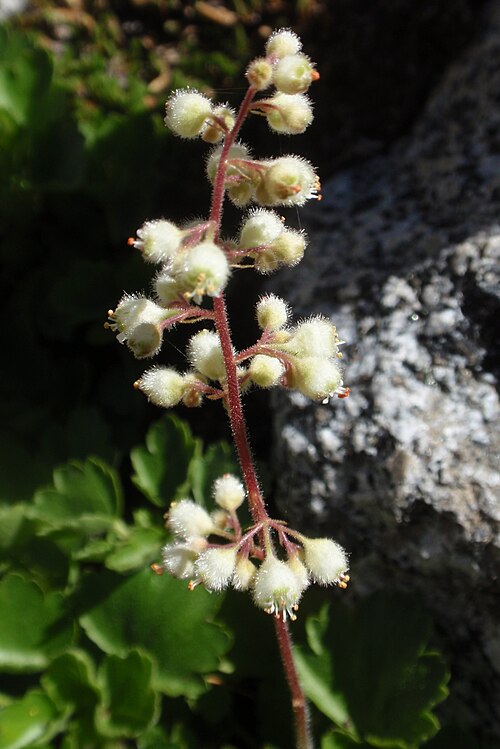
Creating a cat-safe garden doesn't mean sacrificing beauty. Dozens of stunning perennials, grasses, and shrubs are completely non-toxic to cats while providing year-round color and texture. Plants like catmint, coral bells, and ornamental grasses are both cat-safe and visually striking.
PlantWise cross-references every plant against veterinary toxicity databases, then matches cat-safe options to your USDA zone, sun exposure, and other preferences. Build a garden you love without worrying about your feline friends.
Find Cat Safe Plants for My Yard → or browse the interactive directory.
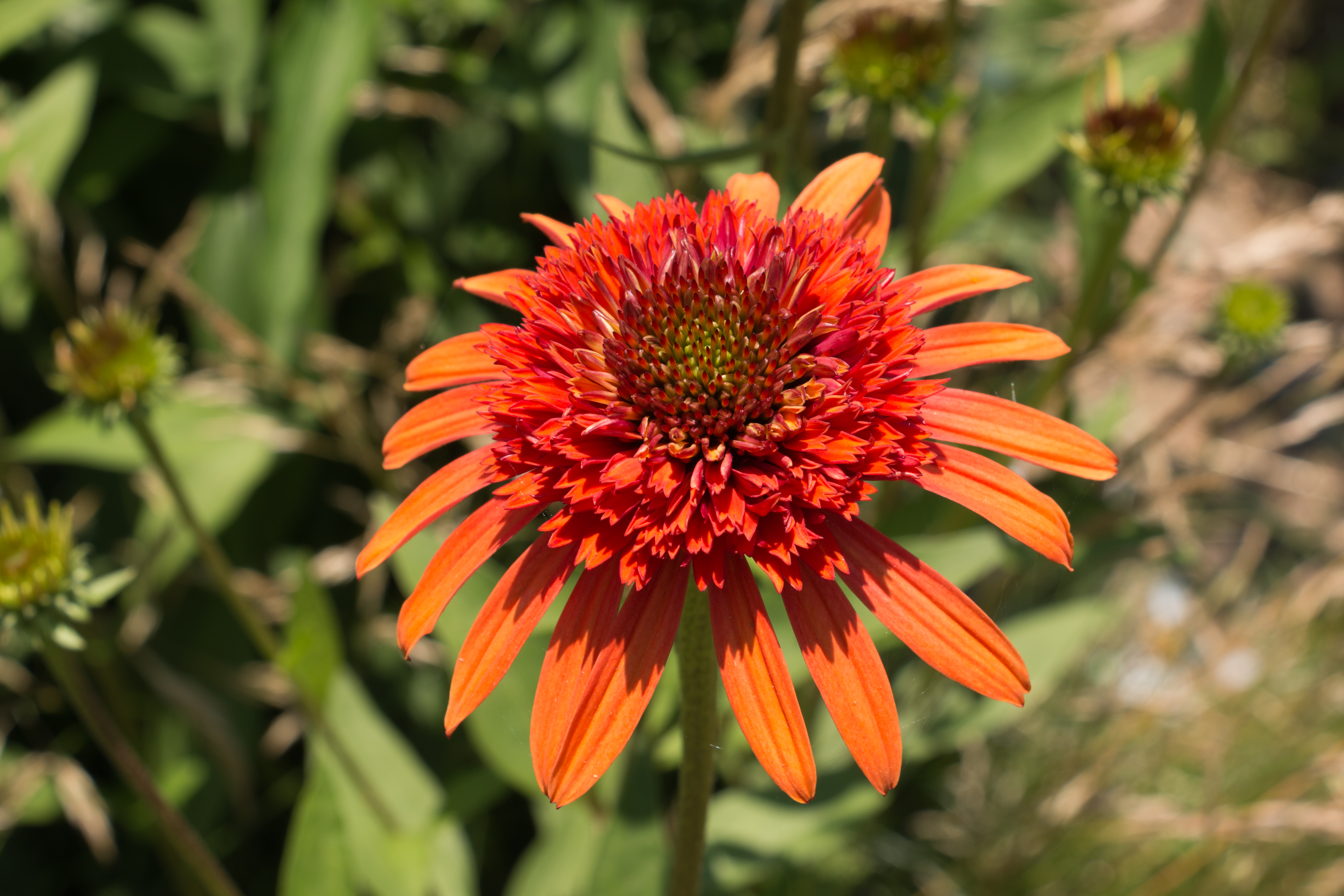
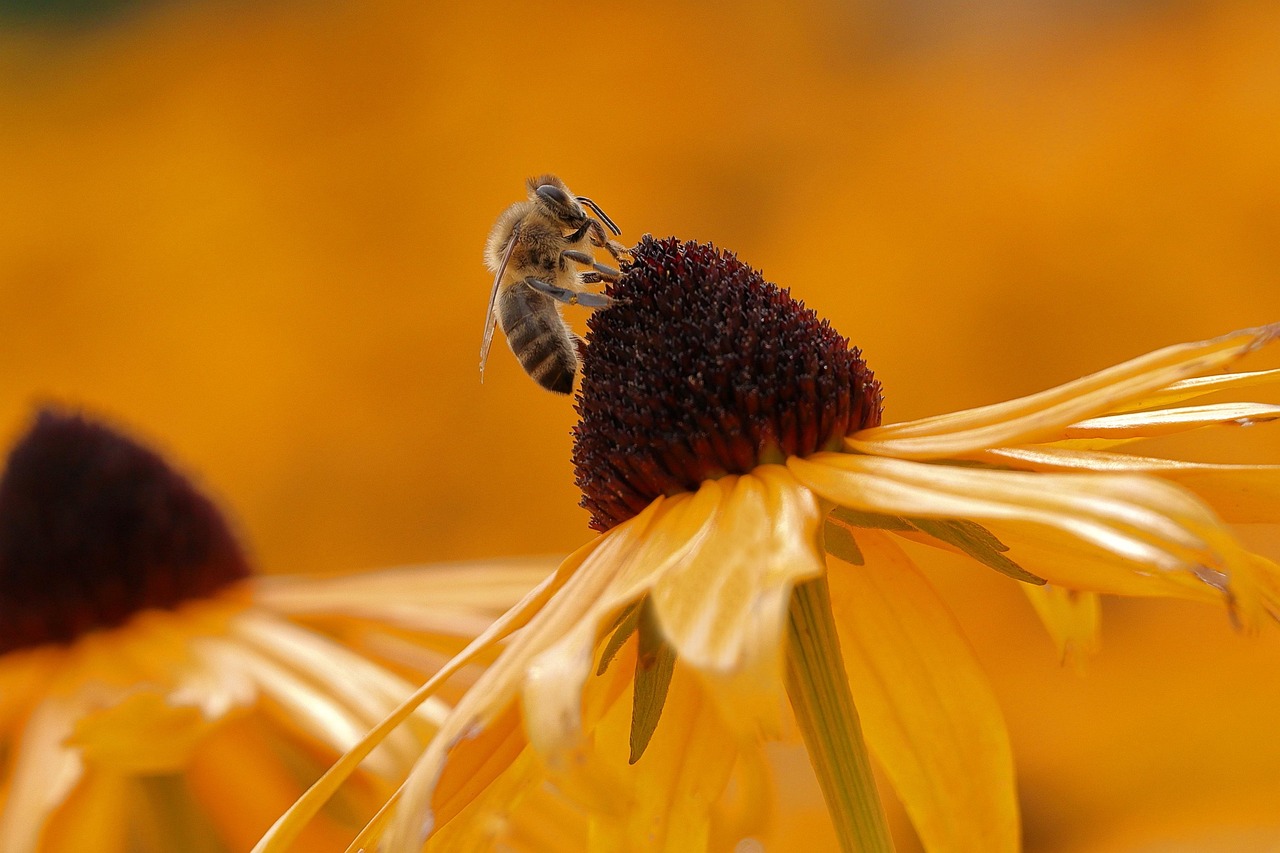
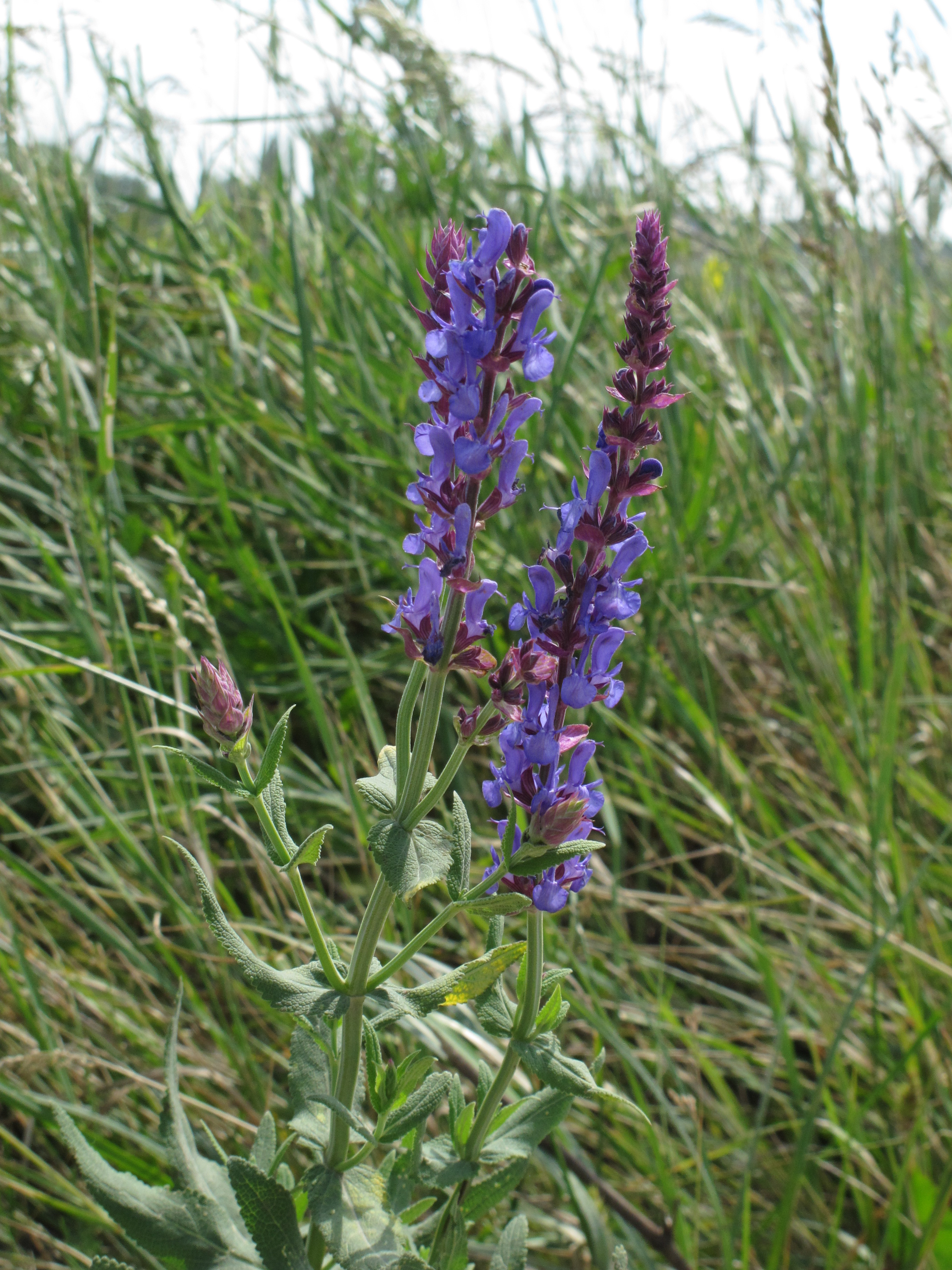
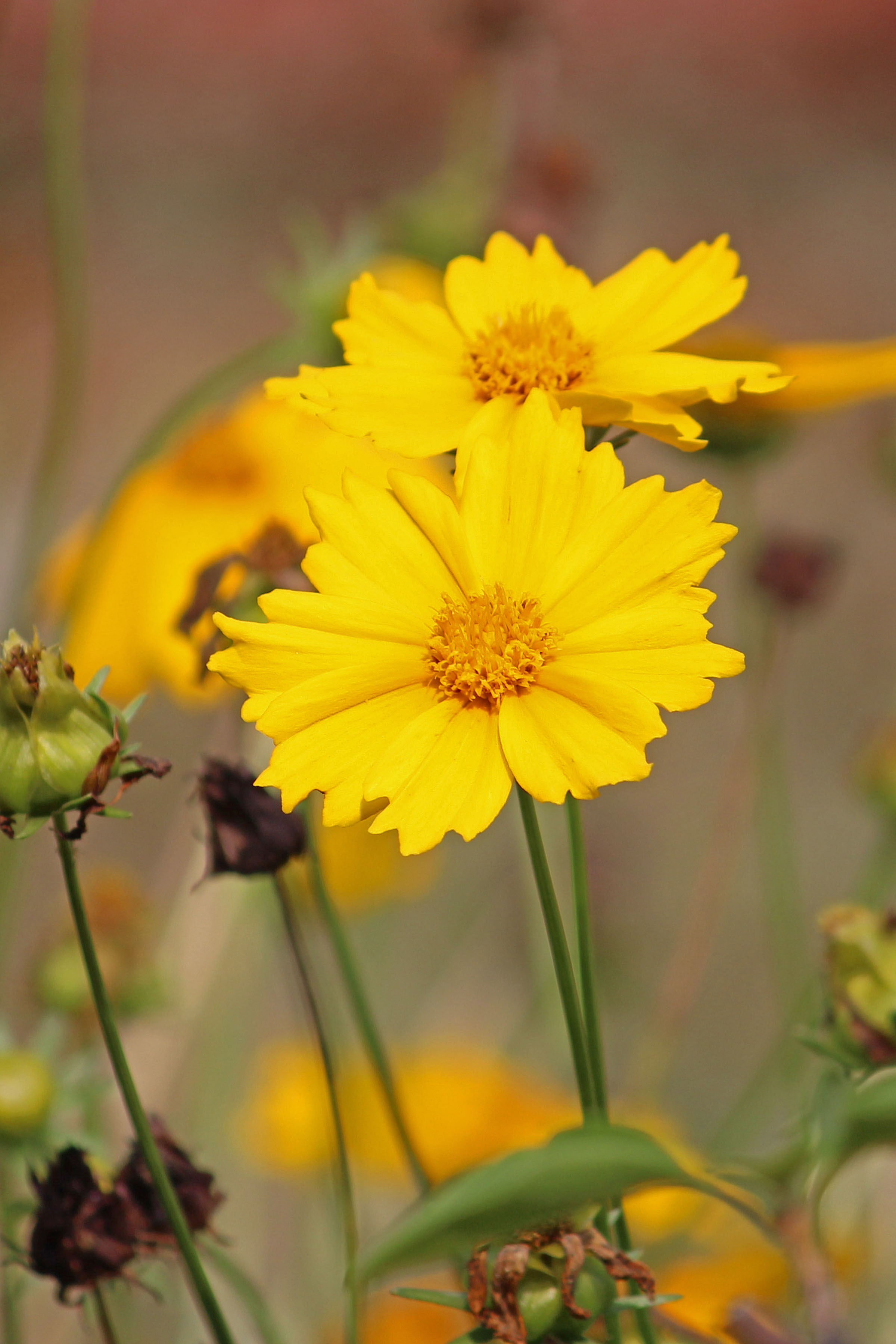
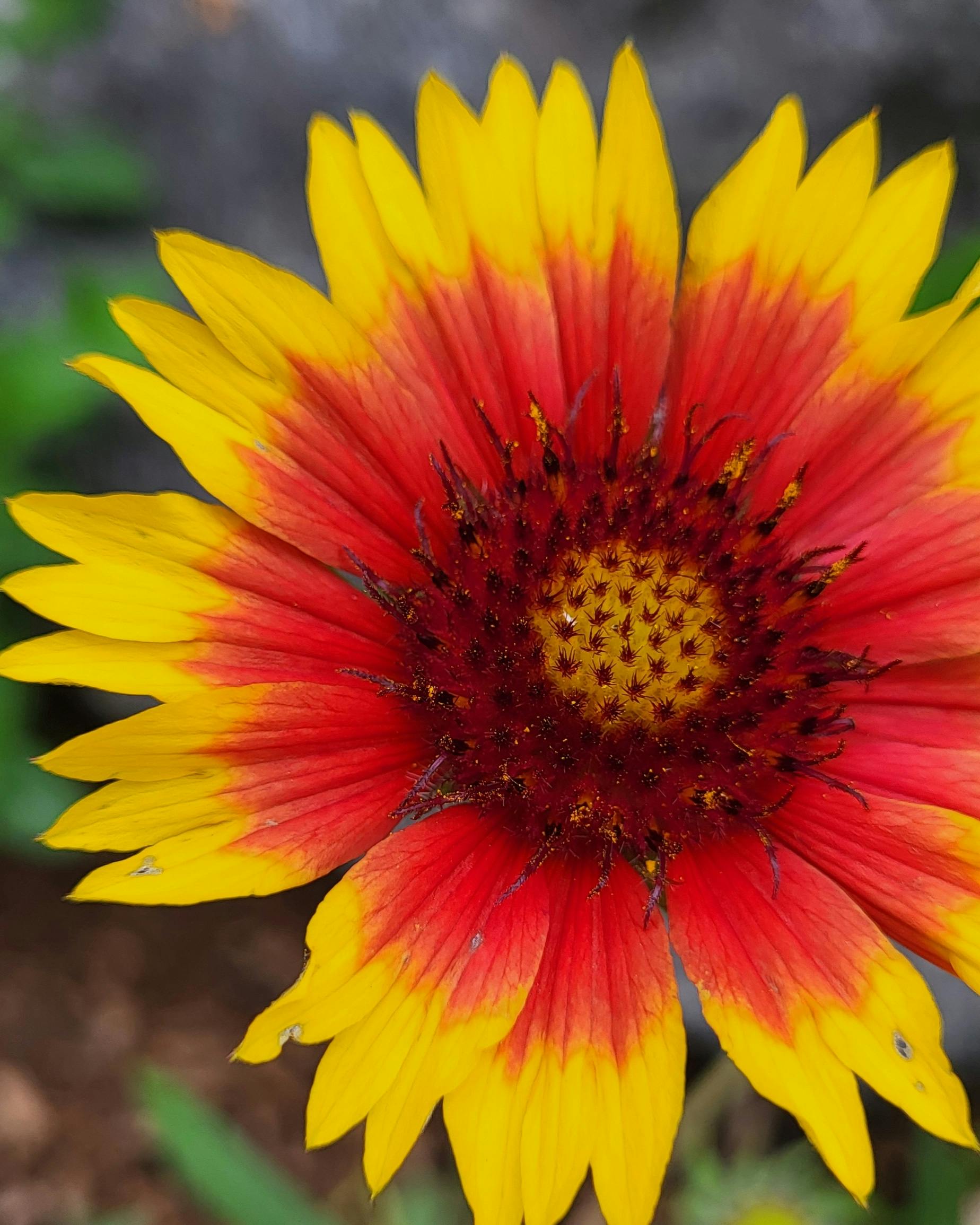
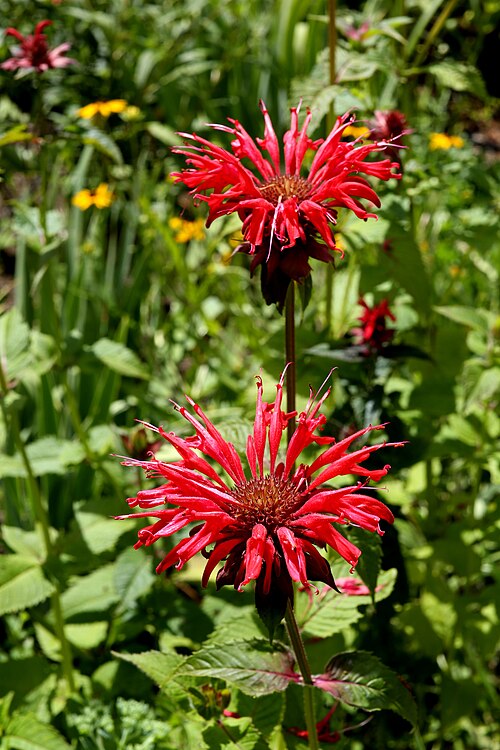
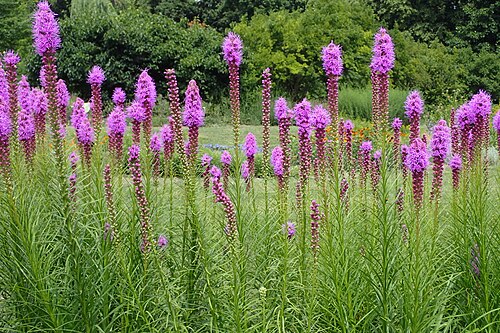
Featured Plants
Frequently Asked Questions
Why are lilies so dangerous for cats?
All parts of true lilies (Lilium and Hemerocallis species) — including pollen, leaves, and even water from the vase — can cause acute kidney failure in cats within 24-72 hours. Even a small nibble can be fatal without immediate veterinary treatment.
Are cat-safe plants also safe for dogs?
Often yes, but not always. Some plants are safe for cats but mildly toxic to dogs, and vice versa. PlantWise lets you filter for both simultaneously to find plants safe for your entire household.
Will cat-safe plants survive if my cat chews on them?
Cat-safe means non-toxic, not indestructible. If your cat is a heavy chewer, consider tougher plants like ornamental grasses or sturdy shrubs that can handle some nibbling without being destroyed.
What about indoor plants that go outside in summer?
PlantWise focuses on outdoor landscaping plants. For houseplants that summer outdoors, the same toxicity rules apply — check each plant individually. Common toxic houseplants include pothos, philodendron, and dieffenbachia.