About This Collection
If you have outdoor cats — or indoor cats with access to a catio or garden — knowing which plants are safe is literally a life-or-death concern. Lilies, one of the most popular garden flowers, can kill a cat from just a small nibble of a leaf or even exposure to pollen. Yet they're sold at every nursery without warning labels.
The most dangerous common garden plants for cats include all true Lilies (Lilium species), Azaleas and Rhododendrons, Oleander, Sago Palm, Tulip bulbs, Autumn Crocus, and Chrysanthemums. Many of these are staples of suburban landscaping, making it critical to know what's in your yard.
The good news: PlantWise maintains a comprehensive cat-safety database cross-referenced with ASPCA toxicity data. Every plant in our system is tagged for cat safety, and you can filter your results to show ONLY non-toxic options — then further narrow by your zone, sun, and style preferences.
Find Cat Safe Plants for My Yard → or browse the interactive directory.
Featured Plants
Frequently Asked Questions
Which common garden plants are most toxic to cats?
The deadliest are true Lilies (any Lilium species — causes kidney failure), Oleander (cardiac arrest), Sago Palm (liver failure), and Autumn Crocus (multi-organ failure). Even small exposures can be fatal.
Are all lilies dangerous for cats?
All true lilies (Lilium and Hemerocallis/daylily species) are extremely toxic to cats. However, 'lily' is used in many plant names that aren't true lilies — Lily of the Valley, Peace Lily, and Canna Lily have different toxicity profiles. When in doubt, avoid anything called 'lily' around cats.
What should I do if my cat eats a toxic plant?
Contact your veterinarian immediately or call the ASPCA Animal Poison Control Center at (888) 426-4435. Time is critical, especially with lily ingestion. Bring a sample of the plant if possible.
Can I have both cats and a beautiful garden?
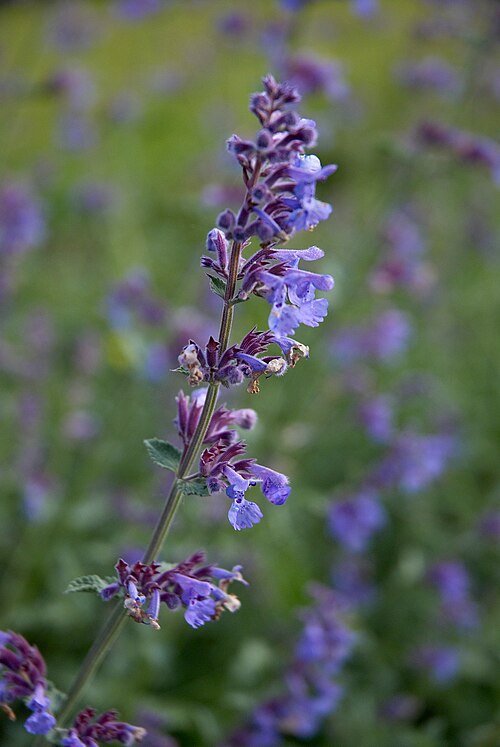
Absolutely. Hundreds of gorgeous plants are cat-safe, including roses, sunflowers, zinnias, snapdragons, catmint, and most ornamental grasses. PlantWise helps you find the perfect combination for your conditions.