About This Collection
Your dog explores your yard with their nose and mouth — sniffing, chewing, and digging through everything they can reach. Many common landscaping plants, including popular choices like azaleas, sago palms, and lily of the valley, are highly toxic to dogs and can cause symptoms ranging from vomiting to organ failure.
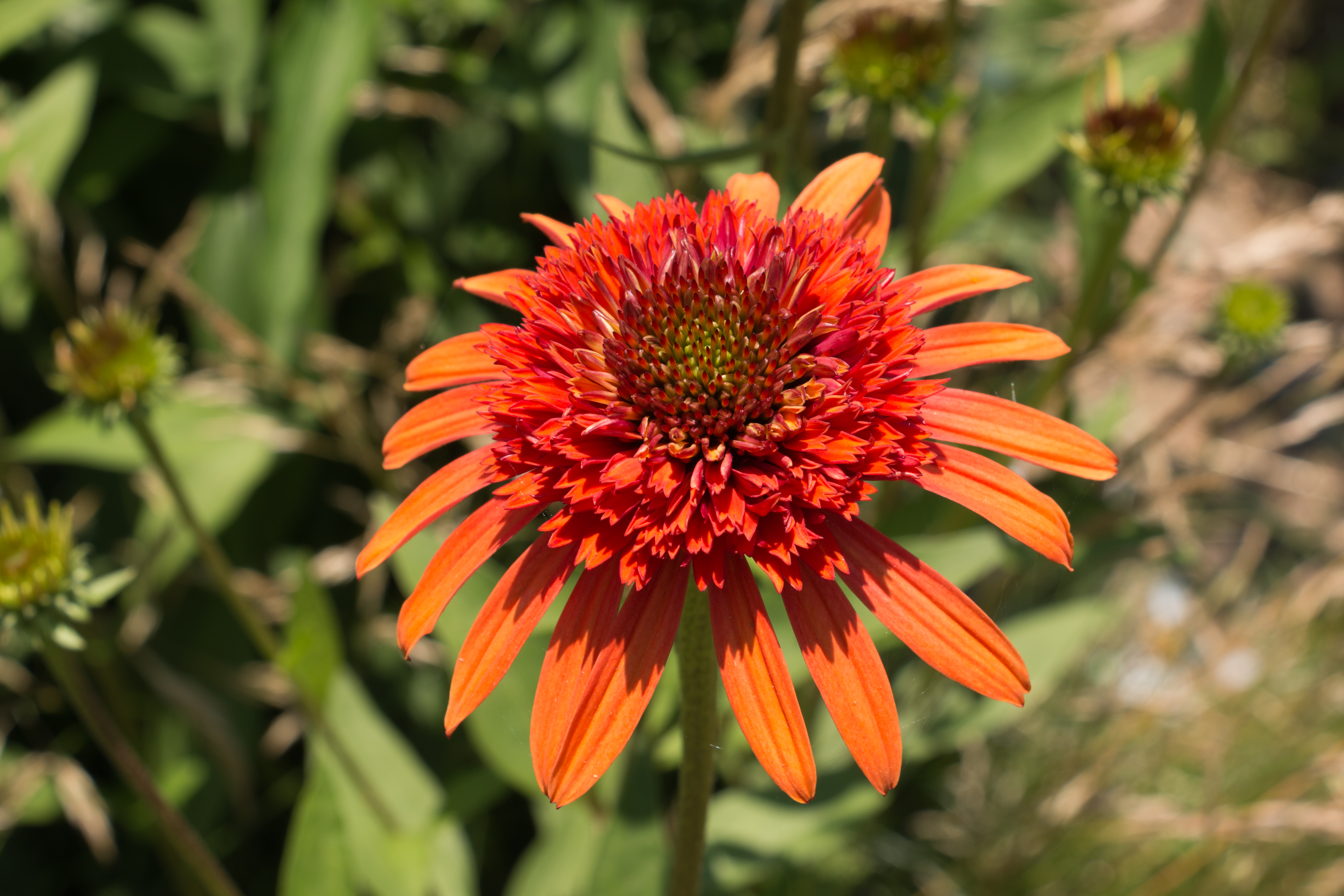
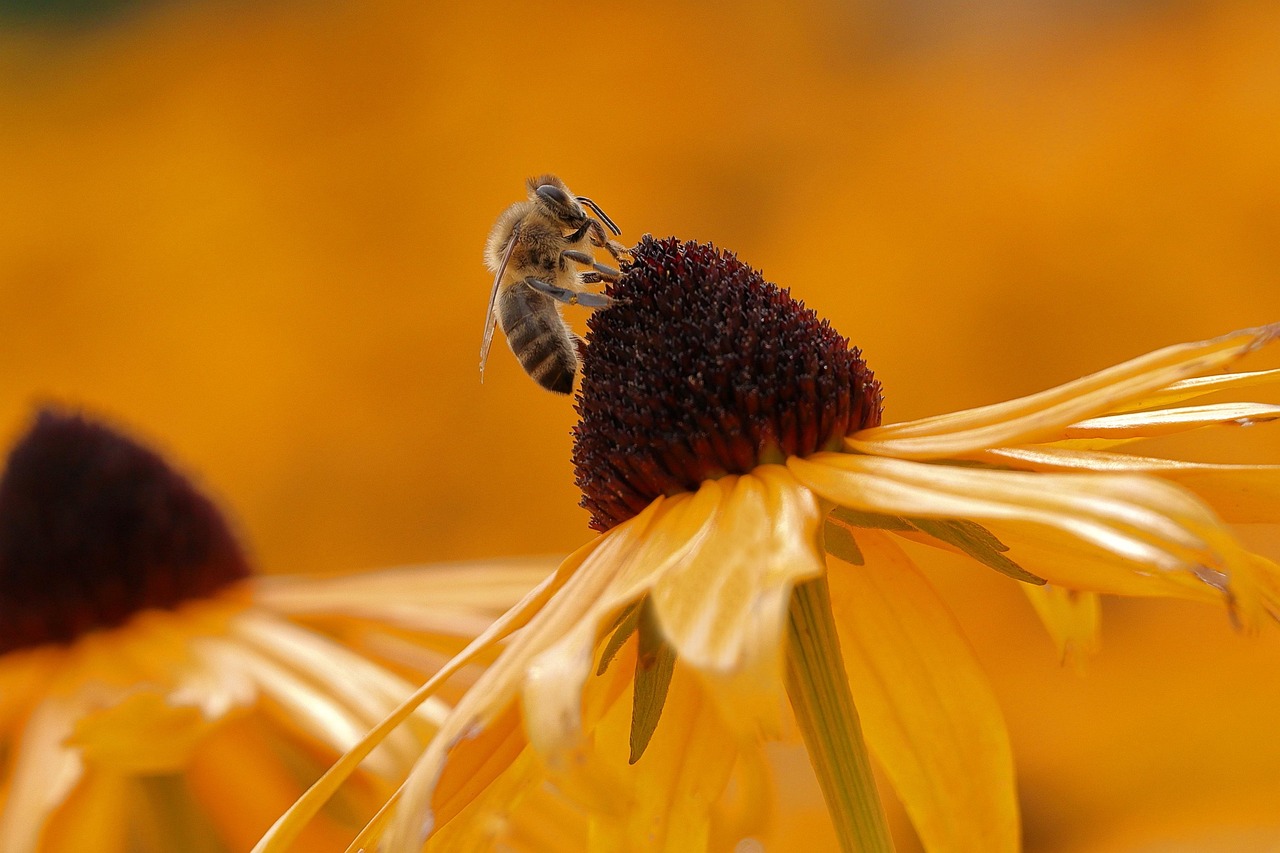
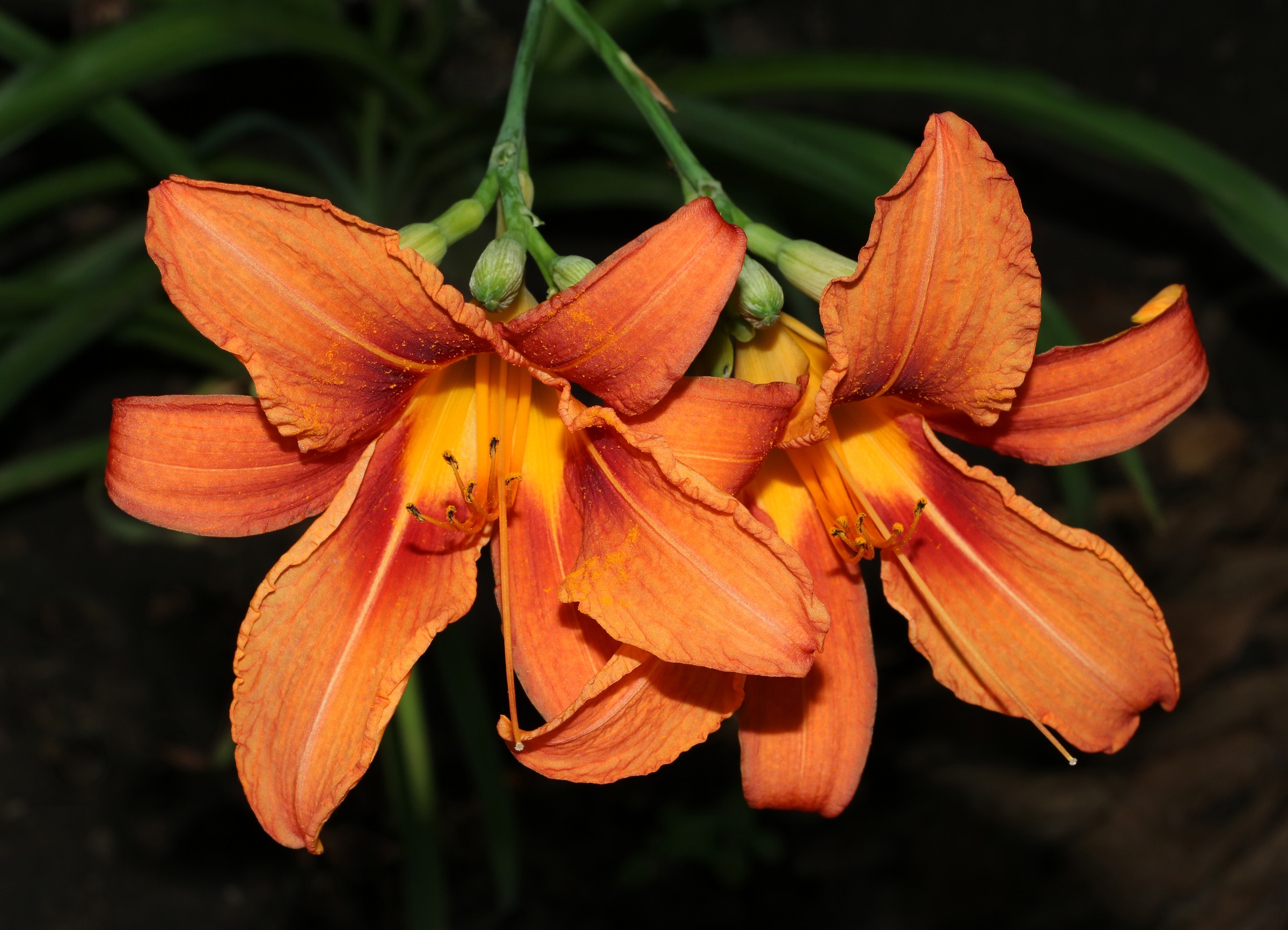
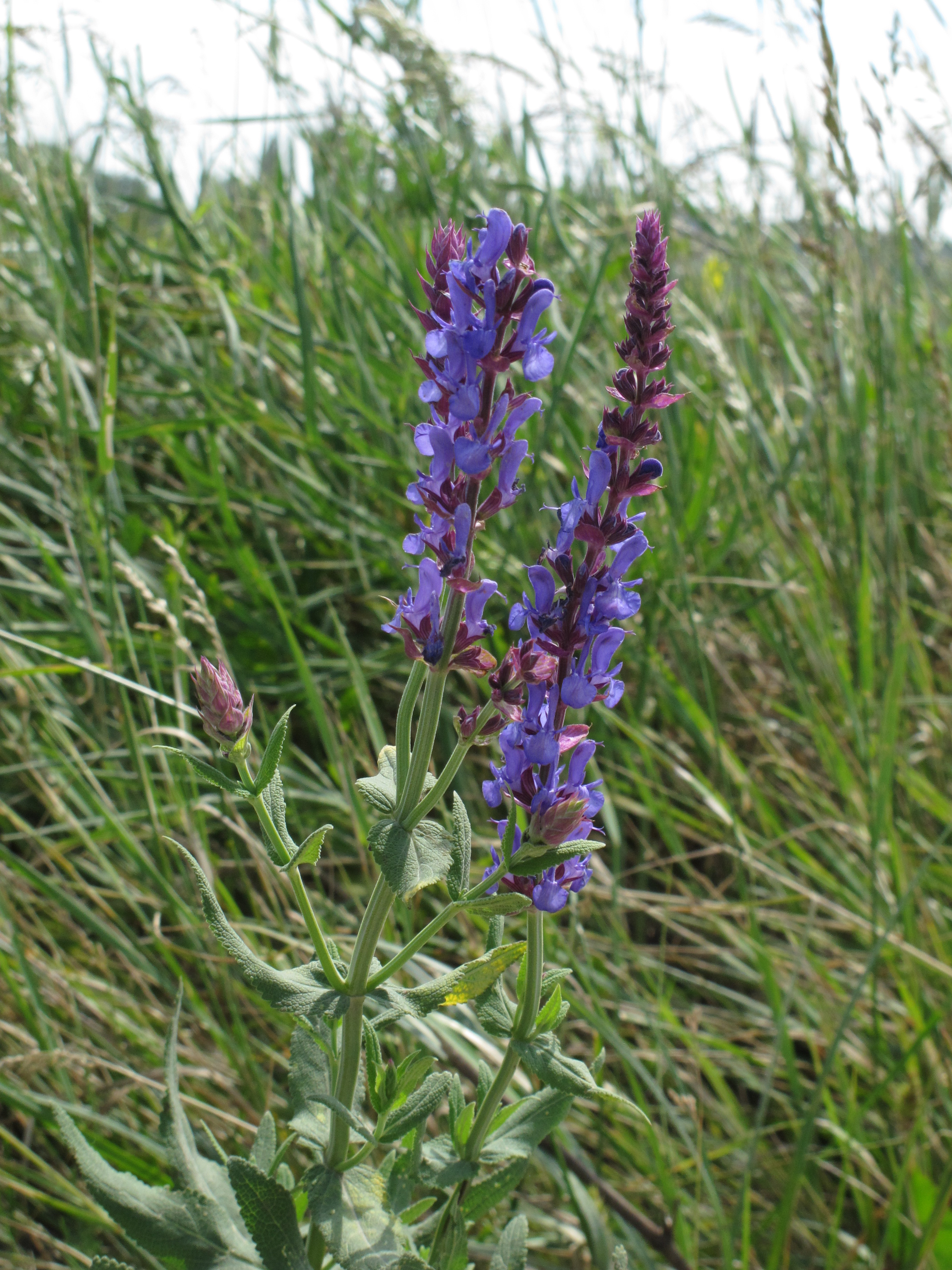
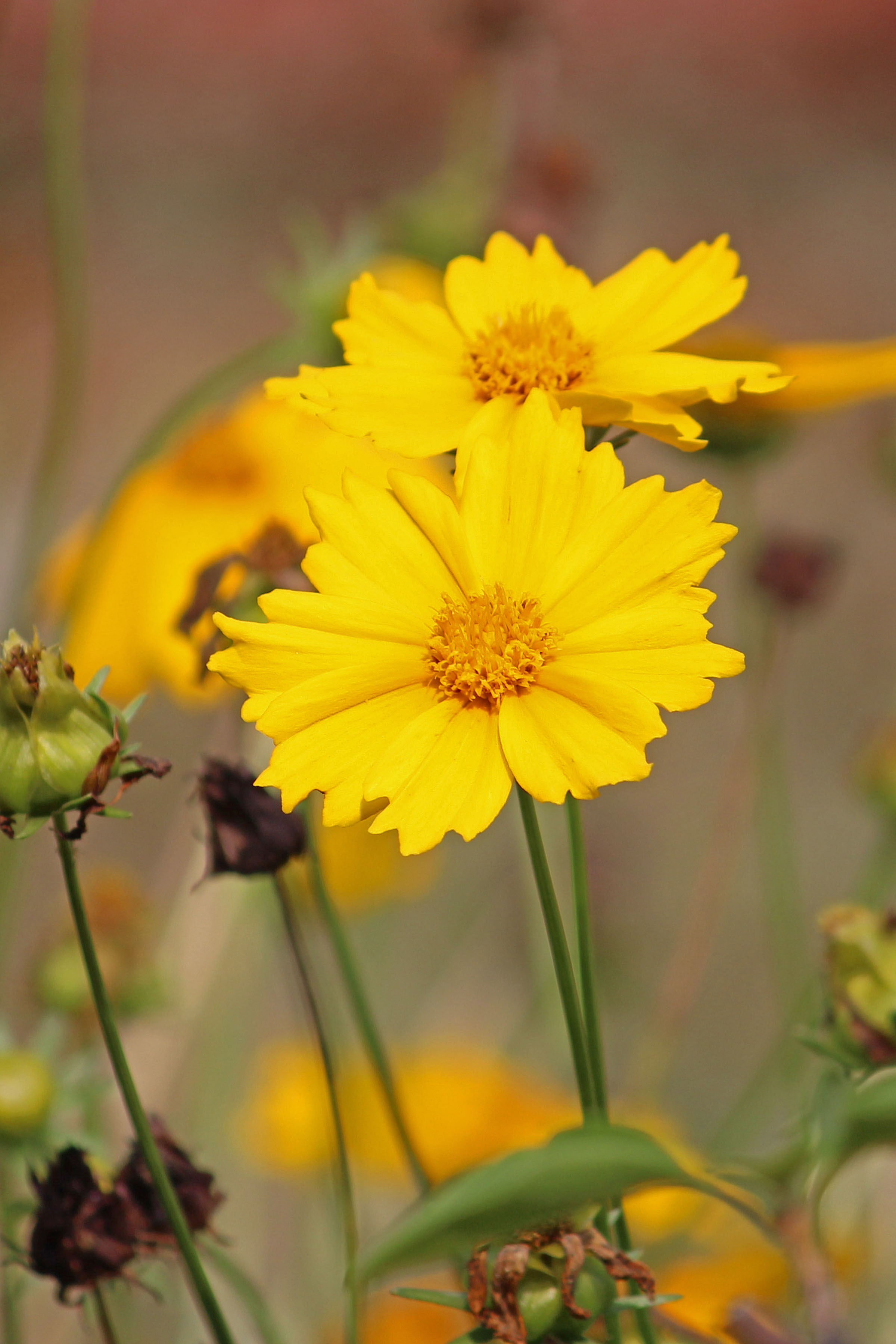
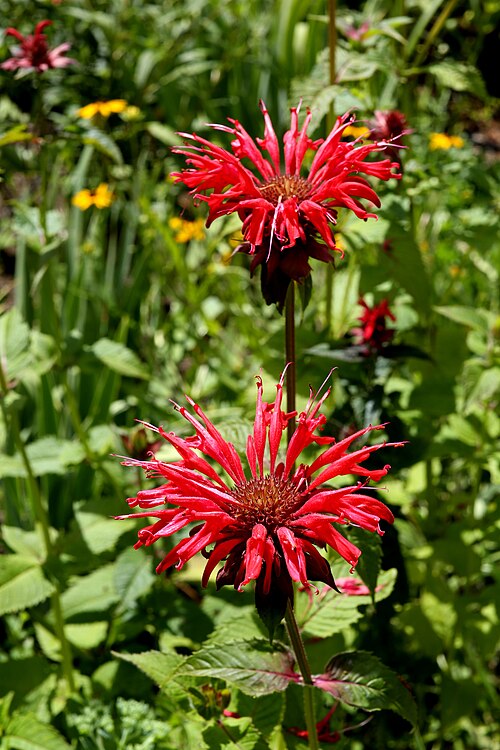
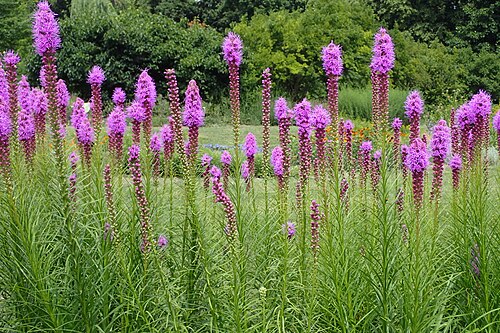
The good news: hundreds of beautiful, vibrant plants are completely non-toxic to dogs. From colorful perennials like coneflowers and daylilies to sturdy shrubs like viburnums and spirea, you can build a stunning landscape that's safe for your four-legged family member.
PlantWise filters our entire database for dog safety, then matches results to your specific USDA zone and sun exposure. The result: a personalized list of plants that are both safe for your pup AND proven to thrive in your exact climate.
Find Dog Safe Plants for My Yard → or browse the interactive directory.
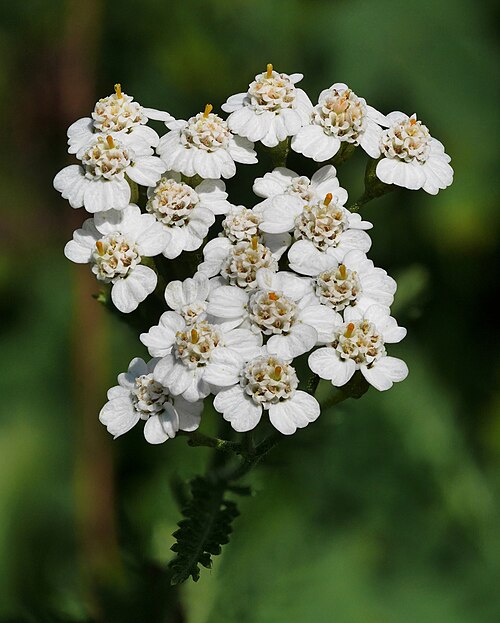
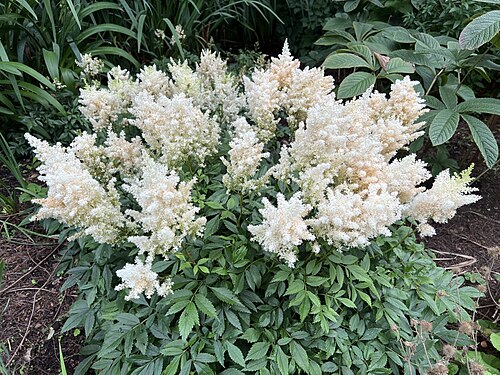
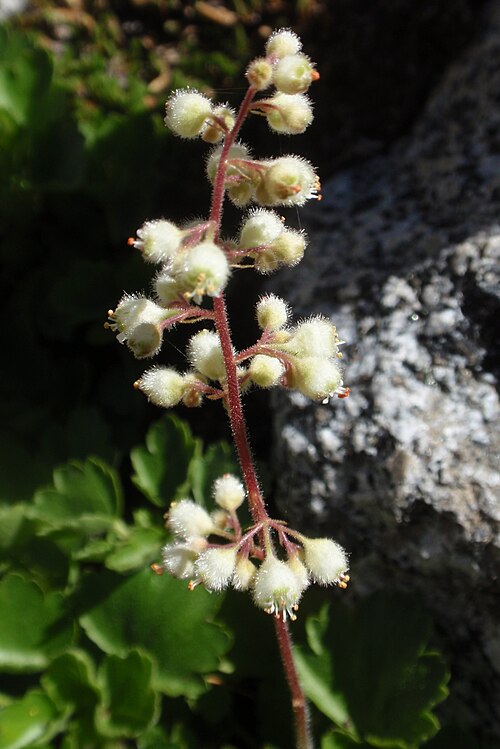
Featured Plants

Frequently Asked Questions
What does 'dog safe' mean for plants?
Dog-safe plants are those not listed as toxic by the ASPCA or other veterinary databases. This means if your dog chews on leaves, stems, or flowers, it should not cause poisoning. However, any plant eaten in large quantities can cause stomach upset.
What are the most dangerous plants for dogs?
The most toxic common landscaping plants for dogs include Sago Palm (liver failure), Oleander (cardiac arrest), Azalea/Rhododendron (vomiting, cardiac issues), Lily of the Valley (heart arrhythmia), and Autumn Crocus (organ failure).
Are deer-resistant plants safe for dogs?
Not always. Many deer-resistant plants deter deer through toxic compounds — the same compounds that can harm dogs. For example, foxglove is deer-resistant but deadly to dogs. Always filter for BOTH traits simultaneously.
My dog eats everything — what plants are indestructible?
For heavy chewers, consider tough ornamental grasses (like Blue Fescue), sturdy shrubs (like Spirea), or plants with thick stems dogs can't easily damage. PlantWise can filter for low-growing, tough varieties.