About This Collection
Dogs explore the world with their mouths — chewing sticks, digging up bulbs, and sampling anything that catches their interest. While most dogs won't systematically eat garden plants, puppies and certain breeds (especially retrievers and terriers) are notorious plant chewers. Knowing which plants in your yard could harm them is essential.
The most dangerous common landscaping plants for dogs include Sago Palm (causes liver failure — even one seed can be fatal), Oleander (cardiac toxin), Azalea/Rhododendron (vomiting, cardiac depression), Lily of the Valley (heart arrhythmia), Yew (sudden cardiac arrest), and Castor Bean (ricin poisoning).
PlantWise tags every plant in our database for dog safety using ASPCA and veterinary toxicity data. Filter for dog-safe plants, then match to your zone and conditions — you'll get a personalized list of beautiful plants that won't endanger your best friend.
Find Dog Safe Plants for My Yard → or browse the interactive directory.
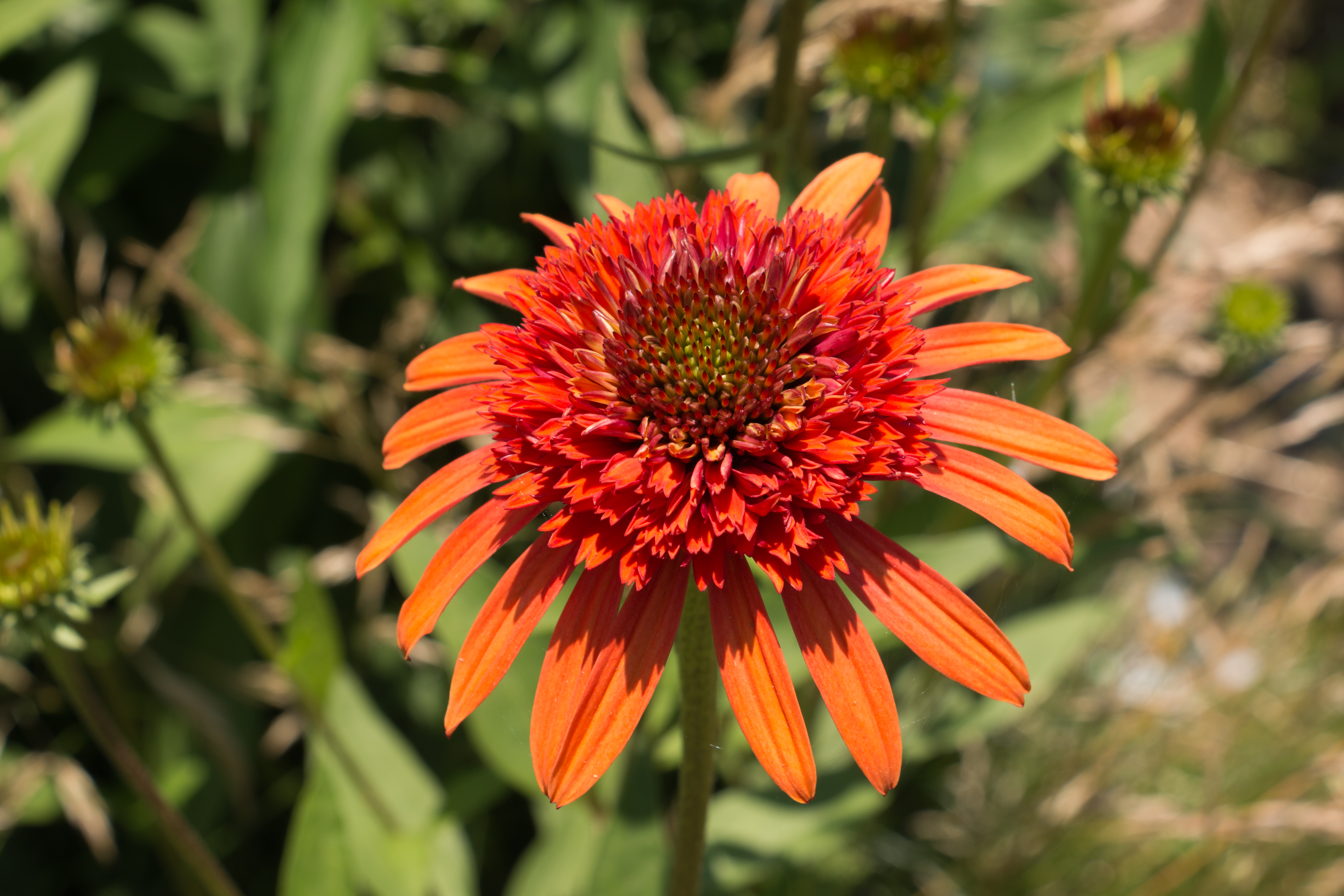
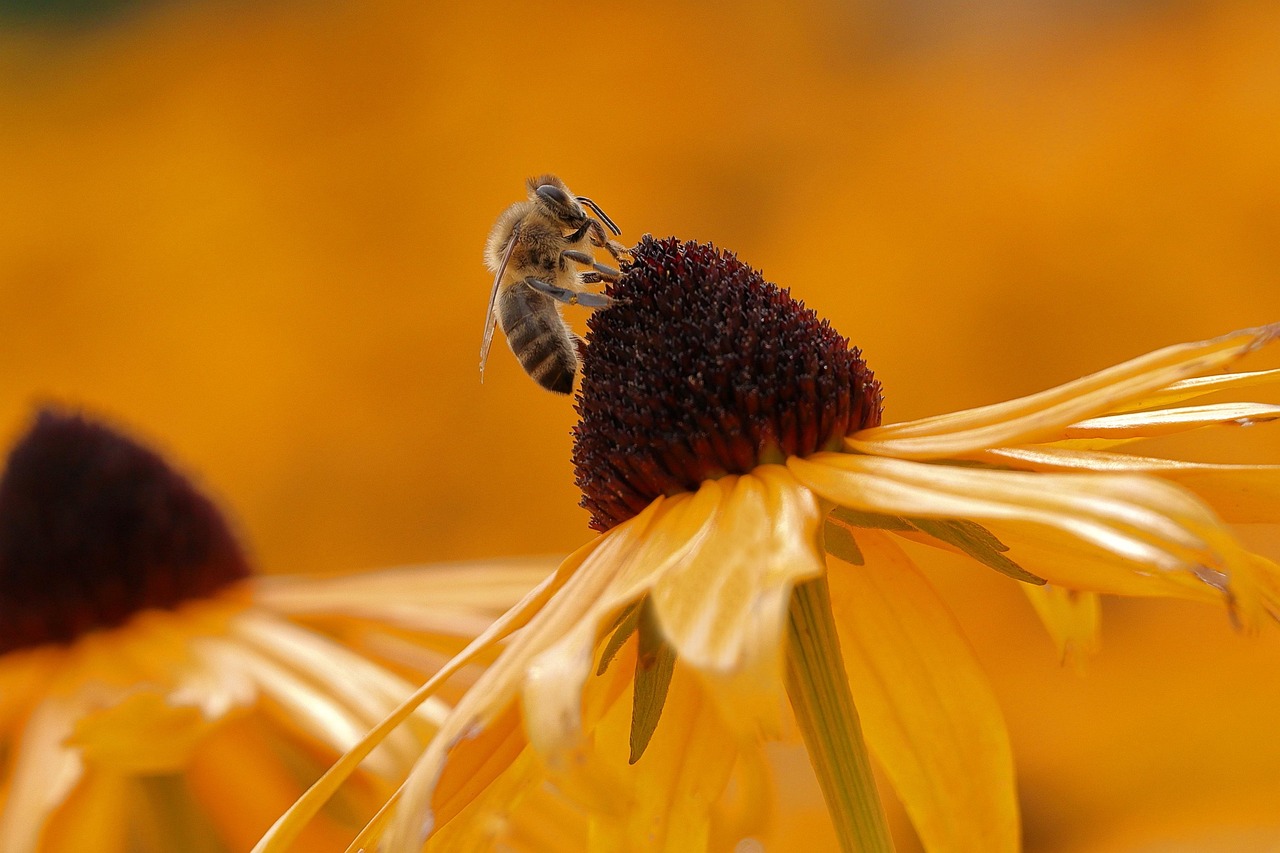
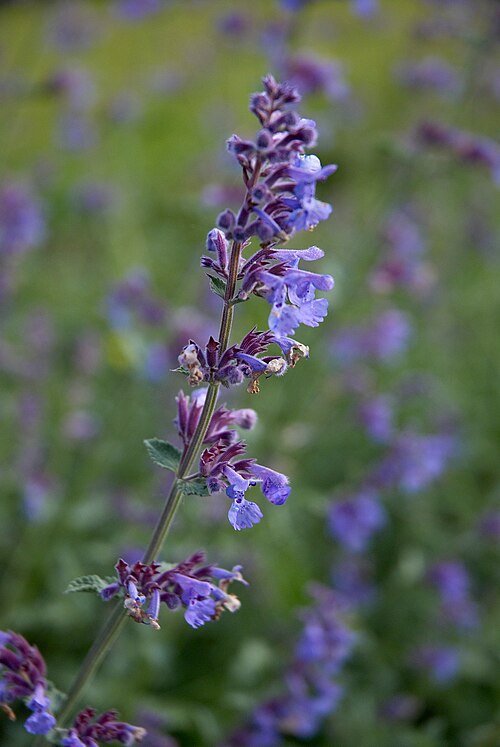
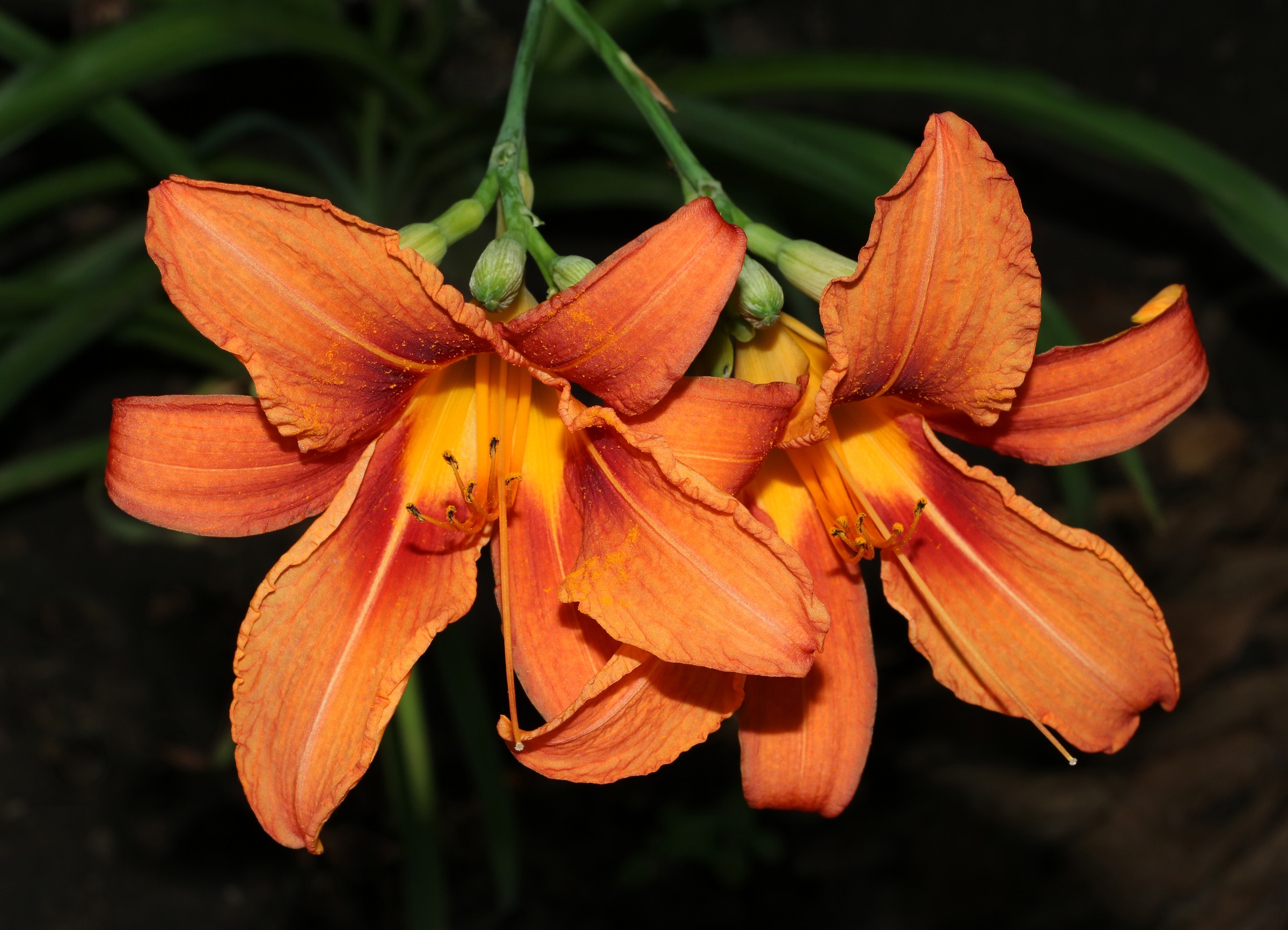
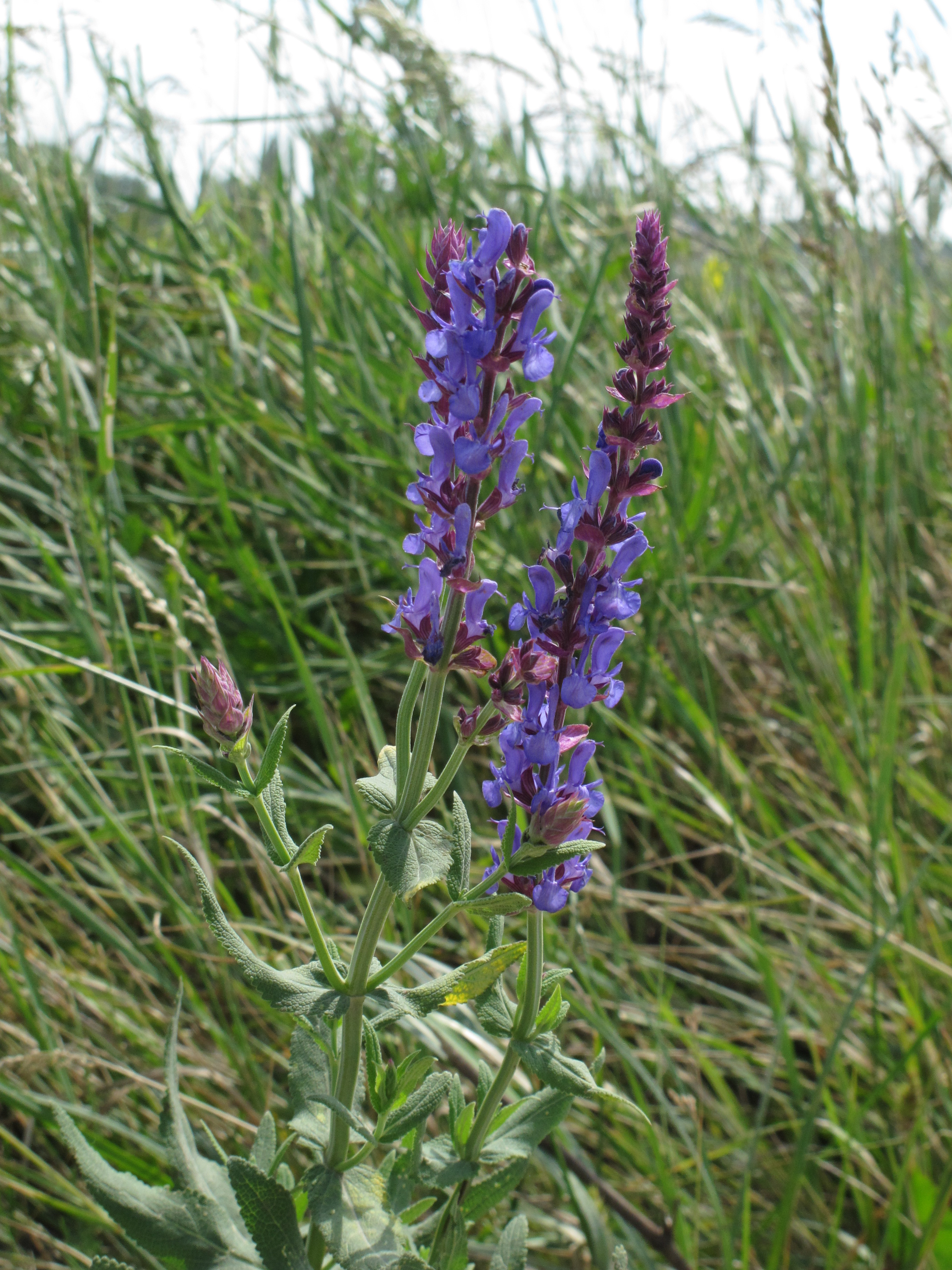
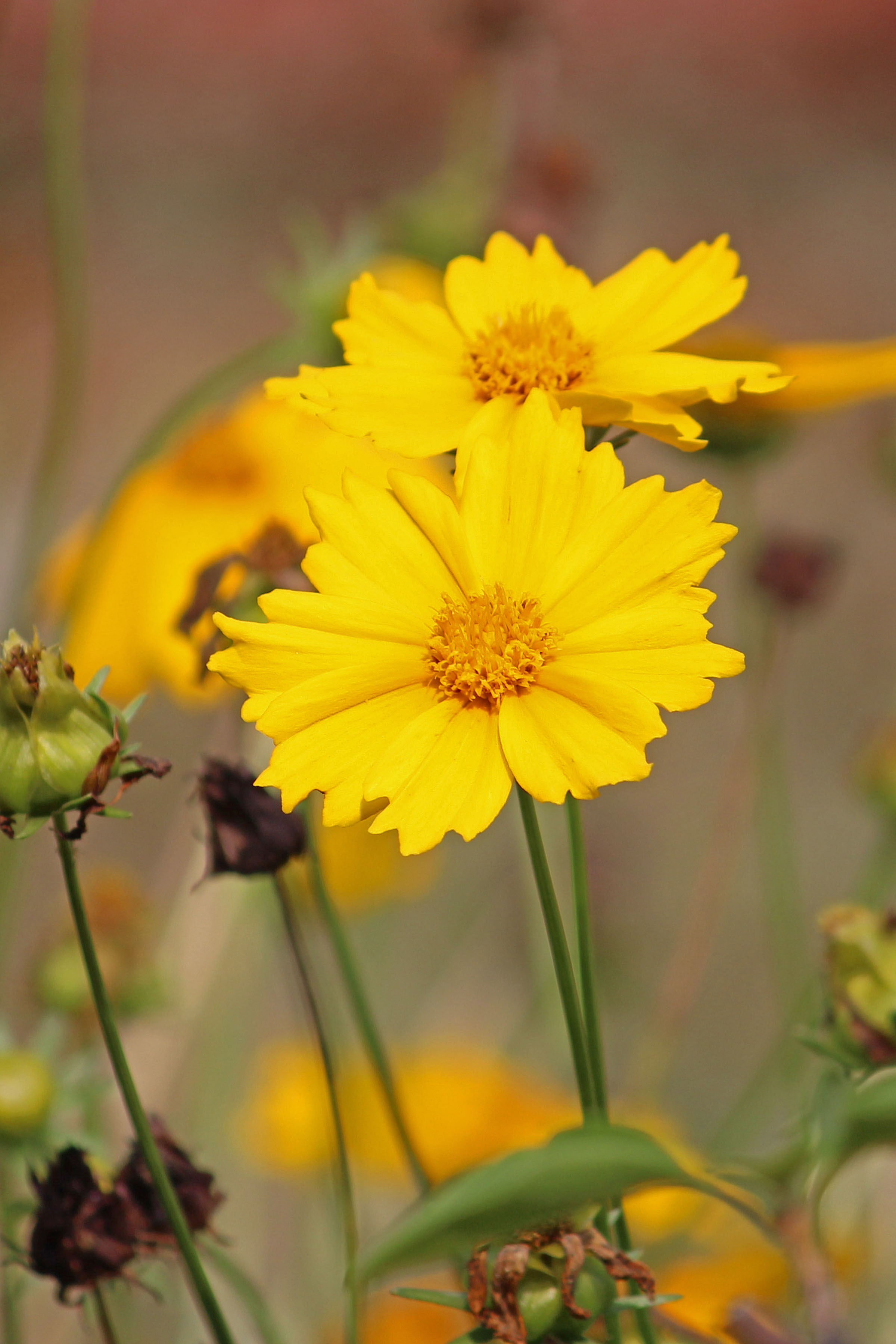
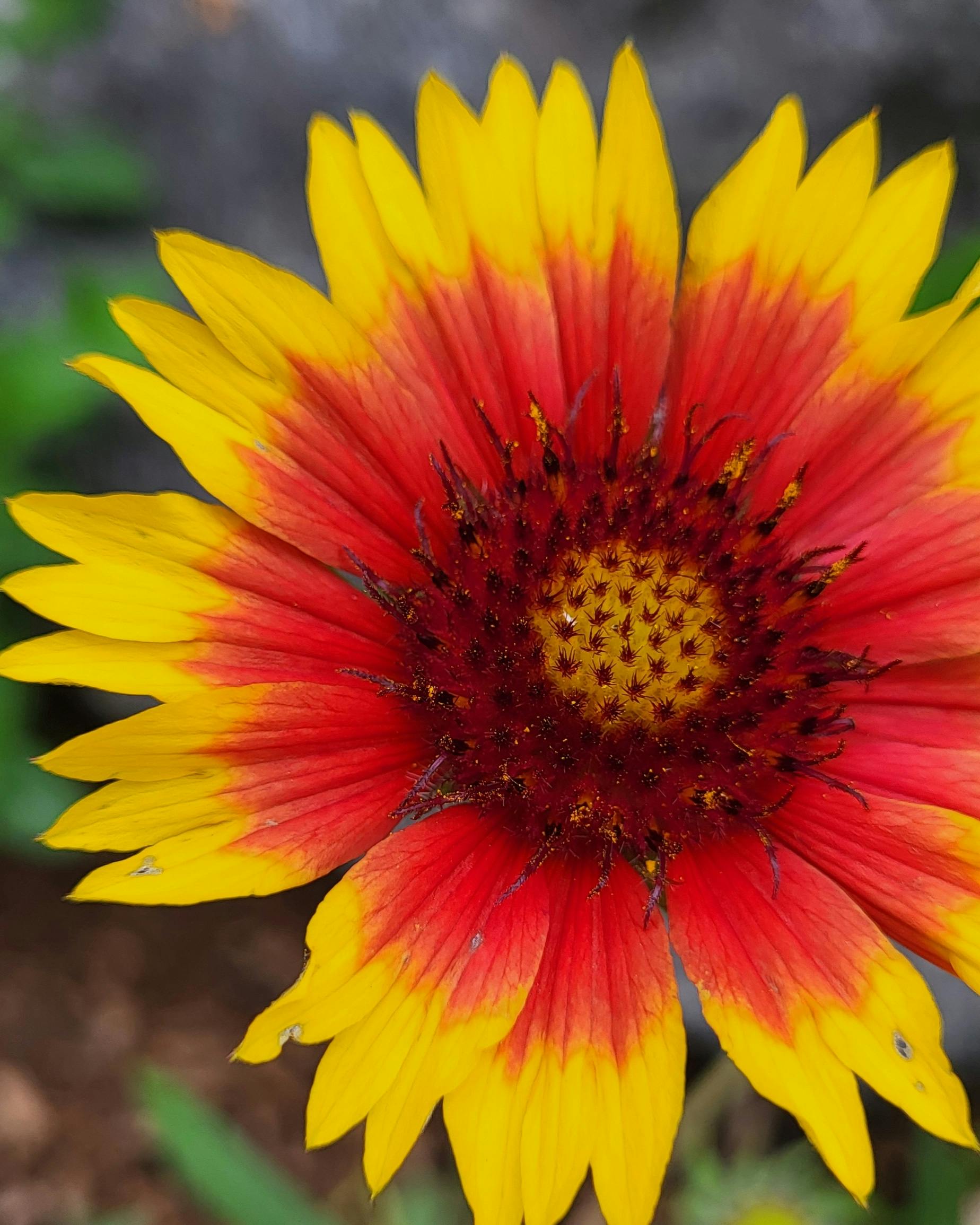
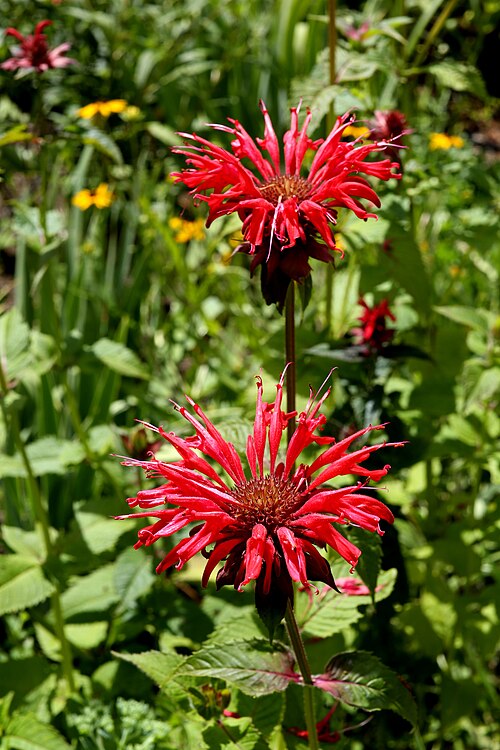
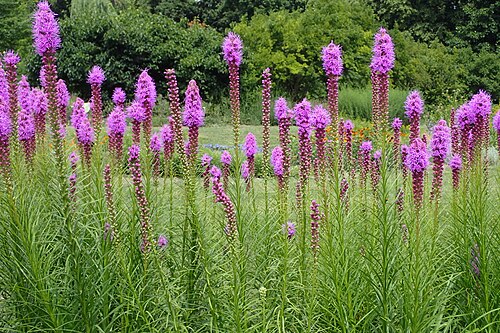
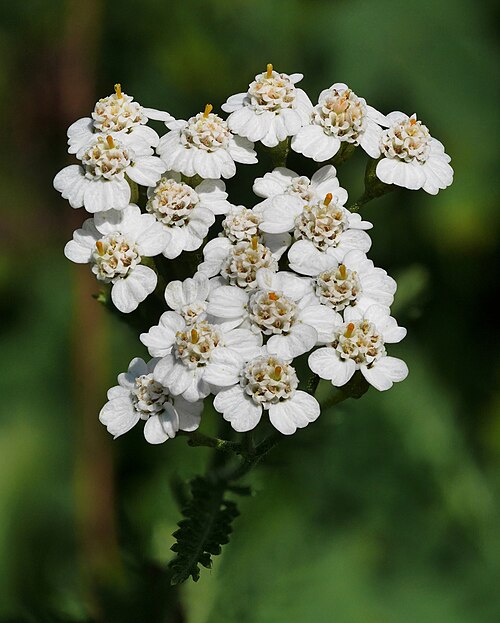
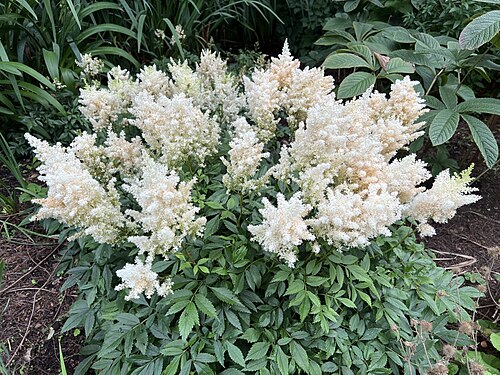
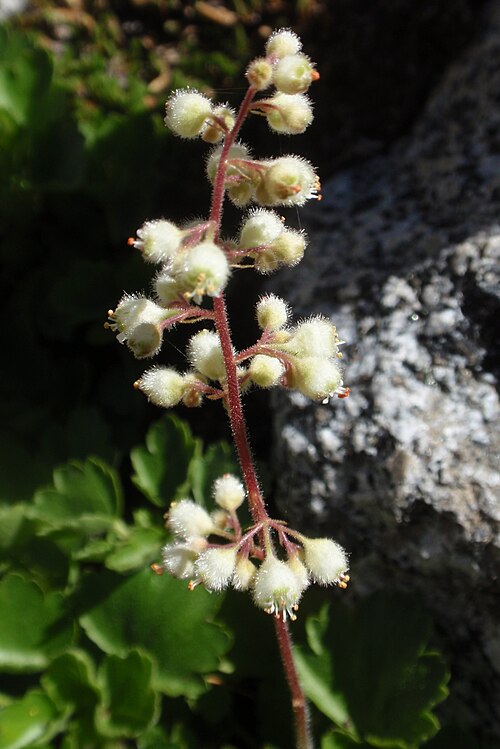
Featured Plants
Frequently Asked Questions
Which landscaping plants are most dangerous for dogs?
The deadliest common landscaping plants for dogs are Sago Palm (liver failure from even one seed), Oleander (cardiac arrest), Yew (sudden death), Castor Bean (ricin), and Autumn Crocus (multi-organ failure). Remove these immediately if you have dogs.
My dog ate a plant — what should I do?
Identify the plant if possible, then call your vet or the ASPCA Animal Poison Control Center at (888) 426-4435 immediately. Don't induce vomiting unless specifically instructed to by a professional.
Are mulch and soil additives safe for dogs?
Cocoa mulch is toxic to dogs (contains theobromine, like chocolate). Use cedar, pine, or hardwood mulch instead. Most commercial fertilizers are mildly toxic — keep dogs off treated areas until watered in and dry.
Can I use dog-safe plants for a dog run border?
Yes! Tough, dog-safe options for borders include ornamental grasses (withstand trampling), spirea shrubs (non-toxic, dense), and groundcovers like creeping thyme (safe, durable, and fragrant).