About This Collection
Zone 5 gardeners face a double challenge: plants must survive winters that plunge to -20°F AND withstand hungry deer that browse heavily when snow covers their natural food sources. The good news is that many of the toughest cold-hardy plants are also naturally deer-resistant.
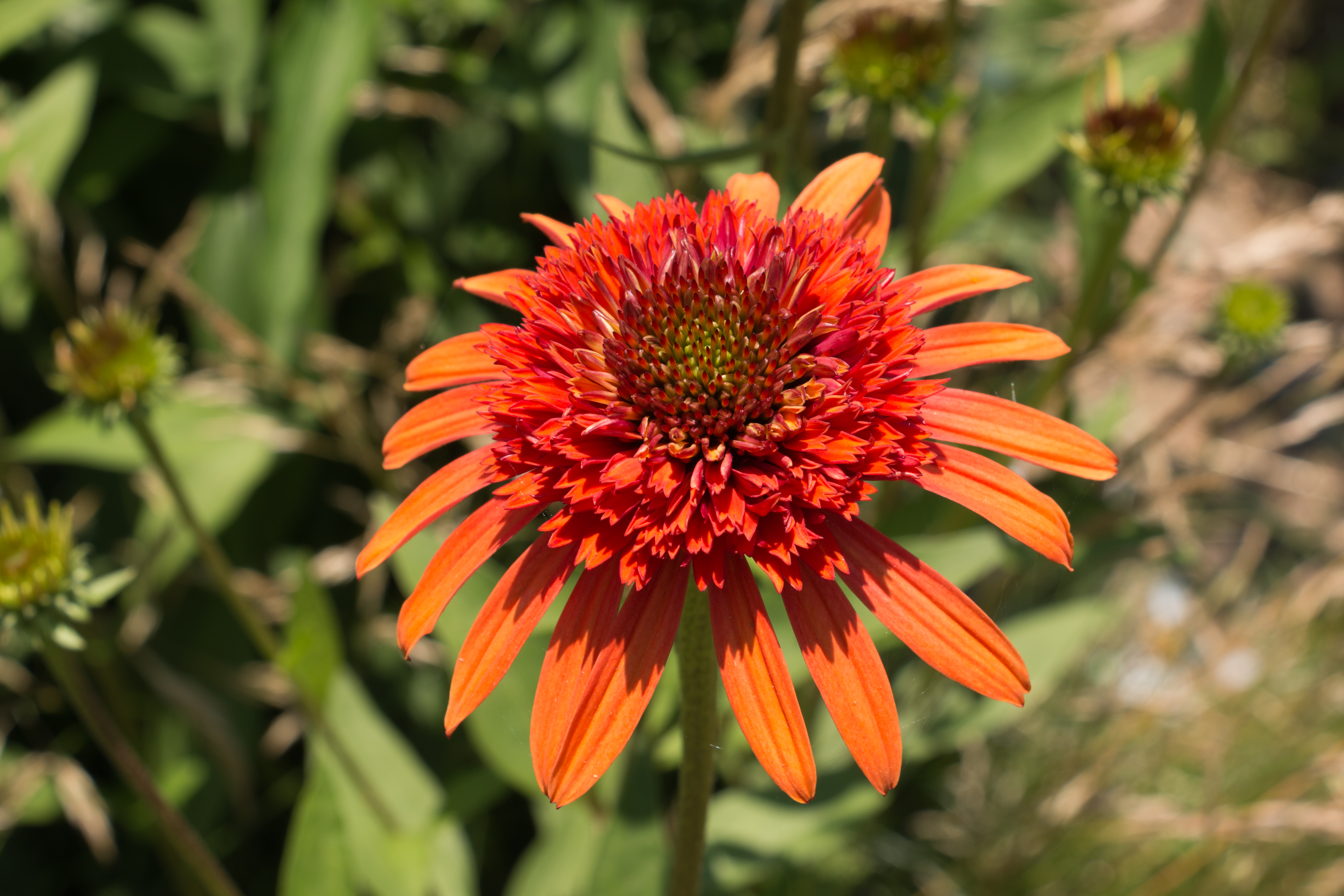
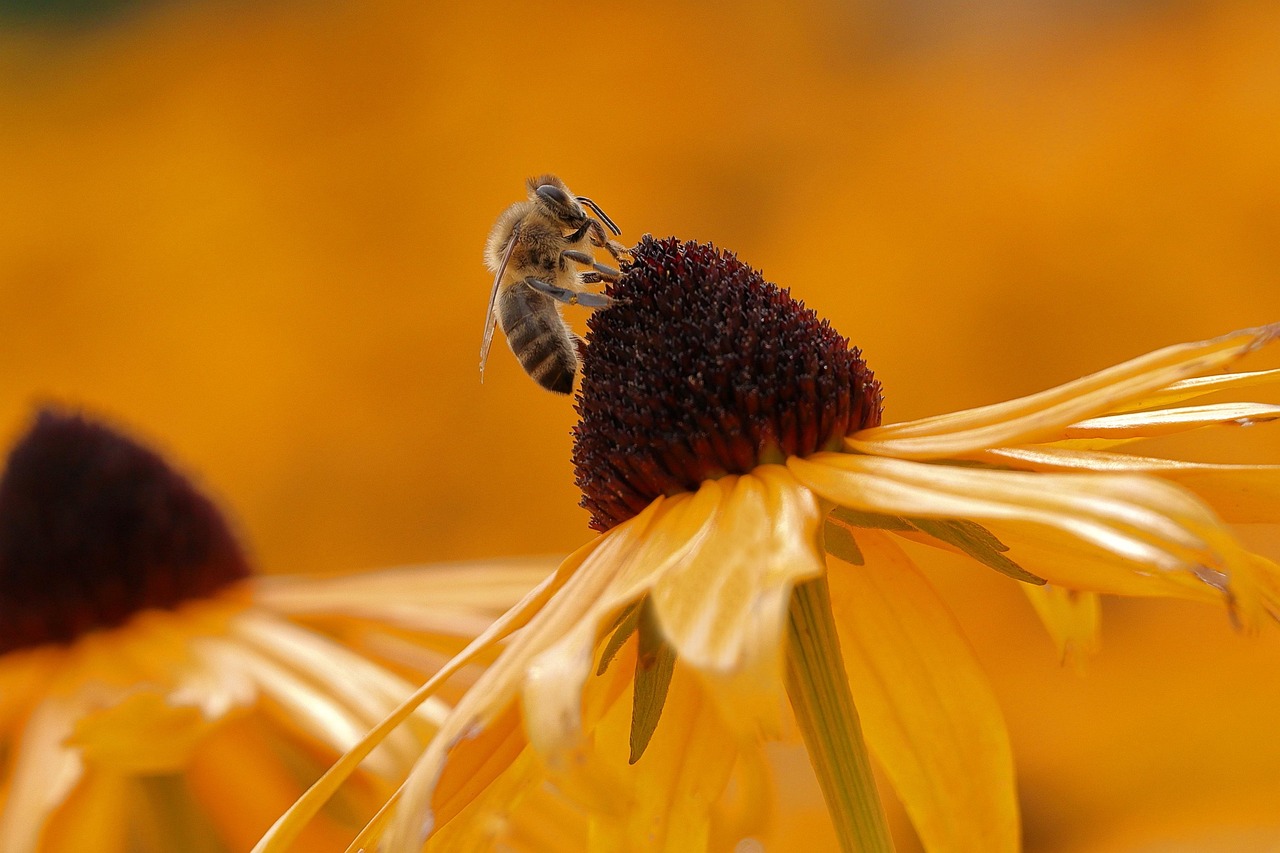
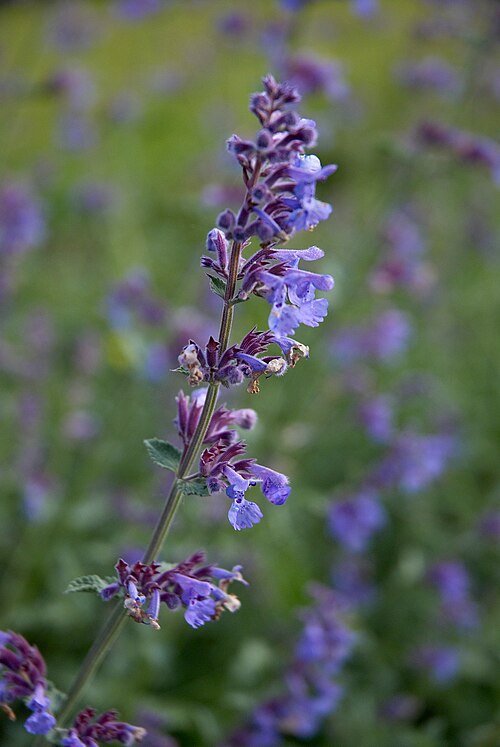
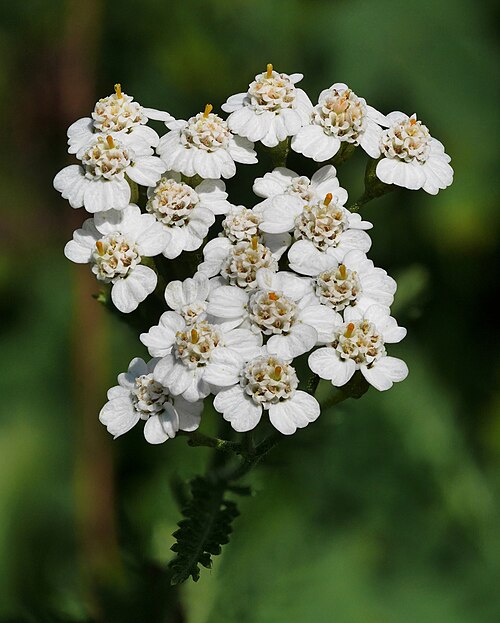
Deer-resistant plants in Zone 5 tend to share traits that deter browsing: aromatic foliage (lavender, catmint, Russian sage), fuzzy textures (lamb's ear, yarrow), or bitter compounds (coneflower, black-eyed Susan). These same traits often correlate with drought tolerance and general toughness — ideal for cold-climate gardens.
PlantWise filters simultaneously for Zone 5 cold hardiness and deer resistance, giving you plants proven to survive your winters and your local deer population. Every recommendation includes bloom time, sun requirements, and mature size.
Find Deer-Resistant Zone 5 Plants → or browse the interactive directory.
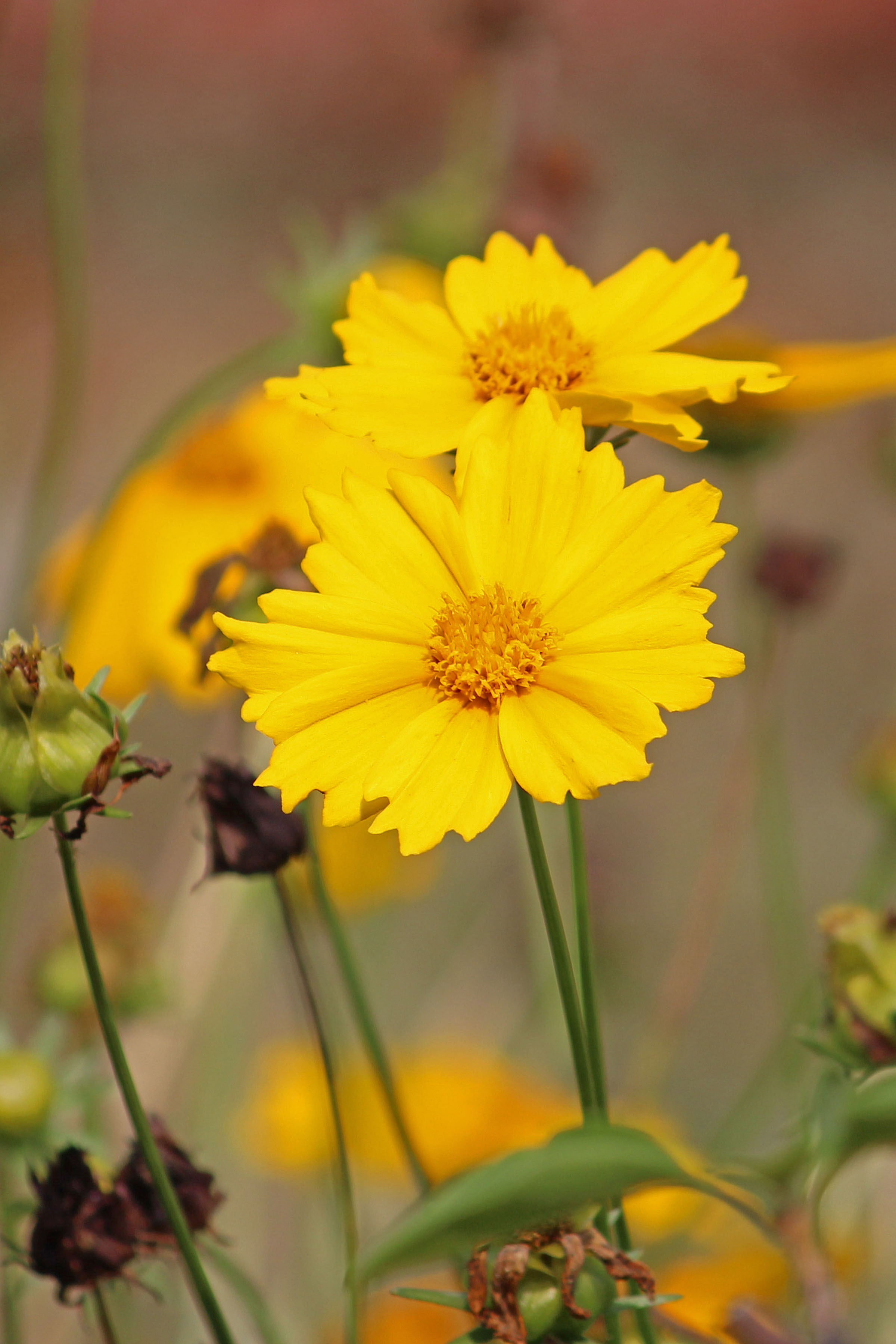
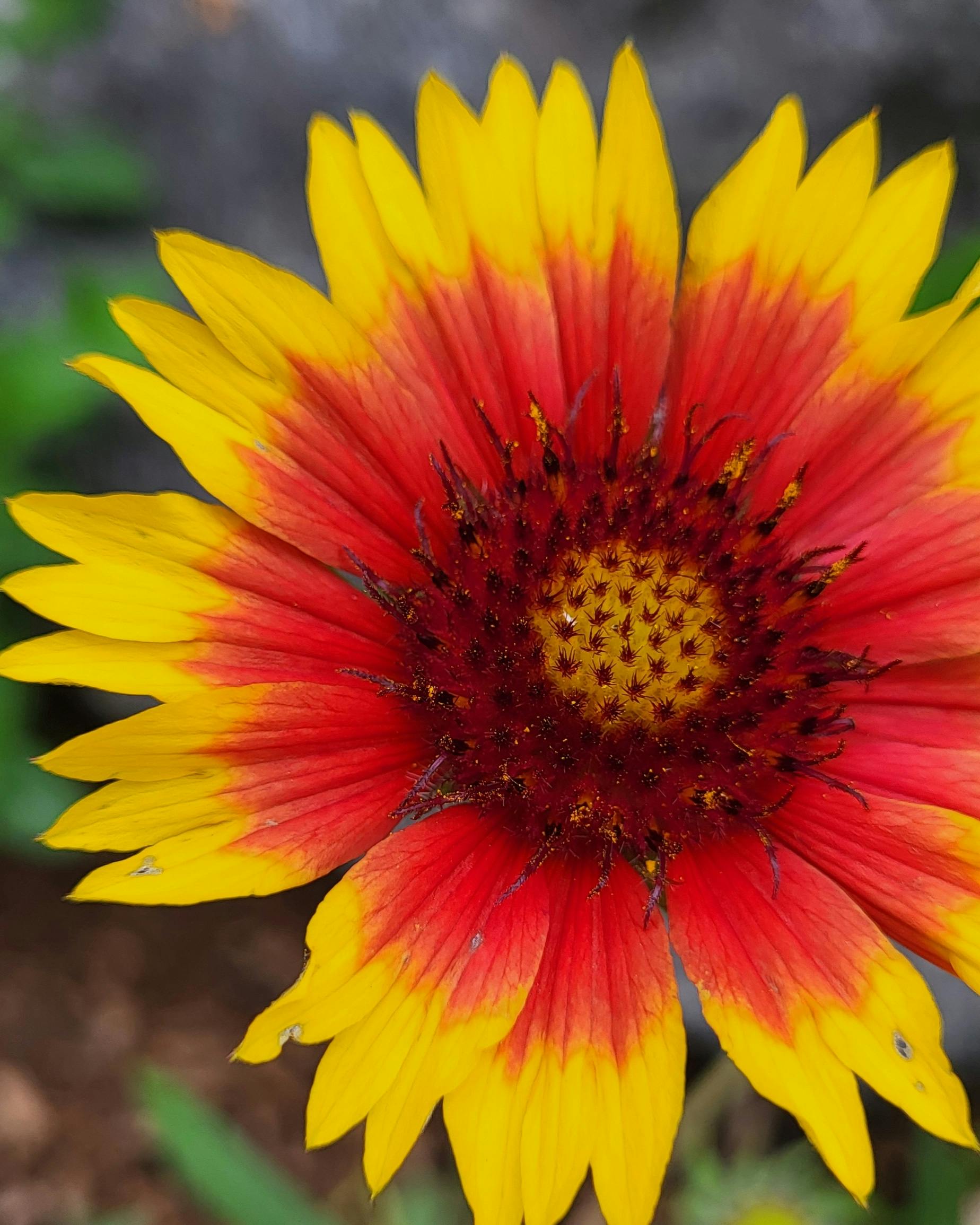
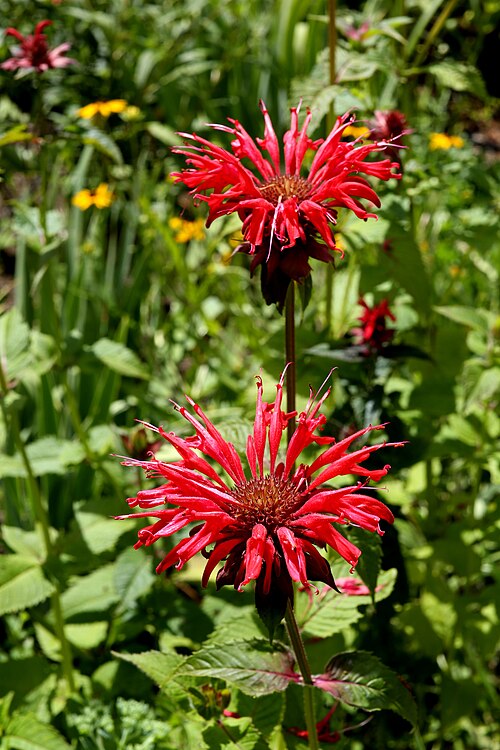
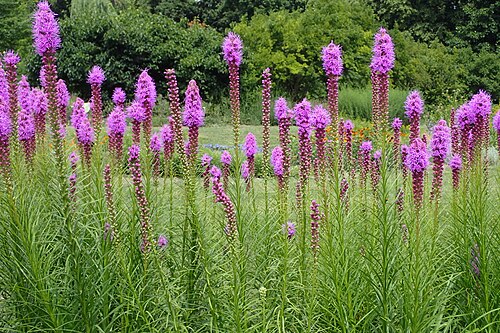
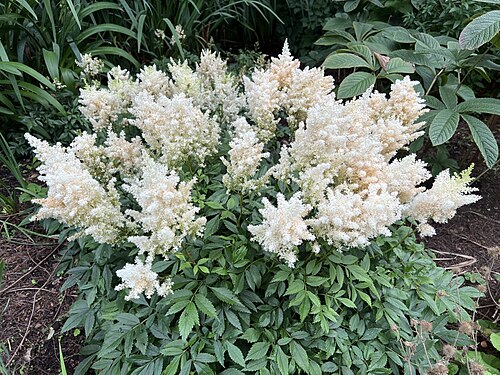
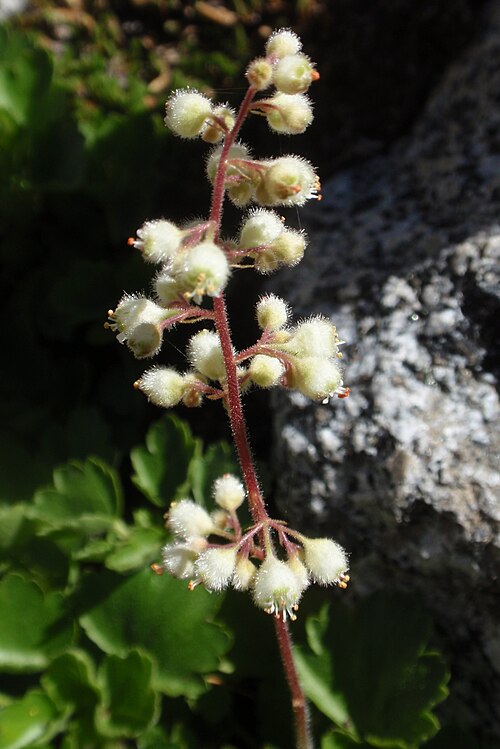
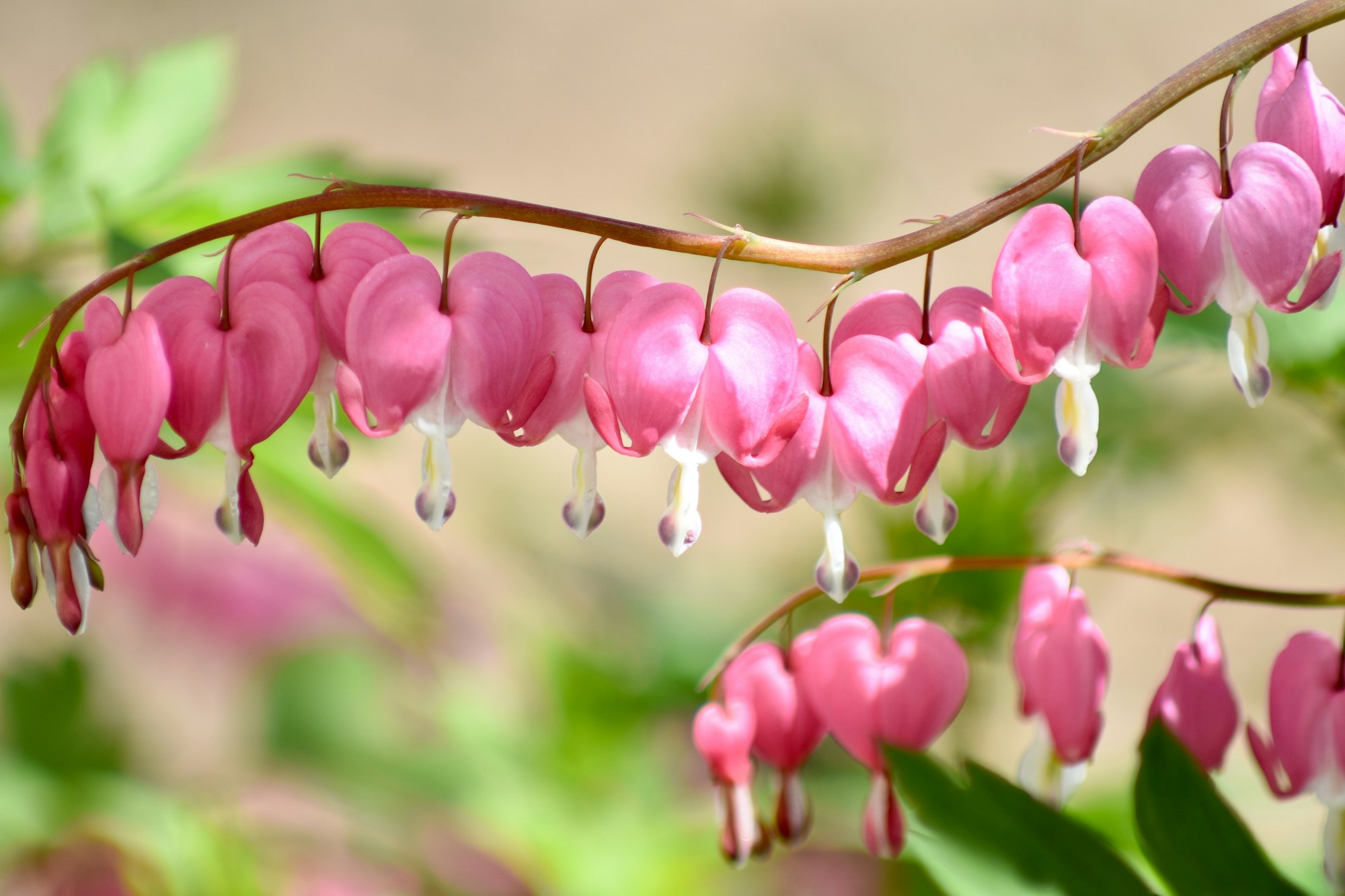
Featured Plants
Frequently Asked Questions
Why do deer browse more heavily in Zone 5 winters?
Snow cover eliminates deer's natural food sources, forcing them to browse landscape plants they'd normally ignore. Zone 5 winters are long enough that deer pressure peaks from December through March. Planting deer-resistant species reduces damage dramatically during these months.
What are the best deer-resistant perennials for Zone 5?
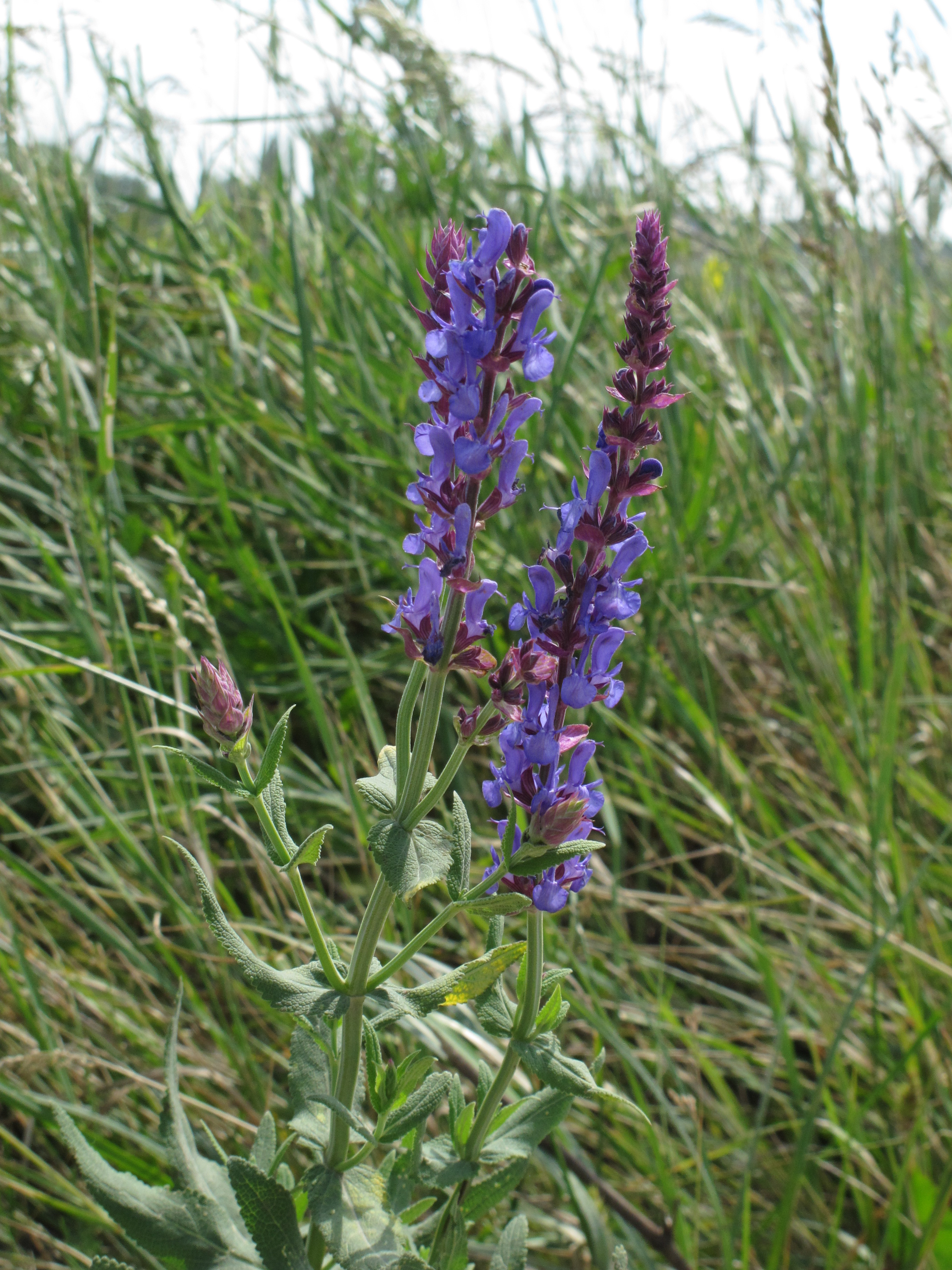
Top deer-resistant Zone 5 perennials include purple coneflower (Echinacea), Russian sage, catmint, yarrow, salvia, ornamental grasses, and daylilies. All are reliably cold-hardy to Zone 5 and consistently avoided by deer.
Are deer-resistant plants truly deer-proof?
No plant is 100% deer-proof. Deer resistance means deer consistently avoid these plants under normal conditions. A starving deer in a harsh Zone 5 winter may sample anything. Resistance ratings are based on observed browsing patterns across thousands of gardens.
Do deer-resistant plants need special care in Zone 5?
Most deer-resistant plants are naturally tough and low-maintenance. Many are drought-tolerant and prefer lean soils — avoid over-fertilizing, which produces lush growth deer find more appealing. Mulch in fall to protect roots during Zone 5 freeze-thaw cycles.