About This Collection
Zone 6 is one of the most deer-pressured gardening zones in America. Suburban sprawl has pushed deer populations into residential neighborhoods across the Mid-Atlantic, Midwest, and New England — and Zone 6's mild-enough winters mean deer are active and hungry year-round.
The most effective deer-resistant gardens in Zone 6 layer multiple strategies: aromatic plants (lavender, salvia, catmint) that deer dislike by smell, textured plants (lamb's ear, ornamental grasses) they find unpalatable, and structural plants (ornamental alliums, daffodils) with natural chemical deterrents.
PlantWise filters for both Zone 6 hardiness and deer resistance simultaneously, so every plant on your list is guaranteed to survive your winters and discourage browsing.
Find Deer-Resistant Zone 6 Plants → or browse the interactive directory.
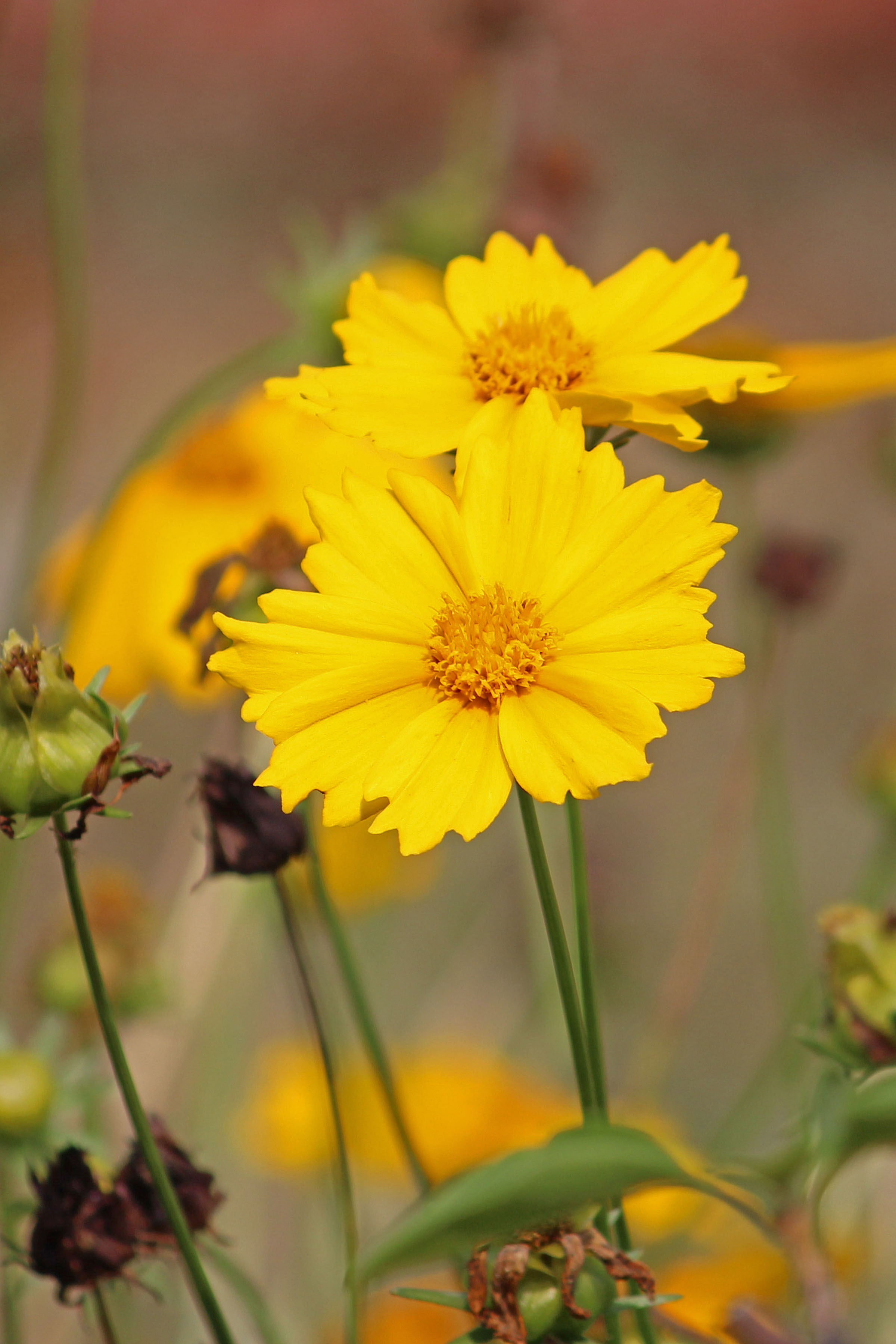
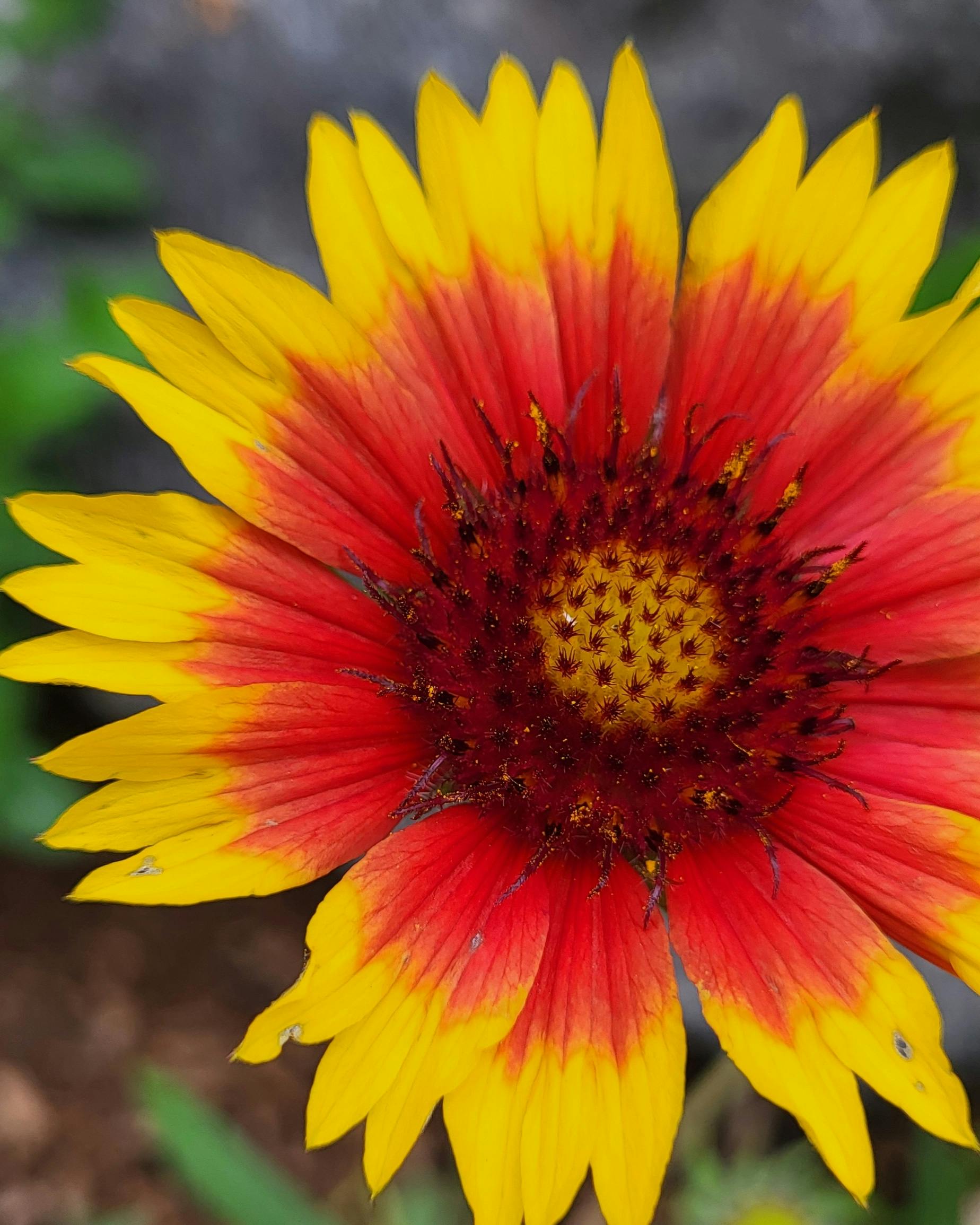
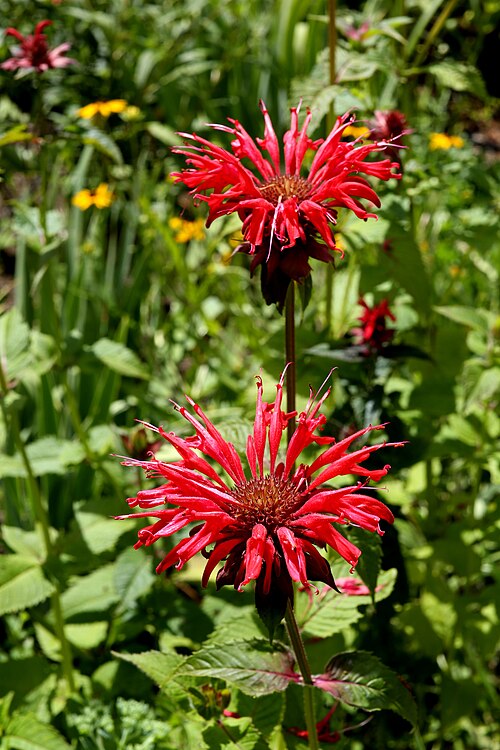
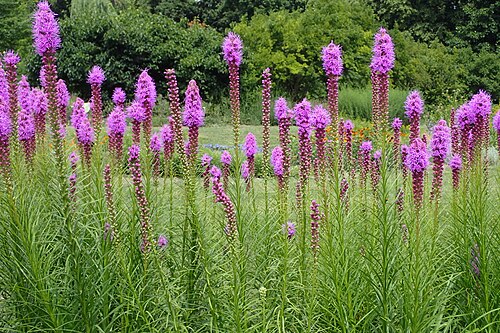
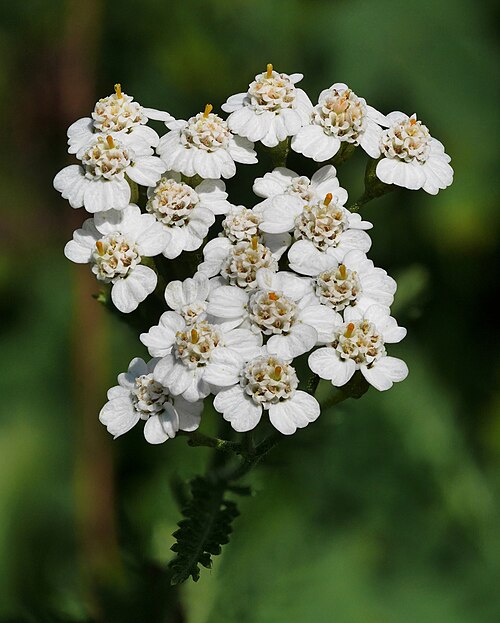
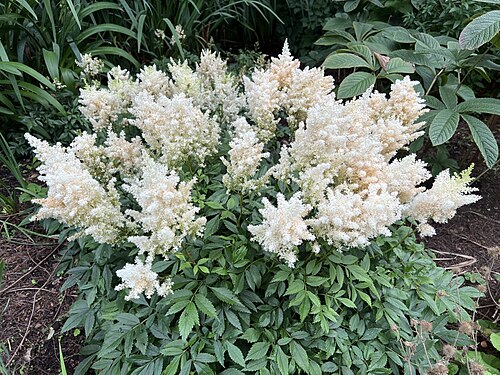
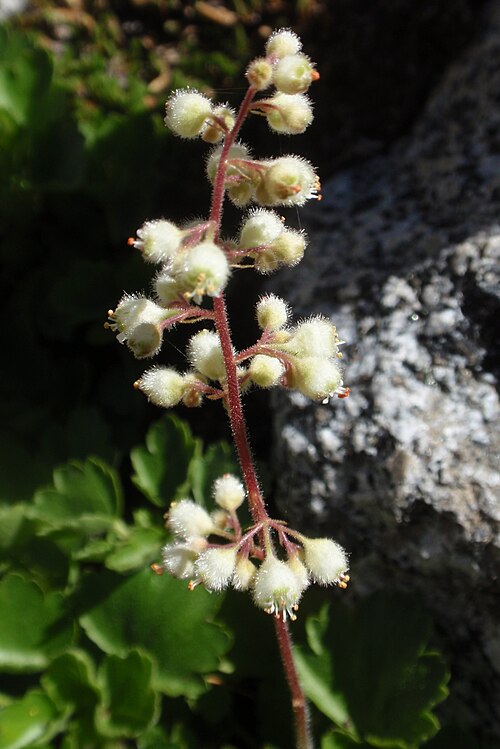
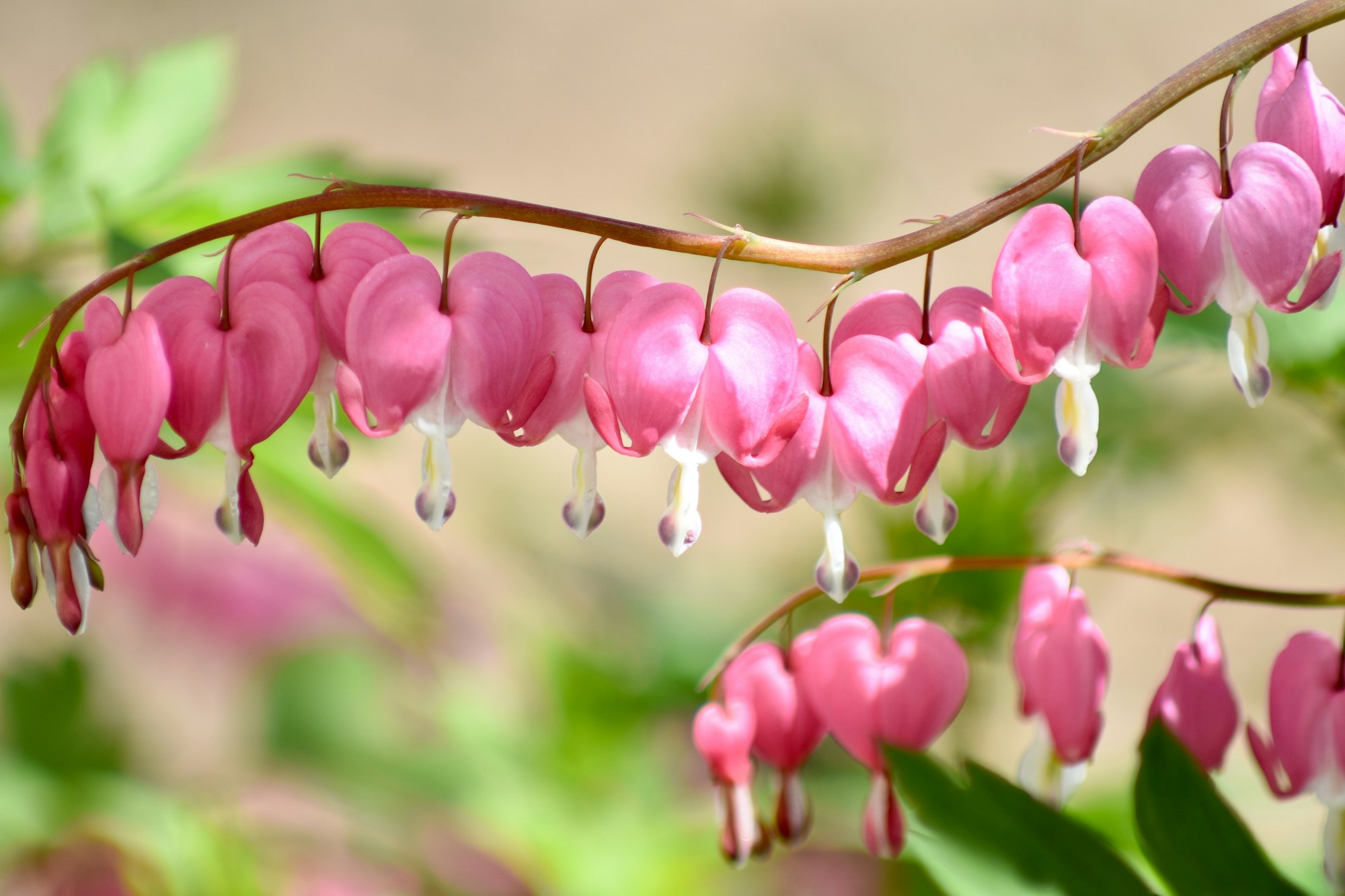
Featured Plants
Frequently Asked Questions
What Zone 6 shrubs are most deer-resistant?
Top deer-resistant Zone 6 shrubs include boxwood, spirea, potentilla, barberry, Russian sage (sub-shrub), and ornamental grasses. Avoid yews, arborvitae, and rhododendrons — deer favorites in Zone 6.
Will deer eat my garden in Zone 6 year-round?
Yes. Unlike Zone 4-5 where deer pressure peaks in winter, Zone 6 deer browse actively in spring (new growth), summer (drought stress), and fall (pre-rut). Deer-resistant planting is a year-round strategy in Zone 6.
What's the most deer-resistant perennial for Zone 6?
Russian sage (Perovskia) is consistently rated the most deer-resistant perennial for Zone 6. Its aromatic silver foliage and blue flowers are beautiful, drought-tolerant, and virtually ignored by deer. Catmint and ornamental grasses are close seconds.
Can I combine deer resistance with pollinator attraction in Zone 6?
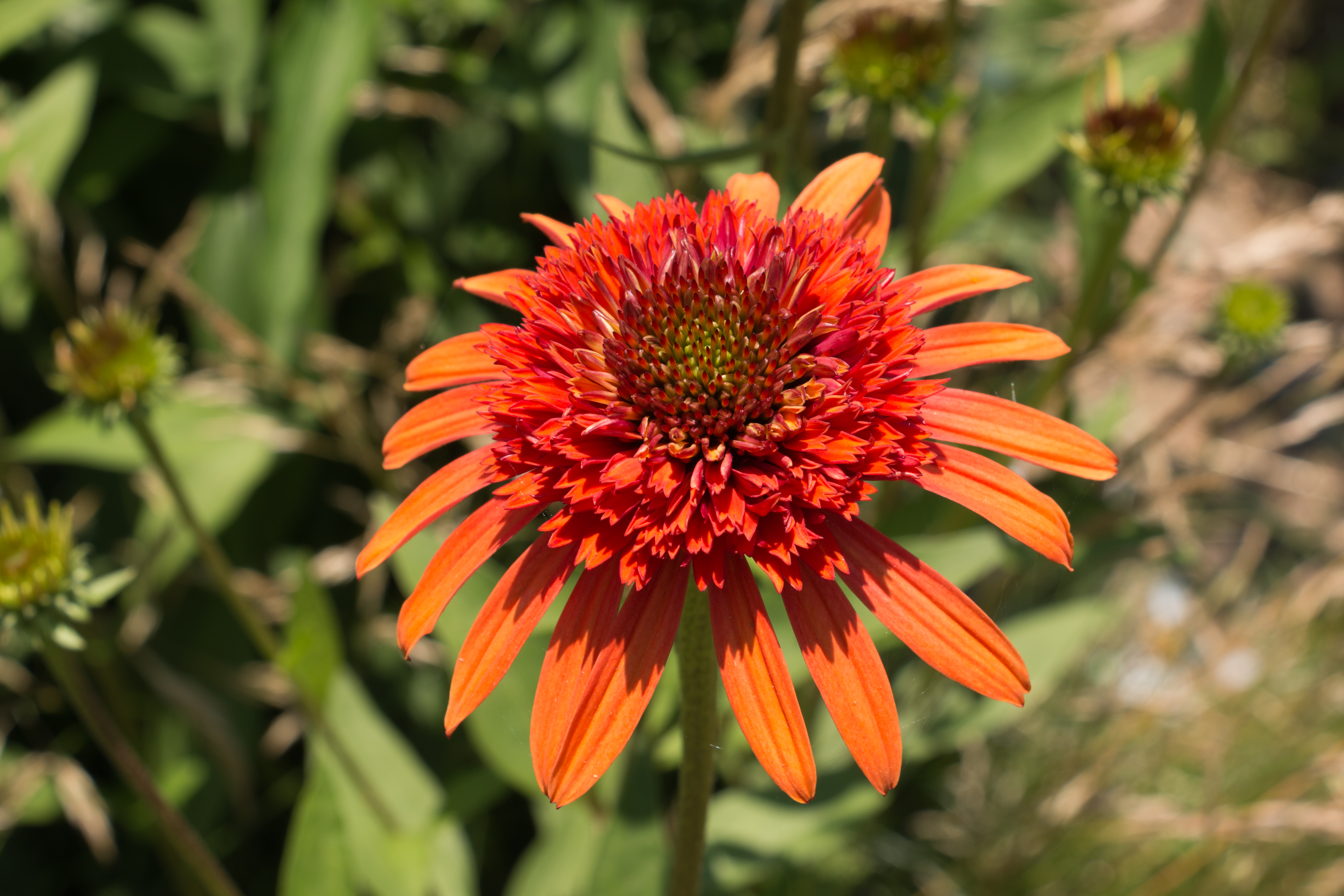
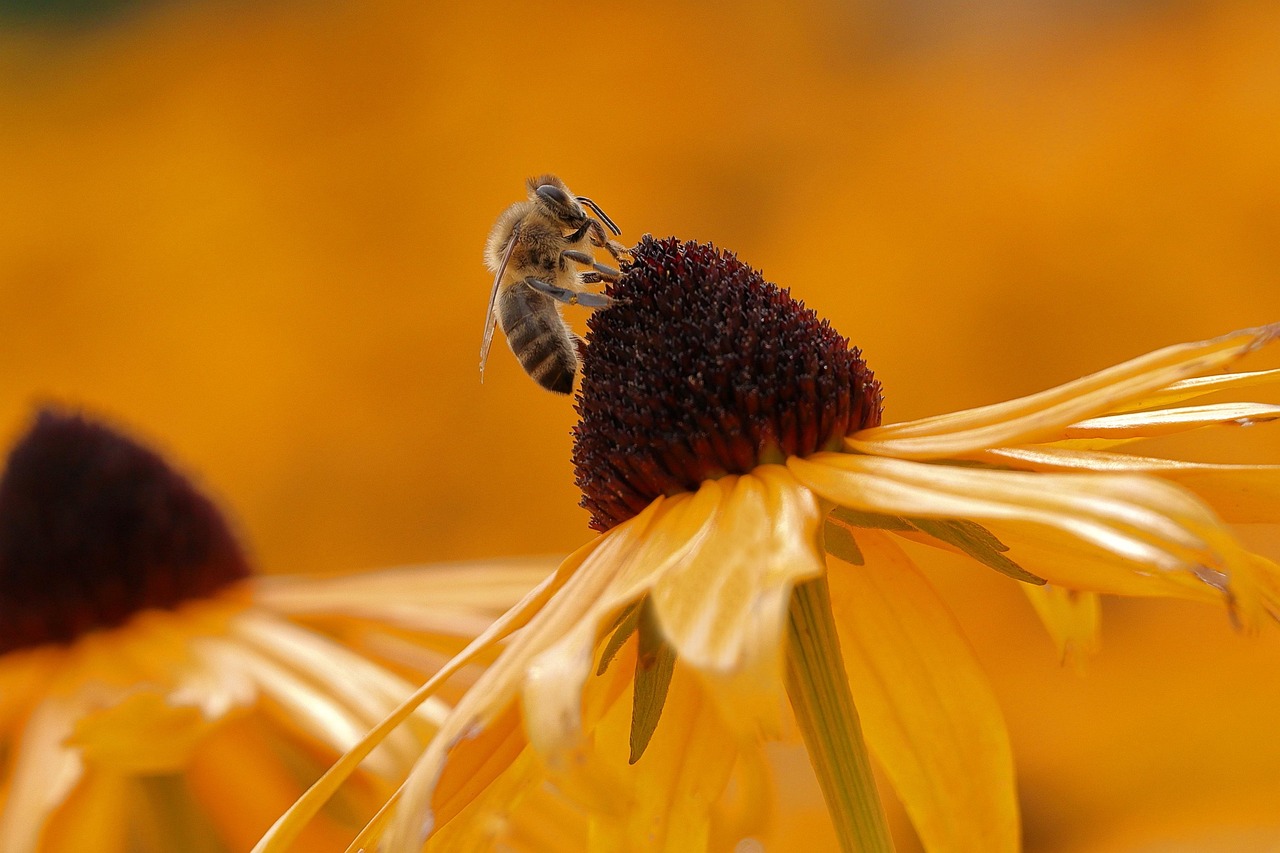
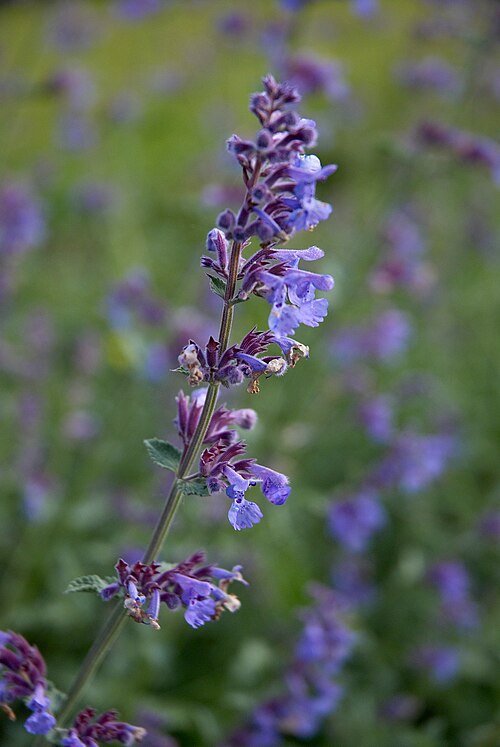
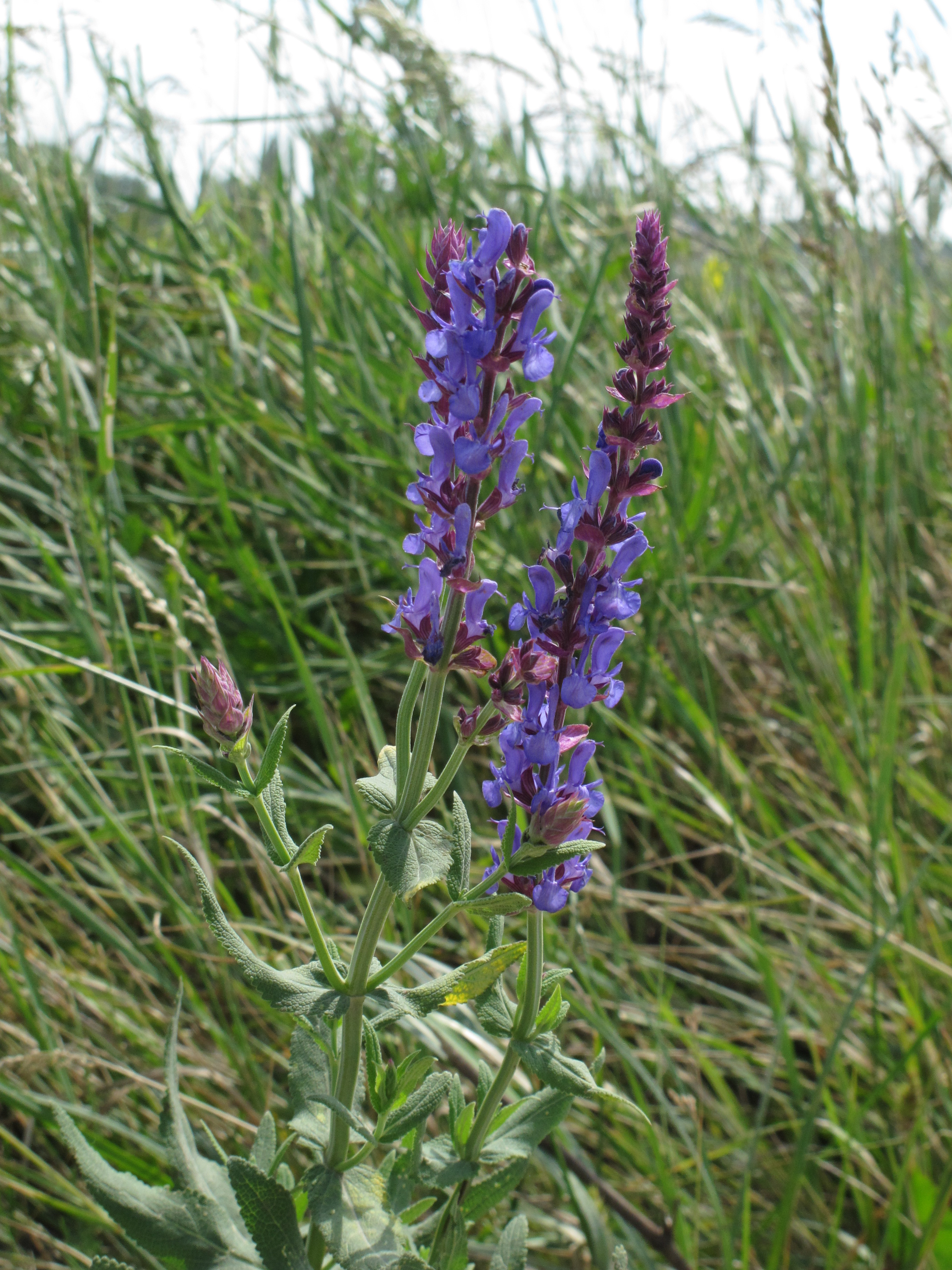
Absolutely — many deer-resistant plants are also excellent pollinator plants. Salvia, catmint, coneflower, and agastache are all deer-resistant AND beloved by bees and butterflies. These are the ideal Zone 6 perennials.