About This Collection
Zone 7 covers some of the most deer-dense regions in the United States — the Mid-Atlantic (Virginia, Maryland, North Carolina), the Piedmont South, and parts of the Pacific Northwest. Deer populations in these areas are high, and mild winters mean deer are active and browsing year-round.
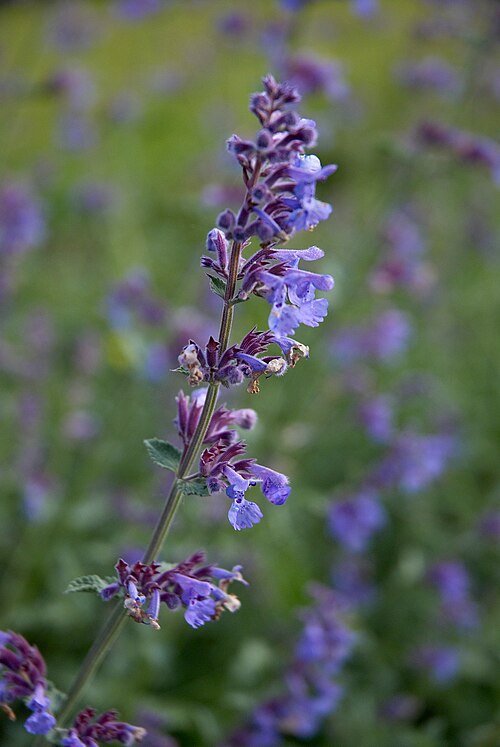
In Zone 7, deer pressure is most intense in late winter and early spring when natural forage is scarce and new garden growth is emerging. Deer-resistant plants that bloom in early spring — like daffodils, hellebores, and catmint — are especially valuable because they provide color when deer pressure is highest.
PlantWise matches Zone 7-hardy plants to deer resistance data, giving you a curated list of plants that thrive in your climate and discourage browsing. Filter further by sun exposure, height, and bloom time.
Find Deer-Resistant Zone 7 Plants → or browse the interactive directory.
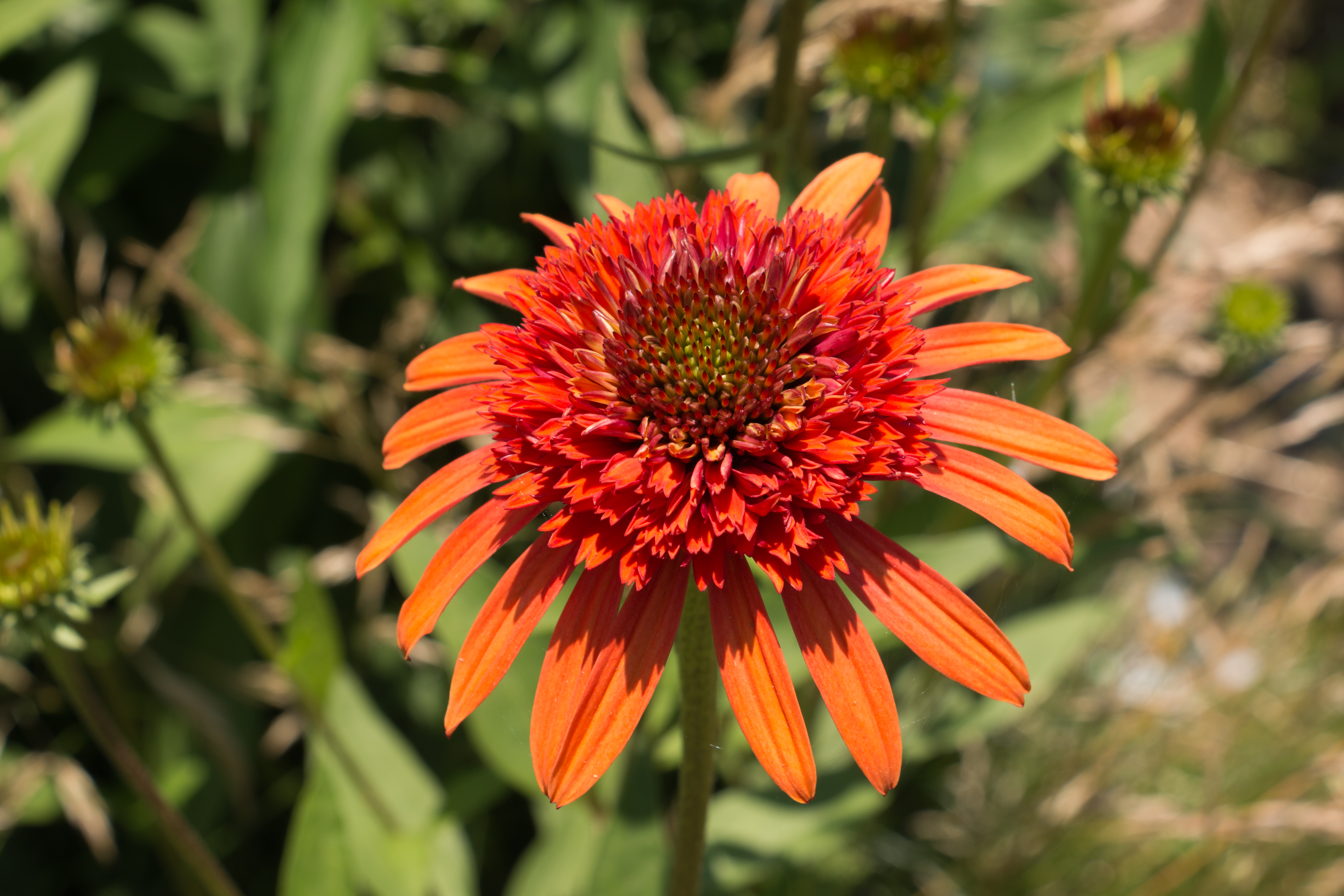
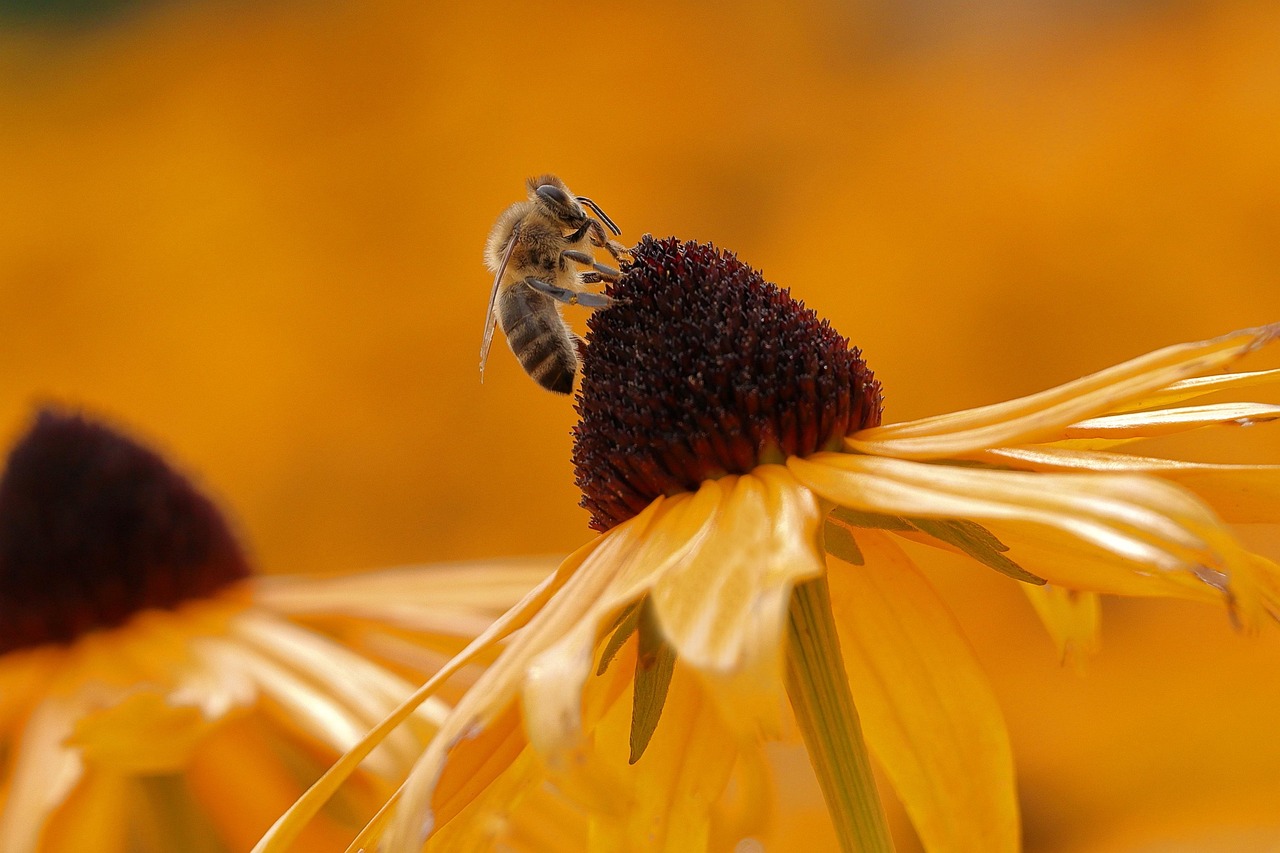
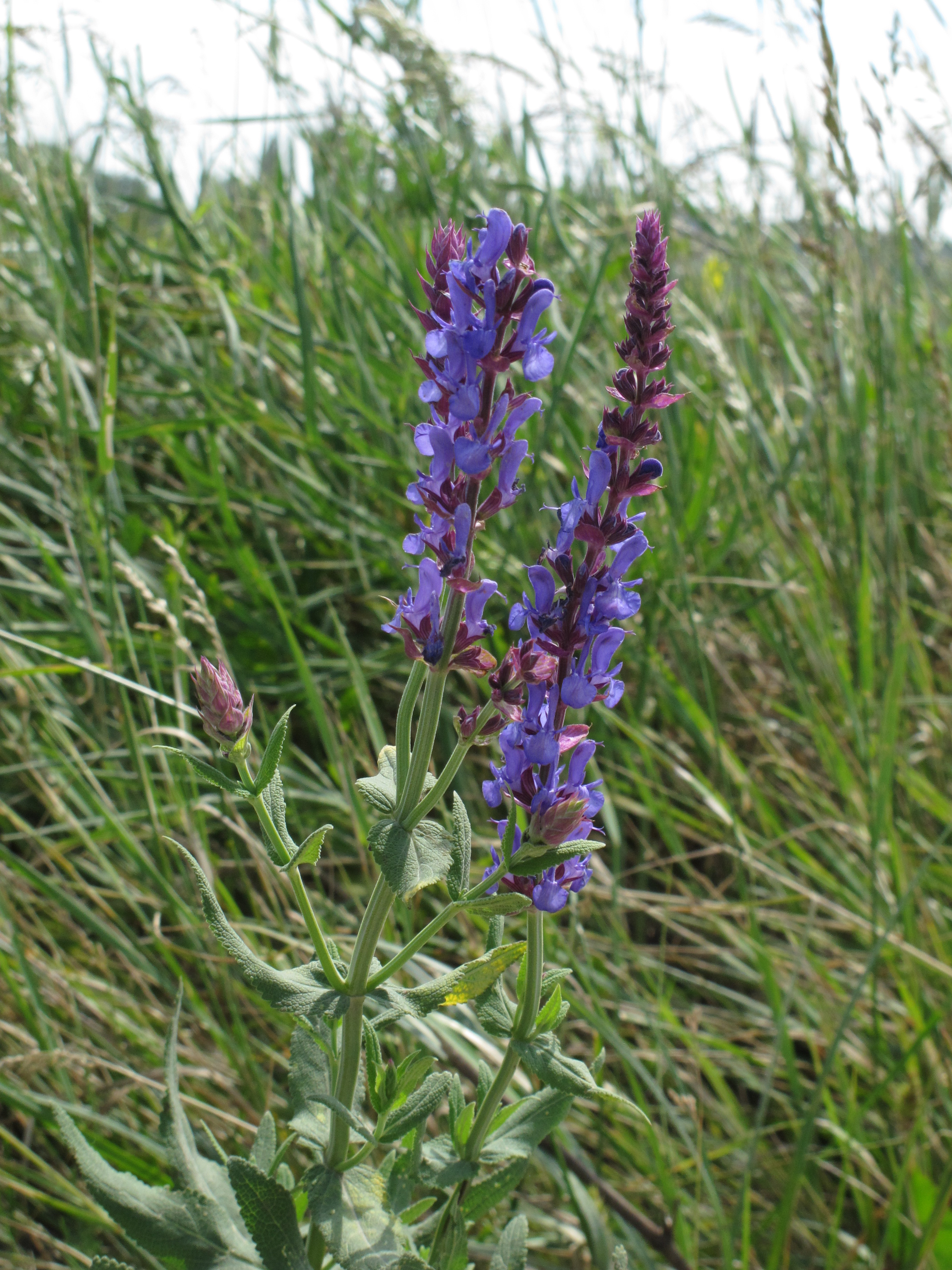
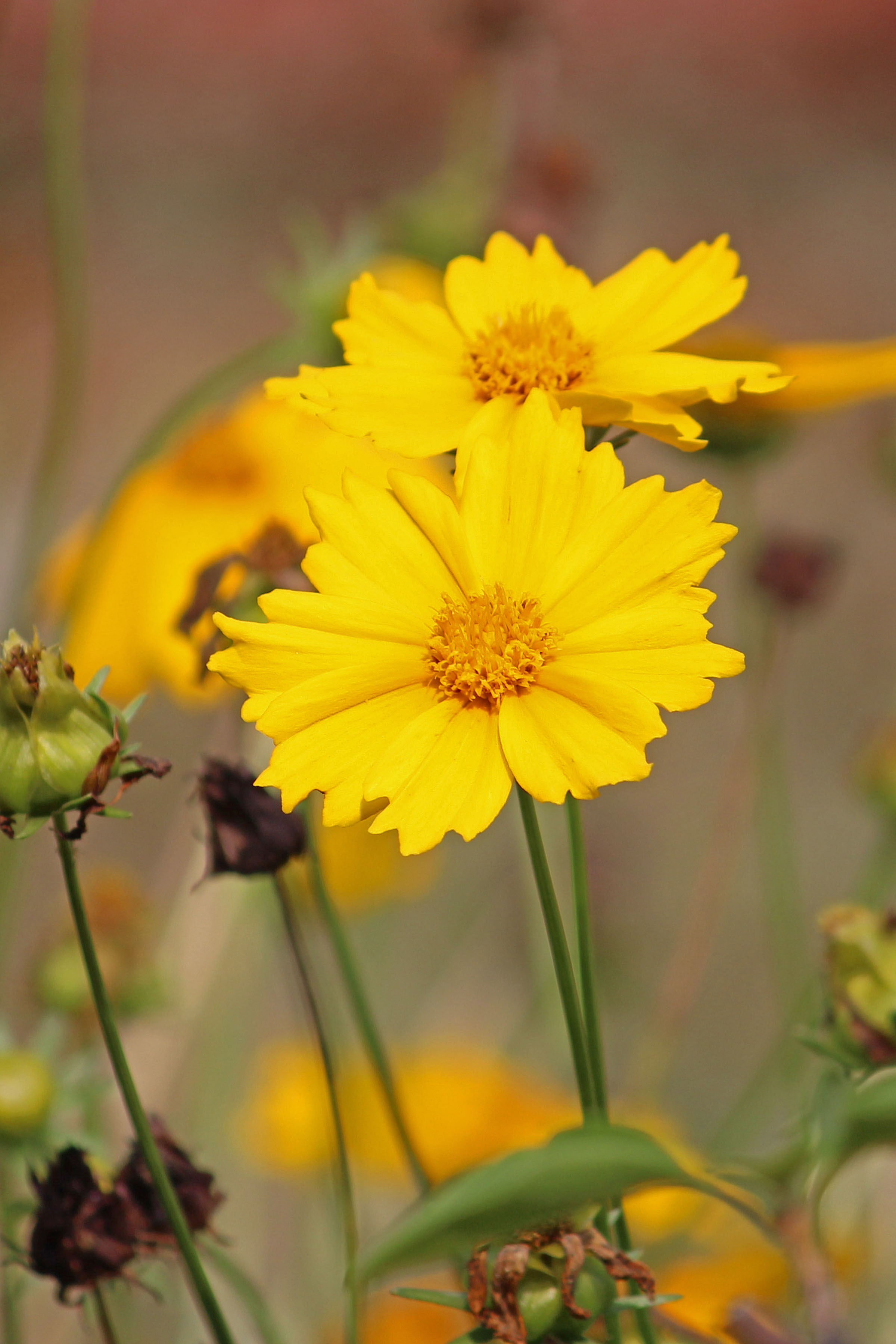
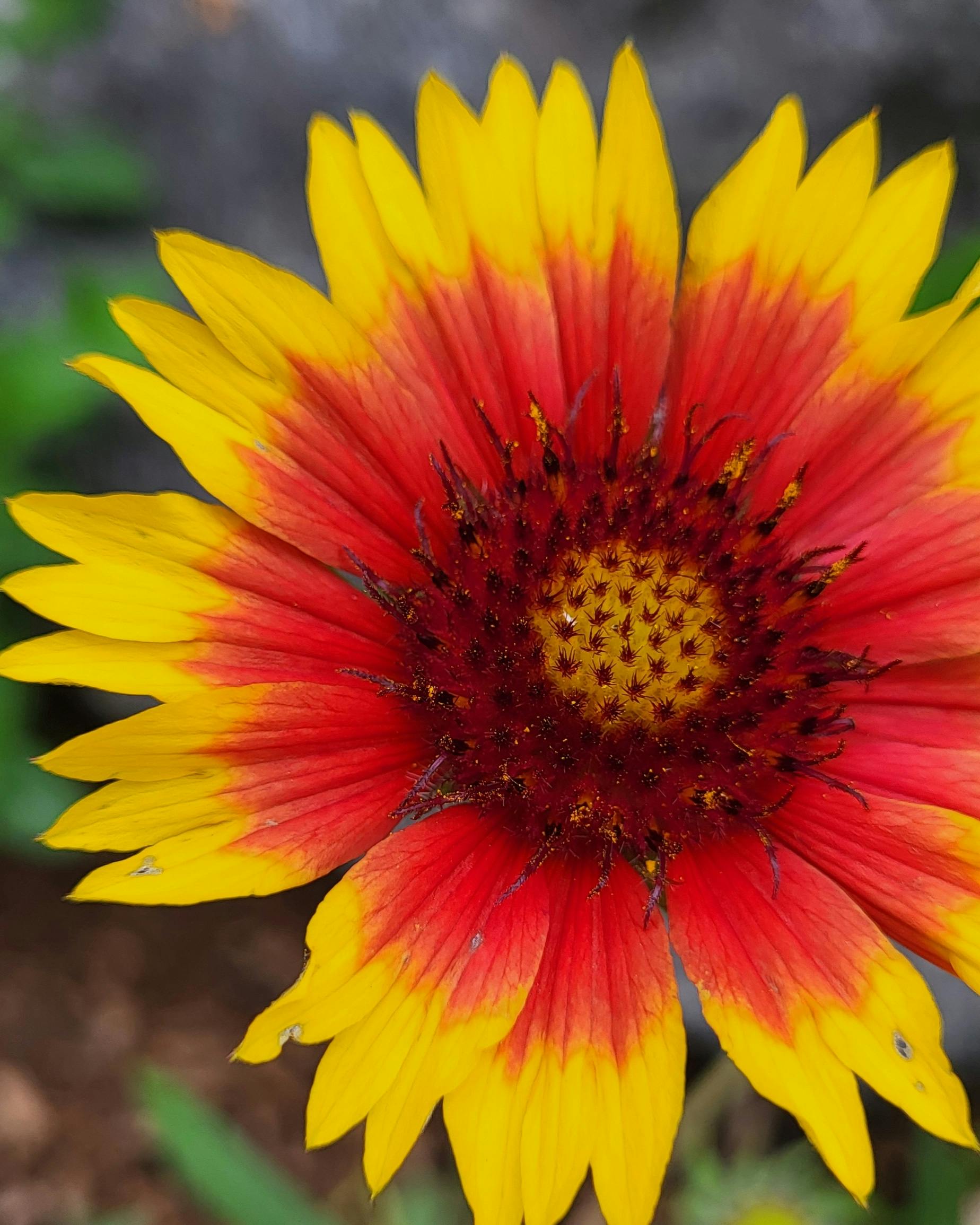
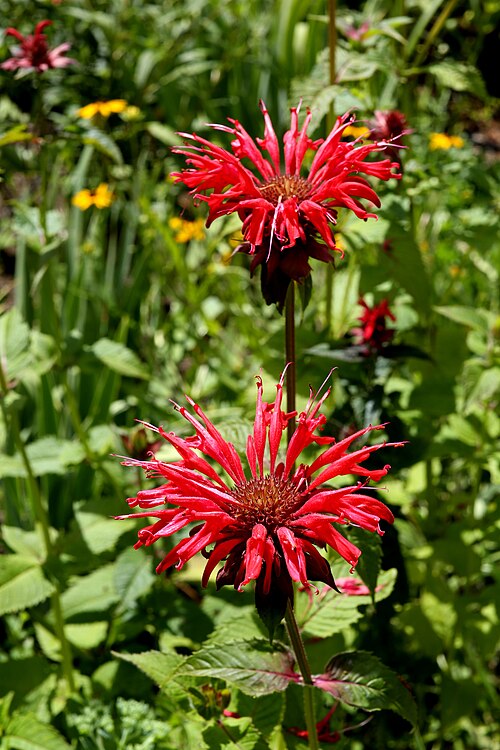
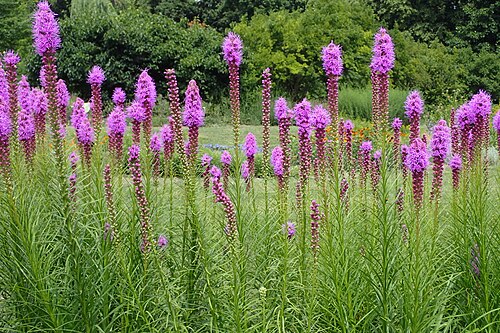
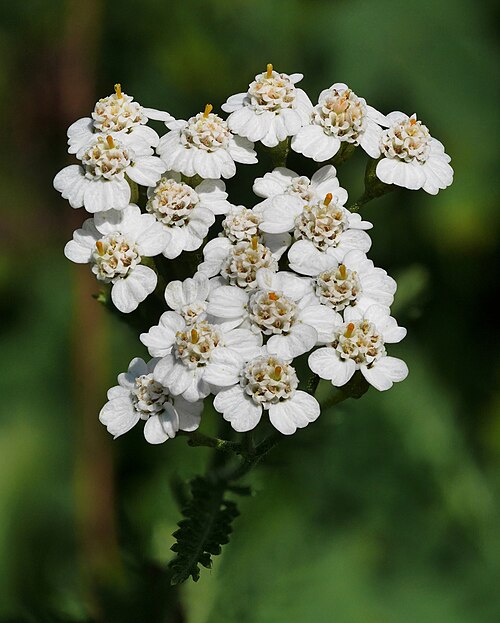
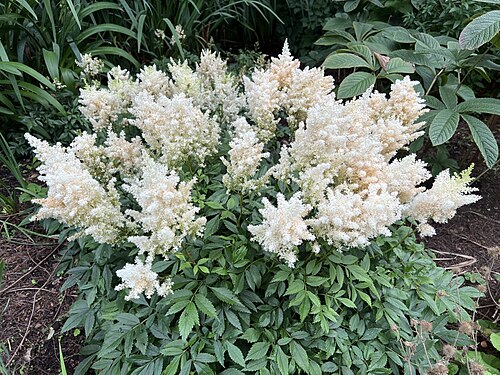
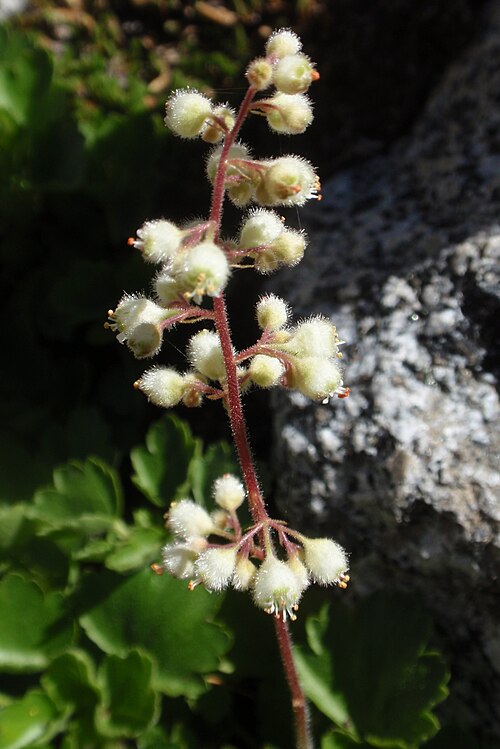
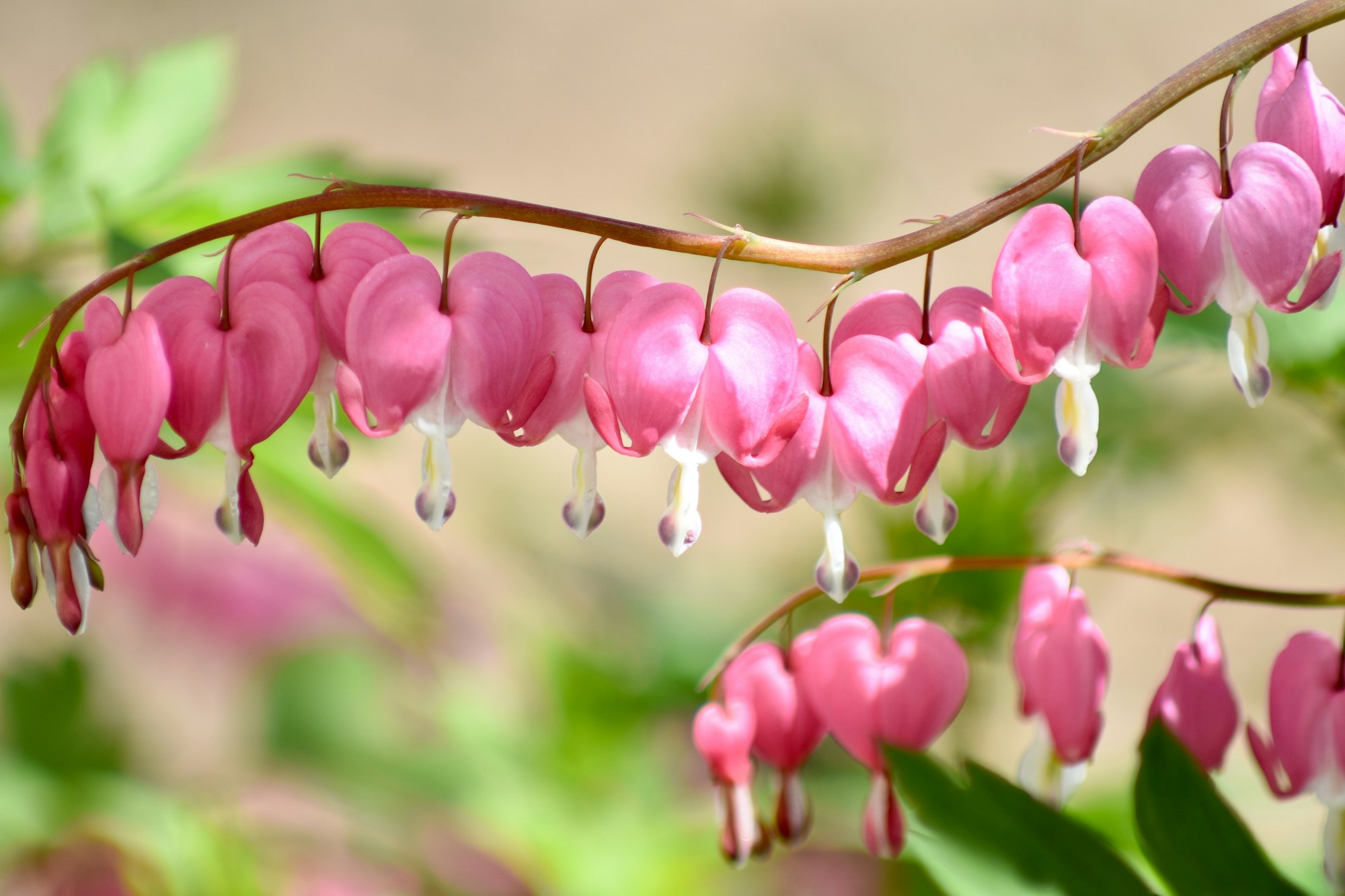
Featured Plants
Frequently Asked Questions
What are the most deer-resistant plants for Zone 7?
Top deer-resistant Zone 7 plants include Russian sage, catmint, salvia, ornamental grasses, coneflower, daffodils, hellebores, and boxwood. Deer consistently avoid these plants across Zone 7 gardens.
Why is deer pressure so high in Zone 7?
Zone 7's mild winters support large deer populations year-round. Suburban development has fragmented habitat, concentrating deer in residential areas. Without natural predators, deer populations in Zone 7 suburbs can reach 50+ deer per square mile.
What Zone 7 plants do deer eat most?
Deer favorites in Zone 7 include hostas, daylilies, tulips, impatiens, arborvitae, and yews. If you have deer pressure, avoid these plants or protect them with fencing or repellent sprays.
Can I use deer-resistant plants as a hedge in Zone 7?
Yes — several excellent Zone 7 hedge plants are deer-resistant: boxwood, inkberry holly, and native viburnums. Avoid arborvitae and Leyland cypress hedges in high-deer areas — deer will browse them to bare stems.