About This Collection
Zone 8's mild winters and long growing seasons mean more plants in the ground year-round — and more potential toxic exposures for curious pets. The Gulf Coast, Pacific Northwest, and warm Southeast all fall in Zone 8, and all have unique plant palettes that include both beautiful and dangerous species.
In Zone 8, many plants that are annuals in colder zones become perennials — including some toxic ones. Lantana, oleander, and sago palm are Zone 8 staples that are highly toxic to pets. Building a pet-safe Zone 8 garden requires knowing which popular local plants to avoid.
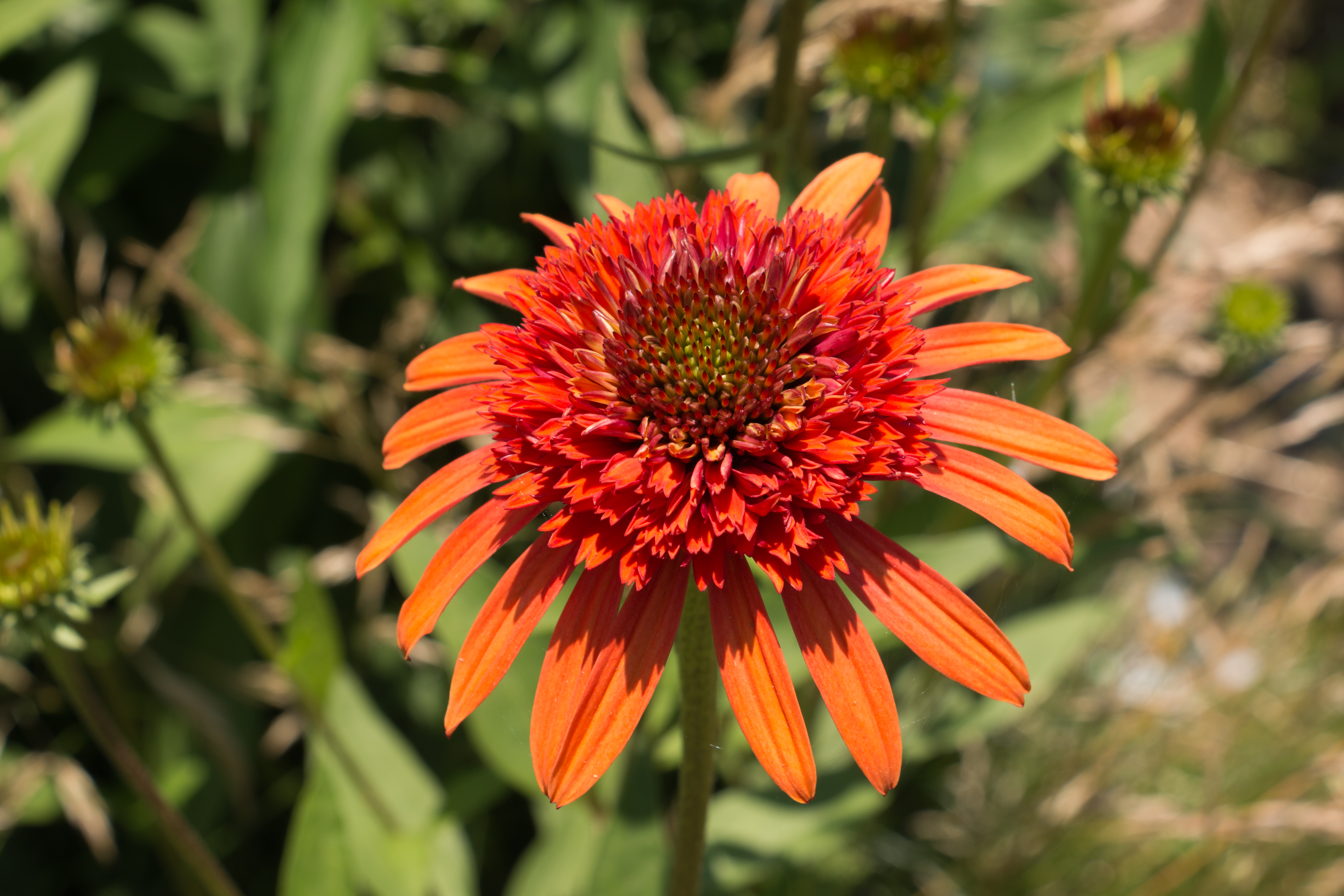
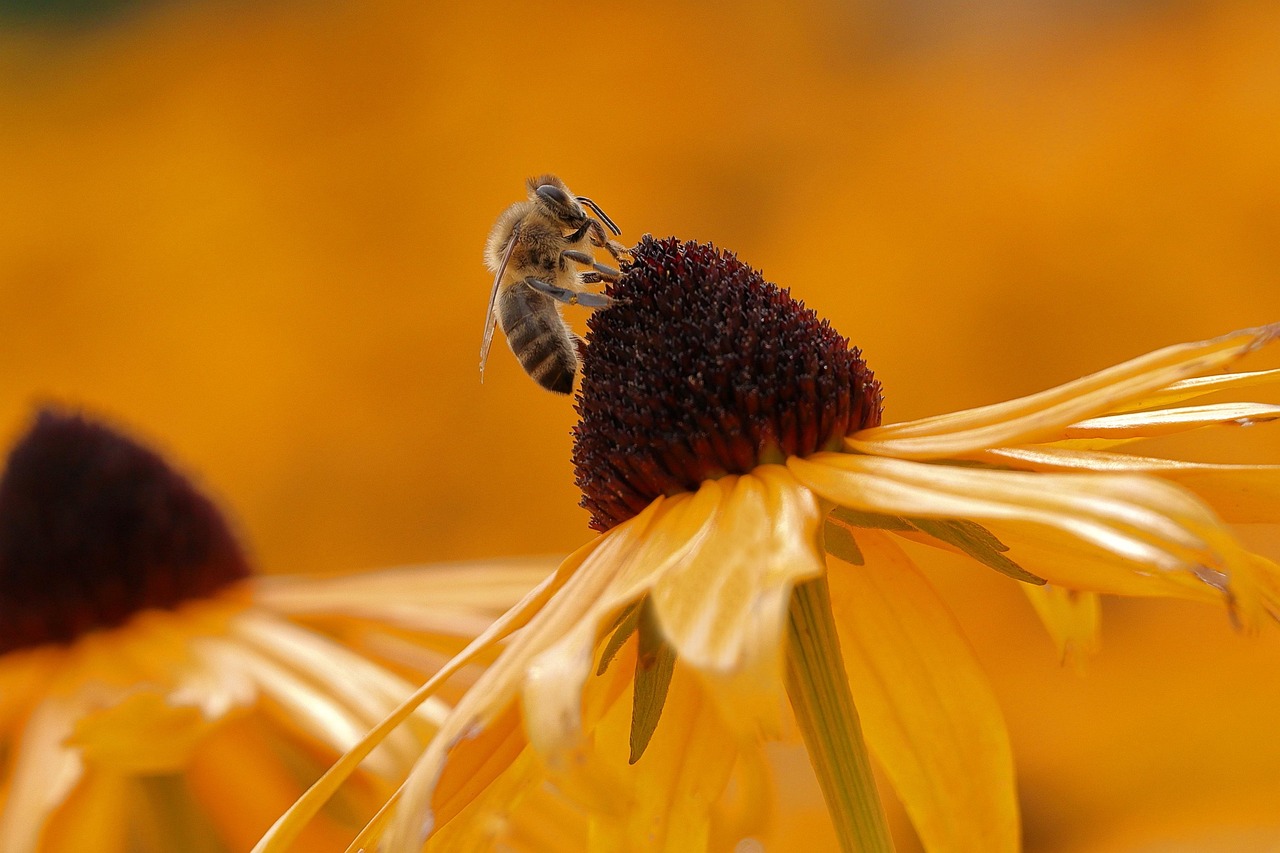
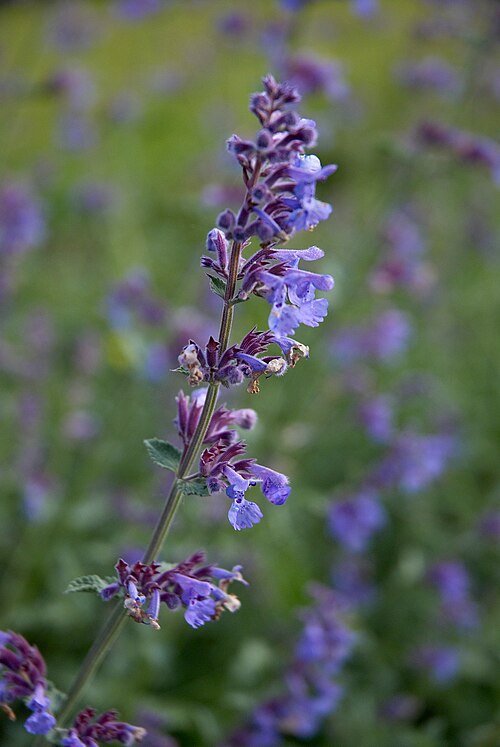
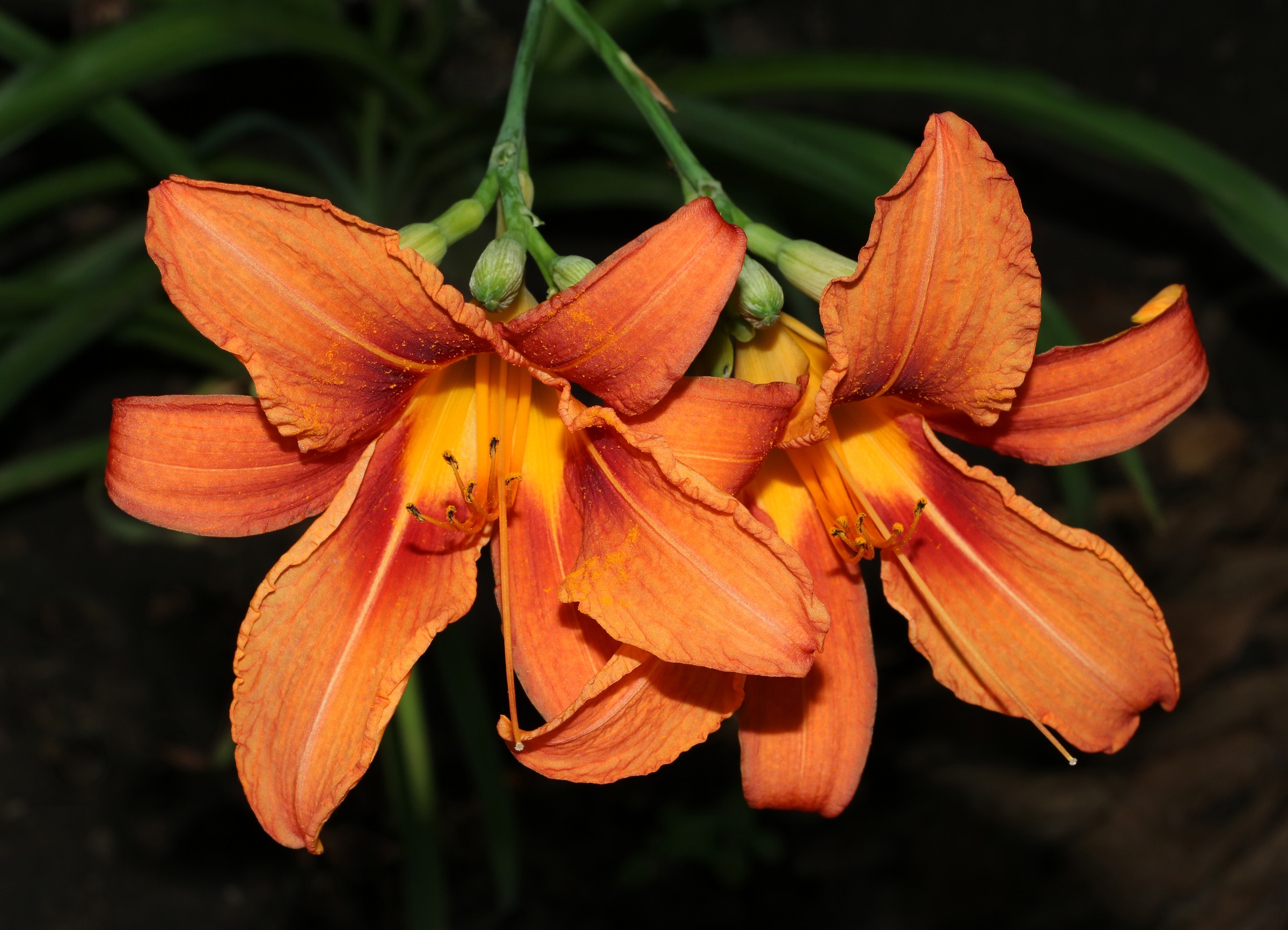
PlantWise filters Zone 8 plants by ASPCA toxicity data, giving you a curated list of non-toxic options that thrive in your warm climate. Every recommendation includes bloom time, sun requirements, and pet safety notes.
Find Pet-Safe Zone 8 Plants → or browse the interactive directory.
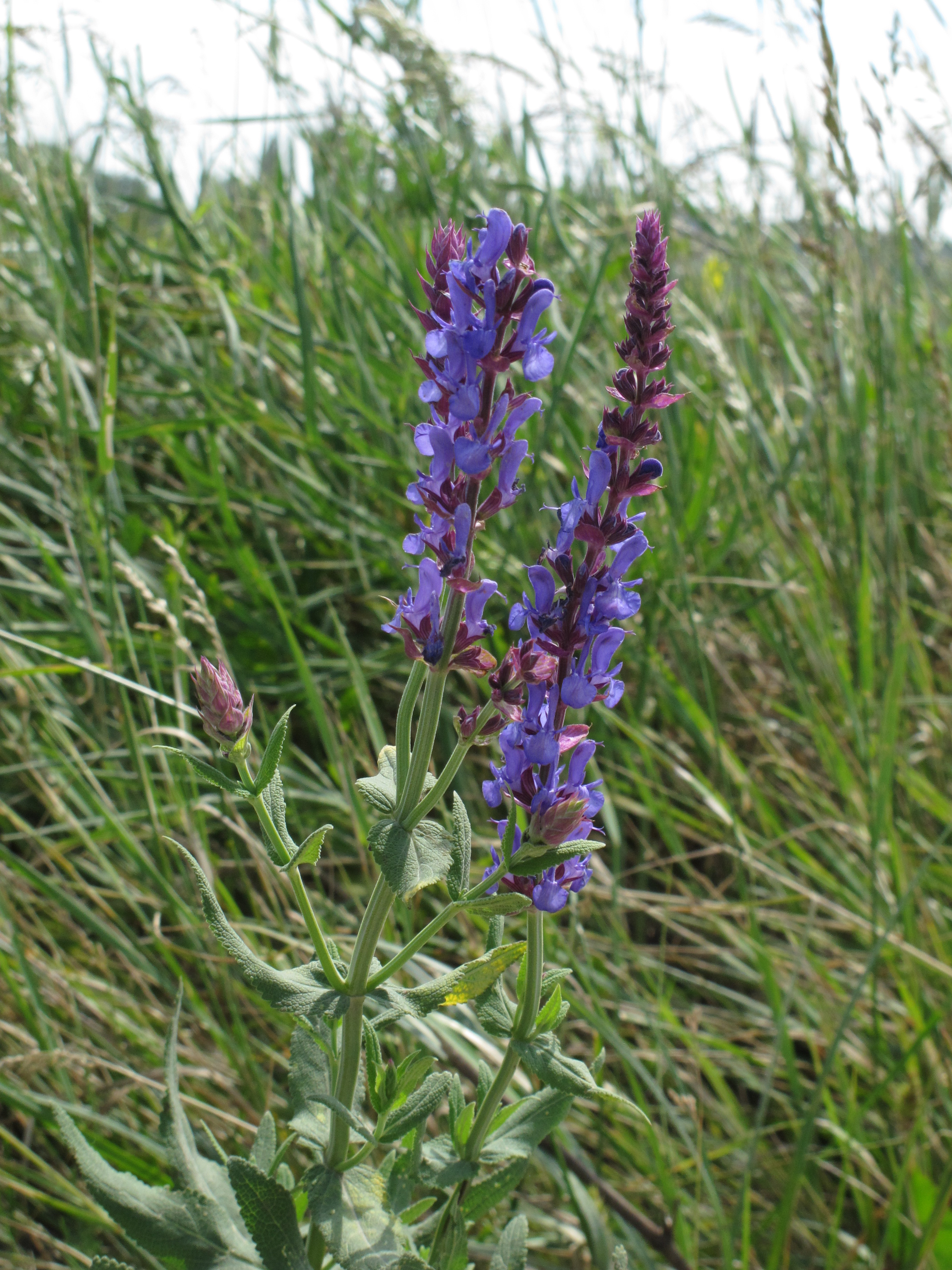
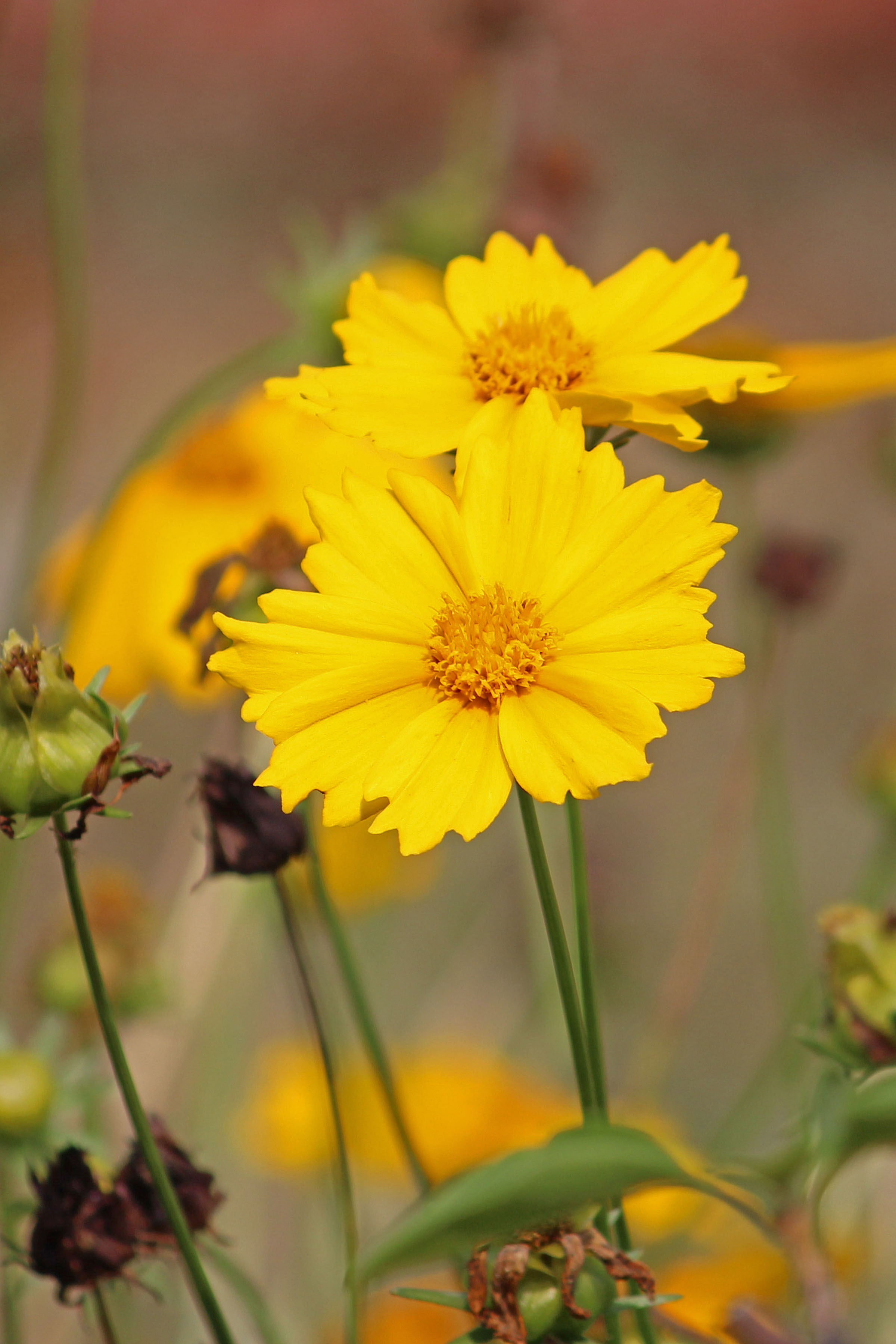
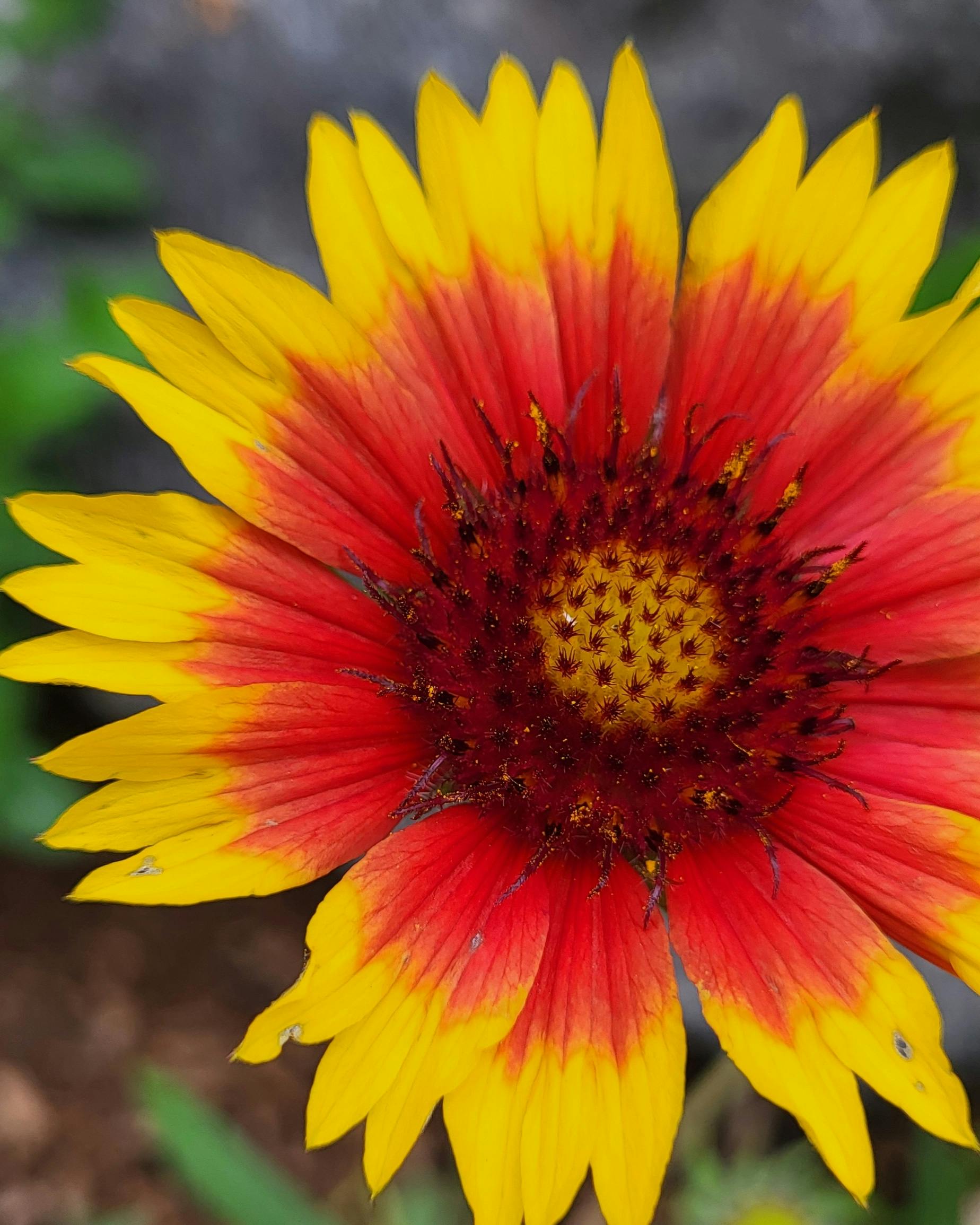
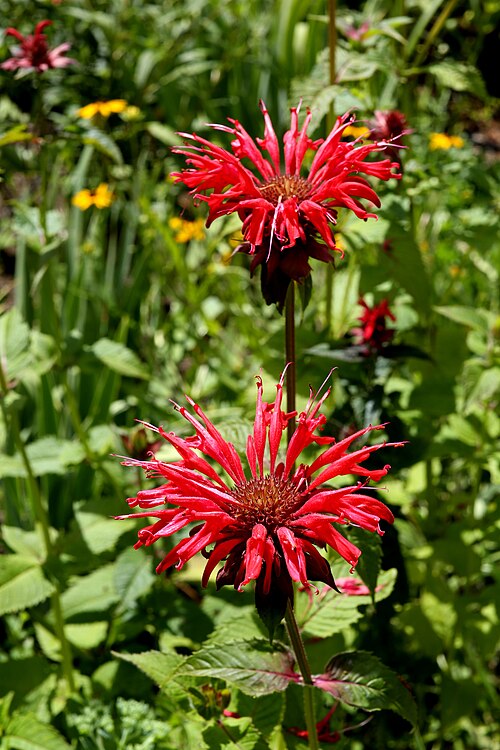
Featured Plants
Frequently Asked Questions
What Zone 8 plants are most dangerous to pets?
Zone 8 pet hazards include sago palm (extremely toxic, liver failure), oleander (cardiac toxin), lantana (toxic berries), azaleas, and many tropical plants. The Gulf Coast and Southeast have particularly high concentrations of toxic landscape plants.
Is sago palm safe for pets in Zone 8?
No. Sago palm is one of the most toxic plants for both dogs and cats. All parts — especially the seeds — contain cycasin, which causes severe liver failure. Even one seed can be fatal. Remove sago palms entirely from pet-accessible areas.
What are the best pet-safe plants for Zone 8 shade?
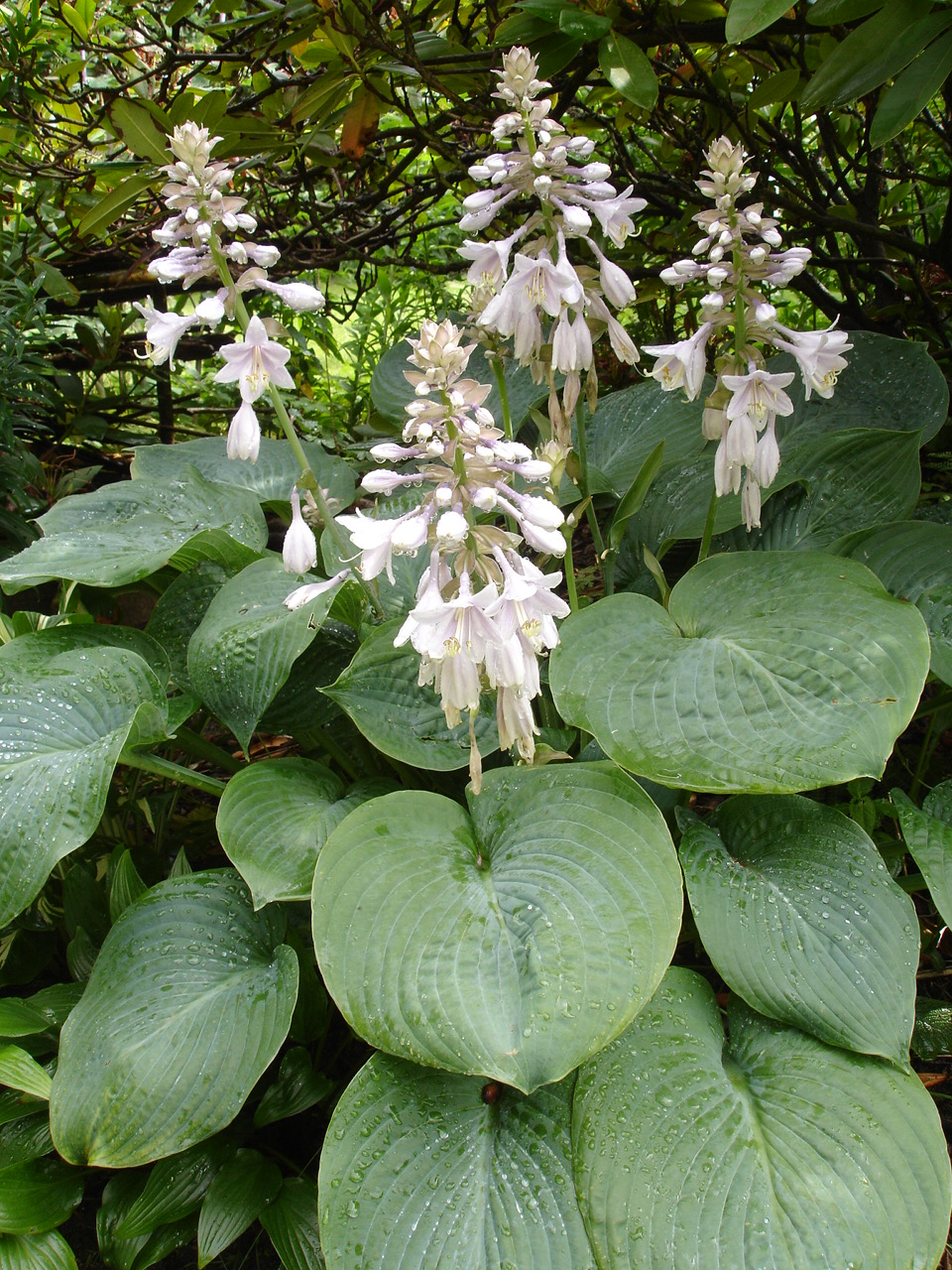
Top pet-safe Zone 8 shade plants include coral bells (Heuchera), ferns, ornamental grasses, and cast iron plant (Aspidistra). Avoid hostas (toxic to dogs and cats) and caladiums (toxic) which are common Zone 8 shade plants.
Are there pet-safe alternatives to oleander for Zone 8 hedges?
Yes. Viburnum, native hollies (foliage safe, berries toxic), and abelia make excellent pet-safe Zone 8 hedges. Indian hawthorn is another good option. All provide similar screening and bloom without the toxicity risk of oleander.