Bermuda Grass: Complete Pros, Cons, and Zone Guide
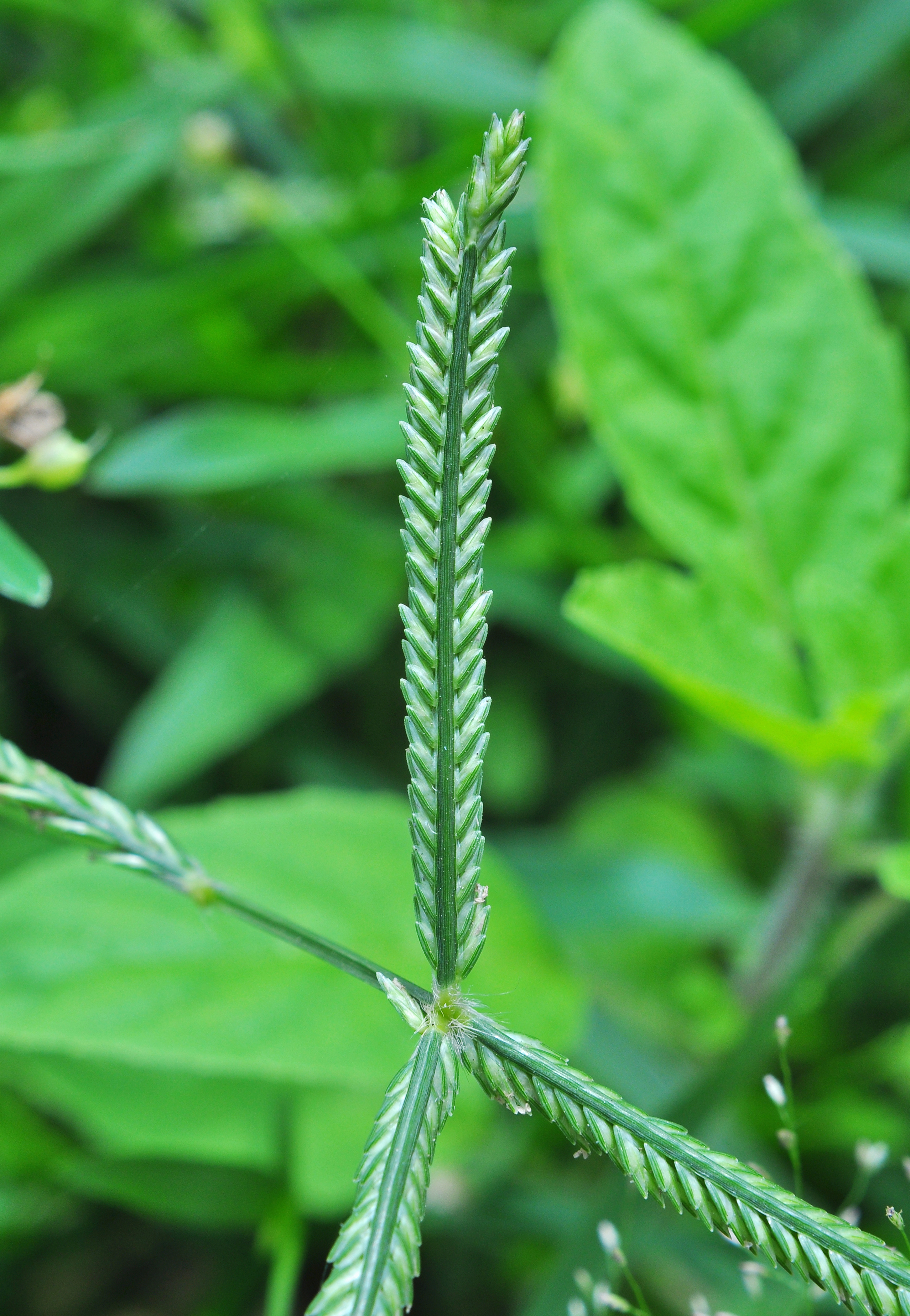
Bermuda grass (Cynodon dactylon) is a popular warm-season turfgrass known for its exceptional heat and drought tolerance, rapid growth, and ability to withstand heavy traffic, making it an excellent choice for lawns in Southern climates. However, its aggressive spreading habit, high maintenance requirements, and poor shade tolerance are significant drawbacks to consider. This comprehensive guide will explore everything you need to know about Bermuda grass, from its benefits and challenges to proper care and ideal growing conditions.
What Are the Main Advantages of Choosing Bermuda Grass?
Bermuda grass offers a wealth of benefits, especially for homeowners in warmer regions. Its most celebrated characteristic is its incredible resilience. This grass thrives in full sun and high temperatures, making it a champion for hot, humid summers where other grasses might falter. Its deep root system contributes to its exceptional drought tolerance, allowing it to stay green with less water than many alternatives once established.
Beyond its hardiness, Bermuda grass is renowned for its rapid growth and ability to recover quickly from damage. This makes it an ideal choice for high-traffic areas, such as sports fields, golf courses, and active family yards. It can quickly fill in bare spots and repair itself after heavy use, maintaining a dense, lush appearance. When properly maintained, Bermuda grass forms a beautiful, fine-textured lawn with a vibrant green color that can significantly enhance curb appeal. It also has good salt tolerance, which can be beneficial for coastal areas or where irrigation water has higher salinity.
🌱 Get Personalized Plant Picks
Answer a few quick questions and we’ll match plants to your exact yard conditions.
Find My Plants →What Are the Disadvantages and Challenges of Bermuda Grass?
While Bermuda grass has many strengths, it also comes with notable drawbacks that can make it unsuitable for certain landscapes or homeowners. Its aggressive growth, while a pro for recovery, can quickly turn into a con. Bermuda grass spreads rapidly via stolons (above-ground runners) and rhizomes (underground runners), allowing it to invade garden beds, sidewalks, and even neighboring lawns if not properly contained. This invasive tendency means it requires frequent edging and vigilance to prevent it from becoming a nuisance.
Another significant challenge is its high maintenance demands. To look its best, Bermuda grass needs frequent mowing, often 2-3 times per week during its active growing season, due to its fast growth rate. It also has high fertilization requirements to maintain its dense, green appearance. Furthermore, Bermuda grass goes dormant and turns brown in cooler temperatures, typically when soil temperatures drop below 55°F (13°C). This means that during fall and winter, your lawn will lose its green color, which can be a aesthetic concern for some. It also has very poor shade tolerance, meaning it will struggle and thin out significantly in even partial shade, requiring at least 6-8 hours of direct sunlight daily to thrive.
Quick Reference: Bermuda Grass Pros & Cons
| Feature | Pros | Cons |
|---|---|---|
| Heat Tolerance | Excellent; thrives in high temperatures | Dormant in cool weather (turns brown) |
| Drought Tolerance | Very good; deep roots help it survive dry spells | Requires consistent watering to look its best, especially when establishing |
| Traffic Tolerance | Exceptional; recovers quickly from heavy use | Aggressive growth requires frequent mowing and edging to prevent invasion |
| Growth Rate | Rapid; quickly fills in bare spots | High nutrient demands; needs regular fertilization |
| Appearance | Dense, fine-textured, vibrant green (when active) | Poor shade tolerance; thins out in even partial shade |
| Maintenance | Self-repairing | High mowing frequency (2-3x/week), high fertilization, aggressive spreading |
| Climate | Ideal for warm-season zones | Not suitable for cool-season climates; turns brown in winter |
| Weed Resistance | Densely grown turf can outcompete some weeds | Can become a weed itself in garden beds; susceptible to winter weeds when dormant |
| Soil | Adaptable to various soil types, prefers well-draining | Can struggle in compacted or poorly drained soils |
| Salt Tolerance | Good |
What Climate Zones are Best Suited for Bermuda Grass?
Bermuda grass is a quintessential warm-season grass, meaning it thrives in regions with hot summers and mild winters. Its ideal growing range is USDA Hardiness Zones 7 through 10, though some cold-hardy varieties can extend its reach into Zone 6.
In these zones, Bermuda grass enjoys the long, hot growing season it needs to flourish. It prefers temperatures consistently above 80°F (27°C) and will enter dormancy when temperatures drop below 55°F (13°C). This means that in the northern parts of its range (like Zone 6 and 7), you can expect a longer period of winter dormancy where the grass will be brown. In the deep South (Zone 9 and 10), the dormancy period might be shorter, or in some frost-free areas, it might even stay green year-round.
It's crucial to understand that Bermuda grass is not suitable for cool-season climates (USDA Zones 1-5) where winters are too harsh and summers might not be consistently hot enough for it to establish and thrive. Attempting to grow Bermuda grass outside its recommended zones will likely result in a perpetually struggling, brown lawn that is susceptible to disease and winterkill.
How Do I Properly Care for a Bermuda Grass Lawn?
Caring for a Bermuda grass lawn involves a consistent regimen of mowing, watering, fertilizing, and occasional pest/weed management to keep it looking its best.
Mowing: This is perhaps the most frequent task. Bermuda grass should be mowed frequently, typically 2-3 times per week during its peak growing season (late spring through early fall). Maintain a short cutting height, ideally between 0.5 to 1.5 inches for common varieties, or even lower for hybrid types (0.5 to 1 inch). Never remove more than one-third of the blade height at a time to avoid stressing the grass. Using a reel mower can provide a superior cut for very short heights.
Watering: While drought-tolerant, Bermuda grass performs best with consistent moisture. Aim for deep, infrequent watering sessions. This encourages deep root growth, which further enhances drought resistance. Typically, 1 inch of water per week, either from rainfall or irrigation, is sufficient. Water early in the morning to allow the blades to dry, reducing the risk of fungal diseases.
Fertilizing: Bermuda grass is a heavy feeder. It generally requires 3-5 pounds of nitrogen per 1,000 square feet annually, split into several applications throughout its active growing season (late spring to early fall). A soil test is highly recommended to determine the specific nutrient deficiencies in your soil and guide your fertilization program. Apply a balanced fertilizer in spring, followed by nitrogen-heavy applications every 4-6 weeks during summer.
Weed Control: A dense Bermuda lawn can naturally suppress some weeds. However, broadleaf weeds and cool-season grasses can still be an issue. Pre-emergent herbicides applied in early spring (before soil temperatures reach 55°F) can prevent summer annual weeds. Post-emergent herbicides can be used for existing weeds, but always choose products safe for Bermuda grass and follow label instructions carefully.
Pest and Disease Management: Bermuda grass is generally robust, but it can be susceptible to issues like armyworms, grub worms, and fungal diseases like dollar spot or large patch, especially if stressed or improperly watered. Monitor your lawn regularly for signs of trouble and treat promptly with appropriate insecticides or fungicides if necessary.
Aeration and Dethatching: Due to its aggressive growth and dense nature, Bermuda grass lawns can benefit from annual aeration (in late spring/early summer) to alleviate soil compaction and improve air, water, and nutrient penetration. Dethatching may also be necessary every few years if the thatch layer (undecomposed organic matter) exceeds half an inch, as excessive thatch can harbor pests and diseases and impede water absorption.
Is Bermuda Grass a Good Choice for My Landscape?
Deciding if Bermuda grass is right for your yard depends heavily on your climate, lifestyle, and aesthetic preferences.
Choose Bermuda Grass if:
- You live in USDA Zones 7-10 with hot, sunny summers.
- Your lawn receives at least 6-8 hours of direct sunlight daily.
- You have an active family, pets, or high-traffic areas that need a durable, self-repairing turf.
- You are committed to frequent mowing, fertilizing, and general lawn maintenance.
- You don't mind a brown lawn during the winter dormancy period.
- You are prepared to manage its aggressive spreading tendencies to keep it out of garden beds.
Avoid Bermuda Grass if:
- You live in a cool-season climate (Zones 1-5).
- Your lawn has significant shaded areas.
- You prefer a low-maintenance lawn that doesn't require frequent mowing or fertilization.
- You want a green lawn year-round and dislike winter dormancy.
- You have adjacent garden beds or neighbors whose lawns you don't want it to invade.
For those in the right climate who are willing to put in the effort, Bermuda grass can provide a stunning, resilient, and highly functional lawn. Its ability to withstand abuse and recover quickly is unmatched by many other turf types, making it a top contender for active outdoor spaces.
Ready to find the perfect plants for your yard? Try the PlantWise Plant Finder →