Best Grass for Dog Urine Resistance in Zone 6
For homeowners in USDA Hardiness Zone 6 with furry friends, the quest for a lawn that can withstand dog urine is a common one. The best grasses for dog urine resistance in Zone 6 are typically tall fescue and perennial ryegrass. These cool-season grasses are known for their robust nature, deeper root systems, and ability to recover from damage more effectively than finer-bladed grasses. While no grass is completely immune to the nitrogen burn caused by concentrated dog urine, these varieties offer the best chance for a healthy, green lawn even with canine companions.
Shop tough cool-season seed on Amazon
Tall fescue and perennial ryegrass for Zone 6 urine-stressed lawns. We may earn a commission at no extra cost to you.
Amazon · Tall fescue seed Amazon · Perennial ryegrass seed
* Amazon search results change; confirm the bag is tall fescue or perennial ryegrass lawn seed (not ornamental blue fescue or annual rye only).
🌱 Get Personalized Plant Picks
Answer a few quick questions and we’ll match plants to your exact yard conditions.
Find My Plants →Understanding the "Burn" - Why Dog Urine Damages Lawns
Before diving into specific grass types, it's helpful to understand why dog urine creates those unsightly brown spots. The primary culprit isn't the acidity of the urine, as commonly believed, but rather its high concentration of nitrogen salts. While nitrogen is a vital nutrient for plant growth, too much of a good thing can be detrimental. When concentrated urine hits a small area of grass, it acts like an overdose of fertilizer, essentially "burning" the grass blades and roots. Female dogs tend to cause more noticeable spots because they squat and deposit all their urine in one concentrated area, whereas male dogs tend to mark in smaller, more dispersed amounts.
Several factors influence the severity of urine damage:
- Nitrogen Concentration: This varies based on the dog's diet, hydration, and overall health.
- Grass Type: Some grasses are more tolerant of high nitrogen levels than others.
- Soil Health: Healthy, well-draining soil can help dilute the urine more effectively.
- Watering Habits: Immediately watering the area after a dog urinates can significantly reduce damage by diluting the nitrogen.
- Climate: Hot, dry conditions can exacerbate the burning effect.
Top Grasses for Dog Urine Resistance in Zone 6
When selecting grass for your Zone 6 lawn, focus on cool-season varieties that are known for their resilience and ability to recover.
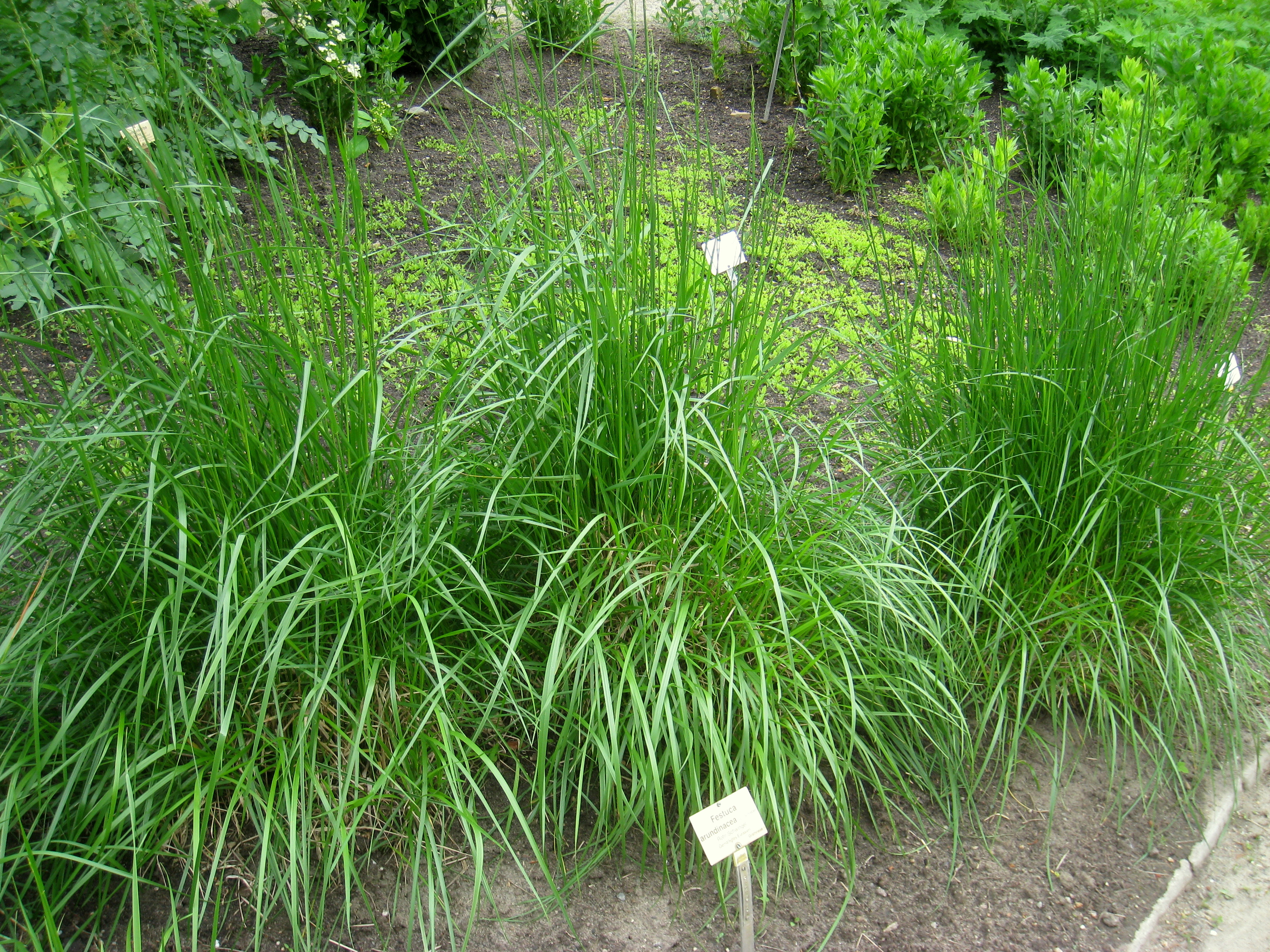
Tall Fescue (Festuca arundinacea)
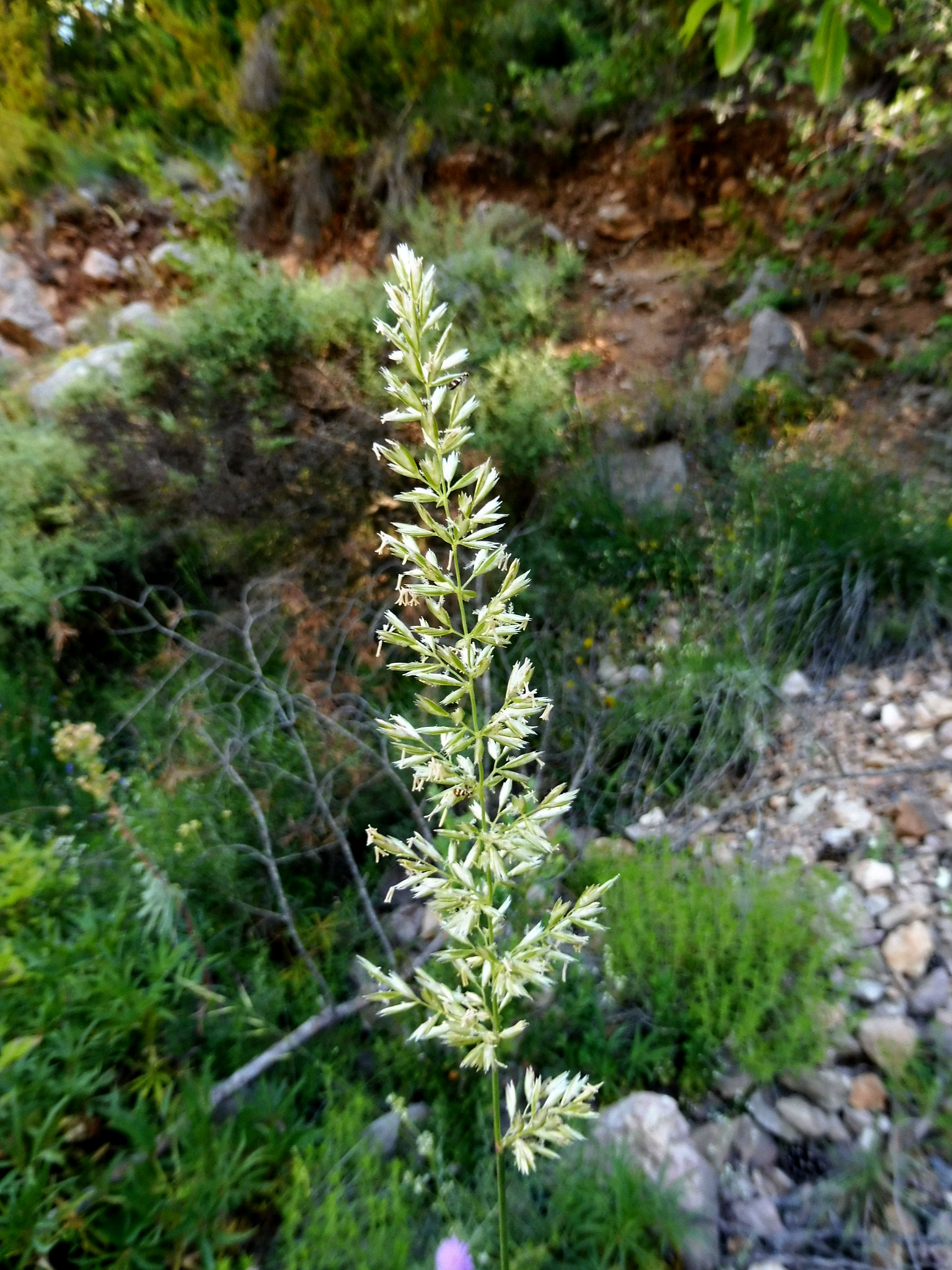
Tall fescue is often considered the champion for dog-friendly lawns in Zone 6. It's a robust, deep-rooted cool-season grass that can tolerate a wide range of soil conditions and is more drought-tolerant than many other cool-season grasses. Its thicker blades and aggressive growth habit help it stand up to traffic and recover from urine spots more readily.
- Pros: Excellent wear tolerance, good drought resistance, deeper roots for better nutrient uptake, relatively good urine resistance.
- Cons: Can be coarser in texture than other fescues or bluegrass, may require more frequent mowing.
- Maintenance Tip: Keep tall fescue mowed at 2.5-3 inches to encourage deep root growth and overall health.
Perennial Ryegrass (Lolium perenne)
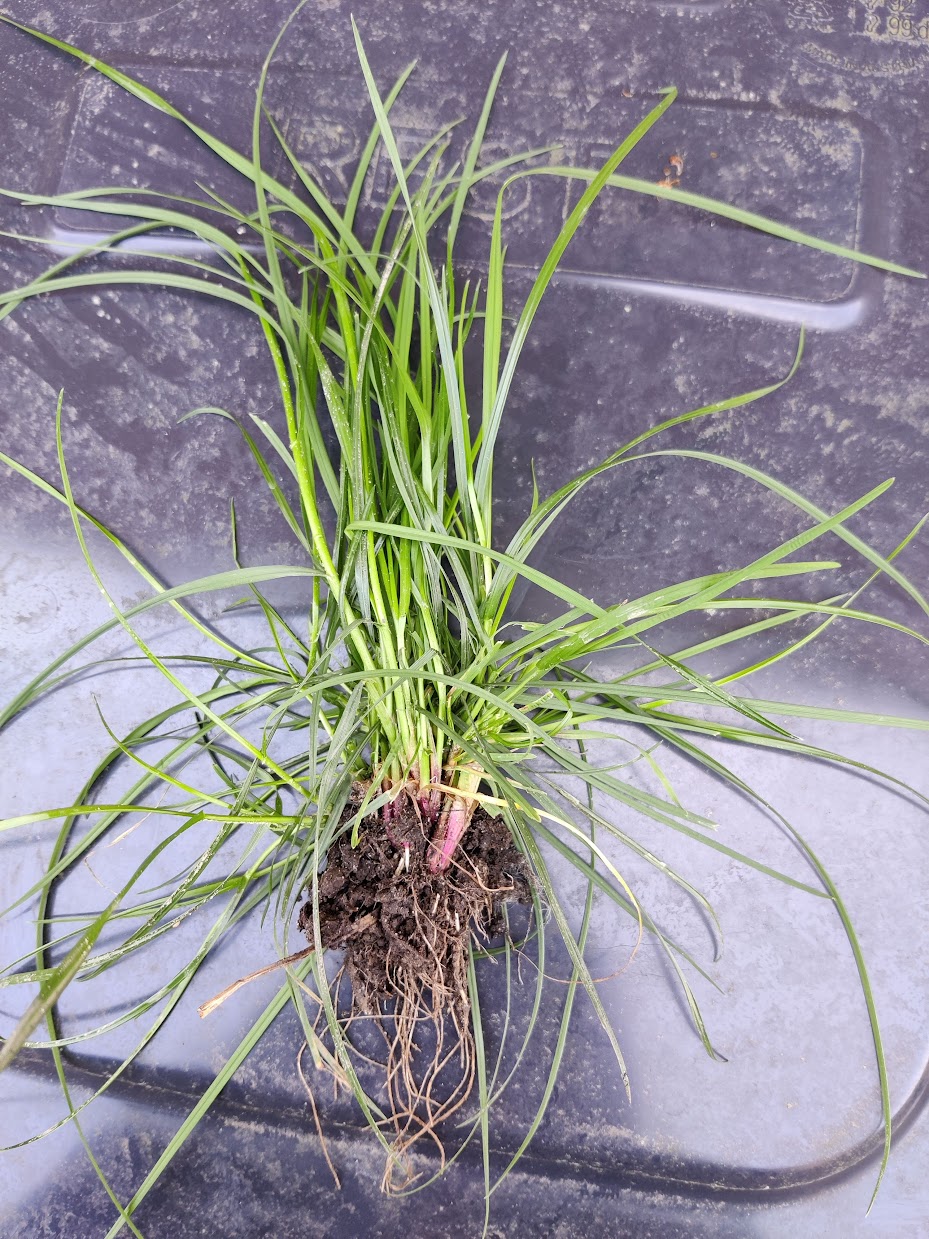
Perennial ryegrass is another strong contender for Zone 6 lawns. It germinates quickly, providing a fast green-up, and has good wear tolerance. While not as drought-tolerant as tall fescue, it can recover well from damage. It's often used in mixes with other grasses to provide quick cover and improve durability.
- Pros: Rapid germination, good wear tolerance, fine texture, good recovery from damage.
- Cons: Less drought-tolerant than tall fescue, can be susceptible to some diseases in humid conditions.
- Maintenance Tip: Perennial ryegrass benefits from consistent moisture, especially during dry spells.
Kentucky Bluegrass (Poa pratensis)
While Kentucky bluegrass is a popular choice for its beautiful, dense turf and excellent recuperative ability (it spreads via rhizomes), it's generally less urine-resistant than tall fescue or perennial ryegrass. Its finer blades and shallower root system make it more susceptible to nitrogen burn. However, its ability to self-repair can eventually fill in damaged spots, albeit slowly. If you prioritize a lush, carpet-like lawn and are diligent about watering urine spots, it can work, often in a blend.
- Pros: Beautiful, dense turf; excellent self-repairing capabilities; good cold tolerance.
- Cons: Less urine-resistant, slower to establish, requires more water and fertilizer than tall fescue.
- Maintenance Tip: If using Kentucky bluegrass, be extra vigilant about watering down urine spots immediately.
Quick Reference: Grasses for Dog Urine in Zone 6
| Grass Type | Urine Resistance | Wear Tolerance | Drought Tolerance | Texture | Key Feature |
|---|---|---|---|---|---|
| Tall Fescue | Good | Excellent | Good | Coarse | Deep roots, robust, best all-around |
| Perennial Ryegrass | Good | Good | Moderate | Fine | Fast germination, quick recovery |
| Kentucky Bluegrass | Moderate-Low | Good | Moderate | Fine-Soft | Self-repairing (rhizomes), dense turf |
Strategies to Minimize Dog Urine Damage
Choosing the right grass is only half the battle. Implementing good lawn care practices and training your dog can significantly reduce urine spots.
- Dilution is Key: The most effective immediate action is to dilute the urine with water. Keep a watering can or hose near where your dog typically relieves itself and immediately douse the area after they go. This spreads out the nitrogen, preventing concentrated burning.
- Hydrate Your Dog: A well-hydrated dog will have more diluted urine, which is less damaging to your lawn. Ensure fresh water is always available.
- Designate a Potty Area: Train your dog to use a specific, less visible area of the yard for their business. You can use mulch, pea gravel, or even a patch of sacrificial clover in this area.
- Supplements (Use with Caution): Some dog supplements claim to neutralize urine. Always consult your veterinarian before giving your dog any supplements, as some can have adverse health effects.
- Proper Mowing and Watering: Maintain a healthy lawn by mowing at the correct height (taller grass blades can better withstand damage) and watering deeply and infrequently to encourage deep root growth.
- Overseeding: Regularly overseeding your lawn, especially with urine-resistant varieties, can help fill in thin spots and improve overall turf density, making it more resilient.
Companion Plants for a Dog-Friendly Yard
While your lawn takes the brunt of the dog traffic, consider adding some durable and pet-friendly plants around the edges of your yard. These plants are not listed as toxic to dogs and can add beauty without worry.
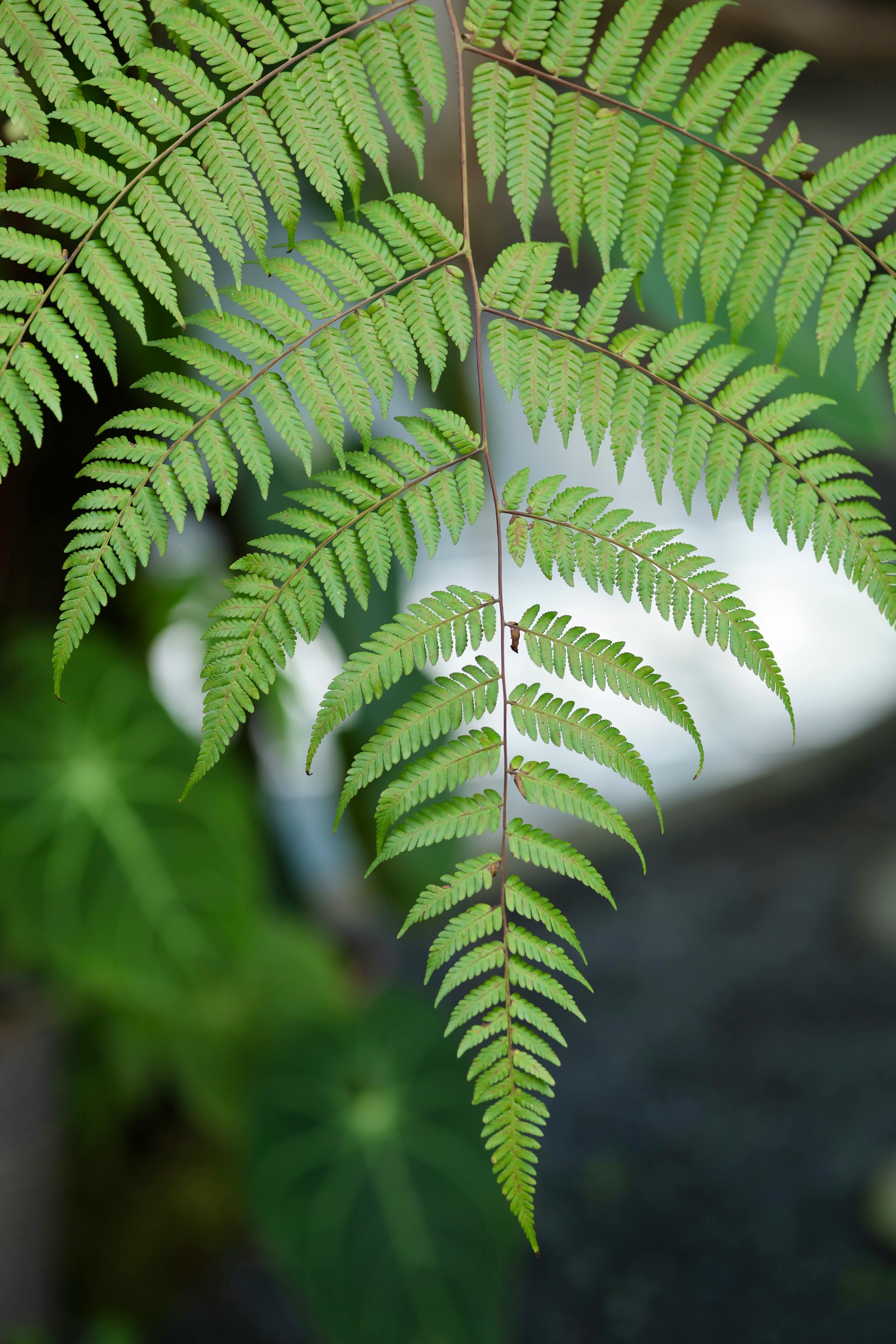
Hayscented Fern Hayscented Fern is a beautiful, airy fern that can create a soft, natural look in shady areas. It's known for its resilience and can form dense colonies, providing a lush backdrop.
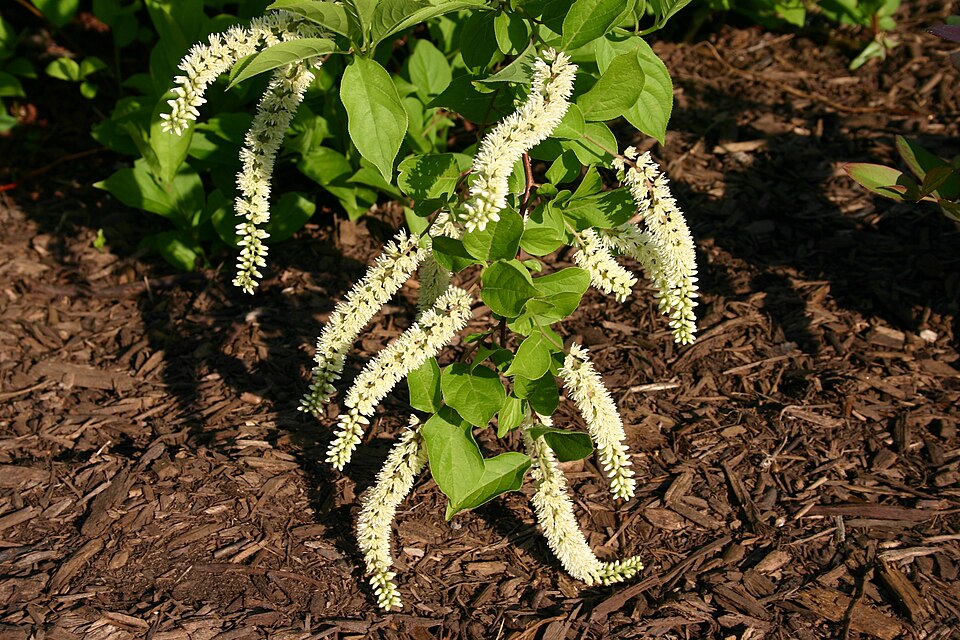
Virginia Sweetspire Virginia Sweetspire is a lovely native shrub that offers fragrant white flowers in late spring to early summer and brilliant fall foliage. It's adaptable and can tolerate a range of conditions.
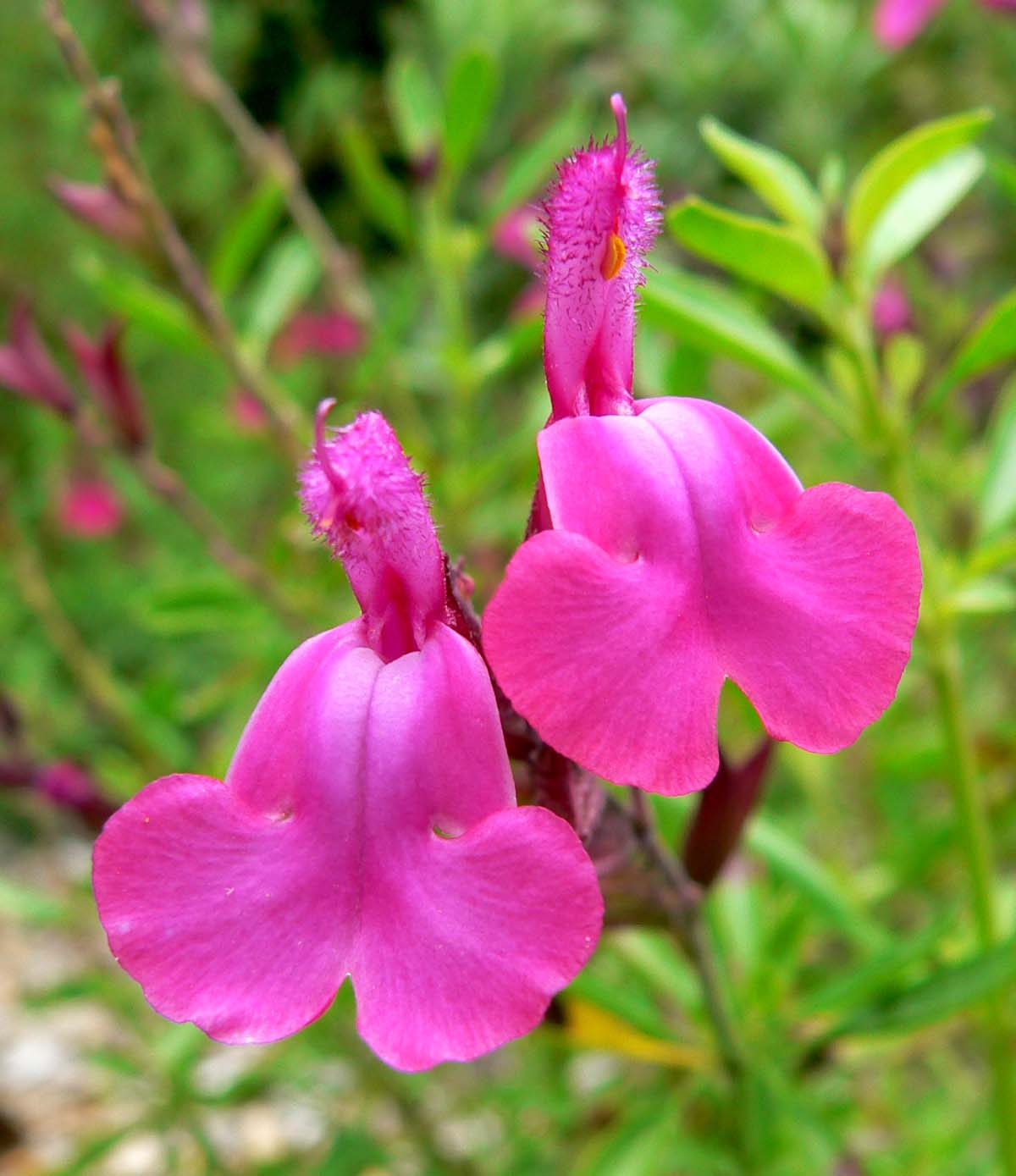
salvia-greggii" class="plant-link">Salvia greggii Salvia greggii, or Autumn Sage, is a vibrant perennial that provides continuous blooms from spring until frost. It's drought-tolerant and attracts pollinators, adding color and life to your garden.
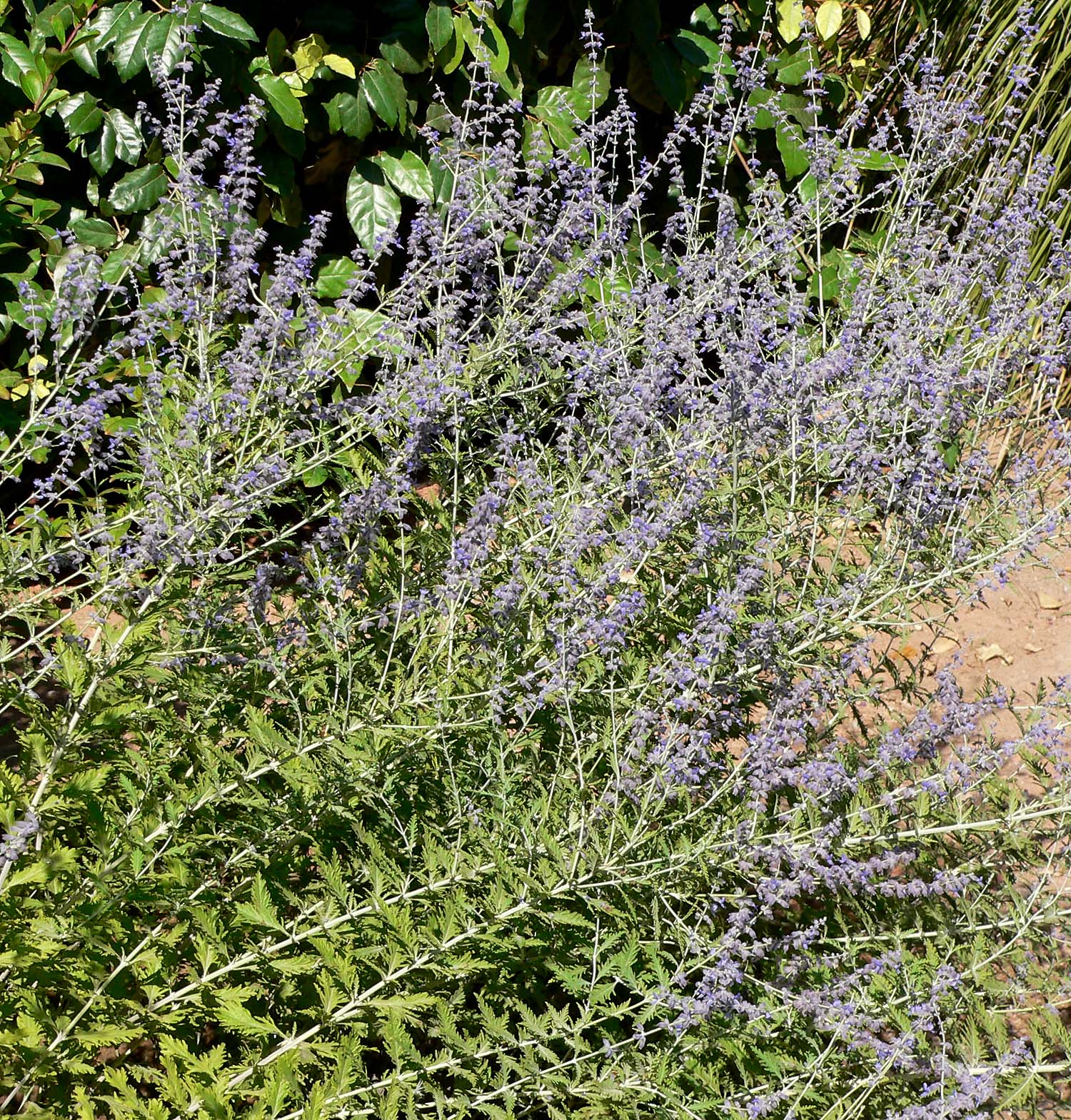
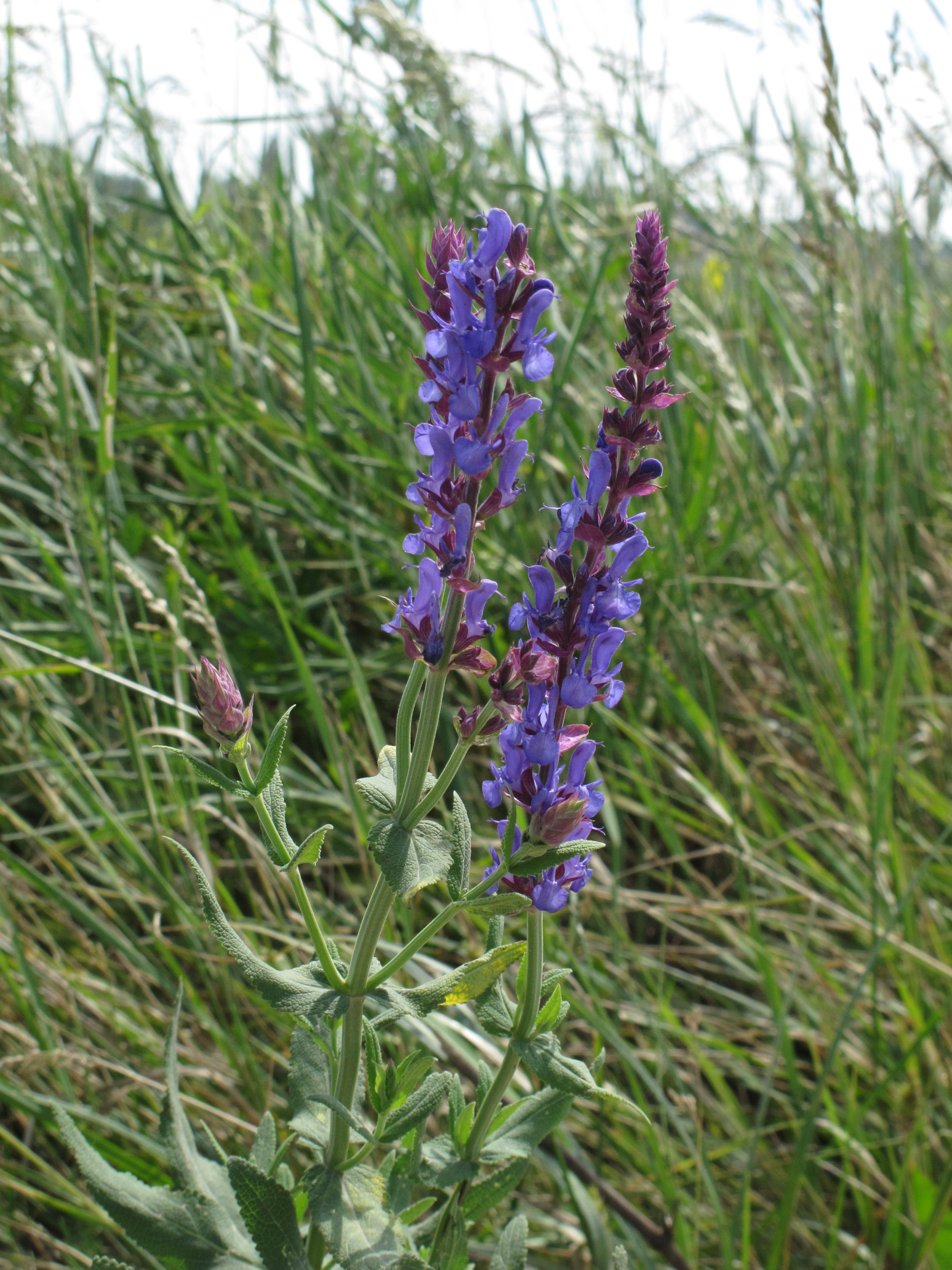
Russian Sage Russian Sage is a tough, drought-tolerant perennial with silvery foliage and spikes of lavender-blue flowers. It's known for its long blooming season and ability to thrive in challenging conditions.
Repairing Urine Spots
If you do end up with brown spots, don't despair!
- Remove Dead Grass: Rake out the dead grass and thatch from the affected area. This creates a good seedbed.
- Amend the Soil: If the soil is compacted, loosen it with a hand trowel. You can also add a small amount of fresh topsoil or compost to replenish nutrients.
- Reseed: Choose a high-quality grass seed blend that matches your existing lawn, preferably one with tall fescue or perennial ryegrass.
- Water Consistently: Keep the reseeded area consistently moist (but not waterlogged) until the new grass establishes. This might mean watering several times a day in small amounts.
By combining the right grass choices with proactive management strategies, you can enjoy a beautiful, green lawn in Zone 6 that stands up to the challenges of having a beloved canine companion.
Related cool-season lawn care
After you repair urine spots and reseed with a tough cool-season blend, fall overseeding and feeding support recovery into winter. See fall overseed for cool-season lawns in Zones 6-7 and fall winterizer fertilizer for cool-season lawns.
Ready to find the perfect plants for your yard? Try the PlantWise Plant Finder →