Best Lawn Grass for Zone 10: Complete Guide
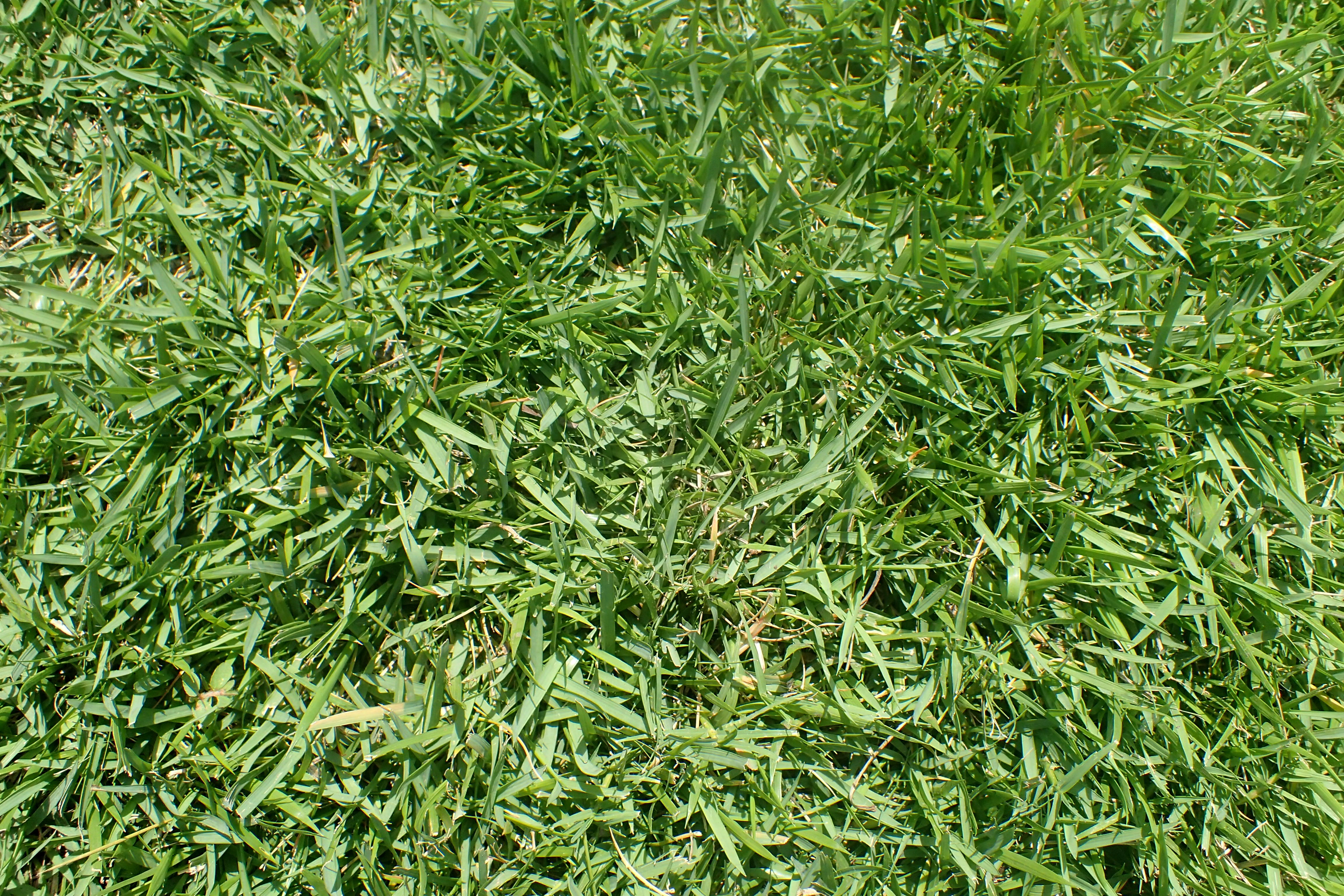
For gardeners in USDA Hardiness Zone 10, choosing the right lawn grass is crucial for a vibrant, year-round green space. The best lawn grasses for Zone 10 are predominantly warm-season varieties, thriving in the region's consistent heat and humidity while tolerating mild winters. Top contenders include St. Augustine, Bermuda, Zoysia, and Centipede grass, each offering unique benefits in terms of drought tolerance, foot traffic resilience, and maintenance needs. Understanding the specific characteristics of these grasses will help you select the perfect turf to withstand the tropical and subtropical conditions of Zone 10.
🌱 Get Personalized Plant Picks
Answer a few quick questions and we’ll match plants to your exact yard conditions.
Find My Plants →What Makes Zone 10 Unique for Lawn Grasses?
USDA Hardiness Zone 10 encompasses areas with average annual extreme minimum temperatures ranging from 30°F to 40°F (-1.1°C to 4.4°C). This means that while occasional dips below freezing can occur, sustained hard freezes are rare. This climate is ideal for warm-season grasses, which flourish in temperatures between 75°F and 95°F (24°C and 35°C) and go dormant, but rarely die, during cooler periods.
The challenges in Zone 10 often revolve around heat, humidity, and sometimes drought. Therefore, the best grasses are those that can withstand intense summer sun, resist common warm-weather diseases, and recover well from stress.
Top Warm-Season Grasses for Zone 10
Let's dive into the most popular and effective lawn grass options for Zone 10.
1. St. Augustine Grass (Stenotaphrum secundatum)
Why it's great for Zone 10: St. Augustine grass is a quintessential warm-season grass, highly favored in tropical and subtropical climates like Zone 10. It forms a dense, attractive, blue-green lawn with broad, coarse blades. It thrives in full sun but also boasts good shade tolerance compared to other warm-season grasses, making it versatile for many landscapes.
Pros:
- Excellent heat and humidity tolerance.
- Good shade tolerance (for a warm-season grass).
- Establishes quickly, forming a thick, weed-resistant turf.
- Tolerates salty conditions, making it suitable for coastal areas.
Cons:
- Requires more water than some other grasses, especially in dry periods.
- Can be susceptible to chinch bugs and fungal diseases like brown patch.
- Does not tolerate heavy foot traffic as well as Bermuda or Zoysia.
- Propagated primarily by sod or plugs, as seed is generally not available or reliable.
Maintenance: Mowing height of 2-4 inches. Fertilize 3-4 times a year. Requires consistent watering.
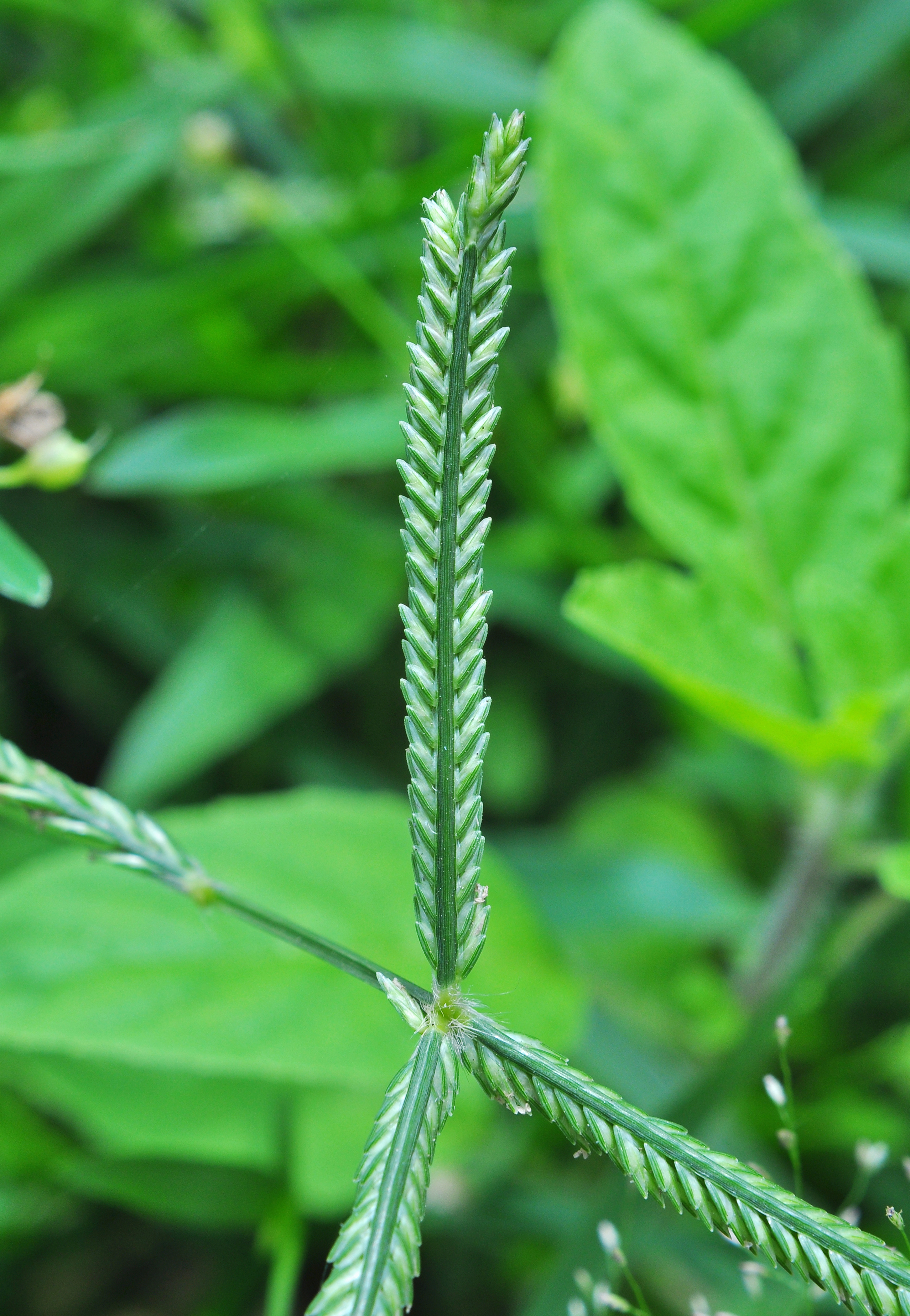
2. Bermuda Grass (Cynodon dactylon)
Why it's great for Zone 10: Bermuda grass is a tough, aggressive, and highly resilient warm-season grass known for its exceptional heat and drought tolerance. It forms a beautiful, fine-textured, dark green lawn that can withstand heavy foot traffic, making it ideal for active families or high-use areas.
Pros:
- Outstanding heat and drought tolerance.
- Excellent wear and tear recovery; ideal for high-traffic areas.
- Fast-growing and self-repairing.
- Can be established from seed, sod, or sprigs.
Cons:
- Requires full sun; very poor shade tolerance.
- Aggressive growth can lead to it invading garden beds if not contained.
- Requires frequent mowing (1-2.5 inches) to maintain a manicured look.
- Can become dormant and turn brown during cooler winter periods, even in Zone 10.
Maintenance: Mowing height of 1-2.5 inches, often requiring weekly or bi-weekly cuts. Fertilize 3-5 times a year. Needs consistent watering during establishment, but very drought-tolerant once mature.
3. Zoysia Grass (Zoysia japonica, Zoysia matrella, etc.)
Why it's great for Zone 10: Zoysia grass is a dense, slow-growing warm-season grass that forms a lush, carpet-like lawn. It's highly prized for its excellent drought tolerance, good shade tolerance, and ability to handle moderate to high foot traffic. Its slow growth means less frequent mowing.
Pros:
- Excellent drought tolerance, requiring less water than St. Augustine.
- Good shade tolerance (better than Bermuda, comparable to St. Augustine).
- Very dense growth chokes out weeds effectively.
- Good wear resistance and recovery.
- Less frequent mowing due to slower growth.
Cons:
- Slow to establish, especially from seed (can take a full season).
- Can be more expensive to install (often sold as sod or plugs).
- Thatch buildup can be an issue, requiring occasional dethatching.
- Can go dormant and brown in cooler Zone 10 winters.
Maintenance: Mowing height of 1-2.5 inches. Fertilize 2-3 times a year. Water deeply but infrequently once established.
4. Centipede Grass (Eremochloa ophiuroides)
Why it's great for Zone 10: Centipede grass is often called "lazy man's grass" due to its low maintenance requirements. It's a light green, medium-textured grass that is very well-suited to the heat and humidity of Zone 10, especially in areas with poorer soils.
Pros:
- Very low maintenance: requires less fertilizer and less frequent mowing.
- Good heat tolerance.
- Tolerates acidic and infertile soils better than other grasses.
- Forms a dense turf that resists weeds.
Cons:
- Poor cold tolerance (can be damaged by even light freezes).
- Poor wear tolerance; not ideal for heavy foot traffic.
- Slow to recover from damage.
- Susceptible to iron deficiency, leading to yellowing.
Maintenance: Mowing height of 1-2 inches. Requires minimal fertilization (1-2 times a year). Water as needed, but generally drought-tolerant.
Quick Reference: Zone 10 Lawn Grasses
| Grass Type | Sun Needs | Drought Tolerance | Foot Traffic | Maintenance Level | Notes |
|---|---|---|---|---|---|
| St. Augustine | Full Sun to Partial Shade | Moderate | Low-Moderate | Medium-High | Good salt tolerance, common in coastal areas. |
| Bermuda | Full Sun | Excellent | High | High | Fast growth, aggressive, can invade beds. |
| Zoysia | Full Sun to Partial Shade | Excellent | Moderate-High | Medium | Slow establishment, dense, less mowing. |
| Centipede | Full Sun to Partial Shade | Good | Low | Low | "Lazy man's grass," light green, poor cold tolerance. |
How Do I Choose the Right Grass for My Specific Zone 10 Yard?
Choosing the best grass involves evaluating your specific yard conditions and lifestyle. Consider these factors:
Sunlight Exposure:
- Full Sun (6+ hours direct sun): Bermuda is an excellent choice. St. Augustine and Zoysia also perform well.
- Partial Shade (3-6 hours direct sun): St. Augustine and Zoysia are your best bets. Bermuda and Centipede will struggle.
Foot Traffic:
- High Traffic (kids, pets, entertaining): Bermuda is superior for its resilience and recovery. Zoysia is a good second choice.
- Moderate Traffic: Zoysia and St. Augustine can handle it.
- Low Traffic: Centipede is suitable if traffic isn't a concern.
Maintenance Commitment:
- Low Maintenance: Centipede grass requires the least input. Zoysia is moderate due to slower growth.
- Medium-High Maintenance: St. Augustine and Bermuda require more frequent mowing and fertilization.
Water Availability & Drought Concerns:
- Drought-Prone: Bermuda and Zoysia are highly drought-tolerant once established.
- Consistent Watering: St. Augustine requires more regular watering.
Soil Type:
- Most warm-season grasses prefer well-draining soil. Centipede can tolerate poorer, more acidic soils.
Pest and Disease History:
- If you've had issues with chinch bugs, St. Augustine might be more susceptible. If nematodes are an issue, some Zoysia varieties offer better resistance.
What Are the Best Practices for Establishing and Maintaining a Zone 10 Lawn?
Once you've selected your grass, proper establishment and ongoing care are key to a thriving Zone 10 lawn.
Establishment:
- Soil Preparation: Conduct a soil test to determine nutrient levels and pH. Amend soil as recommended. Ensure good drainage.
- Timing: For warm-season grasses, the best time to plant is in late spring or early summer when soil temperatures are consistently warm and there's no risk of frost.
- Planting Method:
- Sod: Provides an instant lawn, but is the most expensive. Ensures uniform coverage.
- Plugs: Small sections of sod planted at intervals. Cheaper than sod but takes longer to fill in.
- Sprigs: Stolons and rhizomes spread over the soil. Even cheaper, but takes the longest to establish.
- Seed: Only available for Bermuda and some Zoysia varieties. Most cost-effective but requires careful watering and weed control during germination.
- Initial Watering: Keep the newly planted area consistently moist (not waterlogged) for the first few weeks to encourage root development.
Ongoing Maintenance:
- Mowing: Mow at the recommended height for your grass type. Never remove more than one-third of the blade length at a time. Keep mower blades sharp.
- Watering: Water deeply and infrequently to encourage deep root growth. Aim for 1 inch of water per week, including rainfall. Water in the early morning to reduce disease risk.
- Fertilization: Follow soil test recommendations. Warm-season grasses generally need feeding 2-4 times during their active growing season (spring through fall).
- Weed Control: A healthy, dense lawn is your best defense against weeds. Use pre-emergent herbicides in early spring and fall, and spot-treat or hand-pull weeds as needed.
- Pest and Disease Management: Monitor your lawn regularly for signs of pests (like chinch bugs or grubs) or diseases (like brown patch). Address issues promptly with appropriate treatments.
- Aeration and Dethatching: Especially for Zoysia and St. Augustine, consider aerating annually or biennially to alleviate soil compaction and dethatching to remove excessive thatch buildup.
Choosing the right grass for your Zone 10 landscape is the first step toward a beautiful, resilient lawn. By understanding the unique needs of each warm-season variety and committing to proper care, you can enjoy a lush green carpet year-round.
Ready to find the perfect plants for your yard? Try the PlantWise Plant Finder →