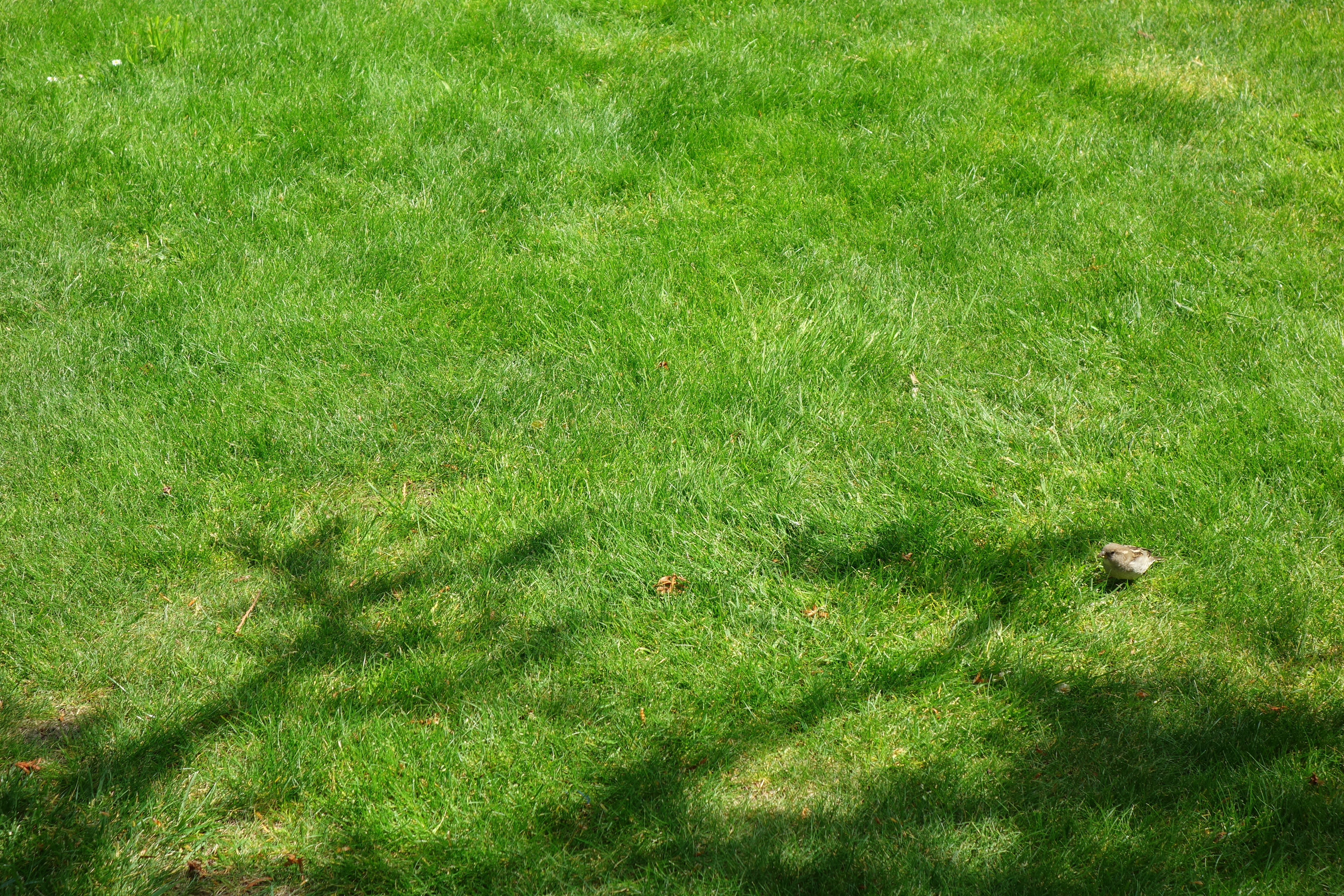
Best Lawn Grass for Zone 3: Complete Guide
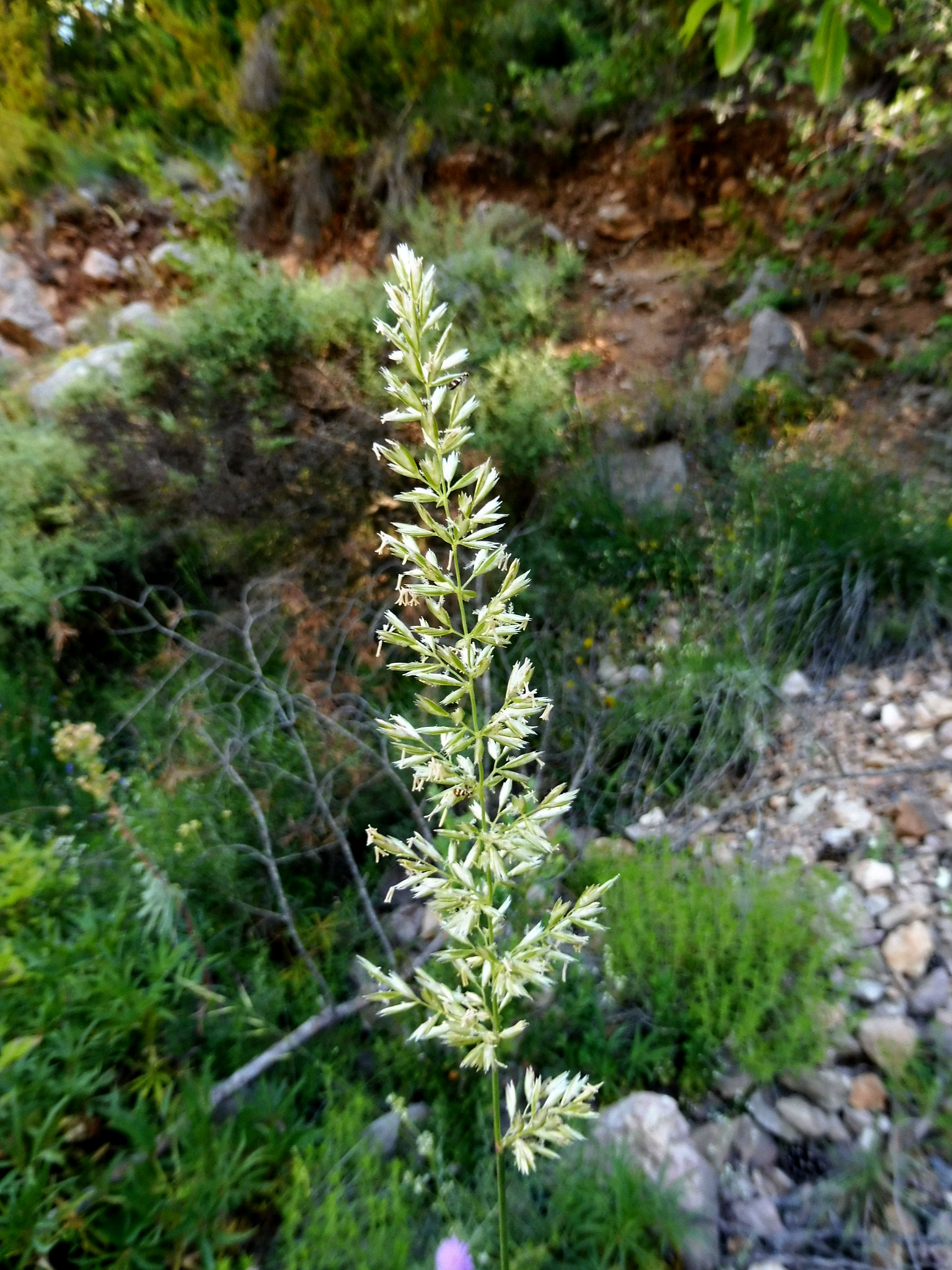
Gardening in USDA Hardiness Zone 3 presents unique challenges, especially when it comes to establishing a lush, green lawn. With average minimum winter temperatures plummeting to -30 to -40 degrees Fahrenheit, only the toughest cool-season grasses can survive and thrive. The best lawn grasses for Zone 3 are primarily Kentucky Bluegrass, Fine Fescues (Creeping Red, Chewings, Hard, Sheep), and Perennial Ryegrass. These varieties are renowned for their exceptional cold hardiness, allowing them to withstand harsh winters and bounce back beautifully each spring. Choosing the right blend of these grasses, and understanding their specific needs, is key to a successful Zone 3 lawn.
Let's dive into the characteristics of these resilient grasses and how to cultivate a thriving lawn in your cold climate.
🌱 Get Personalized Plant Picks
Answer a few quick questions and we’ll match plants to your exact yard conditions.
Find My Plants →What are the Best Cool-Season Grasses for Zone 3?
Zone 3's extreme winters mean that only cool-season grasses are viable options. These grasses are adapted to grow most actively during the cooler temperatures of spring and fall, often going dormant during the hottest parts of summer and, crucially, surviving deep freezes in winter.
Here are the top contenders:
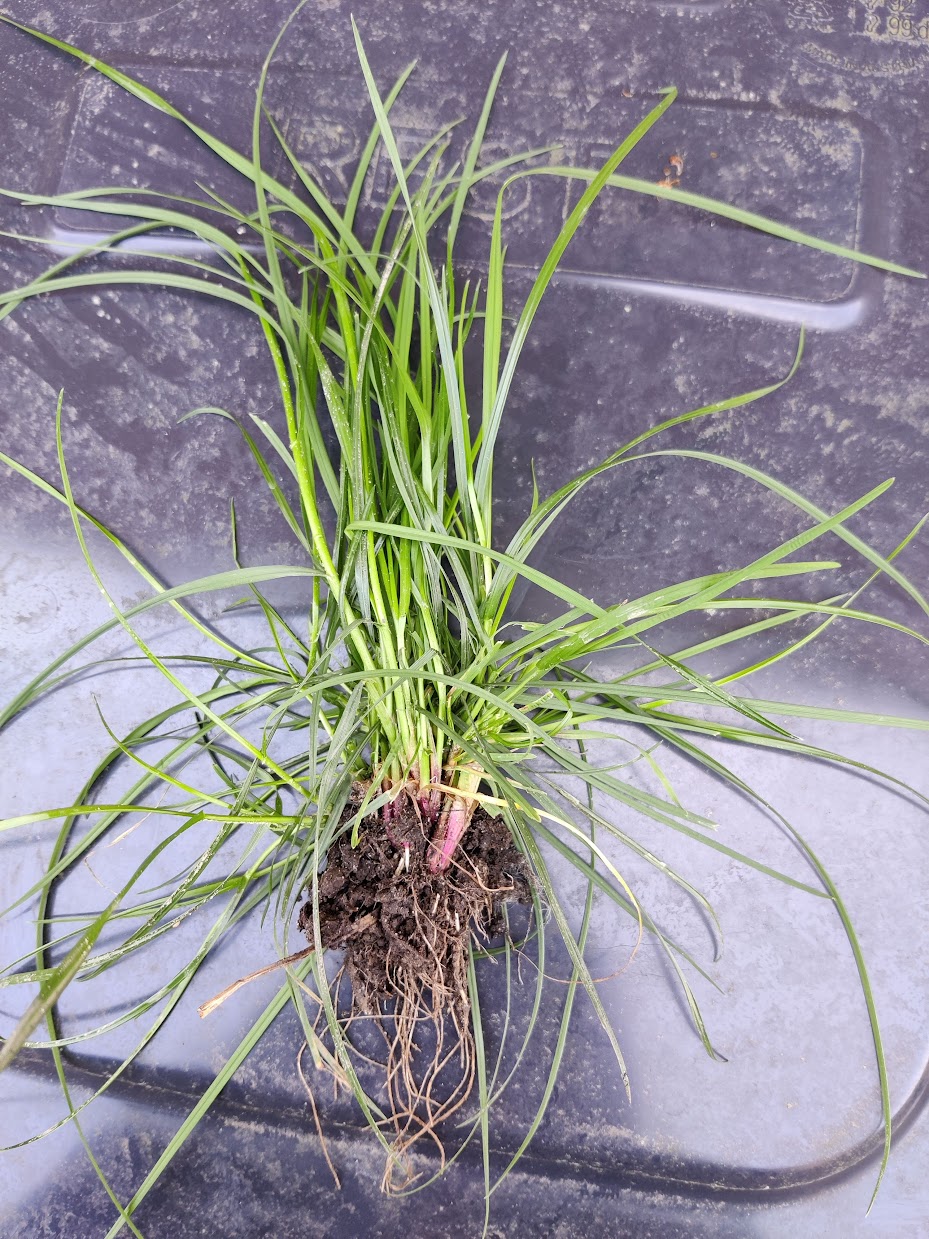
Kentucky Bluegrass (Poa pratensis):
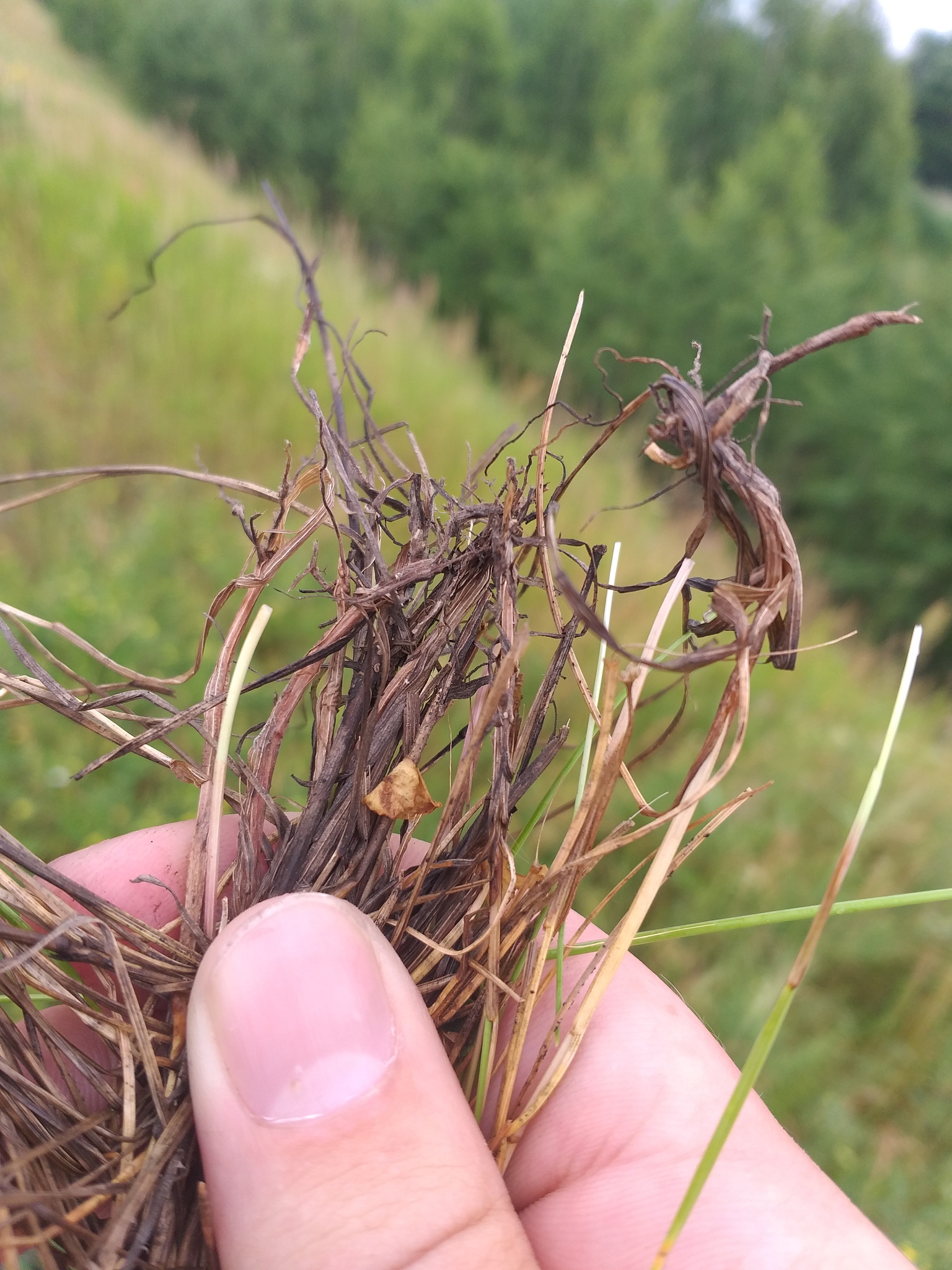
- Pros: The king of cool-season grasses, Kentucky Bluegrass is famous for its beautiful dark green color, dense growth habit, and excellent recuperative capabilities thanks to its aggressive rhizomes (underground stems). It forms a thick, durable turf that can withstand heavy foot traffic. It's also very cold-hardy and tolerates full sun well.
- Cons: It's a slow starter from seed, requiring patience. It also demands more water and fertilizer than fescues and can be prone to thatch buildup. It doesn't perform well in deep shade.
- Best Use: High-traffic areas, premium lawns where aesthetics are a priority. Often forms the backbone of Zone 3 grass seed mixes.
Fine Fescues (Festuca spp.):
- This category includes several species, all known for their fine texture, excellent shade tolerance, and low maintenance requirements. They are incredibly cold-hardy and drought-tolerant once established.
- Creeping Red Fescue (Festuca rubra): Spreads by rhizomes, creating a dense turf. Good for shade and low fertility soils.
- Chewings Fescue (Festuca rubra commutata): A bunch-type grass, does not spread by rhizomes. Excellent shade tolerance and requires less water.
- Hard Fescue (Festuca trachyphylla): Very tough, drought-tolerant, and requires minimal fertilization. Good for low-maintenance areas and poor soils.
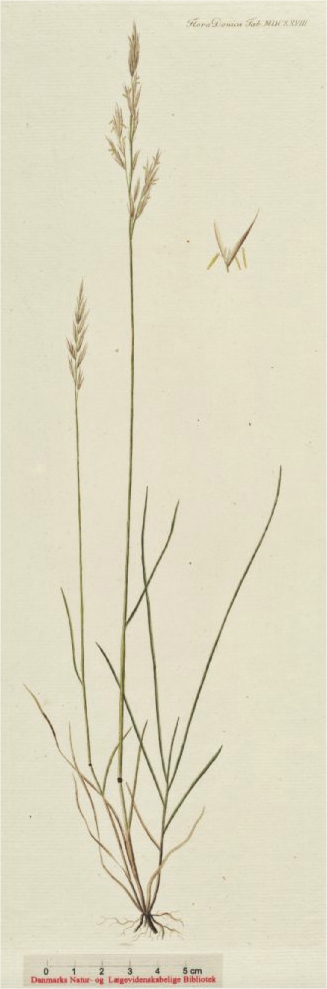
- Sheep Fescue (Festuca ovina): Similar to hard fescue, very drought-tolerant and low maintenance.
- Pros: Excellent shade tolerance, low water and nutrient requirements, fine texture, good cold hardiness.
- Cons: Less traffic tolerant than Kentucky Bluegrass, can be susceptible to some diseases in humid conditions, slower to recover from damage.
- Best Use: Shady areas, low-maintenance lawns, erosion control, or mixed with Kentucky Bluegrass to improve shade tolerance and reduce water needs.
Perennial Ryegrass (Lolium perenne):
- Pros: Known for its rapid germination and establishment, making it excellent for quick cover, overseeding, or erosion control. It has a fine to medium texture, good wear tolerance, and a shiny, dark green color. It's also quite cold-hardy.
- Cons: It's a bunch-type grass, meaning it doesn't spread to fill in bare spots like Kentucky Bluegrass. While cold-hardy, some varieties may not be as robust as Kentucky Bluegrass in the absolute coldest Zone 3 extremes without snow cover.
- Best Use: Overseeding existing lawns, quick establishment, high-traffic areas (often mixed with Kentucky Bluegrass), temporary cover.
Quick Reference: Zone 3 Grass Characteristics
| Grass Type | Cold Hardiness | Shade Tolerance | Traffic Tolerance | Water Needs | Fertilizer Needs | Establishment Speed | Key Feature |
|---|---|---|---|---|---|---|---|
| Kentucky Bluegrass | Excellent | Poor-Fair | Excellent | Moderate-High | Moderate-High | Slow | Dense, rhizomatous, self-repairing |
| Fine Fescues | Excellent | Excellent | Fair-Poor | Low | Low | Moderate | Low maintenance, drought & shade tolerant |
| Perennial Ryegrass | Good-Excellent | Fair | Good | Moderate | Moderate | Fast | Quick germination, good for overseeding |
How Do I Prepare My Soil for a New Lawn in Zone 3?
Proper soil preparation is paramount for a successful lawn, especially in challenging climates like Zone 3. Your grass needs a healthy foundation to withstand harsh winters and thrive through the growing season.
- Soil Testing: This is the most crucial first step. A soil test will tell you your soil's pH, nutrient levels, and organic matter content. Your local extension office can provide kits and analysis. Aim for a pH between 6.0 and 7.0 for most lawn grasses.
- Amendments:
- Adjust pH: If your soil is too acidic (common in many northern regions), add agricultural lime. If it's too alkaline, add elemental sulfur. Follow soil test recommendations carefully.
- Improve Drainage & Structure: Incorporate 2-4 inches of organic matter (compost, well-rotted manure, peat moss) into the top 6-8 inches of soil. This improves drainage in heavy clay soils and water retention in sandy soils, while also providing essential nutrients.
- Grading: Ensure the area is properly graded to direct water away from your home and prevent puddling. A slight slope (1-2%) is ideal.
- Tilling: Loosen compacted soil by tilling to a depth of 6-8 inches. This allows roots to penetrate deeply and water to infiltrate.
- Raking and Leveling: Remove rocks, debris, and clods. Rake the surface smooth and level, creating a fine, firm seedbed.
- Starter Fertilizer: Apply a starter fertilizer (high in phosphorus) according to soil test recommendations. This provides essential nutrients for young seedlings.
When is the Best Time to Plant Lawn Grass in Zone 3?
For cool-season grasses in Zone 3, timing is everything. The ideal window for seeding is late summer to early fall (mid-August to mid-September).
Why this timing?
- Warm Soil: The soil is still warm from summer, which encourages rapid germination.
- Cooler Air Temperatures: Cooler air temperatures are less stressful for young seedlings.
- Reduced Weed Competition: Many warm-season weeds are dying back, giving your grass a head start.
- Moisture: Fall often brings more consistent rainfall, reducing the need for constant irrigation.
- Winter Dormancy: The grass has enough time to establish a strong root system before winter dormancy, making it more resilient to freezing temperatures.
Spring seeding (April to early May) is also possible but comes with more challenges, such as competing with aggressive spring weeds and facing the stress of summer heat and potential drought before the grass is fully established.
What Maintenance Does a Zone 3 Lawn Require?
Even cold-hardy grasses need consistent care to look their best and remain resilient.
- Mowing: Maintain a mowing height of 2.5-3.5 inches. Taller grass shades the soil, reducing weed germination and moisture evaporation, and promotes deeper root growth. Never remove more than one-third of the blade length at a time.
- Watering: Young lawns need consistent moisture. Once established, aim for 1 inch of water per week, either from rain or irrigation. Water deeply and infrequently to encourage deep root growth. Early morning is the best time to water.
- Fertilization:
- Fall (most important): A late-season application (October-November) of a slow-release nitrogen fertilizer helps promote root growth and winter hardiness.
- Spring: A light application in May can boost green-up.
- Summer: Avoid heavy fertilization during hot summer months, as it can stress the grass.
- Always follow soil test recommendations.
- Weed Control: A healthy, dense lawn is your best defense against weeds. Hand-pulling, spot treatments, or pre-emergent herbicides (applied in early spring before weed seeds germinate) can be used.
- Aeration and Dethatching:
- Aeration: If your soil is compacted, aerate in the fall to improve air, water, and nutrient penetration to the roots.
- Dethatching: If thatch (a layer of dead grass between the soil surface and green blades) builds up to more than 1/2 inch, dethatch in early fall to prevent disease and allow water to reach the soil.
- Winterizing: The late fall fertilization mentioned above is key to winterizing. Ensure your lawn is mowed to its regular height before the first persistent snow cover.
Are There Any Other Plants That Thrive in Zone 3?
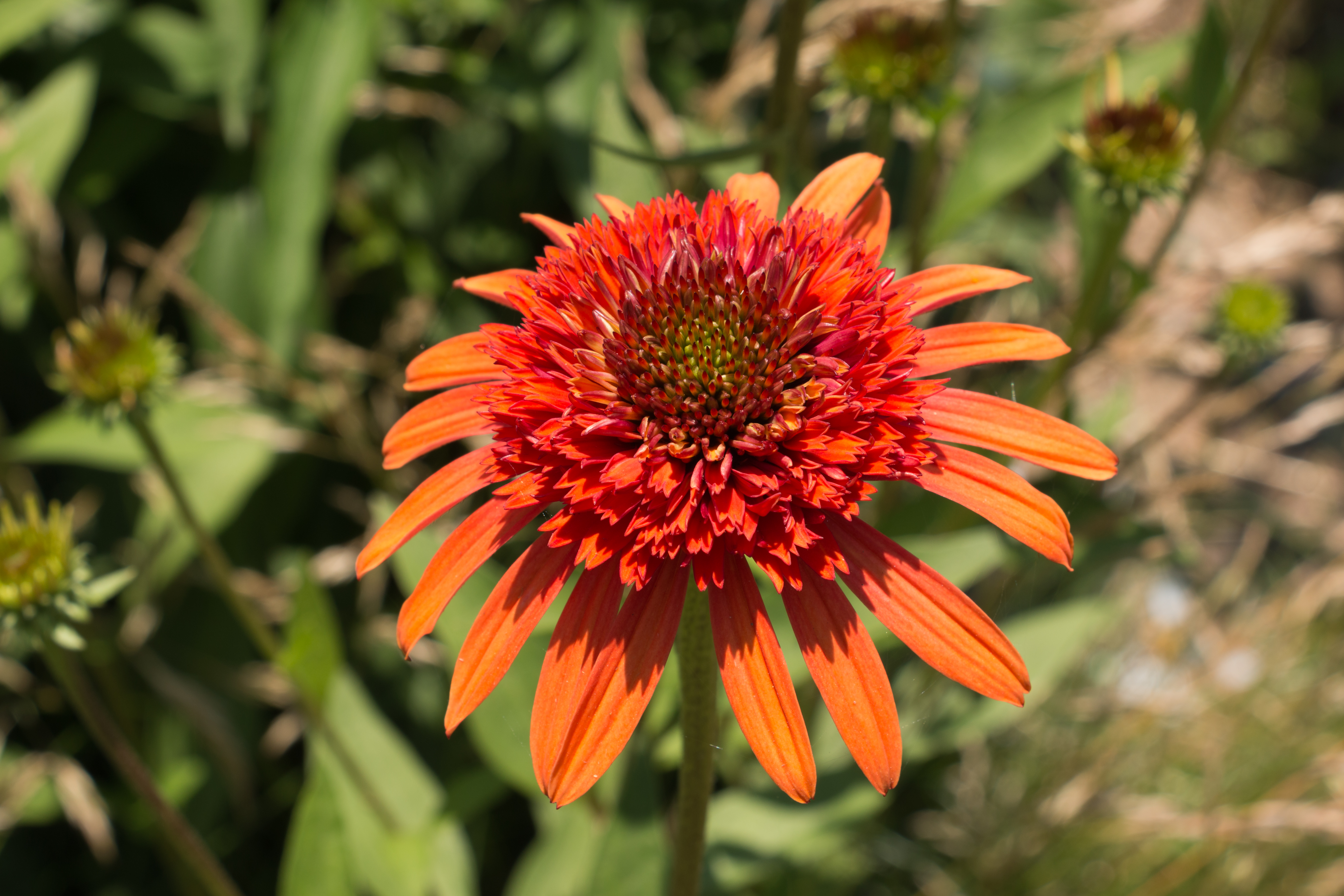
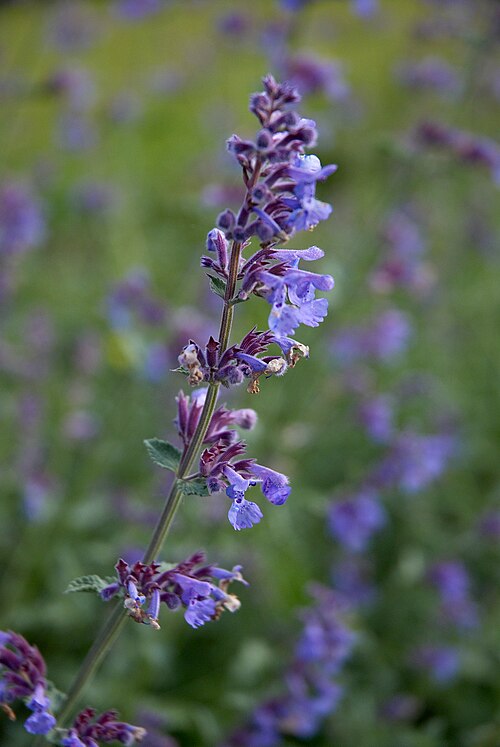
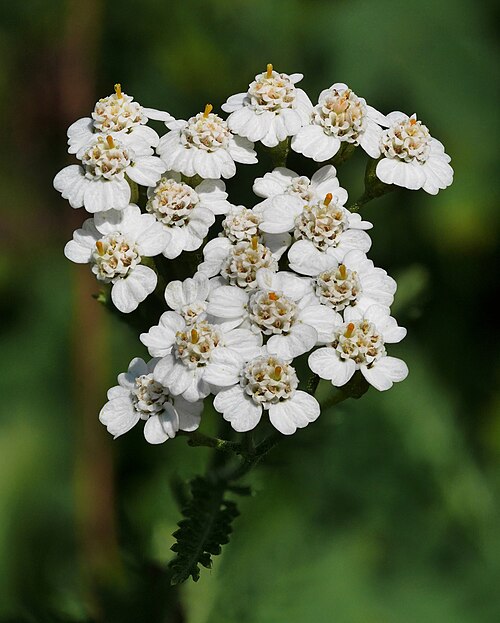
While your lawn is a major component, surrounding it with other cold-hardy plants can enhance your landscape and support local ecosystems. Many perennials are excellent choices for Zone 3, providing color and texture throughout the growing season.
These plants are not only beautiful but also well-adapted to the cold winters and often provide benefits to pollinators.
Ready to find the perfect plants for your yard? Try the PlantWise Plant Finder →