Best Lawn Grass for Zone 4: Complete Guide
Gardening in USDA Hardiness Zone 4 means dealing with consistently cold winters, often with temperatures dropping to -30°F to -20°F (-34°C to -29°C). For your lawn, this translates to a need for hardy, cool-season grasses that can withstand deep freezes and thrive during the shorter growing seasons of spring and fall. The best lawn grasses for Zone 4 are primarily cool-season varieties like Kentucky Bluegrass, Fine Fescues (Creeping Red, Chewings, Hard, Sheep), Tall Fescue, and Perennial Ryegrass. Often, a blend of these grasses performs best, offering a balance of cold hardiness, drought tolerance, disease resistance, and traffic tolerance. Choosing the right blend depends on your specific yard conditions, such as sun exposure, soil type, and how much foot traffic your lawn will experience.
🌱 Get Personalized Plant Picks
Answer a few quick questions and we’ll match plants to your exact yard conditions.
Find My Plants →What are the Best Cool-Season Grasses for Zone 4?
Zone 4's climate is perfectly suited for cool-season grasses, which grow most vigorously during the cooler temperatures of spring and fall (between 50-75°F or 10-24°C). They tend to go dormant in the heat of summer and the cold of winter, but their root systems are built to survive the deep freezes. Here’s a breakdown of the top contenders:
Kentucky Bluegrass (Poa pratensis):
- Pros: The quintessential northern lawn grass, known for its beautiful dark green color, dense growth, and excellent recuperative ability thanks to its rhizomatous (underground spreading) growth habit. It forms a very durable, attractive turf.
- Cons: Slower to establish from seed, requires more water and fertilizer than fescues, and can struggle in heavy shade. It's also more susceptible to certain diseases if not properly maintained.
- Best for: High-traffic areas, sunny lawns, and those who desire a premium-looking lawn and are willing to provide consistent care.
Fine Fescues (Festuca spp.) - Creeping Red, Chewings, Hard, Sheep:
- Pros: These are the champions of low-maintenance lawns. Fine fescues are highly tolerant of shade, drought, and poor soils. They require less fertilizer and water than Kentucky Bluegrass and are very cold-hardy. They have a delicate, fine texture.
- Cons: Less tolerant of heavy foot traffic than Kentucky Bluegrass or Tall Fescue. Some varieties can clump if not mixed with other grasses.
- Best for: Shady areas, low-maintenance lawns, slopes, and areas with less foot traffic. Often used in blends to add shade tolerance and reduce overall water/fertilizer needs.
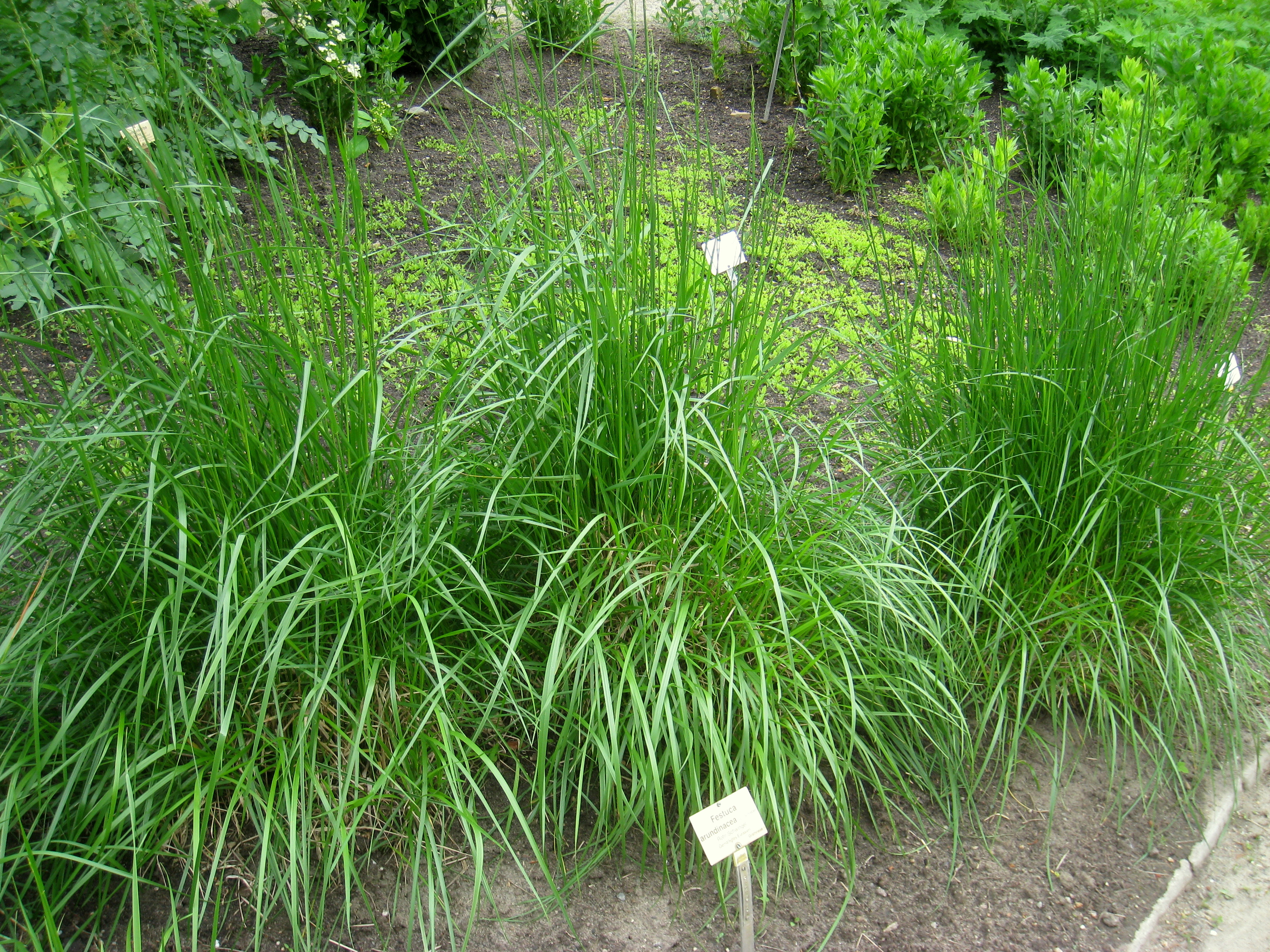
Tall Fescue (Festuca arundinacea):
- Pros: Known for its deep root system, which makes it exceptionally drought-tolerant once established. It's also very tolerant of heat, shade (more so than KBG), and heavy foot traffic. It has a coarser texture than Kentucky Bluegrass or fine fescues but forms a tough, durable turf.
- Cons: Can form clumps if not planted densely or mixed with other grasses. Some varieties can be less cold-hardy than Kentucky Bluegrass, so choose a turf-type tall fescue (TTTF) specifically bred for cold tolerance.
- Best for: High-traffic areas, lawns needing good drought tolerance, and those looking for a tough, low-maintenance option that can handle some shade.
Perennial Ryegrass (Lolium perenne):
- Pros: Establishes very quickly, making it excellent for overseeding or quick repairs. It has a fine texture, good color, and decent traffic tolerance.
- Cons: Less cold-hardy and shorter-lived than Kentucky Bluegrass or fescues, especially in Zone 4's harsh winters. It's also less drought-tolerant.
- Best for: Quick establishment, temporary lawns, or as a component in a blend where its rapid germination helps protect slower-growing seeds. It's rarely recommended as a standalone lawn grass in Zone 4 due to its limited cold hardiness.
How Do I Choose the Right Grass Blend for My Zone 4 Yard?
Selecting the perfect grass blend involves assessing your specific yard conditions and your desired lawn characteristics. A single grass type rarely meets all needs, which is why most reputable seed companies offer blends tailored for different situations.
Sunlight Exposure:
- Full Sun (6+ hours direct sun): A blend heavy in Kentucky Bluegrass with some Tall Fescue will provide a dense, durable, and attractive lawn.
- Partial Sun/Light Shade (3-6 hours direct sun): A blend with a higher percentage of Tall Fescue and Fine Fescues, along with Kentucky Bluegrass, will perform well.
- Heavy Shade (less than 3 hours direct sun): Fine Fescues should be the dominant component. Be realistic about what a lawn can achieve in deep shade; groundcovers or shade gardens might be better options.
Foot Traffic:
- High Traffic (kids, pets, frequent use): Look for blends with higher percentages of Kentucky Bluegrass and Tall Fescue, as these are the most durable.
- Moderate Traffic: A balanced blend of Kentucky Bluegrass, Tall Fescue, and Fine Fescues will work.
- Low Traffic: Fine Fescues can be a primary component, especially if you prioritize low maintenance.
Maintenance Level:
- High Maintenance (willing to water, fertilize, and mow regularly): Kentucky Bluegrass-dominant blends will give you the classic, lush lawn.
- Low Maintenance (prefer less watering, fertilizing, and mowing): Opt for blends with a higher percentage of Fine Fescues and Tall Fescue.
Soil Type:
- While most grasses prefer well-drained loam, Fine Fescues are more tolerant of poor, sandy, or clay soils. Amending your soil with organic matter is always a good practice regardless of grass type.
Quick Reference: Zone 4 Grass Characteristics
| Grass Type | Sun Needs | Traffic Tolerance | Drought Tolerance | Maintenance | Establishment | Texture |
|---|---|---|---|---|---|---|
| Kentucky Bluegrass | Full Sun | High | Moderate | High | Slow | Medium |
| Fine Fescues | Shade Tolerant | Low-Moderate | High | Low | Moderate | Fine |
| Tall Fescue | Sun-Partial Shade | High | High | Moderate | Moderate | Coarse |
| Perennial Ryegrass | Full Sun | Moderate | Low | Moderate | Fast | Fine-Medium |
Is There a Pet-Friendly Lawn Grass for Zone 4?
When it comes to pets, the primary concerns are often urine spots, digging, and wear and tear from running. While no grass is truly immune to pet damage, some are more resilient.
- Kentucky Bluegrass is excellent for pet owners because of its strong recuperative ability. Its rhizomes help it spread and fill in bare spots caused by urine or digging, making it a good choice for high-traffic pet areas.
- Tall Fescue is also a good option due to its durability and deep root system, which helps it stand up to wear. It can tolerate pet traffic well.
- Perennial Ryegrass can handle traffic but is less cold-hardy and recuperative.
Regarding toxicity, the common lawn grasses listed above (Kentucky Bluegrass, Fine Fescues, Tall Fescue, Perennial Ryegrass) are not listed as toxic to dogs or cats by major veterinary organizations or the ASPCA. However, it's worth noting that any plant material, if consumed in large quantities, can cause mild digestive upset in pets. If you suspect your pet has ingested a toxic plant, call the ASPCA Animal Poison Control Center immediately at (888) 426-4435.
Beyond the grass itself, be mindful of any lawn care products you use. Always choose pet-safe fertilizers, pesticides, and herbicides, and follow application instructions carefully, keeping pets off the lawn for the recommended period.
What About Low-Maintenance Alternatives to Traditional Lawns?
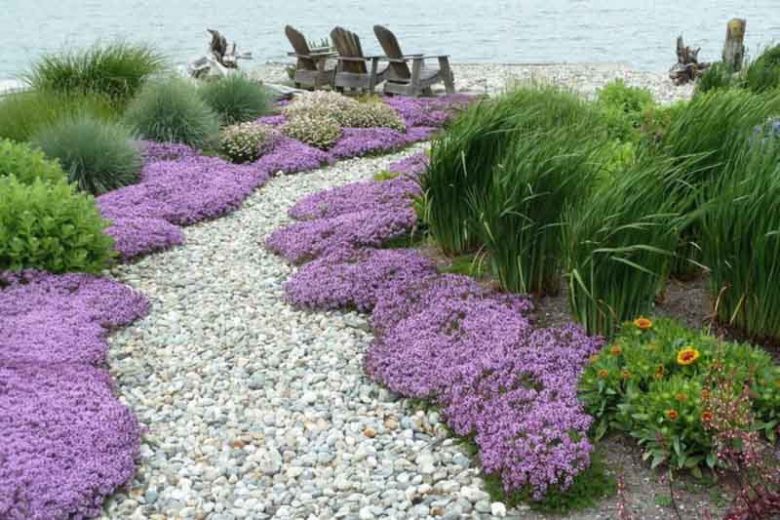
For those in Zone 4 looking to reduce their lawn footprint or minimize maintenance, several excellent alternatives can thrive in your climate. These options often require less water, fertilizer, and mowing, and can add ecological benefits to your yard.
- Clover (Trifolium repens): White clover is a popular lawn alternative. It's drought-tolerant, fixes nitrogen in the soil (reducing fertilizer needs), stays green during dry spells, and is attractive to pollinators. It can be mixed with traditional grasses or used as a standalone groundcover.
- Creeping Thyme (Thymus serpyllum): A beautiful, fragrant, low-growing groundcover that can tolerate some foot traffic. It's drought-tolerant and forms a dense mat, suppressing weeds.
- Sedum (Stonecrop): Many low-growing sedum varieties are extremely hardy and drought-tolerant, forming succulent mats that are perfect for sunny, dry areas or rock gardens.
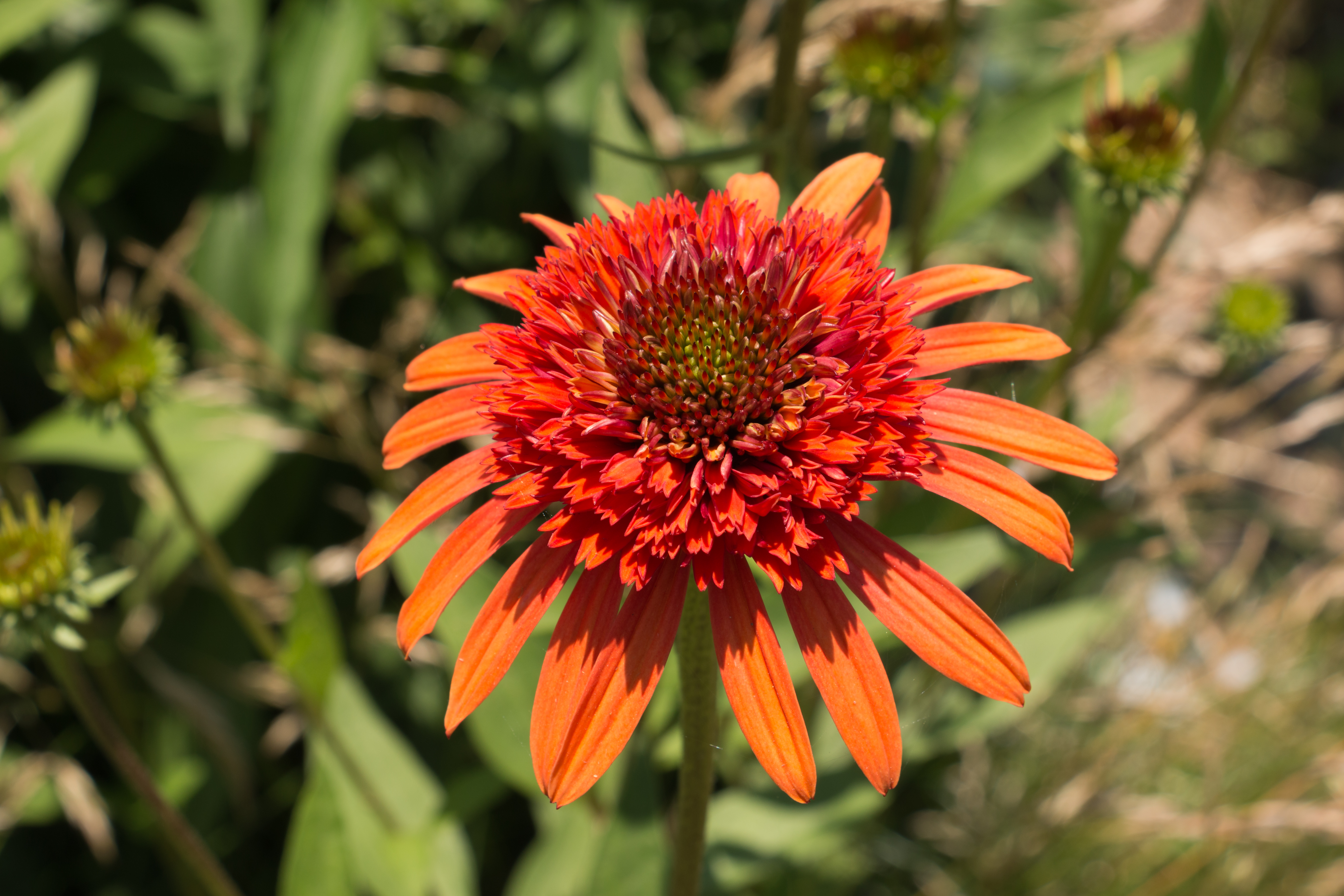
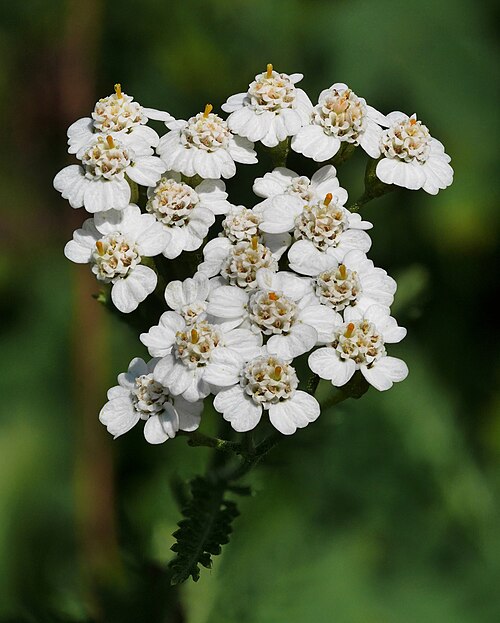
- Native Perennial Wildflowers: Consider converting sections of your lawn into native wildflower meadows. Plants like {{coneflower}}, {{black-eyed-susan}}, and {{yarrow}} are excellent choices for Zone 4, providing habitat and food for local wildlife while requiring minimal care once established.
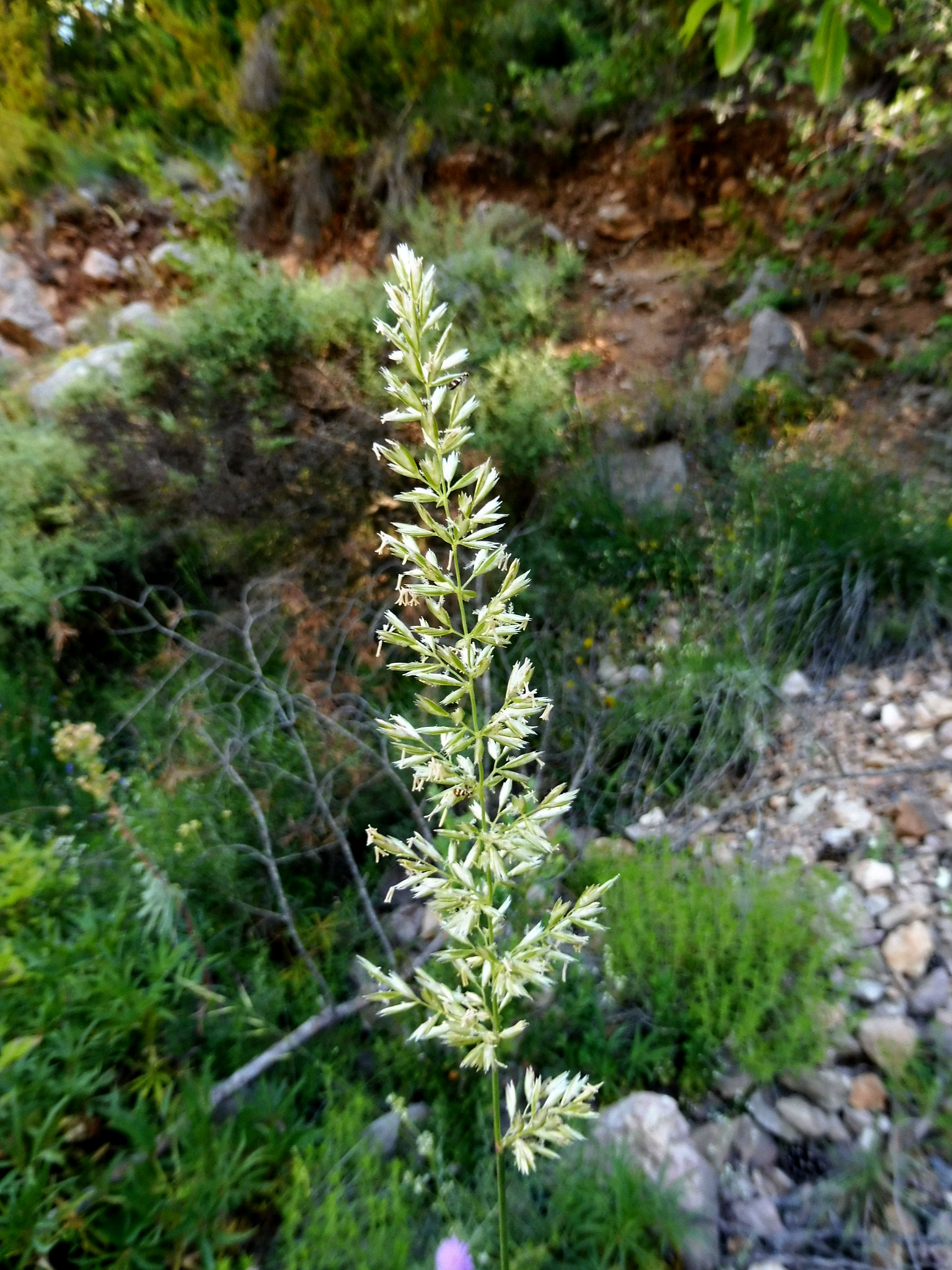
- Ornamental Grasses: While not a turf replacement, strategically placed ornamental grasses like {{blazing-star}} or some varieties of switchgrass can add texture and interest to your landscape, reducing the amount of mowed lawn.
Essential Lawn Care Tips for Zone 4
Once you've chosen your grass, proper care is crucial for a healthy, resilient lawn in Zone 4.
- Soil Testing: Start with a soil test to understand your soil's pH and nutrient levels. This guides your fertilization strategy.
- Fertilization: Cool-season grasses benefit from fertilization in early spring and fall. A slow-release nitrogen fertilizer is often best. Avoid heavy fertilization during summer dormancy.
- Mowing: Mow at the highest recommended height for your grass type (typically 2.5-3.5 inches). Taller grass shades the soil, retains moisture, and promotes deeper root growth. Never remove more than one-third of the blade height at once.
- Watering: Aim for deep, infrequent watering. This encourages roots to grow deeper, making the lawn more drought-tolerant. Water in the early morning to reduce disease risk. During hot summer dormancy, a light watering every few weeks can help your lawn survive, but avoid overwatering.
- Weed Control: A dense, healthy lawn is your best defense against weeds. Address weeds early with spot treatments or organic methods.
- Aeration & Dethatching: Periodically aerate your lawn (especially if it sees heavy traffic) to reduce compaction and allow air, water, and nutrients to reach the roots. Dethatch if your thatch layer exceeds half an inch. These are best done in fall or early spring.
- Overseeding: Overseed thin areas or your entire lawn in the fall to maintain density and introduce new, improved grass varieties.
By selecting the right cool-season grass blend and implementing a consistent care routine, you can enjoy a beautiful, durable lawn that thrives through Zone 4's challenging climate.
Ready to find the perfect plants for your yard? Try the PlantWise Plant Finder →