Best Lawn Grass for Zone 5: Complete Guide
Choosing the best lawn grass for USDA Hardiness Zone 5 involves selecting cool-season grasses that can withstand cold winters and warm summers. The top contenders for Zone 5 lawns are typically Kentucky Bluegrass, Perennial Ryegrass, Fine Fescues (Creeping Red, Chewings, Hard, Sheep), and Tall Fescue. These grasses thrive in the temperature fluctuations of Zone 5, offering good cold tolerance and the ability to recover from summer heat. The ideal choice for your yard will depend on factors like sun exposure, traffic, and your desired level of maintenance.
🌱 Get Personalized Plant Picks
Answer a few quick questions and we’ll match plants to your exact yard conditions.
Find My Plants →What Makes a Grass "Cool-Season" and Why is it Best for Zone 5?
Cool-season grasses are varieties that grow most vigorously during the cooler temperatures of spring and fall, typically when soil temperatures are between 50-65°F (10-18°C). They can tolerate freezing winter temperatures and often go dormant during the hottest parts of summer, though some varieties have improved heat tolerance.
Zone 5 experiences cold winters, with average minimum temperatures ranging from -20°F to -10°F (-29°C to -23°C), and warm to hot summers. This climate profile perfectly matches the growth cycle of cool-season grasses, making them the only viable long-term option for a lush, green lawn in this region. Warm-season grasses, while popular in southern climates, would not survive the harsh Zone 5 winters.
Key Considerations When Choosing Lawn Grass for Zone 5
Before diving into specific grass types, think about these factors unique to your yard and lifestyle:
- Sunlight Exposure: Does your lawn get full sun all day, or do you have shady areas under trees or near buildings? Some grasses are much more shade-tolerant than others.
- Traffic Level: Will your lawn be a high-traffic play area for kids and pets, or more of an ornamental space? Some grasses stand up to wear and tear better than others.
- Maintenance Commitment: Are you willing to invest time in regular watering, fertilizing, and mowing, or do you prefer a more low-maintenance option?
- Soil Type: While most cool-season grasses adapt to a range of soil types, understanding your soil (e.g., sandy, clay, loam) can help you make a more informed choice. A soil test is always recommended.
- Water Availability: Do you have an irrigation system, or will you rely on rainfall and occasional manual watering? Drought tolerance varies among species.
What are the Best Cool-Season Grass Types for Zone 5?
Here's a breakdown of the most popular and effective cool-season grasses for Zone 5, along with their pros and cons:
1. Kentucky Bluegrass (Poa pratensis)
- Pros: The quintessential "American lawn." Known for its beautiful deep green color, fine texture, and excellent density. It spreads aggressively via rhizomes, allowing it to self-repair bare spots. Very cold hardy.
- Cons: Requires high maintenance - needs consistent watering, fertilization, and mowing. Not very shade or drought tolerant. Slow to establish from seed.
- Best For: High-visibility lawns, areas with full sun, homeowners willing to provide regular care.
- Quick Tip: Often blended with Perennial Ryegrass or Fine Fescues to improve establishment speed and shade tolerance.
2. Perennial Ryegrass (Lolium perenne)
- Pros: Establishes very quickly (often germinating in 5-7 days), making it great for overseeding or quick repairs. Good wear tolerance, fine texture, and good color.
- Cons: Less cold hardy than Kentucky Bluegrass (though still suitable for Zone 5), and does not spread via rhizomes, so it won't self-repair. Moderate drought tolerance.
- Best For: Quick establishment, overseeding existing lawns, high-traffic areas (often mixed with Kentucky Bluegrass).
- Quick Tip: Look for "turf-type" perennial ryegrass varieties for best lawn performance, as agricultural varieties are different.
3. Fine Fescues (Festuca spp.)
This category includes several species: Creeping Red Fescue, Chewings Fescue, Hard Fescue, and Sheep Fescue. They are often grouped due to similar characteristics and are frequently used in blends.
- Pros: Excellent shade tolerance, low maintenance, good drought tolerance once established, and can thrive in poor soil conditions. Fine texture.
- Cons: Not ideal for high-traffic areas (especially Creeping Red Fescue). Can become clumpy if not mowed regularly or if conditions are too wet.
- Best For: Shady areas, low-maintenance lawns, areas with poor soil, naturalized settings.
- Quick Tip: Blends of different fine fescues often perform better than a single species.
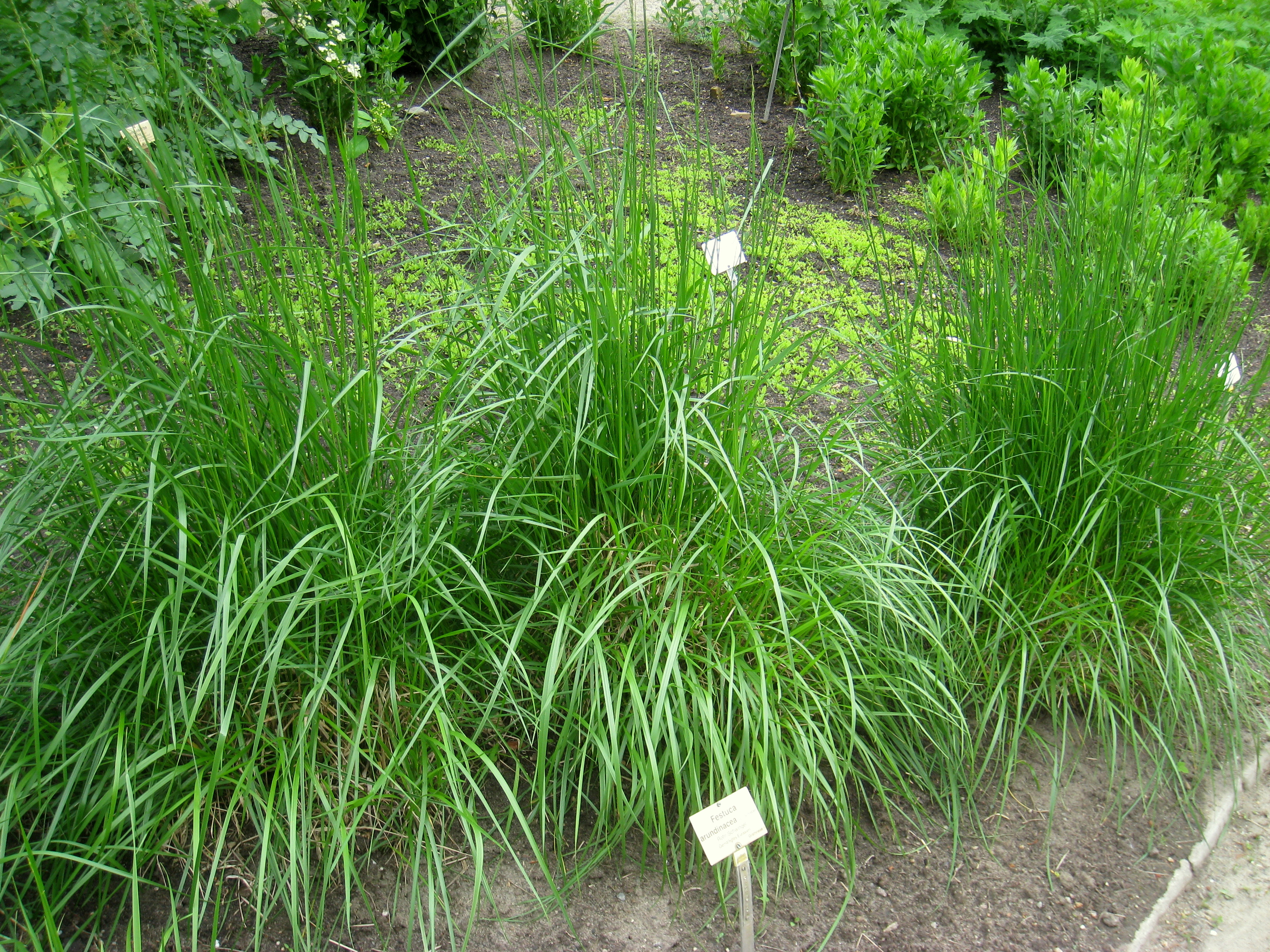
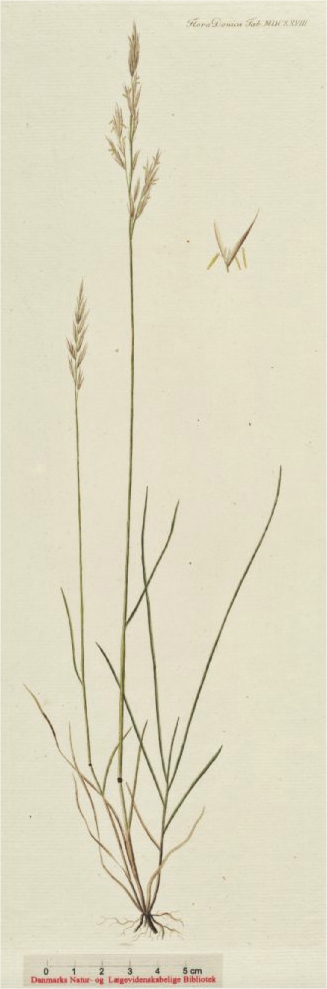
4. Tall Fescue (Festuca arundinacea)
- Pros: Excellent heat and drought tolerance among cool-season grasses due to its deep root system. Good wear tolerance, moderate shade tolerance. Forms a coarser but durable blade.
- Cons: Coarser texture than Kentucky Bluegrass or Fine Fescues. Does not spread via rhizomes, so it won't self-repair bare spots. Can form clumps if not seeded densely.
- Best For: High-traffic areas, drought-prone areas, lawns where a coarser blade is acceptable, moderate shade.
- Quick Tip: Look for "turf-type" tall fescue (TTTF) varieties, which have a finer texture and better density than older forage types.
Quick Reference: Zone 5 Grass Comparison
| Feature | Kentucky Bluegrass | Perennial Ryegrass | Fine Fescues | Tall Fescue |
|---|---|---|---|---|
| Texture | Fine | Fine | Very Fine | Medium to Coarse |
| Color | Deep Green | Dark Green | Medium Green | Medium Green |
| Sun Req. | Full Sun | Full Sun to Part | Part Shade to Full | Full Sun to Part |
| Shade Tol. | Poor | Moderate | Excellent | Moderate |
| Drought Tol. | Poor to Moderate | Moderate | Good to Excellent | Excellent |
| Wear Tol. | Good | Excellent | Poor to Moderate | Excellent |
| Maintenance | High | Moderate | Low | Moderate |
| Spreading | Rhizomes (Self-rep.) | Bunching | Rhizomes (some), Bunching | Bunching |
| Establishment | Slow | Very Fast | Moderate | Moderate |
What About Grass Seed Blends and Mixes?
For most Zone 5 homeowners, a grass seed blend or mix is the best option.
- Blends contain different varieties of the same grass species (e.g., three different Kentucky Bluegrass cultivars). This increases genetic diversity and resilience.
- Mixes contain two or more different grass species (e.g., Kentucky Bluegrass, Perennial Ryegrass, and Fine Fescue). This combines the strengths of each species, offering better overall performance in varying conditions (e.g., good sun/shade tolerance, quick establishment, and self-repairing capabilities).
A common and highly recommended mix for Zone 5 is a blend of Kentucky Bluegrass (60-70%), Perennial Ryegrass (10-20%), and Fine Fescues (10-20%). This combination offers the beauty and self-repair of KBG, the quick establishment and wear tolerance of Ryegrass, and the shade tolerance and low-maintenance qualities of Fescues.
When is the Best Time to Plant Grass Seed in Zone 5?
The absolute best time to plant cool-season grass seed in Zone 5 is in late summer to early fall (typically mid-August to mid-September).
- Why? The soil is still warm from summer, which promotes quick germination. The air temperatures are cooler, which is ideal for seedling growth. There's less competition from weeds, and the young grass has several months to establish a strong root system before the stress of winter and the following summer.
Spring seeding (mid-April to late May) is a secondary option, but it comes with challenges:
- Weed competition is higher.
- Young seedlings face the stress of summer heat and drought much sooner.
- It's harder to keep the soil consistently moist without overwatering.
General Lawn Care Tips for Zone 5 Grasses
Once you've chosen and planted your grass, proper care is crucial for a healthy, thriving lawn.
- Mowing: Maintain a mowing height of 2.5 to 3.5 inches for most cool-season grasses. Taller grass shades the soil, reducing weed growth and conserving moisture. Never remove more than one-third of the blade height at a time.
- Watering: Aim for deep, infrequent watering. This encourages deep root growth. Typically, 1 inch of water per week (including rainfall) is sufficient. Water early in the morning to allow the grass to dry, reducing disease risk.
- Fertilizing: A soil test will give you the most accurate recommendations. Generally, cool-season grasses benefit from fertilization in the fall (most important), early spring, and late spring. Avoid heavy fertilization during summer heat.
- Weed Control: A healthy, dense lawn is the best defense against weeds. Address weeds with pre-emergent herbicides in spring and fall, or spot-treat as needed.
- Aeration: Consider aerating your lawn annually or bi-annually, especially if you have heavy clay soil or high foot traffic. This helps improve air, water, and nutrient penetration to the roots.
Choosing the right grass for your Zone 5 lawn is the first step towards a beautiful and resilient landscape. By considering your specific site conditions and maintenance preferences, you can select the perfect cool-season grass or blend that will thrive in your climate.
Ready to find the perfect plants for your yard? Try the PlantWise Plant Finder →