Best Lawn Grass for Zone 6: Complete Guide
For gardeners in USDA Hardiness Zone 6, selecting the right lawn grass is crucial for a thriving, beautiful yard. The best lawn grasses for Zone 6 are predominantly cool-season varieties, which thrive in the region's cold winters and warm summers, exhibiting their strongest growth in spring and fall. These include popular choices like Kentucky Bluegrass, Perennial Ryegrass, Fine Fescue, and Tall Fescue, often used in blends to maximize resilience and adaptability to varying conditions like sun exposure, traffic, and drought. Choosing the right blend ensures a lush, green lawn that can withstand the specific challenges of your climate.
🌱 Get Personalized Plant Picks
Answer a few quick questions and we’ll match plants to your exact yard conditions.
Find My Plants →Understanding USDA Hardiness Zone 6
USDA Hardiness Zone 6 is characterized by average annual extreme minimum temperatures ranging from -10°F to 0°F (-23.3°C to -17.8°C). This climate means cold winters and often hot, humid summers, creating a unique challenge for turfgrass. Cool-season grasses are perfectly adapted to these conditions, as they tolerate cold better than warm-season grasses and can endure summer heat, albeit with some potential dormancy during the hottest periods.
What are the Best Cool-Season Grasses for Zone 6?
Cool-season grasses are the stars of Zone 6 lawns. Each type offers distinct advantages, and often, a mix of these varieties provides the most robust and adaptable lawn.
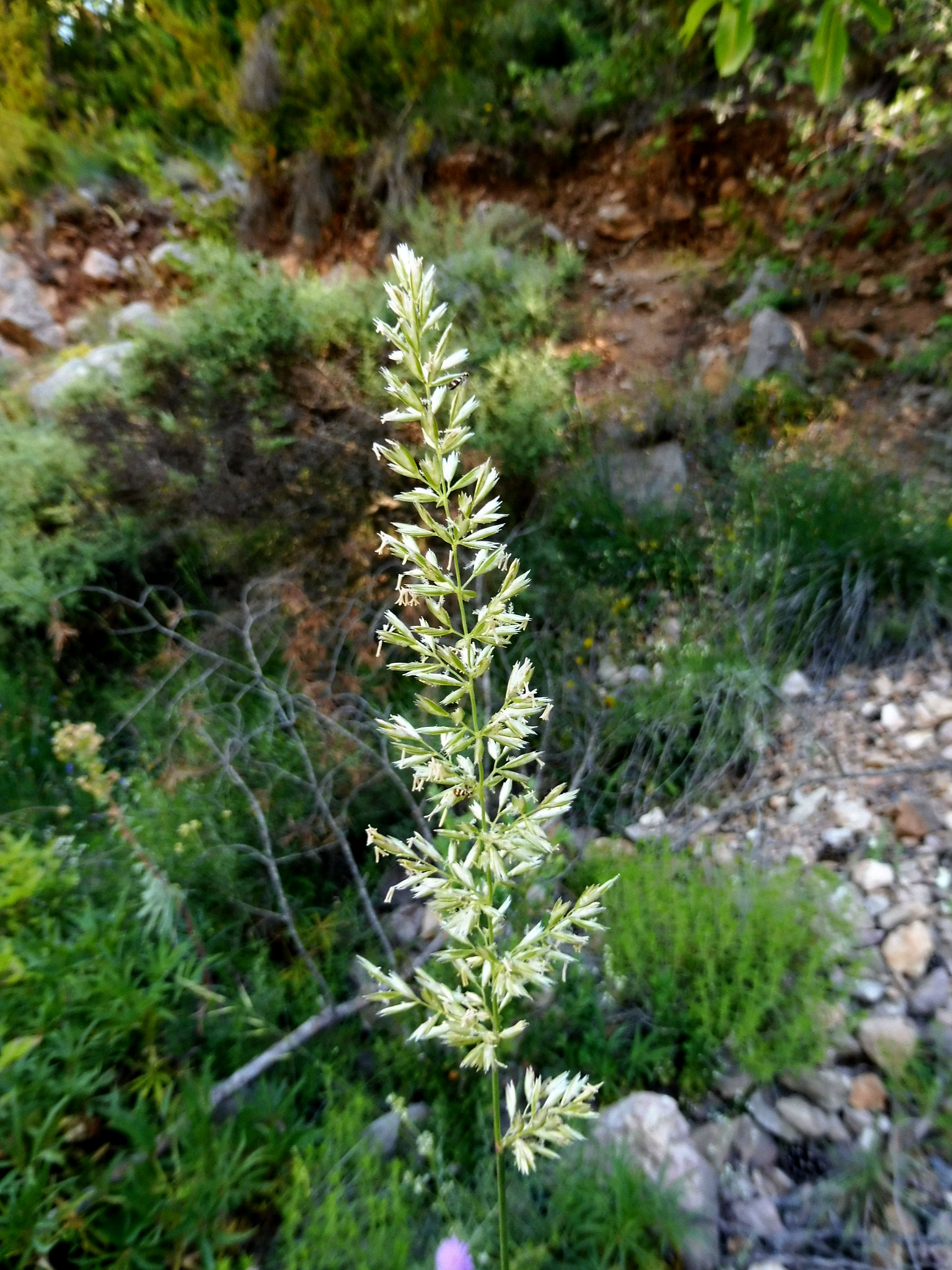
Kentucky Bluegrass (Poa pratensis):
- Pros: Known for its beautiful deep green color, fine texture, and excellent density. It spreads by rhizomes, allowing it to self-repair and create a very thick, durable turf. Good cold tolerance.
- Cons: Requires more water and fertilizer than other cool-season grasses. Can go dormant during hot, dry summers without irrigation. Slow to establish from seed.
- Best For: High-traffic areas, sunny lawns, and those who desire a premium, carpet-like turf.
Perennial Ryegrass (Lolium perenne):
- Pros: Very quick to germinate and establish, making it excellent for overseeding or quick repairs. Offers good wear tolerance and a fine to medium texture.
- Cons: Less cold tolerant than Kentucky Bluegrass and does not spread by rhizomes, so it doesn't self-repair as effectively. Can be susceptible to some diseases.
- Best For: Overseeding existing lawns, quick establishment, and high-traffic areas where rapid recovery is needed.
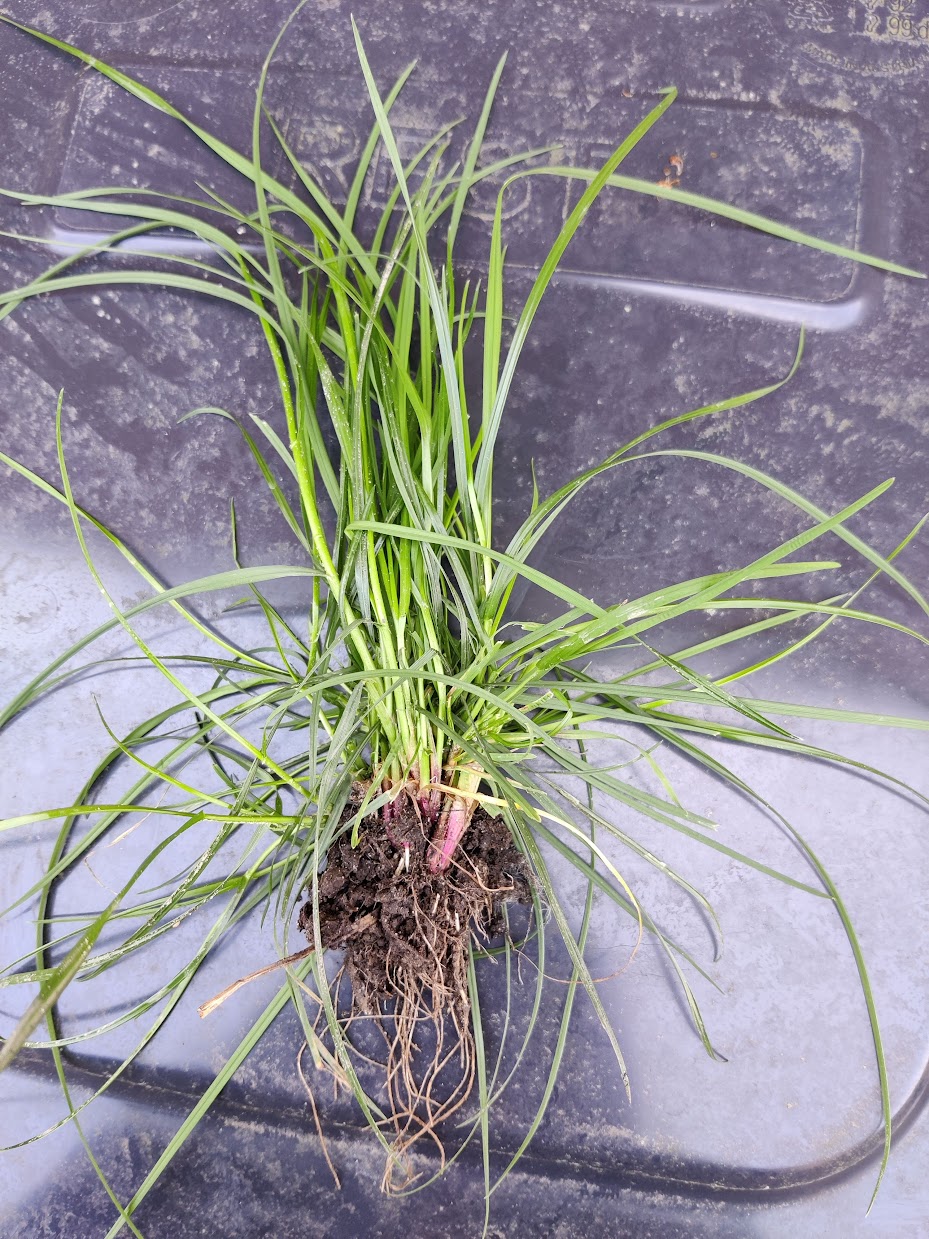
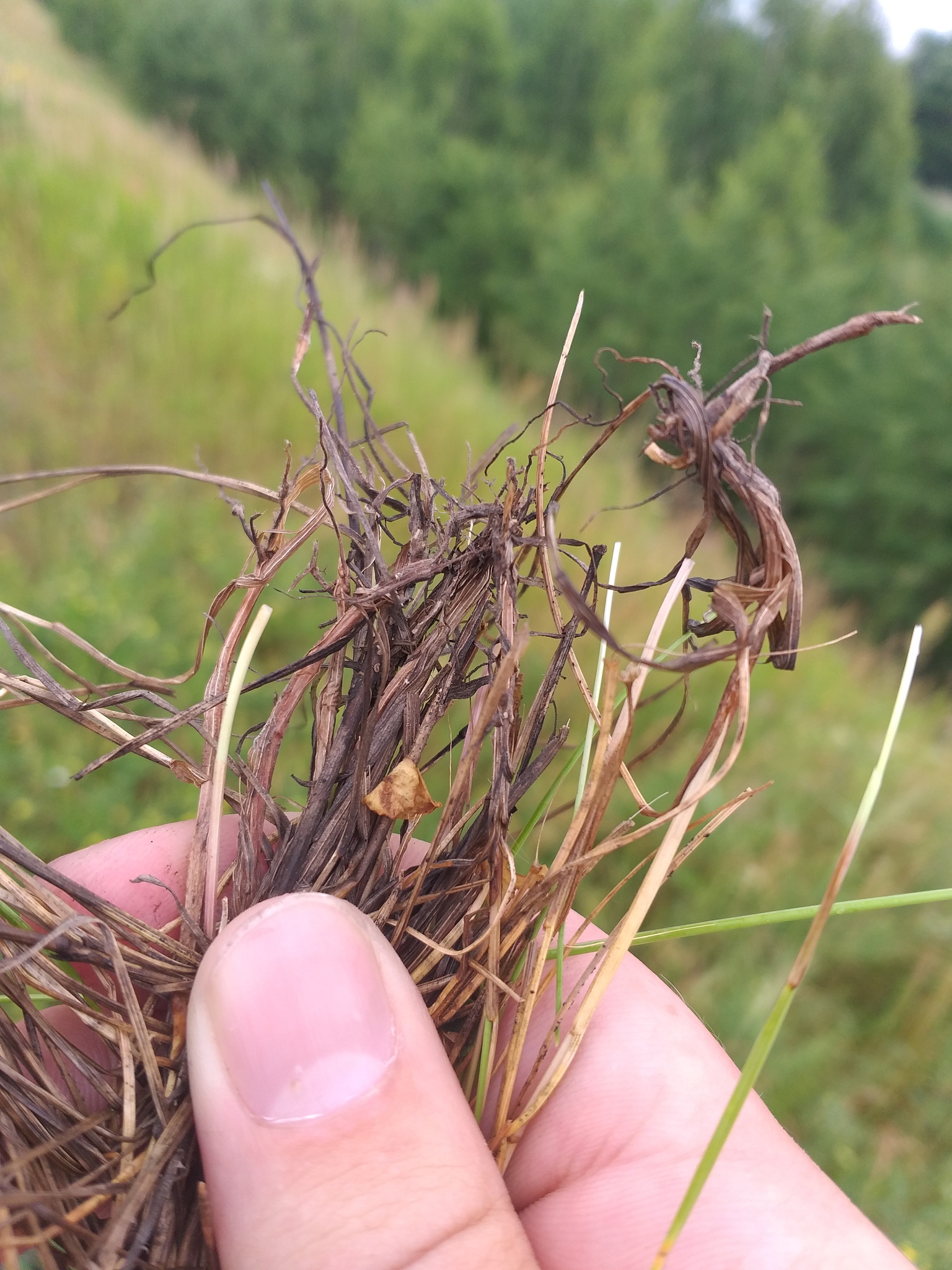
Fine Fescue (Festuca spp. - Creeping Red, Chewings, Hard, Sheep Fescue):
- Pros: Exceptionally shade tolerant and very low maintenance. Requires less water and fertilizer than other cool-season grasses. Good drought tolerance once established.
- Cons: Not ideal for high-traffic areas. Can be clumpy if not mixed properly.
- Best For: Shady spots, low-maintenance lawns, and areas with poor soil quality. Often used in blends.
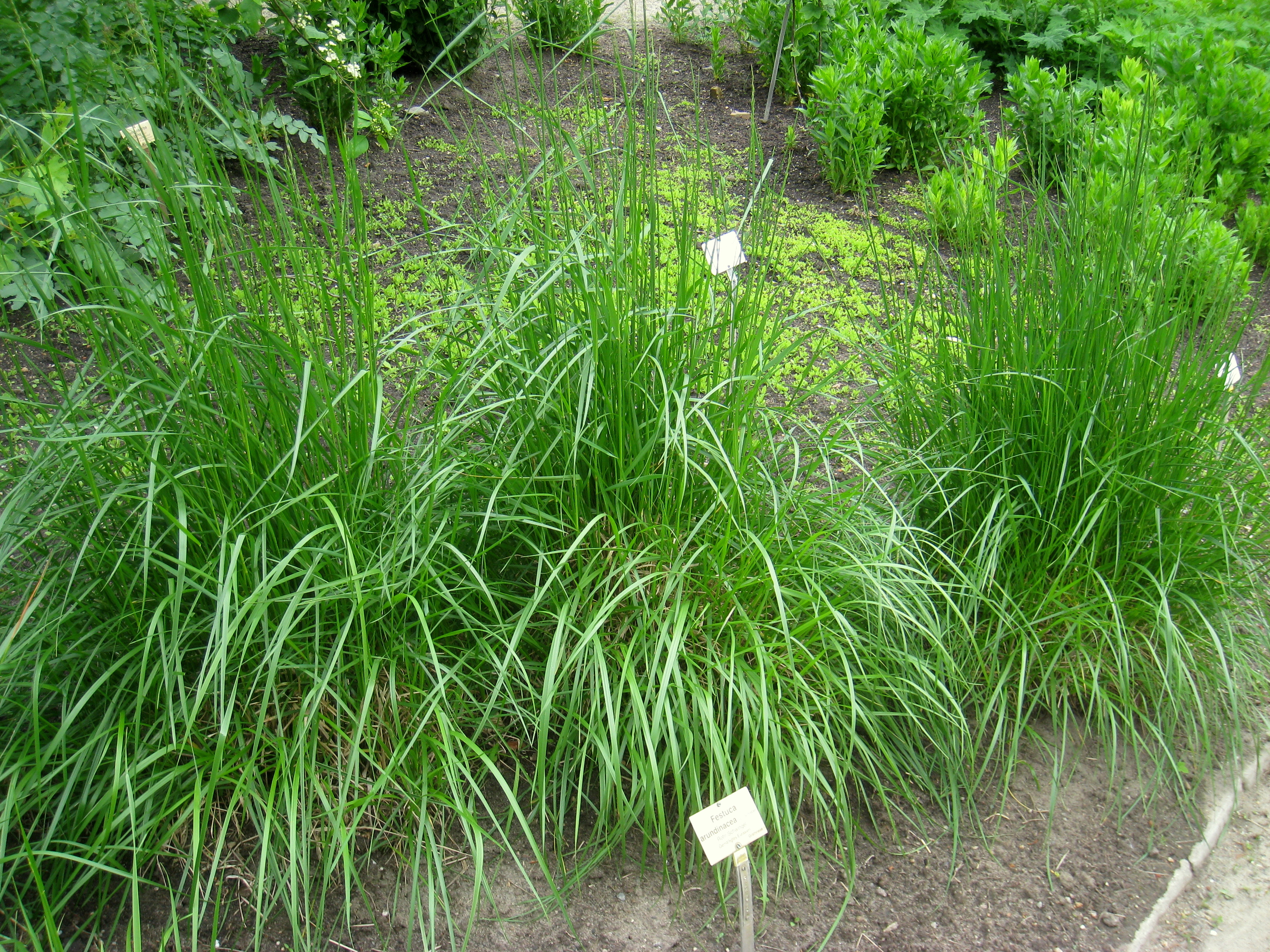
Tall Fescue (Festuca arundinacea):
- Pros: Excellent heat and drought tolerance due to its deep root system. Good wear resistance and a medium to coarse texture. Relatively low maintenance.
- Cons: Can appear clumpy if not planted densely or if older varieties are used. Not as fine-textured as Kentucky Bluegrass or Perennial Ryegrass.
- Best For: Lawns needing good drought and heat tolerance, moderate to high traffic, and a robust, durable turf.
Quick Reference: Cool-Season Grasses for Zone 6
| Grass Type | Texture | Traffic Tolerance | Drought Tolerance | Shade Tolerance | Maintenance Needs | Key Feature |
|---|---|---|---|---|---|---|
| Kentucky Bluegrass | Fine | High | Moderate | Low | High | Self-repairing, dense, premium look |
| Perennial Ryegrass | Fine-Medium | High | Low-Moderate | Low | Moderate | Quick establishment, good for overseeding |
| **Fine Fescue ** | Fine | Low | High | High | Low | Best for shade, low water/fertilizer needs |
| **Tall Fescue ** | Medium-Coarse | High | High | Moderate | Moderate | Deep roots, excellent heat/drought tolerance |
How Do I Choose the Right Grass Blend for My Zone 6 Lawn?
Choosing the right blend involves assessing your specific yard conditions and priorities. Most successful Zone 6 lawns utilize a mix of these cool-season grasses to combine their strengths and mitigate their weaknesses.
Consider these factors:
Sunlight:
- Full Sun (6+ hours): A blend heavy in Kentucky Bluegrass and Tall Fescue will thrive. Perennial Ryegrass can also be included for quick establishment.
- Partial Shade (3-6 hours): Tall Fescue with a good percentage of Fine Fescue is ideal. Kentucky Bluegrass can be included but might thin in denser shade.
- Heavy Shade (less than 3 hours): Fine Fescue is your best bet, potentially with a small amount of Tall Fescue if there's some dappled sun.
Traffic:
- High Traffic (kids, pets, entertaining): Kentucky Bluegrass and Tall Fescue offer excellent wear resistance and recovery. Perennial Ryegrass adds quick establishment.
- Low Traffic: Fine Fescue is suitable, especially in shady, less-used areas.
Maintenance Level:
- Low Maintenance: Fine Fescue and Tall Fescue require less water and fertilizer.
- High Maintenance (for a pristine lawn): Kentucky Bluegrass will give you that golf-course look but demands more attention.
Drought Tolerance:
- Concerned about water usage: Tall Fescue and Fine Fescue are the most drought-tolerant cool-season grasses.
Common Zone 6 Blends:
- Sun/High Traffic: 50-70% Kentucky Bluegrass, 20-30% Perennial Ryegrass, 10-20% Tall Fescue.
- Sun/Moderate Traffic: 60-80% Tall Fescue, 10-20% Kentucky Bluegrass, 10% Perennial Ryegrass.
- Shade/Low Traffic: 60-80% Fine Fescue, 20-40% Tall Fescue.
What About Warm-Season Grasses in Zone 6?
While Zone 6 is primarily a cool-season grass zone, some areas on the warmer edge of Zone 6 might experiment with certain warm-season grasses, particularly Zoysiagrass or Bermudagrass. However, these will go dormant and turn brown for a much longer period during the winter and often struggle with the colder extremes of Zone 6. They also require full sun and excellent drainage. For most Zone 6 homeowners, cool-season grasses offer a more consistent green lawn throughout the year.
How Do I Establish and Maintain a Zone 6 Lawn?
Establishing and maintaining a healthy lawn in Zone 6 involves proper preparation and ongoing care.
Establishment:
- Soil Test: Begin with a soil test to understand your soil's pH and nutrient levels. This will guide amendments needed for optimal growth.
- Timing: The best time to seed cool-season grasses in Zone 6 is late summer to early fall (August to mid-September). This allows the grass to establish strong roots before winter and take advantage of spring growth. Spring seeding (March-April) is also possible but can be more challenging due to summer heat stress.
- Preparation: Clear the area, amend the soil as needed, and ensure good drainage. Rake the soil level.
- Seeding: Spread seeds evenly according to package directions. Lightly rake to cover seeds with about 1/4 inch of soil.
- Watering: Keep the seeded area consistently moist until germination and for several weeks afterward. This is critical for success.
Maintenance:
- Mowing: Maintain a mowing height of 2.5-3.5 inches for most cool-season grasses. Taller grass shades the soil, reducing weed growth and conserving moisture. Never remove more than one-third of the blade height at once.
- Watering: Aim for 1 inch of water per week, either from rain or irrigation. Water deeply and infrequently to encourage deep root growth. Early morning is the best time to water to minimize disease.
- Fertilizing: Fertilize in the fall and spring, following soil test recommendations. A common schedule is a light feeding in early spring, a heavier feeding in early fall, and a final feeding in late fall (dormant feeding).
- Weed Control: Address weeds promptly. Healthy, dense turf is the best defense against weeds.
- Aeration: Consider aerating compacted lawns annually or biennially, especially if you have heavy clay soil or high traffic. This improves air, water, and nutrient penetration.
- Overseeding: Overseed thinning areas in the fall to maintain density and fill in bare spots.
What are Common Lawn Pests and Diseases in Zone 6?
Zone 6 lawns can be susceptible to various pests and diseases, especially if the grass is stressed.
Common Pests:
- Grubs: Larvae of beetles that feed on grass roots, causing brown patches that can be rolled back like a carpet.
- Chinch Bugs: Tiny insects that suck sap from grass blades, leading to irregular brown patches, especially in hot, dry conditions.
- Armyworms/Cutworms: Caterpillars that feed on grass blades, often causing ragged edges or bare spots.
Common Diseases:
- Brown Patch: Fungal disease causing circular brown patches, especially in hot, humid weather.
- Dollar Spot: Small, silver-dollar-sized brown spots, often seen when nitrogen levels are low.
- Rust: Orange-yellow powdery spots on grass blades, common in humid conditions.
- Red Thread: Pinkish-red threads on grass blades, often appearing in cool, wet weather.
Prevention and Treatment: Good cultural practices (proper watering, mowing, fertilizing) are your first line of defense. If you suspect an issue, identify the problem correctly before applying any treatments. Many issues can be resolved without harsh chemicals.
Can I Have a Pet-Friendly Lawn in Zone 6?
Yes, you can absolutely have a pet-friendly lawn in Zone 6! While no grass is entirely impervious to pet urine, certain cool-season grasses are more resilient and can recover better.
- Tall Fescue: Its robust nature and deeper roots make it more tolerant to pet traffic and can withstand urine spots better than finer grasses.
- Kentucky Bluegrass: While it can show urine spots, its self-repairing rhizomes help it recover over time.
Tips for a Pet-Friendly Lawn:
- Dilute Urine: Water down urine spots immediately after your pet goes.
- Designated Areas: Train your pet to use a specific area of the yard for urination.
- Hydration: Ensure your pet is well-hydrated, as diluted urine causes less damage.
- Repair: Overseed damaged areas with a resilient grass blend in the fall.
- Hardscaping: Consider incorporating gravel or mulch in high-traffic pet areas.
If you suspect your pet has ingested a toxic plant, call the ASPCA Animal Poison Control Center immediately at (888) 426-4435.
Final Thoughts on Your Zone 6 Lawn
Creating a beautiful and resilient lawn in Zone 6 is an achievable goal with the right grass selection and consistent care. By understanding the characteristics of cool-season grasses like Kentucky Bluegrass, Perennial Ryegrass, Fine Fescue, and Tall Fescue, and tailoring your choices to your yard's specific sun, traffic, and maintenance needs, you can enjoy a lush, green turf for years to come. Remember that a healthy lawn is a result of good soil, proper watering, and timely feeding.
Ready to find the perfect plants for your yard? Try the PlantWise Plant Finder →