Best Lawn Grass for Zone 7: Complete Guide
Zone 7 is a unique and often challenging climate for lawns, falling squarely into the "transition zone" of the United States. This means it experiences both hot, humid summers and cold winters, making it too warm for many cool-season grasses and too cold for many warm-season varieties. The best lawn grasses for Zone 7 are typically cool-season grasses like Tall Fescue and Kentucky Bluegrass, which can tolerate the summer heat better than other cool-season types, or warm-season grasses like Zoysiagrass and Bermudagrass, which are more cold-hardy than their tropical counterparts. The ideal choice depends on your specific microclimate, sun exposure, and desired lawn characteristics.
🌱 Get Personalized Plant Picks
Answer a few quick questions and we’ll match plants to your exact yard conditions.
Find My Plants →Understanding Zone 7: The Transition Zone Challenge
USDA Hardiness Zone 7 encompasses regions with average annual extreme minimum temperatures between 0°F and 10°F (-17.8°C to -12.2°C). While this defines winter lows, the challenge for lawns in Zone 7 is often the combination of cold winters and hot, sometimes humid, summers.
- Cool-season grasses (like Fescue, Bluegrass, Ryegrass) thrive in temperatures between 60-75°F (15-24°C). They green up early in spring, may struggle or go dormant in summer heat, and rebound in fall.
- Warm-season grasses (like Bermuda, Zoysia, St. Augustine) prefer temperatures between 80-95°F (27-35°C). They green up later in spring, thrive in summer, and go dormant (turn brown) with the first frost.
Because Zone 7 experiences both extremes, you need grasses that are resilient. Many homeowners in this zone opt for cool-season grasses that tolerate heat, or warm-season grasses that can withstand colder winters. Some even consider overseeding cool-season lawns with warm-season varieties for year-round green, though this can be complex.
Which Cool-Season Grasses Perform Best in Zone 7?
Cool-season grasses are often preferred in Zone 7 for their early spring green-up and ability to stay green longer into the fall. However, summer dormancy or stress can be an issue without proper care.
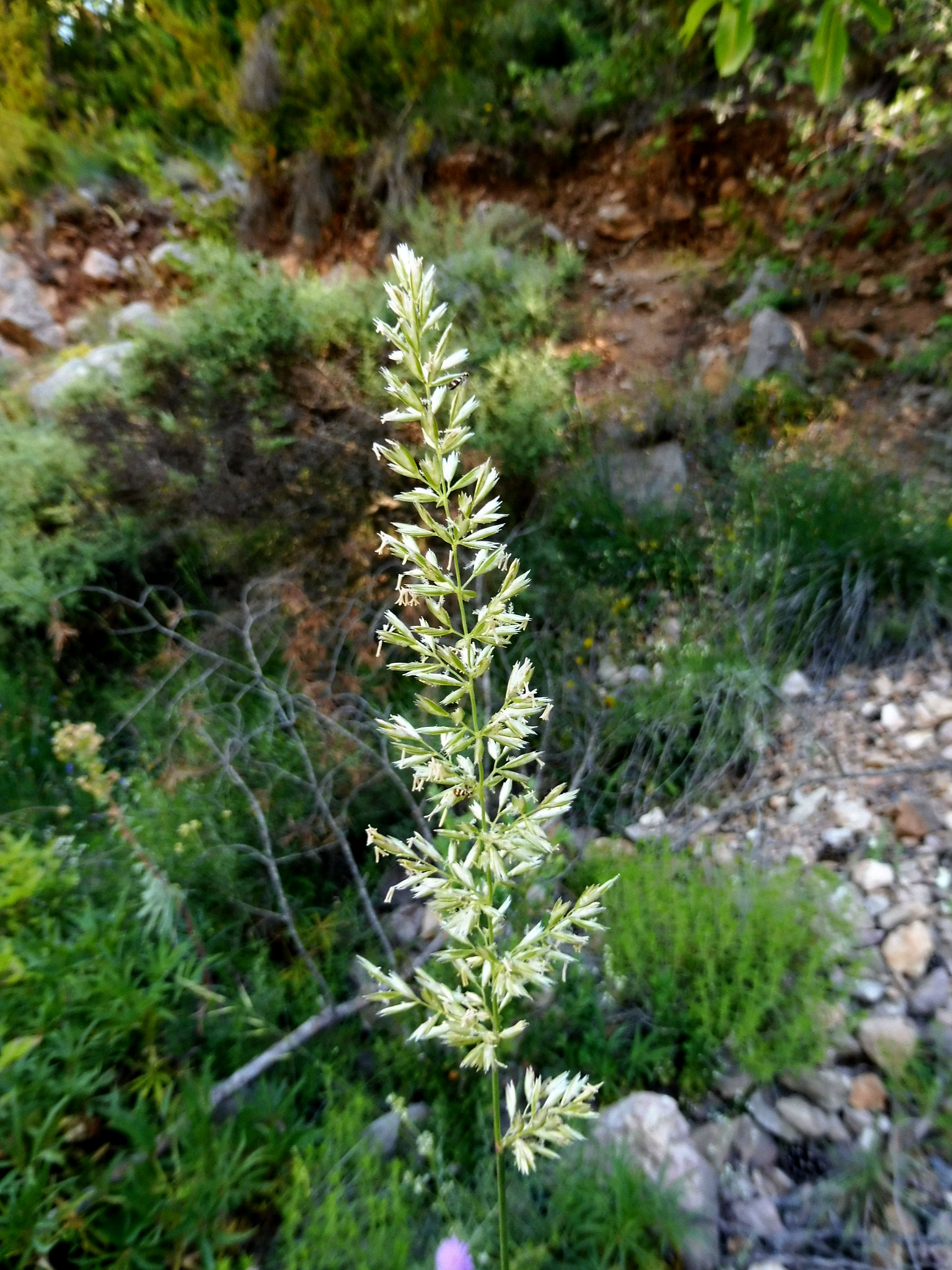
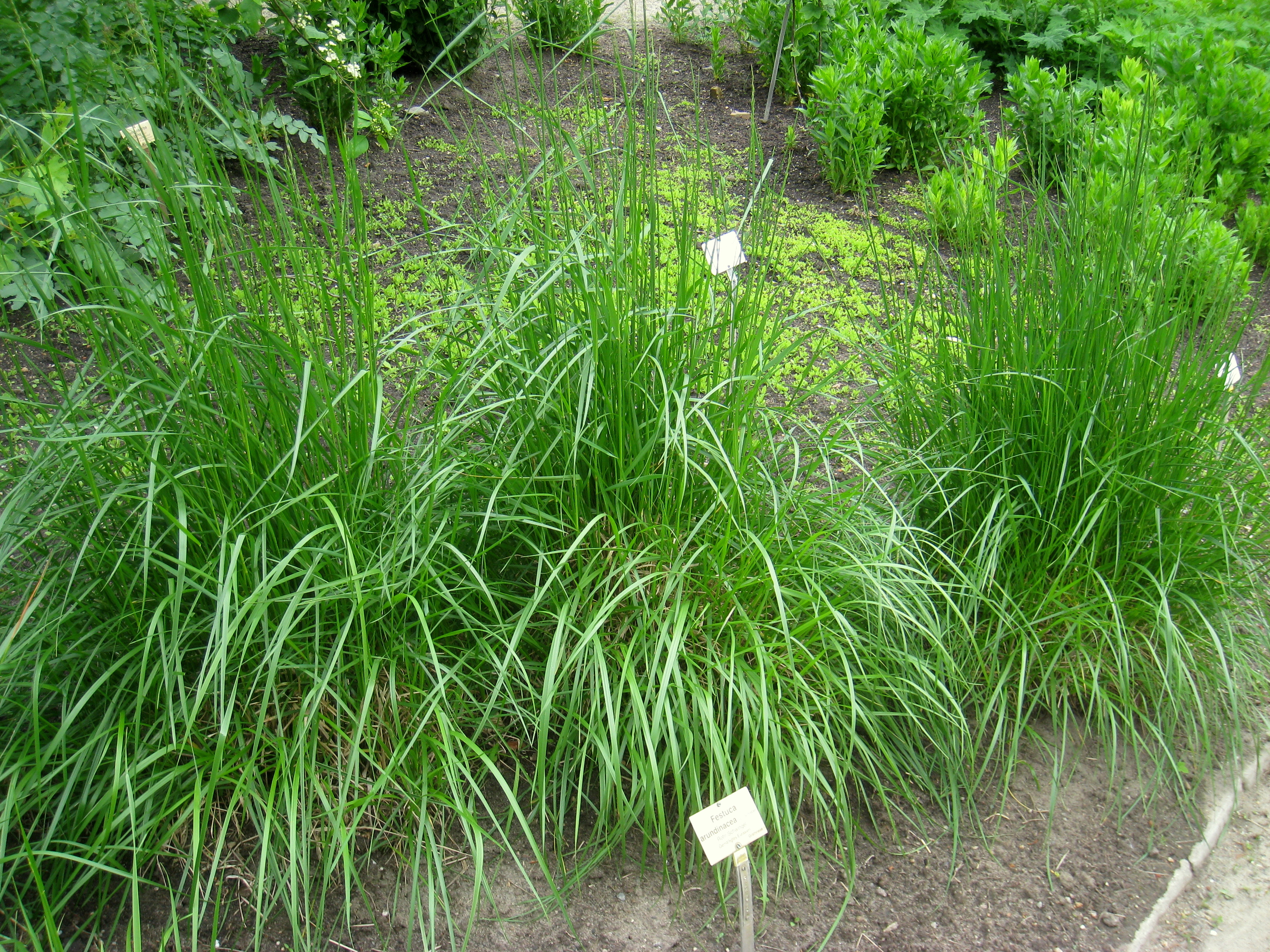
1. Tall Fescue (Festuca arundinacea)
Tall Fescue is arguably the most popular and recommended cool-season grass for Zone 7. It's known for its excellent heat and drought tolerance compared to other cool-season varieties, making it well-suited to Zone 7's hot summers. It has a coarser blade but forms a dense, attractive lawn.
- Pros: Good heat and drought tolerance, tolerates some shade, relatively low maintenance once established, good wear resistance.
- Cons: Can be clumpy if not seeded densely, may thin over time, requires consistent watering during dry summer spells.
- Maintenance: Needs about 1 inch of water per week, deep and infrequent watering is best. Fertilize in fall and spring. Mow at 2.5-3.5 inches.
2. Kentucky Bluegrass (Poa pratensis)
Kentucky Bluegrass is prized for its beautiful, dark green color and fine texture, creating a very dense and lush lawn. It spreads by rhizomes, allowing it to self-repair and fill in bare spots. While less heat tolerant than Tall Fescue, newer cultivars have improved heat and drought resistance.
- Pros: Beautiful appearance, excellent self-repairing capabilities, forms a dense sod.
- Cons: Less heat and drought tolerant than Tall Fescue, slower to establish, can go dormant in extreme summer heat, higher maintenance.
- Maintenance: Requires more frequent watering in summer than Tall Fescue. Fertilize heavily in fall and moderately in spring. Mow at 2-3 inches. Often blended with Tall Fescue or Perennial Ryegrass for improved performance.
3. Perennial Ryegrass (Lolium perenne)
Perennial Ryegrass establishes very quickly, making it a good choice for overseeding or quick repairs. It has a fine texture and a glossy green color. However, its heat and cold tolerance are generally lower than Tall Fescue or Kentucky Bluegrass, making it less ideal as a standalone lawn in Zone 7 unless blended.
- Pros: Very quick germination and establishment, fine texture, good wear resistance.
- Cons: Poor heat and cold tolerance, often used as a temporary overseeding grass or in blends.
- Maintenance: Similar to Kentucky Bluegrass, requires consistent moisture.
What Warm-Season Grasses Thrive in Zone 7?
Warm-season grasses offer excellent heat and drought tolerance, staying green and growing vigorously through the summer. The main drawback for Zone 7 is their winter dormancy, where they turn brown from the first frost until late spring.
1. Zoysiagrass (Zoysia japonica)
Zoysiagrass is an excellent choice for Zone 7 due to its remarkable cold tolerance for a warm-season grass, as well as its exceptional heat and drought resistance. It forms a very dense, carpet-like lawn that chokes out weeds. It's slower to establish but very low maintenance once mature.
- Pros: Excellent heat, drought, and cold tolerance (for a warm-season grass), very dense and weed-resistant, low water and fertilizer needs once established, good wear resistance.
- Cons: Very slow to establish (can take 2-3 years from seed or plugs), goes dormant and turns brown in winter, can be prone to thatch.
- Maintenance: Mow at 1-2 inches. Water deeply but infrequently. Fertilize in late spring/early summer.
2. Bermudagrass (Cynodon dactylon)
Bermudagrass is a tough, aggressive warm-season grass known for its exceptional heat and drought tolerance. It grows quickly and repairs itself rapidly, making it ideal for high-traffic areas. Like Zoysia, it goes dormant in winter. Newer cold-hardy cultivars make it a viable option for Zone 7.
- Pros: Excellent heat and drought tolerance, very fast growth and self-repair, good wear resistance, relatively low water needs once established.
- Cons: Very aggressive and can invade garden beds, goes dormant and turns brown in winter, requires frequent mowing during growing season, can be prone to thatch.
- Maintenance: Mow at 0.5-2 inches (often requires a reel mower for lower cuts). Fertilize in late spring and mid-summer. Requires less water than cool-season grasses.
Quick Reference: Zone 7 Lawn Grasses
| Grass Type | Season | Heat Tolerance | Cold Tolerance | Drought Tolerance | Shade Tolerance | Maintenance Level | Notes |
|---|---|---|---|---|---|---|---|
| Tall Fescue | Cool | Good | Excellent | Good | Moderate | Medium | Most popular cool-season choice for Zone 7 |
| Kentucky Bluegrass | Cool | Moderate | Excellent | Moderate | Low | High | Beautiful, self-repairing, often in blends |
| Perennial Ryegrass | Cool | Poor | Moderate | Poor | Low | Medium | Quick establishment, usually in blends |
| Zoysiagrass | Warm | Excellent | Good | Excellent | Moderate | Low | Dense, slow to establish, winter dormant |
| Bermudagrass | Warm | Excellent | Good | Excellent | Low | Medium-High | Aggressive, fast growing, winter dormant |
How Do I Choose the Right Grass for My Zone 7 Lawn?
Selecting the best grass involves considering several factors specific to your yard and preferences:
- Sunlight Exposure: How much direct sun does your lawn receive?
- Full Sun (6+ hours): Bermudagrass, Zoysiagrass, Kentucky Bluegrass, Tall Fescue.
- Partial Shade (4-6 hours): Tall Fescue, Zoysiagrass (some cultivars).
- Heavy Shade (<4 hours): No turfgrass truly thrives in heavy shade. Consider groundcovers or shade gardens.
- Desired Appearance & Texture: Do you prefer a fine-bladed, dense carpet or a slightly coarser, more natural look?
- Maintenance Commitment: How much time and effort are you willing to put into watering, mowing, and fertilizing? Zoysia is generally lower maintenance once established, while Kentucky Bluegrass is higher.
- Traffic Level: Will your lawn see heavy foot traffic from kids or pets? Bermudagrass and Tall Fescue are very durable.
- Winter Green vs. Summer Green: Are you okay with a brown lawn in winter (warm-season) or do you prefer green year-round, even if it means potential summer stress (cool-season)?
- Water Availability: Do you have an irrigation system or are you relying on rainfall? Drought-tolerant options like Zoysia and Bermuda might be better if water is limited.
For many Zone 7 homeowners, a blend of Tall Fescue and Kentucky Bluegrass offers a good compromise, combining Fescue's heat tolerance with Bluegrass's self-repairing qualities and fine texture. If you prioritize summer performance and don't mind winter dormancy, Zoysiagrass is an excellent, low-maintenance choice.
What Are Key Maintenance Tips for Zone 7 Lawns?
Proper lawn care is crucial for success in the transition zone.
- Watering: Deep and infrequent watering encourages deep root growth, making your lawn more resilient to heat and drought. Aim for 1 inch of water per week, either from rain or irrigation. Water early in the morning to minimize evaporation and disease.
- Mowing: Maintain the recommended mowing height for your grass type. Taller grass shades the soil, reducing water evaporation and suppressing weeds. Keep mower blades sharp.
- Fertilization: Cool-season grasses benefit most from fall fertilization, with a lighter application in spring. Warm-season grasses should be fertilized in late spring and mid-summer when they are actively growing.
- Aeration: Core aeration in fall (for cool-season) or late spring/early summer (for warm-season) helps alleviate soil compaction, allowing water, air, and nutrients to reach the roots more effectively.
- Weed Control: A healthy, dense lawn is the best defense against weeds. Use pre-emergent herbicides in early spring and fall as needed, and spot-treat weeds as they appear.
Choosing the right grass and implementing a consistent care routine will help you achieve a beautiful, resilient lawn in Zone 7, despite its unique climatic challenges.
Ready to find the perfect plants for your yard? Try the PlantWise Plant Finder →