Best Lawn Grass for Zone 8: Complete Guide
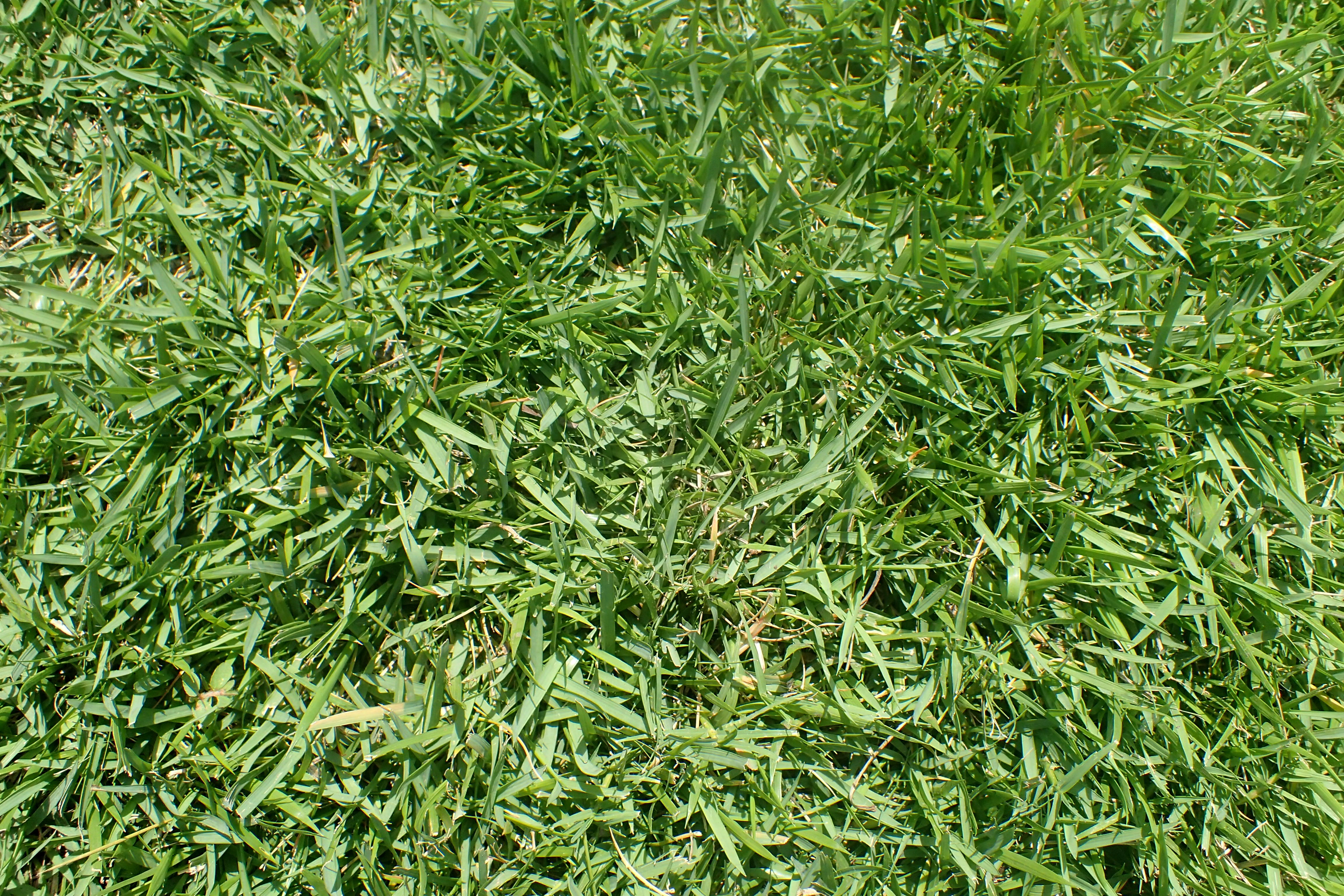
Choosing the best lawn grass for USDA Hardiness Zone 8 means selecting varieties that can withstand hot, often humid summers and mild winters, providing a lush, green carpet year-round or for most of the year. For Zone 8, warm-season grasses are generally the superior choice as they thrive in the heat and humidity characteristic of this region, offering excellent drought tolerance once established. While some cool-season grasses can survive, they often struggle through summer. The top contenders for Zone 8 include Bermuda grass, Zoysia grass, St. Augustine grass, Centipede grass, and Bahia grass, each with unique characteristics to suit different needs and conditions.
Zone 8 encompasses a wide range of climates across the Southern U.S., from parts of the Pacific Northwest to the deep South, meaning soil types, rainfall, and specific temperature fluctuations can vary. Understanding your local microclimate and specific needs (e.g., sun exposure, traffic, desired maintenance level) will help you narrow down the best option for your yard. Let's dive into the specifics of each grass type and how to make the right choice for your Zone 8 landscape.
🌱 Get Personalized Plant Picks
Answer a few quick questions and we’ll match plants to your exact yard conditions.
Find My Plants →What are the Best Warm-Season Grasses for Zone 8?
Warm-season grasses are the superstars of Zone 8 lawns. They love the heat, growing most actively when temperatures are between 80-95°F (27-35°C). They typically go dormant and turn brown in cooler winter months, but in many parts of Zone 8, this dormancy period is relatively short, or they may even stay green longer if winters are exceptionally mild.
Here’s a breakdown of the top warm-season grasses for Zone 8:
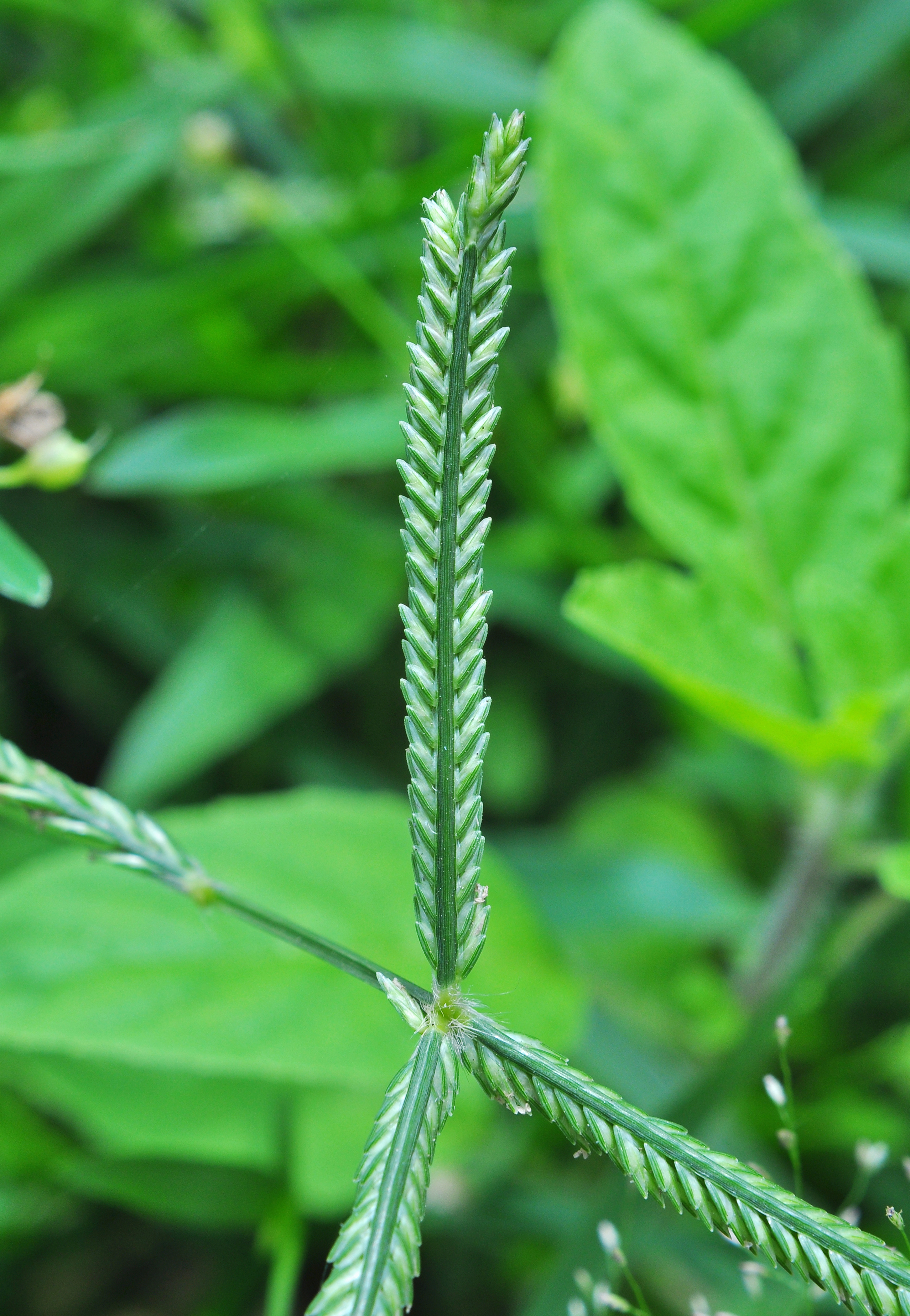
Bermuda Grass (Cynodon dactylon):
- Pros: Extremely heat, drought, and traffic tolerant. Recovers quickly from damage. Forms a dense, beautiful turf.
- Cons: Requires full sun (at least 6-8 hours daily). High maintenance (frequent mowing, fertilization, dethatching). Can be invasive if not contained. Goes dormant and browns quickly with the first frost.
- Ideal For: High-traffic areas, sports fields, sunny lawns where a robust, resilient turf is desired.
- Quick Tip: Look for improved hybrid varieties for better color and finer texture.
Zoysia Grass (Zoysia japonica):
- Pros: Excellent heat and drought tolerance. Forms a very dense, soft, carpet-like lawn that chokes out weeds. Good shade tolerance compared to Bermuda. Low water and fertilizer needs once established.
- Cons: Slow to establish. Can be expensive to sprig or plug. Thatch can build up over time.
- Ideal For: Homeowners seeking a beautiful, low-maintenance lawn with good traffic tolerance and some shade.
- Quick Tip: Zoysia is a great "compromise" grass, offering many benefits of Bermuda with less aggressive growth and better shade tolerance.
St. Augustine Grass (Stenotaphrum secundatum):
- Pros: Excellent shade tolerance (best of the warm-season grasses). Establishes quickly via sod or plugs. Forms a thick, coarse-bladed, blue-green turf.
- Cons: Poor cold tolerance (can suffer winter kill in colder parts of Zone 8). Not very drought tolerant; needs consistent moisture. Susceptible to chinch bugs and fungal diseases.
- Ideal For: Shaded lawns, coastal areas, and regions with mild winters.
- Quick Tip: 'Floratam' is a popular variety but has poor cold tolerance. Consider 'Palmetto' or 'Raleigh' for better cold hardiness in Zone 8.
Centipede Grass (Eremochloa ophiuroides):
- Pros: Low maintenance (low fertilizer and mowing requirements). Good shade tolerance. Adapts well to poor, acidic soils.
- Cons: Poor traffic tolerance. Slow to recover from damage. Not very drought tolerant. Can suffer from iron chlorosis in alkaline soils.
- Ideal For: Low-traffic lawns, especially in the Southeast, where a "lazy man's grass" is desired.
- Quick Tip: Do not over-fertilize Centipede grass; it prefers lean conditions.
Bahia Grass (Paspalum notatum):
- Pros: Extremely drought tolerant. Tolerates poor, sandy soils. Low maintenance. Good disease and insect resistance.
- Cons: Coarse texture. Produces tall, unsightly seed heads frequently. Not as dense or attractive as other options.
- Ideal For: Large, low-maintenance areas, roadsides, pastures, or where water conservation is a top priority.
- Quick Tip: Bahia grass is often used in mixed pastures or for erosion control due to its hardiness.
Quick Reference: Zone 8 Warm-Season Grasses
| Grass Type | Sunlight Needs | Traffic Tolerance | Drought Tolerance | Shade Tolerance | Maintenance Level | Notes |
|---|---|---|---|---|---|---|
| Bermuda Grass | Full Sun | Excellent | Excellent | Poor | High | Fast growth, aggressive, needs frequent mowing |
| Zoysia Grass | Full Sun to Part. | Good | Excellent | Good | Medium | Slow to establish, dense, chokes weeds |
| St. Augustine | Part. Sun to Shade | Poor | Medium | Excellent | Medium | Coarse texture, susceptible to chinch bugs |
| Centipede Grass | Part. Sun to Shade | Poor | Medium | Good | Low | "Lazy man's grass," prefers acidic soil |
| Bahia Grass | Full Sun | Medium | Excellent | Poor | Low | Coarse, frequent seed heads, very hardy |
Can Cool-Season Grasses Thrive in Zone 8?
While warm-season grasses are generally preferred, some cool-season grasses can survive in Zone 8, particularly in the cooler, northern parts of the zone or areas with milder summers. However, they will often struggle significantly during the hot summer months, requiring more water and care to prevent dormancy or death.
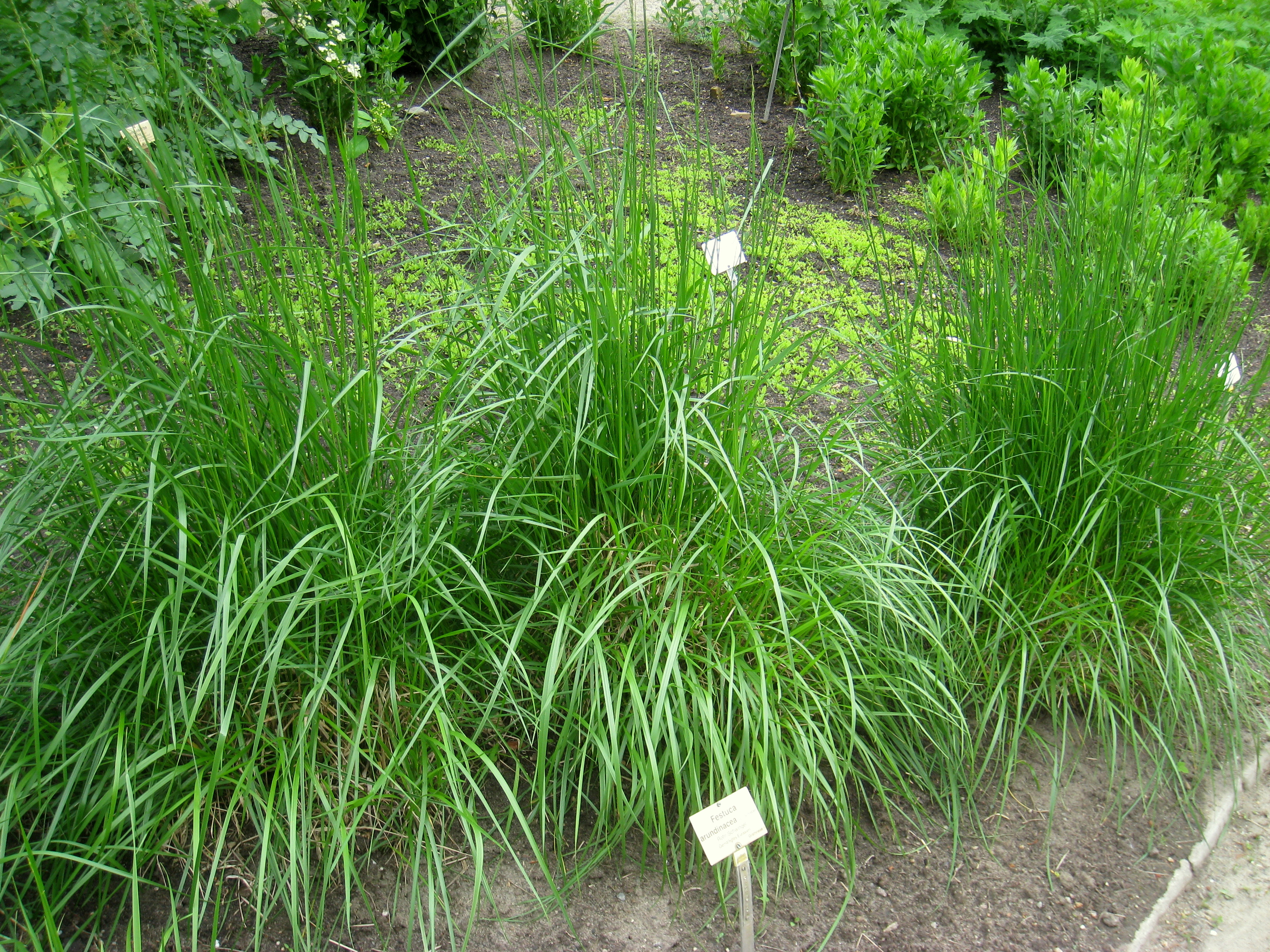
Tall Fescue (Festuca arundinacea):
- Pros: Best cool-season option for Zone 8. Good heat and drought tolerance for a cool-season grass. Tolerates some shade.
- Cons: Will struggle and often go dormant in prolonged summer heat without significant irrigation. Can thin out over summer.
- Ideal For: Transition zones or areas in Zone 8 with milder summers. Often used for overseeding warm-season grasses for winter color.
- Quick Tip: Look for "turf-type tall fescue" varieties for better heat tolerance and finer texture.
Perennial Ryegrass (Lolium perenne):
- Pros: Quick to germinate, provides fast cover. Good for overseeding.
- Cons: Very poor heat tolerance. Will not survive Zone 8 summers.
- Ideal For: Temporary winter green-up when overseeding dormant warm-season lawns.
- Quick Tip: Use annual ryegrass for even quicker, temporary winter color if you don't mind it dying completely in spring.
Important Note: If you choose a cool-season grass, be prepared for significant summer stress and potential browning. Many Zone 8 homeowners with warm-season lawns choose to overseed with ryegrass in the fall for a green winter lawn, knowing it will die back when the warm-season grass comes out of dormancy in spring.
How Do I Prepare My Soil for a New Lawn in Zone 8?
Proper soil preparation is crucial for the success of any new lawn, regardless of the grass type. Good soil provides the foundation for strong root development, nutrient uptake, and water retention.
- Soil Test: This is the most critical first step. A soil test will tell you your soil's pH, nutrient levels, and organic matter content. Your local extension office can provide kits and recommendations.
- Clear the Area: Remove all existing weeds, debris, and old turf. This can be done manually, with a sod cutter, or using herbicides (follow label directions carefully).
- Amend the Soil: Based on your soil test results, amend the soil as needed.
- pH Adjustment: Most grasses prefer a slightly acidic to neutral pH (6.0-7.0). Add lime to raise pH (make it more alkaline) or sulfur to lower pH (make it more acidic).
- Organic Matter: Incorporate 2-4 inches of compost, well-rotted manure, or other organic matter into the top 4-6 inches of soil. This improves drainage, water retention, and nutrient availability.
- Nutrients: Add any missing nutrients as recommended by your soil test.
- Grade and Level: Rake the area smooth, ensuring a slight slope away from your house for proper drainage. Fill in any low spots to prevent water pooling.
- Roll (Optional): Lightly roll the area with a water-filled roller to settle the soil and reveal any remaining low spots. Rake and re-level as needed.
What Maintenance Does a Zone 8 Lawn Require?
Maintaining a healthy Zone 8 lawn involves a consistent routine adapted to your chosen grass type.
Mowing:
- Warm-Season Grasses: Generally mowed higher than cool-season grasses.
- Bermuda: 1-2 inches (hybrid types)
- Zoysia: 1-2 inches
- St. Augustine: 2-4 inches
- Centipede: 1-2 inches
- Bahia: 2-3 inches
- Mow frequently enough so you're never removing more than one-third of the blade height at a time. Keep mower blades sharp.
- Warm-Season Grasses: Generally mowed higher than cool-season grasses.
Watering:
- Deep and infrequent watering is best to encourage deep root growth. Aim for 1 inch of water per week, either from rain or irrigation.
- Water early in the morning to reduce evaporation and allow grass blades to dry, minimizing fungal issues.
- Adjust watering based on rainfall and grass type (e.g., St. Augustine needs more, Bahia and Bermuda tolerate less).
Fertilization:
- Warm-Season Grasses: Fertilize during their active growing season (late spring through summer). Follow soil test recommendations. Avoid fertilizing in late fall or winter.
- Cool-Season Grasses: Fertilize in fall and early spring.
- Use a slow-release fertilizer to provide a steady supply of nutrients.
Weed Control:
- A dense, healthy lawn is the best defense against weeds.
- Use pre-emergent herbicides in early spring and fall to prevent weed seeds from germinating.
- Spot-treat or hand-pull individual weeds as needed.
Pest and Disease Management:
- Monitor your lawn regularly for signs of pests (e.g., chinch bugs in St. Augustine, grubs) or diseases (e.g., brown patch).
- Address issues promptly with appropriate treatments, cultural practices, or professional help.
Aeration and Dethatching:
- Aeration: Recommended annually or bi-annually for most lawns, especially those with heavy clay soil or high traffic. It improves air, water, and nutrient penetration.
- Dethatching: Especially important for Bermuda and Zoysia, which can build up thick thatch layers. Dethatch when the thatch layer exceeds 1/2 inch.
Choosing the right grass for your Zone 8 lawn is the first step to a beautiful yard. By understanding the characteristics of each grass type and committing to proper maintenance, you can enjoy a vibrant, healthy lawn that thrives in your climate.
Ready to find the perfect plants for your yard? Try the PlantWise Plant Finder →