How to Grow Black-Eyed Susan: Complete Guide
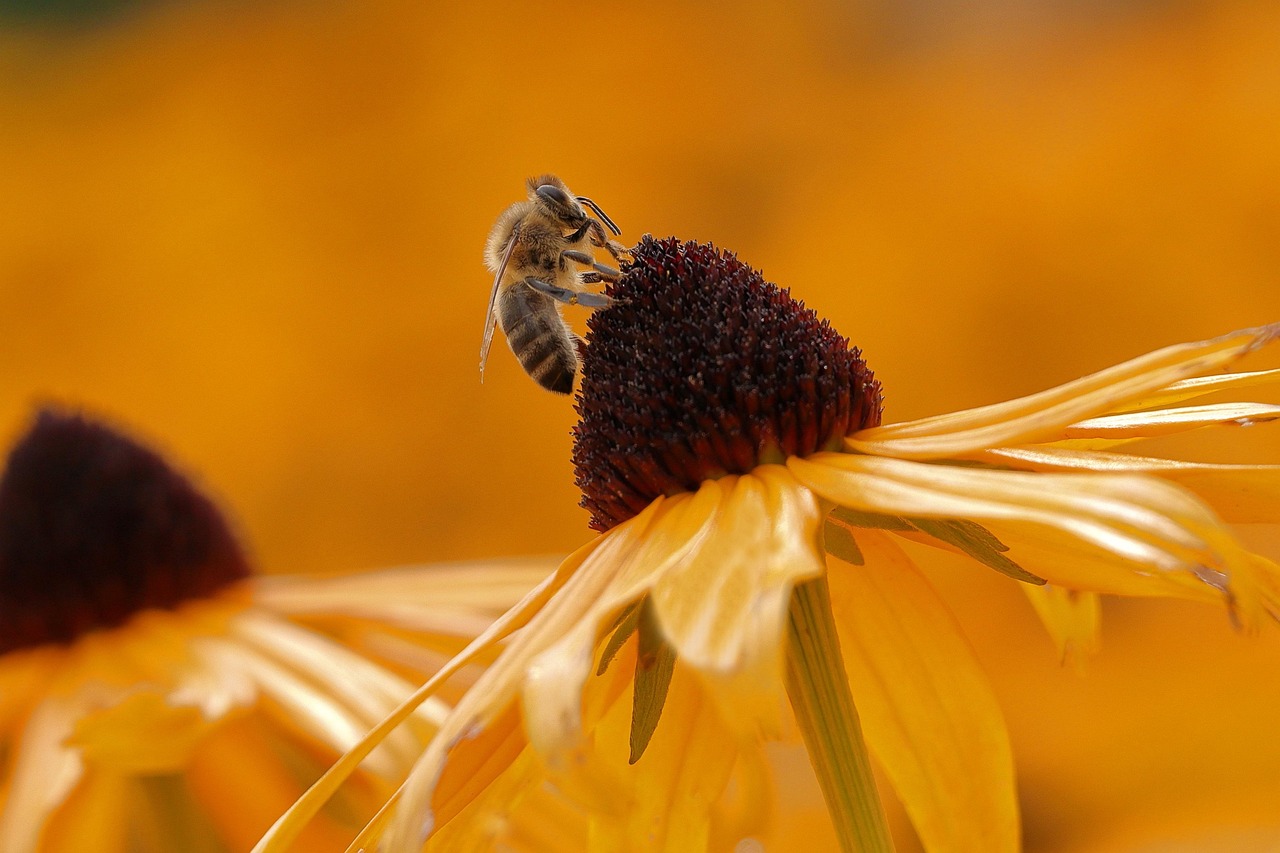
Black-Eyed Susans (Rudbeckia hirta) are cheerful, sun-loving perennials that are incredibly easy to grow, making them a fantastic choice for both novice and experienced gardeners. To grow Black-Eyed Susans successfully, provide them with full sun, well-draining soil, and moderate water, especially during dry spells. These native wildflowers are known for their bright yellow petals and dark brown centers, blooming profusely from summer into fall, attracting pollinators, and adding vibrant color to any garden with minimal fuss.
🌱 Get Personalized Plant Picks
Answer a few quick questions and we’ll match plants to your exact yard conditions.
Find My Plants →Quick Reference: Black-Eyed Susan (Rudbeckia hirta)
| Feature | Detail (The Black-Eyed Susan is one of the most cheerful and resilient flowers you can add to your garden. Its bright yellow petals and dark brown centers bring a burst of sunshine from summer to frost, and its easygoing nature makes it a favorite for both beginner and experienced gardeners.
Native to the central United States, this iconic wildflower is not only beautiful but also incredibly beneficial, attracting a host of pollinators like bees and butterflies to your garden. Its long blooming season ensures continuous color and life throughout the warmer months.
What Makes Black-Eyed Susans So Popular?
Black-Eyed Susans (Rudbeckia hirta) are beloved for several compelling reasons:
- Vibrant, Long-Lasting Blooms: Their striking yellow-gold petals surrounding a prominent dark brown or black cone provide continuous color from early summer until the first hard frost. This extended bloom time is a huge asset in any garden.
- Low Maintenance: These plants are incredibly unfussy. Once established, they are drought-tolerant and generally resistant to most pests and diseases, requiring minimal intervention from the gardener.
- Pollinator Magnets: Bees, butterflies, and other beneficial insects are drawn to their nectar-rich flowers, making them an excellent choice for supporting local ecosystems and encouraging biodiversity in your yard.
- Deer and Rabbit Resistant: While no plant is truly deer-proof, Black-Eyed Susans are generally not preferred by deer or rabbits, making them a reliable option in areas where these animals are a nuisance.
- Versatile: They look fantastic in mass plantings, perennial borders, cottage gardens, meadows, and even containers. They also make excellent cut flowers, bringing their sunny disposition indoors.
- Native Appeal: As a native plant in many regions of North America, they are well-adapted to local climates and soils, requiring less water and fewer resources than many non-native alternatives.
What Are the Ideal Growing Conditions for Black-Eyed Susans?
To ensure your Black-Eyed Susans thrive and produce an abundance of cheerful blooms, understanding their preferred growing conditions is key.
Sunlight
Black-Eyed Susans are sun worshippers! They need full sun, which means at least 6-8 hours of direct sunlight per day. In shadier conditions, they may become leggy, produce fewer flowers, and be more susceptible to powdery mildew. The more sun they get, the more compact and prolific their blooms will be.
Soil
These adaptable plants aren't particularly picky about soil type, but they do require well-draining soil. They can tolerate a range from sandy to clay, but soggy conditions will lead to root rot. If you have heavy clay soil, amend it with organic matter like compost to improve drainage. A slightly acidic to neutral pH (6.0-7.0) is ideal, but they are quite tolerant.
Water
Once established, Black-Eyed Susans are fairly drought-tolerant. However, for the best performance and continuous blooming, provide them with about 1 inch of water per week, either from rainfall or irrigation. Water deeply and less frequently, allowing the top inch or two of soil to dry out between waterings. During prolonged dry spells, especially when they are actively blooming, supplemental watering will be beneficial.
Temperature and Hardiness
Black-Eyed Susans are typically grown as perennials in USDA Hardiness Zones 3-9. In warmer climates (Zone 9 and above), they might be shorter-lived or perform better with some afternoon shade. They are quite tolerant of both heat and cold within their hardiness range.
How Do You Plant Black-Eyed Susans?
Whether you're starting from seed or planting nursery starts, Black-Eyed Susans are straightforward to get into the ground.
Planting from Seed
Starting Black-Eyed Susans from seed is an economical and rewarding option.
- Timing: Sow seeds directly outdoors in late spring after the last frost, or in late fall for germination the following spring. For earlier blooms, you can start seeds indoors 6-8 weeks before the last frost.
- Preparation: Prepare a well-draining seedbed. Lightly rake the soil to create a fine surface.
- Sowing: Scatter the seeds lightly over the soil surface and gently press them down. Black-Eyed Susan seeds need light to germinate, so do not cover them with soil.
- Watering: Keep the soil consistently moist until germination, which usually takes 7-30 days.
- Thinning: Once seedlings have developed a few true leaves, thin them to 6-12 inches apart to allow for proper air circulation and growth.
Planting Nursery Starts
If you're planting potted plants from a nursery:
- Timing: Plant in spring or early fall.
- Digging: Dig a hole twice as wide as the root ball and just as deep.
- Placement: Gently remove the plant from its container, loosen any circling roots, and place it in the hole so the top of the root ball is level with the soil surface.
- Backfill: Backfill with soil, gently firming around the base of the plant to remove air pockets.
- Watering: Water thoroughly after planting to help settle the soil.
Spacing
Space individual plants 6-12 inches apart, depending on the mature size of the specific variety you are growing. Adequate spacing improves air circulation, which is crucial for preventing fungal diseases.
What Kind of Ongoing Care Do Black-Eyed Susans Need?
Black-Eyed Susans are wonderfully low-maintenance, but a little ongoing care will keep them looking their best.
Fertilization
In most garden soils, Black-Eyed Susans do not require much, if any, supplemental fertilization. If your soil is very poor, you can amend it with a layer of compost in spring. Avoid over-fertilizing, especially with high-nitrogen fertilizers, as this can lead to lush foliage at the expense of flowers.
Pruning and Deadheading
- Deadheading: To encourage continuous blooming and prevent the plant from self-seeding too aggressively (though some self-seeding is often desired), deadhead spent flowers by cutting the stem back to a healthy leaf node or side shoot.
- Cutting Back: At the end of the season, you can either cut the plants back to the ground after they've finished blooming or leave the seed heads standing for winter interest and to provide food for birds. If you leave them, cut them back in early spring before new growth begins.
Pests and Diseases
Black-Eyed Susans are generally robust plants.
- Pests: Aphids and spider mites can occasionally be an issue, especially in hot, dry conditions. A strong spray of water can often dislodge them, or insecticidal soap can be used for more severe infestations.
- Diseases: Powdery mildew can occur in humid conditions or if plants are too crowded. Ensure good air circulation and plant in full sun to minimize this risk. Root rot can be a problem in poorly draining soil.
Winter Care
In their hardiness zones, Black-Eyed Susans are perennials and will return each spring. A layer of mulch around the base of the plants in late fall can help insulate the roots in colder climates, though it's often not strictly necessary.
Are Black-Eyed Susans Safe for Pets?
When considering plants for a pet-friendly garden, it's always wise to be informed. Black-Eyed Susans (Rudbeckia hirta) are not listed as toxic to dogs, cats, or horses by the ASPCA. This makes them a popular choice for gardeners with furry friends. However, "not listed as toxic" does not mean "safe for consumption." Any plant material, if ingested in large quantities, can potentially cause mild digestive upset in pets. It's always best to discourage pets from chewing on plants.
If you suspect your pet has ingested a toxic plant, call the ASPCA Animal Poison Control Center immediately at (888) 426-4435.
Why Are My Black-Eyed Susans Not Blooming?
If your Black-Eyed Susans aren't putting on the show you expected, here are some common culprits:
- Insufficient Sunlight: This is the most frequent reason. Black-Eyed Susans absolutely need full sun (6-8+ hours daily) to produce abundant blooms. If they're in too much shade, they'll focus on growing leaves rather than flowers.
- Too Much Nitrogen: If you've fertilized with a high-nitrogen product (often found in lawn fertilizers), it can encourage lush green foliage at the expense of flowers. Use a balanced fertilizer or one higher in phosphorus if you fertilize at all.
- Overcrowding: As Black-Eyed Susans mature, they can form dense clumps. Overcrowding reduces air circulation and nutrient availability, leading to fewer blooms. Divide mature clumps every 2-3 years in spring or fall to rejuvenate them.
- Lack of Water (During Budding/Blooming): While drought-tolerant, prolonged dry spells during the critical budding and blooming periods can stress the plant and reduce flower production. Ensure consistent moisture, especially when temperatures are high.
- Age of Plant: Some varieties, particularly the species Rudbeckia hirta, are technically short-lived perennials, often acting more like biennials or annuals, especially in colder climates. They may bloom profusely for a year or two and then decline. Allowing them to self-seed can ensure a continuous supply of new plants.
- Pests or Diseases: While generally robust, a severe infestation of pests or a significant disease outbreak can stress the plant and impact blooming.
By addressing these factors, you can help your Black-Eyed Susans reach their full blooming potential and bring continuous cheer to your garden.
Ready to find the perfect plants for your yard? Try the PlantWise Plant Finder →