Best Plants for Butterflies in Zone 4
For gardeners in USDA Hardiness Zone 4, attracting butterflies means selecting cold-hardy plants that can withstand harsh winters and still provide the nectar and host resources these beautiful insects need throughout the growing season. The best plants for butterflies in Zone 4 include a mix of perennials like Coneflower, Bee Balm, Blazing Star, and Salvia, along with annuals that offer continuous blooms. These species are not only resilient but also rich in nectar, supporting a vibrant butterfly population in your garden from spring to fall.
Creating a thriving butterfly garden in Zone 4 involves more than just planting pretty flowers; it's about building an ecosystem. Butterflies need food for their adult stage (nectar plants) and specific plants for their caterpillars to munch on (host plants). By incorporating both types of plants, along with water sources and shelter, you can transform your yard into a bustling haven for these essential pollinators. Let's explore some of the top choices for your Zone 4 butterfly garden.
Understanding Butterfly Needs in Zone 4
Butterflies are cold-blooded creatures, and their activity is heavily influenced by temperature. In Zone 4, with its shorter growing season and often late frosts, it's crucial to select plants that are well-adapted to these conditions. When planning your butterfly garden, consider the full life cycle of a butterfly:
- Nectar Plants: These provide energy for adult butterflies. Look for plants with flat-topped clusters, single large blooms, or tubular flowers that offer easy access to nectar. A variety of bloom times is essential to ensure a continuous food source from spring through fall.
- Host Plants: These are specific plants that female butterflies lay their eggs on, and where caterpillars will hatch and feed. Without host plants, butterflies cannot complete their life cycle in your garden.
- Shelter: Butterflies need places to rest, bask in the sun, and hide from predators or harsh weather. Dense shrubs, tall grasses, or even a pile of rocks can provide this.
- Water Source: A shallow dish with pebbles or wet sand can offer a safe drinking spot for butterflies, a practice known as "puddling."
By addressing these needs, you're not just planting flowers; you're cultivating a dynamic and supportive environment for butterflies.
🌱 Get Personalized Plant Picks
Answer a few quick questions and we’ll match plants to your exact yard conditions.
Find My Plants →Top Nectar Plants for Zone 4 Butterflies
When it comes to attracting adult butterflies, these Zone 4 hardy perennials are absolute powerhouses, providing abundant nectar and vibrant color.
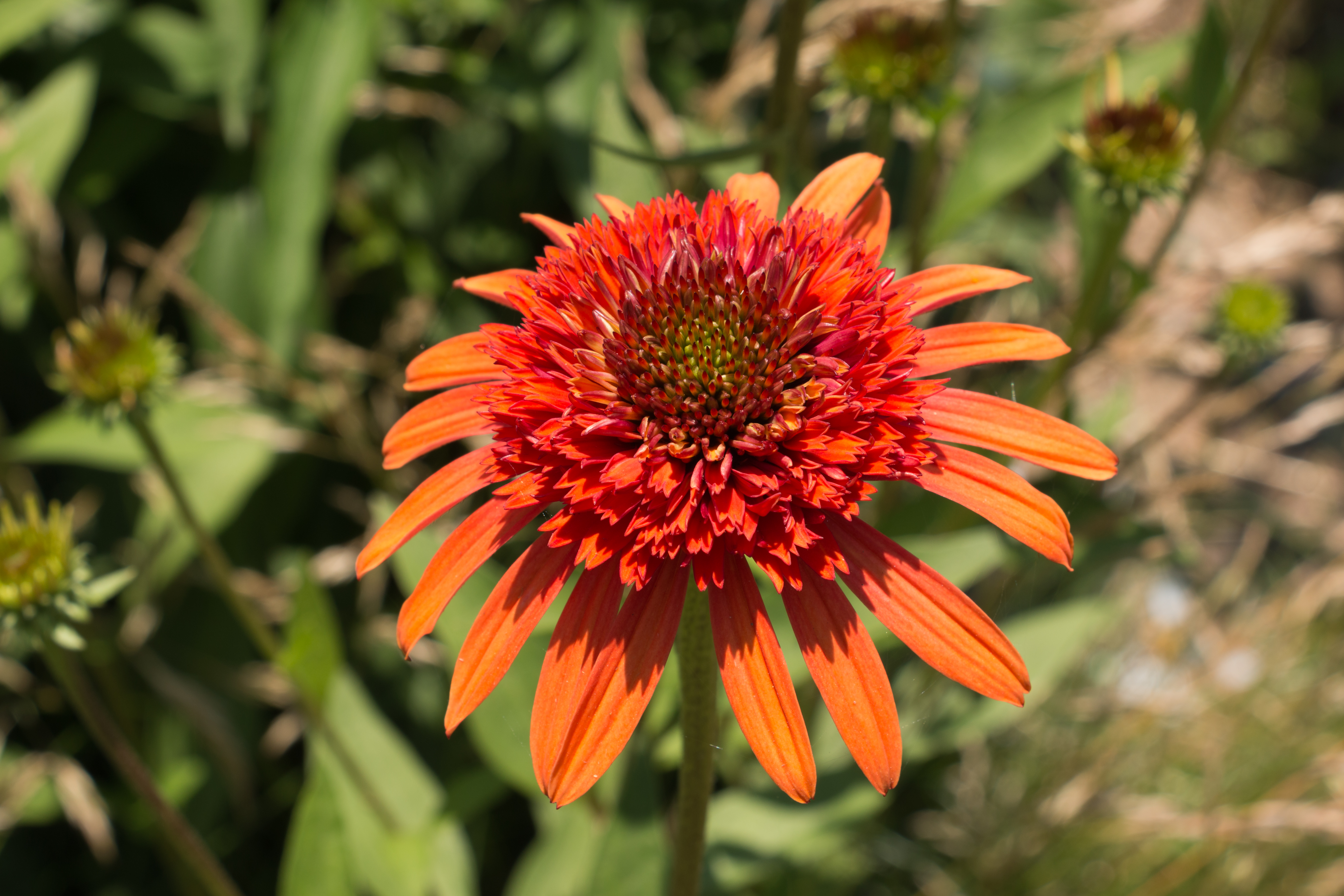
Coneflower (Echinacea purpurea)
Coneflower A classic prairie plant, Coneflower is a magnet for butterflies like Monarchs, Swallowtails, and Fritillaries. Its sturdy, daisy-like flowers with prominent central cones bloom from mid-summer into fall. They are drought-tolerant once established and prefer full sun. Deadheading can encourage more blooms, though leaving some spent flowers can provide seeds for birds in winter.
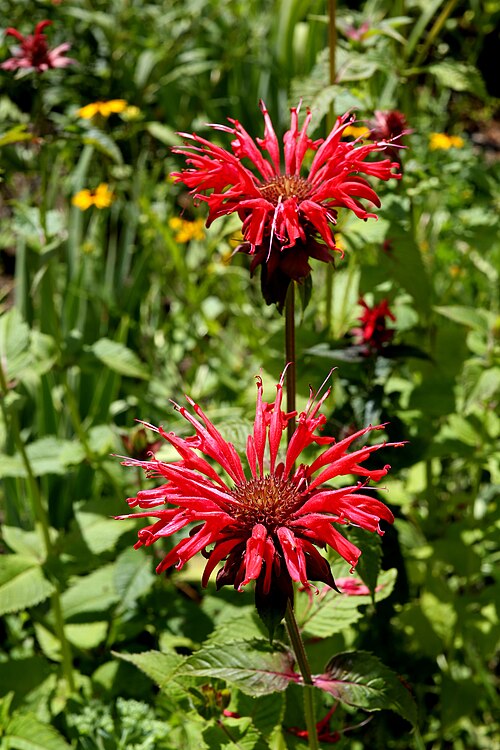
Bee Balm (Monarda didyma)
Bee Balm With its unique, spiky, tubular flowers, Bee Balm is a favorite of long-tongued butterflies and hummingbirds alike. It comes in shades of red, pink, purple, and white, blooming from mid-summer. Bee Balm thrives in full sun to partial shade and prefers consistently moist soil. It can spread vigorously, so be prepared to divide it every few years.
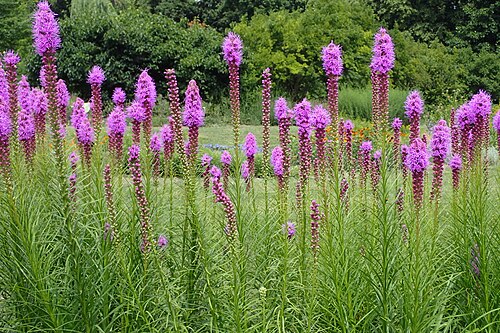
Blazing Star (Liatris spicata)
Blazing Star Also known as Gayfeather, Blazing Star produces tall, spiky plumes of purple flowers that bloom from the top down in late summer. These striking plants are irresistible to a wide variety of butterflies, including Monarchs, Painted Ladies, and Swallowtails. They prefer full sun and well-drained soil and are remarkably drought-tolerant.
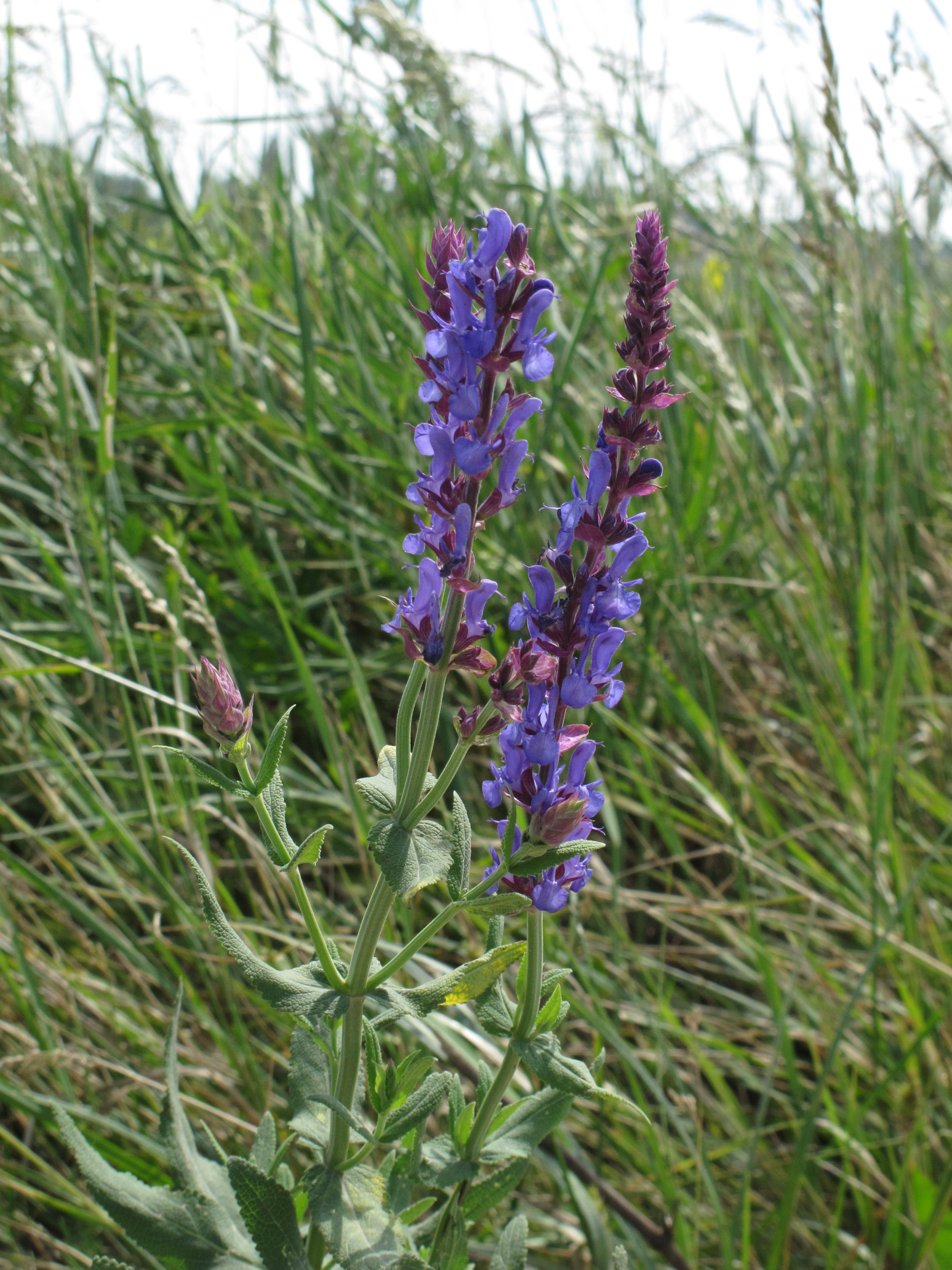
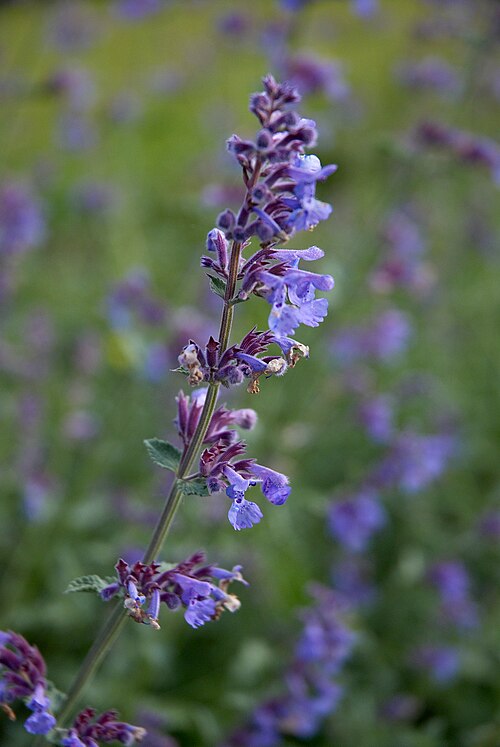
Salvia (Perennial Varieties)
Salvia Many perennial Salvia varieties, such as Salvia nemorosa (e.g., 'Caradonna', 'May Night'), are excellent choices for Zone 4. Their spikes of blue, purple, or pink flowers bloom profusely from late spring through summer, especially if deadheaded. They are highly attractive to smaller butterflies and beneficial insects and thrive in full sun with good drainage.
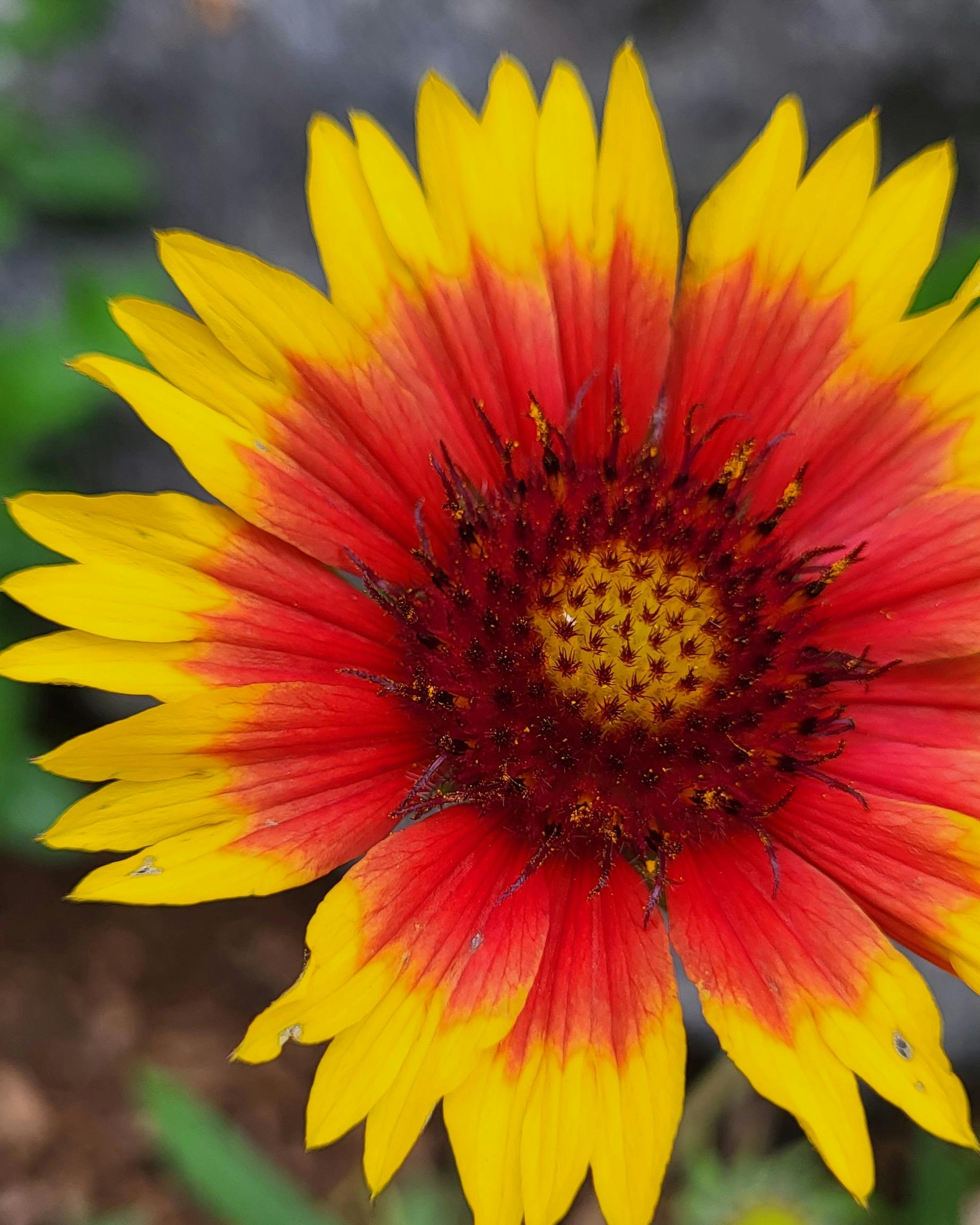
Blanket Flower (Gaillardia x grandiflora)
Blanket Flower These cheerful, daisy-like flowers with their fiery red, orange, and yellow hues are a vibrant addition to any butterfly garden. Blanket Flowers bloom continuously from early summer until frost, providing a long-lasting nectar source. They are very drought-tolerant and prefer full sun and well-drained soil.
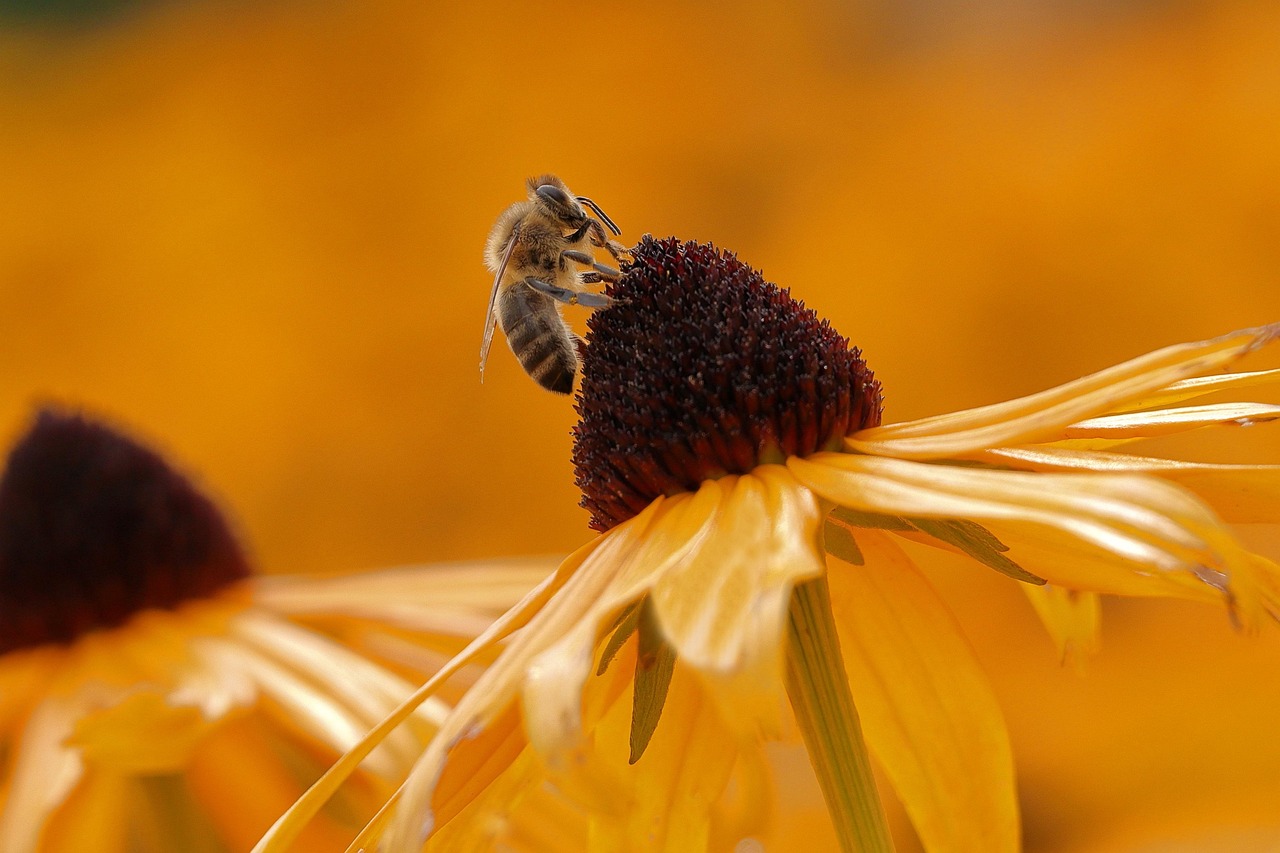
Black-Eyed Susan (Rudbeckia hirta)
Black-eyed Susan Another iconic prairie flower, Black-Eyed Susans offer bright yellow petals surrounding a dark brown center. They bloom abundantly from mid-summer into fall and are a reliable nectar source for many butterfly species. They are adaptable to various soil types but prefer full sun.
Essential Host Plants for Zone 4 Butterflies
Nectar plants are only half the equation. To truly support butterflies, you need to provide host plants for their caterpillars.
- Milkweed (Asclepias species): This is non-negotiable for Monarch butterflies. Common Milkweed (Swamp Milkweed) (Asclepias syriaca) and Butterfly Weed (Asclepias tuberosa) are excellent Zone 4 options. Plant them in full sun.
- Parsley, Dill, Fennel: These common herbs are host plants for Black Swallowtail caterpillars.
- Violets: Several Fritillary species use violets as their host plant.
- Aspen, Willow, Birch: These trees can host various butterflies, including Mourning Cloaks and Viceroy.
- Grasses: Many skipper butterflies use various native grasses as host plants.
Remember, caterpillars will eat these plants, so expect some chewing! This is a sign of success.
Designing Your Zone 4 Butterfly Garden
Thoughtful design can maximize your garden's appeal to butterflies.
- Sunlight: Most butterfly plants thrive in full sun (at least 6 hours per day). Choose a sunny location for your garden.
- Grouping: Plant flowers in large drifts or clusters of the same species. This makes them more visible to butterflies and allows them to conserve energy by feeding efficiently.
- Layering: Include plants of varying heights. Taller plants can provide shelter and basking spots, while shorter ones offer nectar.
- Continuous Blooms: Select a variety of plants with staggered bloom times to ensure there's always something flowering from spring to fall.
- Avoid Pesticides: Even organic pesticides can harm butterflies and their caterpillars. Embrace a few chewed leaves as a sign of a healthy ecosystem.
- Puddling Station: Create a shallow dish filled with wet sand or pebbles where butterflies can extract minerals.
Quick Reference: Zone 4 Butterfly Plant Checklist
| Plant Name | Sun Needs | Bloom Time | Nectar Source | Host Plant | Notes |
|---|---|---|---|---|---|
| Coneflower | Full Sun | Mid-Summer to Fall | Yes | No | Drought-tolerant, long bloom time |
| Bee Balm | Full Sun/Part Shade | Mid-Summer | Yes | No | Attracts hummingbirds, can spread |
| Blazing Star | Full Sun | Late Summer | Yes | No | Striking vertical accent, drought-tolerant |
| Salvia (Perennial) | Full Sun | Late Spring to Summer | Yes | No | Deadhead for more blooms |
| Blanket Flower | Full Sun | Early Summer to Frost | Yes | No | Very long bloom time, drought-tolerant |
| Black-Eyed Susan | Full Sun | Mid-Summer to Fall | Yes | No | Classic prairie look, adaptable |
| Milkweed | Full Sun | Summer | Yes | Yes (Monarchs) | Essential for Monarchs |
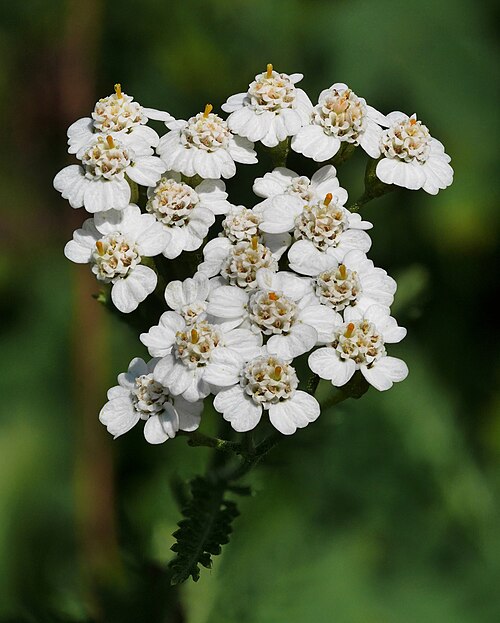
| Yarrow | Full Sun | Early Summer to Fall | Yes | No | Flat-topped clusters, drought-tolerant |
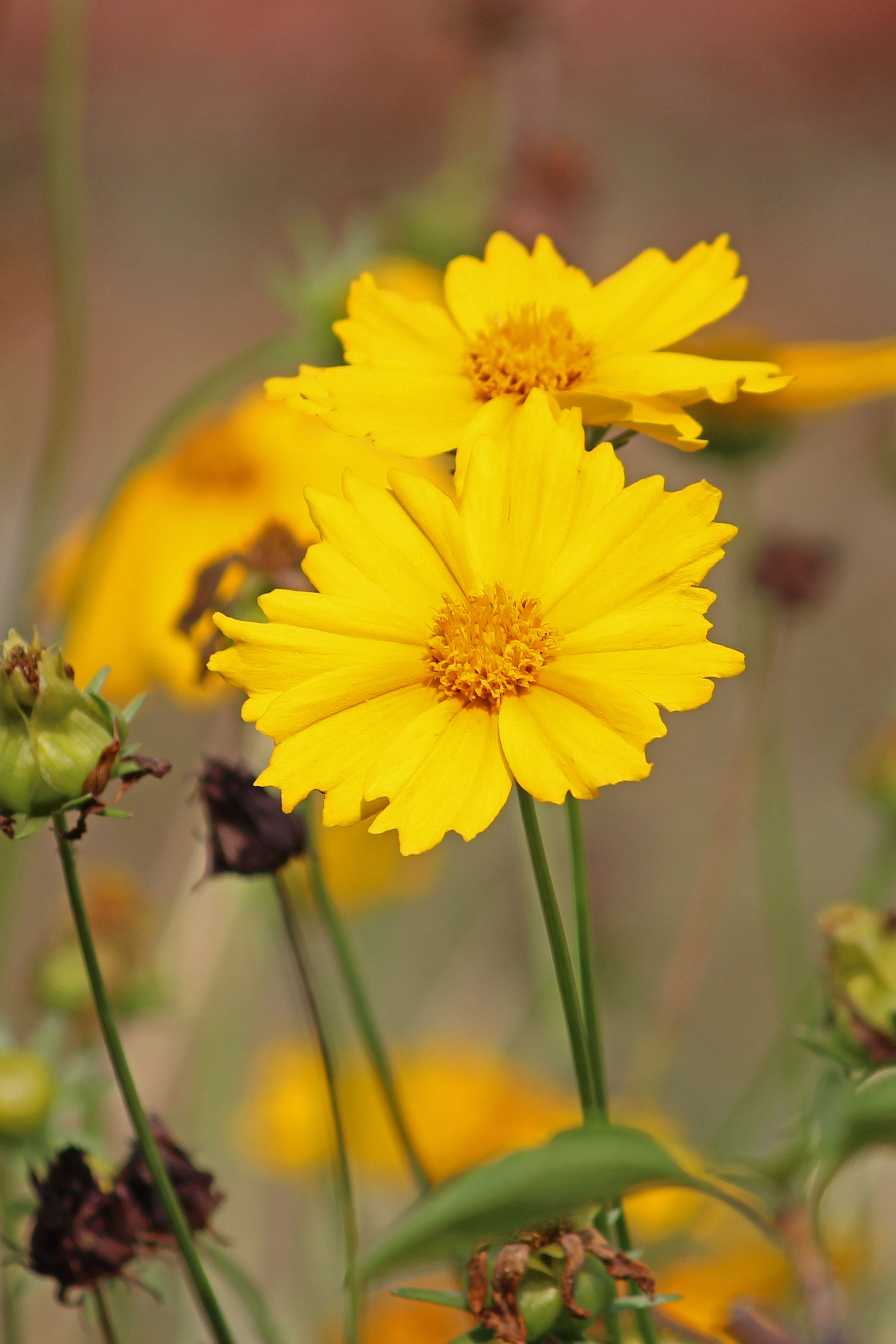
| Coreopsis | Full Sun | Early Summer to Fall | Yes | No | Cheerful, long-blooming, various types |
| Catmint | Full Sun | Late Spring to Fall | Yes | No | Low maintenance, deer resistant |
If you suspect your pet has ingested a toxic plant, call the ASPCA Animal Poison Control Center immediately at (888) 426-4435. The plants listed above are generally not listed as toxic to pets, but always exercise caution.
By incorporating a diverse selection of these Zone 4 hardy plants, you'll not only enjoy a beautiful garden but also contribute significantly to the health and survival of our precious butterfly populations.
Ready to find the perfect plants for your yard? Try the PlantWise Plant Finder →