Best Plants for Butterflies in Zone 5
Attracting butterflies to your Zone 5 garden is a rewarding endeavor that enriches your outdoor space with beauty and life. The best plants for butterflies in Zone 5 are those that provide both nectar for adult butterflies and host foliage for their caterpillars, while also being hardy enough to withstand cold winters. Key plants include Coneflower, Bee Balm, Black-eyed Susan, Blazing Star, and various Salvias, all of which thrive in Zone 5 and offer essential resources for a thriving butterfly population. By selecting a diverse range of these plants, you can create a vibrant habitat that supports the entire butterfly life cycle.
Why Butterflies Need Our Help
Butterflies are not just beautiful; they are vital pollinators, playing a crucial role in the reproduction of many plants, including those that produce our food. Unfortunately, butterfly populations are facing significant declines due to habitat loss, pesticide use, and climate change. By planting butterfly-friendly gardens, especially in colder climates like Zone 5, we can provide essential food sources, shelter, and breeding grounds, helping these delicate creatures survive and thrive. A successful butterfly garden offers a continuous bloom of nectar-rich flowers from spring through fall, along with host plants for their larvae.
🌱 Get Personalized Plant Picks
Answer a few quick questions and we’ll match plants to your exact yard conditions.
Find My Plants →Nectar Powerhouses for Adult Butterflies
Adult butterflies primarily feed on nectar, a sugary liquid produced by flowers. When choosing nectar plants for your Zone 5 garden, look for varieties with easily accessible flowers (like flat-topped clusters or tubular shapes), vibrant colors, and a long blooming season. A diverse selection ensures a steady food supply throughout the growing season.
Here are some top picks for Zone 5:
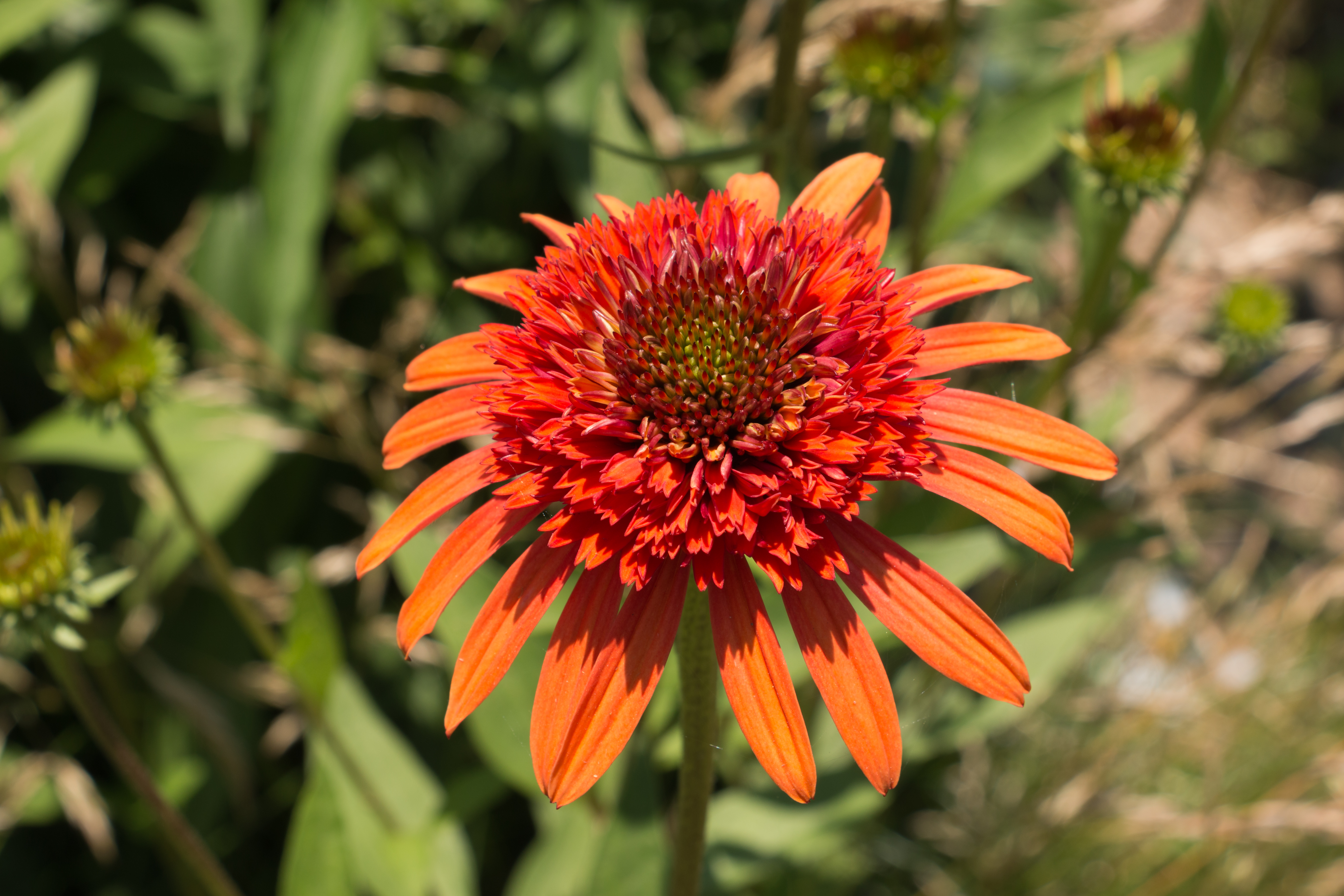
Coneflower (Echinacea purpurea): These iconic daisy-like flowers are a magnet for many butterfly species, including Swallowtails and Fritillaries. They are drought-tolerant once established and offer a long blooming period from summer into fall. Coneflower
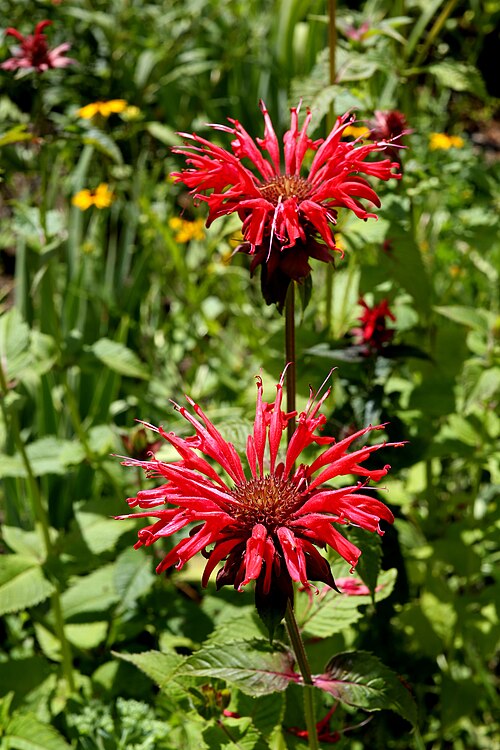
Bee Balm (Monarda didyma): With their unique, shaggy blooms, Bee Balm varieties are a favorite of butterflies, bees, and hummingbirds. They prefer moist soil and full sun, blooming profusely in mid-summer. Bee Balm
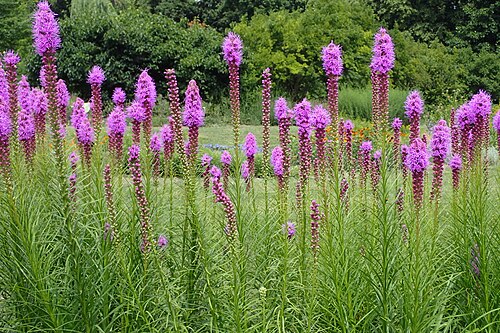
Blazing Star (Liatris spicata): This striking perennial sends up tall spikes of purple flowers, blooming from the top down. It's an absolute butterfly magnet, especially for Monarchs, Swallowtails, and Painted Ladies. It's also very drought-tolerant. Blazing Star
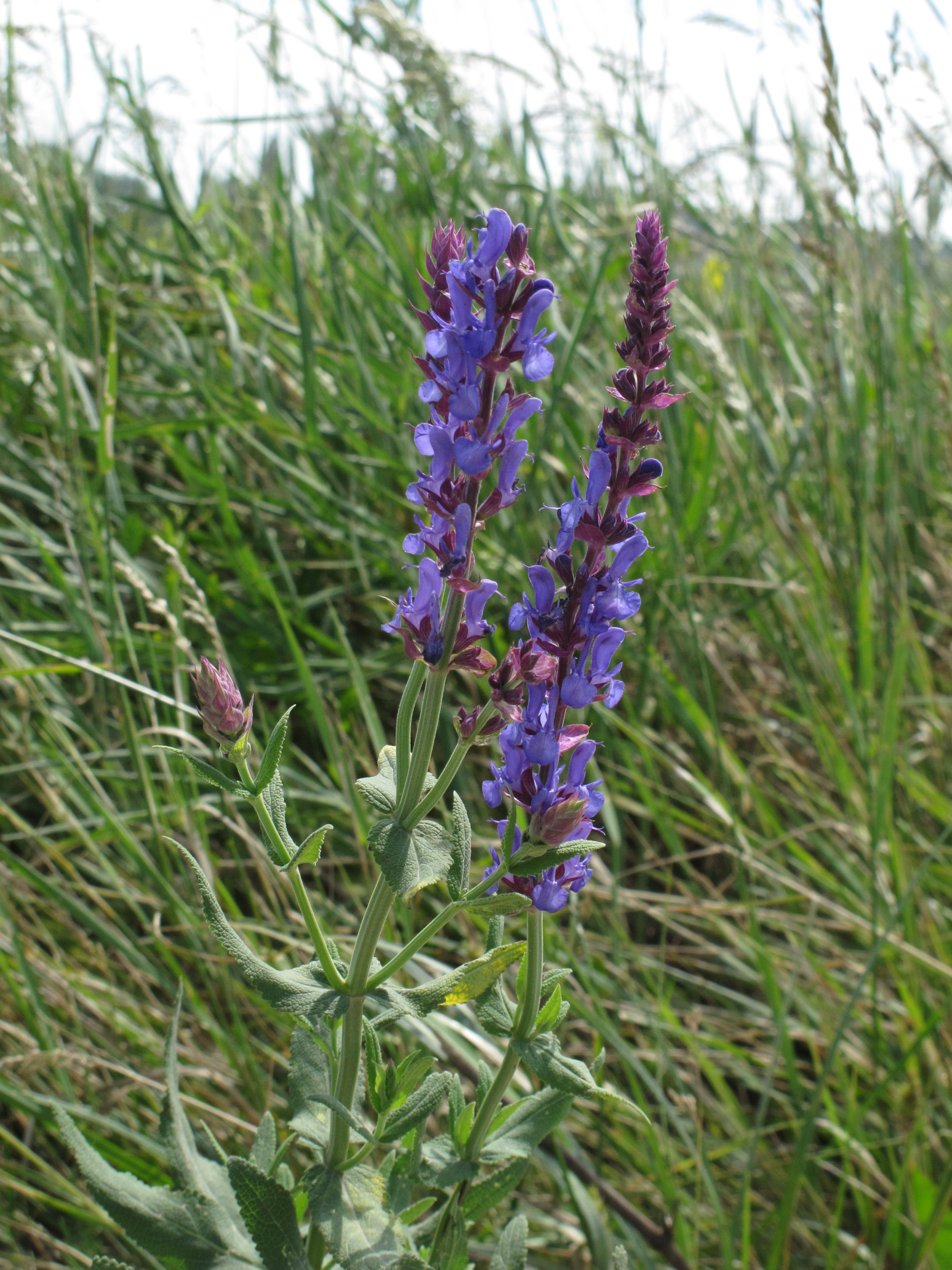
Salvia (Salvia spp.): Many perennial salvias are excellent for butterflies. 'May Night' and 'Caradonna' are popular Zone 5 choices, offering spikes of purple flowers that are rich in nectar. They are also deer resistant. Salvia
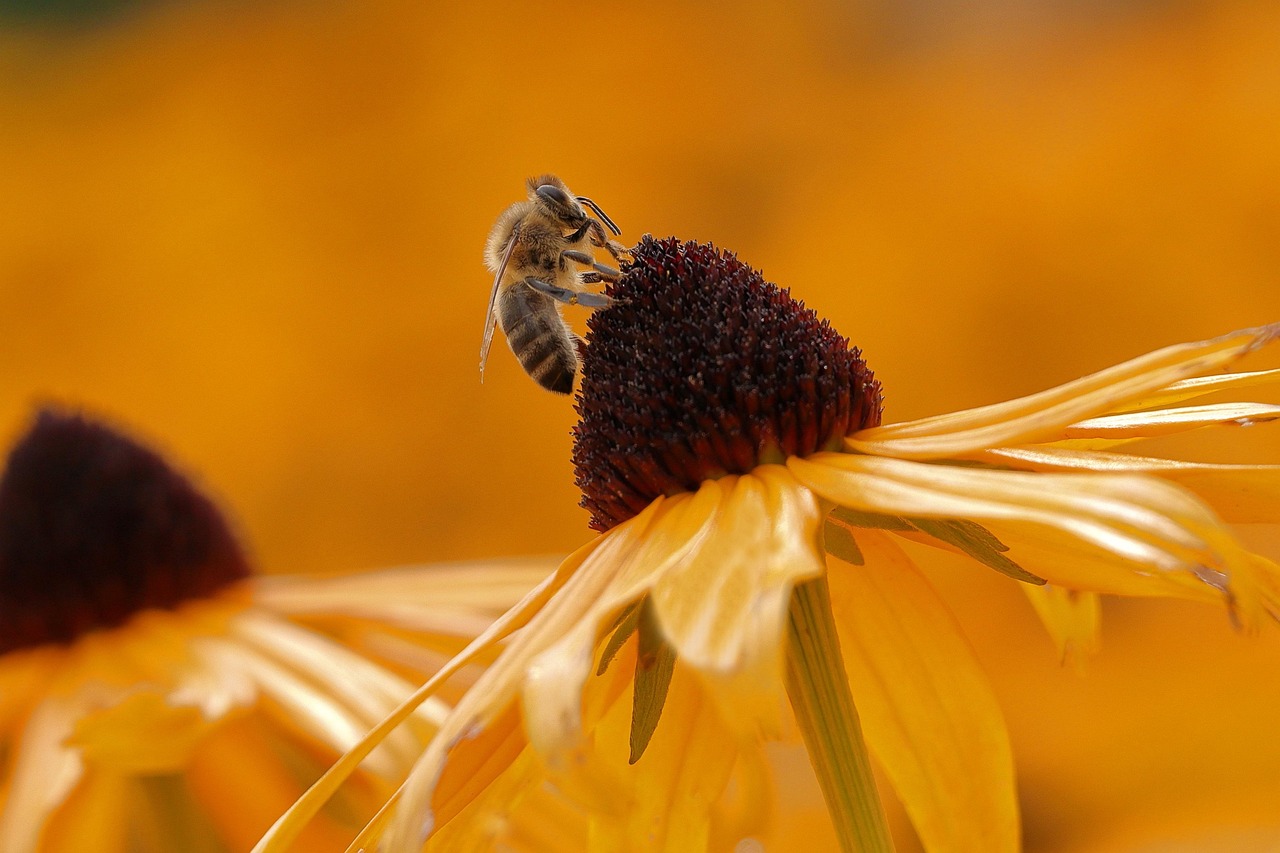
Black-eyed Susan (Rudbeckia hirta): These cheerful, sun-loving flowers provide a broad landing pad for butterflies and bloom for an extended period from summer to fall. They are easy to grow and tolerate a range of conditions. Black-eyed Susan
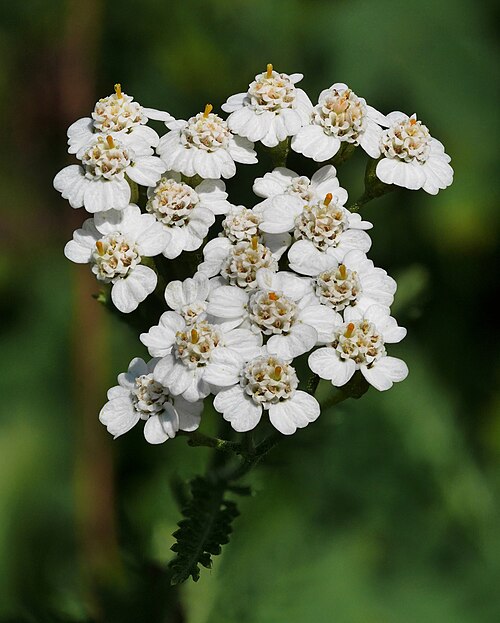
Yarrow (Achillea millefolium): The flat-topped clusters of yarrow flowers provide excellent landing platforms and nectar for many smaller butterflies. It's incredibly tough, drought-tolerant, and comes in various colors. Yarrow
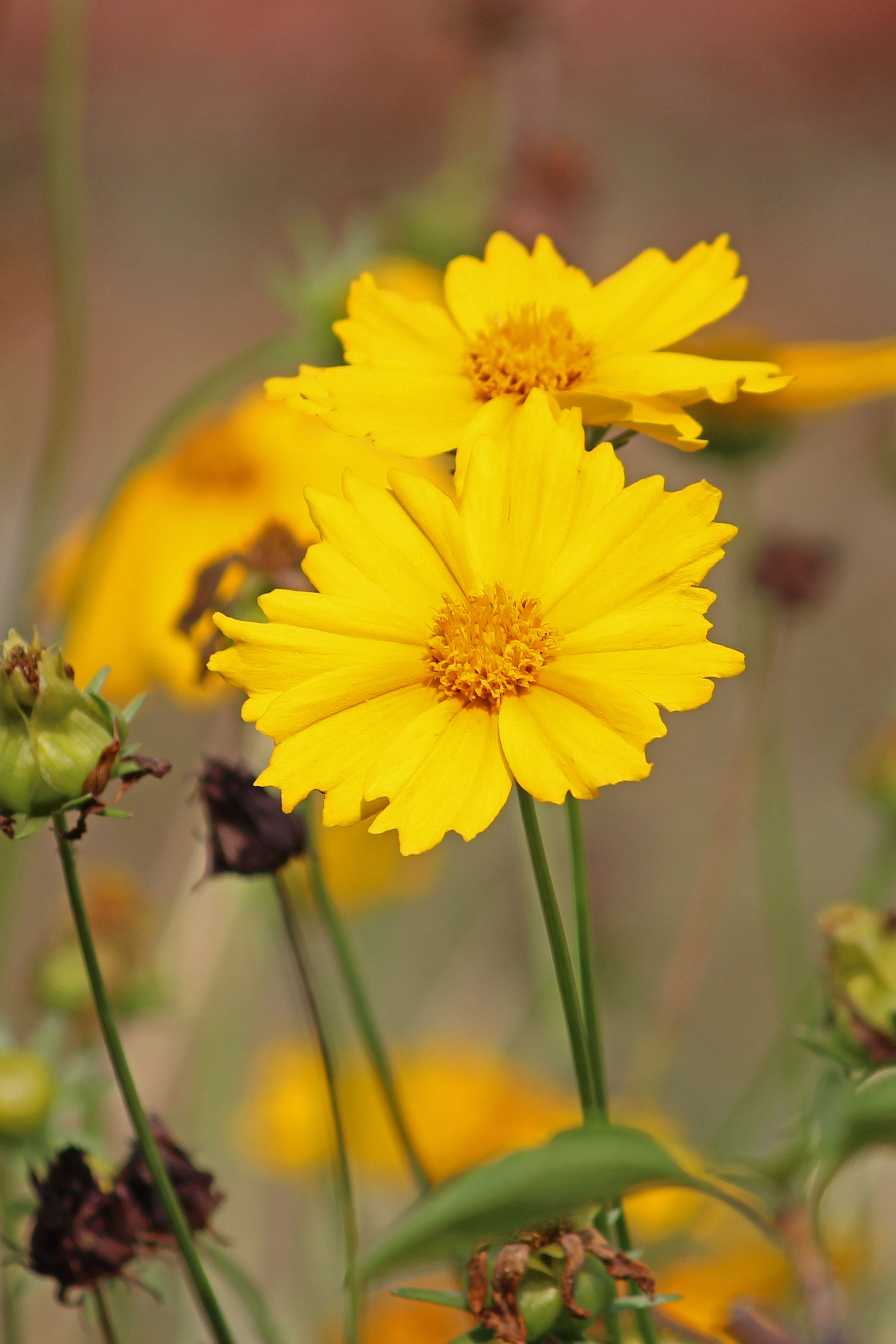
Coreopsis (Coreopsis spp.): Also known as Tickseed, these bright, daisy-like flowers offer a continuous show of color and nectar throughout the summer. Many varieties are hardy in Zone 5. Coreopsis
When designing your garden, plant flowers in drifts or clusters rather than single specimens. This makes them more visible to butterflies and provides a more efficient feeding station.
Host Plants: The Foundation of Life
While nectar plants feed adult butterflies, host plants are critical for their offspring. Female butterflies lay their eggs exclusively on specific host plants. Once the eggs hatch, the caterpillars feed on these leaves, growing and developing before pupating into adult butterflies. Without host plants, there are no caterpillars, and thus no new butterflies.
Here are some essential Zone 5 host plants:
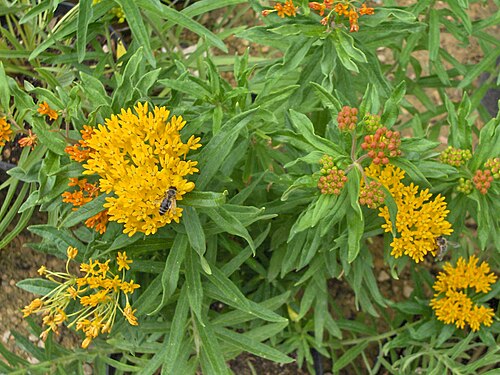
- Milkweed (Asclepias spp.): Absolutely crucial for Monarch butterflies. Common Milkweed (Asclepias syriaca) and Butterfly Weed (Asclepias tuberosa) are excellent Zone 5 choices. Plant generously if you want to support Monarchs.
- Parsley, Dill, Fennel, Queen Anne's Lace (Apiaceae family): Host plants for Black Swallowtail caterpillars. You can sacrifice a few herbs from your garden to these hungry larvae!
- Violets (Viola spp.): Host plants for Fritillary butterflies. Many violets are native to Zone 5 and make excellent groundcovers.
- Willow (Salix spp.) & Poplar (Populus spp.): Host plants for Mourning Cloak butterflies.
- Oaks (Quercus spp.): Host plants for Hairstreak butterflies and many other moth species.
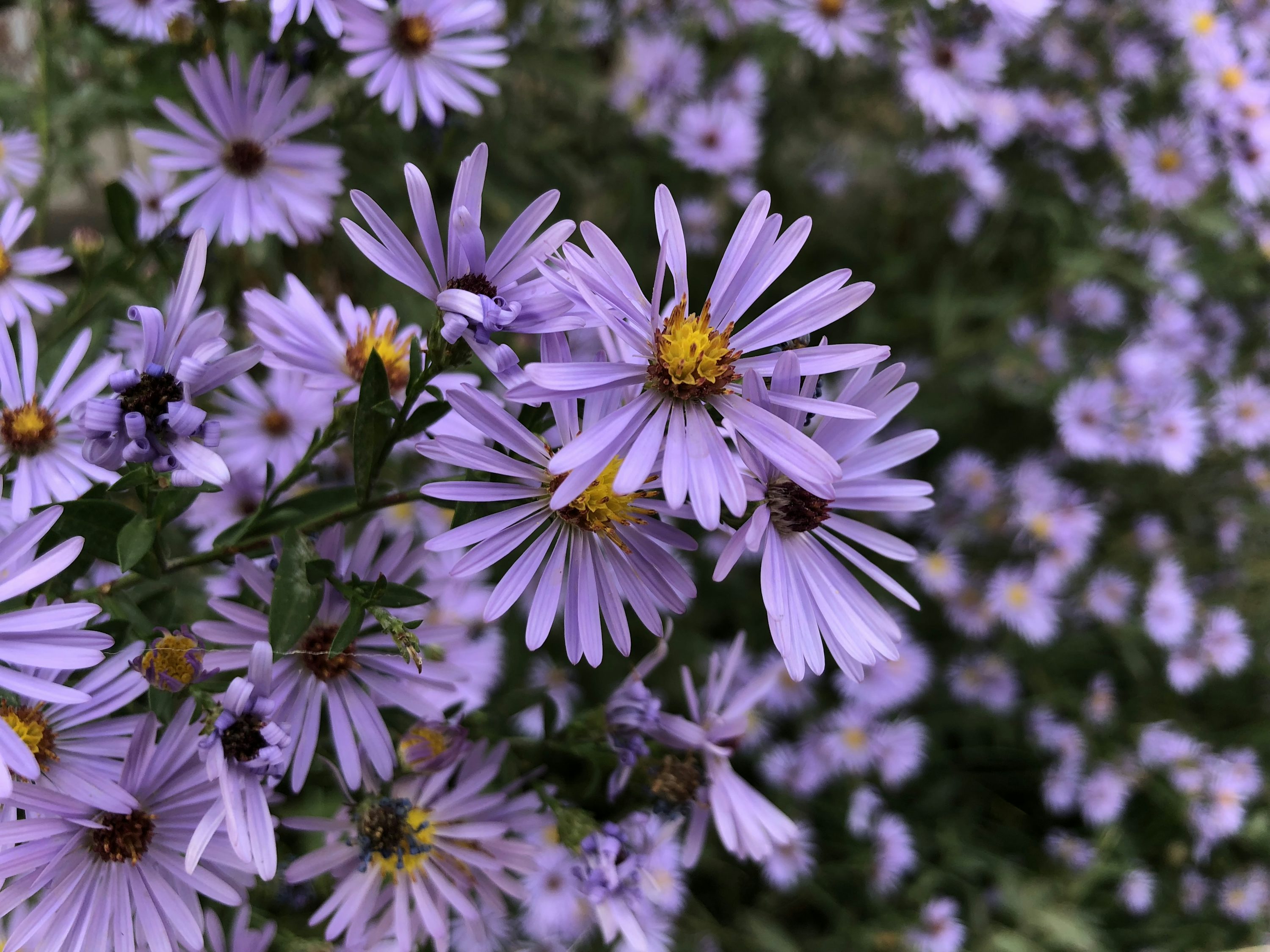
- Aster (Symphyotrichum spp.): Host plants for Pearl Crescent butterflies. Many asters are native to Zone 5 and provide late-season nectar too.
Remember, caterpillars will eat the leaves of these plants, so don't be alarmed by some chewing. It's a sign of a healthy ecosystem!
Creating a Butterfly-Friendly Habitat
Beyond just plants, a truly butterfly-friendly garden in Zone 5 incorporates several other elements:
- Sunlight: Butterflies are cold-blooded and need warmth to fly. Plant your butterfly garden in a location that receives at least 6-8 hours of full sun daily.
- Water Source: A shallow dish with wet sand or pebbles (a "puddling station") provides butterflies with water and essential minerals.
- Shelter: Provide areas where butterflies can shelter from wind and rain, such as dense shrubs, tall grasses, or even a brush pile.
- Avoid Pesticides: This is paramount. Even organic pesticides can harm butterflies and their larvae. Embrace a little insect damage as a sign of a healthy ecosystem.
- Succession of Blooms: Plan your garden so that there are always nectar sources available from early spring to late fall. This ensures continuous support for different butterfly species throughout their active periods.
Quick Reference: Top Zone 5 Butterfly Plants
| Plant Name | Nectar/Host | Bloom Time | Sun Needs | Key Butterfly Visitors/Caterpillars |
|---|---|---|---|---|
| Coneflower | Nectar | Summer-Fall | Full Sun | Swallowtails, Fritillaries |
| Bee Balm | Nectar | Mid-Summer | Full Sun | Swallowtails, Skippers, Hummingbirds |
| Blazing Star | Nectar | Mid-Summer | Full Sun | Monarchs, Swallowtails, Painted Ladies |
| Salvia | Nectar | Late Spring-Fall | Full Sun | Swallowtails, Skippers |
| Black-eyed Susan | Nectar | Summer-Fall | Full Sun | Various butterflies |
| Milkweed (various) | Nectar/Host | Summer | Full Sun | Monarchs (adults & caterpillars) |
| Parsley/Dill/Fennel | Host | N/A | Full Sun | Black Swallowtail (caterpillars) |
| Violets | Host | Spring | Part-Shade | Fritillaries (caterpillars) |
| Asters | Nectar/Host | Late Summer-Fall | Full Sun | Pearl Crescent (caterpillars) |
Pet Safety Note
While many of the plants listed above are generally considered safe or not listed as toxic to pets, it's always wise to exercise caution. For example, some varieties of Salvia can cause mild gastrointestinal upset if ingested in large quantities. Milkweed, while crucial for Monarchs, is considered toxic to dogs and cats if consumed. If you suspect your pet has ingested a toxic plant, call the ASPCA Animal Poison Control Center immediately at (888) 426-4435.
Creating a butterfly garden in Zone 5 is a rewarding project that combines beauty with ecological responsibility. By thoughtfully selecting a mix of nectar and host plants, providing essential resources, and avoiding harmful chemicals, you can transform your yard into a vibrant sanctuary for these enchanting insects.
Ready to find the perfect plants for your yard? Try the PlantWise Plant Finder →