Best Plants for Butterflies in Zone 6
Attracting butterflies to your Zone 6 garden is a rewarding endeavor that supports local ecosystems and adds vibrant beauty. The best plants for butterflies in Zone 6 are those that provide both nectar for adult butterflies and host foliage for their caterpillars, thriving in the region's climate with its cold winters and warm summers. Key examples include Coneflower, Bee Balm, Black-eyed Susan, and various milkweed species, which are resilient and highly attractive to a wide range of butterfly species. By incorporating a diverse selection of these plants, you can create a thriving butterfly haven right in your backyard.
Why Butterflies Need Our Help (and Our Gardens!)
Butterflies are more than just beautiful garden visitors; they are vital pollinators and indicators of a healthy environment. Unfortunately, many butterfly populations are in decline due to habitat loss, pesticide use, and climate change. By planting a butterfly-friendly garden, you're not only creating a stunning landscape but also providing crucial resources for these delicate insects.
A successful butterfly garden offers two main things:
- Nectar sources: For adult butterflies to fuel their flight and reproduction.
- Host plants: Specific plants that caterpillars feed on. Without host plants, there are no caterpillars, and thus, no butterflies!
For gardeners in USDA Hardiness Zone 6, which experiences average minimum winter temperatures between -10°F and 0°F, selecting plants that can withstand these conditions and thrive through the warm summers is key.
🌱 Get Personalized Plant Picks
Answer a few quick questions and we’ll match plants to your exact yard conditions.
Find My Plants →Designing Your Zone 6 Butterfly Oasis
Creating a butterfly garden is about more than just picking pretty flowers. Consider these elements for maximum impact:
- Sunlight: Most butterfly-attracting plants, and butterflies themselves, prefer full sun (at least 6 hours per day).
- Water: Provide a shallow water source, like a bird bath with pebbles or a "puddling" area with moist sand, where butterflies can drink and absorb minerals.
- Shelter: Include shrubs or taller plants that offer protection from wind and predators.
- Succession Planting: Choose plants that bloom at different times throughout the growing season (spring, summer, fall) to ensure a continuous food supply.
- Native Plants: Prioritize native plants whenever possible. They are often best adapted to your local climate and soil, require less maintenance, and are most beneficial to native insects.
Top Nectar Plants for Zone 6 Butterflies
These plants are excellent choices for providing adult butterflies with the energy they need.
Coneflower (Echinacea purpurea)
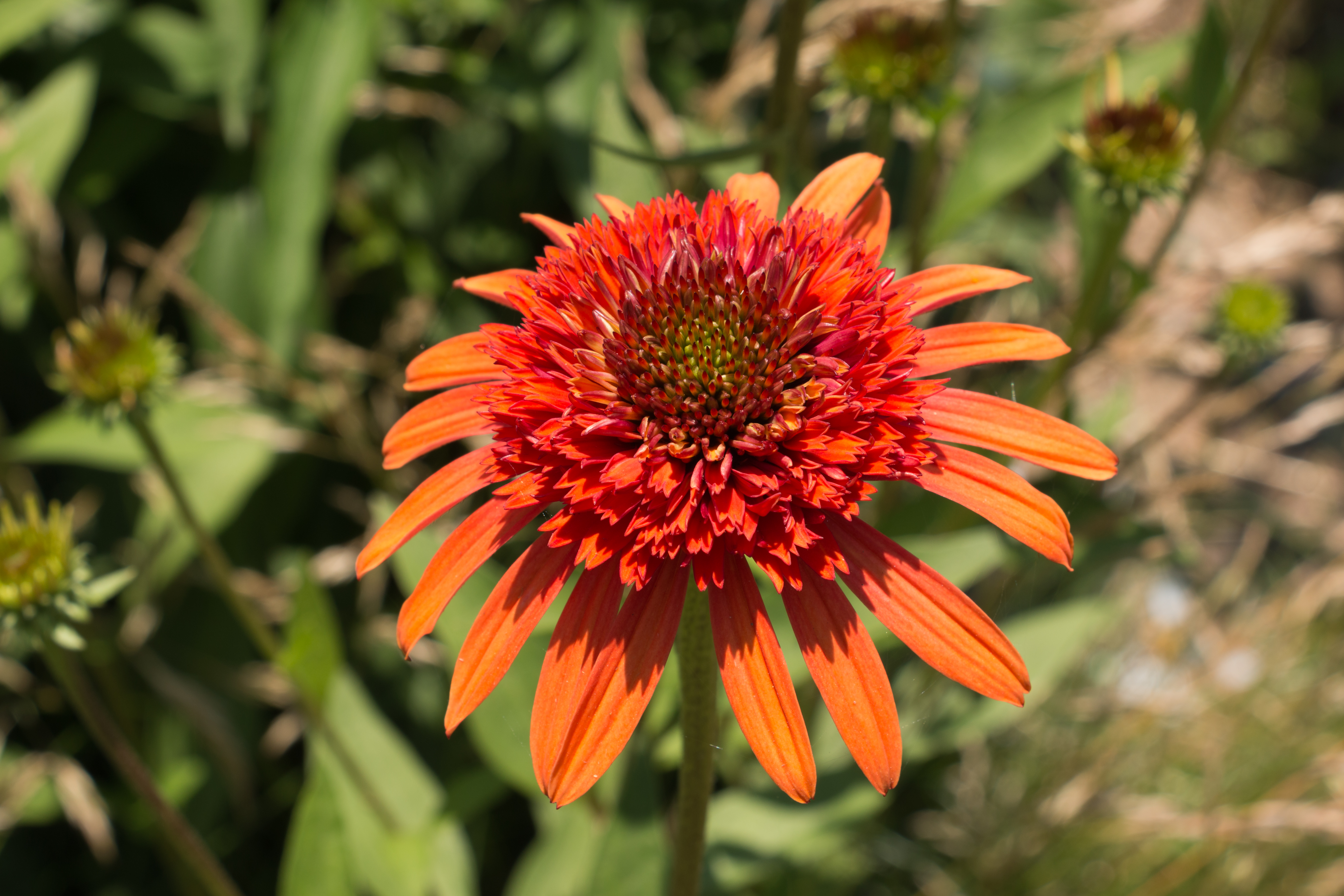
Coneflower A classic prairie plant, Coneflower is a superstar for pollinators. Its sturdy, daisy-like flowers with prominent central cones provide ample nectar from mid-summer into fall. Butterflies, bees, and even hummingbirds adore them. They are drought-tolerant once established and come in various colors, though the native purple variety is often the most beneficial.
Bee Balm (Monarda didyma)
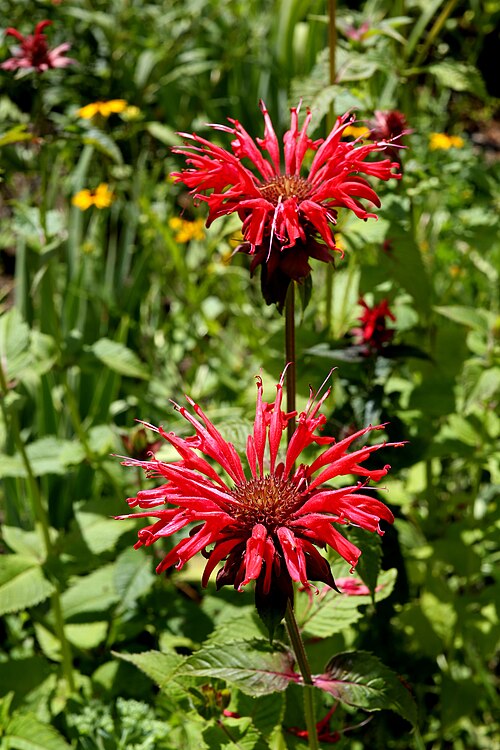
Bee Balm With its unique, shaggy blooms, Bee Balm is a magnet for butterflies, bees, and hummingbirds. It’s a native perennial that thrives in full sun to partial shade and prefers consistently moist soil. Its long bloom time from mid-summer to early fall makes it an invaluable addition. Look for mildew-resistant varieties.
Black-Eyed Susan (Rudbeckia hirta)
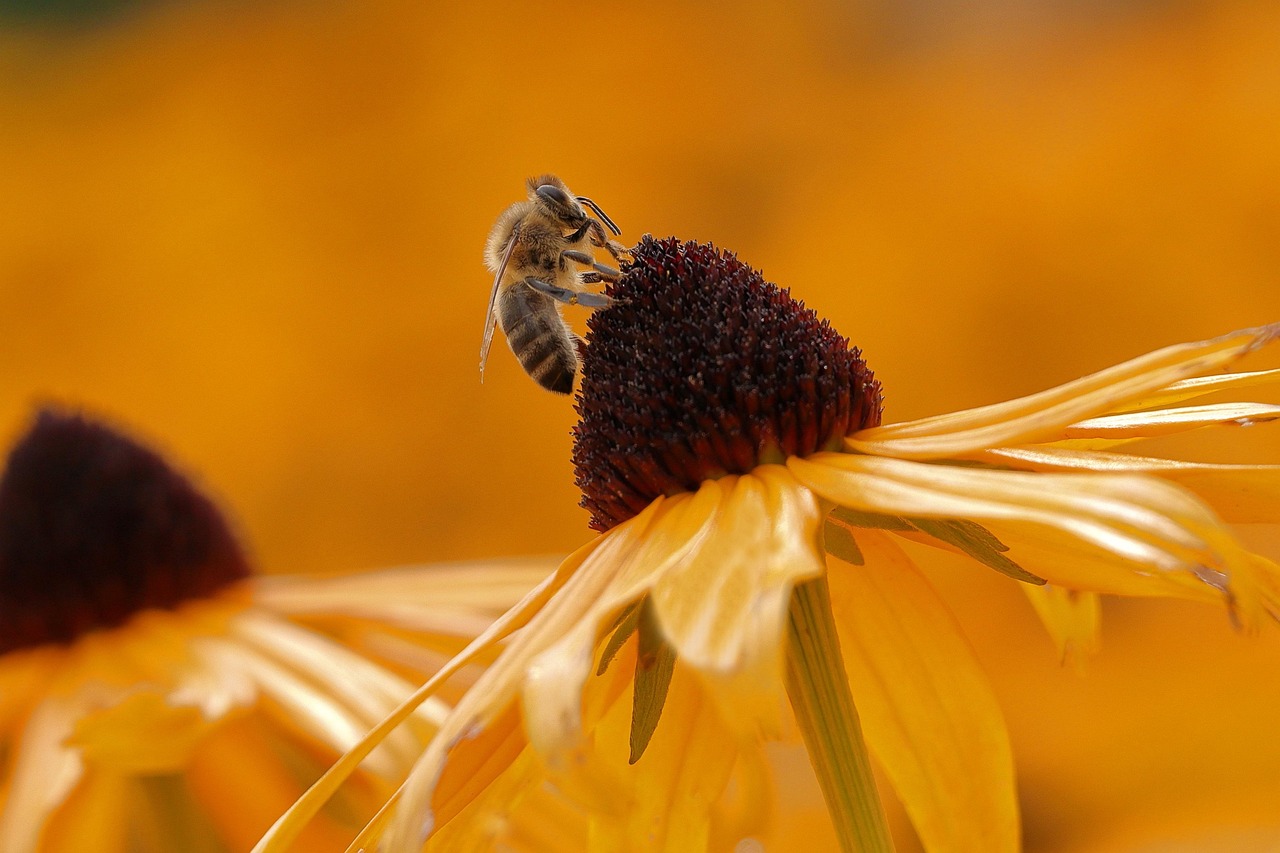
Black-eyed Susan Another cheerful native, Black-eyed Susan offers bright yellow petals around a dark brown center. These sun-loving plants provide nectar throughout summer and into fall. They are relatively low-maintenance, drought-tolerant, and often self-seed, creating a beautiful meadow-like effect.
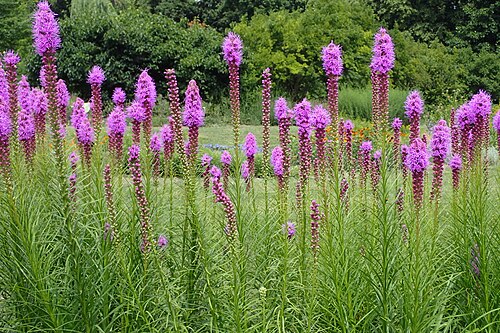
Blazing Star (Liatris spicata)
Blazing Star This striking perennial features tall, spiky purple flowers that bloom from the top down, attracting a wide array of butterflies, especially monarchs and swallowtails. Blazing Star prefers full sun and well-drained soil and is an excellent choice for adding vertical interest to your garden.
Salvia (Salvia spp.)
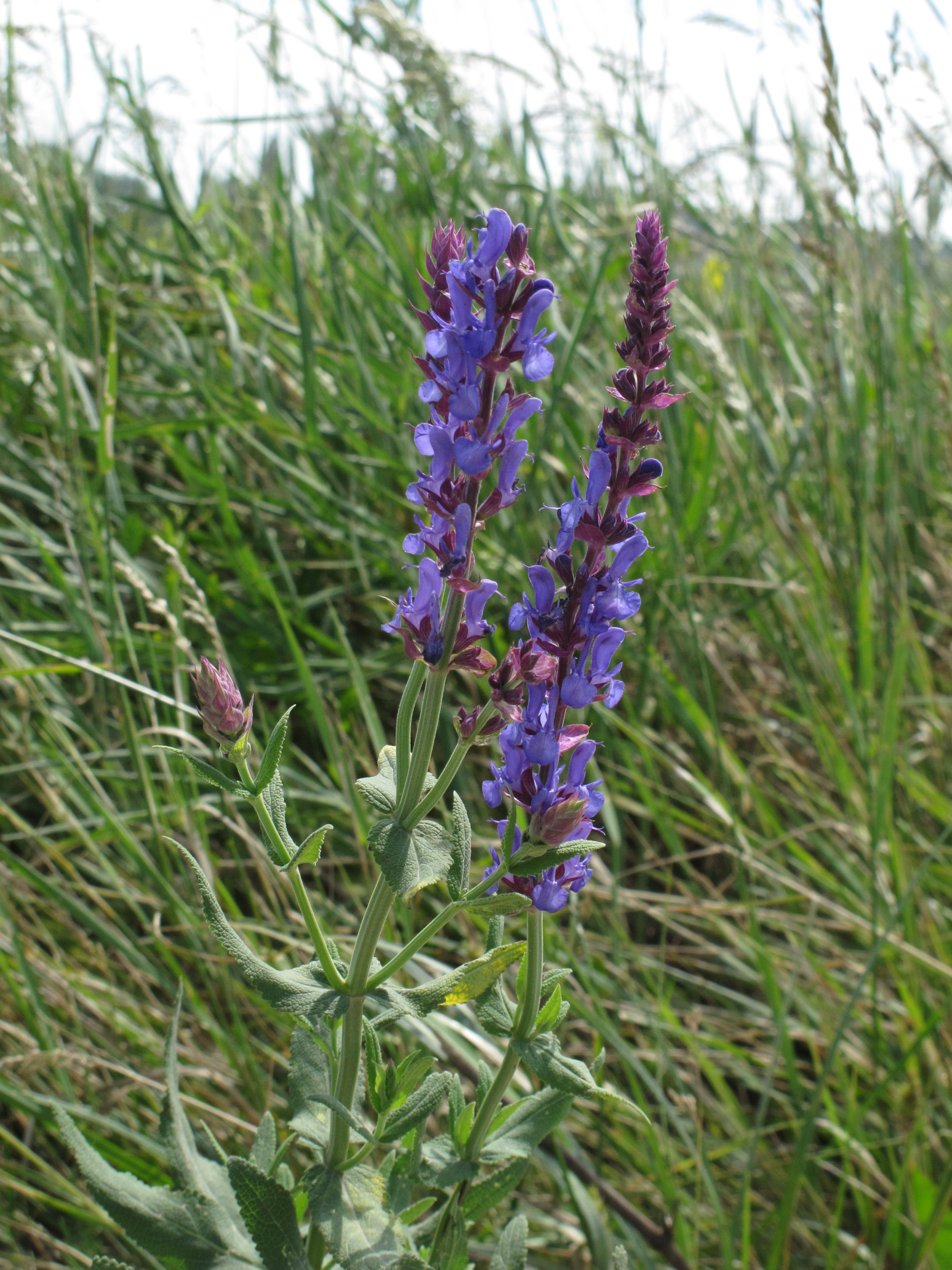
Salvia Many varieties of Salvia, both perennial and annual, are fantastic for butterflies. Their tubular flowers are perfect for long-tongued insects. Perennial salvias like 'May Night' or 'Caradonna' offer beautiful purple spikes, while annual varieties can provide continuous color and nectar all season long. They generally prefer full sun and well-drained soil.
Other Excellent Nectar Choices:
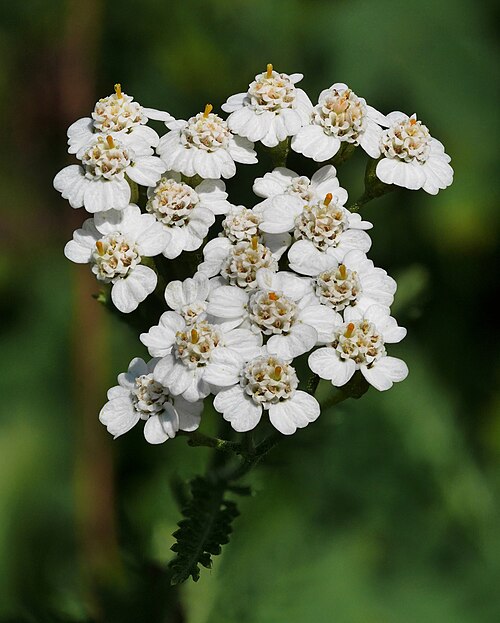
- Yarrow (Achillea millefolium): Yarrow Flat-topped flower clusters make excellent landing pads.
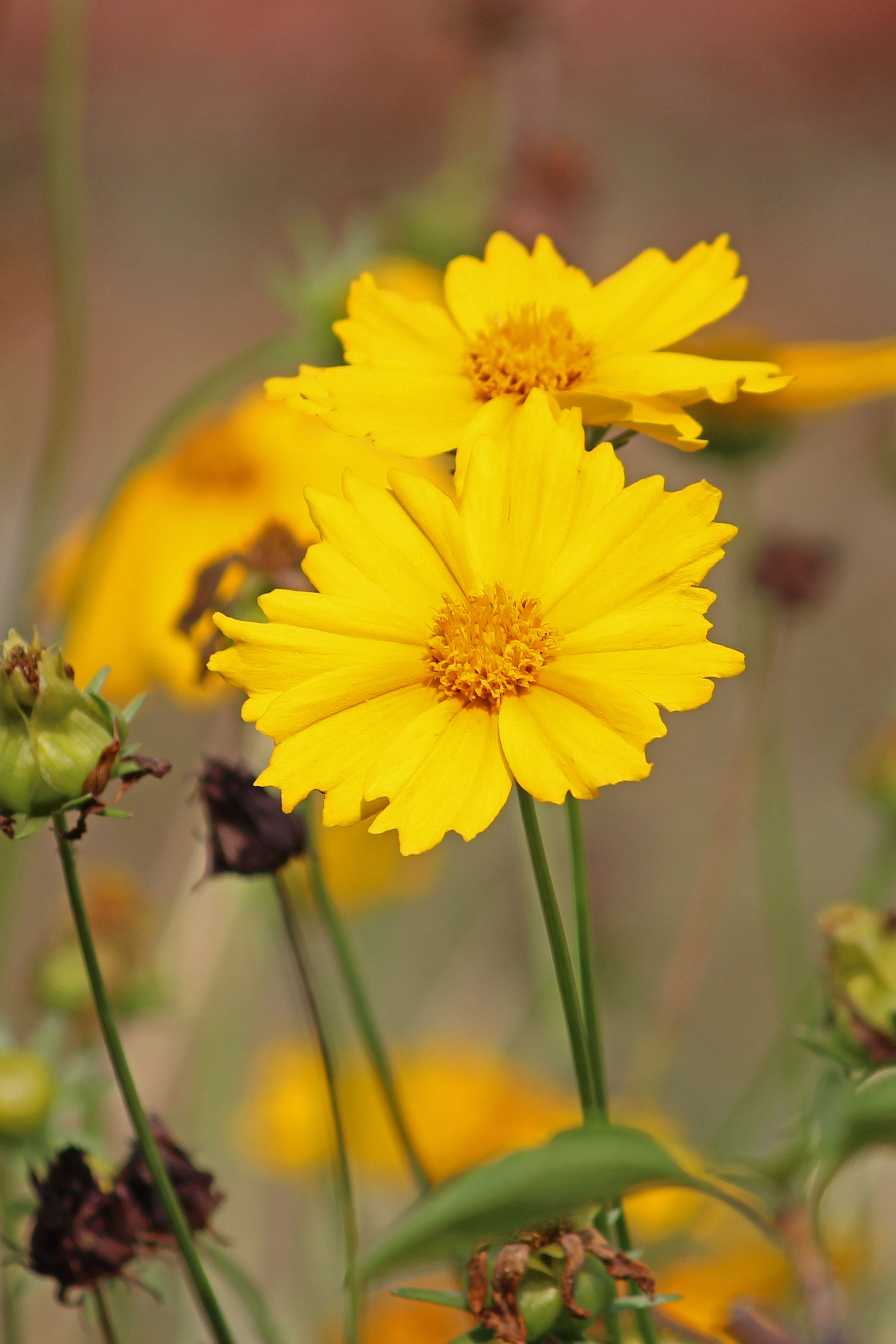
- Coreopsis (Coreopsis spp.): Coreopsis Cheerful, long-blooming daisies.
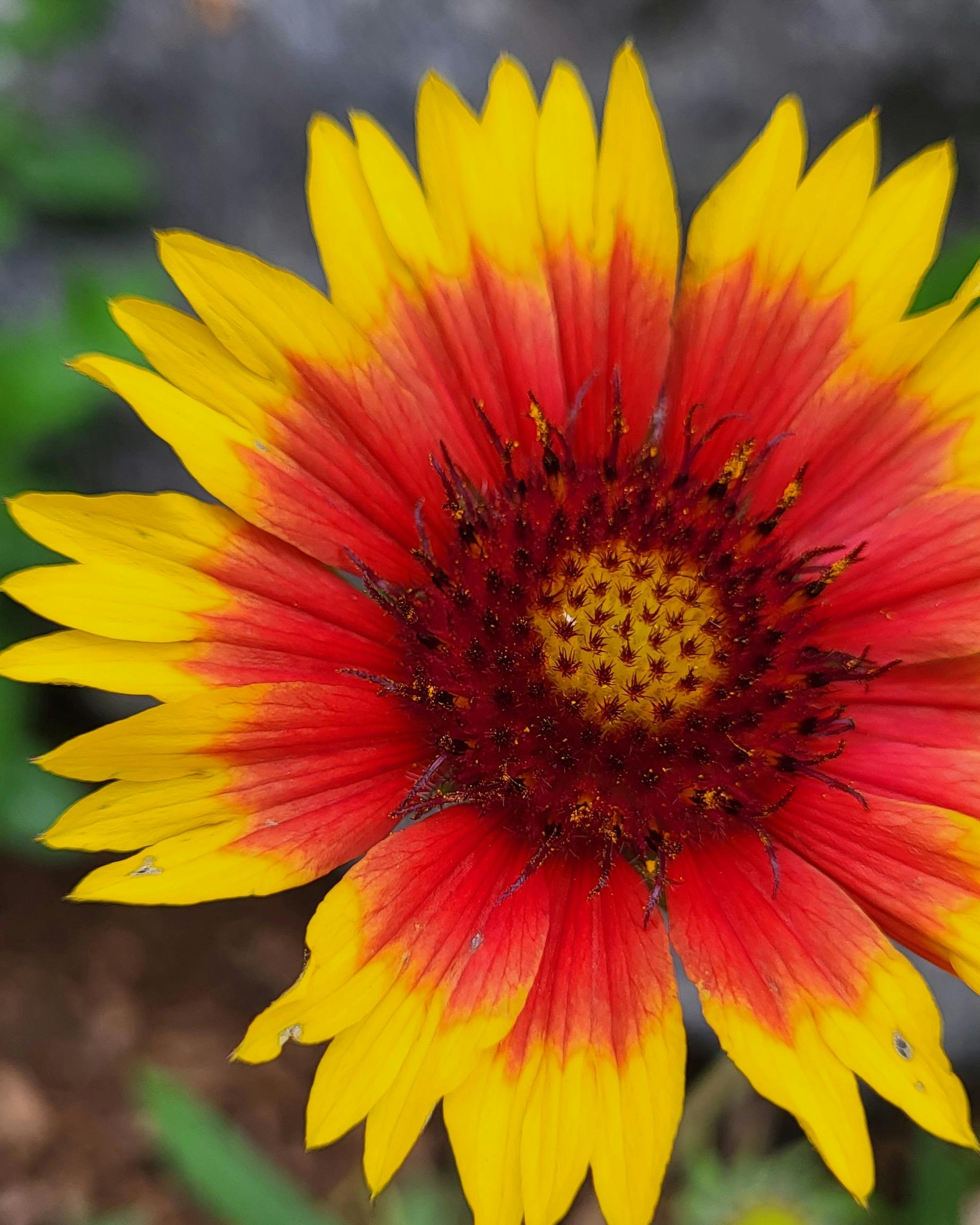
- Blanket Flower (Gaillardia spp.): Blanket Flower Bright, warm-colored blooms that tolerate heat and drought.
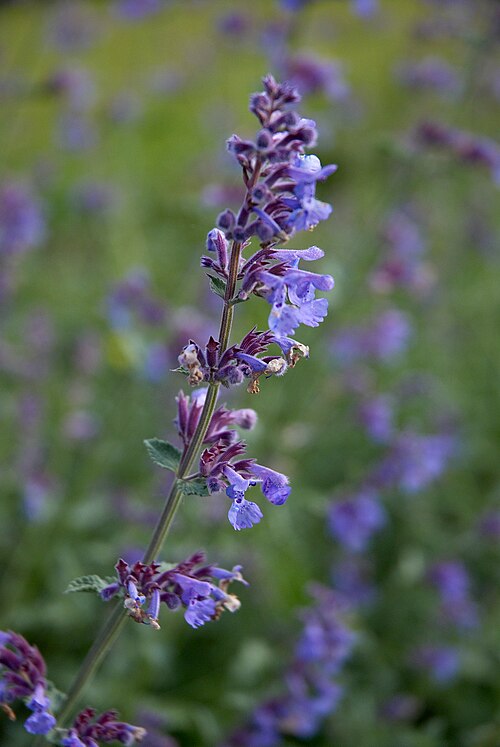
- Catmint (Nepeta spp.): Catmint Aromatic, long-blooming, and deer-resistant.
- Sedum (Hylotelephium spectabile): Late-season nectar source when other flowers fade.
- Phlox (Phlox paniculata): Fragrant, vibrant blooms that attract swallowtails.
Essential Host Plants for Zone 6 Caterpillars
Remember, without host plants, there are no butterflies! These are crucial for completing the butterfly life cycle.
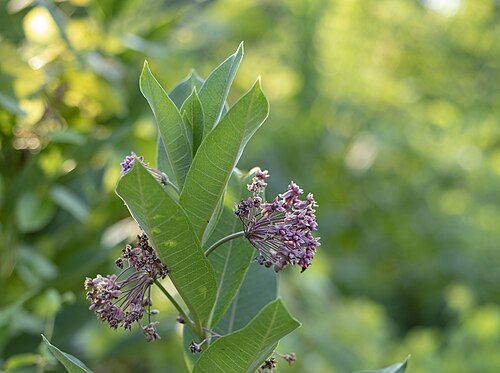
- Milkweed (Asclepias spp.): Absolutely essential for Monarch butterflies. Common Milkweed (Asclepias syriaca), Butterfly Milkweed (Asclepias tuberosa), and Swamp Milkweed (Asclepias incarnata) are all excellent native choices for Zone 6.
- Parsley, Dill, Fennel, Carrot (Apiaceae family): Host plants for Black Swallowtail caterpillars. Plant extra if you want to share with your garden visitors!
- Pawpaw (Asimina triloba): Host plant for the beautiful Zebra Swallowtail. This native understory tree also produces delicious fruit.
- Spicebush (Lindera benzoin): Host for the Spicebush Swallowtail. A lovely native shrub with attractive foliage and berries.
- Willow (Salix spp.): Host for Mourning Cloak, Viceroy, and Red-spotted Purple butterflies.
- Oaks (Quercus spp.): Host to hundreds of moth and butterfly species, including Hairstreaks and Duskywings. While not a garden flower, a native oak tree is one of the best things you can plant for local wildlife.
- Violets (Viola spp.): Host for Fritillary butterflies. These charming groundcovers are often overlooked.
Quick Reference: Zone 6 Butterfly Plants
| Plant Name | Nectar/Host | Bloom Time | Sun Needs | Notes |
|---|---|---|---|---|
| Coneflower | Nectar | Summer - Fall | Full Sun | Drought tolerant, attracts many pollinators |
| Bee Balm | Nectar | Mid-Summer - Fall | Full Sun | Prefers moist soil, attracts hummingbirds |
| Black-eyed Susan | Nectar | Summer - Fall | Full Sun | Low maintenance, often self-seeds |
| Blazing Star | Nectar | Summer | Full Sun | Vertical interest, monarch favorite |
| Salvia | Nectar | Spring - Fall | Full Sun | Many varieties, long bloom time |
| Yarrow | Nectar | Summer | Full Sun | Drought tolerant, flat landing pads |
| Coreopsis | Nectar | Summer - Fall | Full Sun | Cheerful, long-blooming |
| Blanket Flower | Nectar | Summer - Fall | Full Sun | Heat and drought tolerant |
| Catmint | Nectar | Spring - Fall | Full Sun | Aromatic, deer-resistant |
| Milkweed | Host/Nectar | Summer | Full Sun | ESSENTIAL for Monarchs |
| Parsley, Dill | Host | N/A | Full Sun | For Black Swallowtails |
| Pawpaw | Host | N/A | Full Sun/Part | For Zebra Swallowtails, edible fruit |
| Spicebush | Host | N/A | Part Sun | For Spicebush Swallowtails |
Pet Safety in Your Butterfly Garden
When planning your garden, it's always wise to consider the safety of your furry friends. While many butterfly-attracting plants are not listed as toxic, some can be. For example, while milkweed is vital for Monarchs, it is listed as toxic to dogs and cats if ingested. Always research individual plants if you have pets that might chew on foliage.
If you suspect your pet has ingested a toxic plant, call the ASPCA Animal Poison Control Center immediately at (888) 426-4435.
Final Tips for a Thriving Butterfly Garden
- Avoid Pesticides: Even organic pesticides can harm butterflies and their caterpillars. Embrace a little chewing on leaves - it means your host plants are working!
- Leave Some "Weeds": Plants like dandelions and clover can be early-season nectar sources.
- Provide Bare Patches: Butterflies often enjoy sunbathing on bare soil or rocks to warm up.
- Observe and Enjoy: Take time to watch the butterflies visit your garden. You'll learn which plants they prefer and gain a deeper appreciation for these incredible insects.
By thoughtfully selecting a variety of nectar and host plants suited for Zone 6, you can create a vibrant, living ecosystem that supports butterflies through every stage of their life cycle. Your efforts will be rewarded with a garden full of fluttering beauty and the satisfaction of contributing to local conservation.
Ready to find the perfect plants for your yard? Try the PlantWise Plant Finder →