Best Plants for Butterflies in Zone 7
Attracting butterflies to your Zone 7 garden is a rewarding endeavor that supports local ecosystems and adds vibrant beauty. The best plants for butterflies in Zone 7 provide both nectar for adult butterflies and host foliage for their caterpillars, ensuring a complete life cycle. Key plants for this region include coneflower, bee balm, salvia, coreopsis, and black-eyed Susan, all thriving in Zone 7's mild climate and offering abundant resources for various butterfly species. By selecting a diverse range of these plants, you can create a thriving butterfly haven right in your backyard.
Why Your Zone 7 Garden Needs Butterfly Plants
Zone 7, with its mild winters and long growing seasons, offers an ideal environment for a wide array of butterfly species. From the majestic Monarch to the delicate Painted Lady, these pollinators play a crucial role in our ecosystem, helping to pollinate flowers and contributing to biodiversity. Unfortunately, butterfly populations are declining due to habitat loss and pesticide use. By dedicating a portion of your garden to butterfly-friendly plants, you're not just creating a beautiful space; you're providing vital sustenance and shelter, helping these incredible insects thrive.
A successful butterfly garden isn't just about pretty flowers. It needs to cater to all stages of a butterfly's life cycle:
- Nectar Plants: These provide food for adult butterflies, fueling their flight and reproductive activities. Look for flowers with flat tops or short tubes where butterflies can easily land and access nectar.
- Host Plants: These are specific plants that female butterflies lay their eggs on, and whose foliage serves as the sole food source for their hungry caterpillars. Without host plants, there are no future butterflies!
- Shelter: Dense shrubs or tall grasses can offer protection from predators and harsh weather.
- Water Source: A shallow dish with pebbles or wet sand can provide a safe drinking spot.
🌱 Get Personalized Plant Picks
Answer a few quick questions and we’ll match plants to your exact yard conditions.
Find My Plants →Top Nectar Plants for Zone 7 Butterflies
When planning your butterfly garden, focus on plants that offer a long blooming season and a variety of flower shapes and colors. Butterflies are attracted to bright colors like purple, yellow, orange, and red.
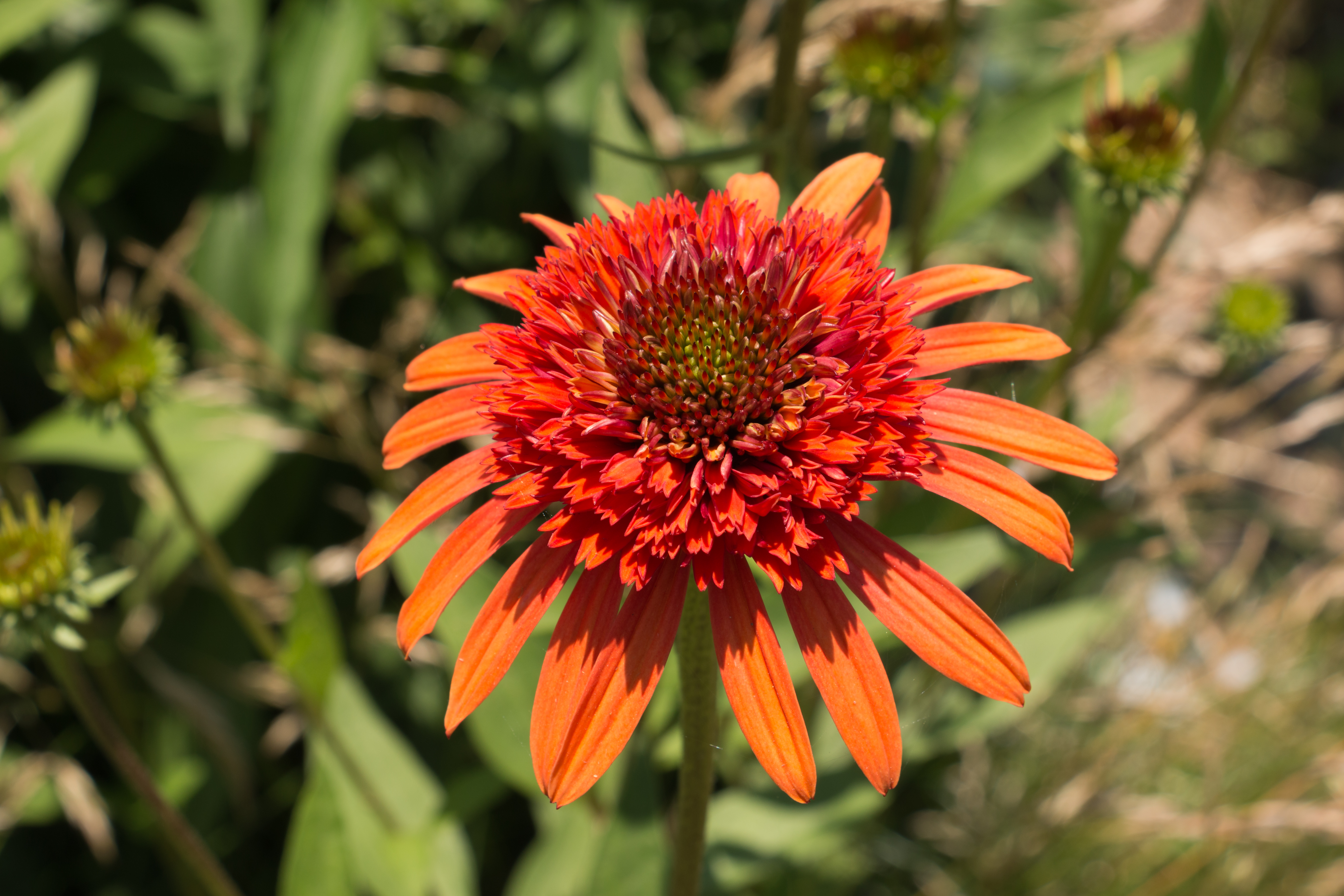
Coneflower (Echinacea purpurea)
Coneflower A classic prairie plant, coneflower is a magnet for various butterflies, including Monarchs, Swallowtails, and Fritillaries. Its sturdy, daisy-like flowers come in shades of purple, pink, and white, blooming from summer into fall. Coneflowers are drought-tolerant once established and prefer full sun. They also provide seeds for birds in winter, making them a multi-season asset.
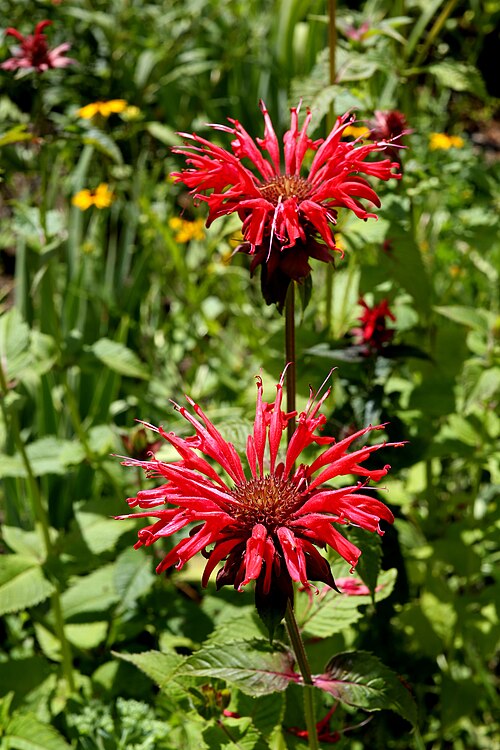
Bee Balm (Monarda didyma)
Bee Balm True to its name, Bee Balm is beloved by all sorts of pollinators, including butterflies, bees, and hummingbirds. Its unique, shaggy flowers in shades of red, pink, purple, and white provide ample nectar. It thrives in full sun to partial shade and prefers consistently moist soil. Deadheading spent blooms can encourage a second flush of flowers.
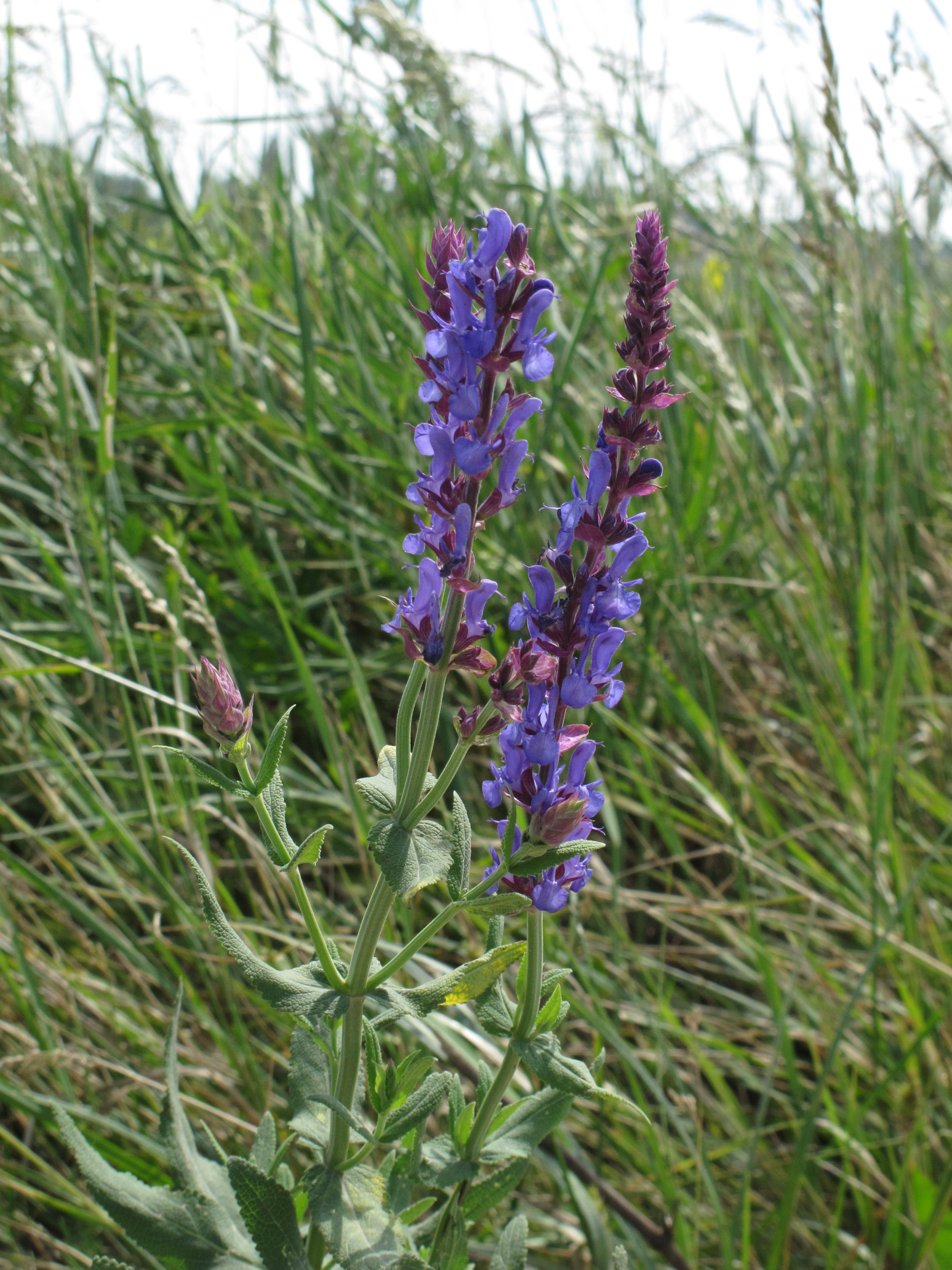
Salvia (Salvia spp.)
Salvia With hundreds of species, Salvia offers an incredible range of options for the butterfly garden. Many varieties, such as 'May Night' or 'Victoria Blue', produce spikes of vibrant purple or blue flowers that are irresistible to butterflies. Salvias are generally drought-tolerant, prefer full sun, and bloom profusely from late spring through fall, especially with regular deadheading.
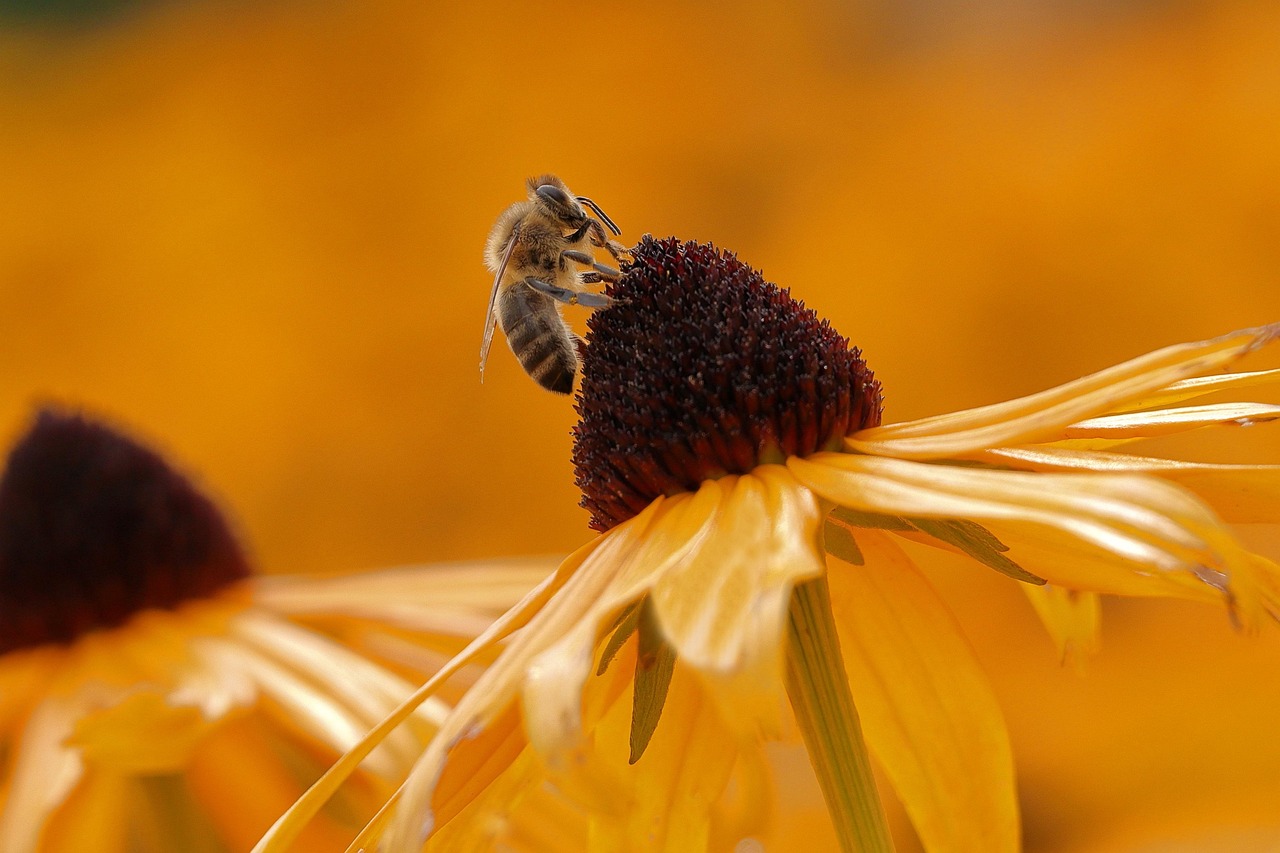
Black-eyed Susan (Rudbeckia hirta)
Black-eyed Susan The cheerful yellow petals with dark centers of Black-eyed Susans are a beacon for butterflies. These tough, native wildflowers are easy to grow, tolerant of various soil conditions, and thrive in full sun. They bloom from summer into fall, providing a continuous nectar source when many other plants are fading.
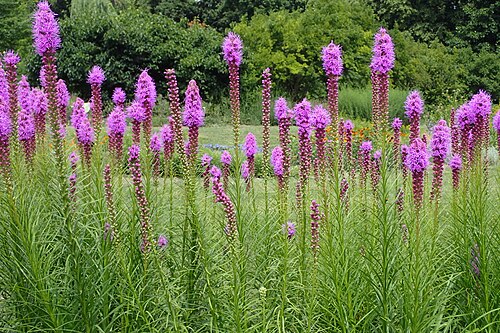
Blazing Star (Liatris spicata)
Blazing Star This striking perennial produces tall spikes of purple, bottlebrush-like flowers that bloom from the top down. Blazing Star is a particular favorite of Monarchs and Swallowtails, offering abundant nectar. It prefers full sun and well-drained soil, making it an excellent choice for drier garden spots.
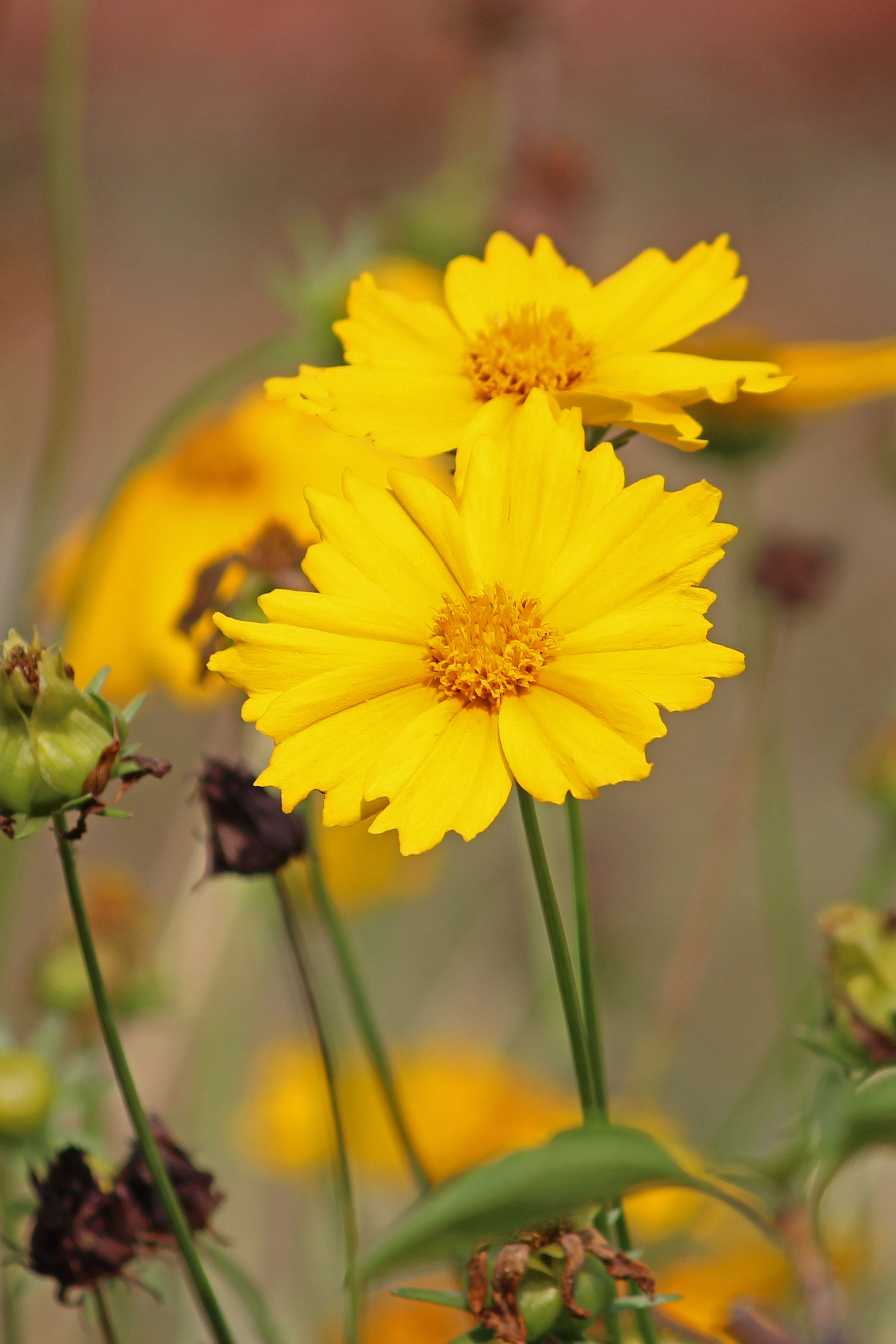
Coreopsis (Coreopsis spp.)
Coreopsis Often called "tickseed," Coreopsis offers a profusion of cheerful yellow, orange, or pink daisy-like flowers. Many varieties bloom for an extended period, especially if deadheaded regularly. They are low-maintenance, drought-tolerant, and excellent for attracting smaller butterflies.
Essential Host Plants for Zone 7 Butterflies
Nectar plants feed the adults, but host plants are where the magic truly begins - they are where butterflies lay their eggs and caterpillars hatch and grow. Without host plants, there are no butterflies!
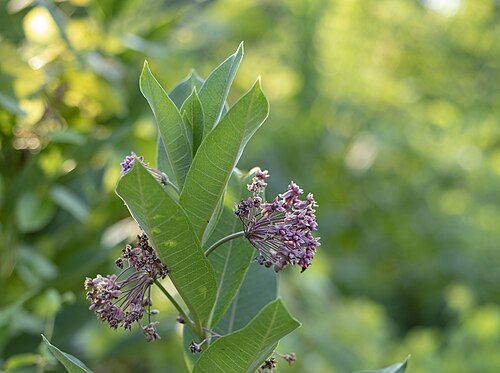
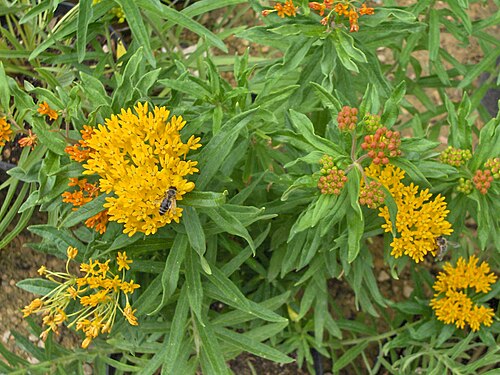
- Milkweed (Asclepias spp.): Absolutely critical for Monarch butterflies. Various species like Common Milkweed (Asclepias syriaca), Swamp Milkweed (Asclepias incarnata), and Butterfly Weed (Asclepias tuberosa) thrive in Zone 7. Plant several to support multiple generations of Monarchs.
- Parsley, Dill, Fennel (Apiaceae family): These common herbs are host plants for Black Swallowtail caterpillars. Plant extra if you want to share with the caterpillars!
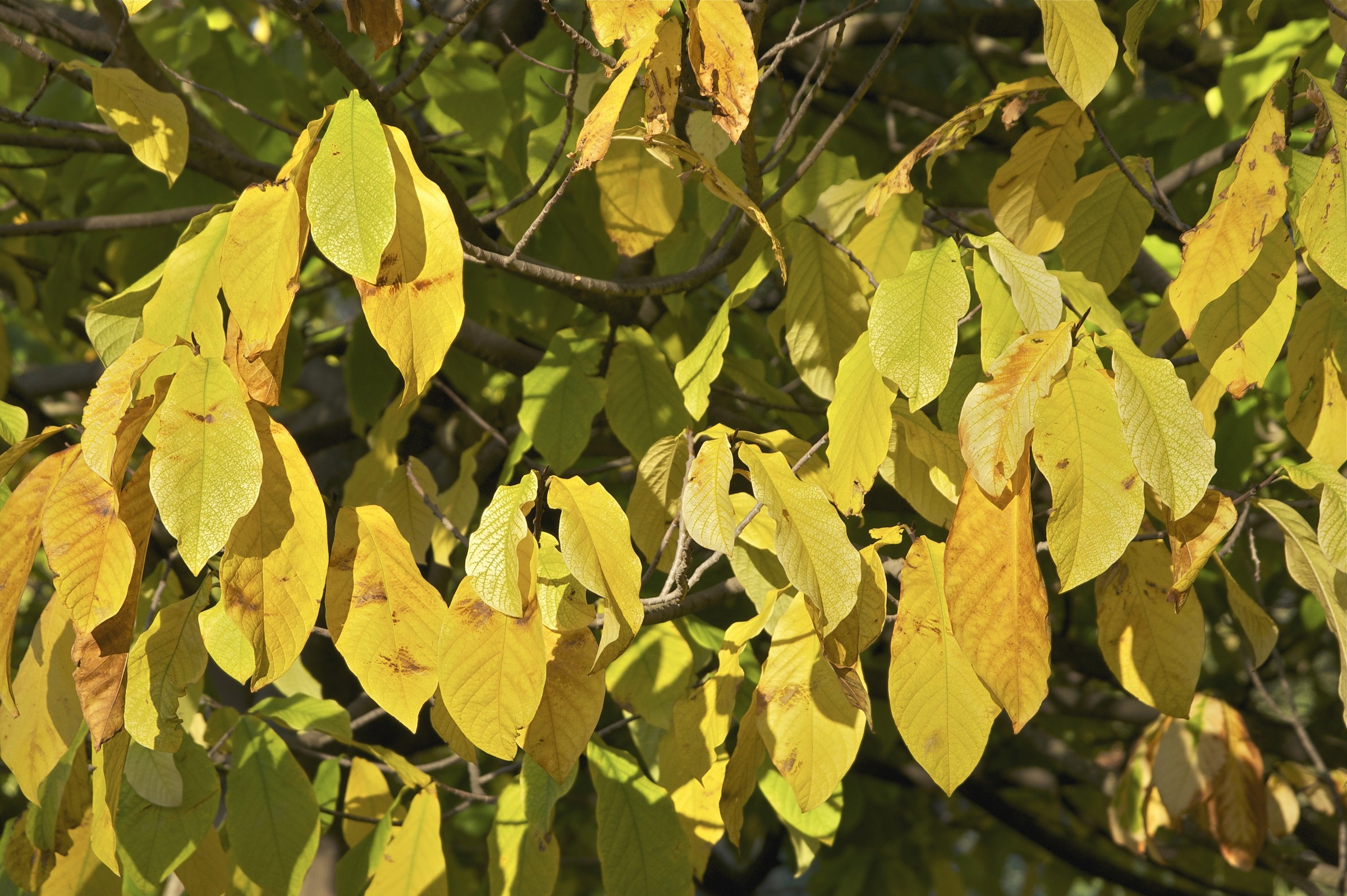
- Pawpaw (Asimina triloba): A native tree that hosts the beautiful Zebra Swallowtail butterfly.
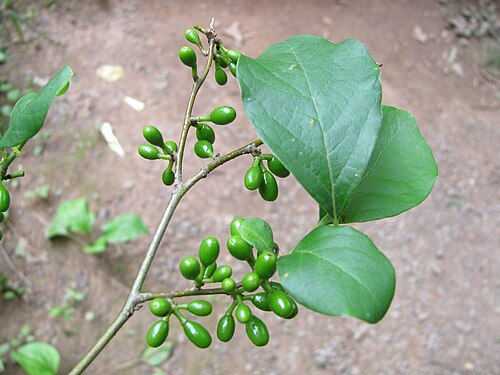
- Spicebush (Lindera benzoin): This native shrub is the host for the Spicebush Swallowtail.
- Violets (Viola spp.): Host plants for Fritillary butterflies.
- Willow (Salix spp.): Many native willows host various butterfly and moth species, including the Mourning Cloak.
- Grasses: Many skipper butterflies use various native grasses as host plants. Consider adding Little Bluestem or Switchgrass.
Designing Your Zone 7 Butterfly Garden
To maximize your garden's appeal to butterflies, consider these design tips:
- Plant in Groups: Butterflies are more likely to spot and visit large drifts of the same plant rather than scattered individual plants. Aim for clusters of at least three to five plants of the same species.
- Provide Continuous Bloom: Select plants with staggered bloom times to ensure there's always something flowering from spring through fall.
- Sunny Location: Butterflies are cold-blooded and need sunlight to warm their bodies for flight. Choose a spot that receives at least 6-8 hours of direct sun daily.
- Shelter from Wind: Plant taller shrubs or trees on the north or west side of your garden to create a windbreak, offering butterflies a calmer feeding environment.
- Avoid Pesticides: Even organic pesticides can harm butterflies and their caterpillars. Embrace a more natural approach to pest control.
- "Puddling" Area: Create a shallow, muddy spot or a birdbath filled with wet sand and a few rocks. Butterflies often gather here to extract minerals and moisture.
Quick Reference: Zone 7 Butterfly Plant Guide
| Plant Name | Nectar/Host | Sun Needs | Bloom Time | Flower Color | Notes |
|---|---|---|---|---|---|
| Nectar Plants | |||||
| Coneflower | Nectar | Full Sun | Summer-Fall | Purple, Pink, White | Drought-tolerant, attracts many species |
| Bee Balm | Nectar | Full-Part Sun | Summer | Red, Pink, Purple | Attracts bees & hummingbirds too, needs moisture |
| Salvia | Nectar | Full Sun | Spring-Fall | Blue, Purple, Red | Long blooming, drought-tolerant |
| Black-eyed Susan | Nectar | Full Sun | Summer-Fall | Yellow, Gold | Easy to grow, tough, cheerful |
| Blazing Star | Nectar | Full Sun | Mid-Late Summer | Purple | Tall spikes, great for Monarchs |
| Coreopsis | Nectar | Full Sun | Summer | Yellow, Orange, Pink | Long bloom with deadheading |
| Host Plants | |||||
| Milkweed | Host | Full Sun | Summer | Pink, Orange, White | Essential for Monarchs |
| Parsley, Dill | Host | Full-Part Sun | Summer | Green foliage | For Black Swallowtails, plant extra |
| Pawpaw | Host | Full-Part Sun | Spring | Green foliage | For Zebra Swallowtails, native tree |
| Spicebush | Host | Full-Part Sun | Spring | Green foliage | For Spicebush Swallowtails, native shrub |
Pet Safety in Your Butterfly Garden
When choosing plants for your garden, especially if you have pets, it's always wise to be aware of their potential toxicity. While many of the plants listed above are generally considered safe, some can cause mild upset if ingested.
For instance, while Coneflower is not listed as toxic, Milkweed is considered toxic to pets if ingested in large quantities. Salvia species are generally not listed as toxic, but always err on the side of caution.
If you suspect your pet has ingested a toxic plant, call the ASPCA Animal Poison Control Center immediately at (888) 426-4435.
Ready to find the perfect plants for your yard? Try the PlantWise Plant Finder →