Best Plants for Butterflies in Zone 8
Attracting butterflies to your Zone 8 garden means selecting plants that thrive in its warm, often humid climate, providing both nectar for adult butterflies and host foliage for their caterpillars. Some of the best plants for butterflies in Zone 8 include Coneflower, Bee Balm, Salvia, Yarrow, Coreopsis, and Black-eyed Susan, offering a continuous bloom from spring through fall. These resilient plants not only tolerate the heat but also provide essential food sources, making your garden a vibrant haven for these beautiful pollinators.
Butterflies are not just pretty faces; they are vital pollinators, contributing to the health of our ecosystems. Creating a butterfly-friendly garden in USDA Zone 8, which encompasses regions with mild winters and hot summers, requires a thoughtful selection of plants. You'll want to focus on species that can withstand the heat and provide a consistent food source throughout the growing season.
Why Attract Butterflies to Your Zone 8 Garden?
Beyond their aesthetic appeal, butterflies play a crucial role in pollination, helping plants reproduce and contributing to biodiversity. A garden rich in butterfly activity is often a sign of a healthy ecosystem. For Zone 8 gardeners, this means choosing plants that can handle the specific environmental conditions - hot summers, sometimes high humidity, and mild winters - while still offering the nectar and host resources butterflies need.
Attracting butterflies also offers an educational opportunity, allowing you to observe their life cycle from egg to caterpillar to chrysalis to adult butterfly. It's a rewarding experience that connects you more deeply with nature.
🌱 Get Personalized Plant Picks
Answer a few quick questions and we’ll match plants to your exact yard conditions.
Find My Plants →Nectar Plants: Fueling Adult Butterflies
Adult butterflies primarily feed on nectar, a sugary liquid produced by flowers. They are attracted to flowers that are brightly colored, often red, yellow, orange, pink, or purple, and have a flat landing surface or tubular shape suitable for their proboscis. A diverse selection of nectar plants with staggered bloom times will ensure a continuous food supply throughout the season.
Here are some top choices for Zone 8:
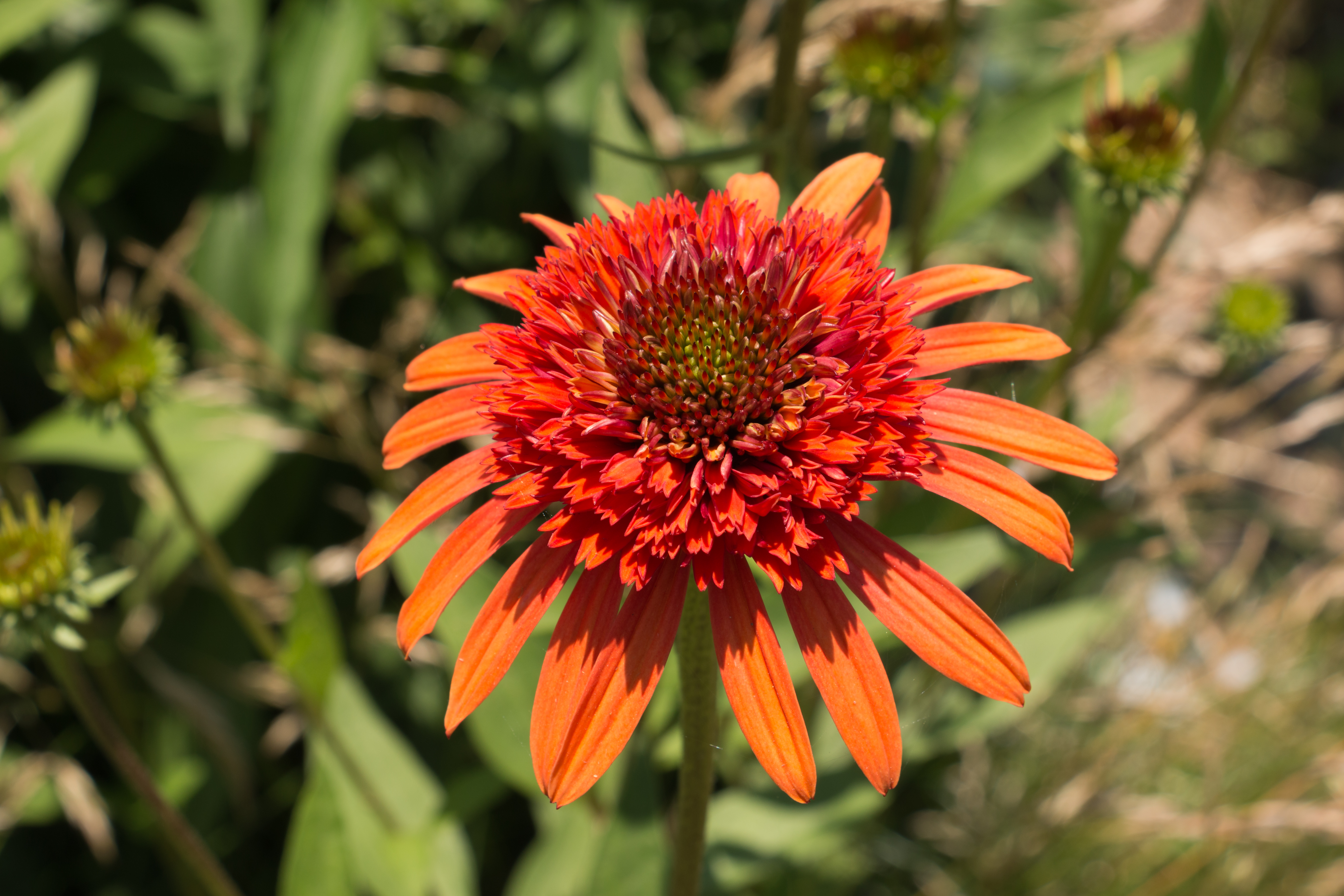
- Coneflower (Echinacea purpurea): Coneflower These iconic daisy-like flowers are a butterfly magnet, offering abundant nectar. They are drought-tolerant once established and thrive in full sun. Their sturdy petals provide an excellent landing pad.
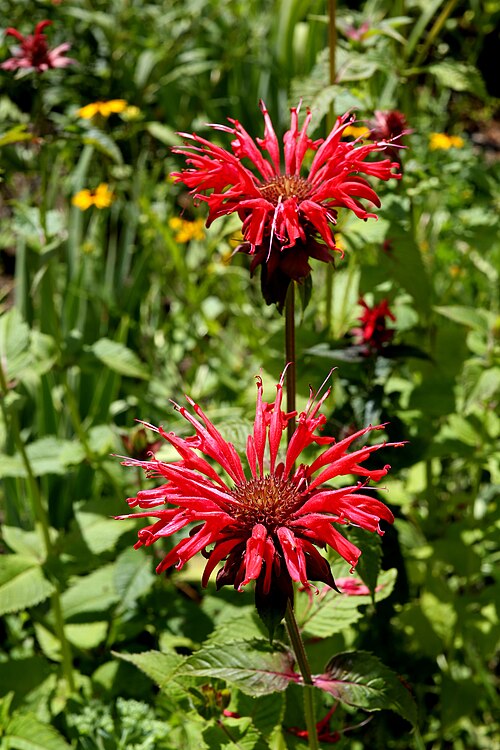
- Bee Balm (Monarda didyma): Bee Balm With their unique, shaggy blooms, Bee Balm is a favorite of many pollinators, including butterflies, bees, and hummingbirds. They prefer moist, well-drained soil and full sun to partial shade.
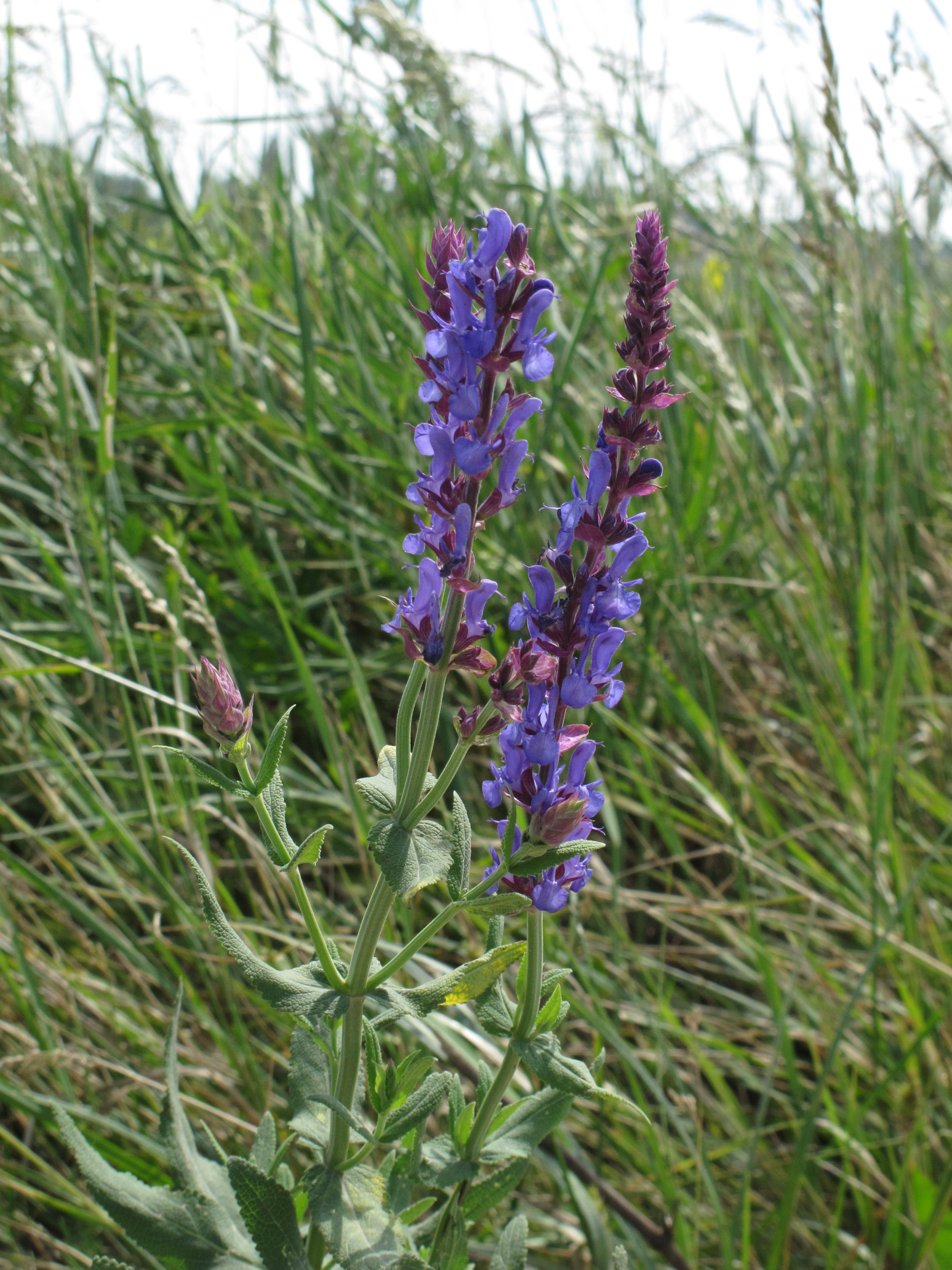
- Salvia (Salvia spp.): Salvia There are countless varieties of Salvia, many of which are perfect for Zone 8 and beloved by butterflies. From the vibrant red 'Lady in Red' to the purple 'May Night', Salvias offer long-lasting blooms and are generally drought-tolerant.
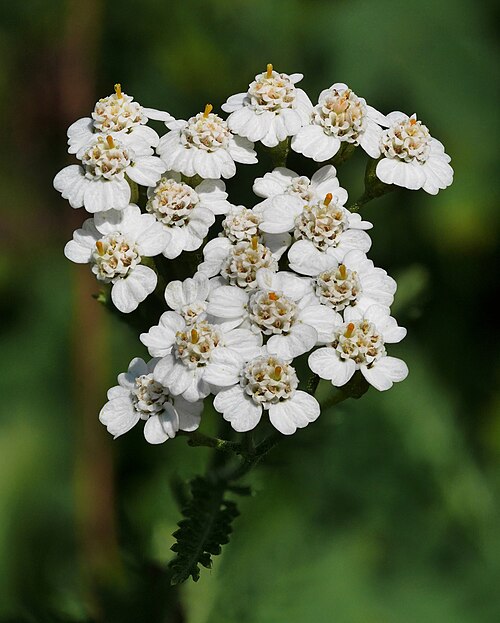
- Yarrow (Achillea millefolium): Yarrow Yarrow produces flat-topped clusters of tiny flowers that serve as excellent landing pads and nectar sources for smaller butterflies. It's incredibly tough, drought-tolerant, and thrives in full sun.
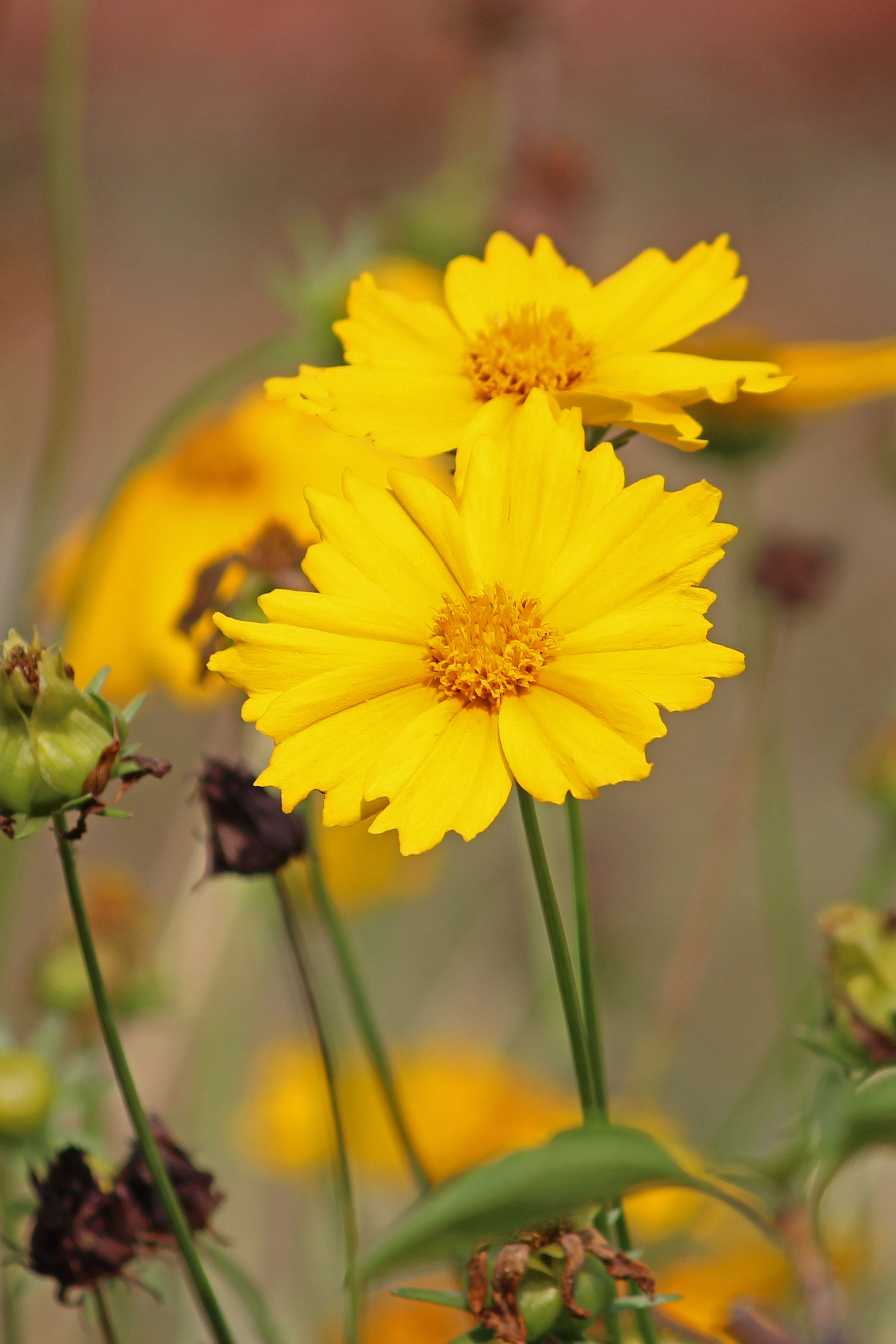
- Coreopsis (Coreopsis spp.): Coreopsis Often called "Tickseed," Coreopsis offers a profusion of cheerful yellow, orange, or pink daisy-like flowers. They bloom for an extended period, providing a consistent nectar source, and are very heat tolerant.
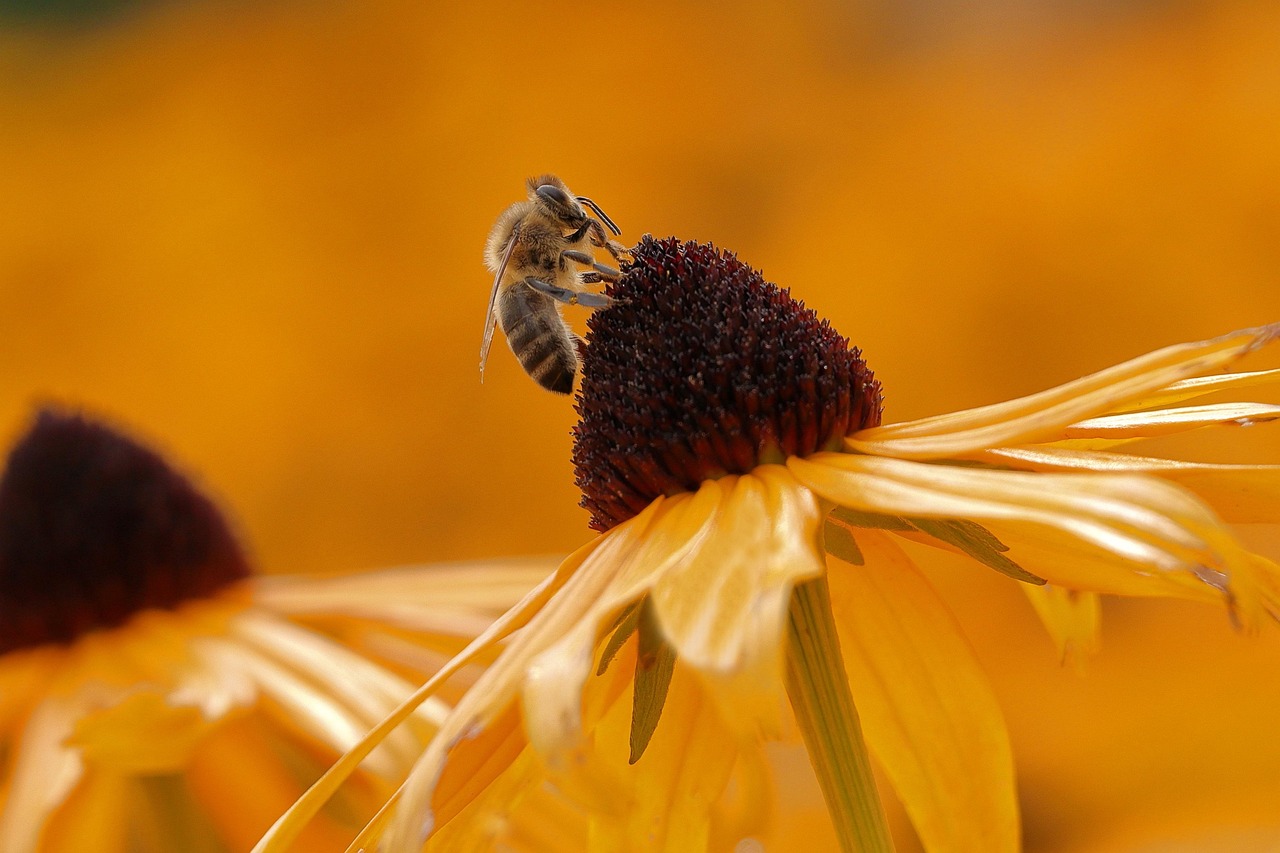
- Black-eyed Susan (Rudbeckia hirta): Black-eyed Susan Another classic, Black-eyed Susans are easy to grow and provide a splash of golden yellow. They are excellent nectar sources and very resilient in Zone 8 conditions.
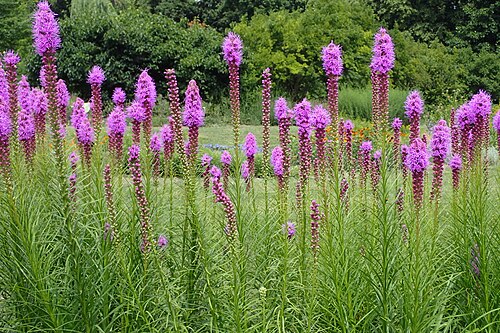
- Blazing Star (Liatris spicata): Blazing Star These unique spiky flowers bloom from the top down, attracting a wide array of butterflies, especially monarchs. Liatris is a native perennial that tolerates a range of soils and loves full sun.
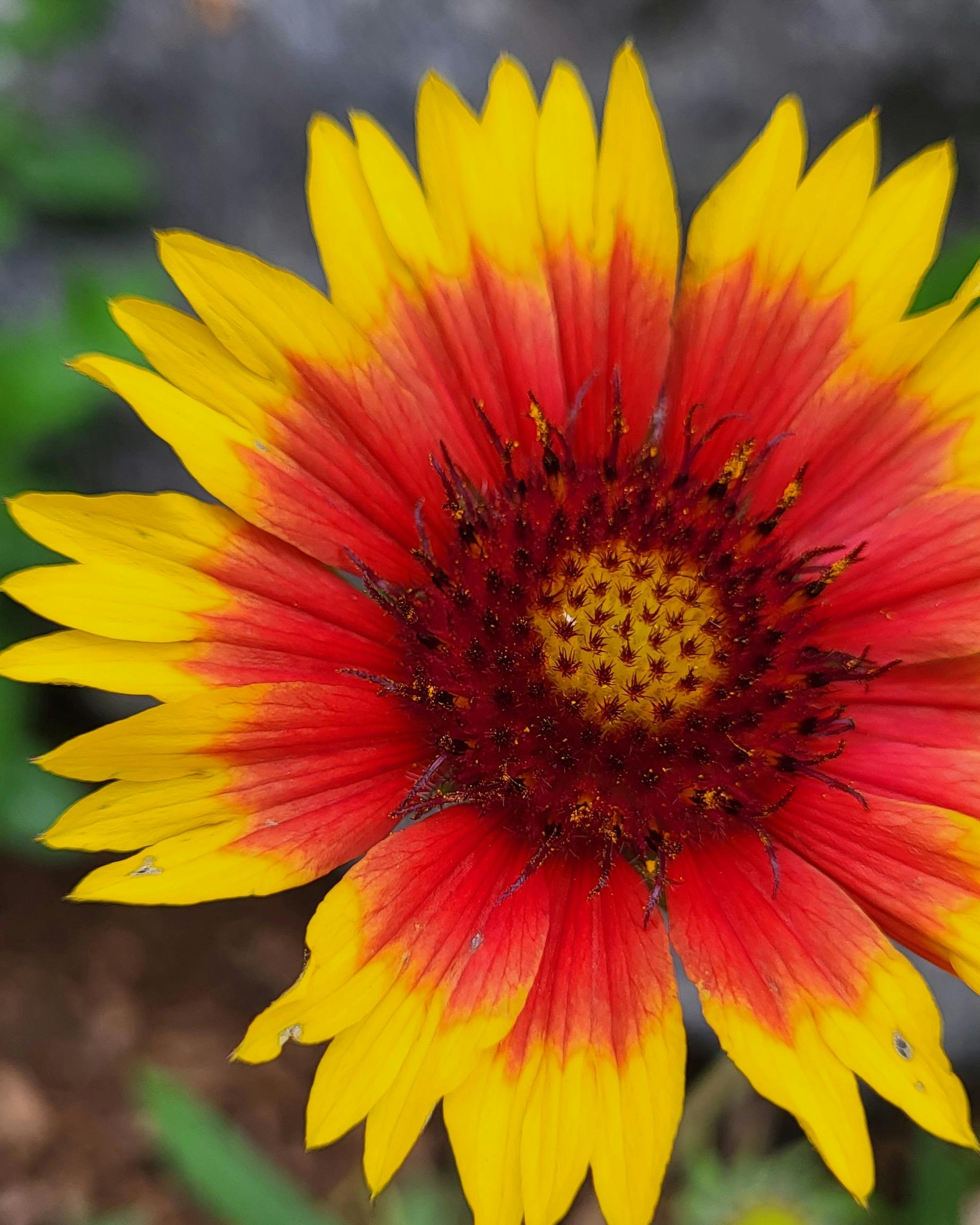
- Blanket Flower (Gaillardia pulchella): Blanket Flower Known for their vibrant, daisy-like flowers in shades of red, orange, and yellow, Blanket Flowers are heat-loving and drought-tolerant, providing continuous blooms and nectar.
Host Plants: Supporting Butterfly Life Cycles
Nectar plants are only half the equation. To truly support butterflies, you need host plants - specific plants on which butterflies lay their eggs and whose foliage their caterpillars eat. Without host plants, there are no future butterflies!
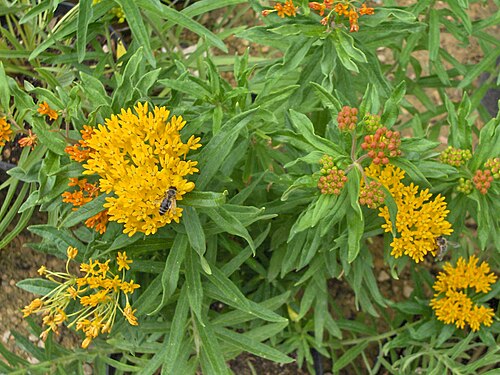
- Milkweed (Asclepias spp.): Essential for Monarch butterflies. There are several native milkweed species suitable for Zone 8, such as Common Milkweed (Asclepias syriaca) or Butterfly Weed (Asclepias tuberosa). Be sure to plant native varieties for the best results.
- Fennel, Dill, Parsley, Queen Anne's Lace: Host plants for Black Swallowtail caterpillars. These herbs can be grown in your garden and shared with the caterpillars.
- Passionflower (Passiflora spp.): Host for Gulf Fritillary and Zebra Longwing butterflies. Many varieties are well-suited for Zone 8.
- Snapdragon (Antirrhinum majus): Host for Common Buckeye butterflies.
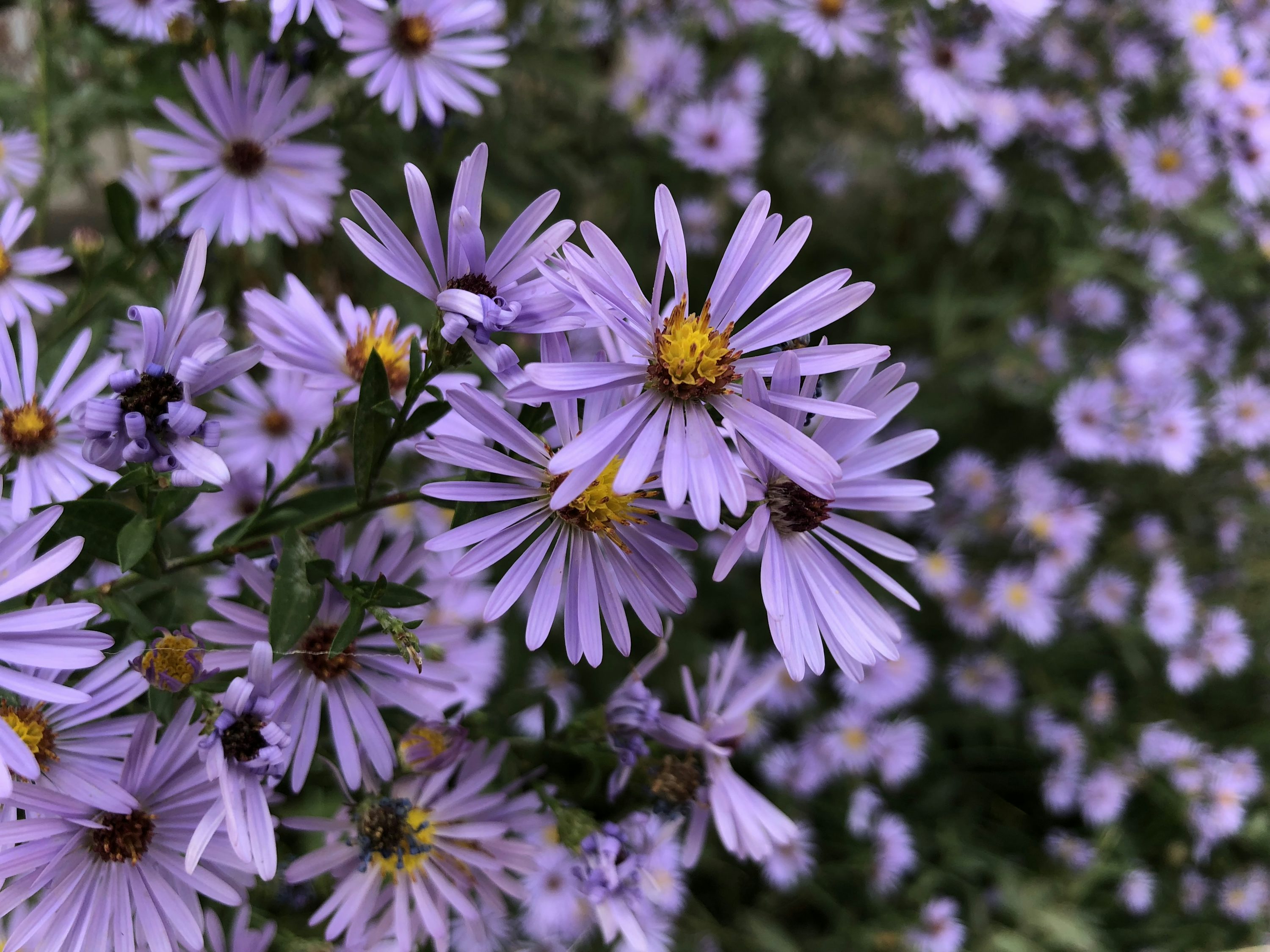
- Aster (Symphyotrichum spp.): Host for Pearl Crescent butterflies. Many native asters thrive in Zone 8.
Designing Your Butterfly Garden in Zone 8
When planning your butterfly garden, consider these principles:
- Full Sun: Most nectar and host plants prefer at least 6-8 hours of direct sunlight per day.
- Plant in Drifts: Butterflies are more likely to notice and visit larger groupings of the same plant species.
- Provide Water: A shallow bird bath with stones for landing or a muddy puddle area can provide essential moisture and minerals.
- Shelter: Include shrubs or tall grasses where butterflies can rest, shelter from wind, and escape predators.
- Avoid Pesticides: Even organic pesticides can harm butterflies and their caterpillars. Embrace a more natural approach to pest control.
- Succession Planting: Choose plants with varying bloom times to ensure a continuous supply of nectar from spring through fall.
Quick Reference: Zone 8 Butterfly Plant Guide
| Plant Name | Type | Nectar/Host | Bloom Time | Sun Needs | Water Needs | Notes |
|---|---|---|---|---|---|---|
| Coneflower | Perennial | Nectar | Summer - Fall | Full | Low - Med | Drought-tolerant, sturdy landing pads |
| Bee Balm | Perennial | Nectar | Summer | Full - Part | Med | Attracts bees & hummingbirds too |
| Salvia | Perennial/Annual | Nectar | Spring - Fall | Full | Low - Med | Many varieties, long bloom time |
| Yarrow | Perennial | Nectar | Summer | Full | Low | Very tough, flat clusters for landing |
| Coreopsis | Perennial | Nectar | Summer - Fall | Full | Low - Med | Extended bloom, heat tolerant |
| Black-eyed Susan | Perennial | Nectar | Summer - Fall | Full | Low - Med | Classic, easy to grow |
| Blazing Star | Perennial | Nectar | Summer | Full | Low - Med | Unique spiky blooms, monarch favorite |
| Blanket Flower | Perennial | Nectar | Summer - Fall | Full | Low | Heat & drought tolerant, vibrant colors |
| Milkweed (Asclepias) | Perennial | Host | Summer | Full | Low - Med | Essential for Monarchs |
| Passionflower | Perennial Vine | Host | Summer - Fall | Full - Part | Med | For Gulf Fritillary & Zebra Longwing |
| Dill/Fennel/Parsley | Annual/Biennial | Host | Spring - Summer | Full | Med | For Black Swallowtails |
Pet Safety in Your Butterfly Garden
While creating a beautiful butterfly garden, it's always wise to consider the safety of your furry friends. Many of the plants listed above are generally not listed as toxic to pets, but some, like certain varieties of Salvia or Milkweed, can be. For example, Milkweed (Asclepias spp.) is toxic to dogs and cats if ingested. Always research specific plant varieties if you have pets that might chew on plants.
If you suspect your pet has ingested a toxic plant, call the ASPCA Animal Poison Control Center immediately at (888) 426-4435.
Creating a butterfly garden in Zone 8 is a rewarding endeavor that benefits both your landscape and local ecosystem. By providing a diverse array of nectar and host plants, you'll be amazed at the variety of butterflies that will come to call your garden home.
Ready to find the perfect plants for your yard? Try the PlantWise Plant Finder →