Best Plants for Butterflies in Zone 9
Attracting a kaleidoscope of butterflies to your Zone 9 garden is a rewarding endeavor, and it starts with selecting the right plants. For Zone 9 gardeners, the best plants for butterflies are those that provide both abundant nectar for adult butterflies and crucial host foliage for their caterpillars, thriving in warm climates with mild winters. Key plants include milkweeds (for Monarchs), salvias, coneflowers, zinnias, and coreopsis, offering a continuous bloom from spring through fall. By incorporating a variety of these plants, you can create a vibrant habitat that supports the entire butterfly life cycle.
Butterflies are not just beautiful visitors; they are vital pollinators, contributing to the health and diversity of our ecosystems. Creating a butterfly-friendly garden in USDA Hardiness Zone 9 means choosing plants that can withstand hot summers, benefit from mild winters, and provide continuous resources for these delicate insects. This guide will help you select the perfect flora to transform your outdoor space into a bustling butterfly haven.
Understanding Butterfly Needs: Nectar and Host Plants
To truly support butterflies, you need to think beyond just pretty flowers. Butterflies have two main requirements from plants:
- Nectar Plants: These are the flowers that provide adult butterflies with the sugary fuel they need to fly, mate, and lay eggs. They are typically rich in nectar and often have flat landing pads or tubular shapes that accommodate butterfly proboscises.
- Host Plants: These are specific plants on which female butterflies lay their eggs. Once the eggs hatch, the caterpillars feed exclusively on the leaves of these host plants. Without host plants, there are no caterpillars, and ultimately, no butterflies.
A successful butterfly garden incorporates both types of plants to support the entire life cycle.
🌱 Get Personalized Plant Picks
Answer a few quick questions and we’ll match plants to your exact yard conditions.
Find My Plants →Top Nectar Plants for Zone 9 Butterflies
Zone 9's long growing season allows for an incredible array of nectar-rich plants. Here are some of the best choices that will keep your garden buzzing with butterfly activity:
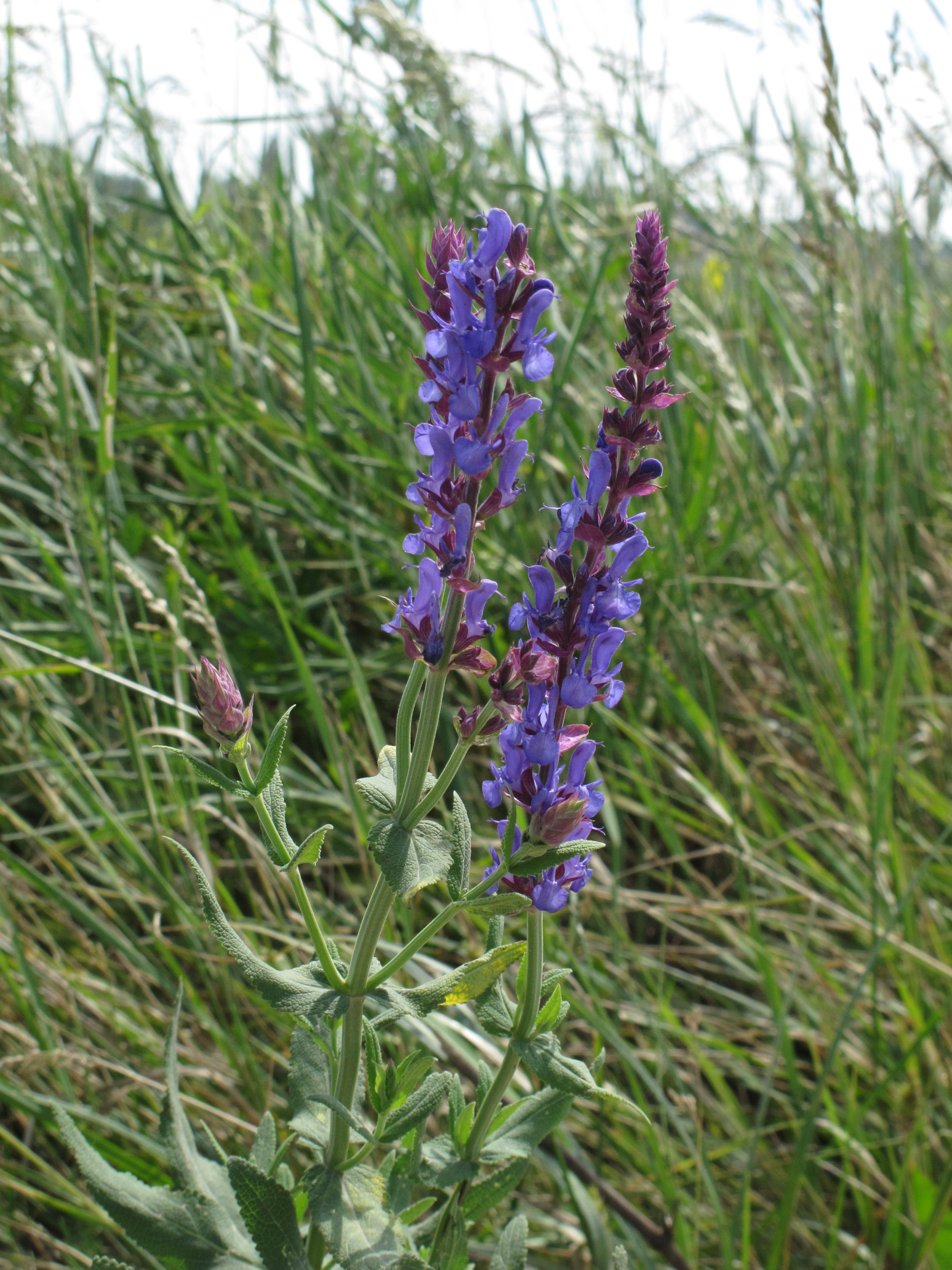
- Salvia (Salvia spp.): With hundreds of varieties, salvias offer a wide range of colors, sizes, and bloom times. Many are drought-tolerant once established and provide continuous nectar. Butterflies are particularly drawn to red, purple, and blue varieties. Salvia
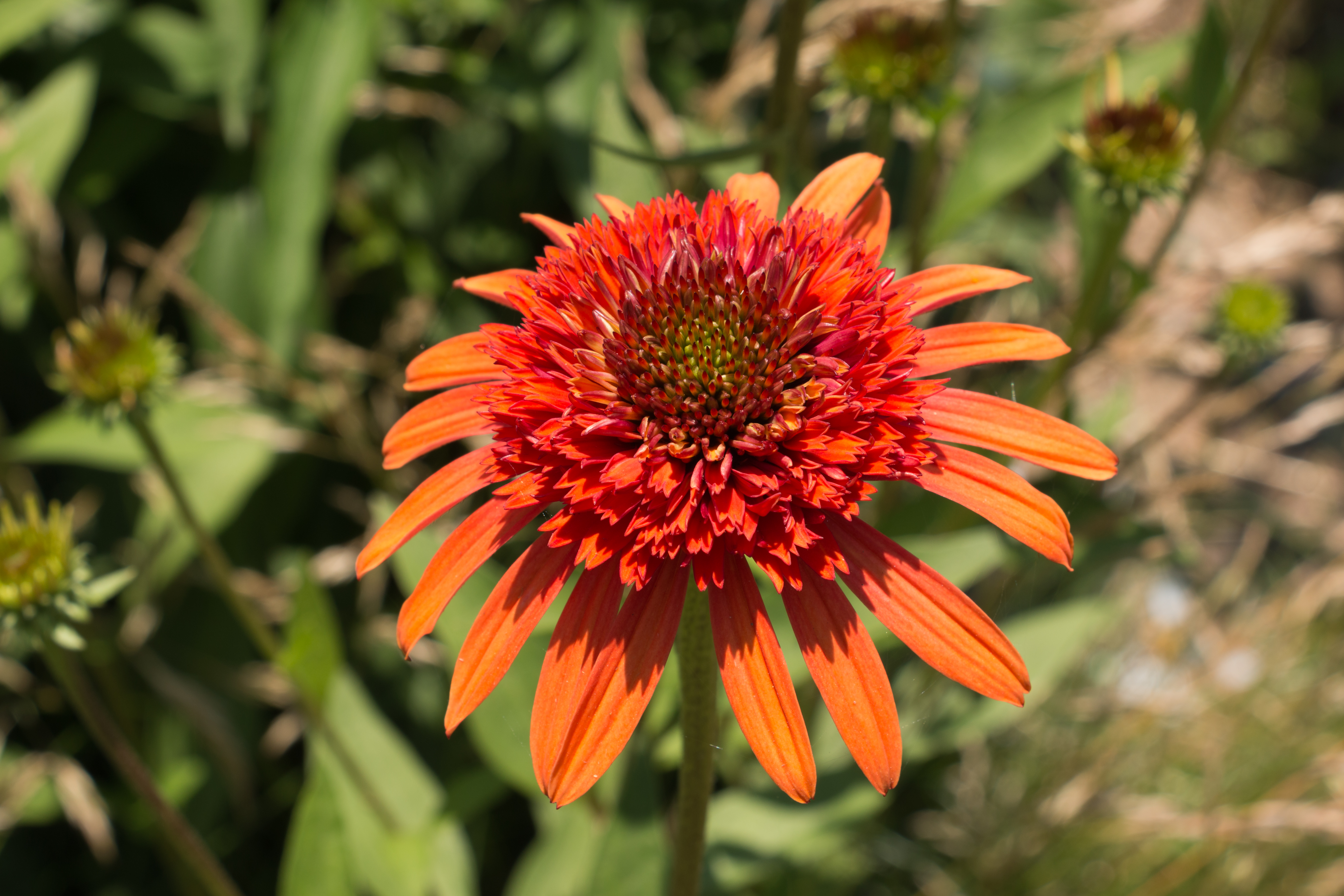
- Coneflower (Echinacea purpurea): A classic pollinator magnet, coneflowers are tough, beautiful, and provide excellent landing pads for butterflies. They bloom from summer into fall and are relatively low-maintenance. Coneflower
- Zinnia (Zinnia elegans): Easy to grow from seed, zinnias come in a dazzling array of colors and sizes. Their flat, daisy-like blooms are perfect for butterflies to perch on while sipping nectar. Choose single-petal varieties for easier access to nectar.
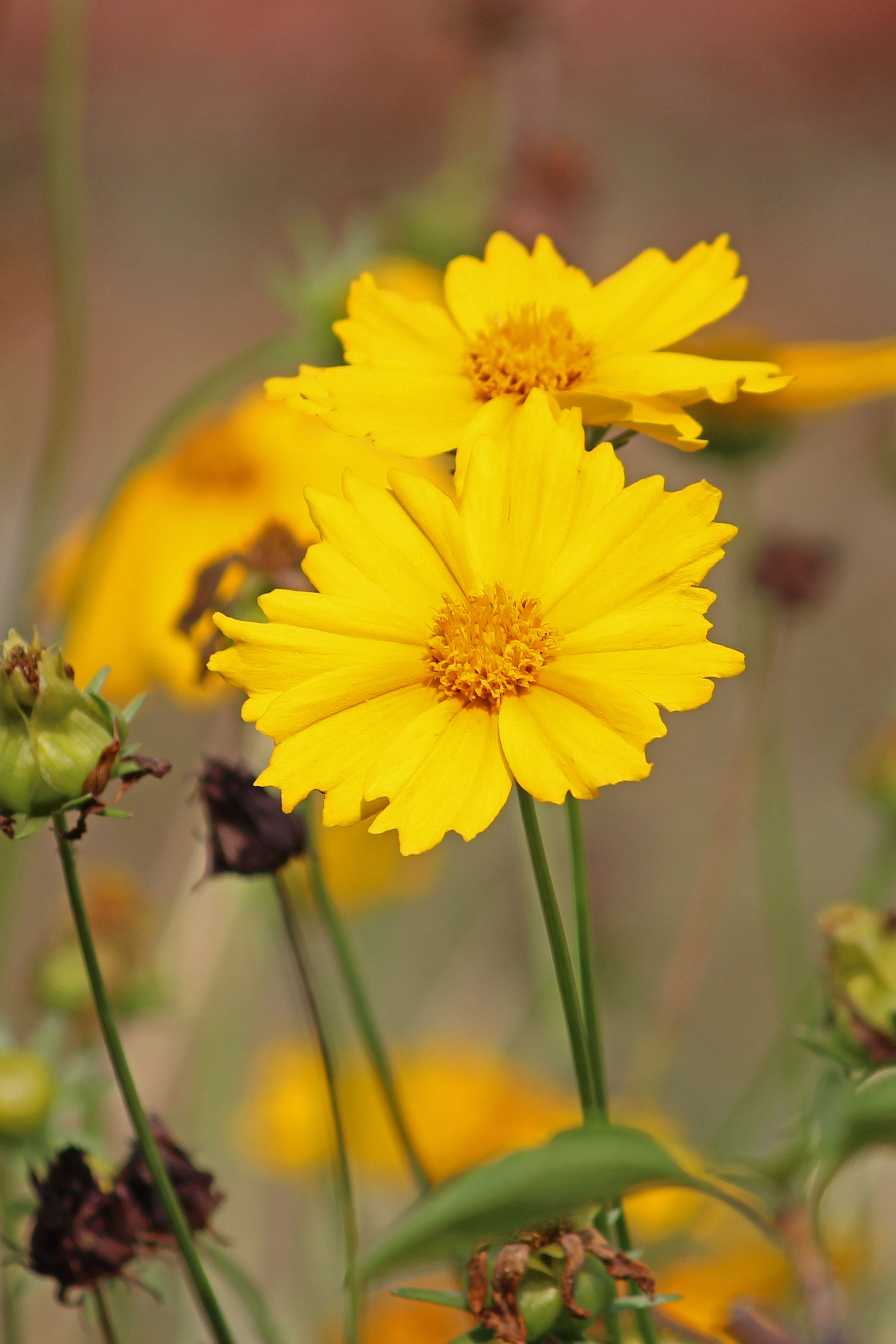
- Coreopsis (Coreopsis spp.): Also known as Tickseed, coreopsis offers cheerful, long-lasting blooms, often in shades of yellow, orange, and red. They are generally drought-tolerant and attract a variety of butterflies. Coreopsis
- Lantana (Lantana camara): A heat-loving plant, lantana thrives in Zone 9's sun. Its clusters of small, colorful flowers are a favorite of many butterfly species, providing a continuous nectar source throughout the warmer months.
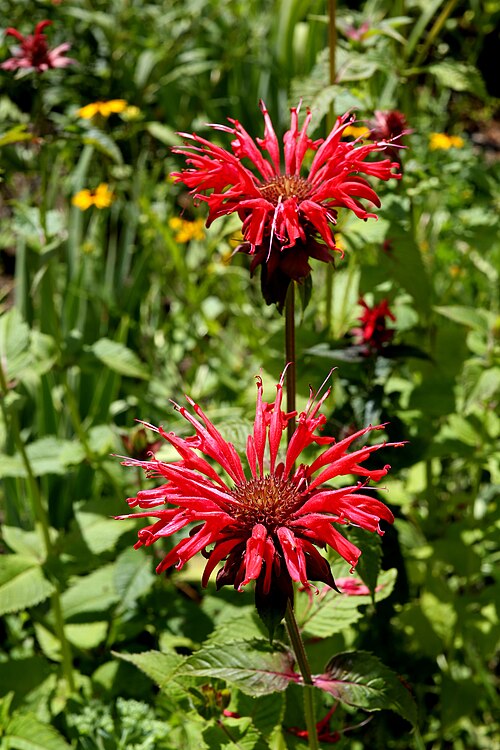
- Bee Balm (Monarda didyma): While often associated with cooler climates, many varieties of Bee Balm can thrive in Zone 9 with adequate moisture and some afternoon shade during the hottest periods. Its unique, tubular flowers are a hit with butterflies and hummingbirds. Bee Balm
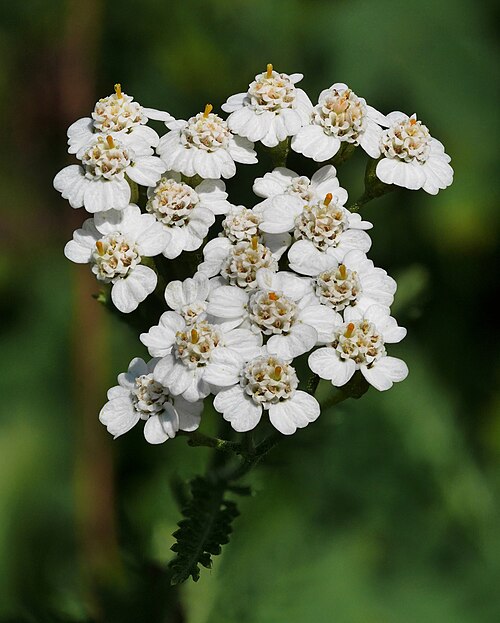
- Yarrow (Achillea millefolium): This hardy perennial produces flat-topped clusters of flowers that serve as excellent landing pads and nectar sources for smaller butterflies. It's drought-tolerant and thrives in full sun. Yarrow
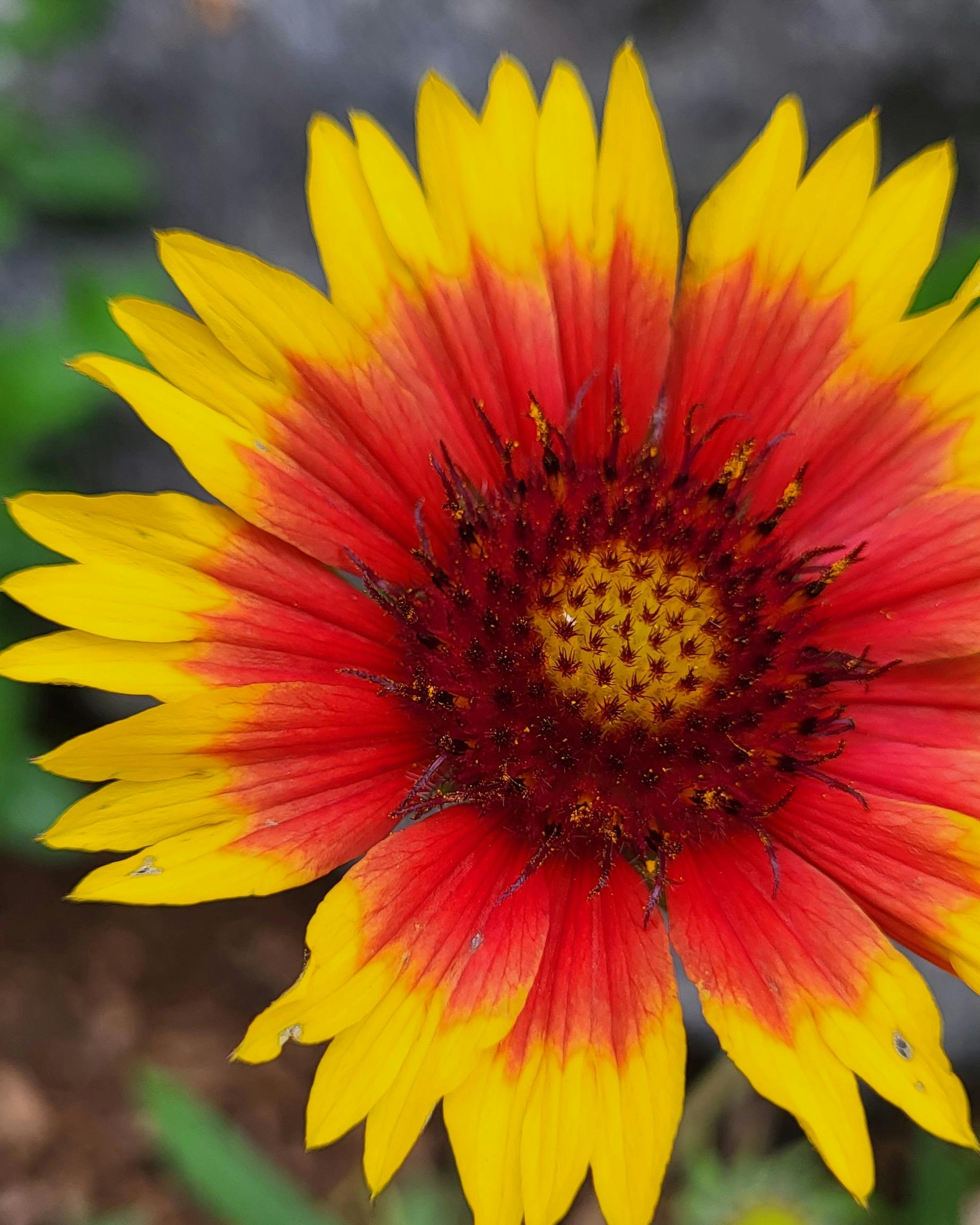
- Blanket Flower (Gaillardia pulchella): Native to many parts of the US, Blanket Flower is a sun-loving, drought-tolerant perennial that produces vibrant, daisy-like flowers. It's a reliable nectar source and reblooms consistently. Blanket Flower
Essential Host Plants for Zone 9 Caterpillars
Remember, without host plants, you won't have butterflies! Here are some crucial host plants that thrive in Zone 9:
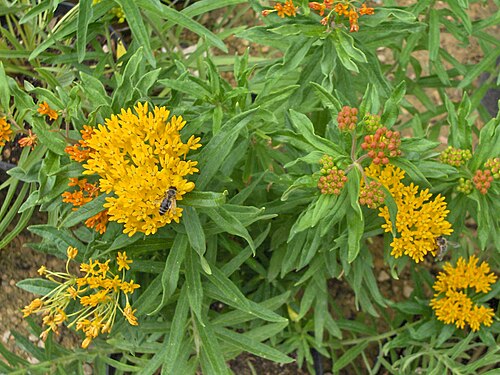
- Milkweed (Asclepias spp.): Absolutely essential for Monarch butterflies. Tropical Milkweed (Asclepias curassavica) is popular in Zone 9 for its continuous blooms, but consider native varieties like Butterfly Weed (Asclepias tuberosa) or Aquatic Milkweed (Asclepias perennis) which are often better for the Monarch migration cycle.
- Fennel, Dill, Parsley, and other Apiaceae family members: These herbs are host plants for the Black Swallowtail butterfly. Plant extra if you want to harvest some for yourself!
- Passion Vine (Passiflora spp.): A beautiful vine that hosts several Fritillary butterfly species, including the Gulf Fritillary. Many varieties are well-suited for Zone 9.
- Citrus Trees (Citrus spp.): If you're growing citrus (lemon, orange, lime, etc.) in your Zone 9 garden, you're also providing a host plant for the Giant Swallowtail butterfly.
- Snapdragon (Antirrhinum majus): While often grown for their nectar, snapdragons also serve as a host plant for the Common Buckeye butterfly.
- Willow (Salix spp.) and Poplar (Populus spp.): These trees host various butterflies, including the Mourning Cloak and Viceroy.
- Oaks (Quercus spp.): Native oak trees are incredibly important host plants, supporting hundreds of species of moths and butterflies.
Designing Your Zone 9 Butterfly Garden
When planning your butterfly garden, consider these design principles:
- Full Sun: Most butterfly plants thrive in at least 6 hours of direct sunlight per day.
- Shelter: Provide some shelter from strong winds. A hedge, fence, or even a dense cluster of taller plants can offer protection.
- Water Source: A shallow dish with wet sand or pebbles (a "puddling station") allows butterflies to drink and extract minerals without drowning.
- Continuous Bloom: Select plants with staggered bloom times to ensure there's always nectar available from spring through fall.
- Groupings: Plant flowers in drifts or clusters of the same species. This makes it easier for butterflies to spot and feed efficiently.
- Avoid Pesticides: Even organic pesticides can harm butterflies and their caterpillars. Embrace a natural approach to pest control.
- Native Plants: Prioritize native plants as they are best adapted to your local climate and soil, and often provide the most beneficial resources for local butterfly species.
Quick Reference: Zone 9 Butterfly Plant Picks
| Plant Type | Nectar Plants | Host Plants |
|---|---|---|
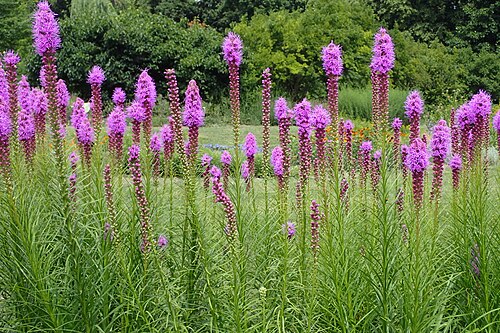
| Perennials | Salvia, Coneflower, Coreopsis, Bee Balm, Yarrow, Blanket Flower, Lantana, Blazing Star | Milkweed (Asclepias spp.), Passion Vine, Snapdragon |
| Annuals | Zinnia, Pentas, Cosmos, Marigold | Dill, Fennel, Parsley (for Black Swallowtails) |
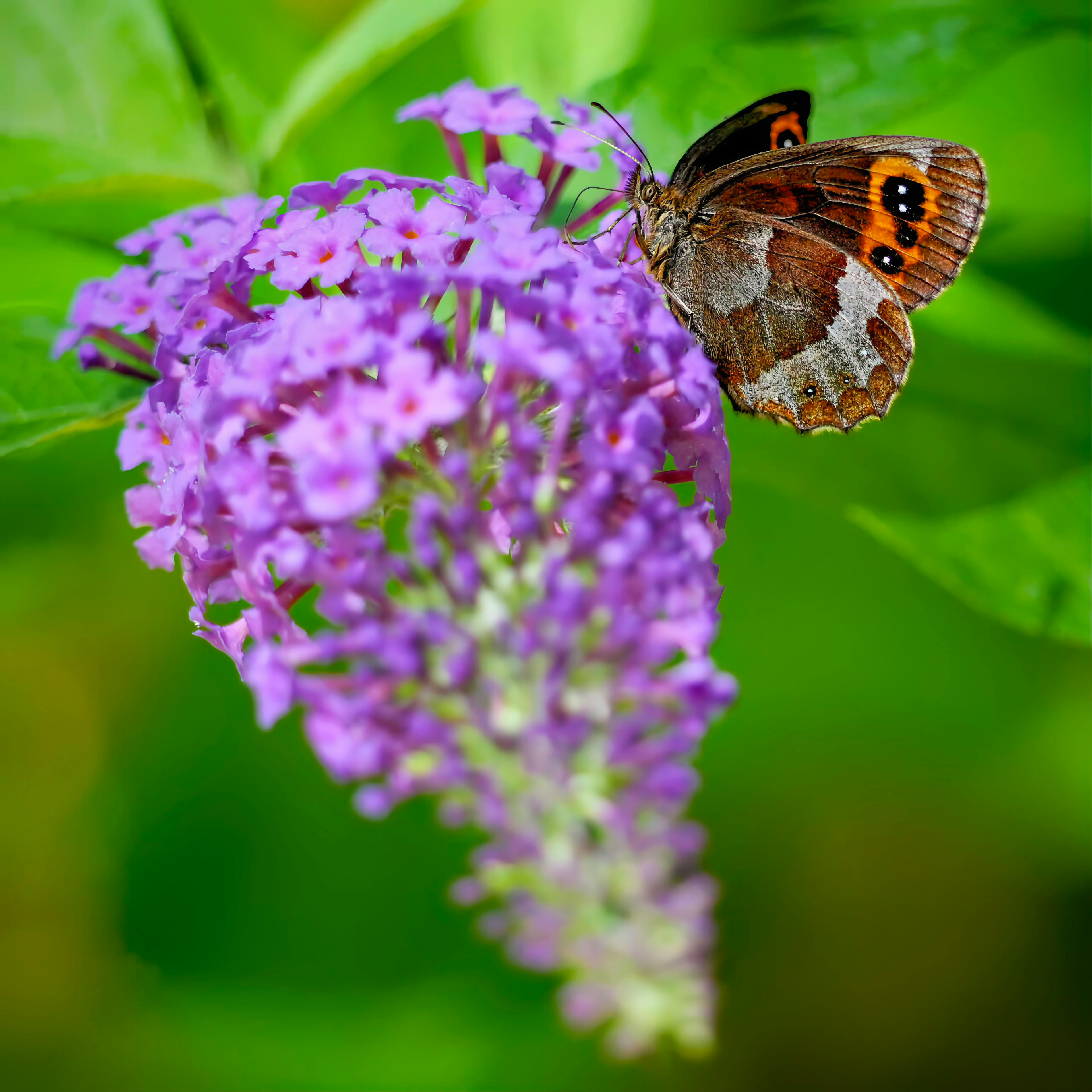
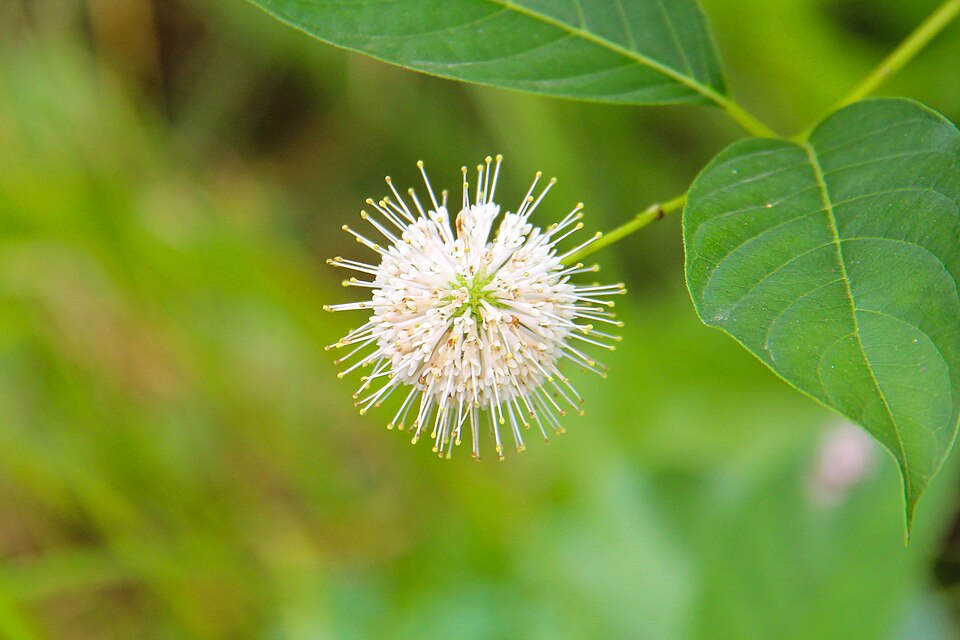
| Shrubs/Trees | Butterfly Bush (Buddleja - use sterile varieties), Vitex, Buttonbush | Citrus, Willow, Poplar, Oak (for various species) |
| Vines | Trumpet Vine (Campsis radicans) | Passion Vine (Passiflora spp.) |
Pet Safety Reminder
While creating a beautiful garden, always be mindful of your furry friends. Many plants are not listed as toxic to pets, but some common garden plants can be harmful. If you suspect your pet has ingested a toxic plant, call the ASPCA Animal Poison Control Center immediately at (888) 426-4435. For instance, while Lantana is great for butterflies, it is listed as toxic to pets. Always research individual plants if you have pets that might chew on foliage.
Enjoy Your Butterfly Oasis!
Creating a butterfly garden in Zone 9 is a joyful and impactful way to connect with nature. By providing both nectar and host plants, you'll not only enjoy the beauty of these winged jewels but also contribute significantly to their survival and the health of your local ecosystem. Watch as your garden comes alive with vibrant colors and delicate flutters!
Ready to find the perfect plants for your yard? Try the PlantWise Plant Finder →