How to Design a Cat-Friendly Garden
Designing a cat-friendly garden involves creating a safe, stimulating, and enriching outdoor space where your feline companions can explore, play, and relax without encountering hazards. By thoughtfully selecting plants, implementing protective measures, and providing engaging features, you can transform your backyard into a purr-fect haven for your beloved pets. This guide will walk you through the essential steps to ensure your garden is both beautiful for you and delightful for your cats.
🌱 Get Personalized Plant Picks
Answer a few quick questions and we’ll match plants to your exact yard conditions.
Find My Plants →Why Create a Cat-Friendly Garden?
Cats are naturally curious creatures, and an outdoor environment offers immense enrichment, stimulating their senses and providing opportunities for exercise and mental engagement. However, traditional gardens can pose risks, from toxic plants to dangers like busy roads or aggressive wildlife. A cat-friendly garden mitigates these risks, allowing your cats to enjoy the outdoors safely, reducing boredom, and satisfying their innate instincts to hunt, climb, and observe. It's about finding a harmonious balance between your gardening aspirations and your cat's well-being.
What Plants Are Safe for a Cat-Friendly Garden?
Choosing the right plants is paramount when designing a garden for cats. Many common garden plants are toxic to felines, so prioritizing species that are not listed as toxic by reputable sources like the ASPCA is crucial. Beyond safety, consider plants that offer sensory stimulation, such as interesting textures, smells, or even cat-attracting qualities like catnip.
Here's a list of popular garden plants generally considered not listed as toxic to cats, along with some that cats particularly enjoy:
Not Listed as Toxic to Cats (Great for General Planting):
- Herbs: Basil, Thyme, Rosemary, Parsley, Cilantro, Dill, Mint (some cats enjoy this, others don't), Valerian.
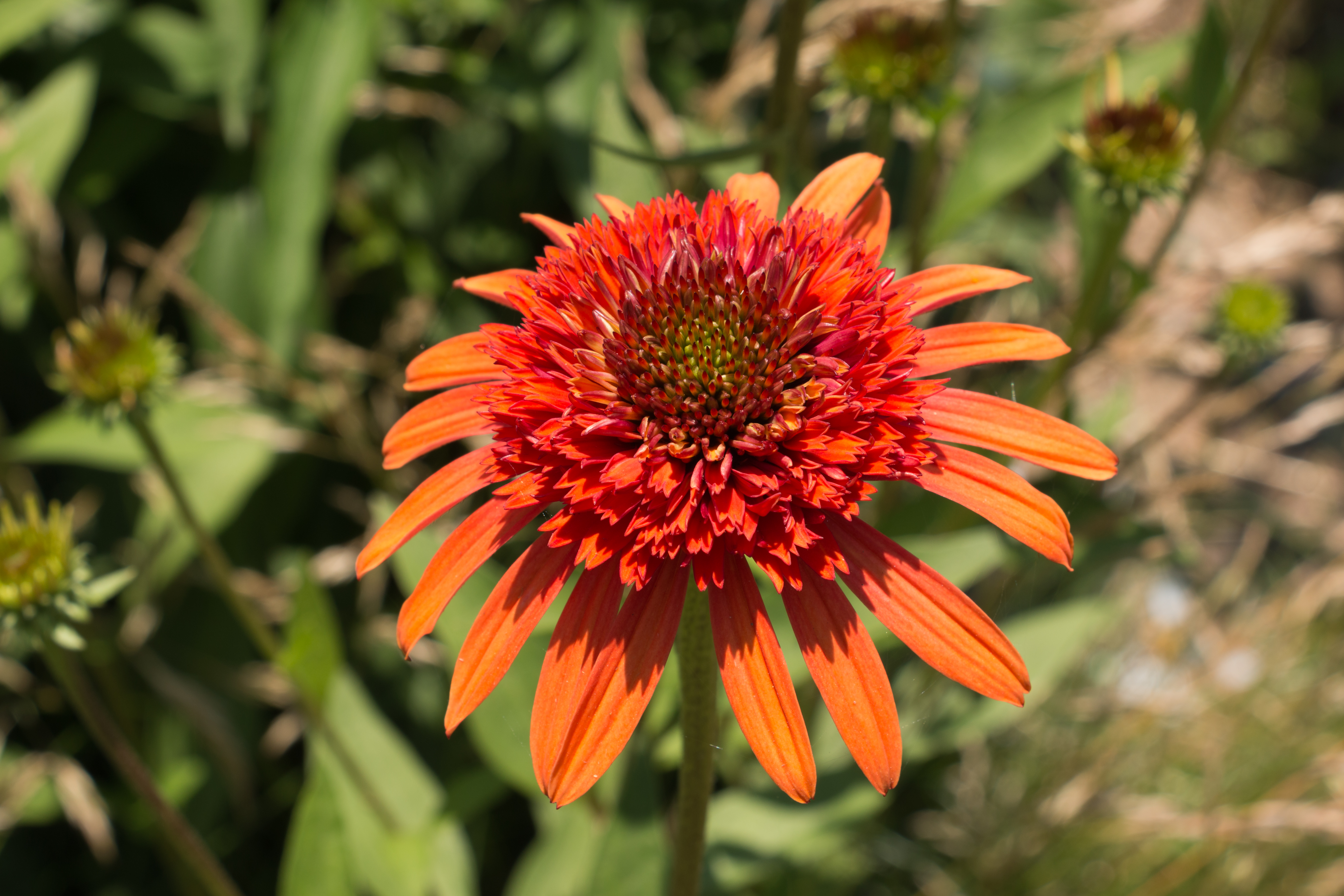
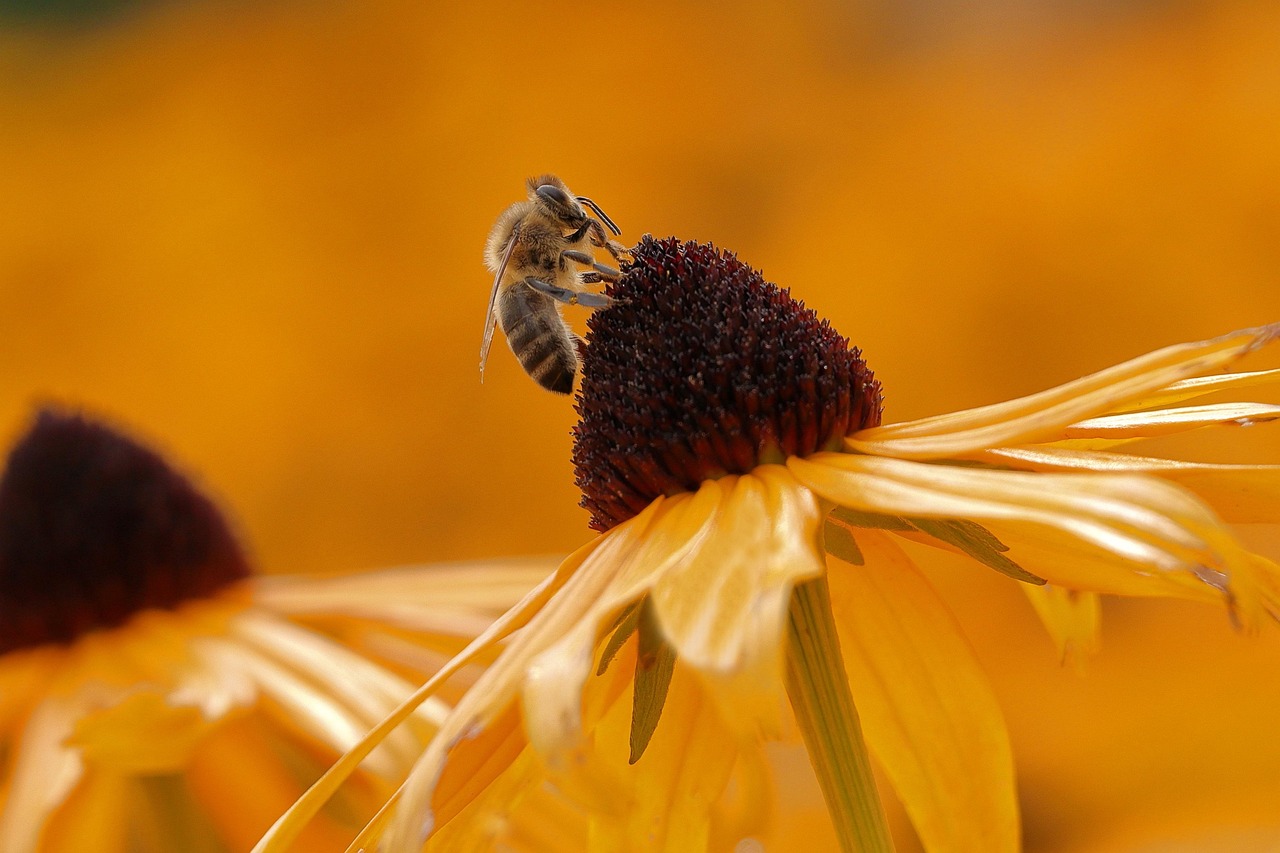
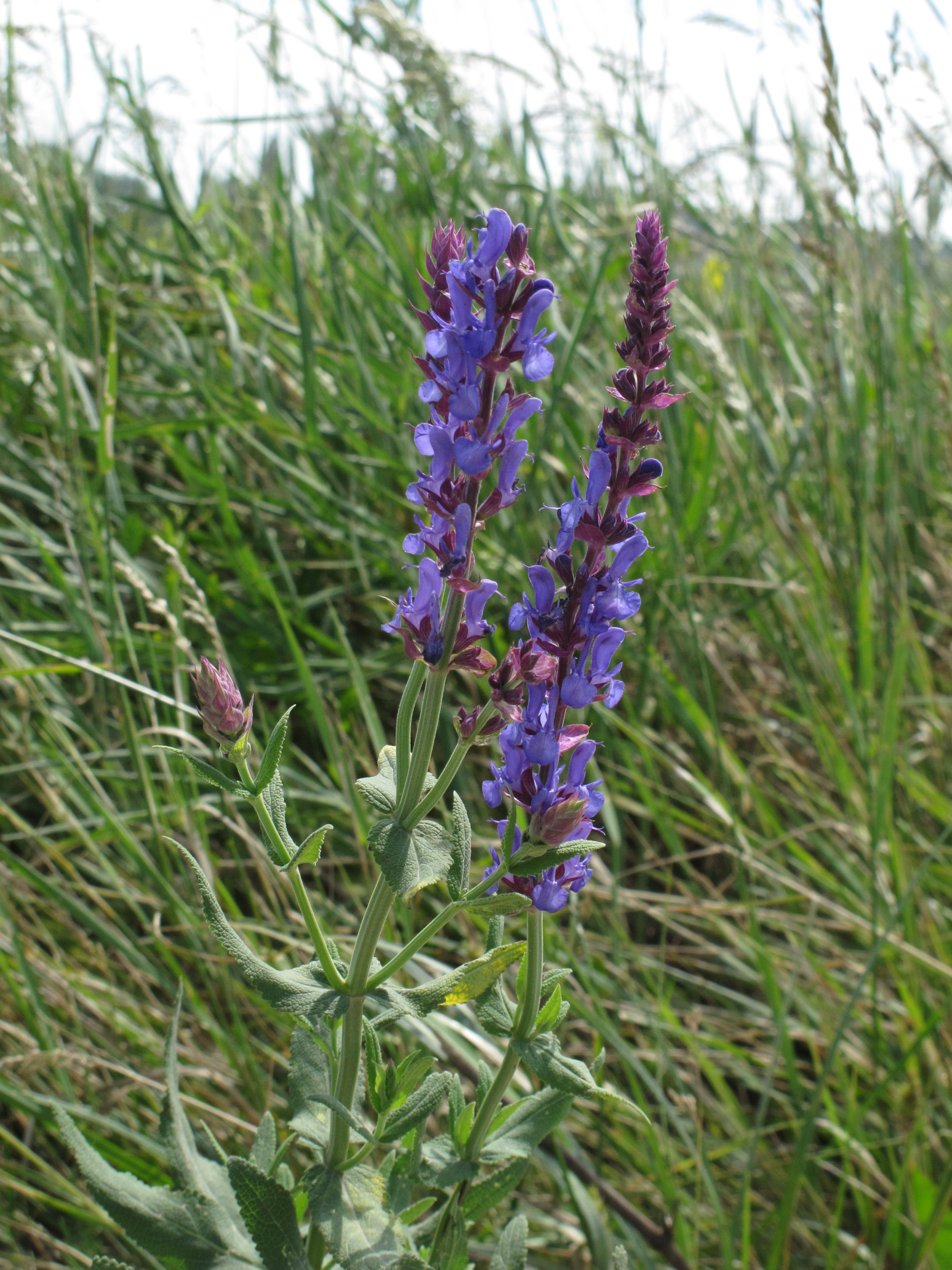
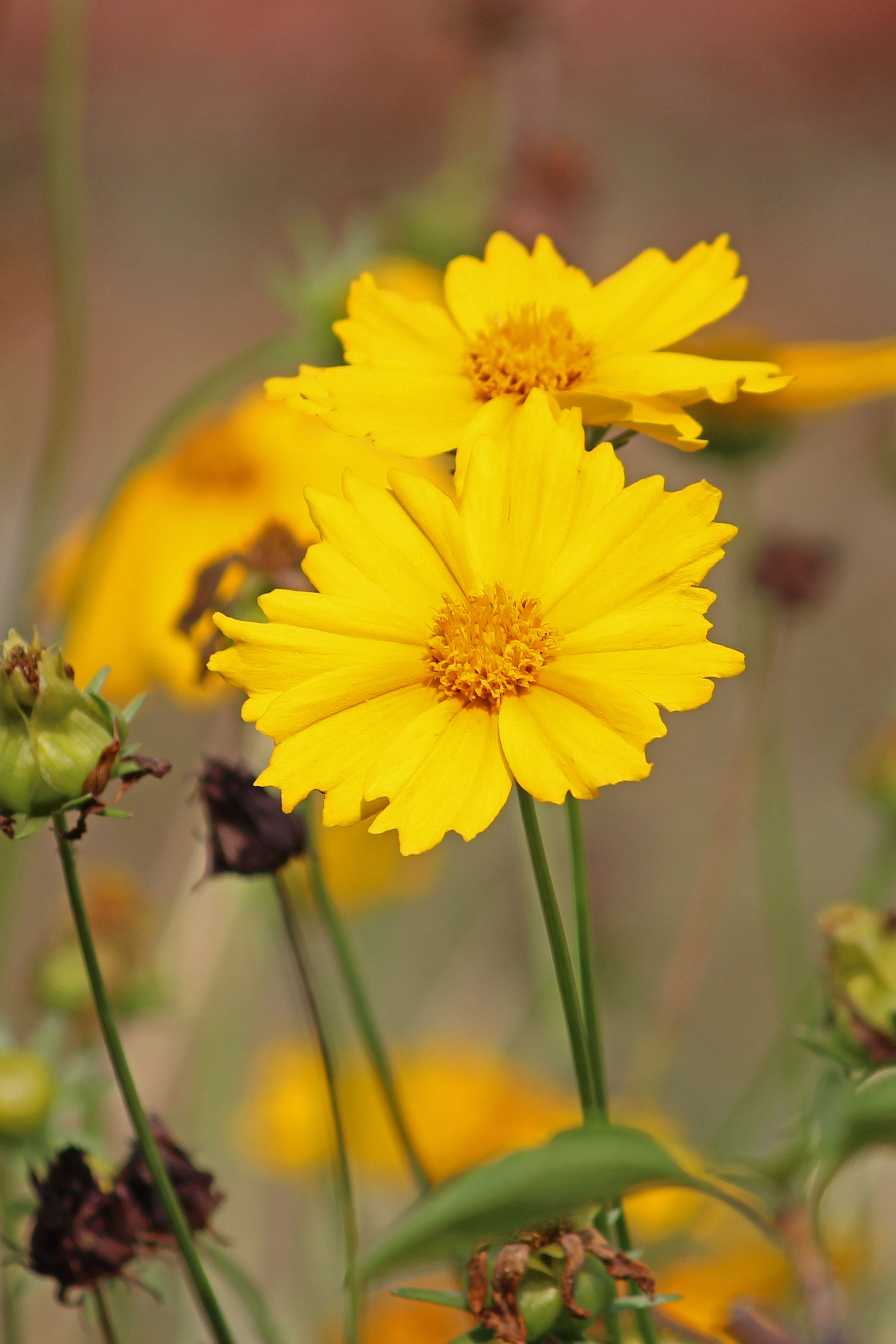
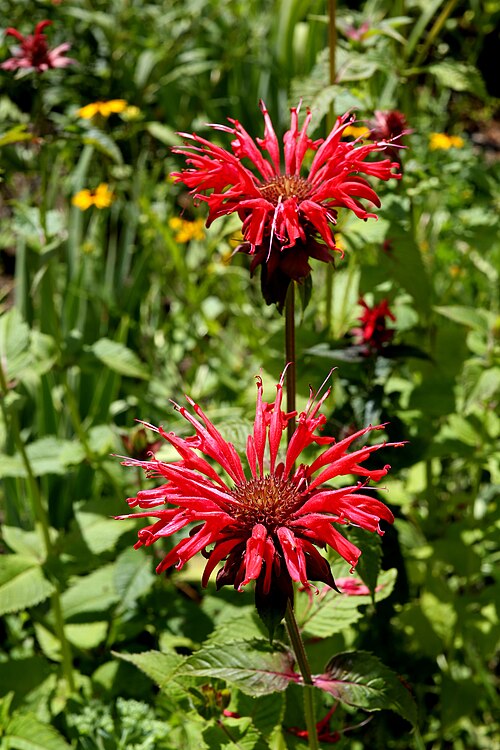
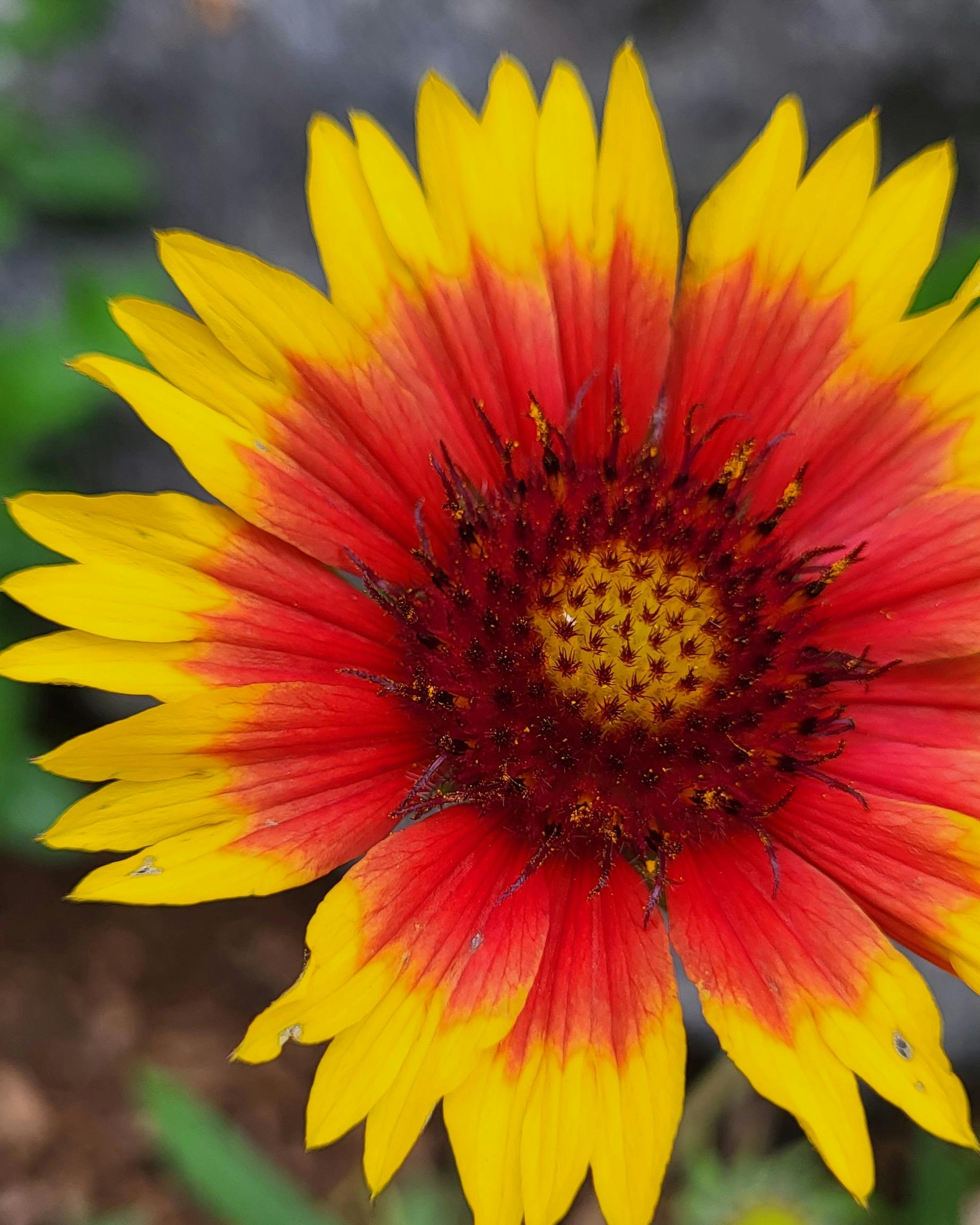
- Flowers: Coneflower, Black-eyed Susan, Coreopsis, Salvia, Bee Balm, Blanket Flower, Snapdragon, Pansy, Petunia, Zinnia, Sunflower, Aster, Marigold (some cats dislike the smell, which can be a deterrent).
- Grasses: Wheatgrass, Oat grass, Barley grass (often sold as "cat grass"), Lemon Grass.
- Shrubs/Trees: Hawthorn, Magnolia, Japanese Maple, Rose (thorns can be an issue, but petals are not listed as toxic).
Cats Love These (Plant in Designated Areas):
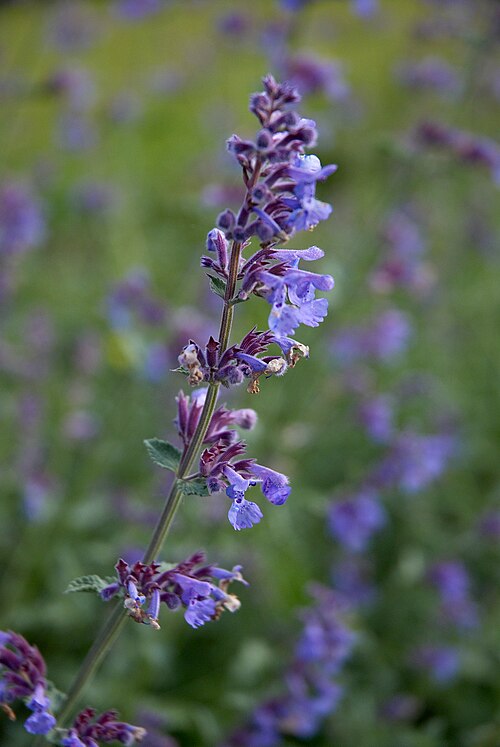
- Catnip (Nepeta cataria): The classic cat magnet! Many cats react with excitement, rolling, rubbing, and purring. Plant it in a dedicated "cat zone" to keep them away from other plants.
- Catmint (Nepeta x faassenii): A close relative of catnip, catmint also attracts many felines but is often more ornamental and less aggressive in growth.
- Valerian: Another plant known to have a similar effect to catnip on some cats.
- Wheatgrass/Oat Grass: Cats often enjoy nibbling on these grasses, which can aid digestion.
Plants to Avoid (Common Toxins): It's impossible to list all toxic plants, but here are some common ones to be aware of:
- Lilies (all parts are highly toxic, even pollen)
- Tulips and Hyacinths (bulbs are most toxic)
- Azaleas and Rhododendrons
- Sago Palm
- Oleander
- Castor Bean
- Daffodils
- Chrysanthemums
- Cyclamen
- Autumn Crocus
- Amaryllis
- Kalanchoe
- Pothos
- Peace Lily
- Dieffenbachia
- Tomato Plants (leaves and stems)
- Rhubarb (leaves)
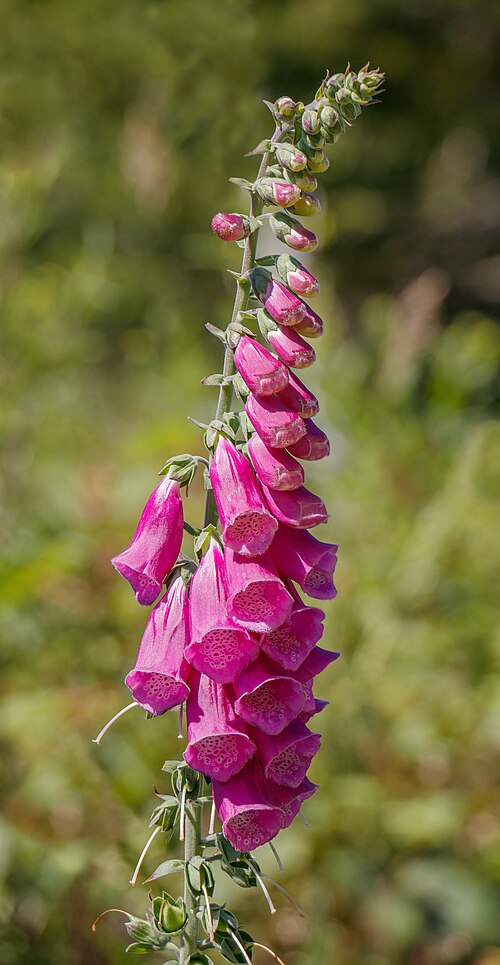
- Foxglove
If you suspect your pet has ingested a toxic plant, call the ASPCA Animal Poison Control Center immediately at (888) 426-4435.
How Can I Create Safe Zones and Enrichment for My Cat?
Beyond plant selection, a truly cat-friendly garden incorporates features that cater to their natural behaviors while ensuring their safety.
1. Secure Boundaries: The most critical safety feature for an outdoor cat is a secure boundary.
- Cat Fencing: Specialized "cat-proof" fencing can be installed to prevent cats from climbing over or digging under. These often feature outward-tilting mesh or rollers at the top.
- Catios: A "catio" (cat patio) is an enclosed outdoor space, often attached to the house, providing a safe and stimulating environment. They can range from small window boxes to elaborate multi-level structures.
- Enclosed Runs: Similar to catios but often freestanding or extending further into the yard, offering more space for exploration.
2. Designated Play and Rest Areas:
- Sunbathing Spots: Cats love to bask! Provide sunny, sheltered spots, perhaps with a flat rock, a raised platform, or a cozy outdoor cat bed.
- Shady Retreats: On hot days, cats need cool, shady spots. Dense shrubs (not listed as toxic), pergolas, or even a small cat house can provide this.
- Scratching Posts/Surfaces: Offer various scratching opportunities like logs, rough-barked trees, or outdoor scratching posts to satisfy their urge to sharpen claws and stretch.
- Climbing Structures: Cats love to climb and observe from high vantage points. Sturdy tree branches, cat trees designed for outdoor use, or shelves installed on a fence can be great additions.
- Digging Zones: To deter digging in your prized flower beds, create a designated digging area with loose soil or sand. Some cats enjoy this, and it can save your plants!
3. Sensory Stimulation:
- Cat Grass Patch: Plant a patch of wheatgrass, oat grass, or barley grass. Cats often enjoy nibbling on these for digestion and play.
- Water Feature: A small, shallow bird bath or a bubbling fountain can provide fresh water and entertainment. Ensure it's easy for cats to access and drink from safely.
- Observation Points: Place benches, platforms, or cat-friendly perches near windows or areas with bird feeders (out of reach of course!) so your cat can safely observe wildlife.
Quick Reference: Cat-Friendly Garden Elements
| Feature | Purpose | Examples |
|---|---|---|
| Secure Boundaries | Safety, prevents escape | Cat-proof fencing, Catios, Enclosed runs |
| Safe Plants | Non-toxic greenery, sensory appeal | Catnip, Catmint, Wheatgrass, Coneflower, Black-eyed Susan, Basil |
| Climbing/Perching | Exercise, observation | Sturdy tree branches, Outdoor cat trees, Fence shelves |
| Scratching Areas | Instinctual behavior, saves furniture | Logs, Rough tree bark, Outdoor scratching posts |
| Rest/Shelter | Comfort, protection from elements | Sunny spots, Shady shrubs, Outdoor cat beds, Small cat houses |
| Water Source | Hydration, entertainment | Shallow bird bath, Bubbling fountain |
| Digging Zone | Redirects digging, satisfies instinct | Loose soil patch, Sandpit |
How Do I Keep My Cat Safe from Other Garden Hazards?
Even with careful plant selection and enrichment, other garden elements can pose risks.
- Pesticides and Herbicides: Avoid using chemical pesticides, herbicides, or fertilizers in areas your cat can access. Opt for organic, pet-safe alternatives, or manual pest control methods. If you must use chemicals, ensure your cat is kept away from the area for the recommended period.
- Tools and Equipment: Store all garden tools, sharp objects, and power equipment securely out of reach.
- Compost Piles: While generally safe, some composted materials or decaying food can produce toxins. Ensure compost bins are covered or inaccessible to curious cats.
- Water Features: If you have a pond or pool, ensure your cat can easily exit if they accidentally fall in. Shallow edges or ramps can be helpful.
- Mulch: Cocoa shell mulch, while attractive, can be toxic to pets if ingested. Opt for cedar, pine, or other non-toxic mulches.
- Wildlife: While your cat may be a predator, they can also be prey or get into fights with other animals. Secure enclosures help protect them from larger predators or aggressive wildlife.
Can I Attract Wildlife While Keeping My Cat Safe?
Yes, it's possible to attract birds and beneficial insects while maintaining a cat-friendly garden, but it requires careful planning. The key is separation and protection.
- Bird Feeders and Baths: Place these in areas inaccessible to your cat, perhaps within a fully enclosed catio or on poles that are truly "cat-proof" (e.g., with baffles).
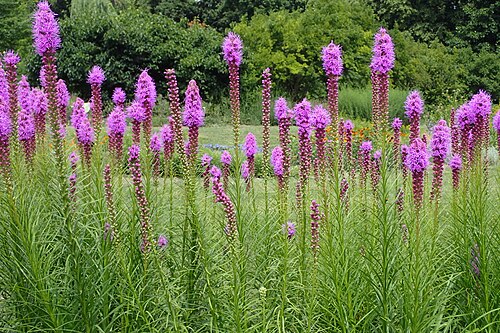
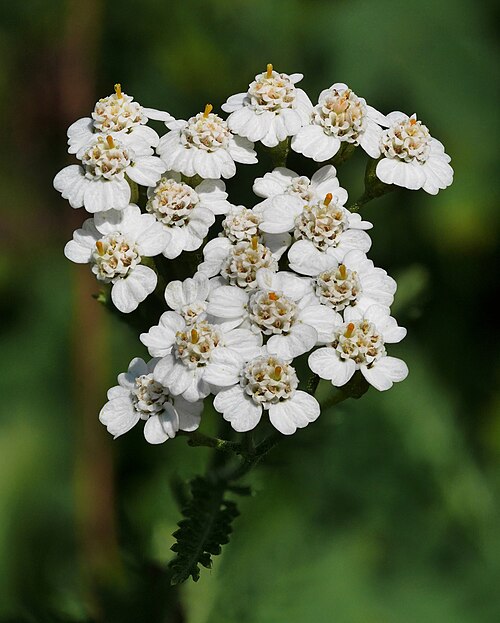
- Native Plants: Incorporating native plants will naturally attract pollinators like bees and butterflies, enriching your garden's biodiversity without directly interacting with your cat. Yarrow, Blazing Star, and Blanket Flower are excellent choices.
- Strategic Planting: Create dense, thorny thickets (using non-toxic plants) where birds can find safe refuge from predators, including cats.
Designing a cat-friendly garden is a rewarding endeavor that benefits both you and your feline companions. By prioritizing safety, selecting appropriate plants, and incorporating stimulating features, you can create an outdoor oasis where your cats can thrive and enjoy the wonders of nature.
Ready to find the perfect plants for your yard? Try the PlantWise Plant Finder →