Cat-Safe Plants for Zone 8 Gardens
Creating a beautiful garden in USDA Hardiness Zone 8 that's also mindful of your feline friends is absolutely achievable! Many vibrant, heat-tolerant plants thrive in Zone 8's mild winters and hot summers and are not listed as toxic to cats by the ASPCA. These options include popular perennials like Coneflower, Black-Eyed Susan, and Bee Balm, which offer beauty, attract pollinators, and allow your curious kitties to explore safely.
Why Choose Cat-Friendly Plants?
Cats are naturally curious creatures, and their love for exploring often extends to nibbling on plants. While some plants are harmless, others can cause mild to severe health issues if ingested. For Zone 8 gardeners, this means selecting plants that can withstand the region's climate while also ensuring they won't pose a risk to your beloved pets. Even if your cat is an indoor-only pet, pollen or plant debris tracked inside can be a concern, and outdoor cats will inevitably explore your garden. Opting for plants not listed as toxic gives you peace of mind and allows your cat to safely enjoy the garden environment alongside you.
It's important to remember that "not listed as toxic" doesn't mean a plant is entirely "safe" for consumption in large quantities. Any plant material, if consumed in excess, can potentially cause mild digestive upset in pets. The goal is to avoid plants known to contain compounds that are specifically harmful or poisonous.
🌱 Get Personalized Plant Picks
Answer a few quick questions and we’ll match plants to your exact yard conditions.
Find My Plants →Understanding Zone 8 Gardening
USDA Hardiness Zone 8 encompasses a broad range of climates, typically found across the southern United States, parts of the Pacific Northwest, and even some coastal areas. It's characterized by average minimum winter temperatures ranging from 10°F to 20°F (-12.2°C to -6.7°C). Summers are often long, hot, and humid, especially in the Southeast, while the Pacific Northwest experiences drier summers.
When selecting plants for Zone 8, consider:
- Heat and Humidity Tolerance: Many plants need to withstand intense summer sun and high humidity.
- Drought Resistance: While some areas get ample rain, others may experience dry spells, making drought-tolerant plants a good choice.
- Soil Type: Zone 8 soils can vary greatly, from sandy to heavy clay. Amend your soil as needed.
- Sun Exposure: Most of the plants listed below prefer full sun (6+ hours of direct sunlight daily).
Top Cat-Friendly Plant Picks for Zone 8
Here are some fantastic, pet-conscious choices that thrive in Zone 8 and are not listed as toxic to cats by the ASPCA:
Perennials for Lasting Beauty
Perennials return year after year, providing continuous beauty and less work once established.
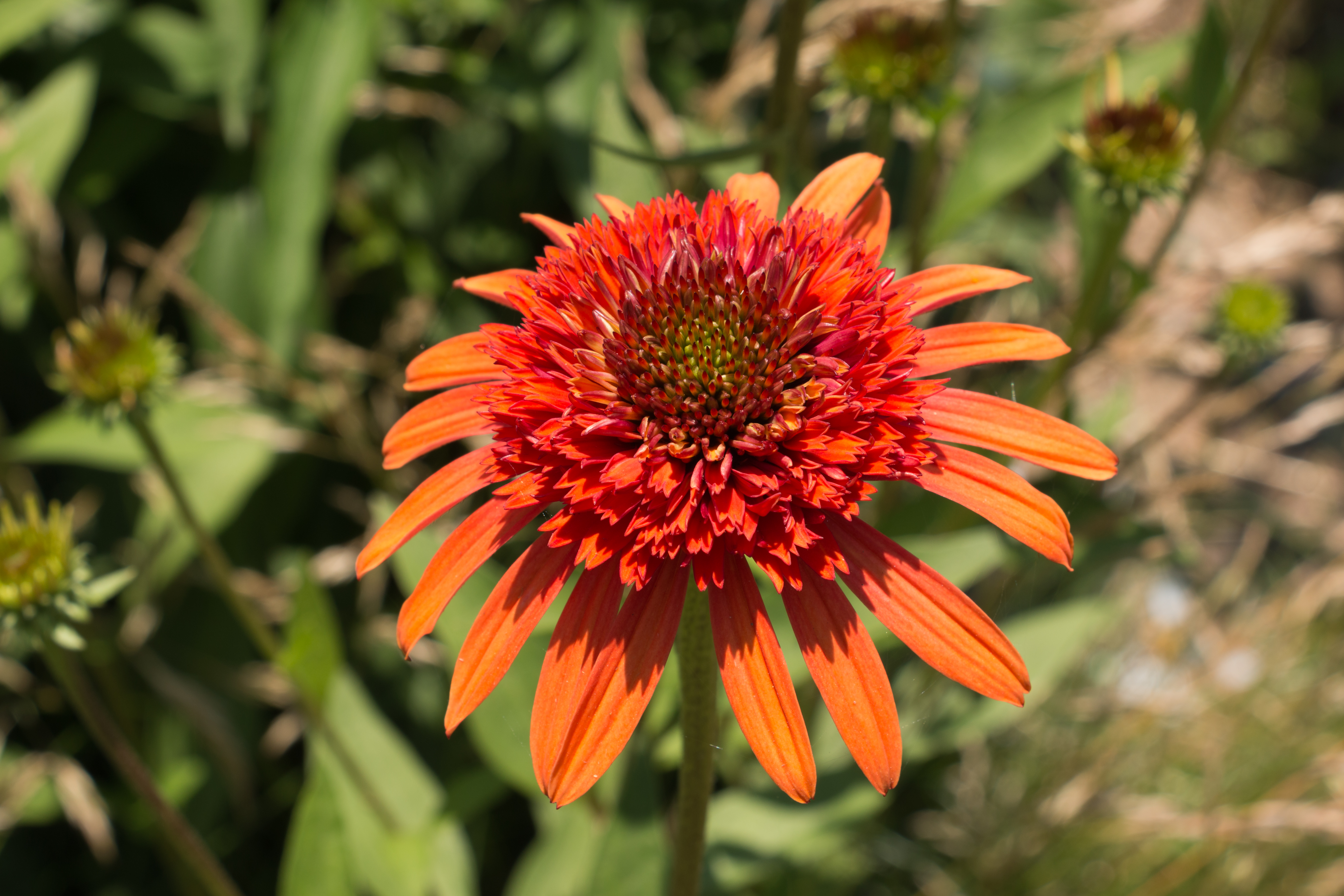
Coneflower (Echinacea) These iconic daisy-like flowers are a staple in sunny gardens. They come in various colors, from classic purple to pink, white, yellow, and orange. Coneflowers are drought-tolerant once established and attract butterflies and bees. Coneflower
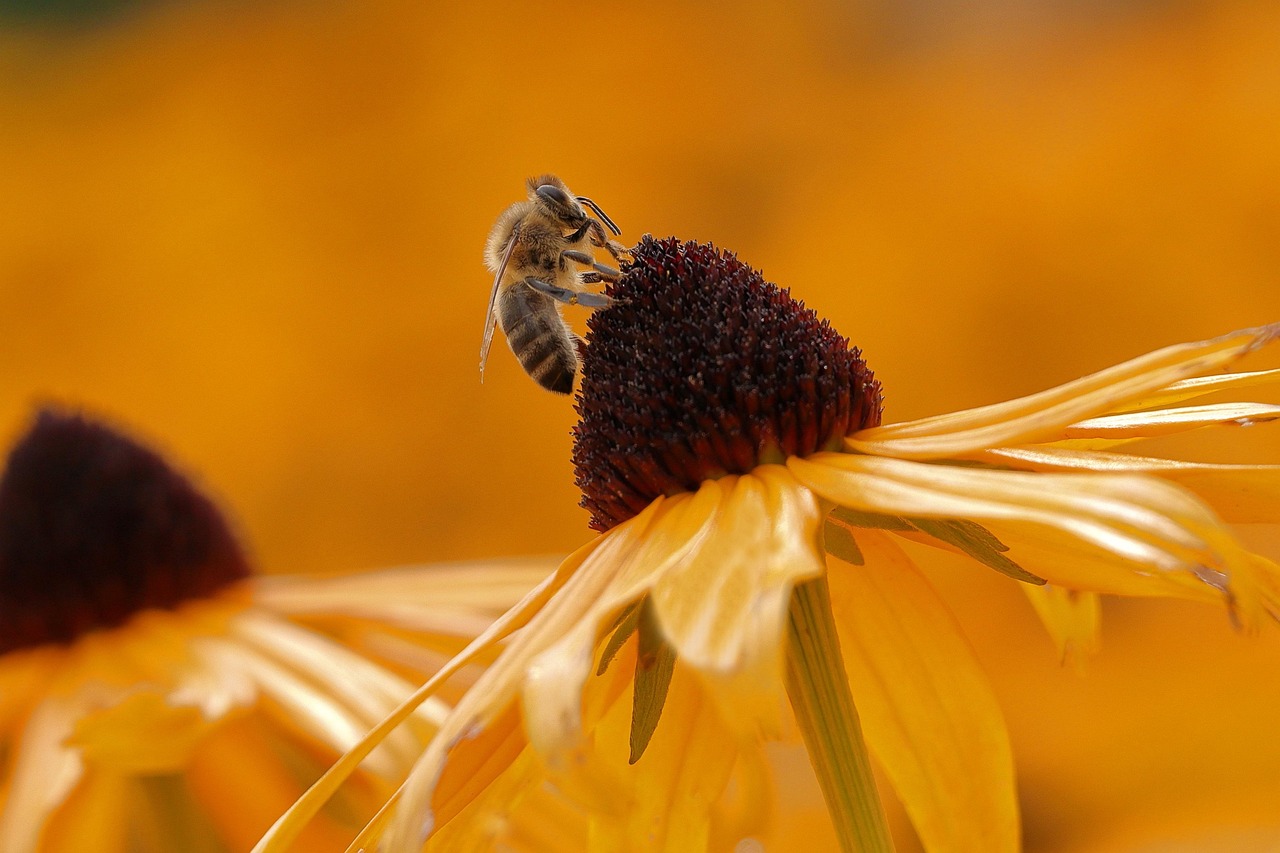
Black-Eyed Susan (Rudbeckia hirta) With their cheerful yellow petals and dark centers, Black-Eyed Susans bring a burst of sunshine to any garden. They are incredibly tough, adaptable, and bloom profusely from summer into fall. Black-eyed Susan
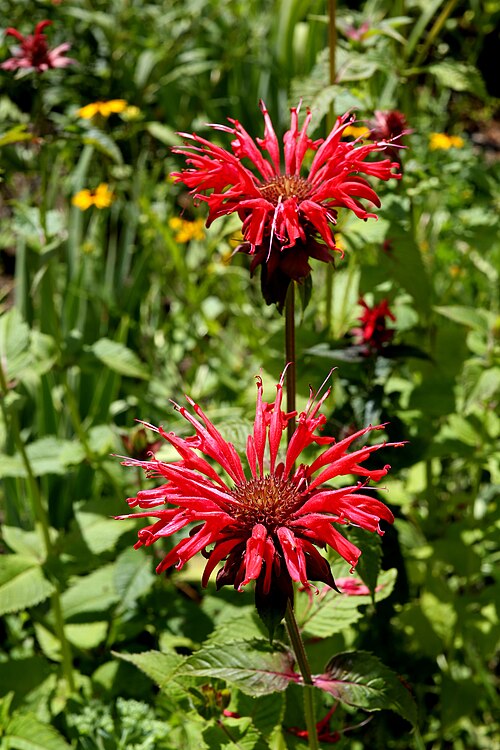
Bee Balm (Monarda) A pollinator magnet, Bee Balm produces unique, shaggy flowers in shades of pink, red, and purple. It's a native plant that thrives in full sun to partial shade and is relatively low-maintenance. Some varieties can spread, so choose wisely or provide space. Bee Balm
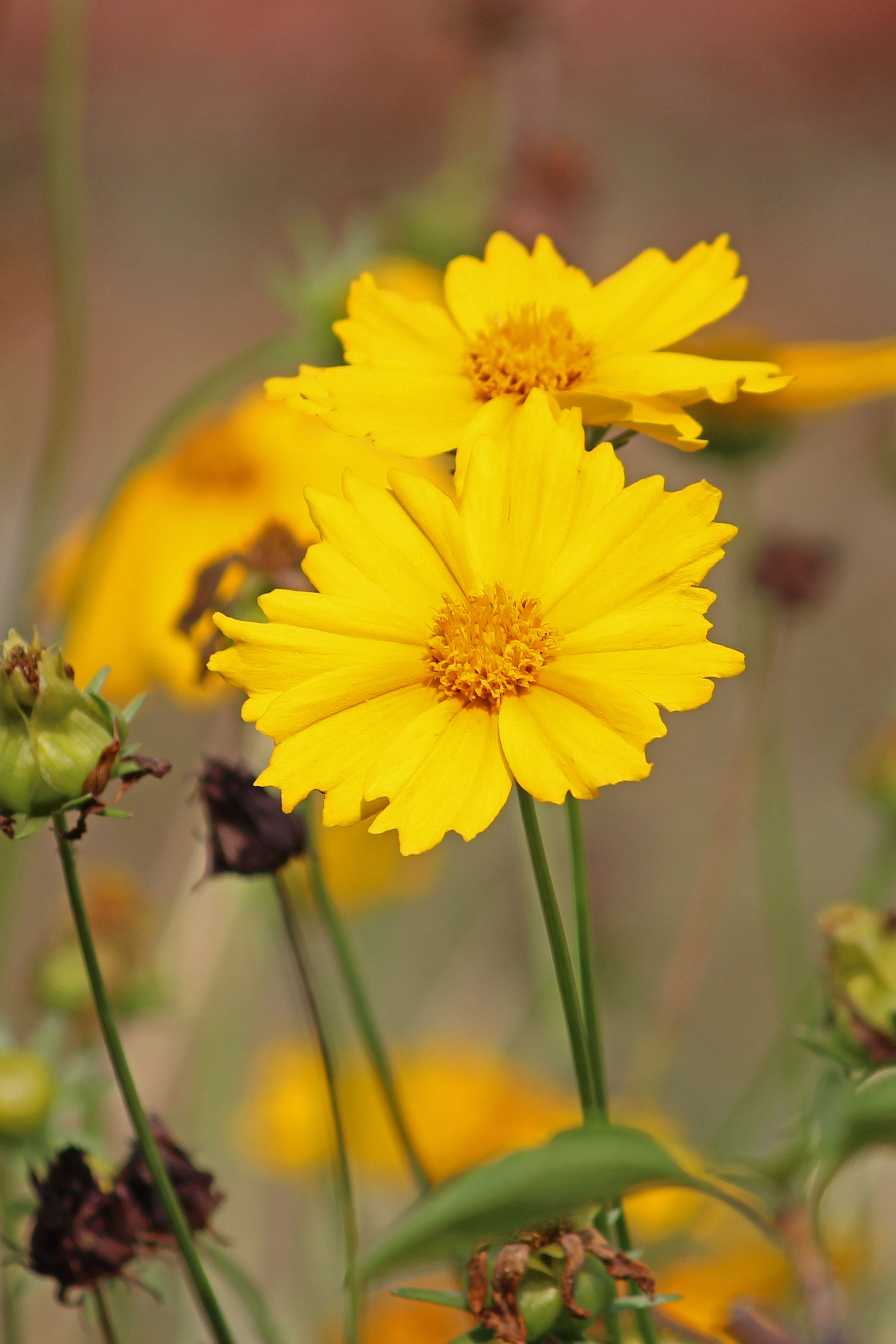
Coreopsis (Tickseed) Known for their bright, long-lasting blooms, Coreopsis varieties offer a continuous show of yellow, orange, or pink flowers. They are drought-tolerant and excellent for borders or mass plantings. Coreopsis
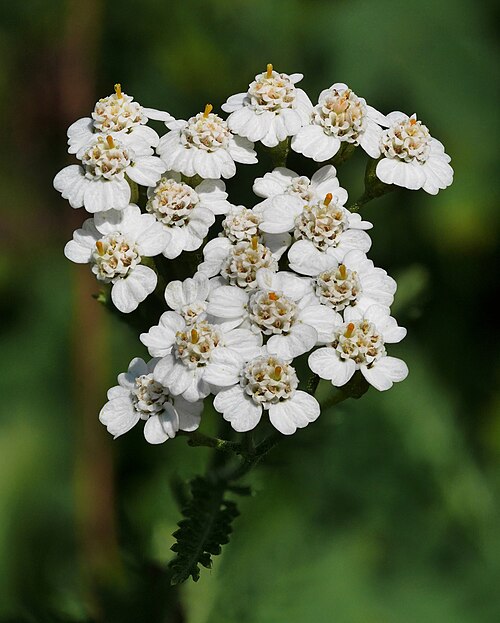
Yarrow (Achillea) Yarrow features flat-topped clusters of tiny flowers in shades of yellow, white, pink, and red. It's incredibly drought-tolerant, deer-resistant, and provides interesting texture to the garden. Yarrow
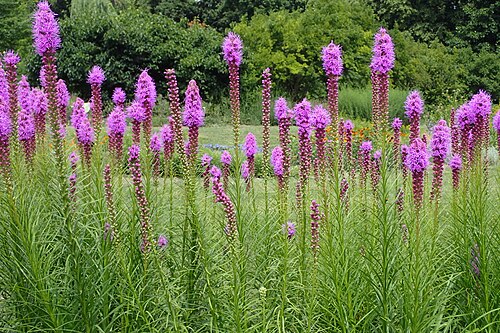
Blazing Star (Liatris spicata) Also known as Gayfeather, Blazing Star sends up tall spikes of purple, pink, or white flowers that bloom from the top down. It's a striking vertical accent and a favorite of butterflies. Blazing Star
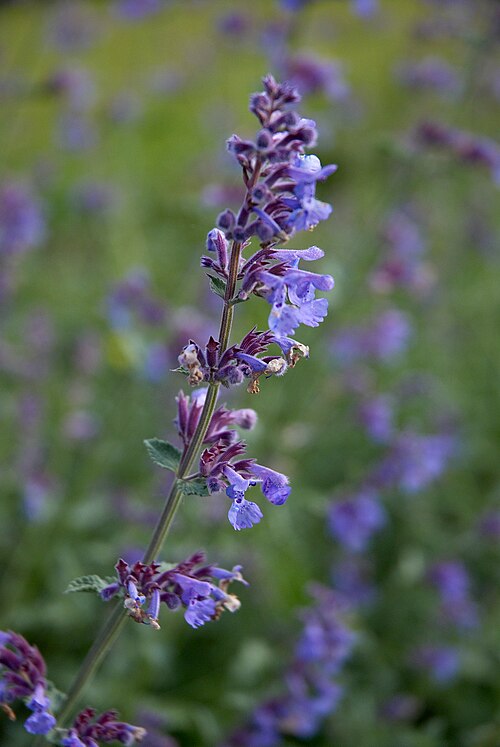
Catmint (Nepeta) While its name might suggest otherwise, Catmint is generally considered not listed as toxic to cats by the ASPCA, though some cats are highly attracted to it and may chew on it. It's a fantastic, low-maintenance plant with lavender-blue flowers that bloom for a long season. It's drought-tolerant and deer-resistant.
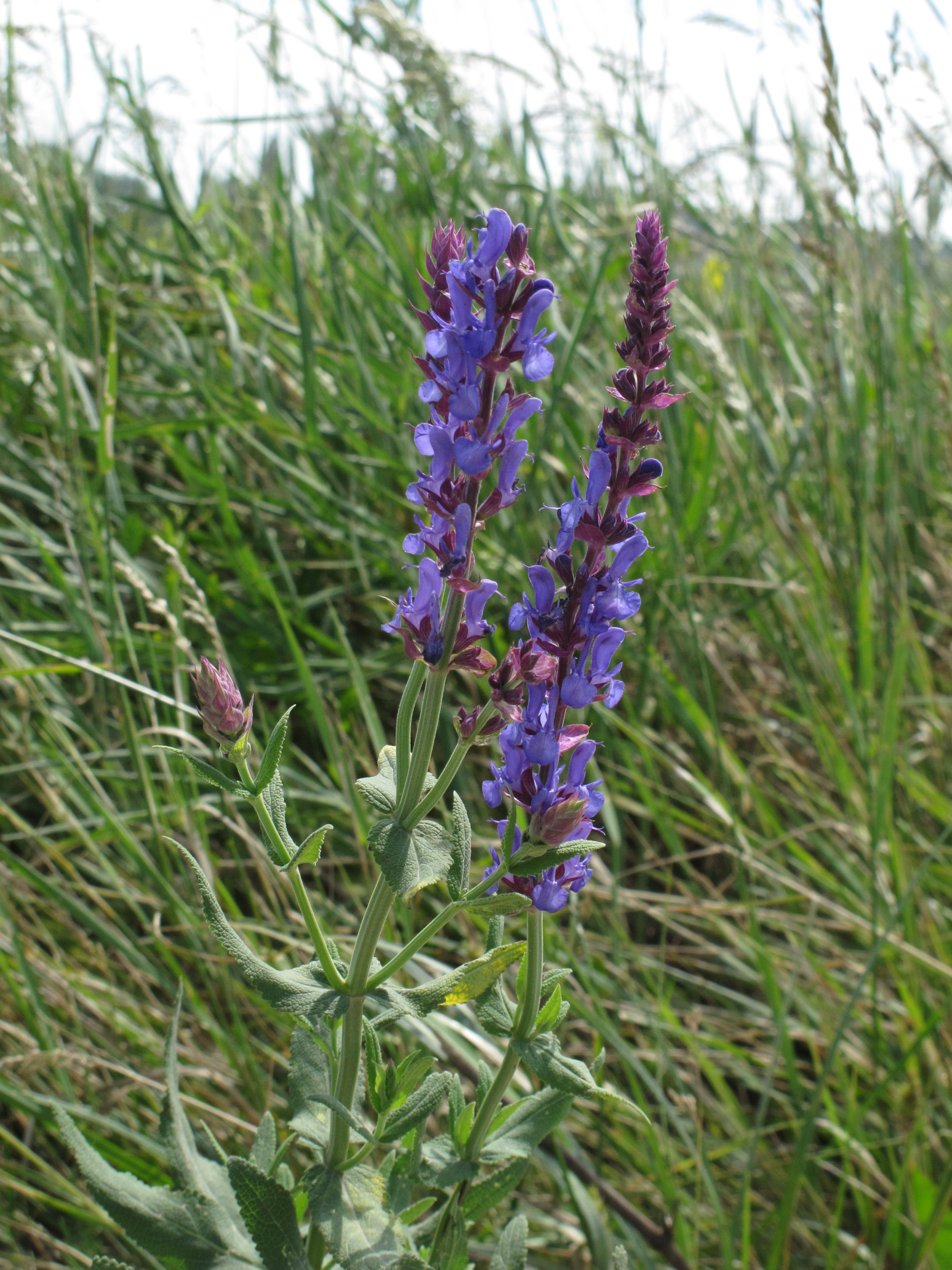
Salvia (Perennial varieties) Many perennial salvias, like Salvia nemorosa or Salvia greggii, are excellent choices for Zone 8. They offer spikes of blue, purple, pink, or red flowers, are drought-tolerant, and attract hummingbirds and butterflies.
Annuals for Seasonal Color
While perennials form the backbone of your garden, annuals can fill in gaps and provide continuous color throughout the season. Many popular annuals are also not listed as toxic to cats.
- Snapdragons (Antirrhinum majus): Cheerful, vertical blooms in a rainbow of colors.
- Petunias (Petunia x hybrida): While listed as toxic to dogs and horses by the ASPCA, petunias are not listed as toxic to cats. They offer abundant blooms and come in countless colors and forms.
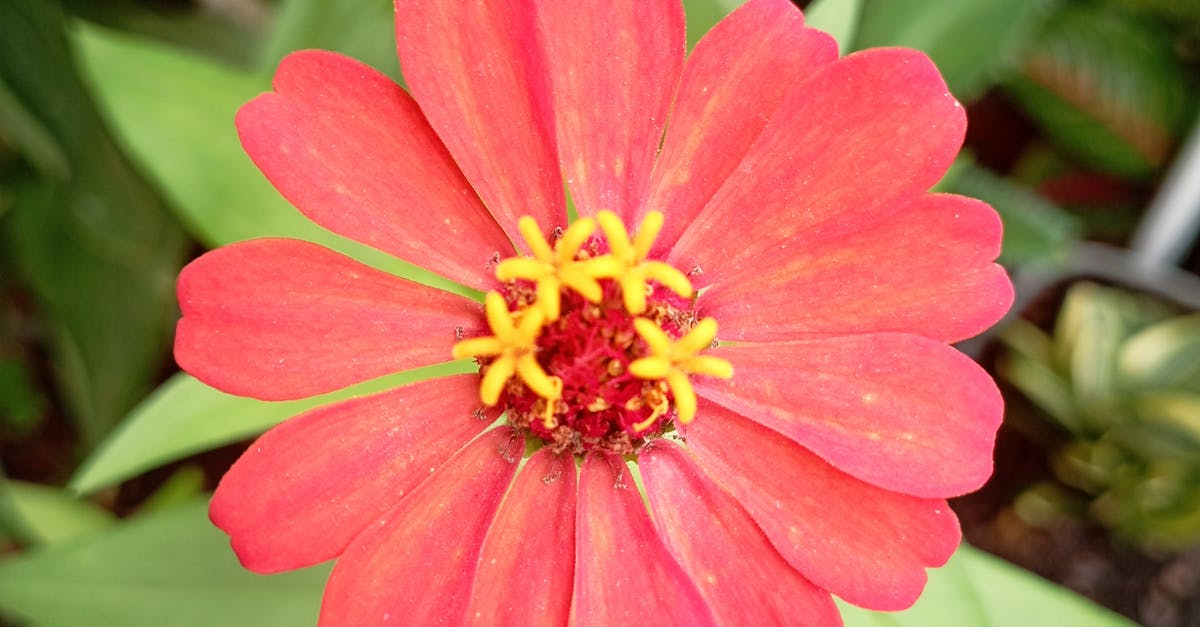
- Zinnias (Zinnia elegans): Easy to grow from seed, zinnias provide vibrant, long-lasting color and are fantastic for cutting.
- Cosmos (Cosmos bipinnatus): Delicate, daisy-like flowers that sway in the breeze, attracting pollinators.
- Marigolds (Tagetes): While some sources suggest mild irritation, marigolds are not listed as toxic to cats by the ASPCA. They are known for deterring pests and adding bright orange and yellow hues.
Herbs and Edibles
Many culinary herbs are not only safe for cats but can also be a delightful addition to your garden.
- Basil (Ocimum basilicum)
- Cilantro (Coriandrum sativum)
- Dill (Anethum graveolens)
- Parsley (Petroselinum crispum)
- Thyme (Thymus vulgaris)
- Rosemary (Rosmarinus officinalis)
Quick Reference: Cat-Friendly Zone 8 Plants
| Plant Name | Sun Exposure | Water Needs | Bloom Time | Attracts | Notes |
|---|---|---|---|---|---|
| Coneflower | Full Sun | Low to Medium | Summer-Fall | Bees, Butterflies | Drought-tolerant, various colors |
| Black-Eyed Susan | Full Sun | Low to Medium | Summer-Fall | Bees, Butterflies | Very hardy, long blooming |
| Bee Balm | Full Sun-Part | Medium | Summer | Bees, Butterflies, Hummingbirds | Native, can spread, fragrant |
| Coreopsis | Full Sun | Low | Summer-Fall | Bees, Butterflies | Drought-tolerant, long bloom time |
| Yarrow | Full Sun | Low | Summer | Bees, Butterflies | Drought-tolerant, deer-resistant |
| Blazing Star | Full Sun | Low to Medium | Summer | Butterflies, Bees | Striking vertical accent |
| Catmint | Full Sun | Low | Spring-Fall | Bees, Butterflies | Drought-tolerant, deer-resistant, long bloom, cats may be attracted |
| Salvia (Perennial) | Full Sun | Low to Medium | Spring-Fall | Hummingbirds, Bees | Drought-tolerant, diverse varieties |
| Snapdragons | Full Sun | Medium | Spring-Fall | Bees, Butterflies | Annual, vertical interest |
| Petunias | Full Sun | Medium | Spring-Fall | Hummingbirds | Annual, profuse blooms |
| Zinnias | Full Sun | Medium | Summer-Fall | Bees, Butterflies | Annual, great for cutting |
| Cosmos | Full Sun | Low to Medium | Summer-Fall | Bees, Butterflies | Annual, airy texture |
| Marigolds | Full Sun | Medium | Spring-Fall | Bees | Annual, pest deterrent |
| Basil, Thyme, etc. | Full Sun | Medium | Summer | N/A | Culinary herbs, fragrant |
Important Considerations for Pet Safety
Even with plants not listed as toxic, taking a few precautions is always a good idea:
- Observe Your Pet: Every cat is different. Some may ignore plants entirely, while others are avid chewers. Observe your cat's behavior in the garden.
- Provide Alternatives: Offer your cat their own "safe" plants to chew on, such as cat grass (oat, wheat, or barley grass) grown specifically for them. This can divert their attention from other garden plants.
- Supervise Outdoor Time: If your cat spends time outdoors, supervision can help prevent them from ingesting anything harmful, including plants that might not be in your garden but are in the neighborhood.
- Keep Fertilizers and Pesticides Out of Reach: Always store garden chemicals safely and follow application instructions carefully, ensuring pets are not exposed to treated areas until safe. Opt for organic or pet-friendly alternatives whenever possible.
- Know Your Plants: Before introducing any new plant to your garden, always double-check its toxicity status with a reliable source like the ASPCA.
If you suspect your pet has ingested a toxic plant, call the ASPCA Animal Poison Control Center immediately at (888) 426-4435.
By choosing from this list of cat-friendly plants, you can create a vibrant, thriving Zone 8 garden that you and your feline companions can safely enjoy together.
Ready to find the perfect plants for your yard? Try the PlantWise Plant Finder →