Cat-Safe Plants for Zone 9 Gardens
Creating a beautiful garden in USDA Hardiness Zone 9 doesn't mean you have to compromise on your feline friend's safety. Many vibrant, warm-climate plants are not listed as toxic to cats by the ASPCA, allowing you to cultivate a stunning landscape without worry. From drought-tolerant perennials to colorful annuals, Zone 9 offers a wealth of options for cat-friendly gardening. This guide will help you choose the best plants to ensure both your garden and your cat thrive.
Shop cat-friendly plant seed on Amazon
Echinacea purpurea and stonecrop Autumn Joy-type packs for Zone 9 beds. We may earn a commission at no extra cost to you.
Amazon · Echinacea purpurea seed packs Amazon · Stonecrop Autumn Joy-type seed
* Confirm ASPCA non-toxic status for the exact plant. Search mix is often seed packets; check format before buying.
🌱 Get Personalized Plant Picks
Answer a few quick questions and we’ll match plants to your exact yard conditions.
Find My Plants →Understanding Cat Safety in the Garden
As cat owners, we know our curious companions love to explore, and sometimes that exploration involves nibbling on plants. While many common garden plants are harmless, others can cause mild to severe health issues if ingested. It's crucial to prioritize plants that are not listed as toxic to cats by reputable sources like the ASPCA.
Even with "cat-safe" plants, moderation is key. Any plant material, if consumed in large quantities, can potentially cause an upset stomach. The goal is to minimize risk by selecting plants that won't cause serious harm if a little nibble happens. Always observe your cat's behavior and consult your veterinarian if you have any concerns.
If you suspect your pet has ingested a toxic plant, call the ASPCA Animal Poison Control Center immediately at (888) 426-4435.
Top Picks for Cat-Friendly Zone 9 Gardens
Zone 9 boasts a long growing season and warm temperatures, making it ideal for a diverse range of plants. Here are some fantastic options that are not listed as toxic to cats and thrive in this climate:
Perennial Powerhouses
Perennials return year after year, offering lasting beauty with less effort.
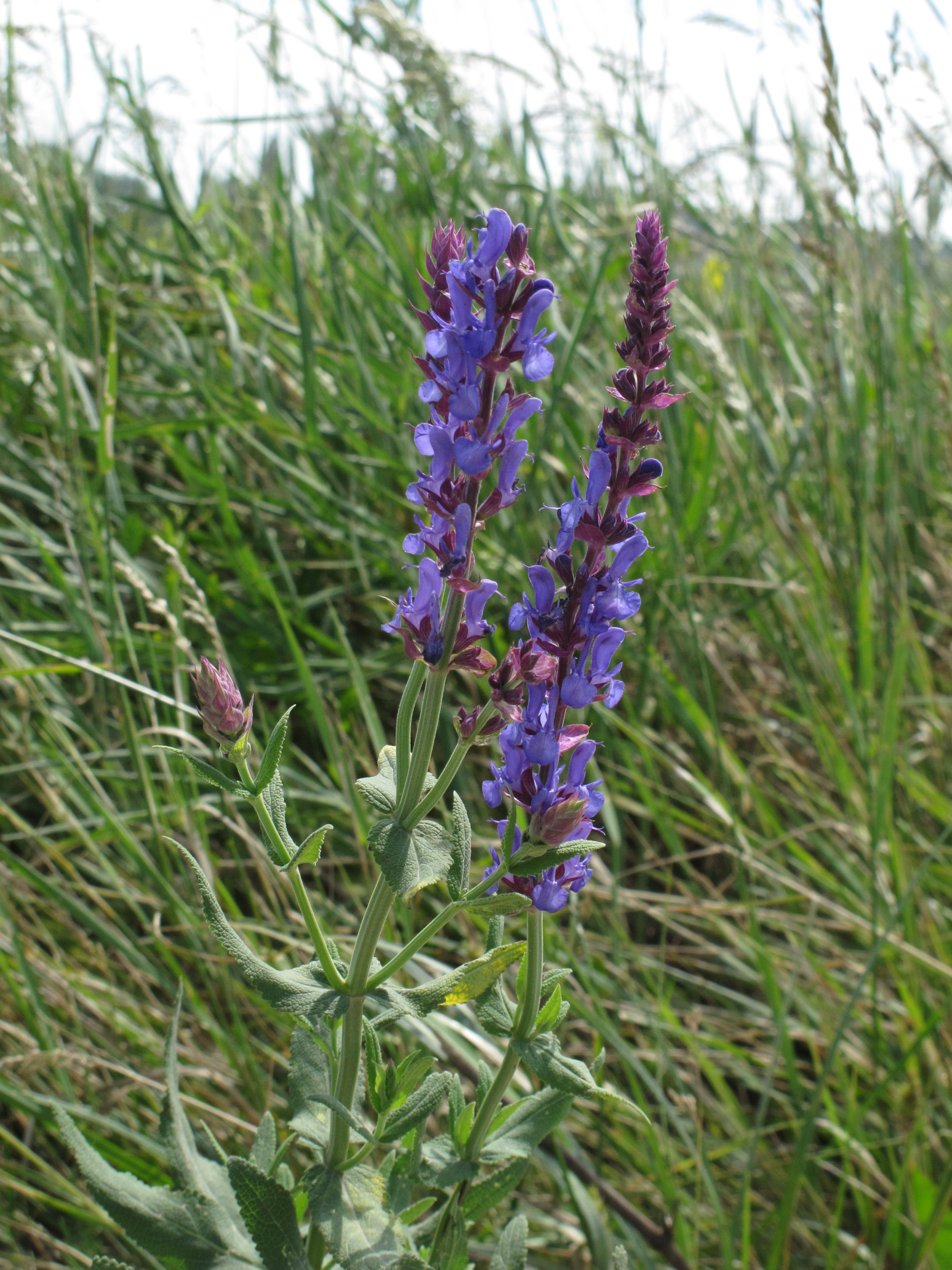
- Salvia (Salvia): Many varieties of Salvia, particularly the ornamental ones like Salvia leucantha (Mexican Bush Sage) or Salvia greggii (Autumn Sage), are excellent choices. They are drought-tolerant, attract pollinators, and come in a dazzling array of colors. Their aromatic foliage also tends to deter casual nibblers.
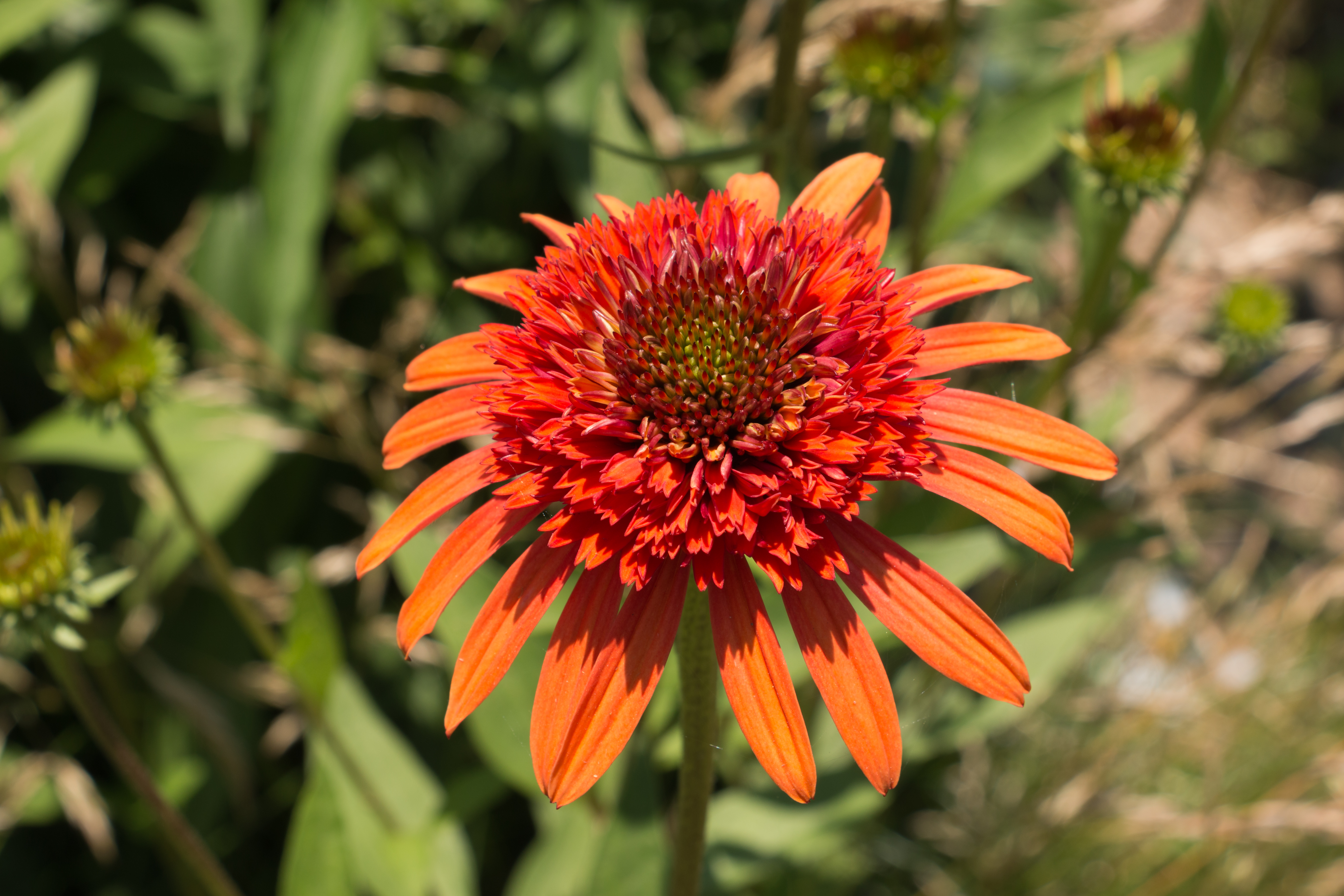
- Coneflower (Echinacea): These cheerful, daisy-like flowers are a staple in many gardens. They are incredibly hardy, drought-tolerant once established, and attract butterflies. Coneflowers bloom for a long period, providing continuous color through summer and fall.
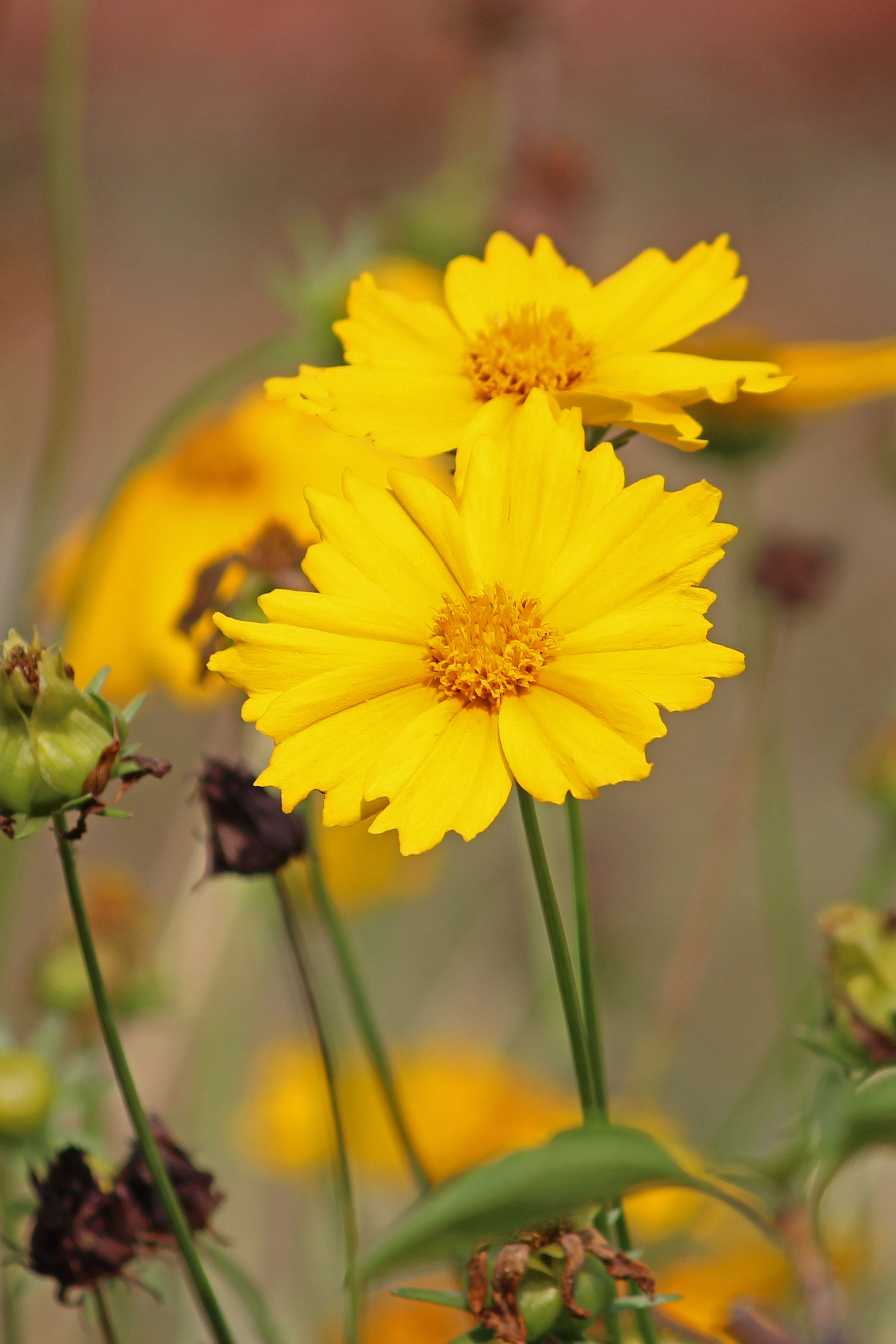
- Coreopsis (Tickseed): Known for their bright, long-lasting blooms, Coreopsis varieties are perfect for adding splashes of yellow, orange, or pink to your garden. They are generally low-maintenance and thrive in full sun, making them ideal for Zone 9.
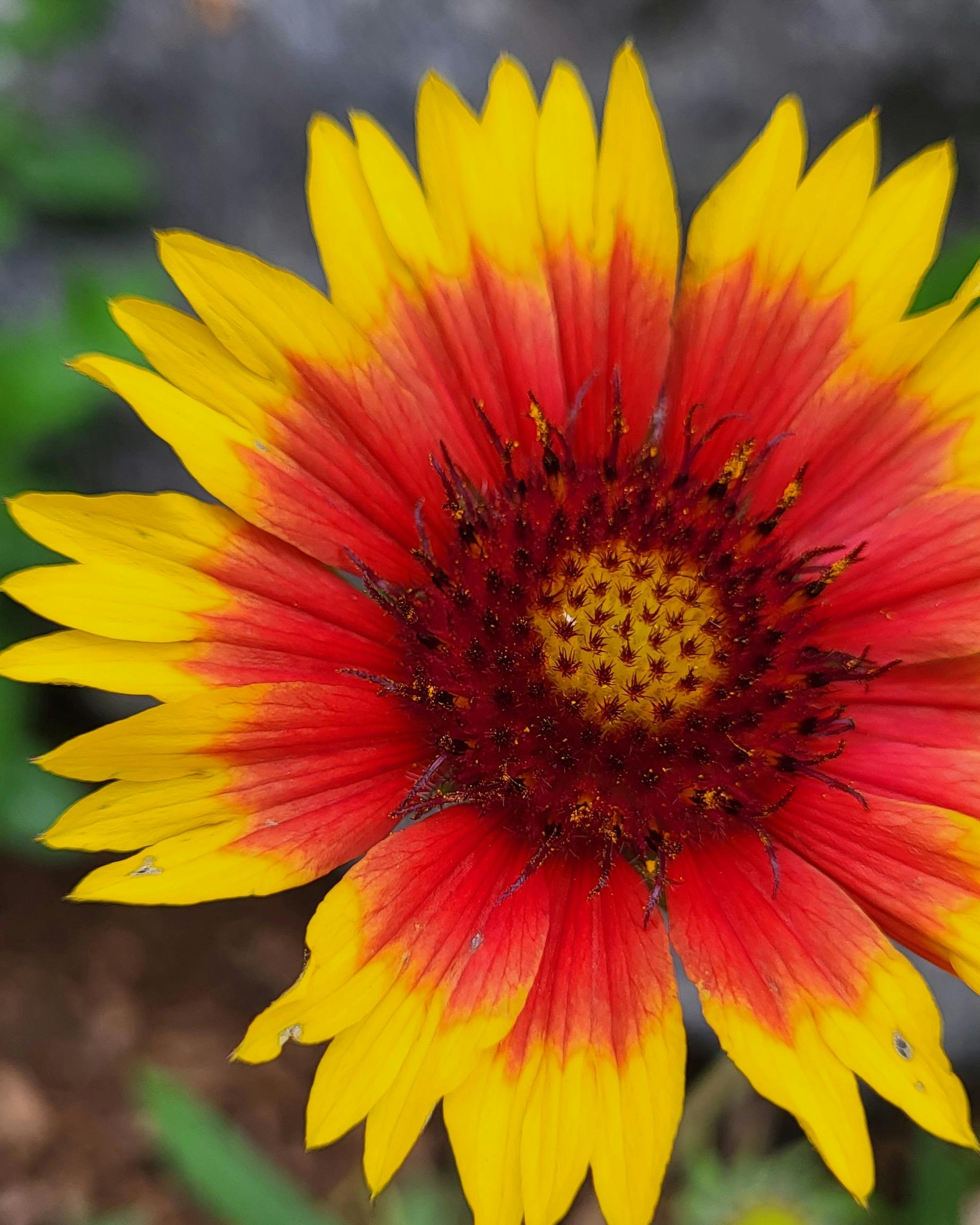
- Blanket Flower (Gaillardia): With their vibrant red and yellow daisy-like flowers, Blanket Flowers are tough, heat-loving perennials that bloom profusely from summer into fall. They are excellent for sunny, dry spots and attract beneficial insects.
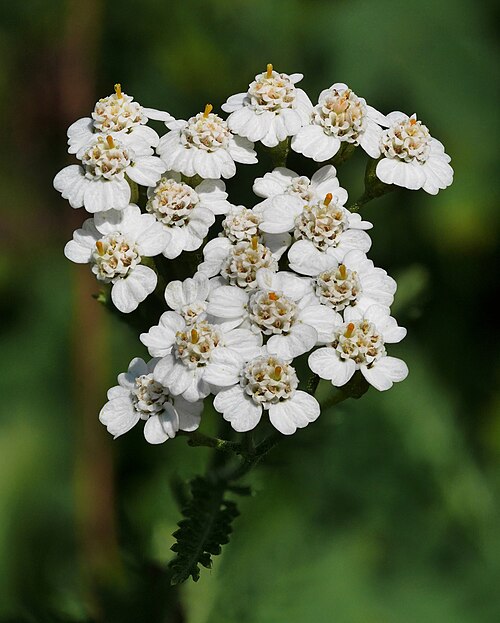
- Yarrow (Achillea): Yarrow offers feathery foliage and flat-topped clusters of flowers in shades of yellow, pink, red, and white. It's highly drought-tolerant, deer-resistant, and provides a lovely textural contrast in the garden.
Annuals for Continuous Color
Annuals provide season-long blooms and are perfect for filling in gaps or adding a pop of temporary color.
- Snapdragons (Antirrhinum majus): These charming, upright flowers come in almost every color imaginable and are great for cutting. They can often overwinter in milder Zone 9 climates or reseed themselves.
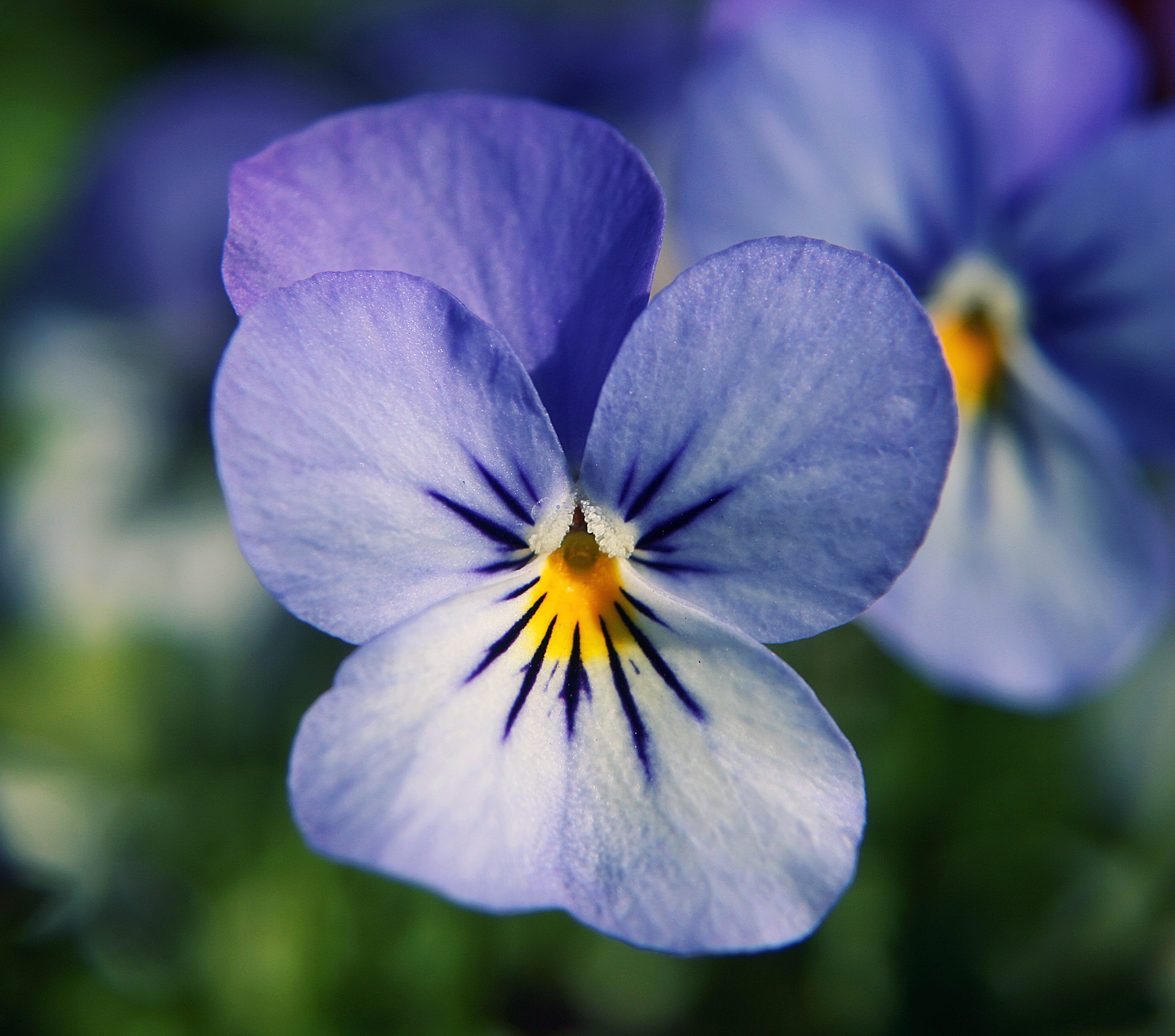
- Pansies and Violas (Viola x wittrockiana, Viola cornuta): Perfect for cooler parts of the Zone 9 growing season (fall through spring), these cheerful flowers add instant charm to beds and containers. They are incredibly resilient and come in a vast array of colors and patterns.
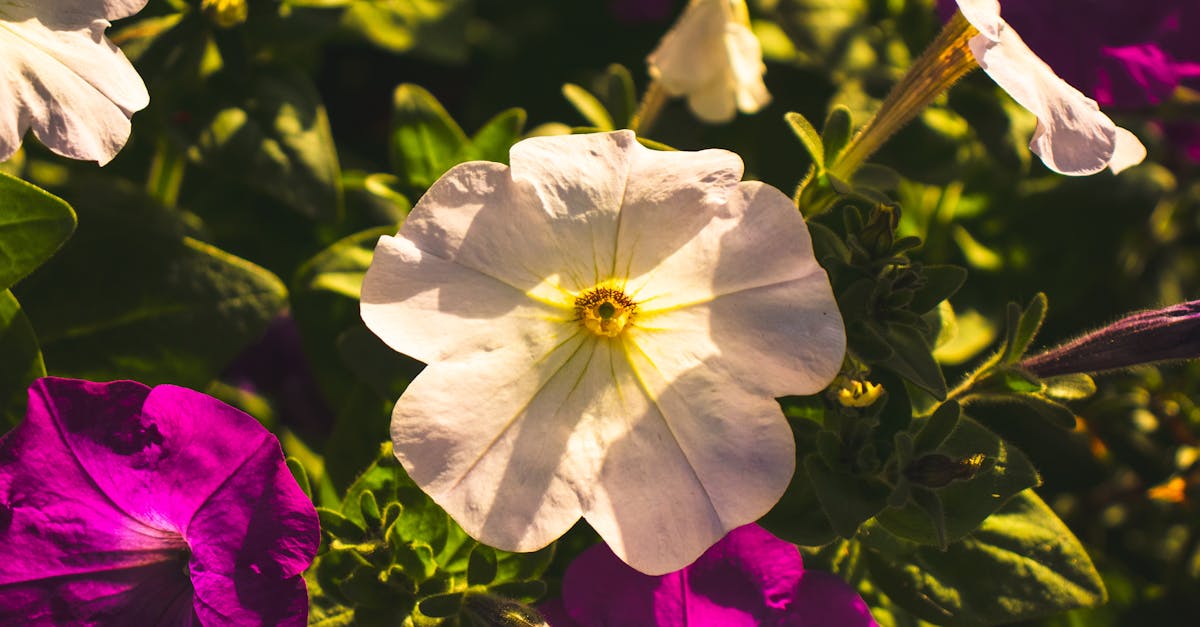
- Petunias (Petunia x hybrida): While some sources list petunias as mildly toxic, the ASPCA does not list them as toxic to cats. They are prolific bloomers, offering a cascade of color in hanging baskets, containers, and garden beds. Choose from a wide range of colors and forms.
- Impatiens (Impatiens walleriana, New Guinea Impatiens): For shady spots, Impatiens provide continuous color. New Guinea Impatiens are particularly robust and disease-resistant, thriving in Zone 9's warm, humid conditions.
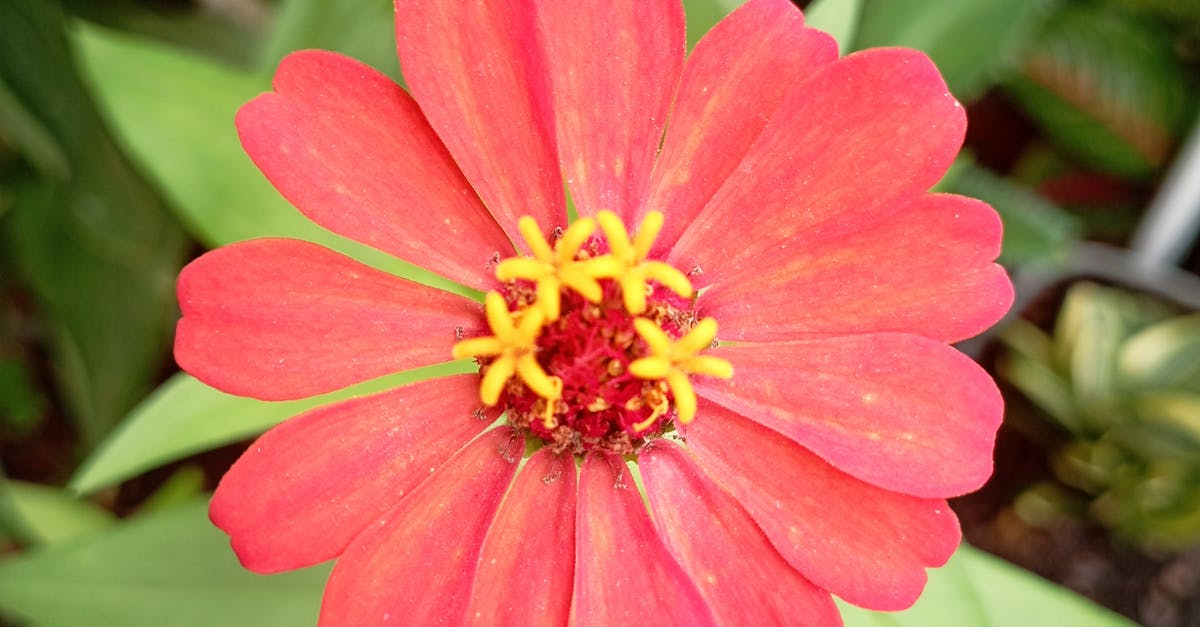
- Zinnias (Zinnia elegans): Easy to grow from seed, Zinnias are a favorite for their vibrant, long-lasting blooms and ability to attract butterflies. They thrive in full sun and hot weather.
Shrubs and Trees for Structure and Shade
Incorporating larger plants provides structure, shade, and year-round interest.
- Camellias (Camellia japonica, Camellia sasanqua): These evergreen shrubs offer stunning winter and spring blooms, providing color when little else is flowering. They prefer partial shade and acidic soil, making them perfect for under larger trees.
- Gardenia (Gardenia jasminoides): Famous for their incredibly fragrant white flowers and glossy evergreen foliage, Gardenias thrive in Zone 9 with proper care. They prefer partial shade and consistently moist, acidic soil.
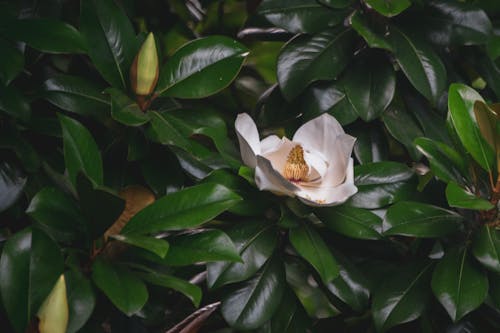
- Magnolia (Magnolia grandiflora): The Southern Magnolia is an iconic evergreen tree for Zone 9, with its large, fragrant white flowers and leathery leaves. Many other magnolia varieties are also suitable and not listed as toxic.
- Hibiscus (Hibiscus rosa-sinensis, Hibiscus syriacus): Tropical Hibiscus (Chinese Hibiscus) offers large, showy blooms in warm colors, while Rose of Sharon (Hardy Hibiscus) is a deciduous option. Both are popular in Zone 9 and not listed as toxic.
Quick Reference: Cat-Friendly Zone 9 Plants
| Plant Name | Type | Sun Needs | Water Needs | Features |
|---|---|---|---|---|
| Salvia | Perennial | Full Sun | Low-Medium | Drought-tolerant, attracts pollinators |
| Coneflower | Perennial | Full Sun | Low-Medium | Long blooming, attracts butterflies |
| Coreopsis | Perennial | Full Sun | Low | Bright, long-lasting blooms, low-maint. |
| Blanket Flower | Perennial | Full Sun | Low | Heat & drought tolerant, vibrant colors |
| Yarrow | Perennial | Full Sun | Low | Feathery foliage, varied flower colors |
| Snapdragon | Annual | Full Sun | Medium | Upright, colorful spikes, good for cutting |
| Pansy/Viola | Annual | Full-Part | Medium | Cool season color, cheerful |
| Petunia | Annual | Full Sun | Medium | Prolific bloomer, great for containers |
| Zinnia | Annual | Full Sun | Medium | Easy from seed, attracts butterflies |
| Camellia | Shrub | Part Shade | Medium | Winter/spring blooms, evergreen |
| Gardenia | Shrub | Part Shade | Medium | Fragrant white flowers, glossy foliage |
| Magnolia | Tree | Full-Part | Medium | Iconic, large fragrant flowers |
| Hibiscus | Shrub/Tree | Full Sun | Medium | Large, showy tropical blooms |
Designing Your Cat-Friendly Zone 9 Garden
When planning your garden, consider a few key aspects to ensure both beauty and safety:
- Placement Matters: While you're choosing non-toxic plants, it's still wise to place plants that are particularly attractive to cats (like ornamental grasses) in areas where you can supervise their interactions or where they won't be easily trampled.
- Provide Alternatives: Offer your cat safe, dedicated plants to chew on, such as catnip (Nepeta cataria) or cat grass (sprouted oats, wheat, or barley). This can redirect their attention from other garden plants.
- Check Labels: Always double-check plant labels when purchasing. Sometimes common names can be misleading, and different varieties within a genus might have different toxicity levels. When in doubt, err on the side of caution.
- Mulch Wisely: Use organic mulches like shredded bark or compost. Avoid cocoa bean mulch, which contains theobromine and is toxic to pets.
- Pesticide Awareness: Be mindful of any pesticides, herbicides, or fertilizers you use. Opt for organic, pet-safe alternatives whenever possible, and always follow application instructions carefully, keeping pets away from treated areas until safe.
Creating a vibrant and safe garden in Zone 9 for your feline companion is entirely achievable. By selecting plants not listed as toxic and being mindful of your garden practices, you can enjoy a beautiful outdoor space that both you and your cat will love.
Ready to find the perfect plants for your yard? Try the PlantWise Plant Finder →