Deer Ate My Garden Overnight: What to Do Now
Waking up to a garden ravaged by deer is incredibly disheartening. One day your plants are thriving, the next they're nibbled down to nubs or completely gone. If deer ate your garden overnight, the first thing to do is assess the damage to understand which plants were targeted and how severely. Next, clean up any remaining plant debris to prevent disease and encourage new growth if possible. Then, implement immediate, temporary deterrents while you plan long-term prevention strategies. Don't despair - with a clear plan, you can protect your garden from future deer visits.
Deer are beautiful creatures, but their appetites can be a gardener's worst nightmare. They are browsers, meaning they prefer to eat the tender shoots, leaves, and flowers of many plants. A single deer can consume several pounds of vegetation in a day, and a herd can decimate a garden in a matter of hours. Understanding their habits and preferences is key to protecting your horticultural efforts.
🌱 Get Personalized Plant Picks
Answer a few quick questions and we’ll match plants to your exact yard conditions.
Find My Plants →Assessing the Damage and Salvaging What You Can
The sight of a ravaged garden can be shocking, but take a deep breath and start by assessing the situation.
- Identify the Culprit: Deer typically leave clean, jagged cuts on stems and leaves because they lack upper incisors and tear foliage rather than biting it cleanly. Rabbits, on the other hand, leave clean, angled cuts. If you see hoof prints (two dewclaws usually show behind the two main hooves), it's definitely deer.
- Evaluate Plant Health:
- Annuals: Many annuals, especially those eaten down to the ground, may not recover. If there's still a healthy stem and some leaves, they might bounce back with proper care.
- Perennials: Perennials often have a better chance. If the crown (the base of the plant where stems meet roots) is intact, many will regrow. Cut back any severely damaged stems to just above a healthy leaf node or to the ground if the damage is extensive.
- Shrubs/Trees: Young trees and shrubs are particularly vulnerable. Check for bark damage, which can be more serious than leaf loss. Prune any broken branches cleanly.
- Clean Up: Remove all damaged plant material. This not only makes your garden look tidier but also helps prevent diseases from entering stressed plants through open wounds.
- Provide Aftercare: Water your stressed plants thoroughly. Consider a light application of a balanced, slow-release fertilizer to encourage new growth, but avoid over-fertilizing, which can stress them further.
Immediate, Temporary Deterrents
While you plan your long-term strategy, you need to act fast to prevent a repeat performance tonight.
- Scent-Based Repellents: Deer have a strong sense of smell. Apply commercial deer repellents (often containing putrescent egg solids, garlic, or capsaicin) directly to plants or around the garden perimeter. Reapply after rain. You can also try homemade remedies like bars of strong-smelling soap hung from stakes, human hair, or garlic sprays, though their effectiveness can vary.
- Visual Deterrents: Reflective tape, old CDs, or even scarecrows can startle deer, but they often get used to these quickly.
- Noise Deterrents: Radios playing talk radio or motion-activated sprinklers can be effective in the short term, but again, deer are adaptable.
- Physical Barriers (Temporary): If you have bird netting, chicken wire, or even old sheets, you can drape them over highly valued plants overnight. This is a quick fix for small areas.
Long-Term Deer Prevention Strategies
No plant is truly deer-proof, and no single deterrent is 100% effective, but a multi-pronged approach significantly increases your chances of success.
1. Fencing: The Most Effective Barrier
A physical barrier is the most reliable way to keep deer out.
- Height: Deer can jump surprisingly high, so fences need to be at least 7-8 feet tall to be truly effective.
- Angle: An angled fence (leaning outwards at a 45-degree angle) can confuse deer and make them less likely to jump, even at a slightly lower height.
- Electric Fencing: A single or double strand of electric fence can also be very effective, especially if baited with peanut butter on aluminum foil strips to encourage deer to touch it with their noses.
2. Deer-Resistant Plant Selection
While no plant is 100% deer-proof, some are less palatable to them. Deer tend to avoid plants with fuzzy, thorny, aromatic, or toxic foliage.
Quick Reference: Deer-Resistant Plant Characteristics
| Characteristic | Examples (Deer Tend to Avoid) |
|---|---|
| Fuzzy/Hairy | Lamb's Ear, Stachys, Pussy Willow |
| Thorny/Spiny | Roses (though they'll eat buds!), Barberry |
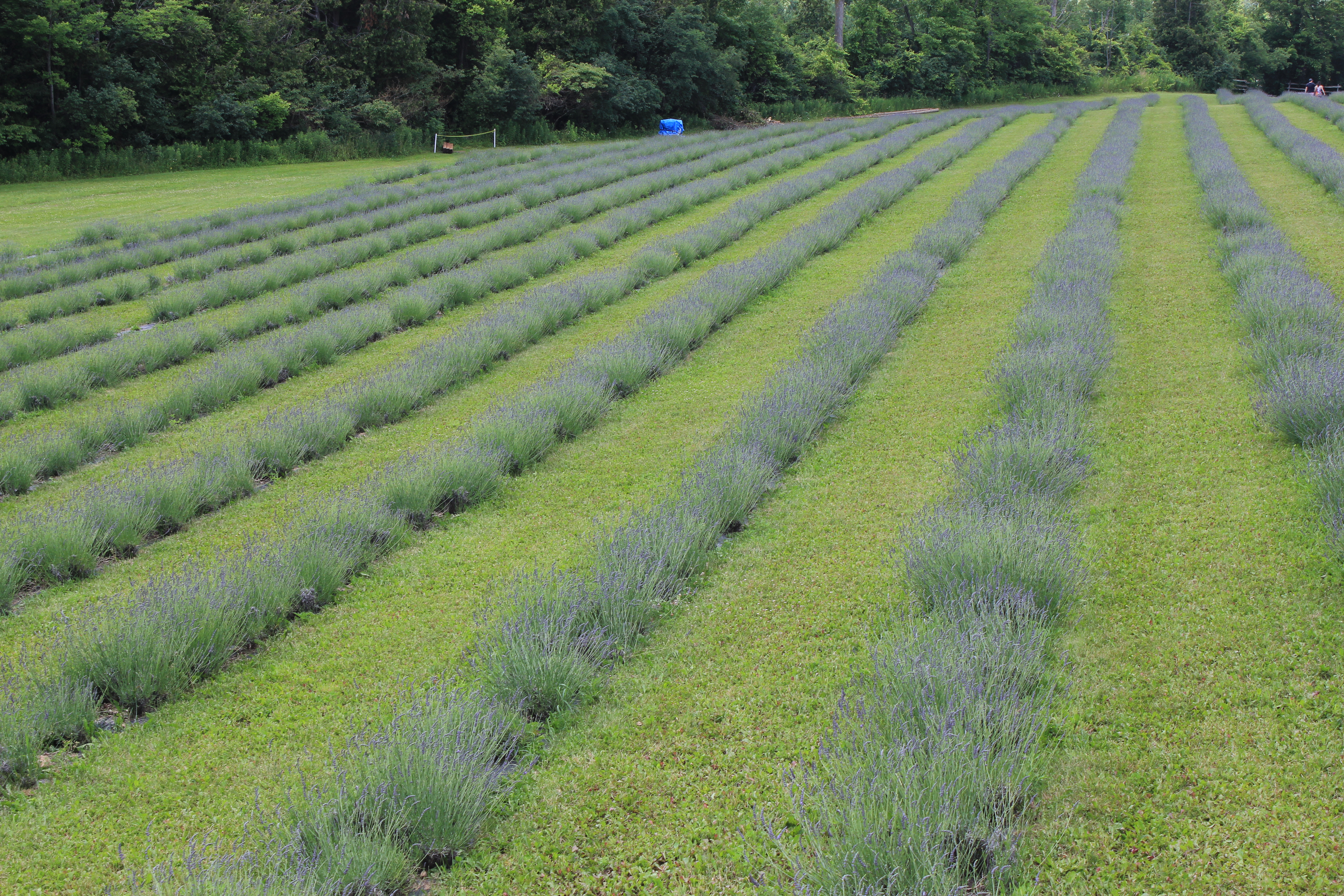
| Aromatic | Lavender, Rosemary, Mint, Sage, Catmint |
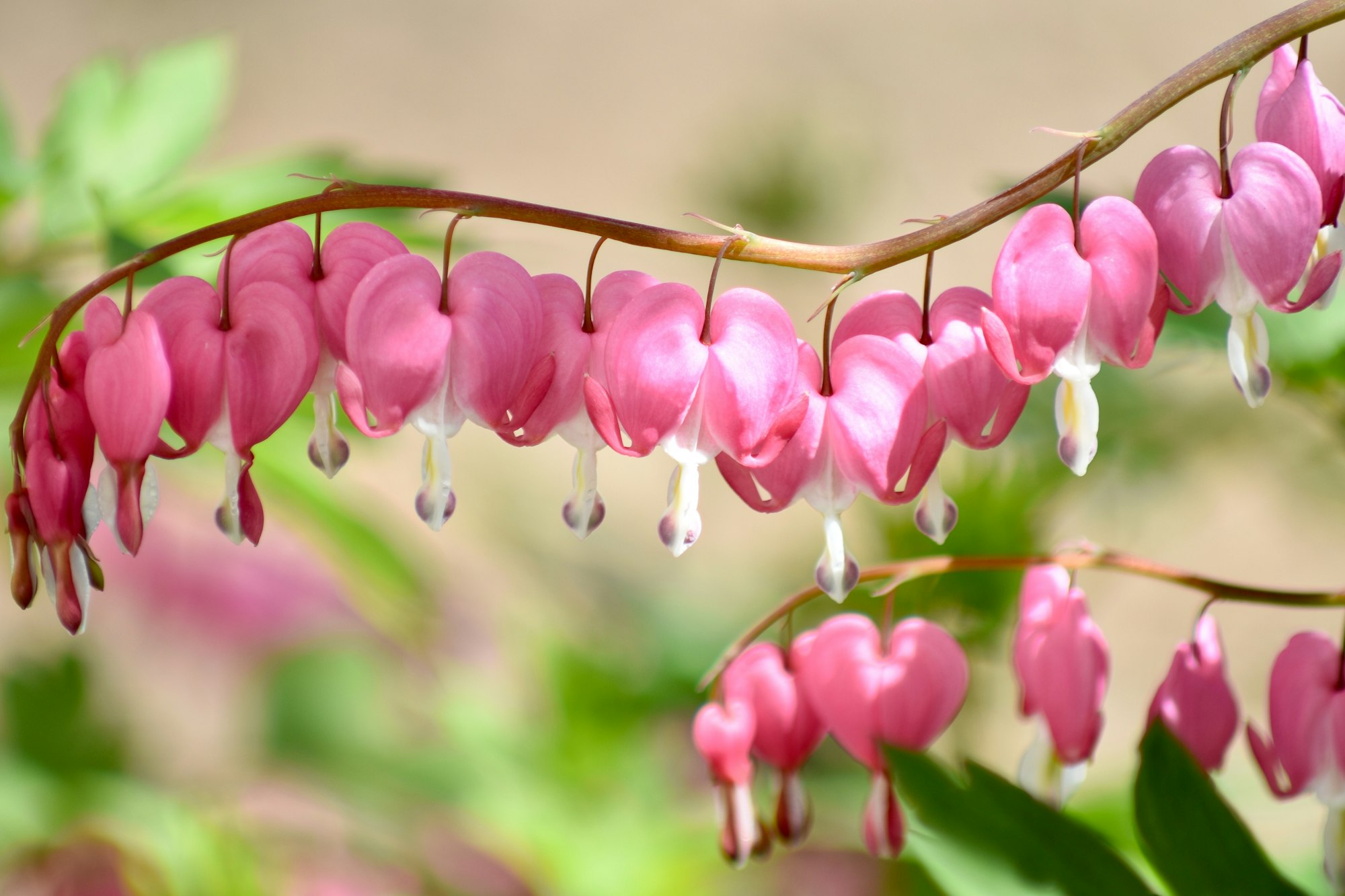
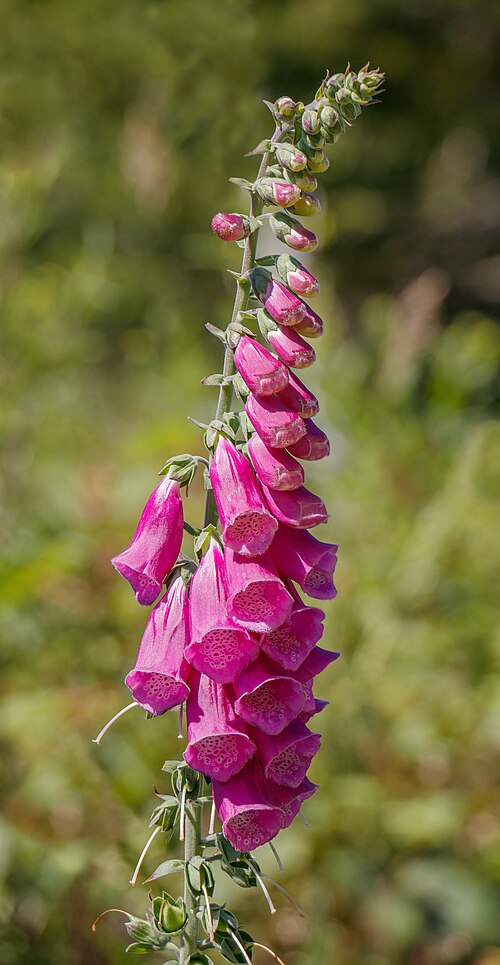
| Toxic/Bitter | Daffodils, Foxglove, Bleeding Heart, Poppy |
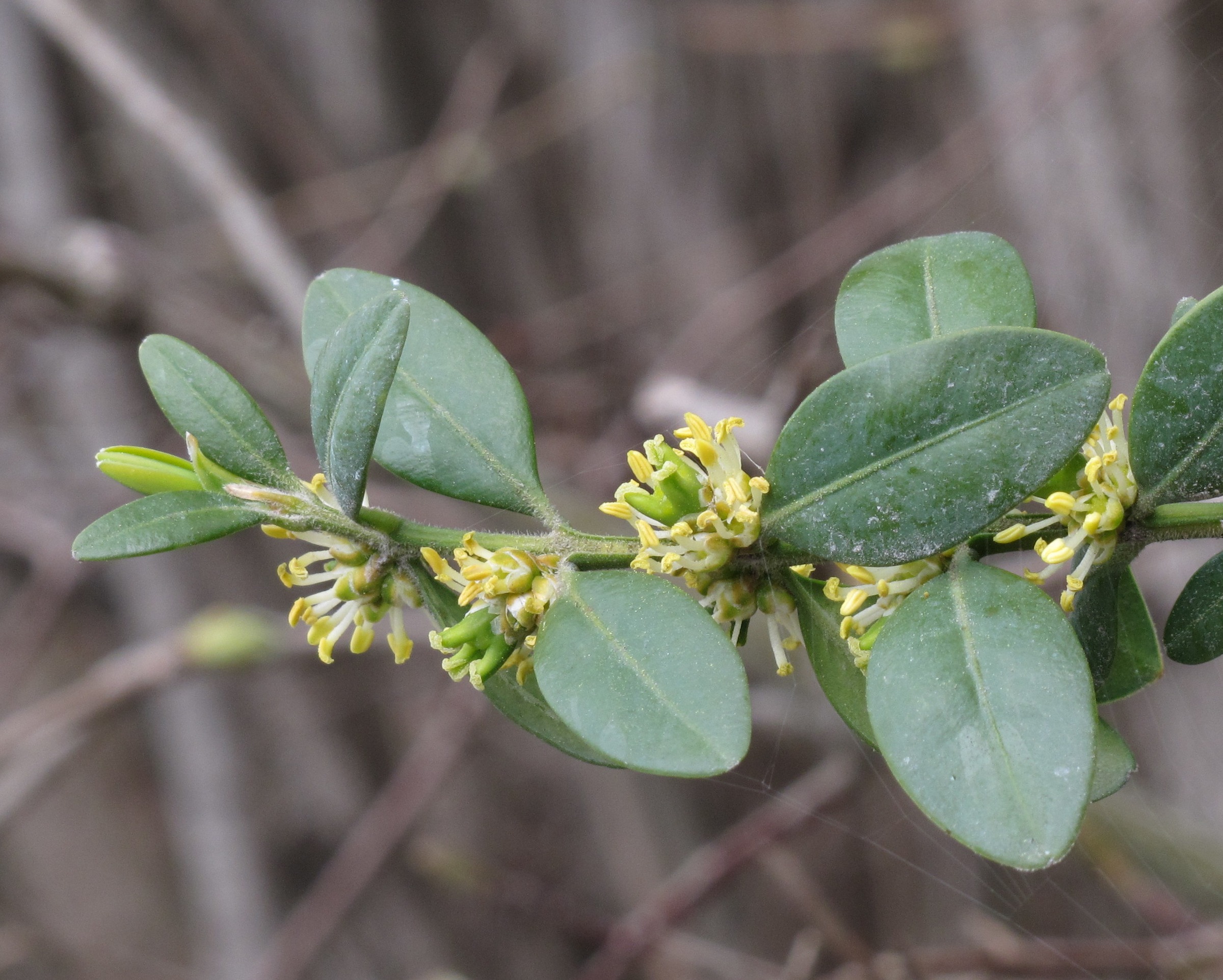
| Tough/Leathery | Boxwood, Peony |
Here are some popular garden plants that are generally considered deer-resistant:
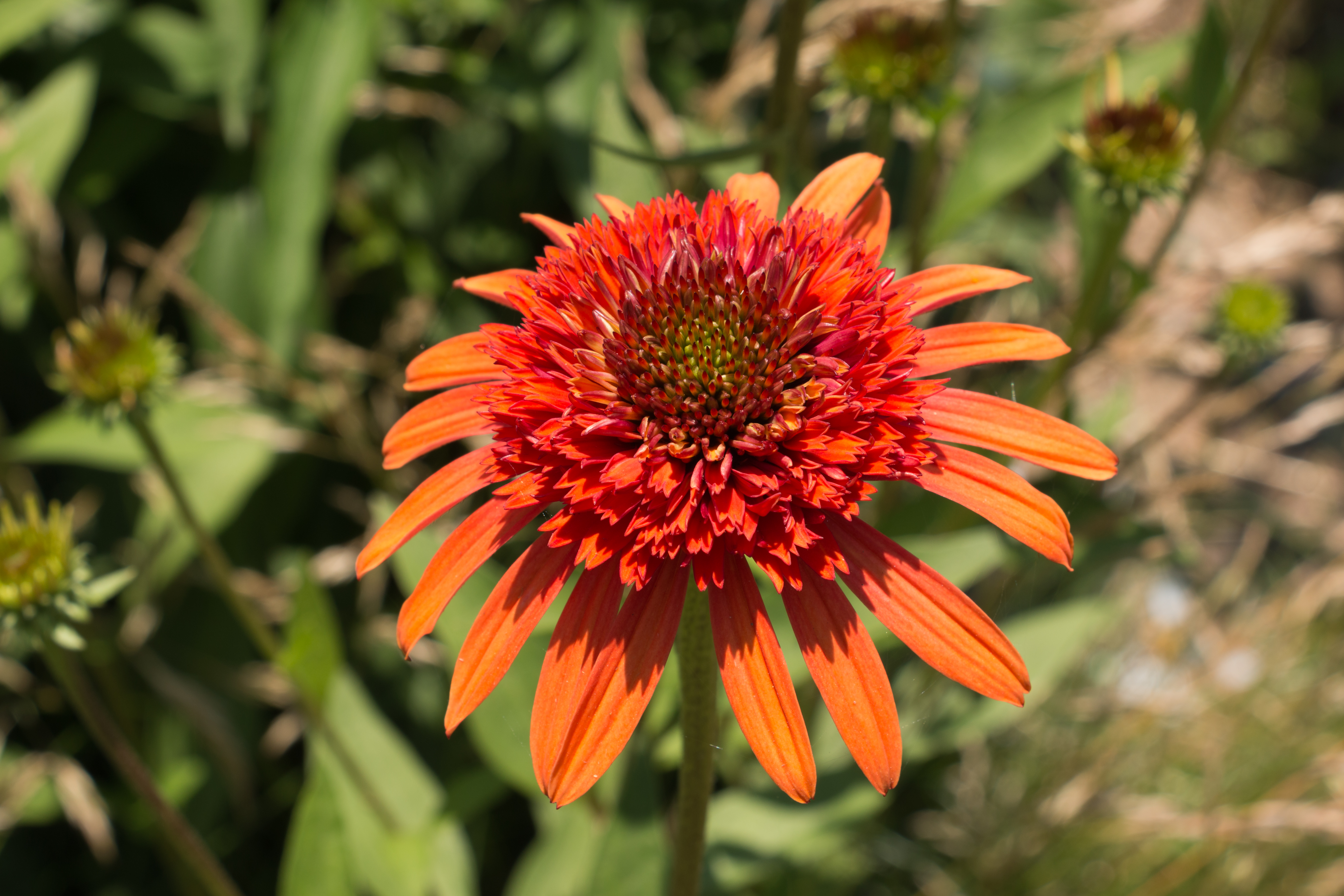
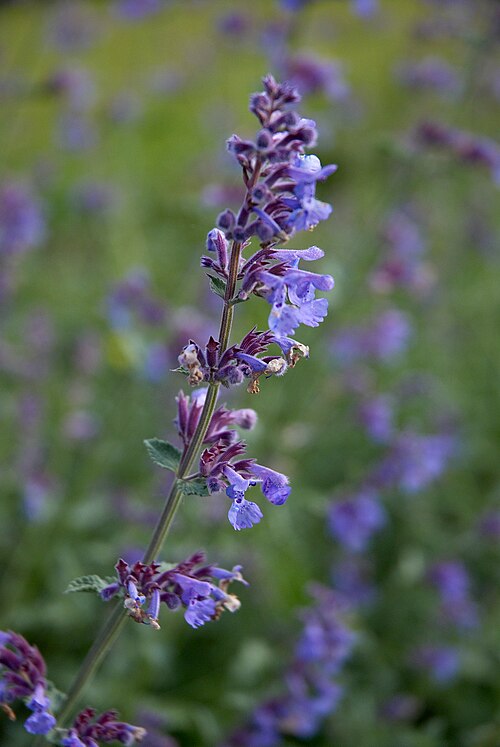
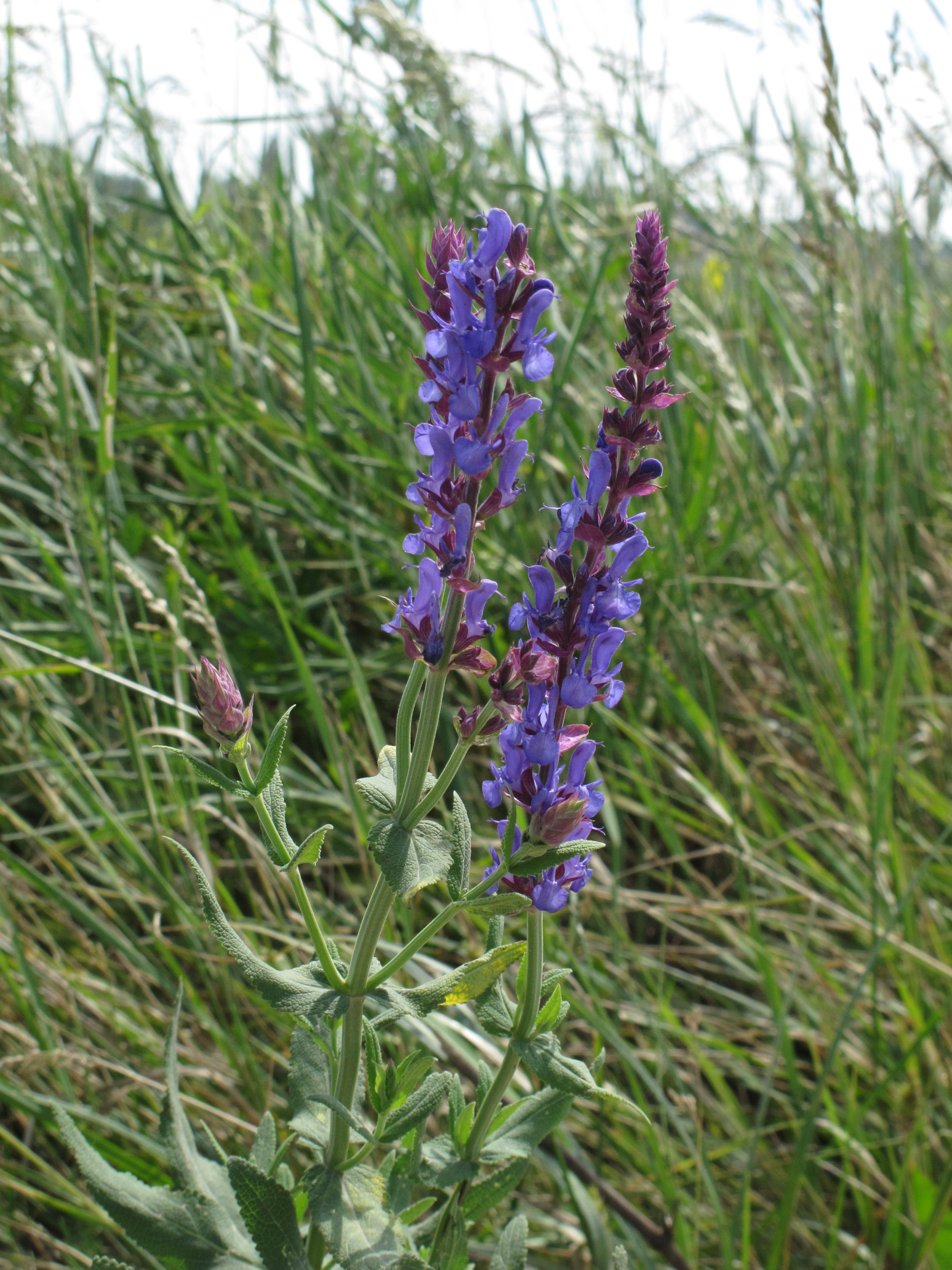
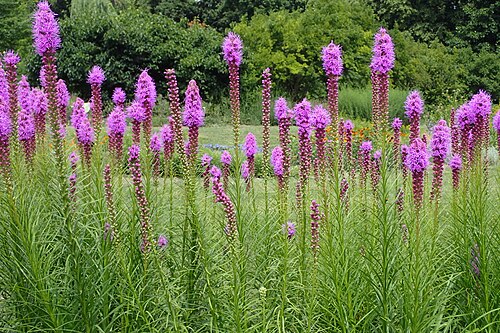
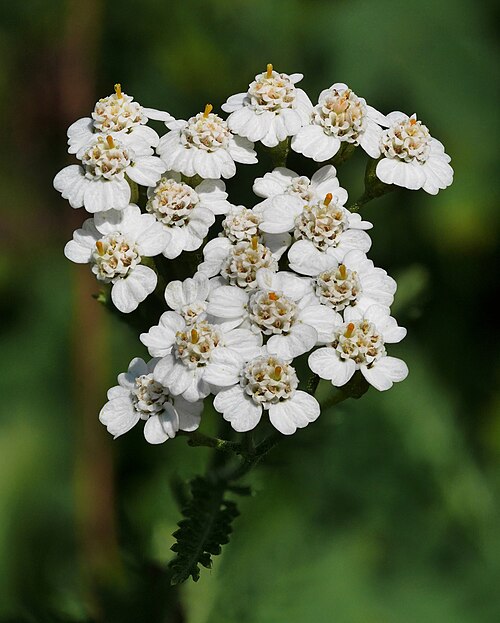
Salvia Coneflower Catmint Yarrow Blazing Star
3. Repellents (Ongoing Application)
For long-term use, commercial repellents that contain putrescent egg solids (like Liquid Fence or Deer Out) are often the most effective. They work by smell and taste.
- Rotation: Deer can get used to repellents, so it's a good idea to rotate between two or three different types to keep them guessing.
- Consistency: Apply regularly, especially after rain or new growth emerges.
- Coverage: Ensure you cover all vulnerable plants thoroughly.
4. Strategic Planting and Garden Design
- Perimeter Planting: Place highly deer-resistant plants around the perimeter of your garden to create a natural barrier.
- Camouflage: If you have a highly desirable plant, try planting it among less appealing, fragrant plants.
- Raised Beds/Containers: While not foolproof, planting in raised beds or containers can make some plants less accessible, especially if the containers are placed on a patio or deck.
5. Habitat Modification
- Remove Attractants: Don't leave fallen fruit or vegetables on the ground.
- Water Sources: If possible, remove or obscure standing water sources that might attract deer.
- Pet Presence: A dog that spends time outdoors can often deter deer, as they perceive dogs as predators.
Quick Reference: Deer Damage Checklist
| Action | Immediate (Tonight) | Long-Term (Ongoing) |
|---|---|---|
| Assess Damage | Identify deer vs. other pests, evaluate plant health. | N/A |
| Plant Care | Clean up debris, water stressed plants, light fertilizer. | N/A |
| Temporary Deterrents | Scent repellents, visual deterrents, temporary netting. | N/A |
| Permanent Barriers | N/A | Install 7-8 ft fence, electric fence. |
| Plant Selection | N/A | Choose deer-resistant varieties. |
| Repellents | Apply commercial or homemade. | Consistent application, rotate types. |
| Garden Design | N/A | Perimeter planting, strategic placement. |
| Habitat Modification | N/A | Remove fallen fruit, consider dog presence. |
Patience and Persistence
Dealing with deer in the garden requires patience and persistence. What works for one gardener might not work for another, as deer habits can vary by region and even by individual animals. Don't get discouraged if your first attempt isn't 100% successful. Keep experimenting with different strategies, combine methods, and observe your local deer population to learn their patterns. With a proactive approach, you can reclaim your garden and enjoy its beauty without constant worry.
Ready to find the perfect plants for your yard? Try the PlantWise Plant Finder →