Best Deer-Resistant Annuals for Zone 5
For gardeners in USDA Zone 5, finding annuals that provide season-long color without becoming a deer's favorite snack can be a challenge. The good news is that many beautiful and vibrant annuals are consistently overlooked by deer, allowing you to enjoy a stunning display from spring until the first hard frost. Top deer-resistant annuals for Zone 5 include plants with strong scents, fuzzy or spiky textures, or those known to be unpalatable to deer, such as Lantana, Marigolds, Salvia, Dusty Miller, and Nicotiana. These tough plants thrive in Zone 5's varied climate and offer a wide range of colors and forms for your garden beds and containers.
Deer can be a persistent nuisance, turning a meticulously planned garden into an all-you-can-eat buffet. While no plant is truly deer-proof - a hungry deer will eat almost anything - some plants are significantly less appealing to them. When it comes to annuals, this means you can enjoy a fresh, vibrant display each year without the constant worry of your plants being munched down to the ground. For Zone 5 gardeners, selecting annuals that can handle both the cooler spring and fall temperatures, as well as the summer heat, is key.
🌱 Get Personalized Plant Picks
Answer a few quick questions and we’ll match plants to your exact yard conditions.
Find My Plants →What Makes an Annual Deer-Resistant?
Deer are selective browsers, and they tend to avoid plants with certain characteristics. Understanding these traits can help you choose the best annuals for your deer-prone garden:
- Strong Scents: Many deer-resistant plants emit strong aromas that deer find unpleasant. Think of herbs like rosemary or plants with pungent foliage like marigolds.
- Fuzzy or Hairy Leaves: Plants with a fuzzy, woolly, or spiky texture are often less palatable to deer. They don't enjoy the sensation in their mouths. Dusty Miller is a classic example.
- Bitter Taste: Some plants simply taste bad to deer, even if they don't have an obvious scent or texture.
- Toxic Properties: While we don't recommend planting highly toxic plants indiscriminately, some plants contain compounds that are mildly irritating or unpalatable to deer, causing them to steer clear.
By incorporating annuals with these features, you can create a garden that's beautiful to you but unappetizing to deer.
Which Annuals Provide the Best Deer Resistance in Zone 5?
Here's a curated list of fantastic deer-resistant annuals that thrive in Zone 5, offering a diverse palette of colors, textures, and forms:
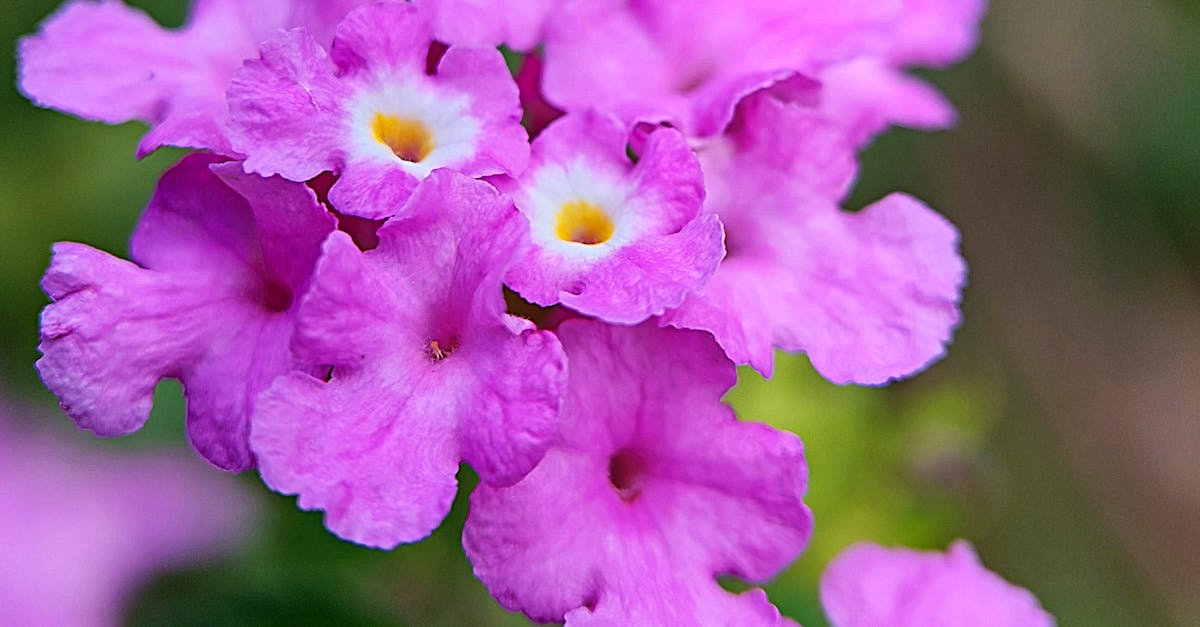
- Lantana (Lantana): A superstar for hot, sunny spots, Lantana offers clusters of vibrant, multi-colored flowers that change hue as they mature. Its slightly rough, aromatic foliage is a major turn-off for deer. It's also a magnet for butterflies and hummingbirds! Available in mounding and trailing varieties, perfect for containers or groundcover.
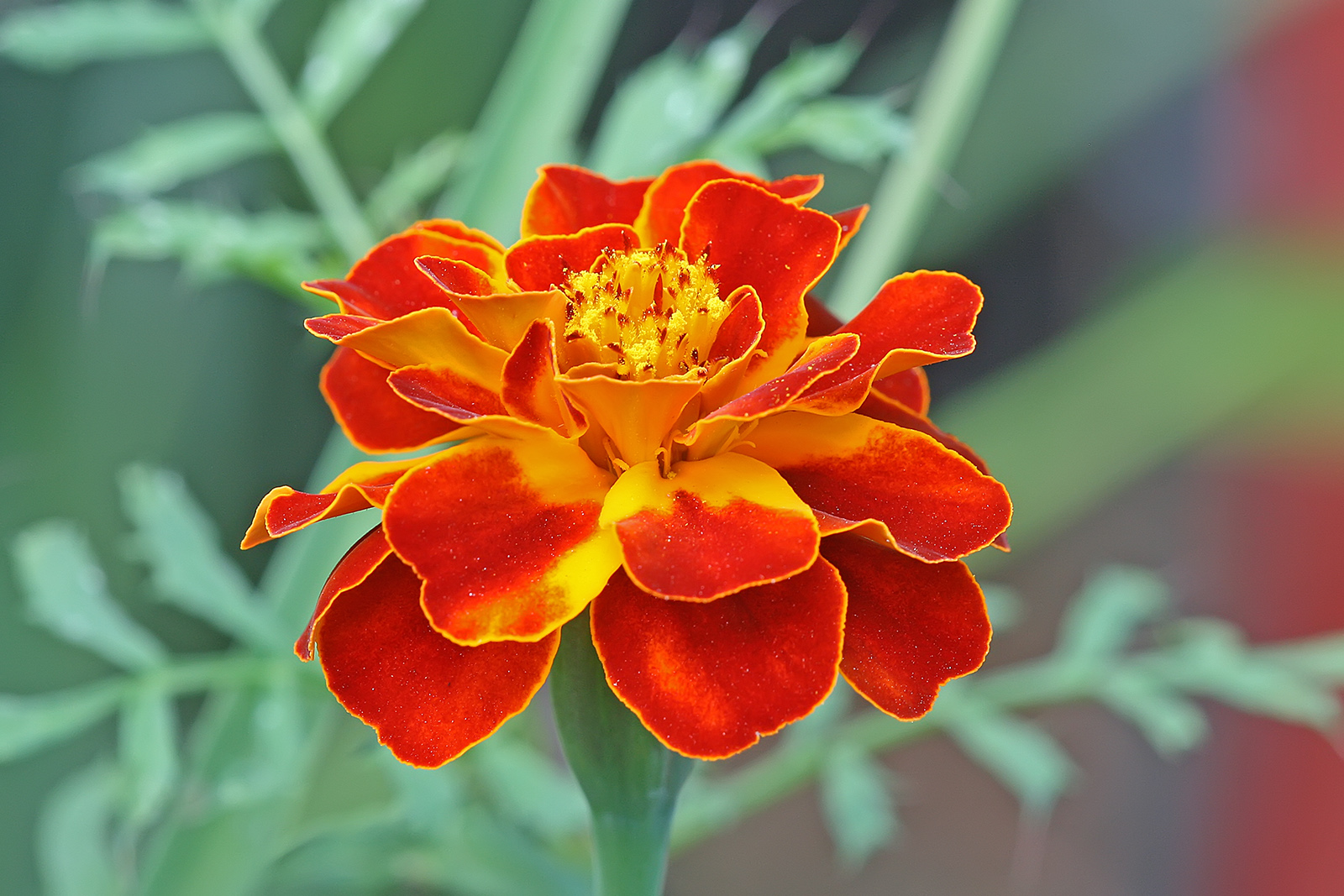
- Marigolds (Tagetes spp.): The classic garden annual, Marigolds are renowned for their strong, pungent scent that deer absolutely detest. Available in a wide array of yellows, oranges, and reds, they are incredibly easy to grow and reliable bloomers all season long.
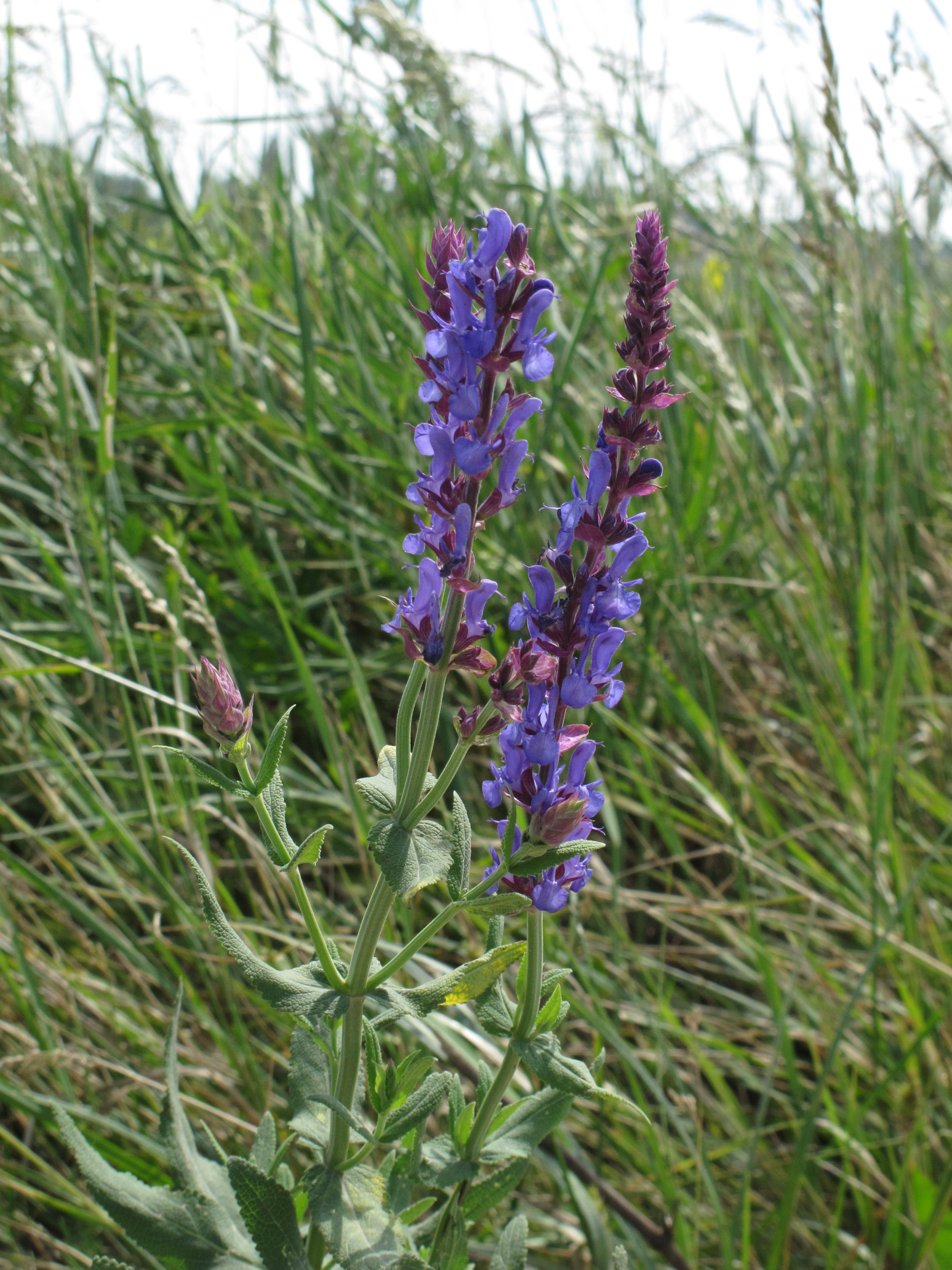
- Salvia (Salvia): While many salvias are perennials, several annual varieties (like Salvia splendens and Salvia farinacea) are excellent choices. They boast spires of blue, purple, red, or white flowers that are highly attractive to pollinators but ignored by deer. Their aromatic foliage is the key deterrent.
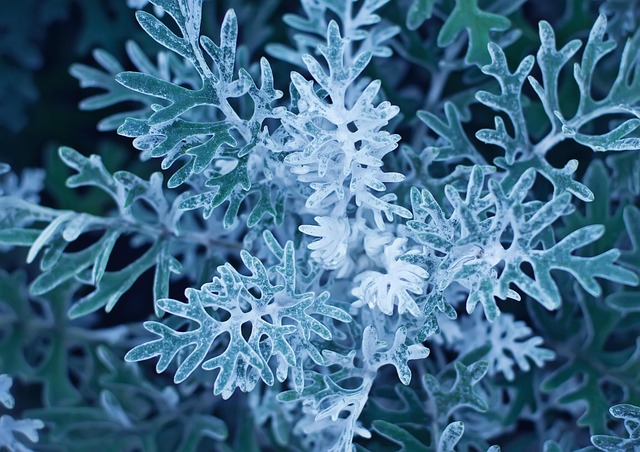
- Dusty Miller (Senecio cineraria): Valued more for its striking silvery-white, felt-like foliage than its flowers, Dusty Miller provides a wonderful textural contrast in any planting. Its fuzzy leaves are a primary reason deer leave it alone. It's incredibly drought-tolerant once established.
- Nicotiana (Flowering Tobacco): Related to tobacco, many Nicotiana varieties have a strong, sticky, and often aromatic foliage that deer avoid. They produce trumpet-shaped flowers, often fragrant, in shades of white, pink, lime green, or red, blooming from dusk into the night.
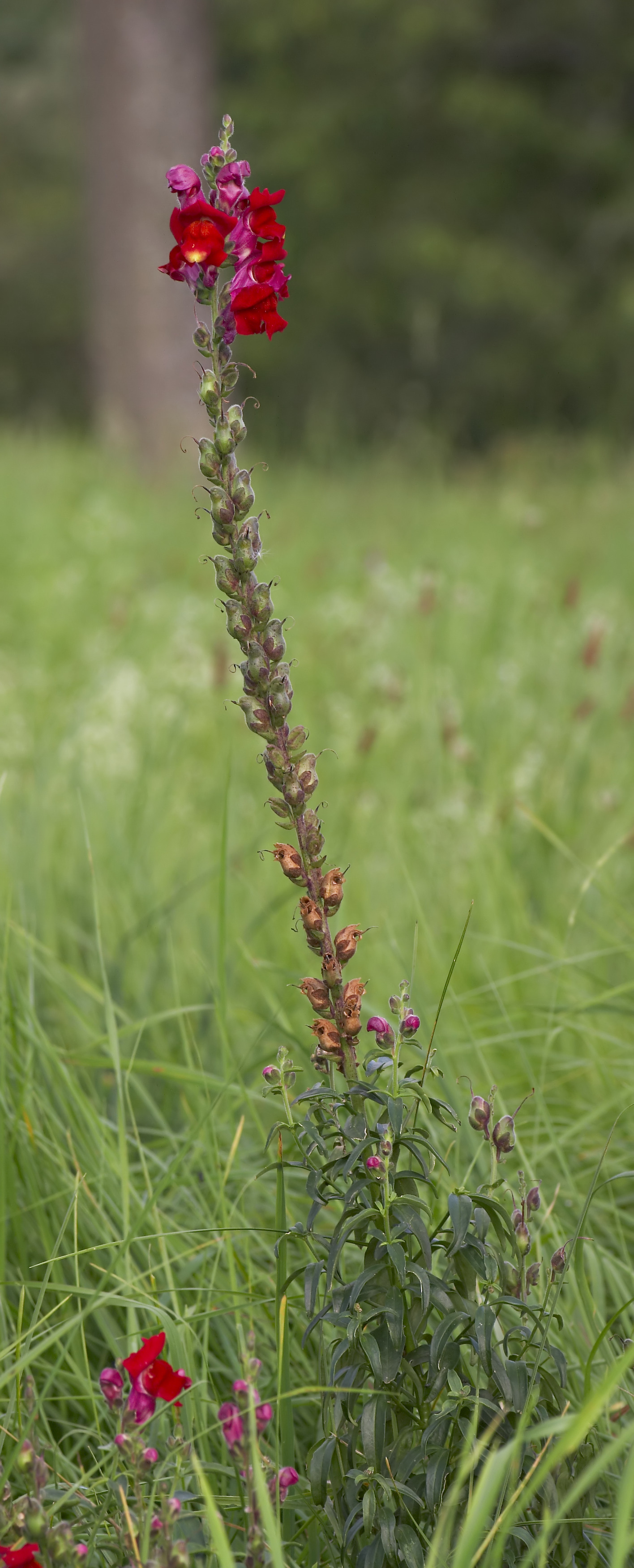
- Snapdragons (Antirrhinum majus): These charming annuals offer vertical interest with their tall spikes of uniquely shaped flowers. Deer tend to avoid them due to their slightly bitter taste and somewhat hairy foliage. They come in almost every color imaginable.
- Ageratum (Floss Flower): With fluffy, button-like flowers in shades of blue, purple, pink, and white, Ageratum is a continuous bloomer. Its slightly fuzzy leaves and mild scent make it unappealing to deer.
- Cleome (Spider Flower): Tall and airy with dramatic, spidery blooms, Cleome adds a unique architectural element to the garden. Its sticky, somewhat thorny stems and pungent foliage deter deer. It's also a self-seeder, often returning year after year.
- Vinca (Catharanthus roseus, Madagascar Periwinkle): Not to be confused with the perennial groundcover Vinca minor, this annual Vinca is a heat-loving, drought-tolerant plant with glossy green leaves and simple, five-petaled flowers in shades of pink, white, and purple. Deer find its taste unpalatable.
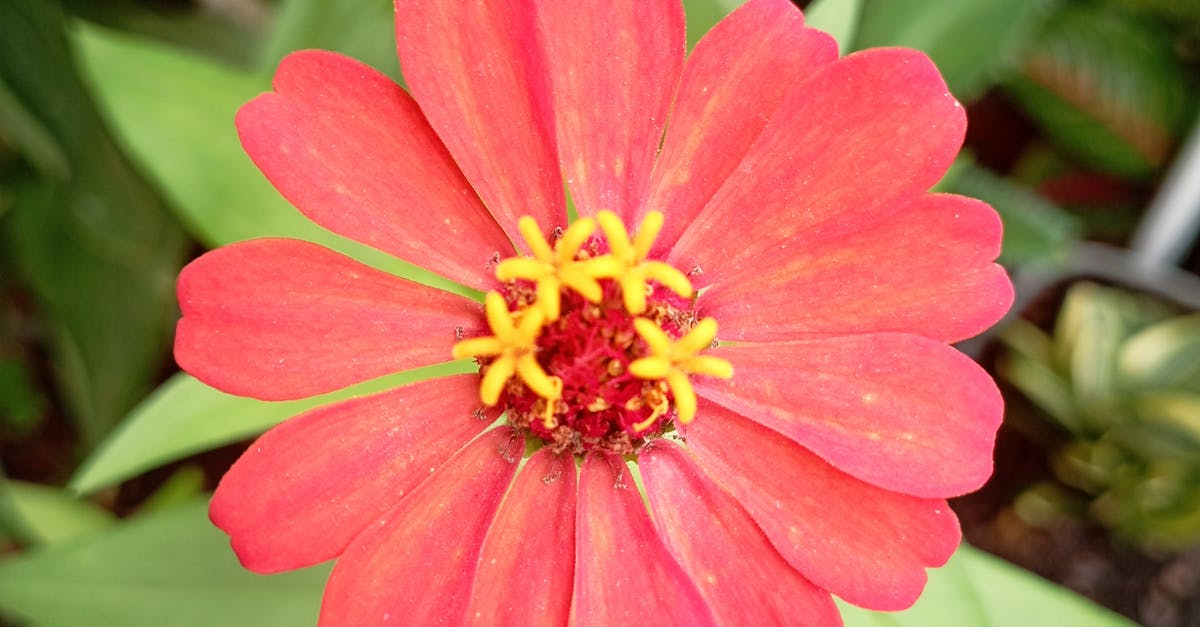
- Zinnia (Zinnia): While some sources list Zinnias as occasionally browsed, many gardeners report good deer resistance, especially with the more common varieties. Their rough leaves and vibrant, long-lasting blooms make them worth trying. They are fantastic for cutting gardens and attracting butterflies.
Quick Reference: Deer-Resistant Annuals for Zone 5
| Plant Name | Deer Resistance | Sun Needs | Flower Color | Special Features |
|---|---|---|---|---|
| Lantana | Excellent | Full Sun | Multi-color (yellow, orange, pink, red) | Attracts butterflies, drought-tolerant, aromatic |
| Marigold | Excellent | Full Sun | Yellow, orange, red | Strong scent, easy to grow |
| Salvia (Annual) | Excellent | Full Sun to Part | Blue, purple, red, white | Aromatic foliage, attracts hummingbirds |
| Dusty Miller | Excellent | Full Sun to Part | Silver-white foliage | Textural contrast, drought-tolerant |
| Nicotiana | Excellent | Full Sun to Part | White, pink, lime green, red | Fragrant (evening), sticky foliage |
| Snapdragon | Good | Full Sun | Wide range of colors | Vertical interest, unique flower shape |
| Ageratum | Good | Full Sun to Part | Blue, purple, pink, white | Fluffy flowers, continuous bloomer |
| Cleome | Good | Full Sun | Pink, purple, white | Tall, airy, sticky stems |
| Vinca (Annual) | Good | Full Sun | Pink, white, purple | Heat & drought tolerant, glossy foliage |
| Zinnia | Good | Full Sun | Wide range of colors | Great for cutting, attracts butterflies |
How Can I Further Protect My Annuals from Deer?
Even with deer-resistant plants, it's wise to employ a multi-pronged approach to deter these persistent creatures. Remember, no plant is truly deer-proof, and a very hungry deer might sample anything.
- Strategic Planting: Place your most desired (and potentially less deer-resistant) plants closer to your home or in areas with more human activity. Surround them with highly deer-resistant plants to create a barrier.
- Repellents: Commercial deer repellents, both granular and spray-on, can be effective. Look for those with ingredients like putrescent egg solids, thiram, or capsaicin. Rotate repellents periodically, as deer can become accustomed to them. Always follow package directions.
- Physical Barriers: For smaller beds or new plantings, temporary netting or cages can offer protection until plants are established or less appealing to deer.
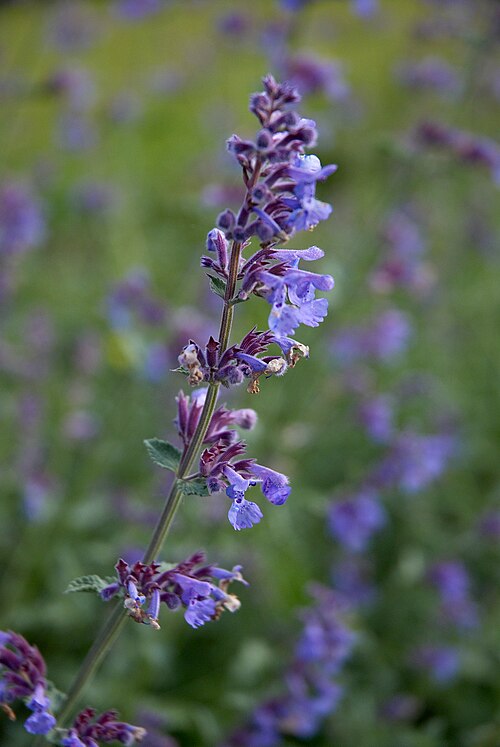
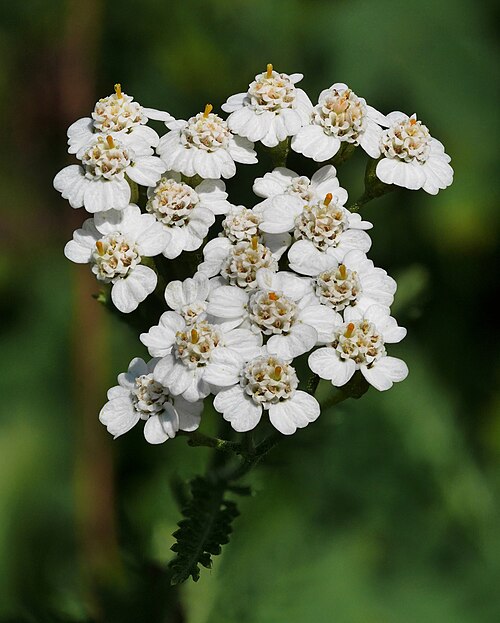
- Companion Planting: While not a foolproof method, some gardeners find that planting strong-smelling herbs like Catmint or Yarrow nearby can help mask the scent of other plants.
- Vary Your Garden: A diverse garden with many different plant types can sometimes confuse deer, making it harder for them to zero in on their favorites.
By combining deer-resistant annuals with these additional strategies, you can significantly reduce deer damage and enjoy a vibrant, colorful garden all season long in Zone 5.
Ready to find the perfect plants for your yard? Try the PlantWise Plant Finder →