Best Deer-Resistant Annuals for Zone 7
Gardening in USDA Zone 7, especially in areas where deer are frequent visitors, can be a delightful challenge. The good news is that you don't have to sacrifice vibrant, season-long color to keep these browsing beauties at bay. There's a fantastic array of annuals that deer tend to avoid, allowing you to create stunning displays from spring through fall. Some top deer-resistant annuals for Zone 7 include dusty miller, snapdragons, marigolds, vinca, lantana, and cleome, all offering unique textures and hues to enhance your landscape without becoming a deer’s dinner.
Deer can be a persistent nuisance, turning your carefully cultivated garden into an all-you-can-eat buffet. While no plant is truly deer-proof, some are significantly less appealing to them due to their texture, scent, or taste. Annuals are a fantastic choice for deer-prone areas because they provide continuous blooms and can be easily swapped out each season, allowing for endless design possibilities. For Zone 7 gardeners, which encompasses a wide range of climates from the Mid-Atlantic to parts of the Pacific Northwest and Southeast, selecting the right annuals means enjoying a beautiful garden without constant worry.
🌱 Get Personalized Plant Picks
Answer a few quick questions and we’ll match plants to your exact yard conditions.
Find My Plants →Why Do Deer Avoid Certain Annuals?
Deer are not particularly picky eaters when they're hungry, but they do have preferences. Generally, they tend to steer clear of plants that possess certain characteristics:
- Strong Scents: Aromatic foliage, often containing essential oils, can be off-putting to deer. Think herbs like lavender or plants with a pungent smell.
- Fuzzy or Hairy Leaves: Plants with a coarse, fuzzy, or prickly texture are less palatable and uncomfortable for deer to chew.
- Bitter Taste: Some plants contain compounds that taste bitter or are mildly toxic, making them unappealing.
- Milky Sap: Certain plants exude a milky sap when cut, which can be irritating to deer.
Understanding these traits can help you choose annuals that are more likely to be left alone, allowing you to create a vibrant, deer-resistant garden.
What Are the Best Deer-Resistant Annuals for Zone 7?
Zone 7 offers a long growing season, perfect for annuals that thrive in warm temperatures. Here are some of our top picks that deer generally ignore, along with their key features:
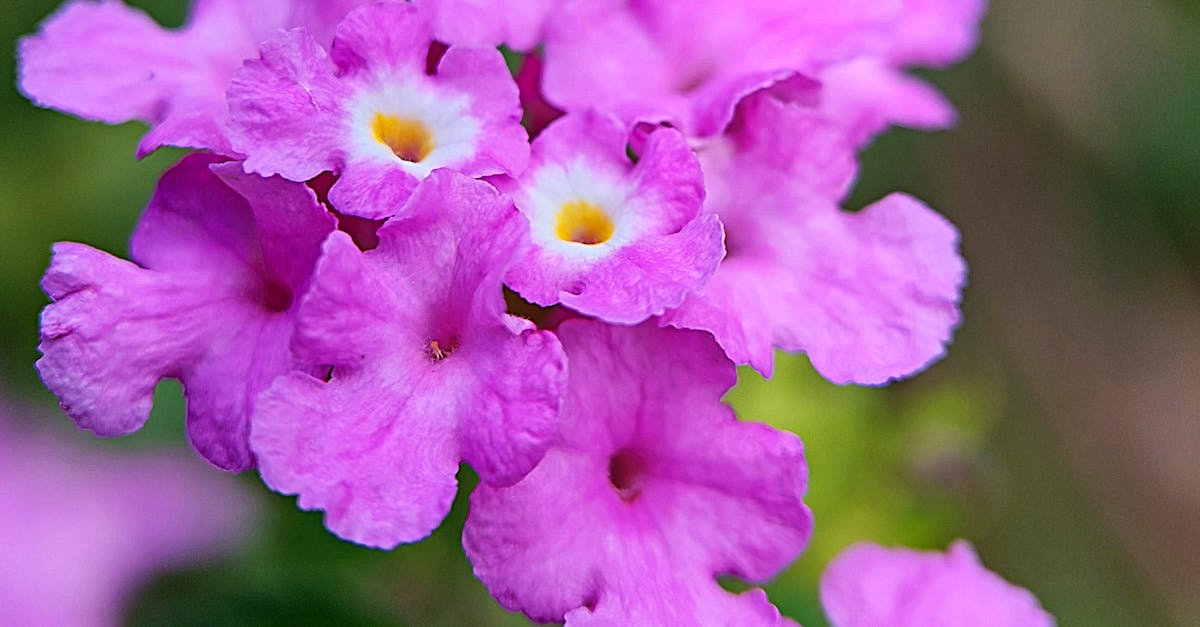
- Lantana (Lantana): A true workhorse, lantana offers continuous blooms in a kaleidoscope of colors - reds, oranges, yellows, pinks, and purples. Its rough, aromatic foliage is a major deterrent for deer. It loves full sun and tolerates heat and drought exceptionally well, making it ideal for sunny borders, containers, and hanging baskets.
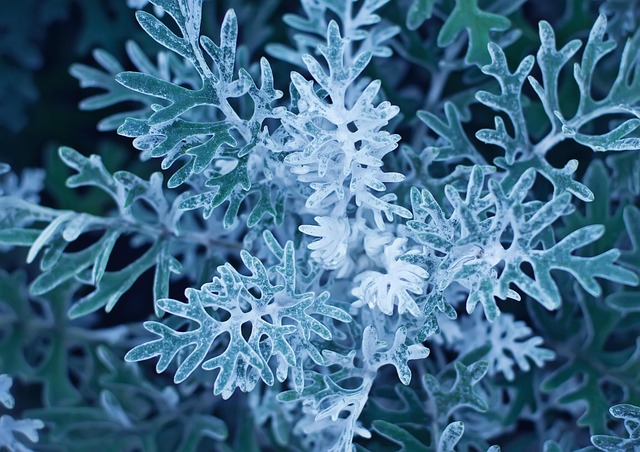
- Dusty Miller: Prized for its silvery-gray, felt-like foliage, dusty miller provides a beautiful contrast to green plants and colorful flowers. Its fuzzy texture is a turn-off for deer. It's excellent for edging, mass plantings, or as a filler in containers. It prefers full sun to partial shade.
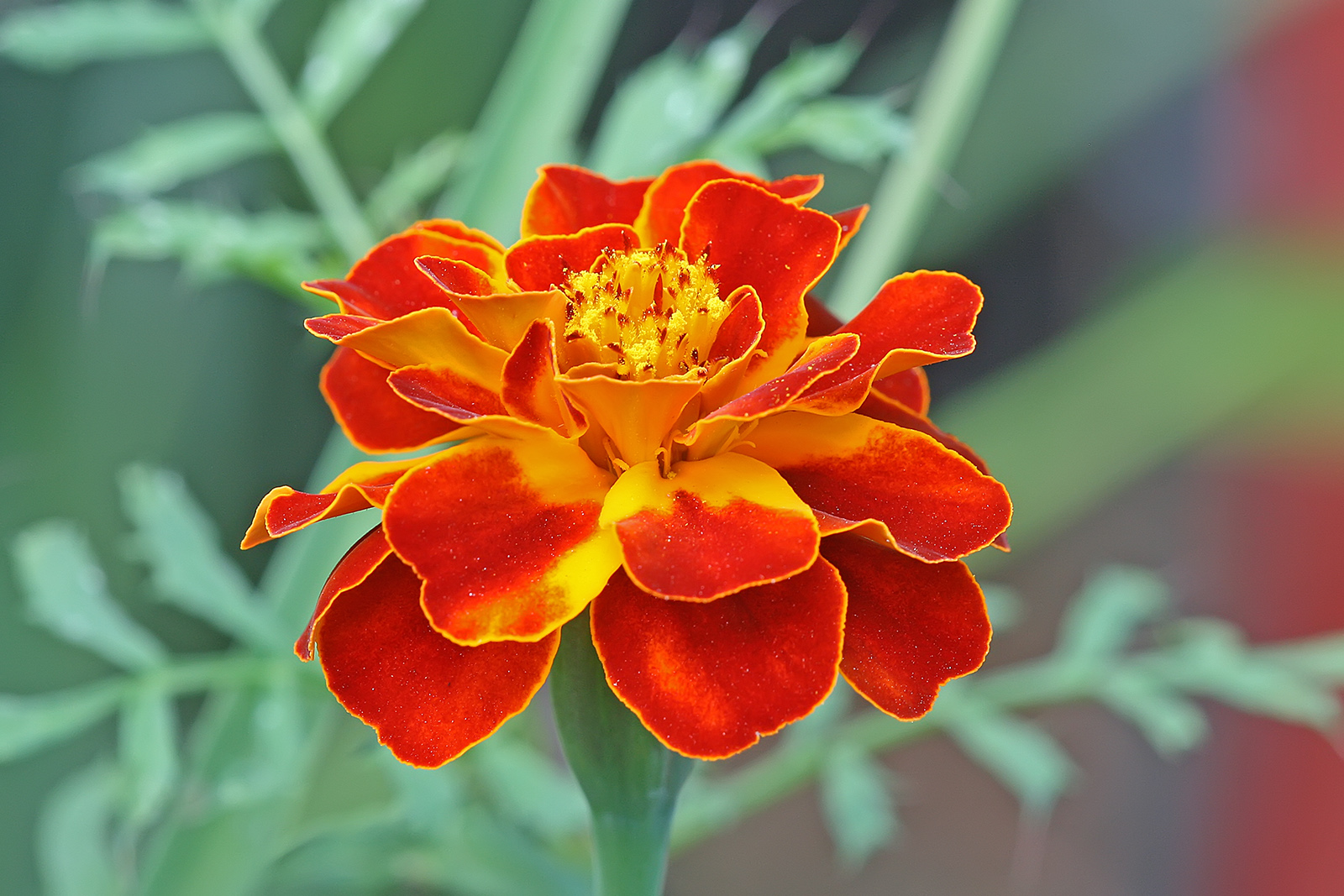
- Marigolds (Tagetes spp.): These cheerful annuals are famous for their bright yellow, orange, and red blooms and their distinctive, pungent scent. This aroma, while pleasant to some gardeners, is often enough to send deer looking elsewhere. Marigolds are easy to grow, prefer full sun, and come in various sizes, from dwarf varieties perfect for borders to taller types for cutting gardens.
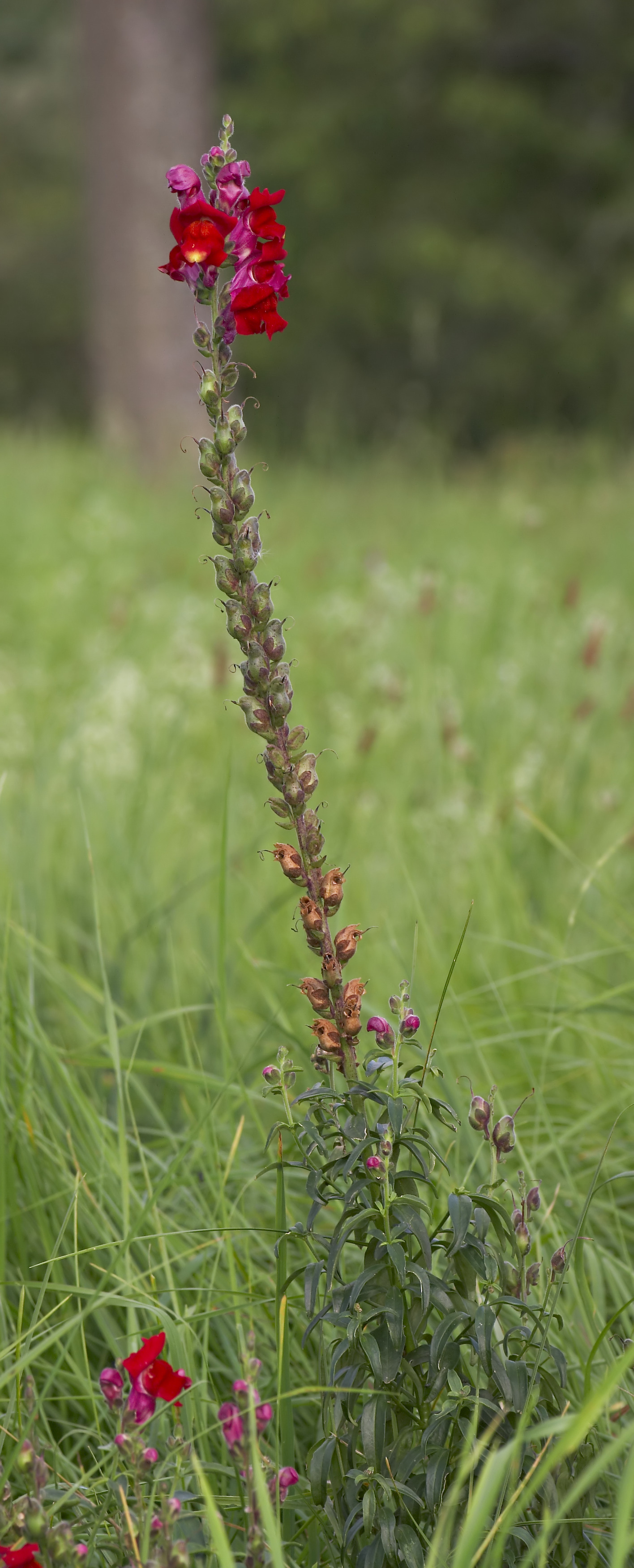
- Snapdragons (Antirrhinum majus): With their unique, dragon-mouth-shaped flowers, snapdragons add vertical interest and charm. They come in a wide range of colors and thrive in full sun to partial shade. Their slightly bitter taste and unique texture make them less appealing to deer. They can even tolerate a light frost, extending their season.
- Vinca (Catharanthus roseus, often called Madagascar Periwinkle): Not to be confused with the perennial groundcover Vinca minor, this annual vinca offers glossy green foliage and lovely blooms in shades of pink, white, and purple. It's incredibly heat and drought tolerant once established, making it perfect for hot, sunny spots where deer might otherwise browse. Its sap is a deterrent.
- Cleome (Spider Flower): Tall, airy, and dramatic, cleome produces unique, spidery flowers in pink, purple, and white. Its stems are often thorny, and its foliage has a slightly sticky, pungent quality that deer dislike. It self-seeds readily, often returning year after year, and thrives in full sun.
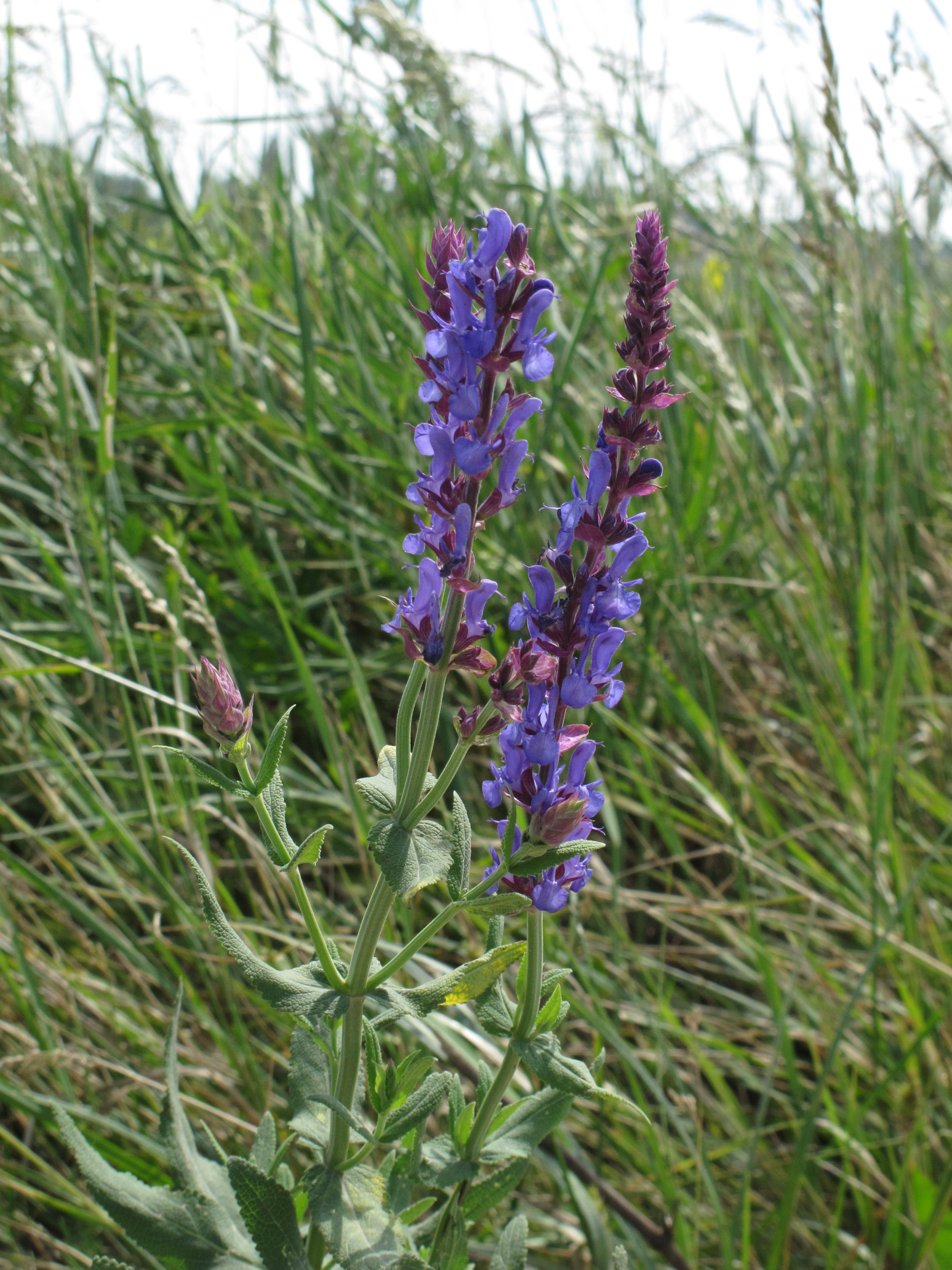
- Salvia (Annual Varieties) (Salvia): Many annual salvias, such as Salvia splendens (Scarlet Sage) or Salvia farinacea (Mealycup Sage), are excellent deer-resistant choices. Their aromatic foliage and vibrant flower spikes in red, blue, or purple are generally ignored by deer. They love full sun and are relatively drought-tolerant.
- Ageratum (Floss Flower): Known for its fluffy, button-like flowers in shades of blue, purple, pink, and white, Ageratum is a charming annual that deer tend to leave alone. Its slightly hairy leaves and taste are deterrents. It's great for borders, containers, and mass plantings, preferring full sun to partial shade.
How Can I Further Protect My Annuals from Deer?
While choosing deer-resistant plants is your first line of defense, no plant is 100% deer-proof, especially when deer are very hungry or their natural food sources are scarce. Here are additional strategies to bolster your garden's defenses:
- Repellents: Commercial deer repellents can be effective. They typically work by taste (making plants unpalatable) or by smell (making the area undesirable). You'll need to reapply them regularly, especially after rain. Rotate different types of repellents to prevent deer from becoming accustomed to one.
- Physical Barriers: For smaller, high-value areas, consider temporary fencing or netting. While not always aesthetically pleasing, a physical barrier is the most reliable method. Even a short, temporary fence can deter deer from sampling new plantings.
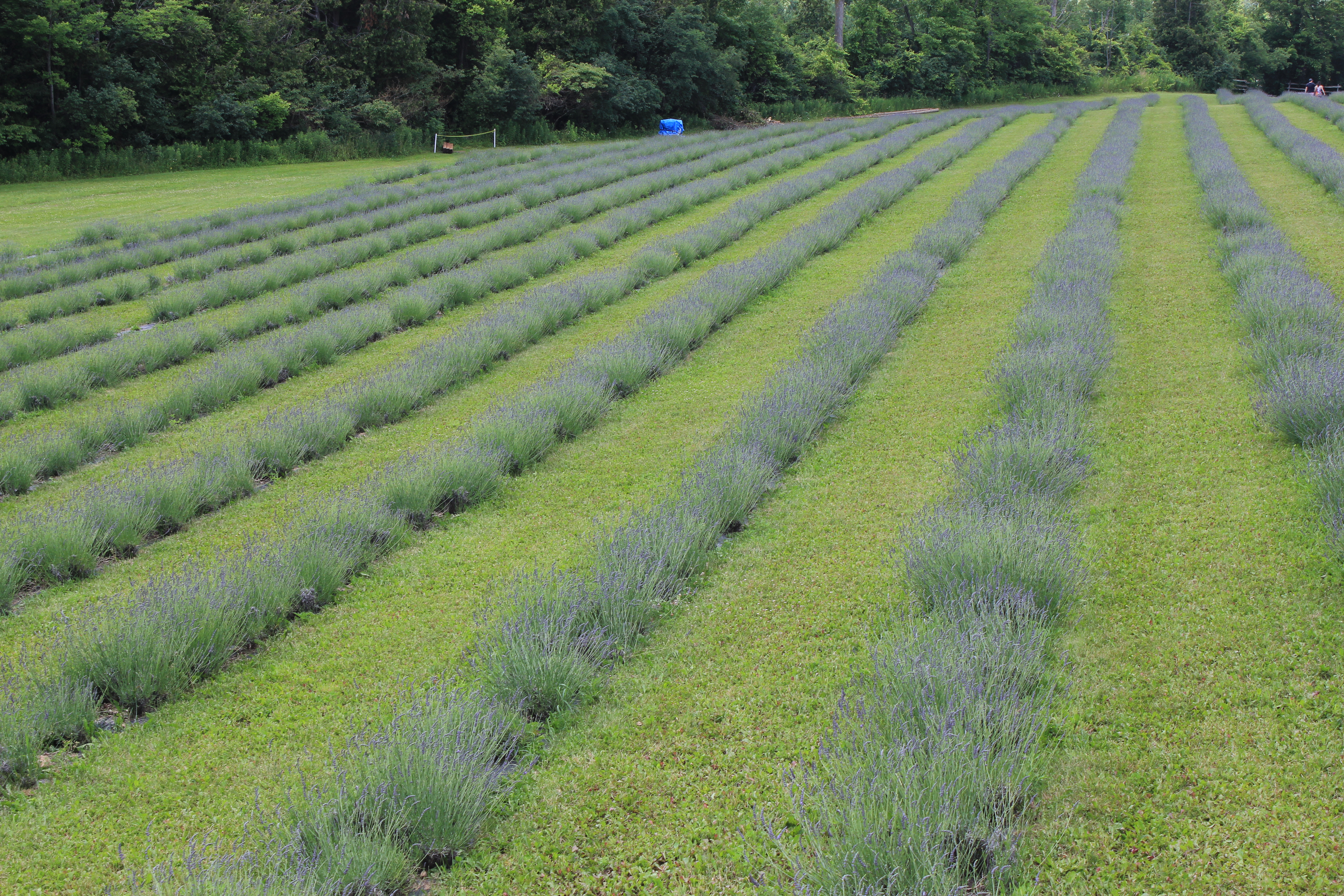
- Companion Planting: While not a guaranteed solution, planting highly aromatic herbs like lavender or rosemary around your annuals might help mask the scent of more appealing plants.
- Diversion: In some cases, planting a "sacrifice garden" with plants deer love away from your prized annuals might divert their attention. However, this strategy can also attract more deer to your property.
- Regular Monitoring: Keep an eye out for signs of deer browsing (torn leaves, hoof prints). Early detection allows you to implement additional measures before significant damage occurs.
Quick Reference: Deer-Resistant Annuals for Zone 7
| Plant Name | Sun Needs | Key Features | Deer Resistance |
|---|---|---|---|
| Lantana | Full Sun | Heat/drought tolerant, aromatic, continuous blooms | High |
| Dusty Miller | Full Sun-Part Shade | Silvery, fuzzy foliage, textural contrast | High |
| Marigolds | Full Sun | Pungent scent, bright colors, easy to grow | High |
| Snapdragons | Full Sun-Part Shade | Unique flowers, vertical interest, cool season | Medium-High |
| Vinca (Annual) | Full Sun | Heat/drought tolerant, glossy leaves, sap | High |
| Cleome | Full Sun | Tall, airy, thorny stems, sticky foliage | Medium-High |
| Salvia (Annual) | Full Sun | Aromatic foliage, vibrant spikes, drought tolerant | High |
| Ageratum | Full Sun-Part Shade | Fluffy blooms, hairy leaves | Medium-High |
By incorporating these deer-resistant annuals into your Zone 7 garden, you can enjoy a season full of color and beauty without constantly battling unwelcome visitors. Remember, the goal is to make your garden less appealing than other available food sources, encouraging deer to browse elsewhere. With a little planning and the right plant choices, your garden can flourish.
Ready to find the perfect plants for your yard? Try the PlantWise Plant Finder →