Deer-Resistant Backyard Landscaping Ideas
Transforming your backyard into a deer-resistant haven involves strategic plant selection, smart design choices, and a few clever deterrents. By focusing on plants that deer naturally avoid due to their texture, scent, or taste, and incorporating physical barriers, you can create a beautiful landscape that stands up to browsing pressure. The key is to combine aesthetics with practicality, ensuring your garden remains a joy for you, not a buffet for deer.
Deer can be a persistent challenge for gardeners, turning lush plantings into nibbled stubs overnight. While no plant is truly deer-proof, as a hungry deer will eat almost anything, there are many beautiful options that deer tend to avoid. By understanding their preferences and incorporating smart design, you can significantly reduce damage and create a landscape that thrives.
Why Do Deer Eat Certain Plants and How Can I Deter Them?
Deer are opportunistic browsers, meaning they will eat what's readily available, especially when their preferred food sources are scarce. Their diet primarily consists of leaves, twigs, buds, and flowers. They tend to avoid plants with strong scents, fuzzy or thorny textures, milky sap, or those that are toxic or taste bitter.
Deterring deer effectively often requires a multi-pronged approach:
- Plant Selection: This is your first and most powerful line of defense. Choose plants known to be less palatable to deer.
- Physical Barriers: Fencing is the most effective deterrent, but it needs to be tall enough (at least 7-8 feet) to prevent them from jumping over. Lower decorative fences can sometimes deter them from entering small beds.
- Repellents: Scent or taste-based repellents can be effective, but they require consistent reapplication, especially after rain, and deer can become accustomed to them over time.
- Strategic Placement: Place highly desirable plants closer to your home or behind more deer-resistant varieties.
- Disturbance: Motion-activated sprinklers or lights can sometimes startle deer away, but they may eventually learn to ignore them.
🌱 Get Personalized Plant Picks
Answer a few quick questions and we’ll match plants to your exact yard conditions.
Find My Plants →What Are the Best Deer-Resistant Plants for Sunny Areas?
Sunny spots are often prime real estate in a garden, and thankfully, there are many beautiful, deer-resistant perennials and shrubs that thrive in full sun. These plants often feature strong aromatics, coarse textures, or simply an unappealing taste to deer.
Perennials for Sunny, Deer-Resistant Gardens:
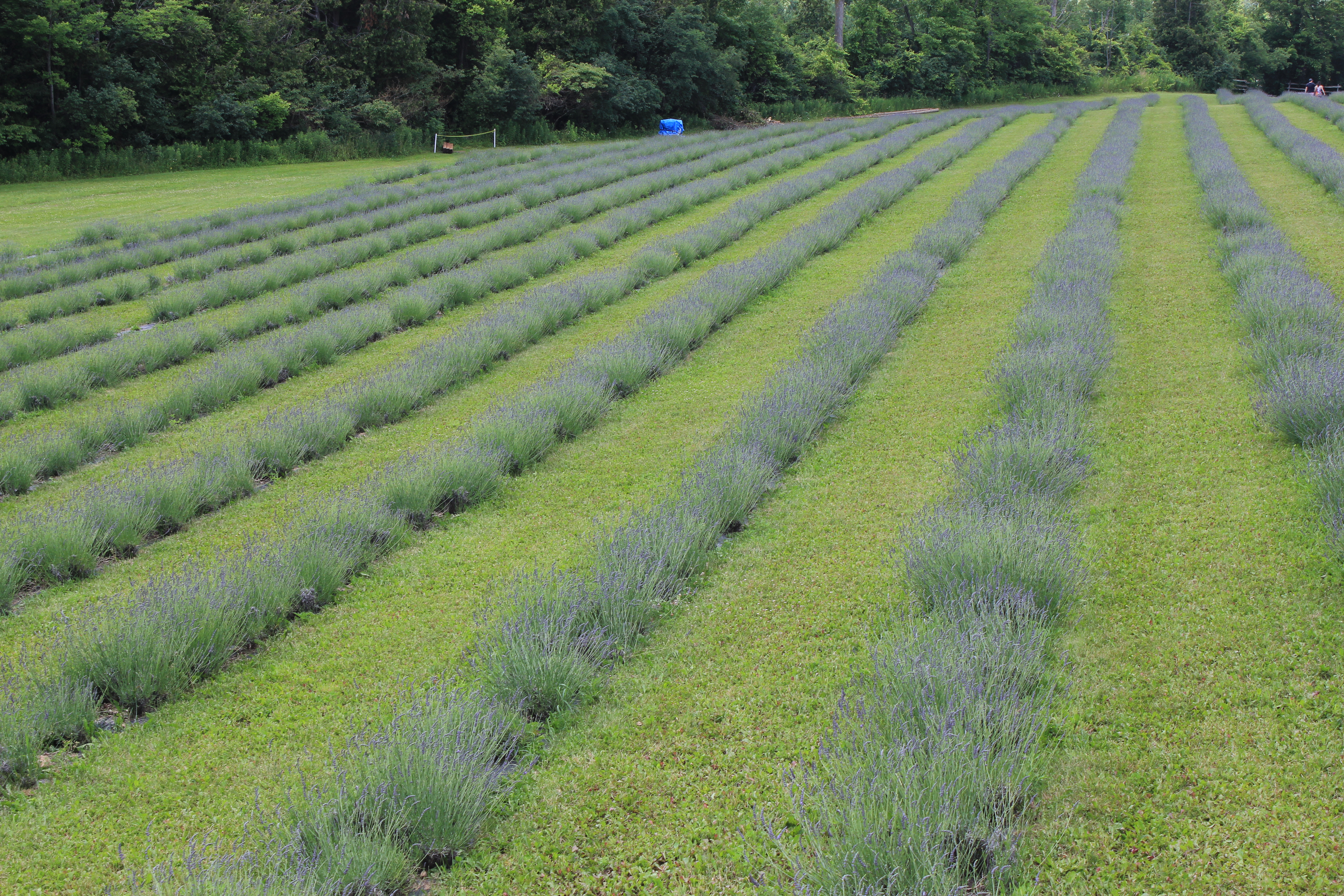
- Aromatic Herbs: Many culinary herbs are excellent deer deterrents due to their strong scents. Lavender (
), rosemary, and thyme are great choices.
- Textured Foliage: Plants with fuzzy or prickly leaves are often left alone. Lamb's Ear is a classic example.
- Strong Scents & Flavors:
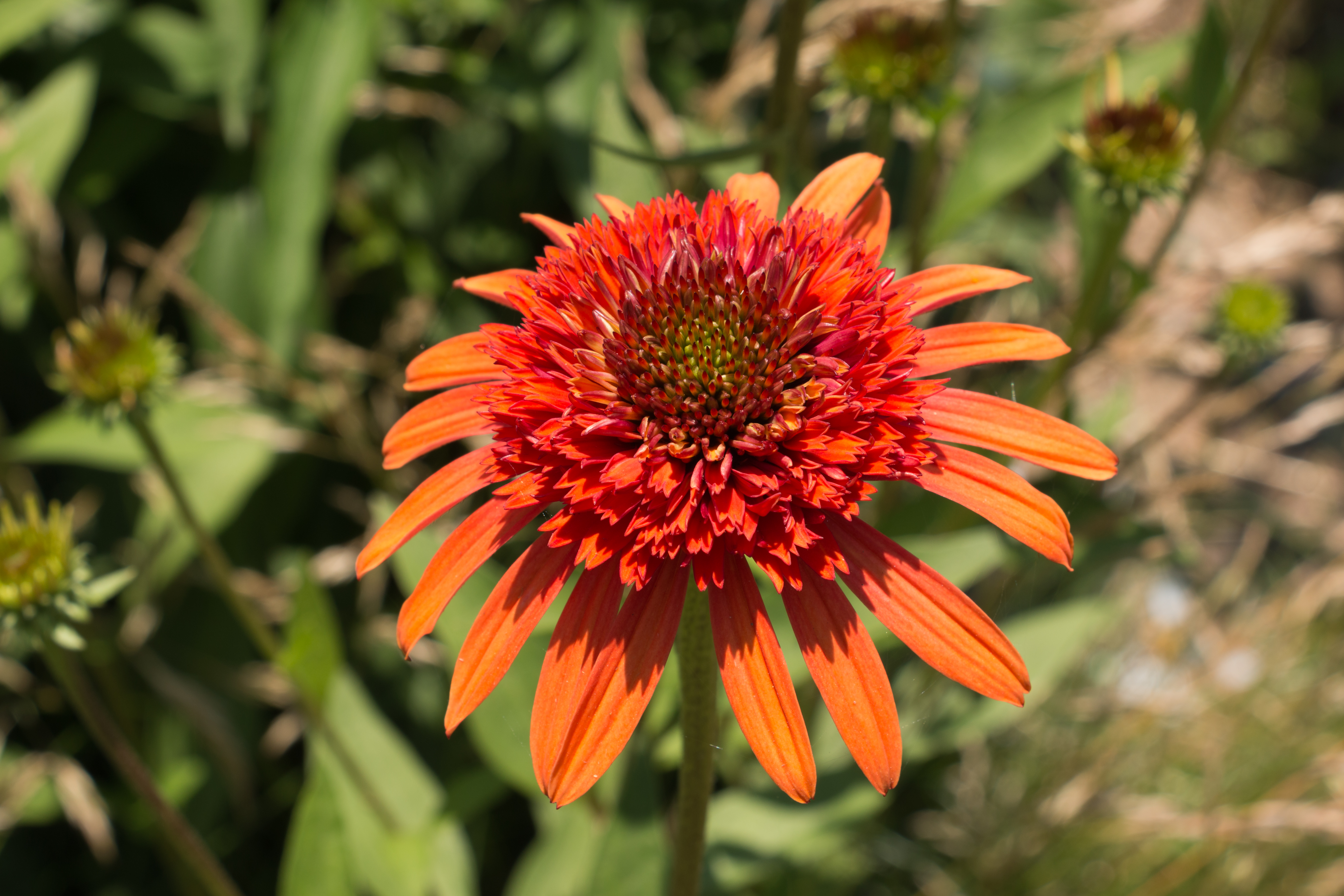
- Coneflower (Echinacea):
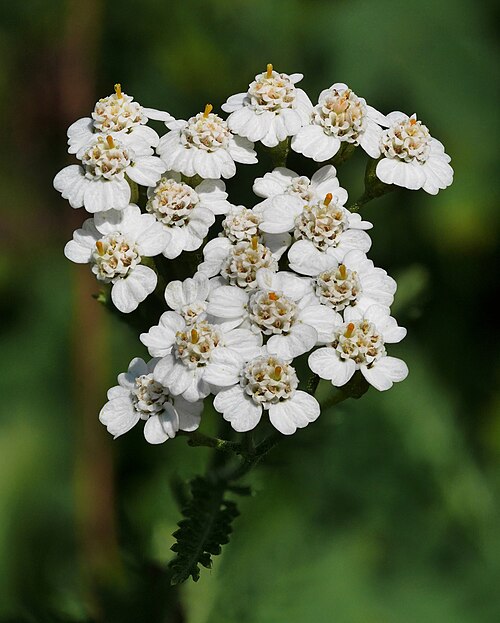
Known for their daisy-like flowers and prominent central cones, coneflowers come in various colors and are tough, drought-tolerant, and generally ignored by deer. * Yarrow (Achillea):
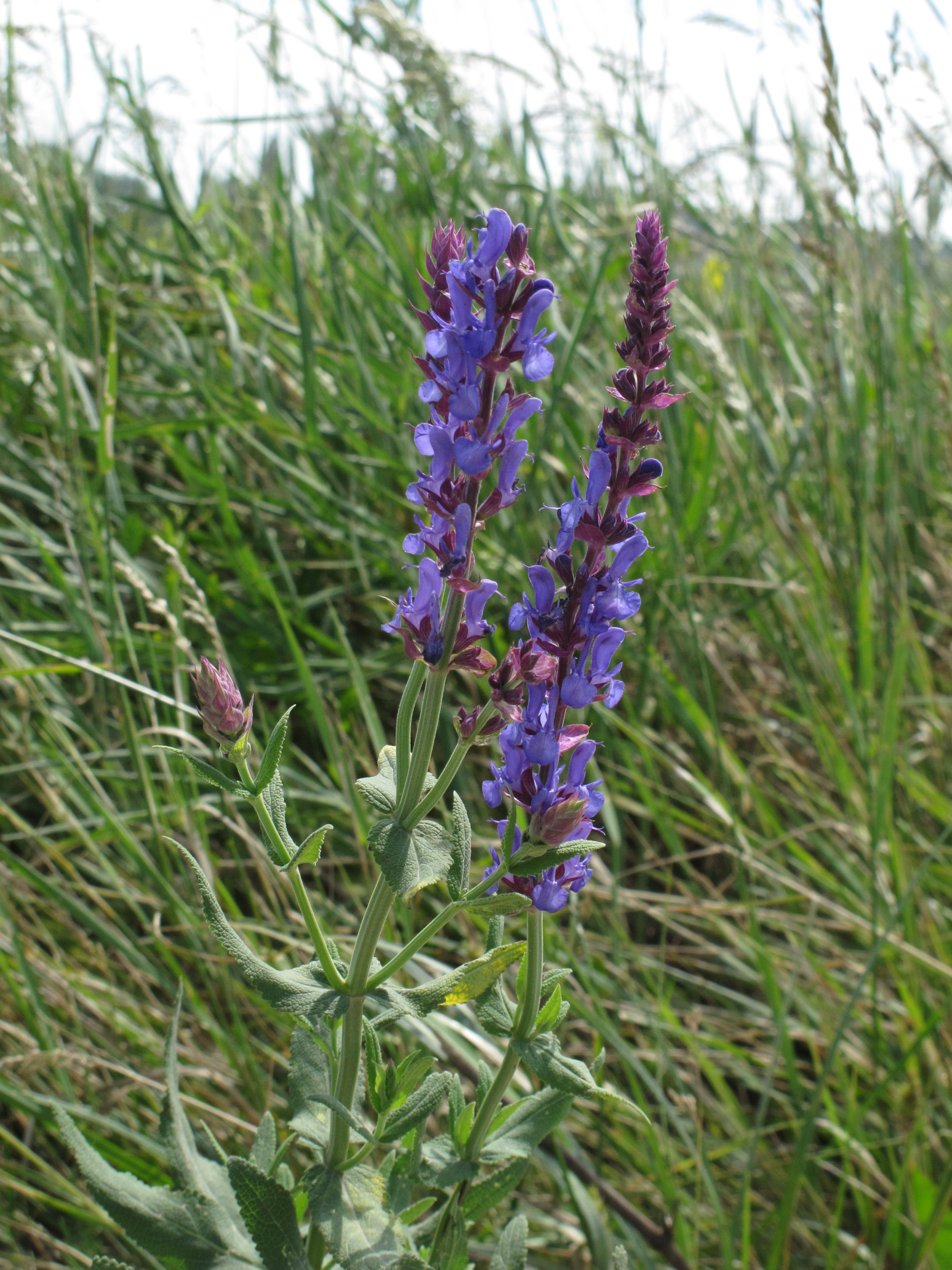
With feathery foliage and flat-topped flower clusters, yarrow is drought-tolerant and deer-resistant. Its strong, aromatic scent is a turn-off for deer. * Salvia (Sage):
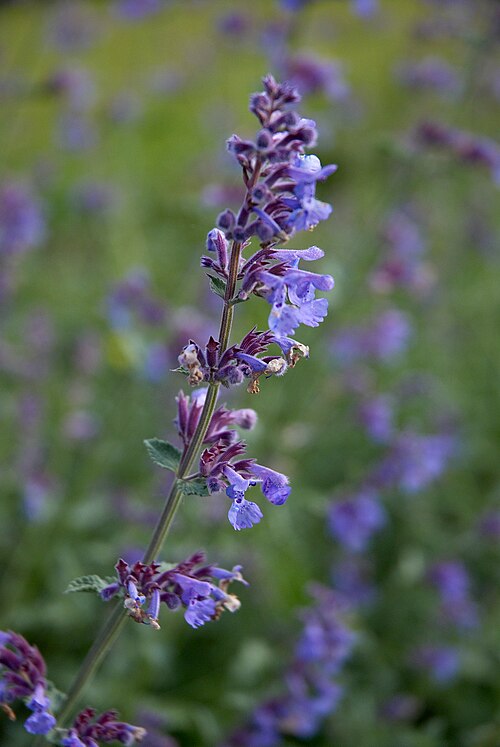
A large genus with many varieties, salvias offer vibrant spikes of flowers and often have aromatic foliage that deer dislike. * Catmint (Nepeta):
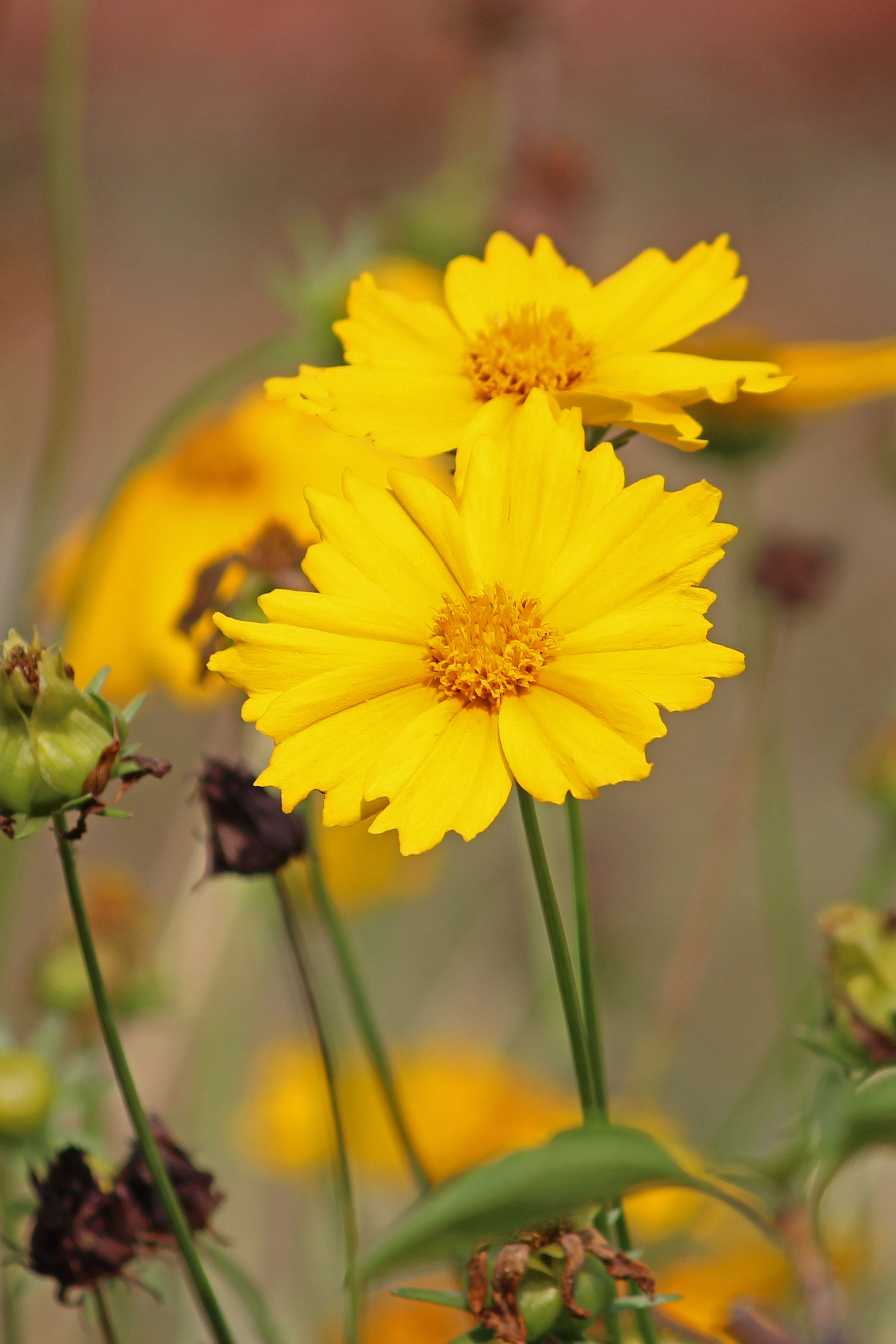
A low-maintenance plant with fragrant, silvery-green foliage and spikes of lavender-blue flowers. Deer find its scent unappealing. * Coreopsis (Tickseed):
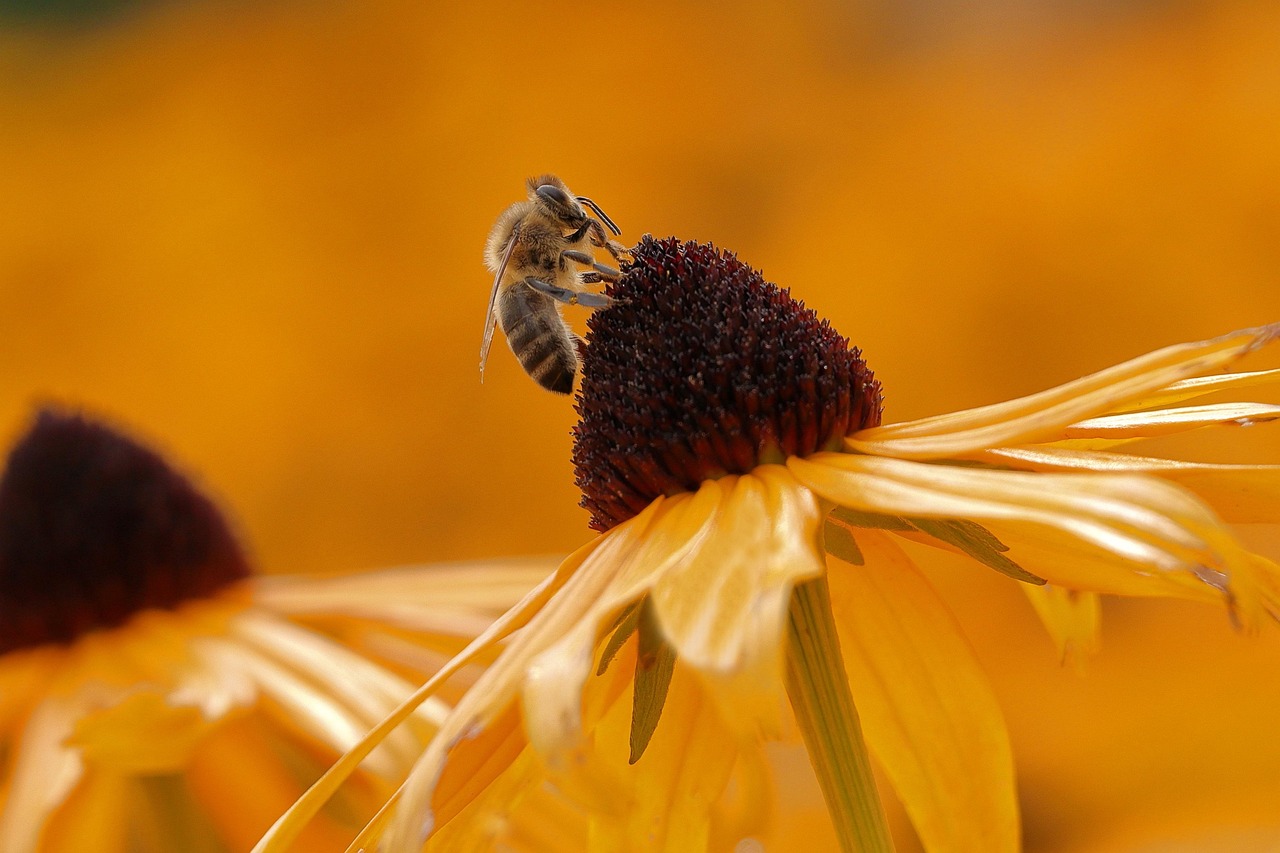
Bright, cheerful, and long-blooming, coreopsis varieties are generally deer-resistant and add a pop of color to the garden. * Black-Eyed Susan (Rudbeckia hirta):
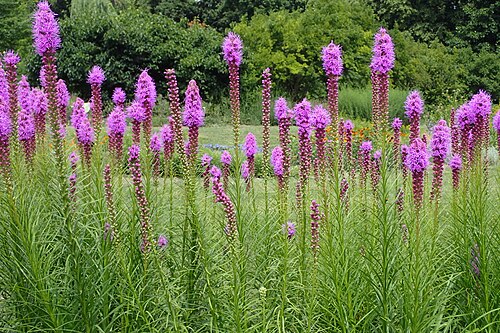
These iconic yellow and black flowers are a staple of sunny gardens and are typically left alone by deer. * Blazing Star (Liatris spicata):
With its tall, spiky purple flowers, Liatris adds vertical interest and is not a favorite of deer.
Shrubs for Sunny, Deer-Resistant Gardens:
- Boxwood (Buxus): While deer might sample it if desperate, boxwood is generally considered deer-resistant due to its distinct odor and taste.
- Juniper (Juniperus): Most juniper varieties, with their prickly or scale-like foliage, are excellent deer-resistant choices.
- Spirea (Spiraea): These flowering shrubs offer beautiful blooms and are rarely bothered by deer.
- Barberry (Berberis): The thorny branches of barberry make it a formidable deterrent for deer.
How Can I Design My Landscape to Naturally Deter Deer?
Beyond plant selection, thoughtful landscape design can significantly reduce deer damage.
- Create "Deer-Free Zones": Focus your most vulnerable and favorite plants in areas closest to your house, perhaps within a fenced courtyard or a raised bed with a low, decorative fence that might still deter casual browsing.
- Layer Your Plantings: Place deer-resistant plants on the outer edges of your garden beds, creating a protective barrier around more susceptible plants in the interior. Deer are less likely to push through unappealing plants to get to something tastier.
- Utilize Strong Scents: Integrate strongly scented plants strategically. Plant lavender, catmint, or rosemary along pathways or around the perimeter of garden beds. The scent can mask the appeal of other plants.
- Vary Textures: Deer dislike plants with fuzzy, prickly, or coarse textures. Incorporate plants like Lamb's Ear, ornamental grasses, or thorny shrubs.
- Avoid Monocultures: A large bed of a single type of plant, even if generally deer-resistant, can become a target if deer are hungry enough. Mix different textures, scents, and forms to create a less appealing buffet.
- Consider Hardscaping: Patios, decks, and gravel paths can break up large areas of plantings, making them less attractive for deer to traverse.
- Remove Temptations: Clean up fallen fruit from trees, as this can be a strong attractant. Also, avoid leaving pet food outdoors.
Quick Reference: Deer-Resistant Plant Characteristics
| Characteristic | Example Plants | Why Deer Avoid Them |
|---|---|---|
| Strong Scent | Lavender, Salvia, Catmint, Yarrow, Rosemary | Aromatic oils are unpalatable or mask the scent of other plants. |
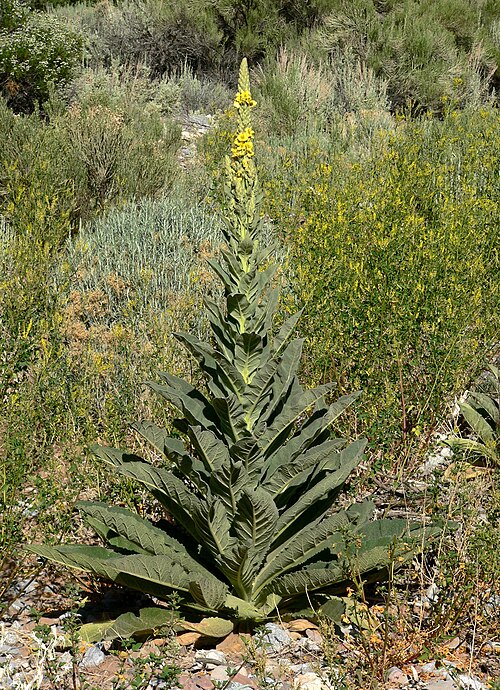
| Fuzzy/Hairy | Lamb's Ear, Mullein, Stachys | Unpleasant texture in the mouth. |
| Prickly/Thorny | Barberry, Juniper, Roses (some varieties) | Physical deterrents. |
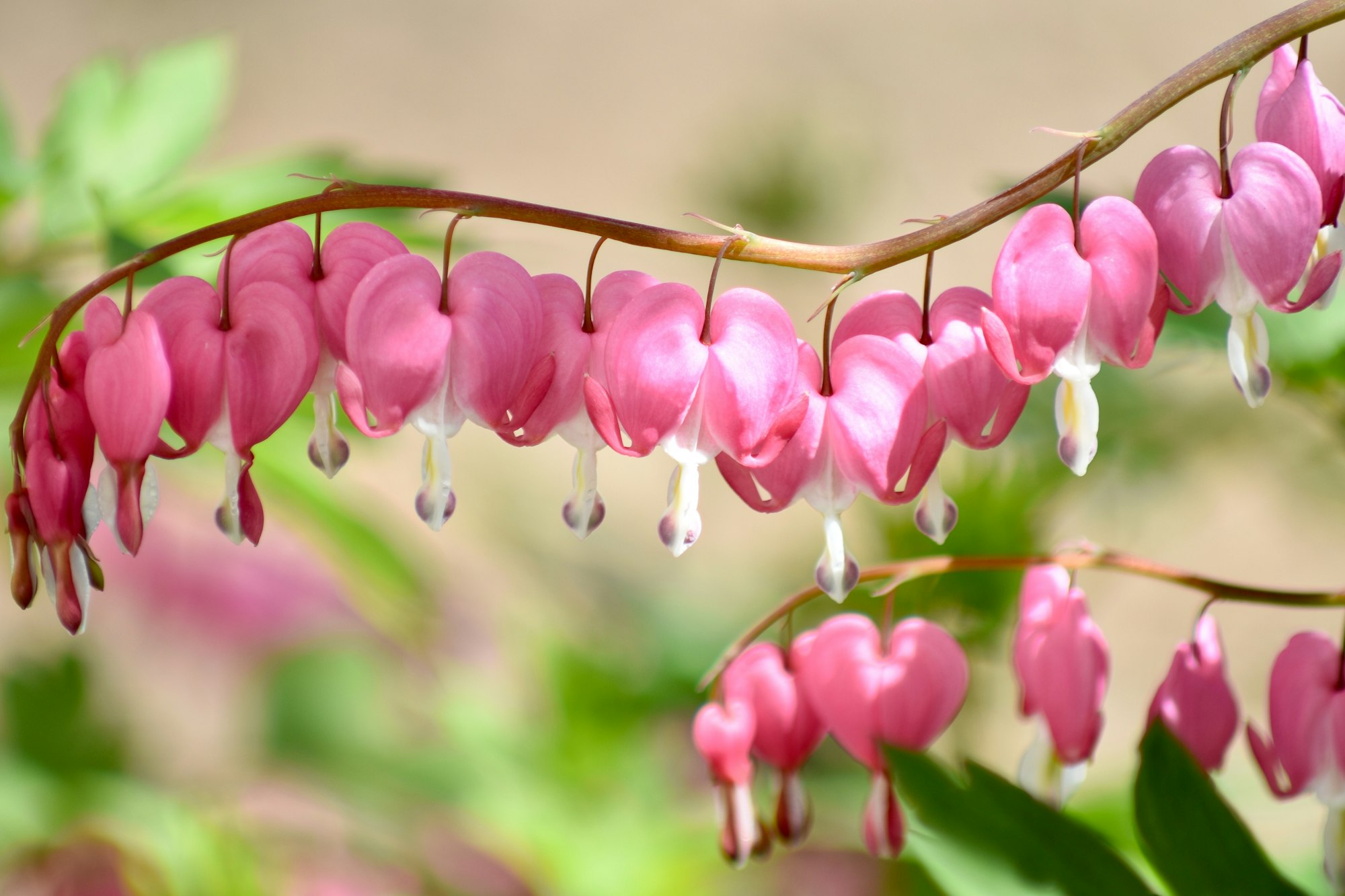
| Bitter Taste | Daffodils, Bleeding Heart, Peonies, Coneflower | Contain compounds that deer find unpalatable or toxic. |
| Milky Sap | Poppy, Euphorbia | The latex sap can be irritating or toxic. |
| Tough/Leathery | Boxwood, Holly | Difficult to chew and digest. |
What About Deer-Resistant Annuals and Other Options?
While perennials form the backbone of a deer-resistant landscape, annuals can add seasonal color without much risk. Many popular annuals are also deer-resistant:
- Marigolds (Tagetes): Their strong, pungent scent is a well-known deer deterrent.
- Zinnias (Zinnia elegans): Bright and cheerful, zinnias are generally left alone.
- Snapdragons (Antirrhinum majus): Their unique flower shape and somewhat bitter taste deter deer.
- Lantana (Lantana camara): A heat-loving plant with colorful clusters of flowers and aromatic foliage that deer avoid.
For groundcovers, consider creeping thyme, sedum, or ajuga, which are typically ignored. When it comes to bulbs, daffodils, alliums, and hyacinths are excellent choices as deer find them toxic or unpalatable. Tulips, however, are often seen as a delicacy!
Remember, the effectiveness of any deer-resistant strategy can vary depending on local deer populations, their hunger levels, and the availability of other food sources. Consistent monitoring and adaptation are key to maintaining a beautiful, deer-free garden.
Ready to find the perfect plants for your yard? Try the PlantWise Plant Finder →