Best Deer-Resistant Bulbs for Zone 7
Gardening in Zone 7 offers the joy of a long growing season and mild winters, but it often comes with the challenge of hungry deer. If you're looking to add vibrant color to your landscape without providing a buffet for local wildlife, deer-resistant bulbs are your secret weapon. For Zone 7 gardeners, excellent choices include daffodils, alliums, fritillaria, glory-of-the-snow, grape hyacinths, and snowdrops, which reliably deter deer while bringing stunning spring and early summer blooms to your garden. These bulbs contain compounds that deer find unpalatable or emit scents they dislike, making them a smart choice for a beautiful, critter-free display.
Deer can be a persistent nuisance, nibbling on tender shoots and devouring entire beds overnight. While no plant is truly deer-proof when they're hungry enough, certain bulbs are consistently at the bottom of their preferred menu. By selecting these less-appetizing options, you can significantly reduce damage and enjoy your garden to its fullest. Let's explore some of the best deer-resistant bulbs that thrive in Zone 7 and how to incorporate them into your landscape.
Why Do Deer Avoid Certain Bulbs?
Deer are not picky eaters by nature, but they do have preferences and aversions. The bulbs on our "deer-resistant" list typically possess one or more characteristics that make them unappealing:
- Toxicity: Many deer-resistant bulbs, like daffodils and fritillaria, contain toxic compounds (such as alkaloids) that cause digestive upset or worse if ingested. Deer instinctively learn to avoid these.
- Strong Scent: Alliums, with their onion-like fragrance, are a prime example of plants deer tend to steer clear of. Their pungent aroma is a natural deterrent.
- Fuzzy or Spiny Texture: While less common in bulbs, deer generally dislike plants with fuzzy, hairy, or thorny foliage.
- Unpalatable Taste: Even if not outright toxic, some plants simply taste bad to deer.
Understanding these reasons helps you make informed choices, not just for bulbs but for your entire garden design. Remember, a hungry deer might sample anything, but these bulbs are consistently low on their list of preferred snacks.
🌱 Get Personalized Plant Picks
Answer a few quick questions and we’ll match plants to your exact yard conditions.
Find My Plants →Which Deer-Resistant Bulbs Thrive in Zone 7?
Zone 7's climate, characterized by average minimum winter temperatures ranging from 0°F to 10°F (-18°C to -12°C), is ideal for a wide variety of spring-flowering bulbs. Here are some of the best deer-resistant options that will flourish in your garden:
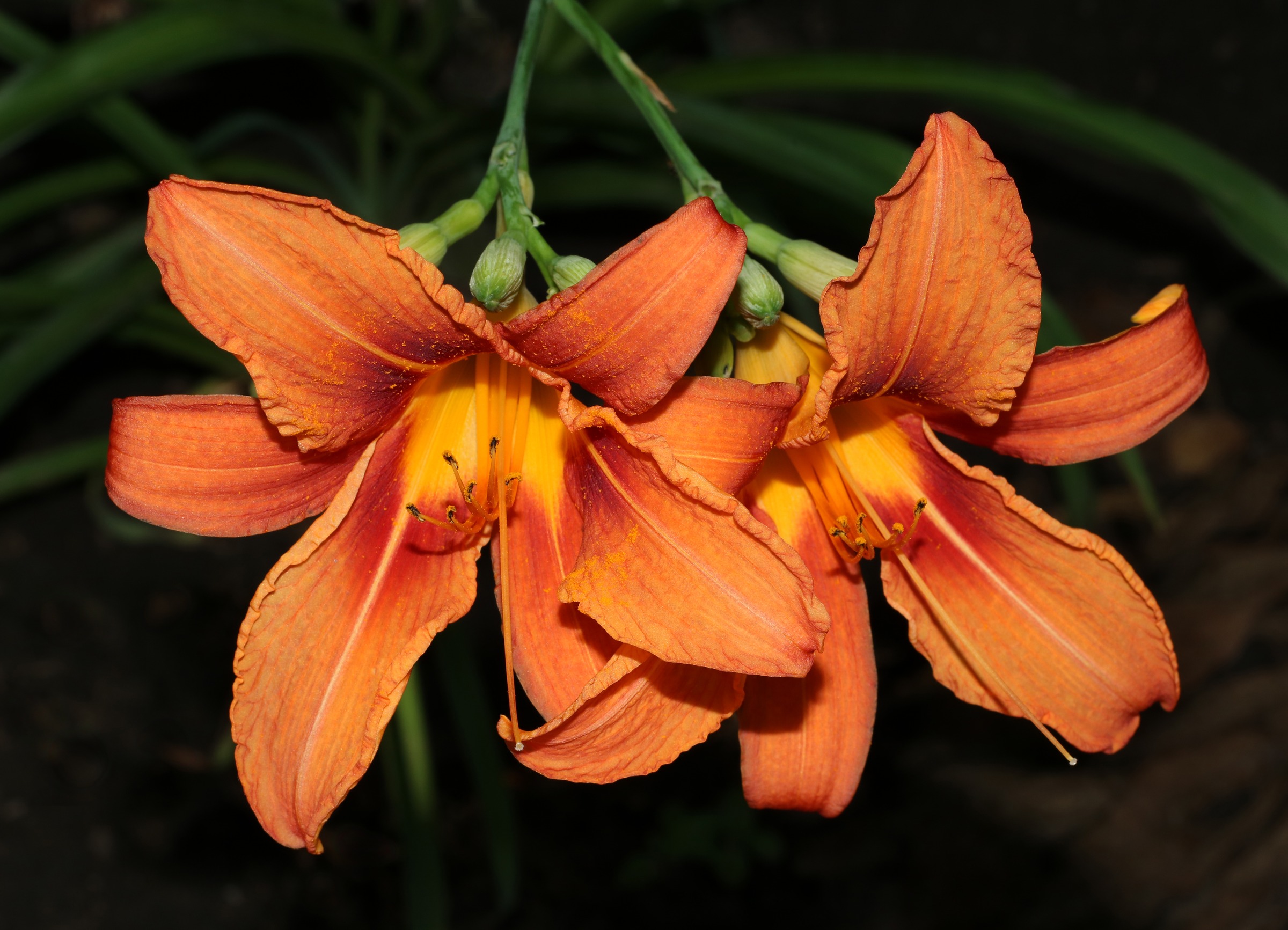
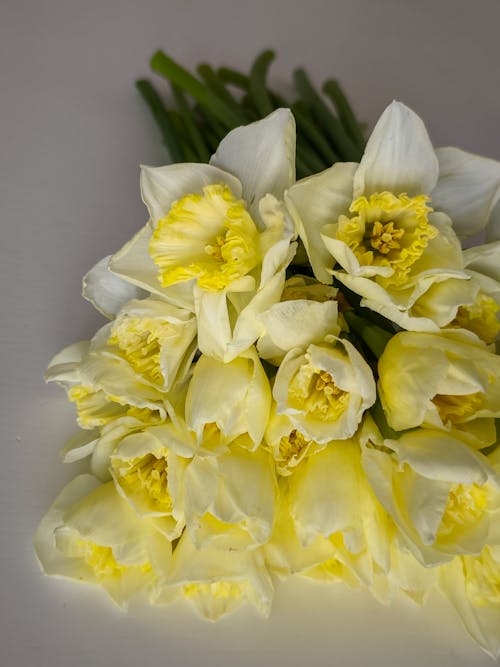
- Daffodils (Narcissus spp.): The quintessential spring flower, daffodils are perhaps the most reliable deer-resistant bulb. Their leaves and bulbs contain lycorine, an alkaloid that is toxic to deer (and humans if ingested). They come in an incredible array of shapes, sizes, and colors, from classic yellows to whites, oranges, and even pinks. They naturalize well, returning year after year with increasing vigor. Daylily
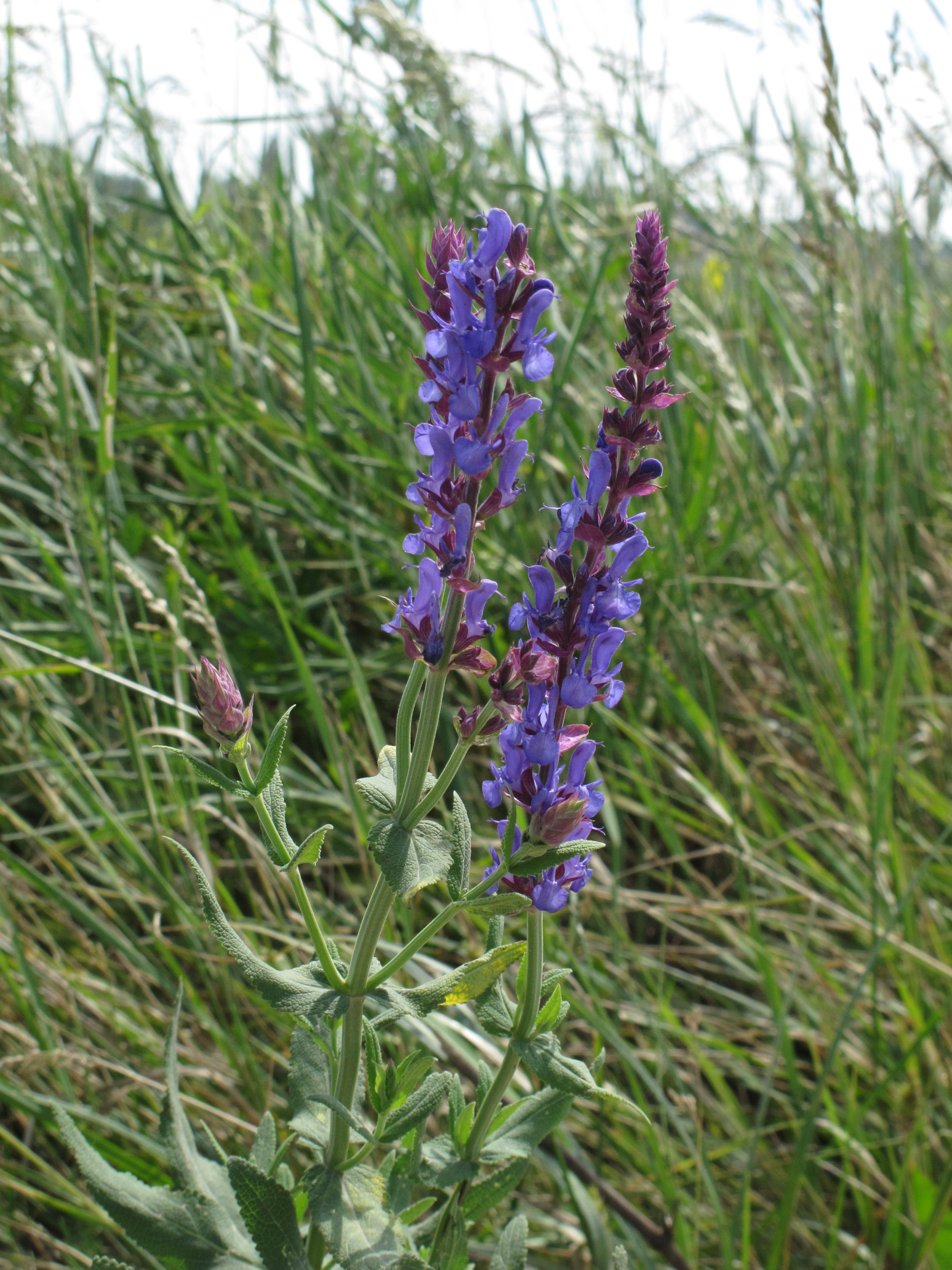
- Alliums (Allium spp.): Ornamental onions are a fantastic choice, offering dramatic spherical blooms in shades of purple, pink, and white. Their strong, oniony scent is a major deer deterrent. From the towering 'Globemaster' to the charming 'Purple Sensation' and the dainty 'Drumstick' alliums, there's an allium for every garden size and style. They bloom from late spring into early summer, filling the gap between early spring bulbs and summer perennials. Salvia
- Fritillaria (Fritillaria spp.): These unique bulbs are known for their distinctive, often bell-shaped flowers. Crown Imperial (Fritillaria imperialis) is particularly striking with its large, downward-facing blooms topped with a tuft of leaves, and it emits a skunky odor that deer despise. Other varieties like Guinea Hen Flower (Fritillaria meleagris) offer delicate checkered patterns.
- Glory-of-the-Snow (Chionodoxa forbesii): These small, star-shaped flowers emerge very early in spring, often pushing through late snow. Their vibrant blue, pink, or white blooms create a carpet of color and are completely ignored by deer. They naturalize readily, forming charming drifts over time.
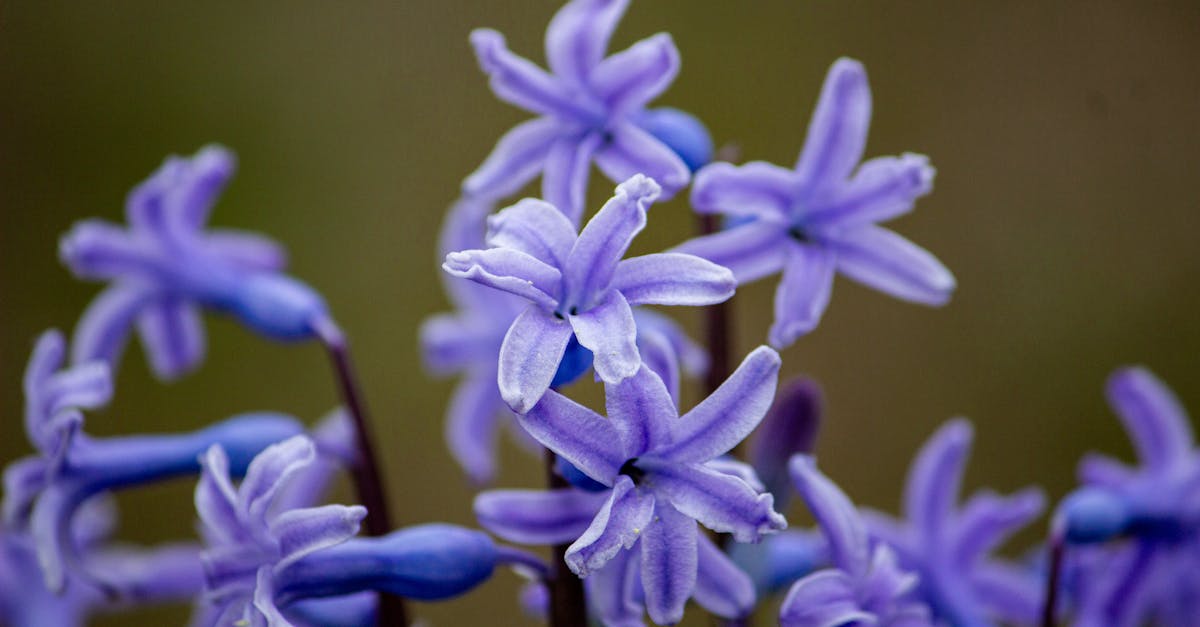
- Grape Hyacinths (Muscari armeniacum): With their dense spikes of tiny, bell-shaped flowers resembling miniature grapes, Muscari are a delightful addition to any spring garden. They come in shades of blue, purple, and white, are very easy to grow, and are consistently passed over by deer.
- Snowdrops (Galanthus nivalis): Among the earliest bulbs to bloom, often in late winter or very early spring, snowdrops are a welcome sight. Their delicate white, bell-like flowers are a clear sign that spring is on its way, and deer leave them untouched.
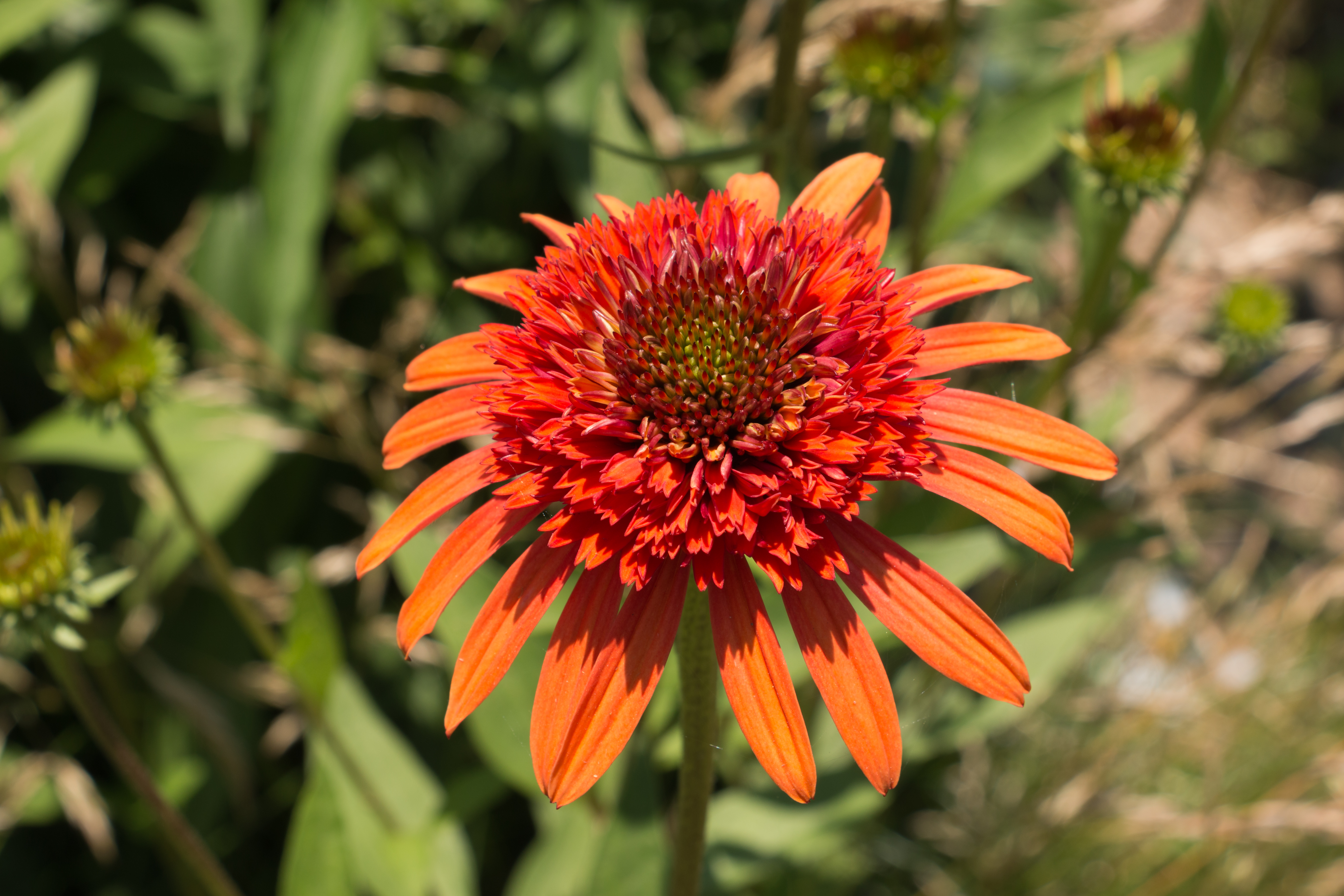
- Siberian Squill (Scilla siberica): Similar to Glory-of-the-Snow, Siberian Squill produces brilliant blue, star-shaped flowers that naturalize beautifully. They are deer-resistant and provide a stunning burst of color in early spring. Coneflower
How Do I Plant Deer-Resistant Bulbs for Best Results?
Planting bulbs successfully involves a few key steps to ensure they establish well and return year after year.
- Timing is Key: Most spring-flowering bulbs should be planted in the fall, typically from September to November in Zone 7, before the first hard frost but when the soil has cooled down. This allows them to establish roots before winter sets in.
- Choose the Right Location:
- Sunlight: Most bulbs prefer full sun (at least 6 hours of direct sunlight per day), especially while they are actively growing and blooming. However, many early spring bulbs can tolerate partial shade, as they bloom before deciduous trees leaf out.
- Soil: Well-draining soil is crucial. Bulbs will rot in soggy conditions. If you have heavy clay soil, amend it with compost, sand, or other organic matter to improve drainage.
- Planting Depth and Spacing: A general rule of thumb is to plant bulbs at a depth of two to three times their height. For example, a 2-inch tall bulb should be planted 4-6 inches deep. Space them according to package directions, usually 3-6 inches apart, to allow for growth and naturalization.
- Orientation: Plant bulbs with the pointed end facing up. If you can't tell which end is up, plant them on their side; they'll usually find their way.
- Watering: Water thoroughly after planting to settle the soil around the bulbs. If rainfall is scarce, continue to water occasionally until the ground freezes.
- Fertilization (Optional but Recommended): You can incorporate a slow-release granular fertilizer specifically formulated for bulbs (low nitrogen, higher phosphorus and potassium) into the planting hole or scratch it into the soil surface.
- Post-Bloom Care: After flowering, allow the foliage to yellow and die back naturally. This process allows the bulb to store energy for the following year's bloom. Do not cut back green foliage prematurely.
Can I Really Protect My Garden from Deer Completely?
While the bulbs listed above are highly deer-resistant, it's important to understand that no plant is truly deer-proof. A starving deer, or one that is particularly curious or new to an area, might sample anything. However, by strategically incorporating these bulbs, you significantly reduce the likelihood of deer damage.
Here are some additional strategies to bolster your deer defense:
- Layering: Plant deer-resistant bulbs around more susceptible plants to create a protective barrier.
- Repellents: Commercial deer repellents (liquid sprays or granular products) can be effective, especially when applied consistently. Rotate different types to prevent deer from becoming accustomed to one.
- Physical Barriers: Fencing is the most effective method, but it needs to be at least 8 feet tall to deter jumping deer. For smaller areas, netting can offer temporary protection.
- Scent Deterrents: Hanging bars of strongly scented soap, human hair, or predator urine around the garden can sometimes deter deer, though their effectiveness varies and often requires frequent reapplication.
- Diversion Planting: In some cases, planting highly palatable plants far away from your prized garden beds can draw deer away, though this is a less reliable strategy.
By combining deer-resistant plant choices with other deterrent methods, you can create a beautiful and thriving garden that you and your family (and not the deer) can enjoy.
Quick Reference: Deer-Resistant Bulbs for Zone 7
| Bulb Type | Bloom Time | Color Range | Deer Resistance | Notes |
|---|---|---|---|---|
| Daffodils | Early-Mid Spring | Yellow, White, Orange, Pink | Excellent | Most reliable; naturalizes well; toxic. |
| Alliums | Late Spring-Early Summer | Purple, Pink, White, Yellow | Excellent | Strong scent deters deer; architectural blooms. |
| Fritillaria | Mid-Late Spring | Orange, Red, Yellow, Maroon, Purple | Excellent | Unique forms; Crown Imperials have a strong odor. |
| Glory-of-the-Snow | Early Spring | Blue, Pink, White | Excellent | Small, star-shaped; naturalizes easily. |
| Grape Hyacinths | Early-Mid Spring | Blue, Purple, White | Excellent | Easy to grow; miniature grape-like clusters. |
| Snowdrops | Late Winter-Early Spring | White | Excellent | Among the first to bloom; delicate and charming. |
| Siberian Squill | Early Spring | Bright Blue | Excellent | Vibrant blue carpet; naturalizes readily. |
By choosing these resilient and beautiful bulbs, you can create a stunning spring display in your Zone 7 garden without constantly battling deer. Enjoy the vibrant colors and delightful forms these low-maintenance plants bring!
Ready to find the perfect plants for your yard? Try the PlantWise Plant Finder →