Best Deer-Resistant Flowering Perennials for Zone 6
For gardeners in Zone 6 battling hungry deer, finding beautiful, reliable flowering perennials that consistently get passed over can feel like a quest. The good news is that many stunning plants thrive in Zone 6 and are known for their deer resistance. These include aromatic herbs like Catmint and Salvia, tough prairie natives like Coneflower and Black-eyed Susan, and vibrant bloomers such as Yarrow and Coreopsis. By choosing plants with strong scents, fuzzy textures, or bitter tastes, you can create a vibrant, deer-resistant garden that flourishes year after year.
Deer can be a persistent challenge for gardeners, especially in areas where their natural habitats overlap with our yards. While no plant is truly deer-proof if they are hungry enough, certain perennials are far less appealing to these browsing animals. In Zone 6, with its moderate winters and warm summers, you have a wide array of options to choose from. This guide will help you select the best deer-resistant flowering perennials to bring color and life to your landscape without becoming a deer buffet.
Understanding Deer Resistance
Deer generally avoid plants that have certain characteristics. These include:
- Strong Scents: Aromatic foliage, often found in herbs, can be off-putting.
- Fuzzy or Hairy Leaves: The texture can be unpleasant for deer to chew.
- Bitter Taste: Some plants contain compounds that taste bad to deer.
- Toxic or Irritating Sap: Plants that are toxic to deer are naturally avoided.
- Thorns or Prickles: Physical deterrents.
When planning your garden, remember that young, tender growth is often more susceptible to deer browsing than mature plants. Also, deer preferences can vary based on local populations, the availability of other food sources, and the severity of winter. A plant considered "deer-resistant" in one area might occasionally be nibbled in another.
🌱 Get Personalized Plant Picks
Answer a few quick questions and we’ll match plants to your exact yard conditions.
Find My Plants →Top Deer-Resistant Flowering Perennials for Zone 6
Here are some of our favorite, tried-and-true flowering perennials that deer tend to leave alone in Zone 6 gardens:
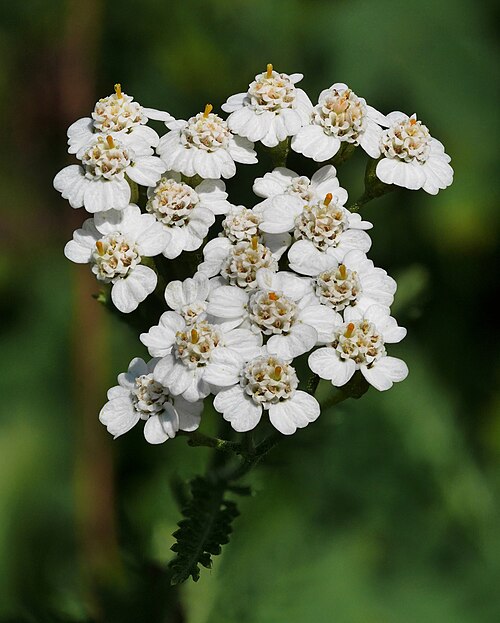
1. Yarrow (Achillea)
Yarrow is a fantastic choice for sunny, dry areas. Its finely textured, often aromatic foliage is unappealing to deer, and its flat-topped flower clusters come in a wide range of colors, from classic yellow and white to vibrant pinks, reds, and oranges. Yarrow is incredibly drought-tolerant once established and blooms from early summer well into fall. It's also a magnet for beneficial pollinators like butterflies.
2. Catmint (Nepeta)
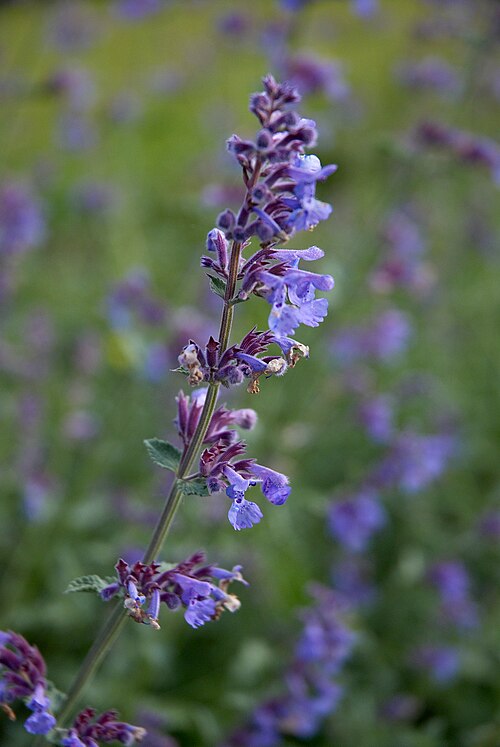
If you want a plant that deer really don't like, Catmint is your answer. Its strong, minty fragrance, which cats adore, is a major deterrent for deer. Catmint forms lovely mounds of soft, gray-green foliage topped with spikes of lavender-blue flowers for an incredibly long season, often from late spring through fall. It's tough, drought-tolerant, and requires very little maintenance, making it perfect for borders, rock gardens, or mass plantings.
3. Salvia (Perennial Sages)
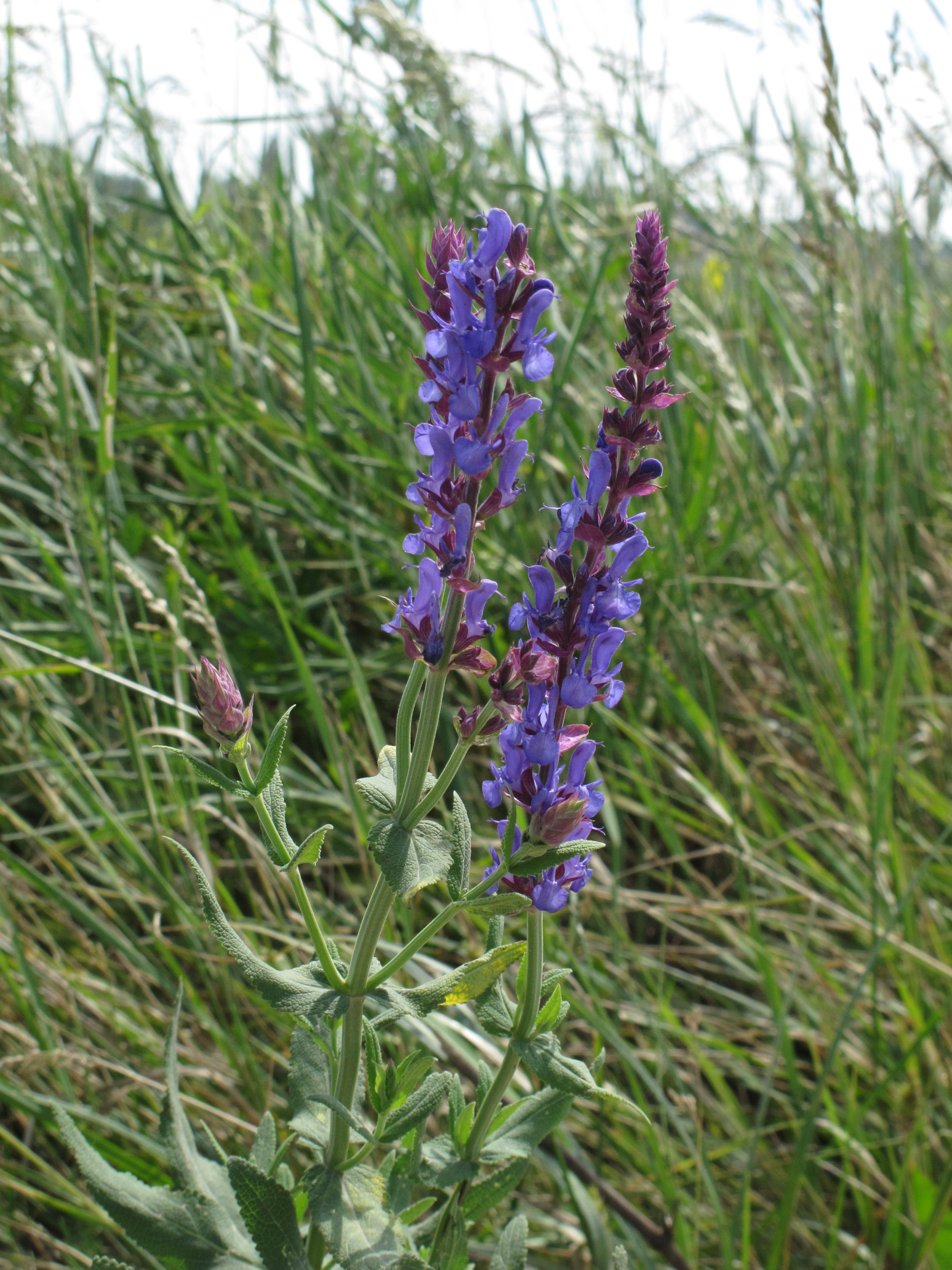
Many perennial Salvia varieties are excellent deer-resistant choices for Zone 6. Their aromatic foliage and vibrant flower spikes are generally ignored by deer. Varieties like 'May Night' (Salvia nemorosa) and 'Caradonna' offer stunning purple-blue blooms that attract hummingbirds and butterflies. They thrive in full sun and well-drained soil, providing continuous color from late spring through summer, especially with a quick deadheading.
4. Coneflower (Echinacea)
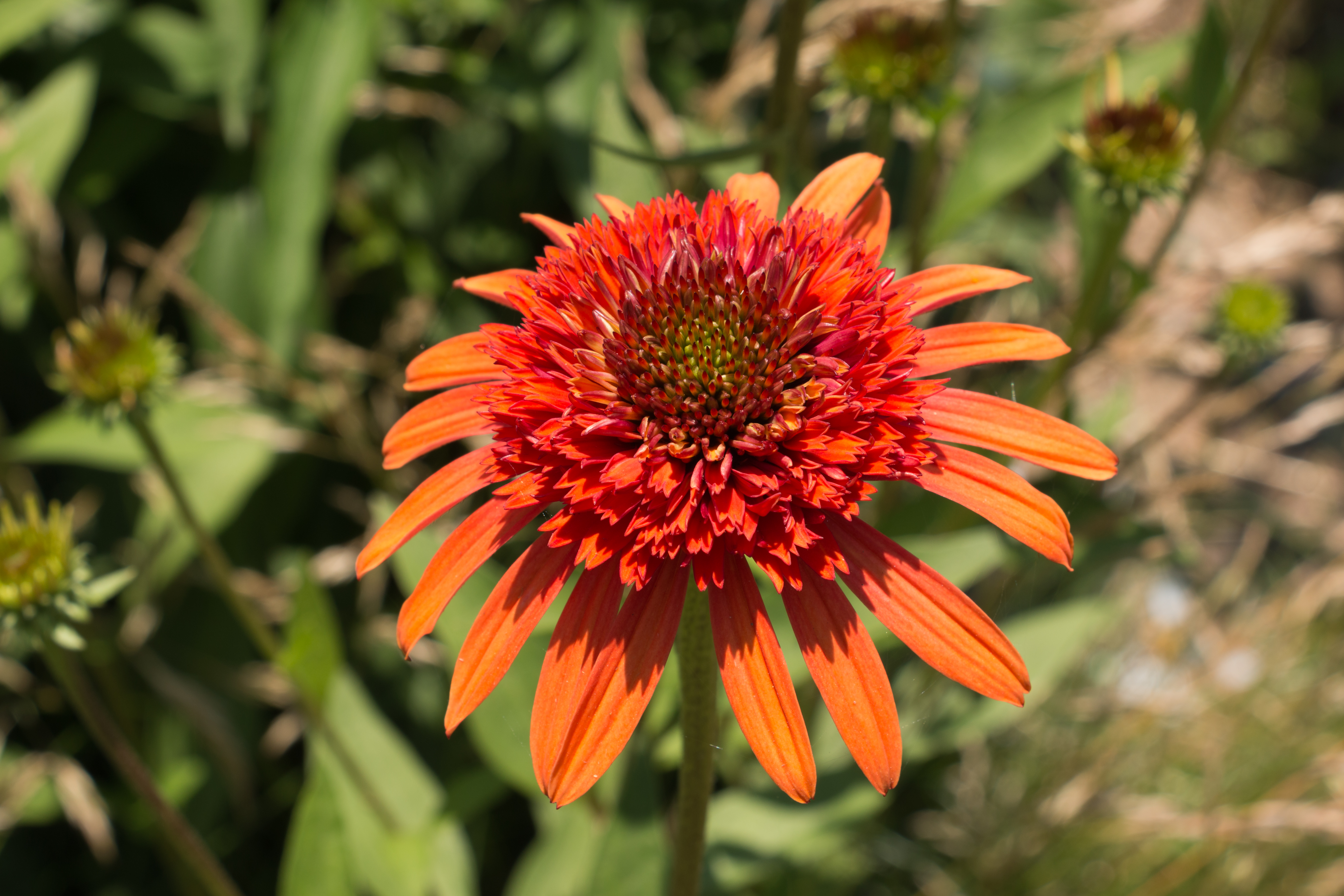
A prairie classic, Coneflower is a robust and beautiful addition to any deer-resistant garden. While deer might occasionally sample a young plant if extremely hungry, mature Coneflowers are generally left alone. Their rough, bristly leaves and strong central cones are not appealing. Available in a rainbow of colors beyond the traditional purple, Coneflowers bloom from mid-summer into fall, attracting pollinators and providing winter interest with their seed heads.
5. Black-Eyed Susan (Rudbeckia hirta, R. fulgida)
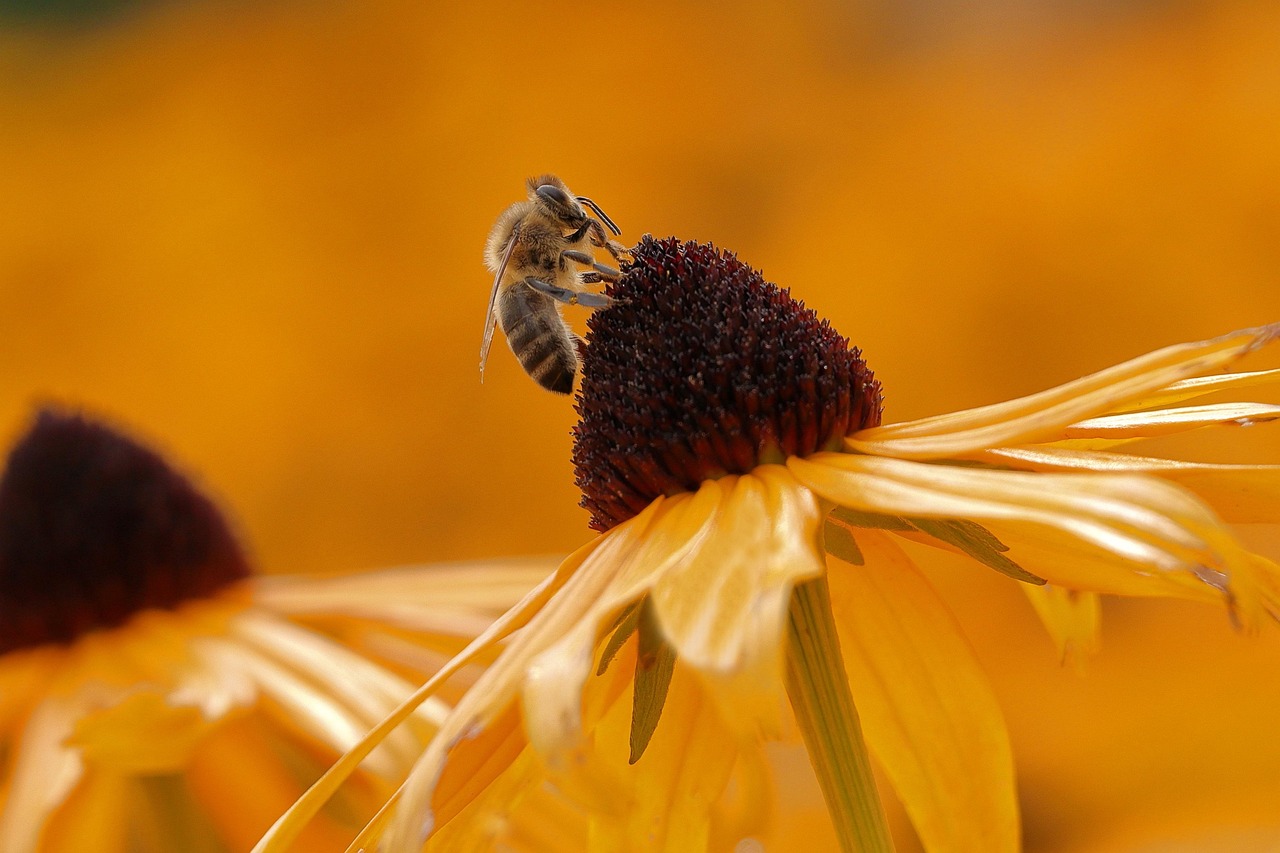
Another cheerful native, Black-Eyed Susan is a reliable deer-resistant performer. The slightly coarse texture of their leaves and stems discourages browsing. Their bright yellow, daisy-like flowers with dark centers bring a sunny disposition to the garden from mid-summer through fall. They are easy to grow, tolerant of various soil conditions, and great for naturalized areas or mixed borders.
6. Bee Balm (Monarda)
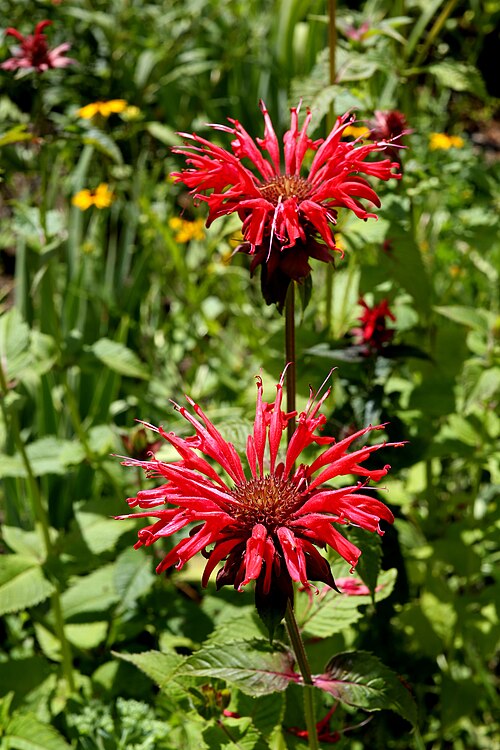
Bee Balm is a fantastic choice for attracting pollinators while deterring deer. Its aromatic foliage, part of the mint family, is highly unappealing to deer. The unique, shaggy flowers come in shades of red, pink, purple, and white, blooming in mid-summer. Bee Balm prefers moist, well-drained soil and full sun to partial shade. It's a must-have for a wildlife-friendly, deer-resistant garden.
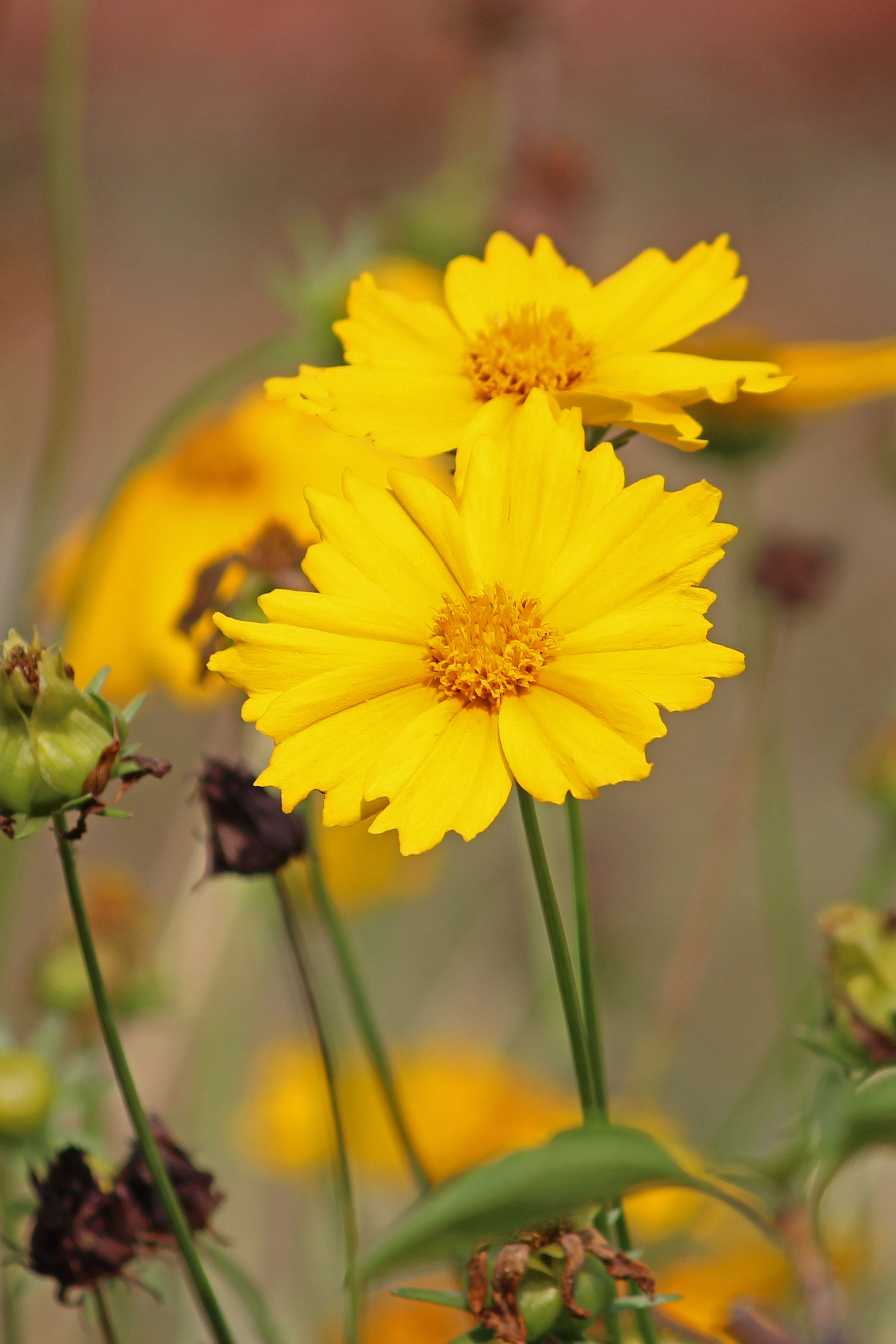
7. Coreopsis (Tickseed)
Coreopsis offers a profusion of cheerful, daisy-like flowers in shades of yellow, gold, and sometimes pink or red. Its fine, often thread-like foliage is generally ignored by deer. These tough plants are drought-tolerant and bloom for an extended period, especially with deadheading, from early summer through fall. They are perfect for sunny borders and provide a continuous splash of color.
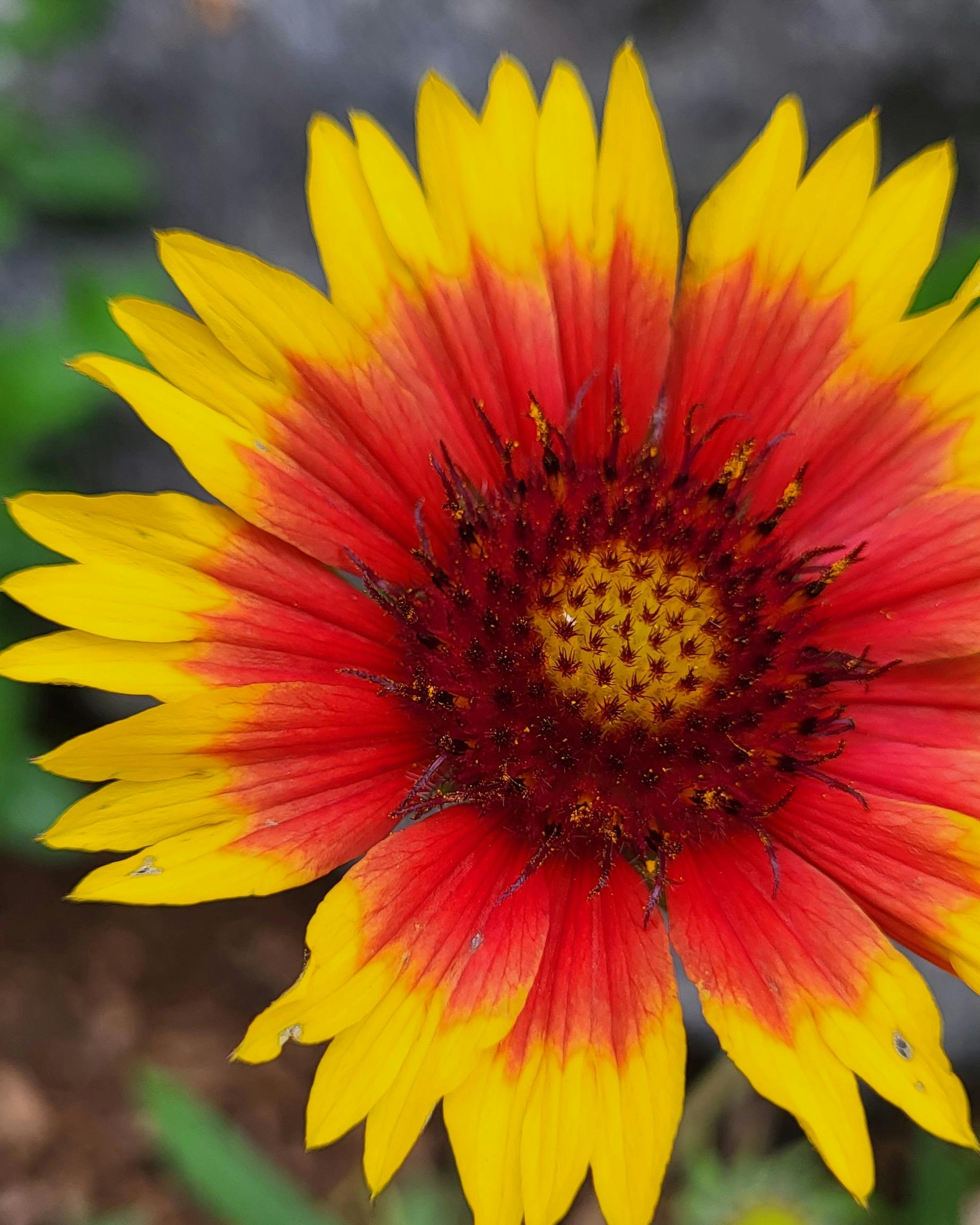
8. Blanket Flower (Gaillardia)
Known for its vibrant, daisy-like flowers in shades of red, orange, and yellow, often with contrasting tips, Blanket Flower is a showstopper that deer tend to avoid. Its slightly fuzzy foliage and bitter taste are deterrents. Gaillardia thrives in full sun and well-drained soil, tolerating heat and drought. It's a fantastic choice for adding bold, continuous color to your Zone 6 garden from early summer until frost.
Quick Reference: Deer-Resistant Perennials for Zone 6
| Plant Name | Botanical Name | Bloom Time | Flower Color | Sun Exposure | Key Deer-Resistant Trait |
|---|---|---|---|---|---|
| Yarrow | Achillea | Summer - Fall | Various | Full Sun | Aromatic foliage |
| Catmint | Nepeta | Spring - Fall | Lavender-blue | Full Sun | Strong scent |
| Salvia | Salvia nemorosa | Late Spring - Summer | Purple, Blue, Pink | Full Sun | Aromatic foliage |
| Coneflower | Echinacea | Summer - Fall | Purple, Pink, White, Yellow | Full Sun | Rough texture, bitter taste |
| Black-Eyed Susan | Rudbeckia | Summer - Fall | Yellow with dark center | Full Sun | Coarse texture |
| Bee Balm | Monarda | Mid-Summer | Red, Pink, Purple, White | Full Sun-Part Shade | Aromatic foliage |
| Coreopsis | Coreopsis | Early Summer - Fall | Yellow, Gold, Pink, Red | Full Sun | Fine texture |
| Blanket Flower | Gaillardia | Early Summer - Fall | Red, Orange, Yellow | Full Sun | Fuzzy foliage, bitter taste |
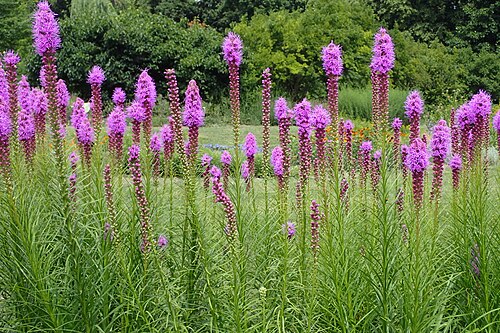
| Blazing Star | Liatris spicata | Mid-Summer | Purple, White | Full Sun | Coarse texture, bitter taste |
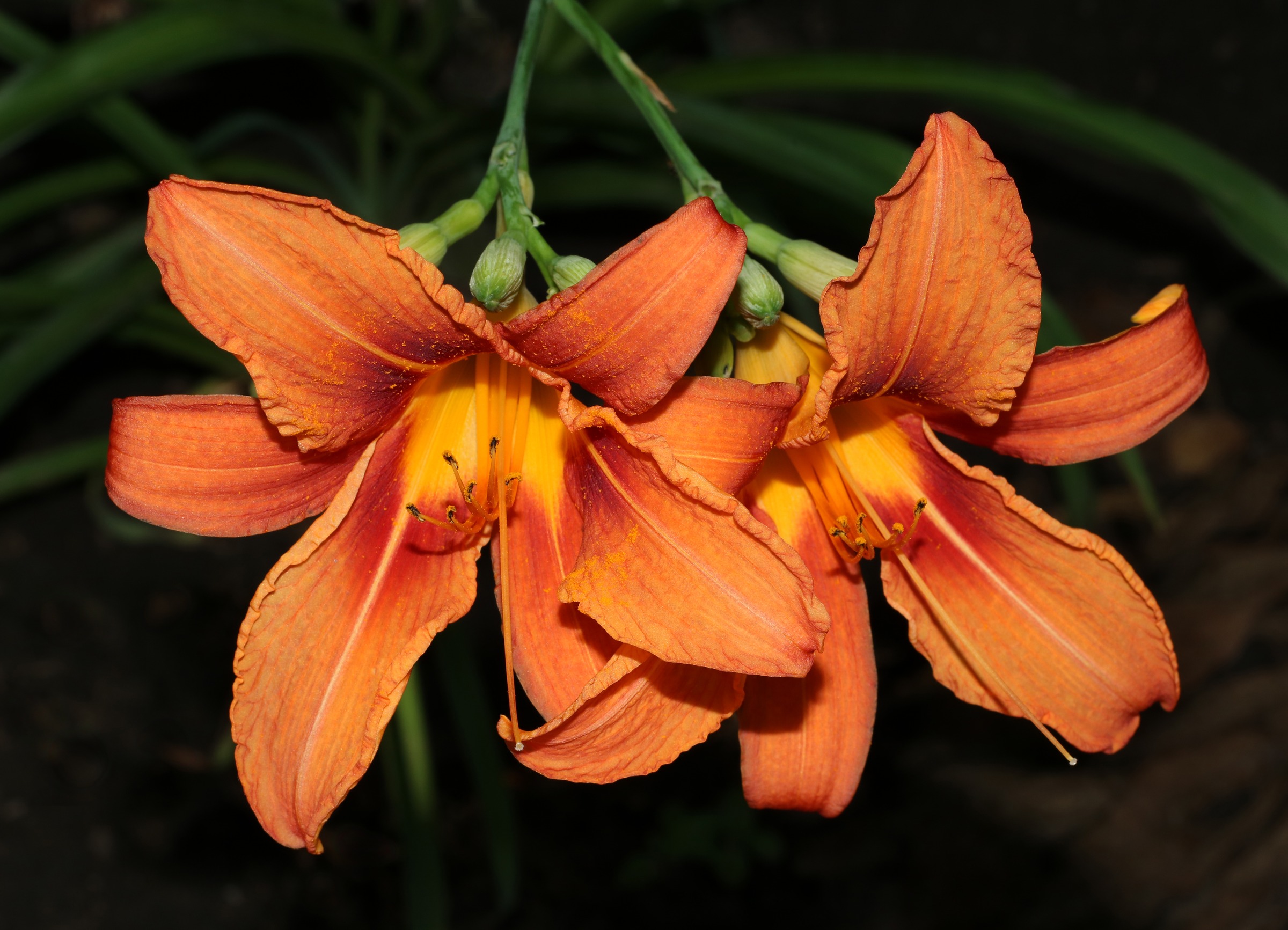
| Daylily (some varieties) | Hemerocallis | Summer | Various | Full Sun-Part Shade | Generally avoided, but can be browsed if hungry |
Designing Your Deer-Resistant Garden
When incorporating these plants into your Zone 6 garden, consider these design tips:
- Layering: Place taller, more robust deer-resistant plants at the back of borders, with medium-height options in the middle, and shorter varieties at the front.
- Mass Planting: Planting several of the same deer-resistant plant together not only creates a stronger visual impact but can also make the area less appealing to deer due to a concentrated scent or texture.
- Strategic Placement: If you have areas that are consistently browsed, focus your most deer-resistant choices there. You can also use highly aromatic plants as a "barrier" around more susceptible plants.
- Diversity: A diverse garden is a resilient garden. Mixing different textures, bloom times, and colors will create a more interesting and stable ecosystem.
Other Deer Deterrents
While choosing deer-resistant plants is your first line of defense, you can also employ other strategies:
- Fencing: The most effective, but often impractical, solution is a tall fence (at least 8 feet high).
- Repellents: Commercial or homemade repellents can be effective, but they require consistent reapplication, especially after rain.
- Scare Tactics: Motion-activated sprinklers or noise makers can temporarily deter deer, but they often get used to them.
- Companion Planting: While not foolproof, planting highly aromatic herbs like lavender or rosemary around more vulnerable plants can sometimes offer a small degree of protection.
Remember, no plant is truly deer-proof, especially when deer populations are high or food is scarce. However, by focusing on these deer-resistant flowering perennials, you can significantly reduce browsing damage and enjoy a beautiful, vibrant garden in your Zone 6 landscape.
Ready to find the perfect plants for your yard? Try the PlantWise Plant Finder →